Gulf War Escalates as Europe's Patriot Shortage Goes Public
A sixth strike wave on Iran and a bigger tanker buildup ran alongside a real Patriot shortfall that pushed four separate European responses inside one week.

U.S. Air Force photo by Airman 1st Class Paula Arce, 22nd Air Refueling Wing, DVIDS, public domain
Two arcs defined this week, moving in opposite directions. In the Gulf, a war that opened in February kept widening: a sixth consecutive strike night on Iran, retaliation against three Gulf states, and a tanker buildup toward early-war levels by Saturday. In Europe, a single July 6 admission, that Ukraine intercepted zero of 23 incoming ballistic missiles because Patriot rounds had run out, triggered four distinct responses inside ten days: a new interceptor coalition, a Patriot production license, a Belgian rearmament program, and a Pentagon push toward cheaper mass-produced missiles. A third, quieter thread ran underneath both: uncrewed systems crossed real operational and export thresholds on the water, in the air and under it, the same seven days.
The Gulf war keeps widening, not de-escalating
CENTCOM closed out its sixth straight night of strikes on Iran early July 17, hitting five Hormozgan bridges, Iranshahr airport and coastal sites, per the Jerusalem Post and Iran Focus, both citing CENTCOM’s own announcement. Iran’s retaliation reached three Gulf partners in one round: drones at Bahrain’s Sakhir Air Base, missile and drone attacks claimed against Kuwait, and a Qatar-bound missile intercepted, though shrapnel injured a child on the ground. WeaponSpecs covered that wave in full; its seven-killed figure is Iranian state-linked reporting (IRNA), not independently verified.
The strikes trace to a collapsed ceasefire. A 60-day truce signed in Versailles on June 17 broke down after Iran struck a commercial vessel in the Strait of Hormuz around July 11, and the US reinstated a naval blockade on Iranian-flagged shipping on July 14, the same day CENTCOM confirmed the first US combat use of sea drones: three Saronic Corsair unmanned surface vessels struck a Ghadir-class midget submarine under maintenance at Bandar Abbas. Kpler recorded just 22 vessels crossing the strait on July 9, against 147 the day before the war opened on February 28, per NPR.
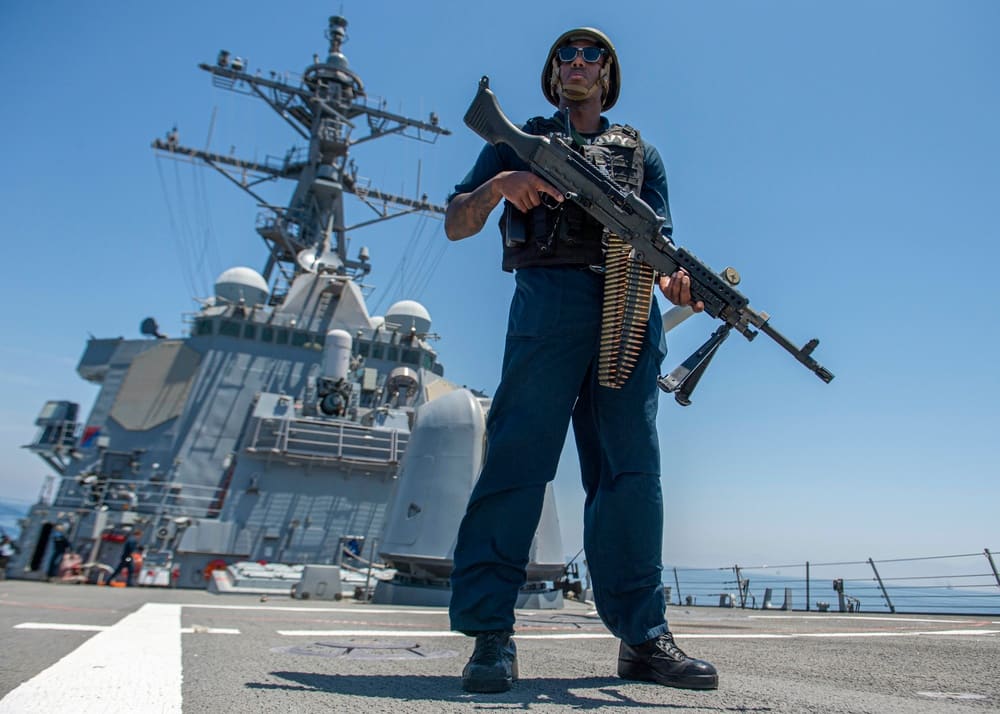
By July 18, the Trump administration had notified Israel it would send dozens more KC-46 Pegasus and KC-135 Stratotanker aircraft, restoring the refueling fleet toward the roughly 60-tanker footprint seen at the war’s opening, per HNGN and Ynet News, both citing officials briefed on a White House session weighing a broader offensive. Refueling capacity is a leading indicator, not a footnote, since it is what lets any future strike package reach further into Iran; nothing beyond the buildup itself has been confirmed as ordered.
Europe’s Patriot shortage stopped being theoretical
The week’s second arc started with a single sentence. On the night of July 6, Ukrainian Air Force spokesman Yuriy Ihnat said on national television that Ukraine shot down zero of 23 incoming Iskander-M ballistic missiles, out of 419 total weapons launched that night, because Patriot interceptor stocks had run short, not because of any technical or targeting failure. WeaponSpecs covered the resulting strain on Kyiv: by July 13, Zelensky was publicly asking allies for 300 additional Patriot missiles for winter, “100 Patriot missiles per month,” in his own words.
Four responses landed within ten days. First, ten nations signed a joint declaration in Paris on July 13, Ukraine plus Denmark, France, Germany, Italy, the Netherlands, Norway, Spain, Sweden and the UK, forming a coalition around Fire Point’s low-cost Freya interceptor. The declaration itself carries no cost or timeline figures; those come from Fire Point via Military Times and Militarnyi: roughly $700,000 per shot against Patriot PAC-3’s reported $3.8 million, production aimed at three a day from August 2026, first real intercept targeted for late 2027, a date analysts call optimistic.
Second, the US began formally licensing Ukraine to build Patriot PAC-3 interceptors domestically, disclosed July 15 and confirmed by the Kyiv Independent, Lockheed Martin publicly backing the grant. Ukraine would become only the third licensee ever, after Germany and Japan, but relief is years off: component lead times run 24 to 30 months, against a stated need of roughly 2,000 interceptors a year versus the 600 to 650 the US currently produces.
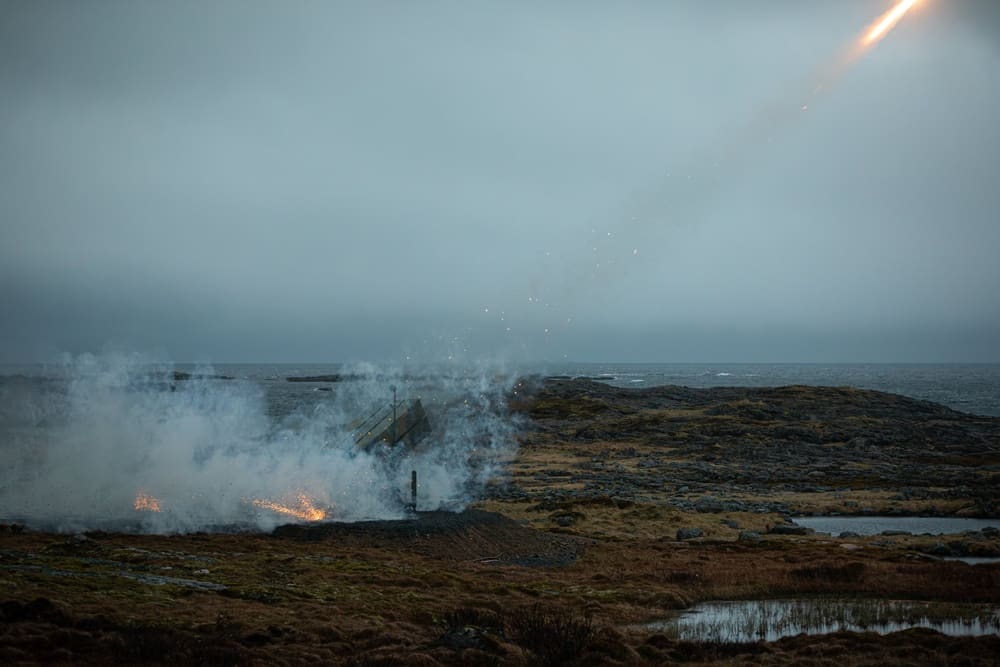
Third, Belgium committed more than 3 billion euros to 10 NASAMS batteries, 20 Skyranger 30 turrets and 14 Ground Master 200 radars, its first ground-based air-defense rebuild since the 1990s, procured through the Netherlands’ framework to share maintenance and training. Fourth, Germany advanced a second Arrow-3 battery for Bavaria, part of roughly $6.5 billion in cumulative (not new-this-week) German missile-defense spending. Four governments, four mechanisms, one shared trigger: a single Ukrainian officer’s on-record admission that the intercept count on July 6 was zero.
A parallel bet: buying weapons mass instead of exquisite precision
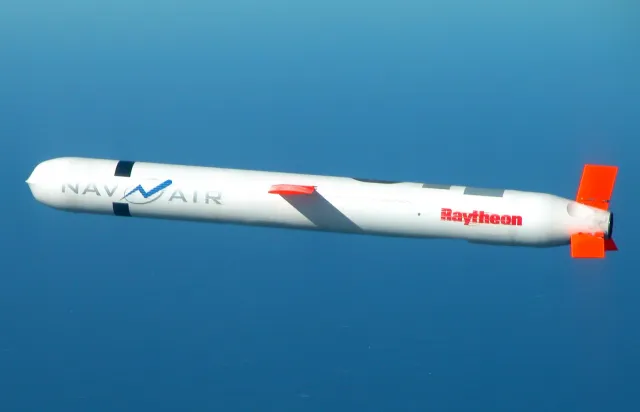
A third thread ran alongside the first two: a push toward cheaper, more numerous weapons instead of fewer, expensive ones. The Department of War signed multiyear framework agreements on July 15 with Anduril, CoAspire and Zone 5 to validate and eventually mass-produce 28,000 low-cost, air-launched cruise missiles through fiscal 2031 for roughly $12.6 billion, averaging near $450,000 per missile against Tomahawk Block V’s roughly $1.89 million, per Air & Space Forces Magazine. “The Arsenal of Freedom of the 21st Century requires doing business differently,” Michael P. Duffey, Under Secretary of War for Acquisition and Sustainment, said in the release announcing the deals.
Freya’s $700,000 target sits in the same category: both bet that quantity, not per-unit exquisiteness, is the urgent shortfall. But the same week undercuts any claim that procurement broadly is moving that direction. Lockheed Martin’s $850 million contract modification extending the Trident II D5 submarine-launched missile’s service life, confirmed via the company’s July 10 release, is more than double the $383 million increment disclosed in February 2025 on the same program. A nuclear-deterrent missile getting a larger life-extension contract the same week two low-cost efforts launched shows “affordable mass” is a targeted fix, not a doctrine replacing systems that still do a job nothing cheap can match.
Recounted independently from this desk's own 24 published stories, not the research brief's unaudited totals. Procurement outnumbered every other category combined; conflict was smallest only because most Iran-related developments this week were logistics and policy stories, not new strikes.
Uncrewed systems crossed real thresholds in three domains
The same week, autonomous platforms moved from demonstration to operational or export status on the water, in the air and under it. The Saronic Corsair strike at Bandar Abbas, noted above, was the first documented US combat use of an uncrewed surface vessel, an attritable platform reportedly priced in the low single-digit millions against roughly $2 billion for a destroyer. In the air, Turkey’s Bayraktar Kizilelma fired Roketsan’s JET-230 supersonic missile for the first time in a July 8-13 test out of Merzifon, confirming a hit on a naval target beyond 120 kilometers per Baykar’s July 15 release; Roketsan’s separate 200-plus-kilometer claim remains unverified.
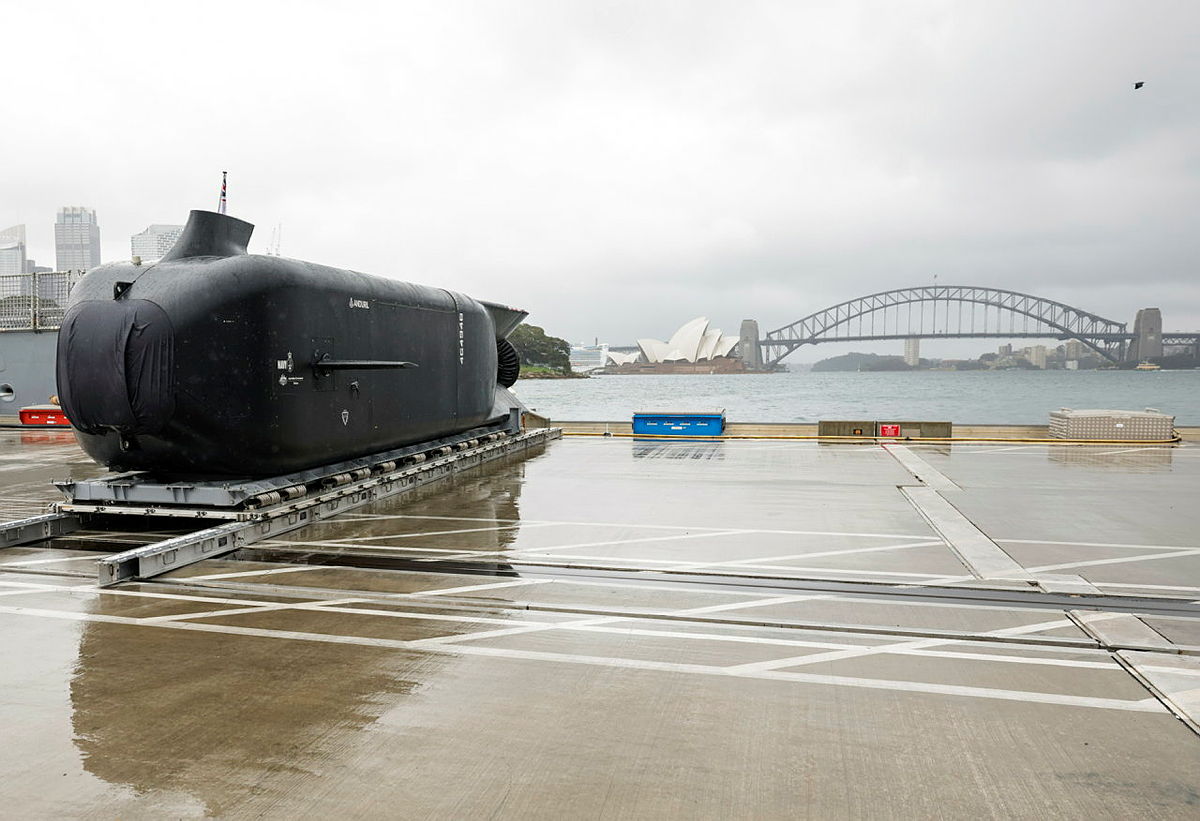
Under water, Australia designated Anduril’s Ghost Shark autonomous underwater vehicle a “priority export capability” inside its 2026 Defence Industry Development Strategy, opening government-facilitated sales to allied navies. WeaponSpecs corrected an early dating error here: the strategy was released July 2, per Breaking Defense’s same-day timestamp, not July 16 as one uncorroborated source suggested. The underlying program is a A$1.7 billion Royal Australian Navy order from September 2025; the export designation is a new policy layer, not a signed sale.
For continuing coverage, see WeaponSpecs’ news archive, the Patriot PAC-3 and 9K720 Iskander system pages, and the Bayraktar Kizilelma page for this week’s autonomous-strike milestone.
Sources
- Zelenskyy taps European allies to build Freya, a cheaper Patriot-alternative to Russia's ballistic missiles — Military Times, Jul 10, 2026
- Fire Point Co-Founder Presents Details of the Freya Anti-Ballistic Missile Project — Militarnyi, Jul 10, 2026
- US completes 6th wave of strikes on Iran, hits bridges, airport — The Jerusalem Post, Jul 17, 2026
- CENTCOM Announces End of Sixth Round of Strikes on Military Targets in Iran — Iran Focus, Jul 17, 2026
- US To Send Dozens More Refueling Planes To Israel As Trump Weighs Wider Iran Offensive — HNGN, Jul 17, 2026
- The US strikes Iran after Trump announces a renewed blockade and tolls in Hormuz — NPR, Jul 13, 2026
- Pentagon announces multiyear deals to buy thousands of affordable cruise missiles — Air & Space Forces Magazine, Jul 15, 2026
- Bayraktar Kizilelma Strikes With Supersonic Missile — Baykar (official press release), Jul 15, 2026
- Australia announces defense industry policy and acquisitions reforms — Breaking Defense, Jul 2, 2026
- Exclusive: Lockheed Martin supports granting Ukraine Patriot missile licenses, official says — The Kyiv Independent, Jul 15, 2026
- Belgium purchases 14 Ground Master 200 radars with 10 NASAMS and 20 Skyranger air defense systems at NATO summit — Army Recognition, Jul 8, 2026
Systems mentioned
Every system named in this story, with its photo and, where available, a video. Tap a card to open the full spec sheet.
Compare these side by side →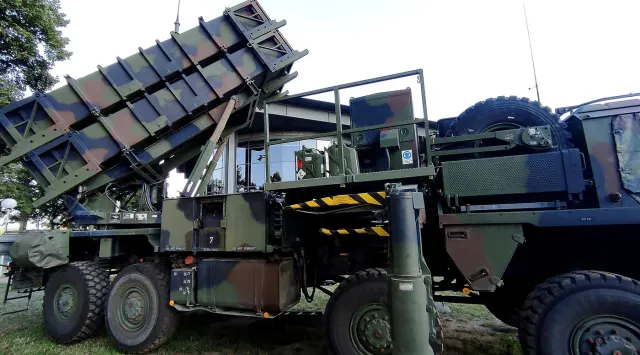
Air defense system
Patriot PAC-3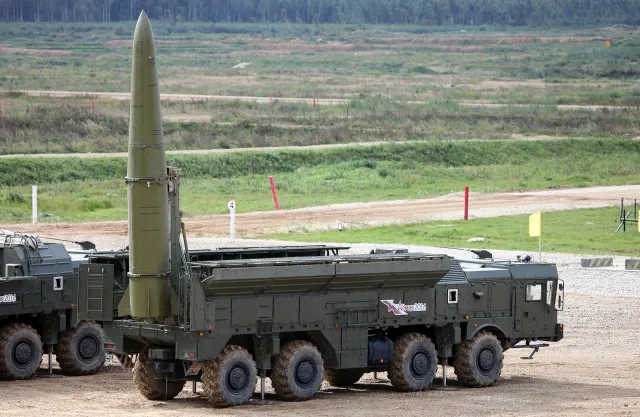
Missile
9K720 Iskander-M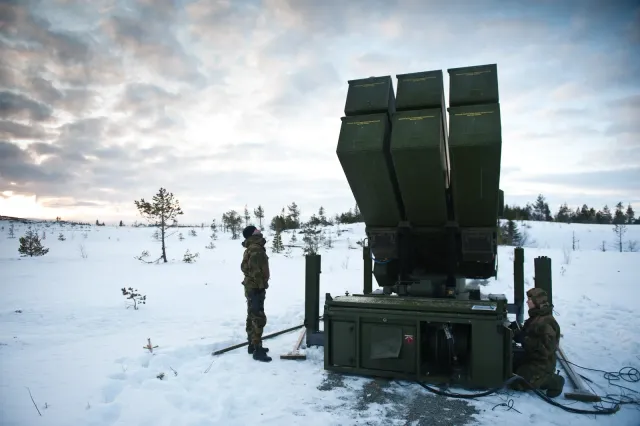
Missile
Tomahawk Block V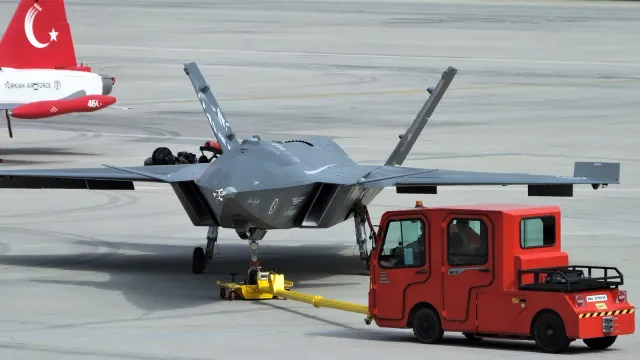
UAV / drone
Bayraktar KizilelmaFrequently asked questions
What was the biggest development this week? +
CENTCOM completed a sixth consecutive night of strikes on Iran on July 17, hitting five Hormozgan bridges, an airport and coastal sites, while Iran retaliated against Bahrain, Kuwait and Qatar. A day later the Trump administration told Israel it would send dozens more refueling tankers as it weighs a broader offensive, the clearest sign yet that the six-month-old US-Iran war is widening rather than winding down.
Why is Europe rushing on air defense right now? +
Because the shortage stopped being theoretical. Ukraine's air force confirmed on July 6 that zero of 23 incoming Iskander-M ballistic missiles were intercepted that night due to a lack of Patriot interceptors. Within the following ten days, ten nations signed a low-cost interceptor coalition, the US began licensing Ukraine to build Patriot missiles domestically, and Belgium committed over 3 billion euros to rebuild its own air defense from scratch.
Is defense procurement really shifting toward cheaper weapons? +
In specific, verifiable cases, yes: the Pentagon's FAMM framework targets roughly $450,000 per cruise missile against Tomahawk's $1.89 million, and Fire Point's Freya interceptor is targeting about $700,000 against a Patriot PAC-3's roughly $3.8 million. But the same week produced an $850 million contract modification to extend the life of the Trident II D5 submarine-launched missile, proof that exquisite legacy systems are still getting funded alongside the low-cost push, not replaced by it.
What stood out in uncrewed systems this week? +
Three different domains crossed a real operational or export milestone in the same seven days: a Saronic Corsair sea drone recorded the first US combat use of an uncrewed surface vessel, Turkey's Bayraktar Kizilelma UCAV fired a supersonic missile and hit a naval target at over 120 kilometers, and Australia formally designated its Ghost Shark autonomous submarine a priority export capability for Five Eyes and NATO buyers.
More news


