 Russia
 KBM (Kolomna Machine-Building Design Bureau)
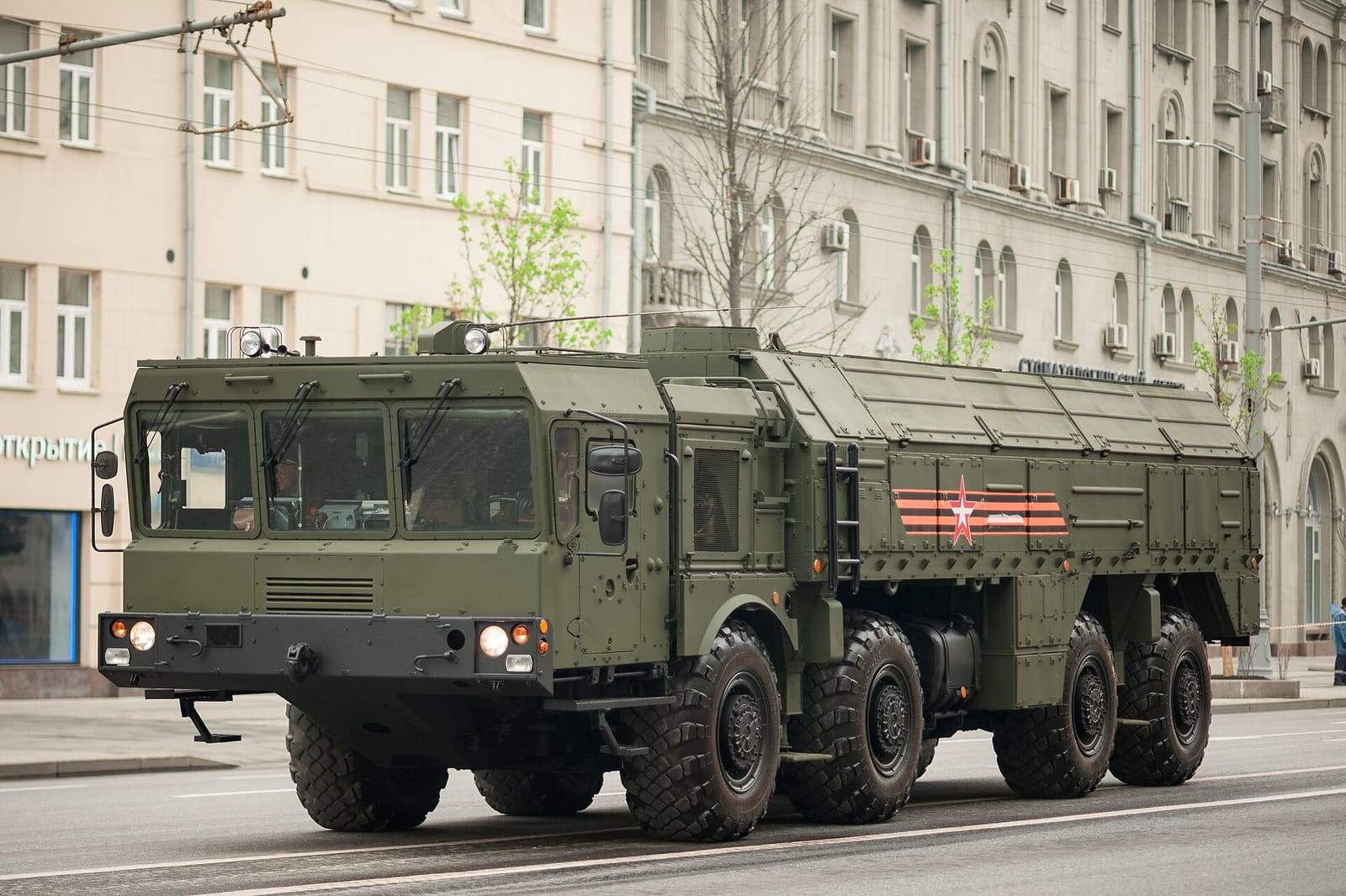
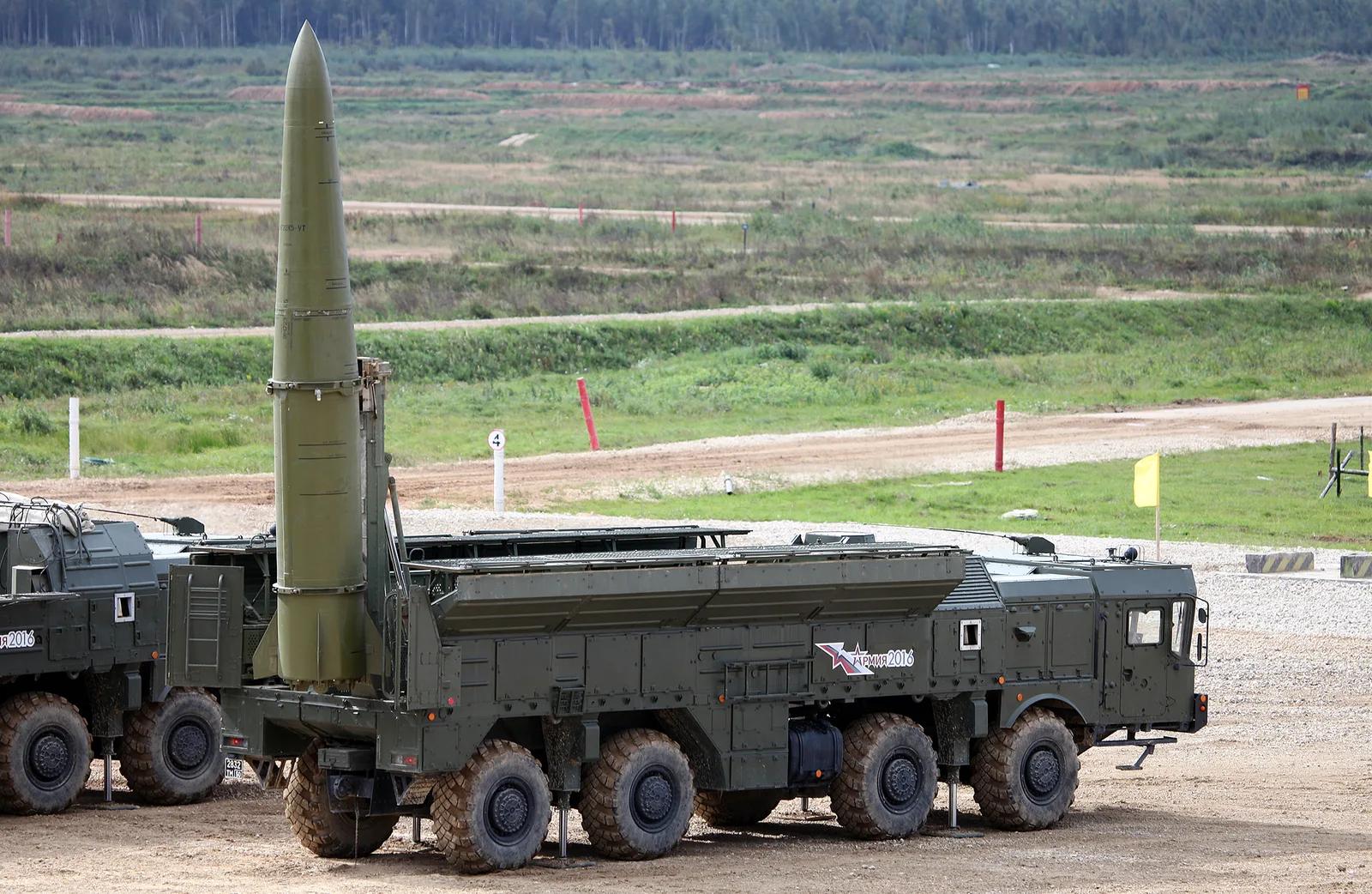
9K720 Iskander-M
A Russian road-mobile short-range ballistic missile system that performs quasi-ballistic terminal maneuvers to defeat missile defenses, with a companion 9M728/9M729 cruise-missile variant sharing the launcher. It has been the primary Russian precision strike system used against Ukrainian cities and infrastructure since 2022.
In service since 2006
Compiled from public sources ·primary reference ↗ ·last verified 2026-07-02
500
km range
6
Mach
480
kg warhead
Pricing: Unit cost not publicly disclosed
Procurement snapshot
Availability & export
Russian state channel
Rosoboronexport monopoly; Western sanctions exposure and payment/logistics risk for many buyers.
Channel: Rosoboronexport (state)
Fielded & proven
Operator data not public
In service since 2006. Status: active.
Lifecycle cost (est.)
No public unit price to model from. Why so few systems publish one →
Interoperability
No standardised NATO calibre / datalink detected in public specs.
Derived guidance from public data, export regime by country of origin, lifecycle from the GAO ~30% acquisition rule. Verify eligibility, pricing and offsets with the manufacturer and your acquisition authority.
Full specifications
Performance
Speed, range, altitude and engagement capability.
| Max speed (Mach) Maximum speed as a multiple of the speed of sound. Mach 2+ is typical for air-superiority fighters. | 6 Mach |
|---|---|
| Range Maximum distance: ferry range for aircraft, operational range for vehicles, maximum engagement distance for missiles. Higher means more standoff or persistence. | 500 km |
Firepower
Armament, payload and guidance.
| Warhead Warhead mass. Heavier generally means larger effect radius, at the cost of range. | 480 kg |
|---|---|
| Warhead type Blast-fragmentation, shaped charge (HEAT), penetrator, thermobaric or nuclear-capable. | High-explosive fragmentation, cluster, or thermobaric |
| Guidance How the weapon finds its target: inertial, GPS/GLONASS, active/semi-active radar, infrared, laser, TV, wire. | Inertial navigation, GLONASS, Optical terminal correlation |
Physical
Dimensions, weight and crew.
| Length Overall length including gun/probe where applicable. | 7.3 m |
|---|---|
| Combat weight Fully loaded weight. Lighter eases transport and bridging limits; heavier often means more armor. | 3,800 kg |
Propulsion
Engine, power and fuel.
| Propulsion type Turbofan, turboshaft, diesel, gas turbine, solid-fuel rocket, ramjet… | Solid-fuel rocket |
|---|
Specifications compiled from public KBM (Kolomna Machine-Building Design Bureau) and reference sources ↗. Published defense figures are approximations, treat comparisons as directional. Last verified 2026-07-02.
Compare with rivals
See how it stacks up
 Boeing AGM-86 ALCM
 Frequently asked questions
What is the range of the KBM (Kolomna Machine-Building Design Bureau) 9K720 Iskander-M? +
The KBM (Kolomna Machine-Building Design Bureau) 9K720 Iskander-M has a maximum range of 500 km.
How much does the KBM (Kolomna Machine-Building Design Bureau) 9K720 Iskander-M weigh? +
The KBM (Kolomna Machine-Building Design Bureau) 9K720 Iskander-M has a combat weight of 3,800 kg.
What is the KBM (Kolomna Machine-Building Design Bureau) 9K720 Iskander-M used for? +
The KBM (Kolomna Machine-Building Design Bureau) 9K720 Iskander-M is a missile typically used for deep strike.
How much does the KBM (Kolomna Machine-Building Design Bureau) 9K720 Iskander-M cost? +
KBM (Kolomna Machine-Building Design Bureau) 9K720 Iskander-M: Unit cost not publicly disclosed. Defense program costs are rarely fully public and vary by contract and configuration.
Similar systems
Almaz-Antey
P-800 Oniks
Tactical Missiles Corporation (KTRV)
Kh-101
Tactical Missiles Corporation (KTRV)
Kh-32
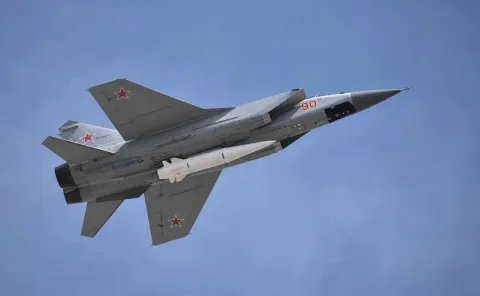
Tactical Missiles Corporation (KTRV)
Kh-47M2 Kinzhal
Related coverage
9K720 Iskander-M in the news
 News
News conflict · Aug 16, 2026
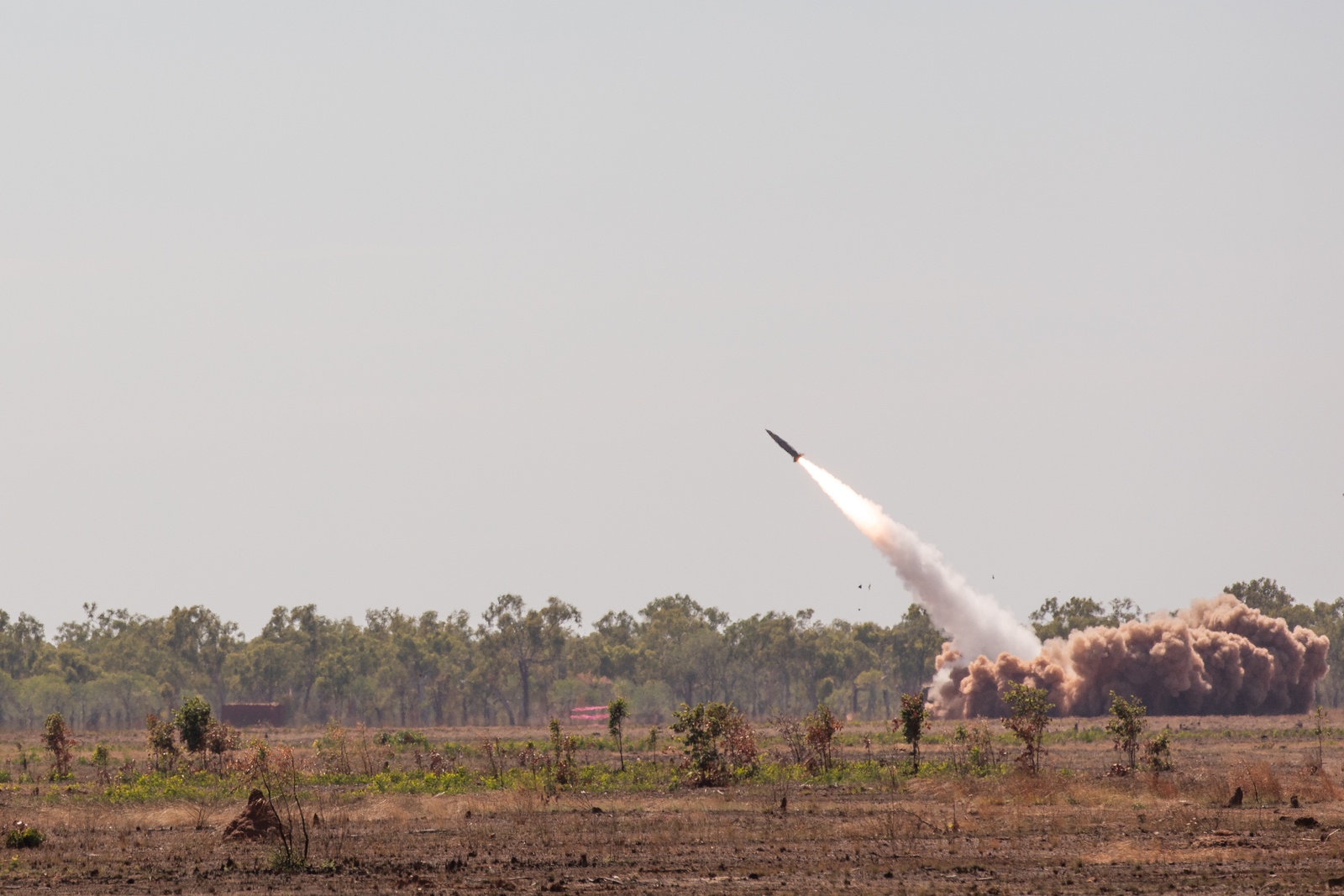
Ukraine Hits Russian Rocket-Fuel Plant Feeding Iskander, Smerch
ATACMS and Storm Shadow missiles struck the Kamensk-Shakhtinsky plant that makes solid fuel for Uragan, Smerch, Tornado-S and Iskander missiles.
 News
News digest · Aug 15, 2026
The Interceptor Math Breaks: Inside a Week of Defense Shortfalls
Zelensky says Ukraine receives 1% of the Patriot interceptors it needs, and every fix on the table this week, from lasers to new motors, is years away.
 News
News conflict · Aug 11, 2026
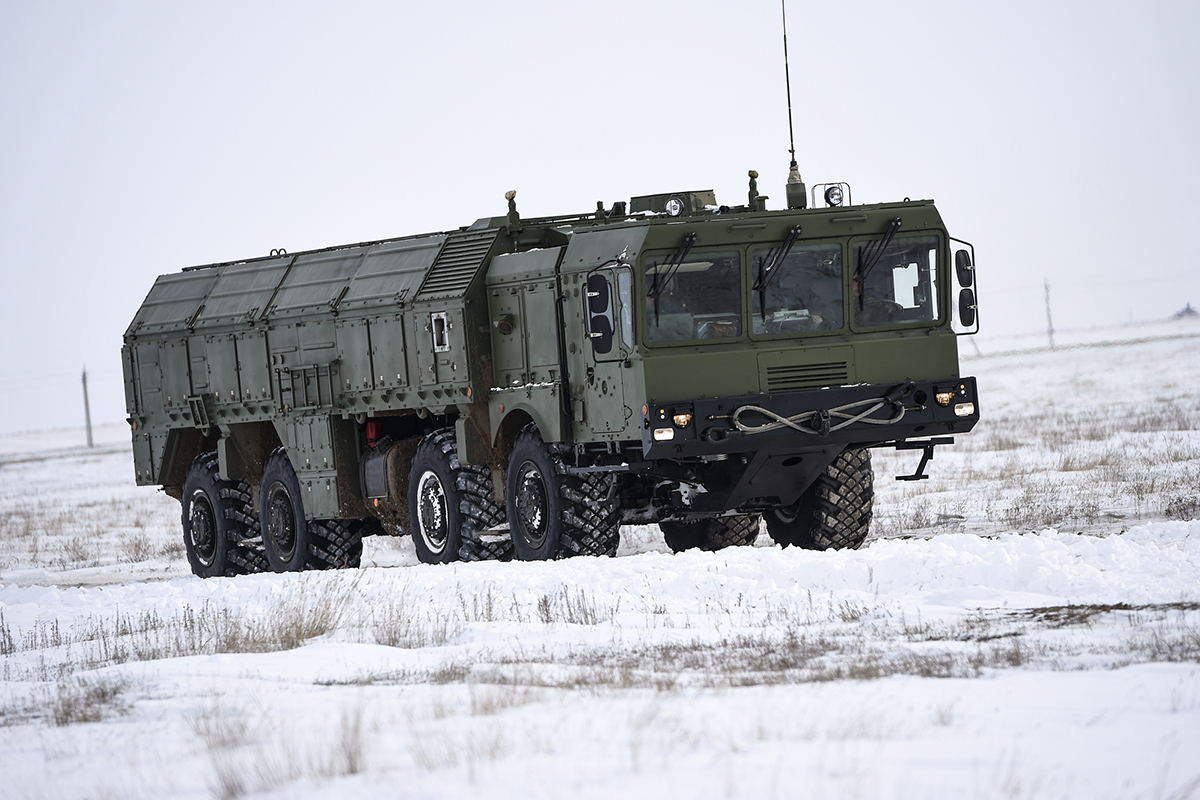
Russia Fires Zircon, Iskander, N. Korean Missiles at Zaporizhzhia
A combined overnight strike used three distinct ballistic and hypersonic systems, one supplied by North Korea, killing civilians and steelworkers in Zaporizhzhia.
 News
News digest · Aug 1, 2026
July 2026 in review: Gulf war deaths, a $135B Patriot day
July saw the Iran war's first new US combat deaths, a record $58.6B Patriot deal, and Europe's scramble after Ukraine's interceptors ran dry.
 News
News procurement · Jul 24, 2026
Ukraine and Raytheon agree to co-produce Patriot interceptors
Zelensky announced an in-principle deal to jointly manufacture Patriot interceptors with Raytheon, a step toward closing Ukraine's chronic missile-supply gap.
 News
News conflict · Jul 20, 2026
Russia's largest Kyiv barrage since 2022 met by 400-drone Moscow hit
Russia fired 41 missiles and 125 drones at Kyiv overnight, its largest barrage since 2022; within a day Ukraine hit Moscow with 400+ drones.
 News
News digest · Jul 18, 2026
Gulf War Escalates as Europe's Patriot Shortage Goes Public
A sixth strike wave on Iran and a bigger tanker buildup ran alongside a real Patriot shortfall that pushed four separate European responses inside one week.
 News
News policy · Jul 14, 2026
10 nations launch anti-ballistic coalition to counter Russia
Ukraine and nine European states signed a joint declaration July 13 to build an integrated anti-ballistic architecture around Ukraine's low-cost Freya interceptor.
 News
News conflict · Jul 14, 2026
Russia batters Kyiv with ballistic missiles; Patriots depleted
Russia struck Kyiv with ballistic missiles again hours after a new European coalition launched, as Ukraine's Patriot interceptor stocks stay reported near empty.
 News
News conflict · Jul 6, 2026
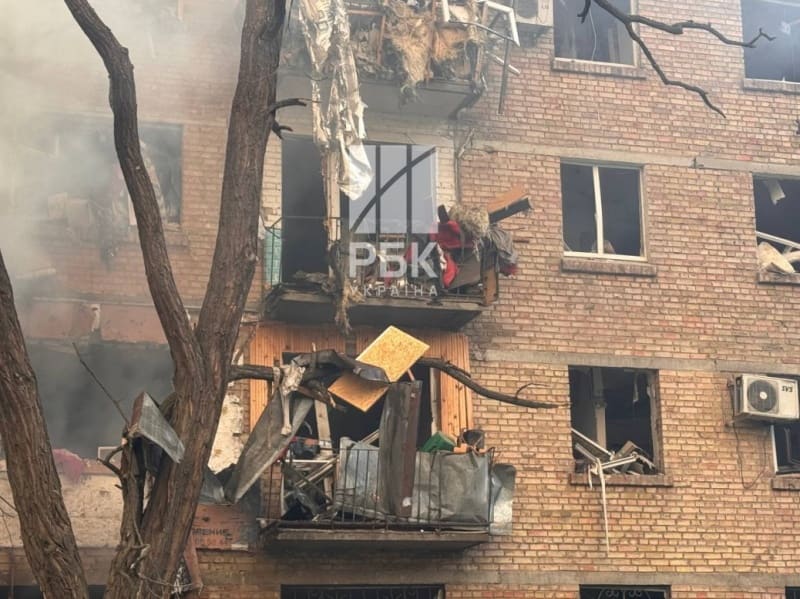
Russia strikes Kyiv with 570 missiles and drones, 30 killed
Russia launched a coordinated overnight assault; 30 confirmed dead, 92+ injured. Iskander ballistic missiles and Kinzhal hypersonics hit civilian targets across the city.
 News
News digest · Jul 6, 2026
War's New Math: Russia Bleeds Interceptors, Ukraine Exports Drones
Two strikes in one week exposed Ukraine's air-defense crisis while the Drone Deal opens combat-proven exports to NATO allies, reshaping the war's industrial logic.
 News
News digest · Jun 1, 2026
May 2026 in review: Ukraine's deadliest month, Oreshnik doubts
Ukraine logged its worst civilian toll in four years as Russia's Oreshnik hypersonic missile misfired, while Washington tripled Patriot output, cleared AI firms for classified work, and Sweden sealed a Gripen deal.