Russia batters Kyiv with ballistic missiles; Patriots depleted
Russia struck Kyiv with ballistic missiles again hours after a new European coalition launched, as Ukraine's Patriot interceptor stocks stay reported near empty.
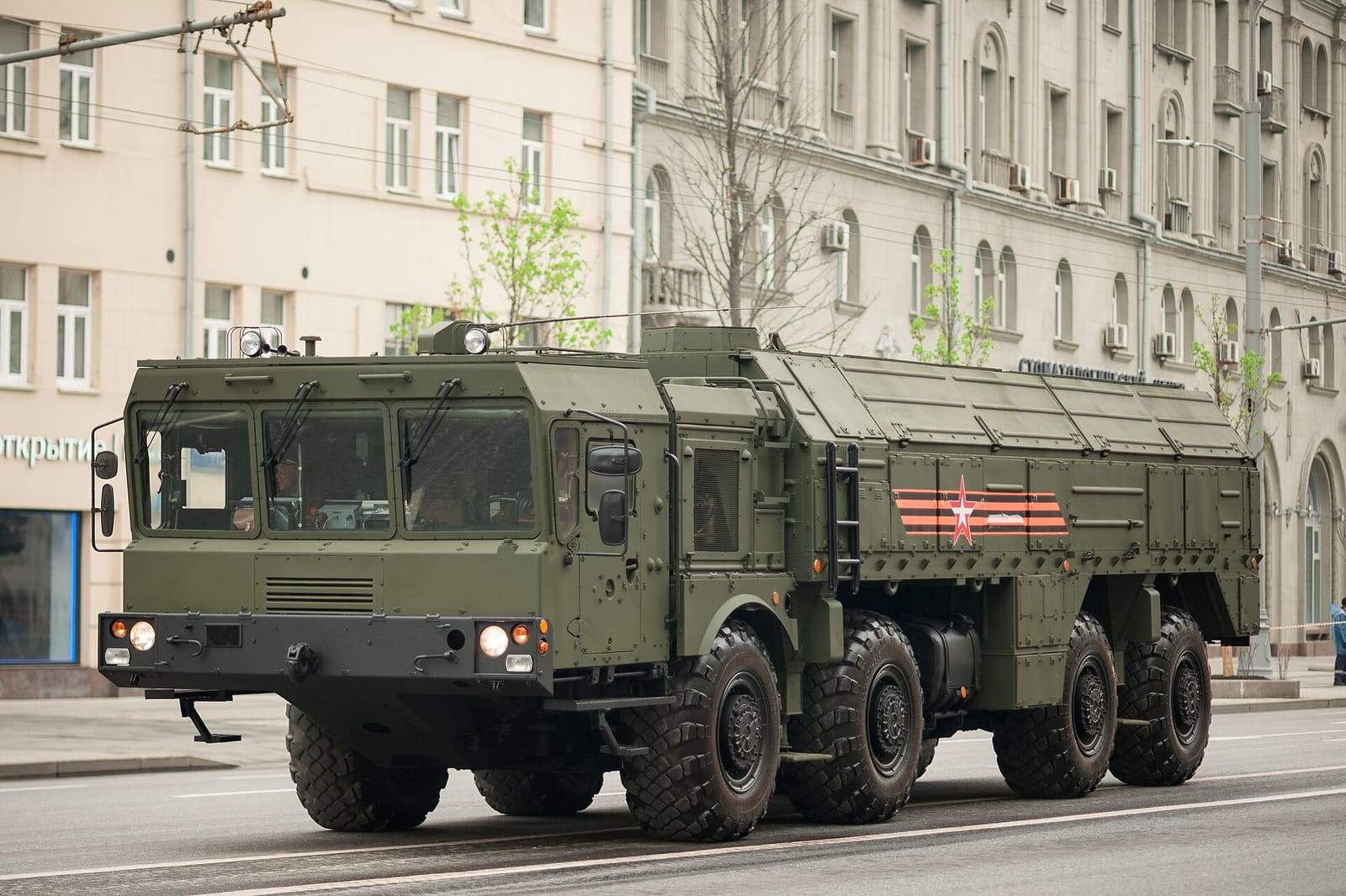
Photo by Dmitriy Fomin, CC BY 2.0, via Wikimedia Commons
Russia struck Kyiv with ballistic missiles again in the early hours of July 13, just hours after Ukraine and nine European partners signed a new anti-ballistic missile coalition in Paris, according to Al Jazeera. Kyiv Mayor Vitali Klitschko confirmed fires broke out in the Holosiivskyi district as air-defense units worked to repel the attack. The timing was not lost on Ukrainian officials: the strike landed at the exact moment the new coalition’s own rationale is that Ukraine’s existing Patriot interceptor stocks are running low, a shortage Kyiv’s own air force has been describing publicly since at least July 6.
The July 13 strike was the latest in a run of ballistic and cruise-missile barrages against the capital that has stretched through most of July. The Moscow Times reported that a July 12 overnight assault on Kyiv combined six ballistic missiles, six cruise missiles and 121 drones; Ukraine’s Air Force said it intercepted at least two of the cruise missiles and 111 of the drones, a roughly 92 percent success rate against the drone portion of the attack specifically. That same 24-hour period saw at least eight people killed across Ukraine, five in Sumy from glide bombs, two in a missile strike on Odesa, and one in a border-district explosive-device incident, with dozens more wounded across Sumy, Zaporizhzhia, Kharkiv, Odesa and Kyiv, all figures as reported by regional officials and cited by The Moscow Times, not independently confirmed by WeaponSpecs.
A pattern, not a one-off: zero ballistic intercepts on July 6
The clearest evidence that Ukraine’s problem is ammunition, not technology or training, comes from a specific admission after an earlier barrage. On the night of July 6, Russia launched 419 aerial weapons at Ukraine, according to Militarnyi’s reporting on Ukrainian Air Force spokesman Yuriy Ihnat: 23 Iskander-M ballistic missiles, six Zircon anti-ship missiles, 33 Kh-101 and six Kalibr cruise missiles, plus 351 drones and decoys. Ukrainian forces shot down 326 of the drones and the large majority of the cruise missiles, but Ihnat said on national television that all 23 ballistic missiles and all six Zircons got through. His stated reason was explicit: “The failure to intercept the ballistic missiles was due to a shortage of Patriot interceptor missiles,” not a targeting or technical failure. That single data point, a hard zero against the one missile category Patriot PAC-3 exists specifically to stop, is the reason the phrase “Patriot depleted” now shows up in Ukrainian officials’ public statements alongside every subsequent barrage.
Zelensky made the shortage explicit again on July 13, the same day the new coalition was signed. Speaking at a Coalition of the Willing meeting, he asked allies for a winter air-defense package of 300 Patriot interceptor missiles, breaking it down as “100 Patriot missiles per month, 300 missiles for the winter,” according to the Kyiv Independent, which reported plainly that Ukraine’s “stocks of munitions for U.S.-made Patriot systems…has run dry.” Neither Zelensky’s remarks nor the reporting around them specify how many Patriot batteries remain operational in the country right now, a figure that, if disclosed, would itself be sensitive military information; the 300-missile winter ask is the clearest public proxy available for how large the reported gap has become.
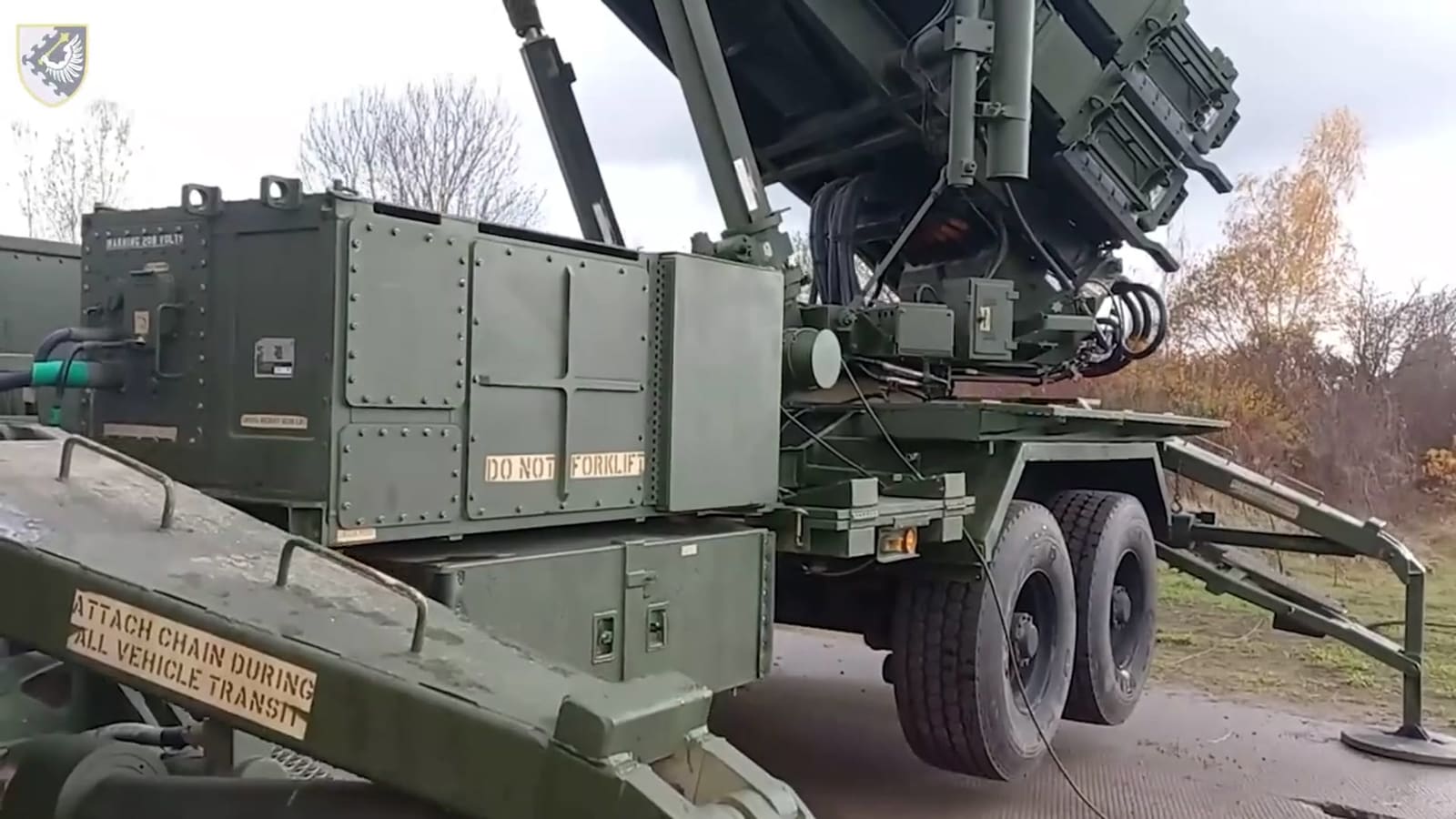
Why a ballistic missile is so much harder to stop than a drone
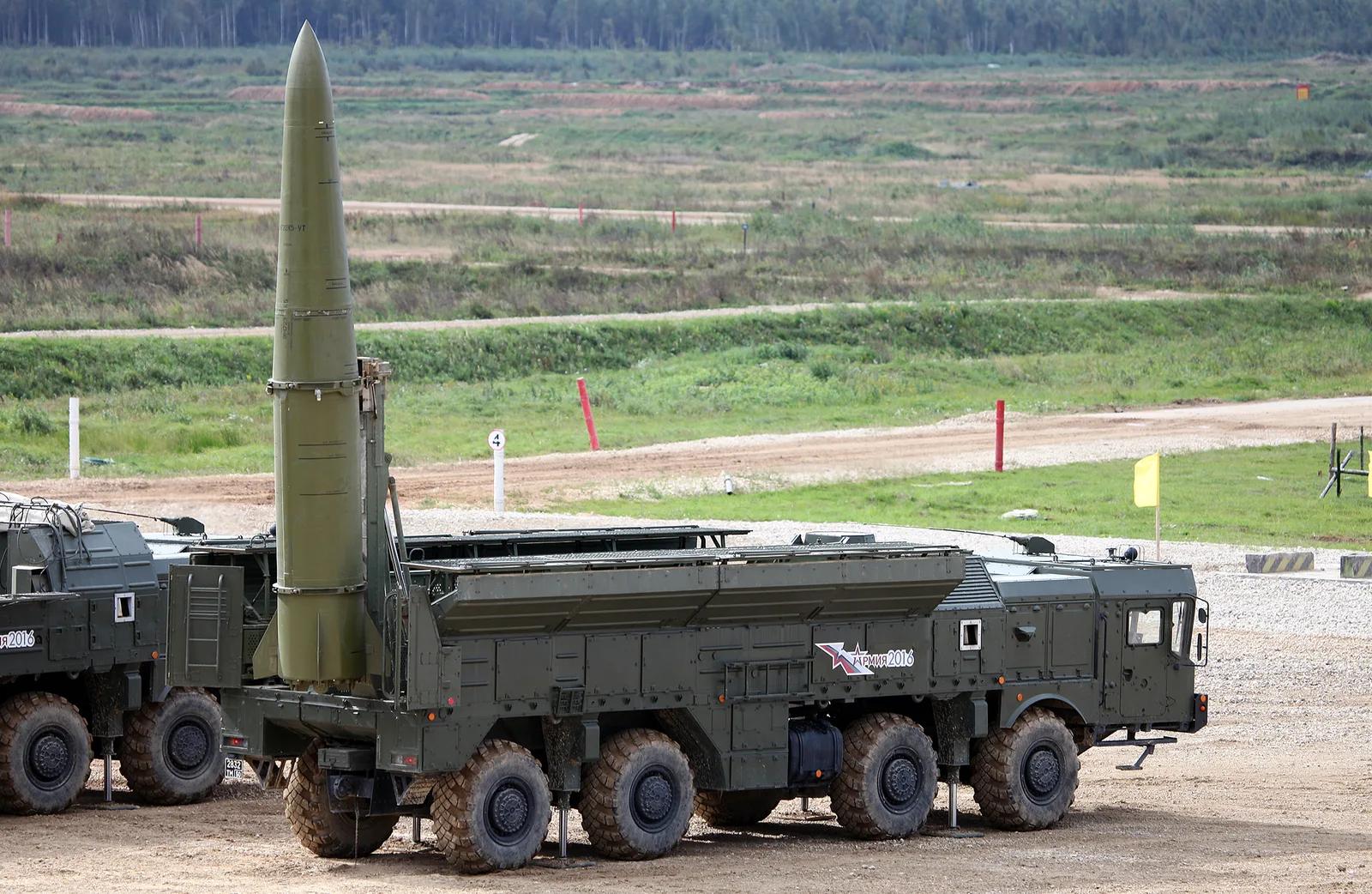
The 9K720 Iskander-M that Russia keeps using against Kyiv is a road-mobile short-range ballistic missile with a roughly 500-kilometer range, a 480-kilogram warhead, and a claimed top speed near Mach 6, according to WeaponSpecs’ own database entry for the system. It also performs quasi-ballistic maneuvers on its descent specifically to defeat interceptors that can otherwise plot a predictable arc. That combination, extreme closing speed plus an evasive terminal path, is why Ukraine’s roughly 92 percent success rate against slower cruise missiles and drones does not translate to ballistic threats: a Shahed-type drone or subsonic cruise missile gives an air-defense radar many seconds to track and engage, while an Iskander-M gives a battery only a handful. Patriot’s PAC-3 interceptor is one of the few Western systems built specifically to defeat that kind of target, which is exactly why running out of PAC-3 rounds, rather than running out of launchers, has become the reported bottleneck. Ukraine’s older Soviet-era systems, including its S-300 batteries, remain useful against slower cruise-missile and aircraft threats but were not designed as dedicated ballistic-missile interceptors in the way PAC-3 was.
That gap is precisely the argument behind the low-cost Freya interceptor the new ten-nation coalition is built around, since Fire Point’s stated goal is a Ukrainian-made alternative to Patriot at a fraction of the per-shot cost. But Freya is not targeted for a first real intercept until the end of 2027 at the earliest, so it offers no relief for the strikes hitting Kyiv this month. Any near-term fix has to come from faster resupply of the interceptors Ukraine already operates, which is exactly what Zelensky’s 300-missile winter request was asking allies to provide.
Sources
- 8 dead, dozens wounded as Russia strikes Ukraine with missiles, drones — The Moscow Times, Jul 12, 2026
- Kyiv attacked after Ukraine launches coalition to tackle Russia's ballistic missiles — Al Jazeera, Jul 13, 2026
- Ihnat: Ukraine downed no ballistic missiles in overnight attack due to shortage of Patriot interceptors — Militarnyi, Jul 6, 2026
- Zelensky urges allies to provide 300 Patriot missiles ahead of winter — The Kyiv Independent, Jul 13, 2026
Systems mentioned
Every system named in this story, with its photo and, where available, a video. Tap a card to open the full spec sheet.
Compare these side by side →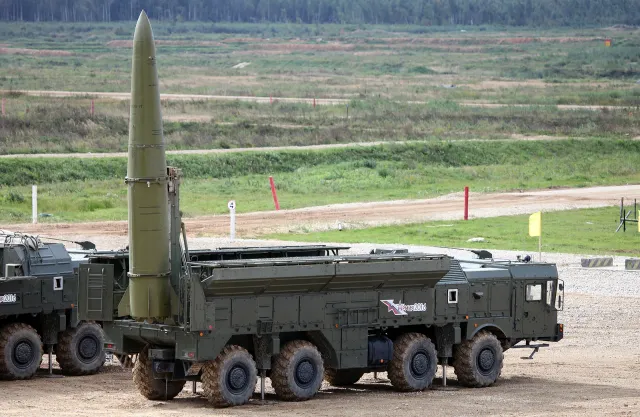
Missile
9K720 Iskander-M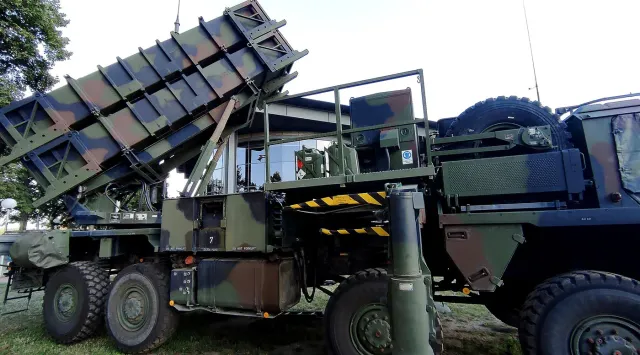
Air defense system
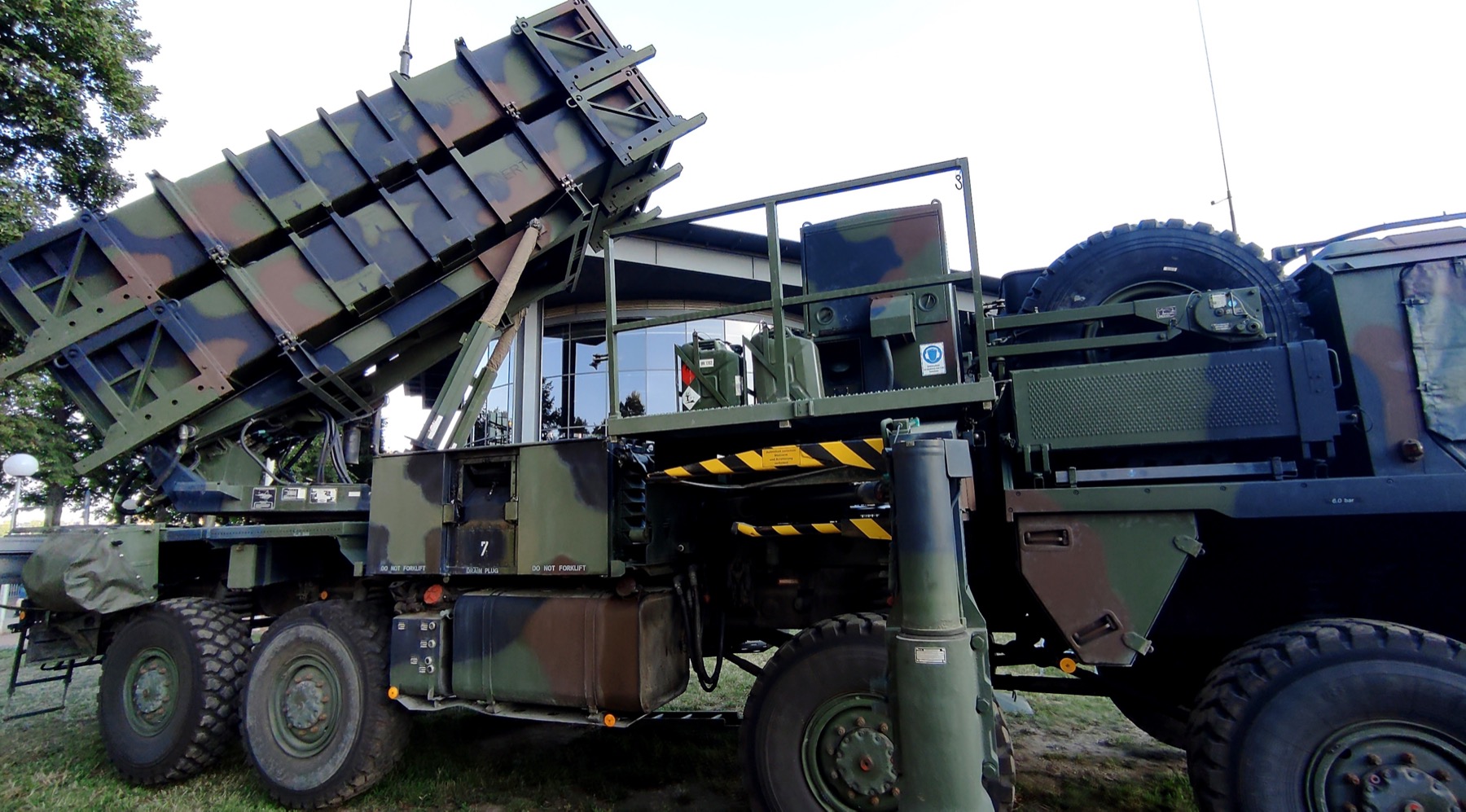
Patriot PAC-3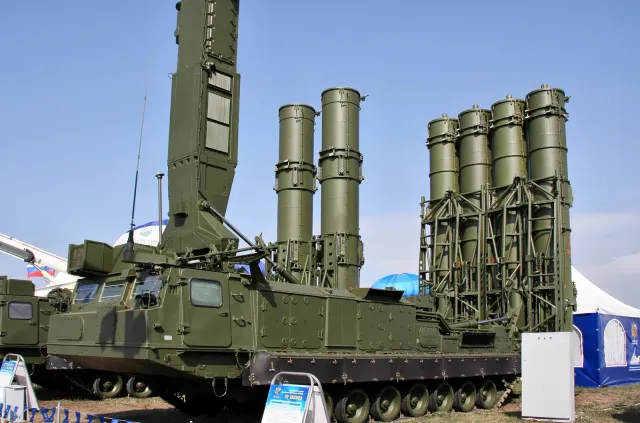
Frequently asked questions
Why can't Ukraine's Patriot batteries stop these ballistic missiles? +
Two separate factors, both attributed to specific reporting rather than confirmed by WeaponSpecs independently. First, Ukrainian Air Force spokesman Yuriy Ihnat said after a July 6 barrage that a shortage of Patriot interceptor missiles, not a technical failure, was why zero of 23 incoming Iskander-M missiles were shot down that night. Second, an Iskander-M closes on its target at several times the speed of sound on a quasi-ballistic trajectory, leaving a defending battery only seconds to detect, track and fire even when it has interceptors in stock.
How many Patriot batteries does Ukraine have running? +
None of the sources reviewed for this story give a current, precise operational count, and WeaponSpecs has not independently verified one. Zelensky's July 13 request for a further 300 Patriot interceptor missiles over the coming winter, on top of batteries already in country, is the clearest public signal of how thin the reported inventory has become.
What happened most recently in Kyiv? +
Russia struck Kyiv with ballistic missiles again in the early hours of July 13, just hours after Ukraine and nine European partners signed a new anti-ballistic coalition agreement in Paris, according to Al Jazeera. Kyiv's mayor confirmed fires broke out in the Holosiivskyi district as air defense units worked to intercept the attack.
Will the new European coalition fix this problem soon? +
No. The Freya interceptor system the coalition is built around is not targeted for a first real ballistic intercept until the end of 2027 at the earliest, and independent analysts consider even that date optimistic. Any near-term relief for Ukraine's stated Patriot shortage would have to come from faster resupply of existing Patriot missiles, not from the new program.
More news