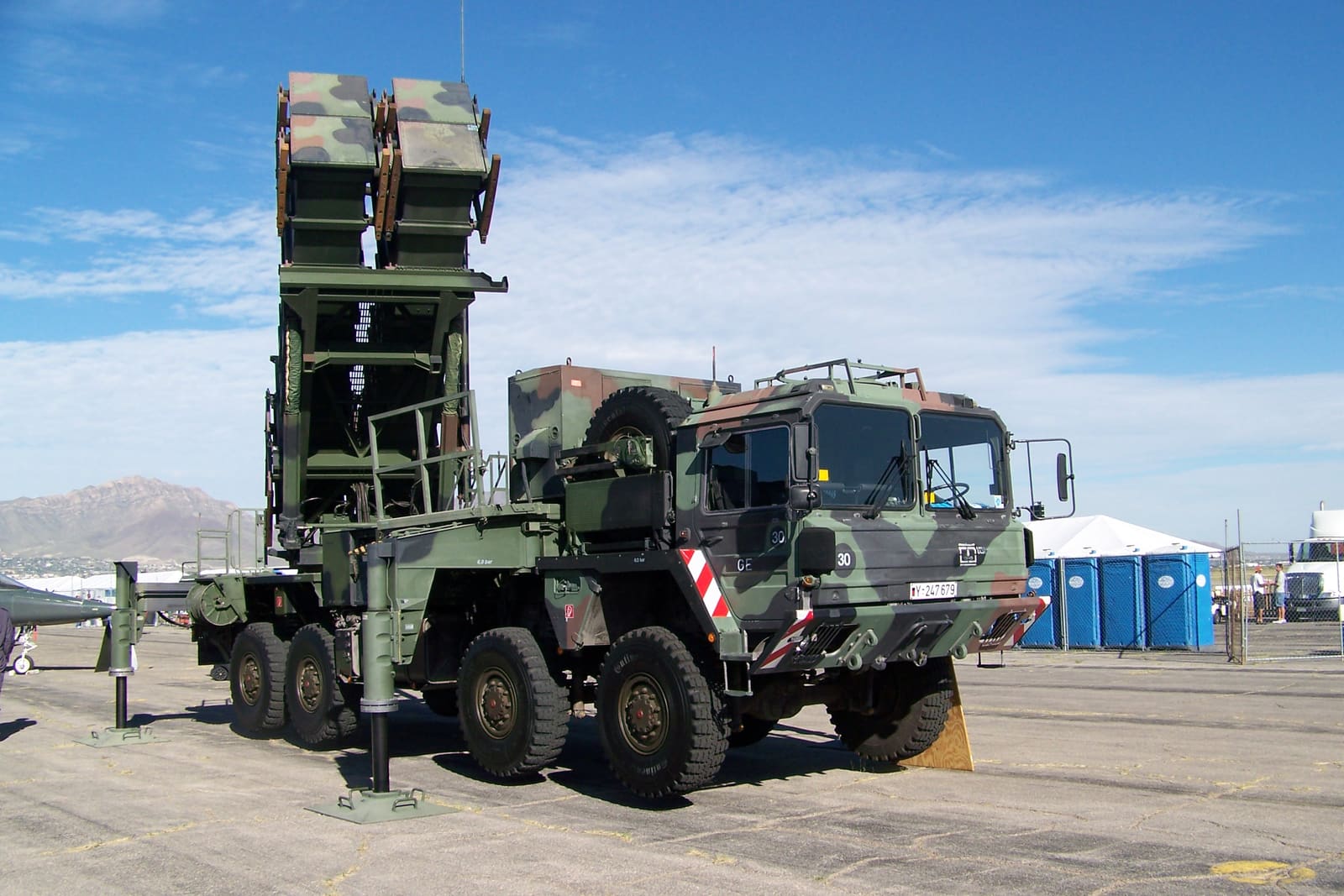
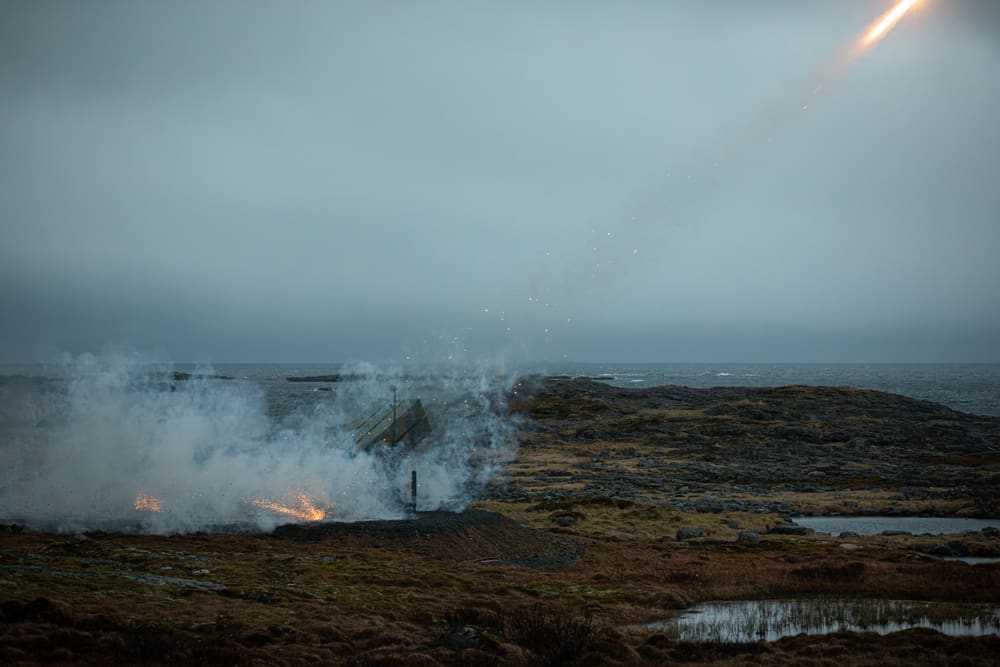
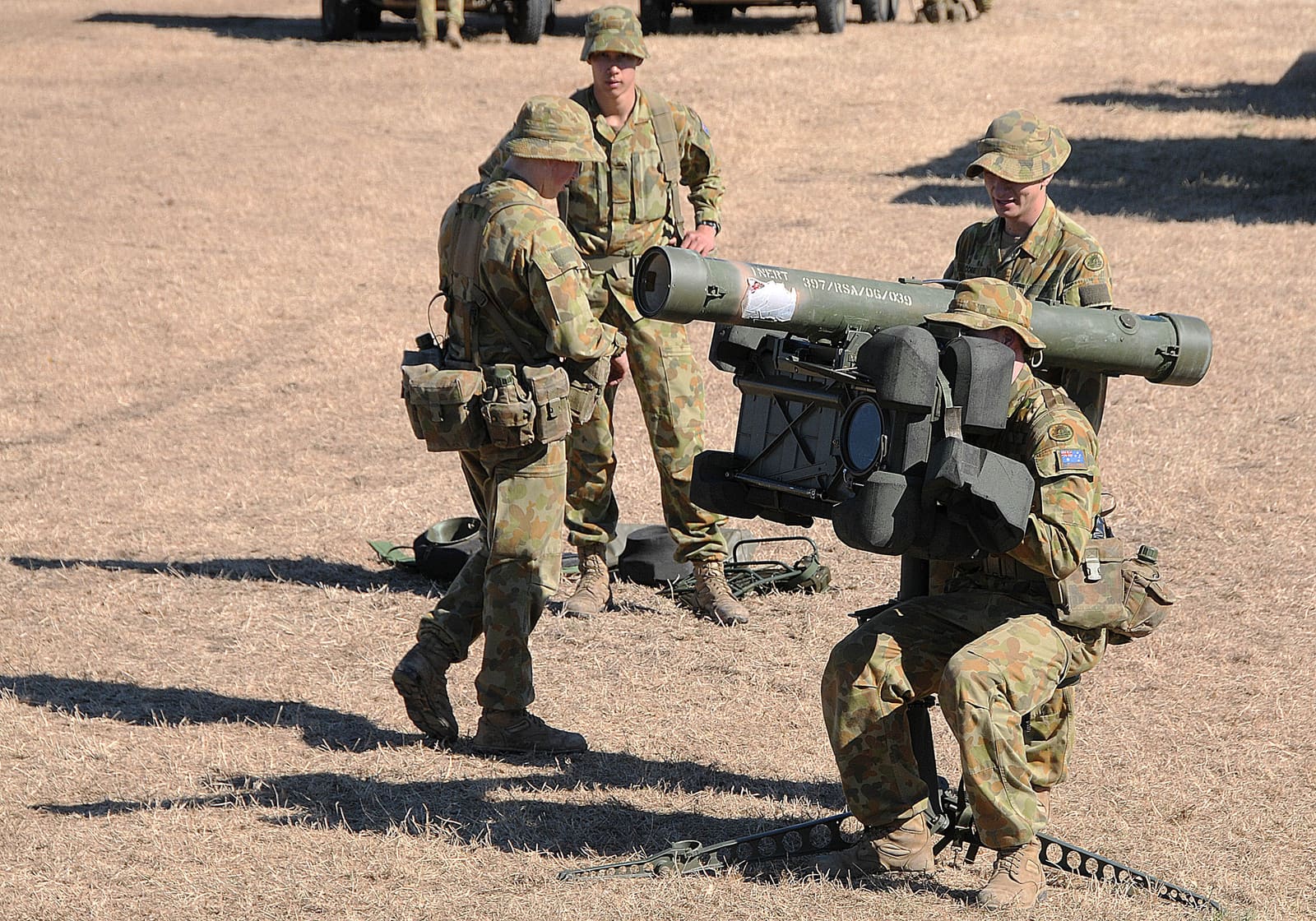
Lockheed debuts half-price Patriot interceptor at Farnborough
Lockheed Martin unveiled PAC-3 ACE, a Patriot interceptor priced at under half the roughly $4 million PAC-3 MSE, at Farnborough on July 20, weeks after Ukraine ran out of Patriot rounds entirely.
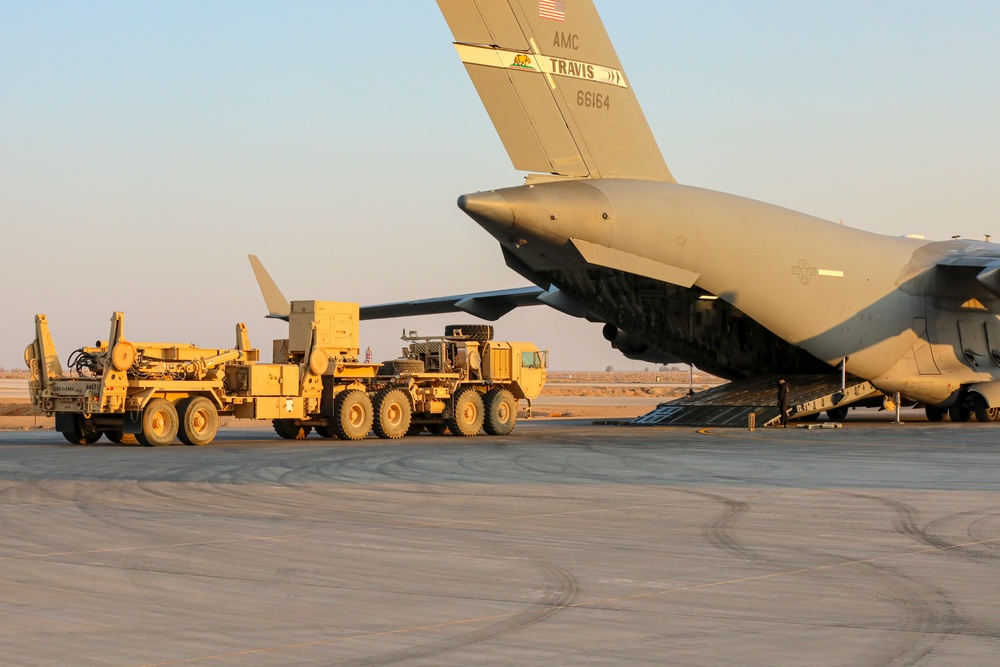
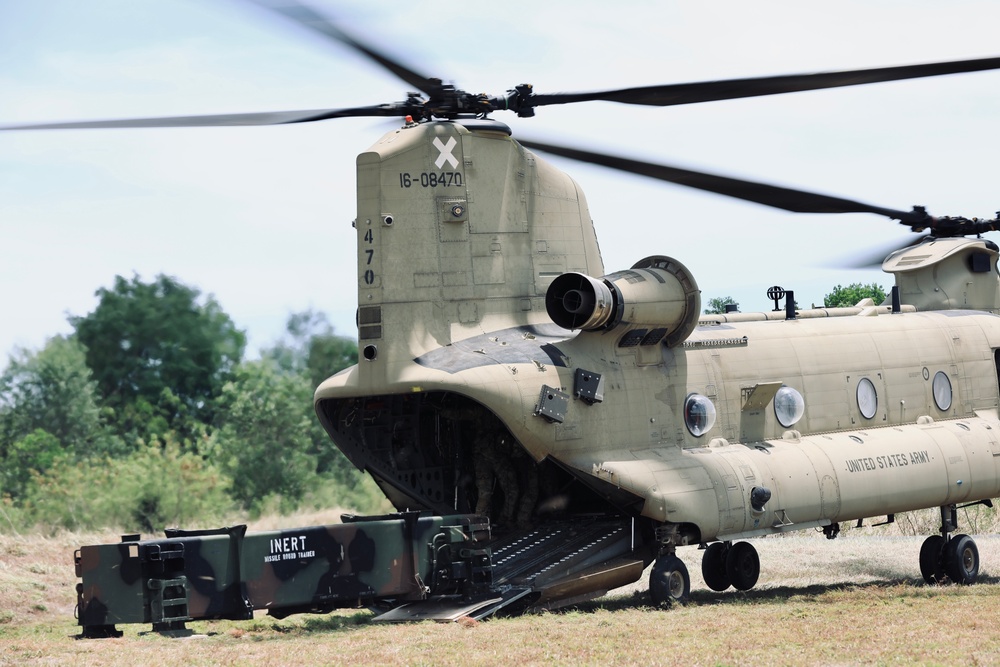
U.S. Army photo by Sgt. Christopher Neu, DVIDS, public domain
Lockheed Martin unveiled a new, lower-cost interceptor for the Patriot air-defense system at the Farnborough International Airshow on July 20, pricing the PAC-3 Adapted Capability Effector, or PAC-3 ACE, at less than half of what a PAC-3 Missile Segment Enhancement round costs today. The announcement lands three weeks after Ukraine fired its last Patriot interceptors and Russian ballistic missiles killed at least 15 people in Kyiv with nothing to stop them, the starkest illustration yet of why the West’s most capable air-defense round has become too scarce and too expensive to fight a drone-and-missile war of attrition.
The PAC-3 MSE currently costs roughly $4 million per interceptor, according to U.S. Army budget documents cited by Tech Times. Lockheed has not disclosed an exact price for PAC-3 ACE, only that it will run under half that figure, which implies a round priced somewhere below $2 million, an estimate rather than a confirmed number. Jane’s Defence independently confirmed the same cost claim and reported that Lockheed intends to collaborate with American and European companies to speed up production.
Why the math stopped working
The case for a cheaper interceptor is arithmetic before it is anything else. A Shahed-series attack drone costs an adversary roughly $35,000 to build. Firing a $4 million PAC-3 MSE at one means the defender spends more than a hundred dollars for every dollar the attacker spent, a ratio that collapses once an enemy launches drones or cheap cruise missiles in volume. An implied PAC-3 ACE price under $2 million cuts that ratio roughly in half, which helps, but does not close it. The Pentagon is chasing the same underlying problem from a different angle with its new Joint Laser Weapon System program, which trades a cheaper missile for no missile at all.
The scale of the shortfall became undeniable during Operation Epic Fury, the U.S.-Israeli campaign against Iran that ran roughly 39 days starting February 28, 2026. U.S. forces alone fired an estimated 402 Patriot interceptors in the campaign’s first 16 days, according to Payne Institute analysis cited by Tech Times, and by the campaign’s end the combined Patriot stockpiles of Saudi Arabia, the UAE, Qatar and Israel had been drawn down by an estimated 86 percent. CSIS put total Patriot expenditure across the campaign at between 1,060 and 1,430 interceptors, close to half of the prewar U.S. stockpile. Lockheed produced only about 620 PAC-3 MSE rounds in all of 2025. A January 2026 framework agreement aims to scale annual production toward 2,000 units by 2030, but new output is already earmarked for CENTCOM and Indo-Pacific stockpiles first, which is why a commercial Patriot order placed in early 2026 reportedly would not deliver until around 2031.
That shortage is exactly what played out in Kyiv on July 6, days after Ukraine expended its remaining PAC-3 rounds. Russia sent nearly 30 ballistic missiles at the capital and Ukrainian air defense had nothing to intercept them with, killing at least 15 people, according to Ukrainian Air Force spokesperson Colonel Yurii Ihnat.
What PAC-3 ACE keeps, and what it appears to give up
The PAC-3 MSE’s defining feature is its attitude control section, a cluster of lateral-thrust nozzles behind the nose cone that fire short gas bursts to make sharp, last-second trajectory corrections, the mechanism that lets it physically collide with a ballistic missile that jinks as it approaches. That capability traces back to the 1991 Gulf War, when PAC-2’s blast-fragmentation warheads proved unable to reliably down Iraqi Scud missiles, pushing the Army toward the PAC-3’s hit-to-kill design.
PAC-3 ACE keeps the MSE’s fire-control software, its central fins, and its integration with both the Patriot weapon system and Northrop Grumman’s Integrated Battle Command System, which implements an “any sensor, best shooter” doctrine that lets any radar in a networked air-defense architecture cue an interceptor, not just the battery’s own radar. What a concept rendering released at Farnborough appears to omit, according to analysis by defense publication Calibre Defence, is the attitude control section itself. If that reading holds, ACE trades away the fine terminal-phase maneuverability that makes the MSE effective against ballistic missiles that dodge at the last moment, leaving Russia’s Iskander-M, a missile that has already stretched Ukrainian air defenses through terminal maneuvering, in the MSE’s column rather than the ACE’s. ACE’s threat envelope, on Lockheed’s own framing, is airbreathing threats such as drones and cruise missiles, plus close- and short-range ballistic missiles that do not maneuver at the end of their flight.
“American and allied warfighters need a solution that is battle-tested and budget-smart, and PAC-3 ACE delivers exactly that by building on the unrivaled performance of the PAC-3 MSE,” said Tim Cahill, president of Lockheed Martin Missiles and Fire Control (Tech Times, July 20, 2026).
The $4 million PAC-3 MSE figure comes from U.S. Army budget documentation as reported by Tech Times. Lockheed Martin has not disclosed an exact PAC-3 ACE price, only that it will cost less than half of the MSE; the sub-$2 million figure shown here is the mathematical implication of that claim, not a number Lockheed has confirmed.
Sources
- Farnborough 2026: Lockheed Martin unveils PAC-3 ACE low-cost interceptor — Jane's Defence, Jul 20, 2026
- Lockheed Debuts PAC-3 ACE: Half-Price Patriot Interceptor Targets Drone Threat Gap — Tech Times, Jul 20, 2026
- Russia batters Kyiv with ballistic missiles; Patriots depleted — WeaponSpecs News Desk, Jul 14, 2026
Systems mentioned
Every system named in this story, with its photo and, where available, a video. Tap a card to open the full spec sheet.
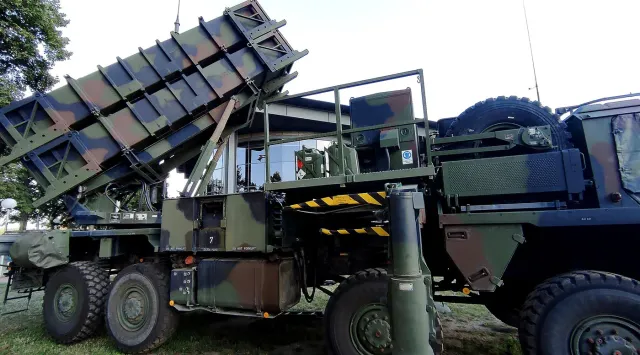
Air defense system
Patriot PAC-3Frequently asked questions
What is PAC-3 ACE and how is it different from the existing PAC-3 MSE interceptor? +
PAC-3 ACE (Adapted Capability Effector) is a new, lower-cost Patriot interceptor Lockheed Martin unveiled at the Farnborough International Airshow on July 20, 2026. It keeps the PAC-3 MSE's fire-control software, guidance electronics and integration with the Patriot system and Northrop Grumman's IBCS network, but according to a concept rendering analyzed by defense publication Calibre Defence, appears to drop the MSE's attitude control section, the lateral-thrust nozzle cluster that lets the MSE make sharp last-second corrections against maneuvering ballistic missiles.
How much cheaper is PAC-3 ACE than PAC-3 MSE? +
Lockheed Martin says PAC-3 ACE will cost less than half of what a PAC-3 MSE interceptor costs today, without disclosing an exact figure. The PAC-3 MSE runs roughly $4 million per round according to U.S. Army budget documents, which would put an ACE round somewhere under $2 million, an implied rather than confirmed number.
Why is Lockheed Martin unveiling a cheaper Patriot interceptor now? +
Ukraine fired its last Patriot PAC-3 rounds around July 1, 2026, and on July 6 Russia struck Kyiv with roughly 30 ballistic missiles that Ukrainian air defense could not intercept, killing at least 15 people, according to Ukrainian Air Force spokesperson Colonel Yurii Ihnat. Separately, the U.S.-Israeli campaign against Iran that ran February 28 through early April drew down the combined Patriot stockpiles of Saudi Arabia, the UAE, Qatar and Israel by an estimated 86 percent. Lockheed produced only around 620 PAC-3 MSE interceptors in all of 2025, far short of demand, and a cheaper, faster-to-build interceptor is Lockheed's answer to that shortfall.
What can't PAC-3 ACE do that PAC-3 MSE can? +
If the attitude control section really is missing, as the Farnborough rendering suggests, PAC-3 ACE would not be able to make the sharp terminal-phase corrections needed to hit ballistic missiles that maneuver as they approach, such as Russia's Iskander-M. Lockheed has described ACE's threat envelope as cruise missiles, drones and other airbreathing threats, plus close- and short-range ballistic missiles that do not maneuver at the end of their flight. The MSE would remain the interceptor of choice against harder, maneuvering ballistic targets.
More news