France test-fires weapons from H160M Guepard for the first time
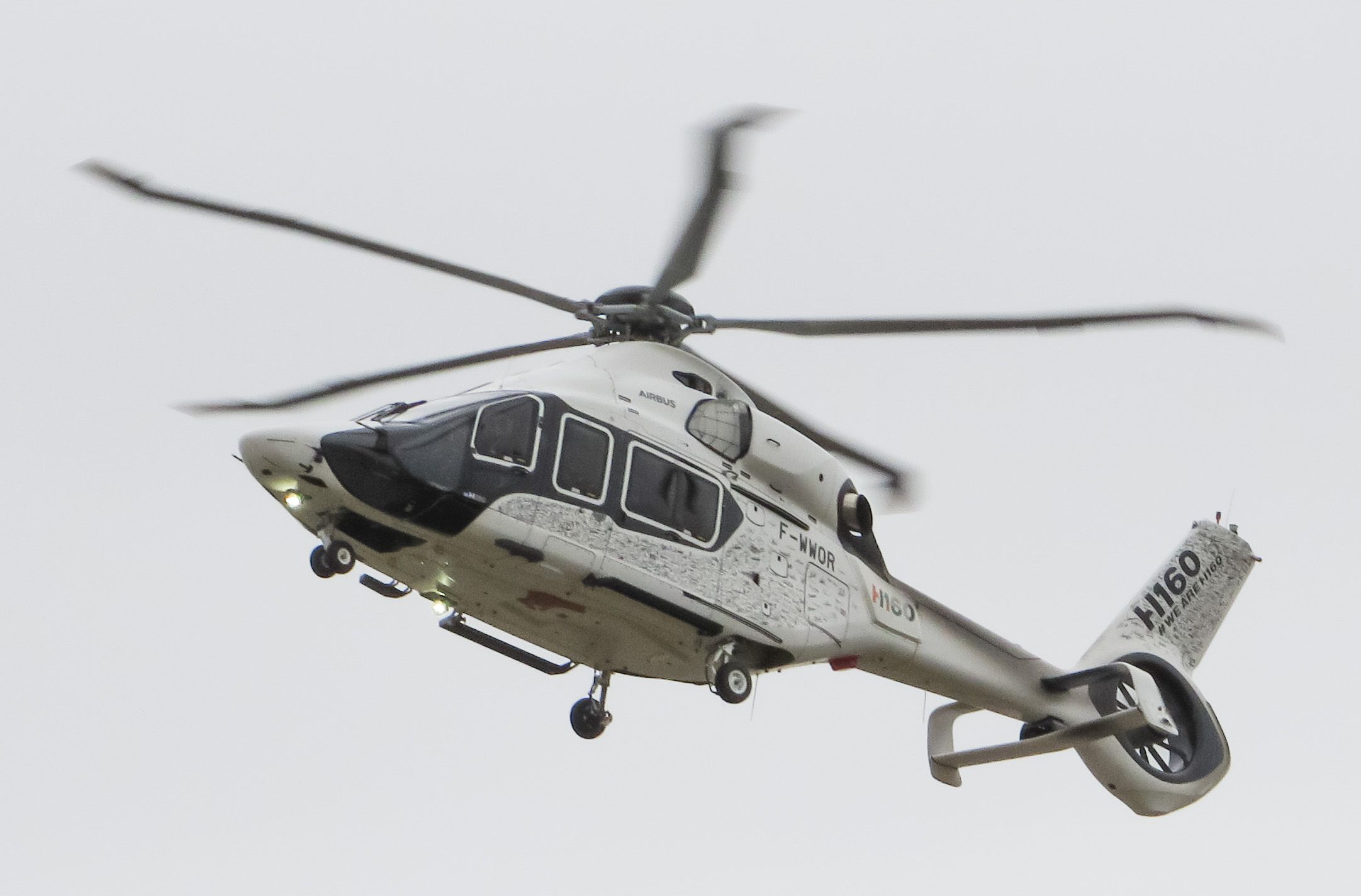
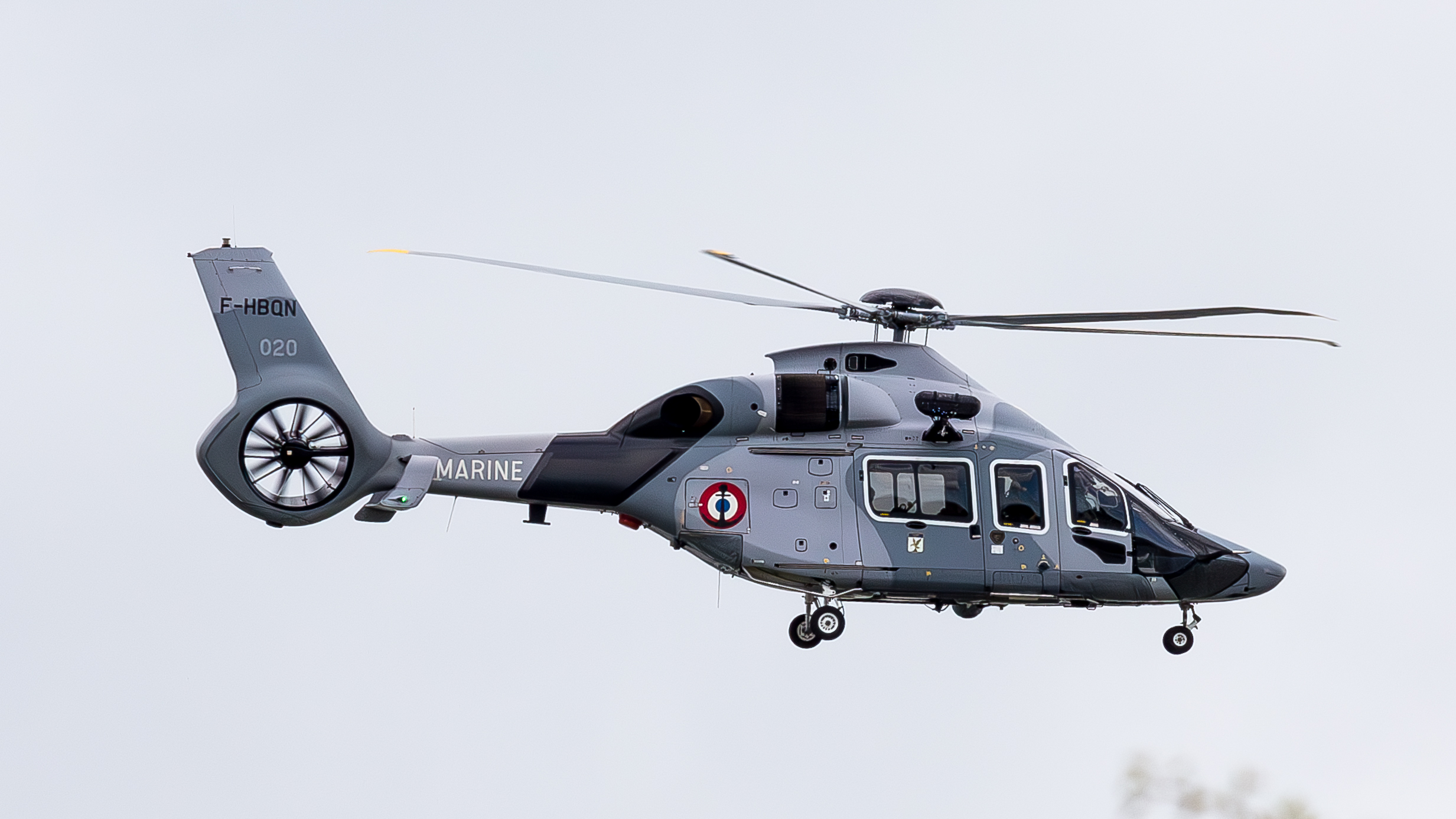
France's DGA procurement agency and Airbus Helicopters have completed the H160M Guepard's first armed firing campaign at the Cazaux test range, validating a 12.7mm axial gun and door-mounted machine guns years ahead of the helicopter's planned 2028 entry into French Army service.
Berg2, Wikimedia Commons, CC BY-SA 3.0
France’s DGA procurement agency and Airbus Helicopters have completed the H160M Guepard’s first weapons-firing test campaign at the Cazaux test range, validating a 12.7mm forward-firing gun, door-mounted machine guns, and the helicopter’s mission systems under armed-flight loads for the first time, according to Army Recognition and FlightGlobal. That matters because the Guepard is meant to become the single light helicopter type across all three French armed services, replacing four separate legacy airframes, and this campaign is the first evidence the airframe can actually carry and fire weapons rather than simply fly.
What the Guepard is replacing, and why one airframe is doing four jobs
The H160M Guepard, formally the Helicoptere Interarmees Leger or joint light helicopter, is the militarized derivative of Airbus’s civil H160, selected to replace the Gazelle, Alouette III, Panther, and Dauphin across the French Army, Navy, and Air and Space Force simultaneously. Consolidating four aging airframe types into one is the entire point of the program: it simplifies training, spare parts, and maintenance across services that previously ran separate helicopter fleets for similar light-utility and scout roles. France’s planned buy runs to 169 aircraft in total, roughly 80 for the Army, 49 for the Navy, and 40 for the Air and Space Force, which makes this one of the larger single-type helicopter procurements underway in Europe.
Per WeaponSpecs’ own systems database, the Guepard cruises at up to 325 kilometers per hour with a range around 880 kilometers and a service ceiling near 5,900 meters, carrying a crew of 2 plus up to 12 troops, powered by 2 Safran Arrano turboshaft engines rated around 1,300 horsepower combined. Those figures describe the aircraft’s baseline flight performance, none of them change with weapons fitted, which is exactly why an armed-firing campaign is a separate, necessary test rather than a formality: an airframe rated for those speeds and loads still has to prove its structure, mission computer, and flight controls hold up once guns are actually firing under real vibration and recoil loads, not just static weight.
What was actually tested, and what is still just a plan
It is worth being precise about what this specific campaign confirmed. Per Army Recognition and FlightGlobal’s reporting, the Cazaux tests validated a 12.7mm forward-firing axial gun pod, a 7.62mm pintle-mounted door gun with an articulated cabin mounting, defensive countermeasure and flare dispensers, and the mission computer’s ability to manage all of that under armed flight conditions. That is a real, confirmed milestone: it is the first time the Guepard has fired anything in flight.
What was not tested, and remains under study rather than confirmed, is the aircraft’s heavier future armament. Unguided and laser-guided rocket pods are still being evaluated for later integration, and so is MBDA’s Akeron LP anti-tank guided missile, a longer-range successor to the fielded Akeron MP sized for beyond-line-of-sight engagements. Per WeaponSpecs’ own database, the Akeron LP weighs under 40 kilograms and measures 2 meters in its tactical canister, roughly double the mass of the fielded Akeron MP, built around a multipurpose warhead effective against armor, ships, helicopters, and infrastructure with a single round rather than requiring separate munition types for each target class. None of that missile integration work happened in this test campaign; it remains a program option under study, not a demonstrated capability, and treating it otherwise would overstate what Cazaux actually proved.
Why the timeline is the part worth watching
Industrial deliveries of the Guepard are reported to begin in late 2028, with the French Army’s first evaluation aircraft expected in early 2029 at GAMSTAT, the Army’s flight test center. That is a multi-year gap between this armed-firing milestone and an actual armed aircraft reaching a front-line unit, and it is worth reading that gap correctly rather than assuming the hard part is finished. Firing a gun from a helicopter under controlled test-range conditions is a necessary step, but it is a materially easier problem than qualifying a full weapons suite, including a guided missile still under study, for operational service across three different armed services with three different mission profiles. The rocket and Akeron LP integration work that has not yet started is exactly the kind of scope that has stretched other joint-service helicopter programs well past their original delivery targets, so the 2028 to 2029 window is best treated as the program’s current stated target, not a locked-in date.
Sources
- France Tests H160M Guepard Helicopter Weapons for First Time Ahead of 2028 Deliveries — Army Recognition, Jul 15, 2026
- Airbus Helicopters on target with first H160M firing campaign — FlightGlobal, Jul 15, 2026
Systems mentioned
Every system named in this story, with its photo and, where available, a video. Tap a card to open the full spec sheet.
Compare these side by side →
Helicopter
H160M GuepardFrequently asked questions
What weapons were actually fired in this test, and what is still just planned? +
The confirmed test at Cazaux validated a 12.7mm forward-firing axial gun pod, a 7.62mm pintle-mounted door gun, and the helicopter's mission computer and flight controls under armed-flight loads, alongside defensive countermeasure dispensers. Rockets and the MBDA Akeron LP anti-tank missile are still under study for later integration and were not part of this firing campaign; they remain future capability, not confirmed weapons.
When will French forces actually get an armed H160M Guepard? +
Industrial deliveries are reported to begin in late 2028, with the French Army's first evaluation aircraft expected in early 2029 at the Army's flight test center, GAMSTAT. France plans to acquire 169 H160Ms in total, split roughly 80 for the Army, 49 for the Navy, and 40 for the Air and Space Force, replacing four older helicopter types across all three services.
Why does a light helicopter need an anti-tank missile like the Akeron LP? +
The H160M Guepard is meant to replace light attack and scout helicopters like the Gazelle across France's armed forces, roles that already carried anti-armor missiles. The Akeron LP, MBDA's longer-range successor to the fielded Akeron MP, is under study specifically because it is sized for beyond-line-of-sight anti-armor and multi-role engagements from exactly this class of light helicopter, not because the Guepard is being upgraded into a dedicated attack platform.
How reliable is a 2028 delivery date for a helicopter still in weapons testing? +
Treat it as a reported program target rather than a guarantee. Defense procurement timelines routinely slip, and the H160M Guepard has already been through a multi-year test campaign since its first flight in 2025 before reaching this armed-firing milestone. The 2028 to 2029 delivery window is what France's DGA and Airbus Helicopters have stated, but this story does not treat it as locked in.
More news