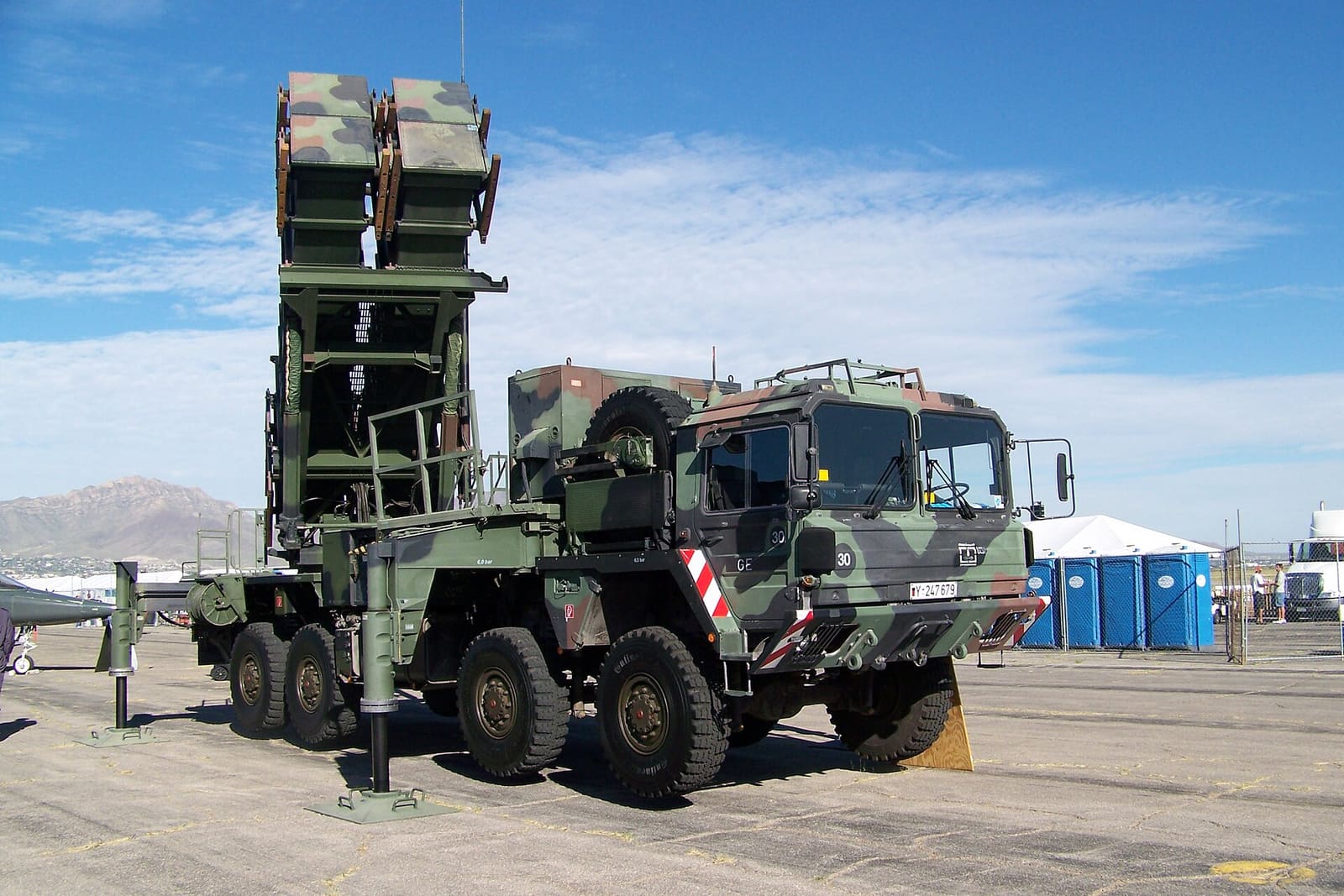
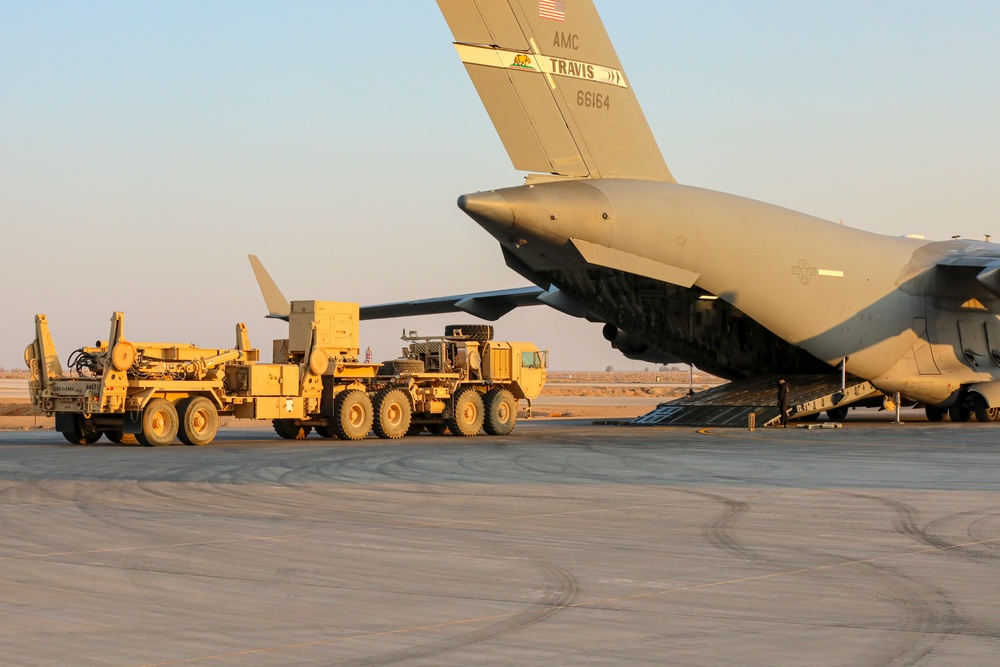
US Opens Patriot Missile Production Licensing to Ukraine
Washington has begun the formal licensing process for Ukraine to build Patriot interceptors domestically, a status only Germany and Japan have held. Lockheed Martin backs the move as ammunition shortages bite.
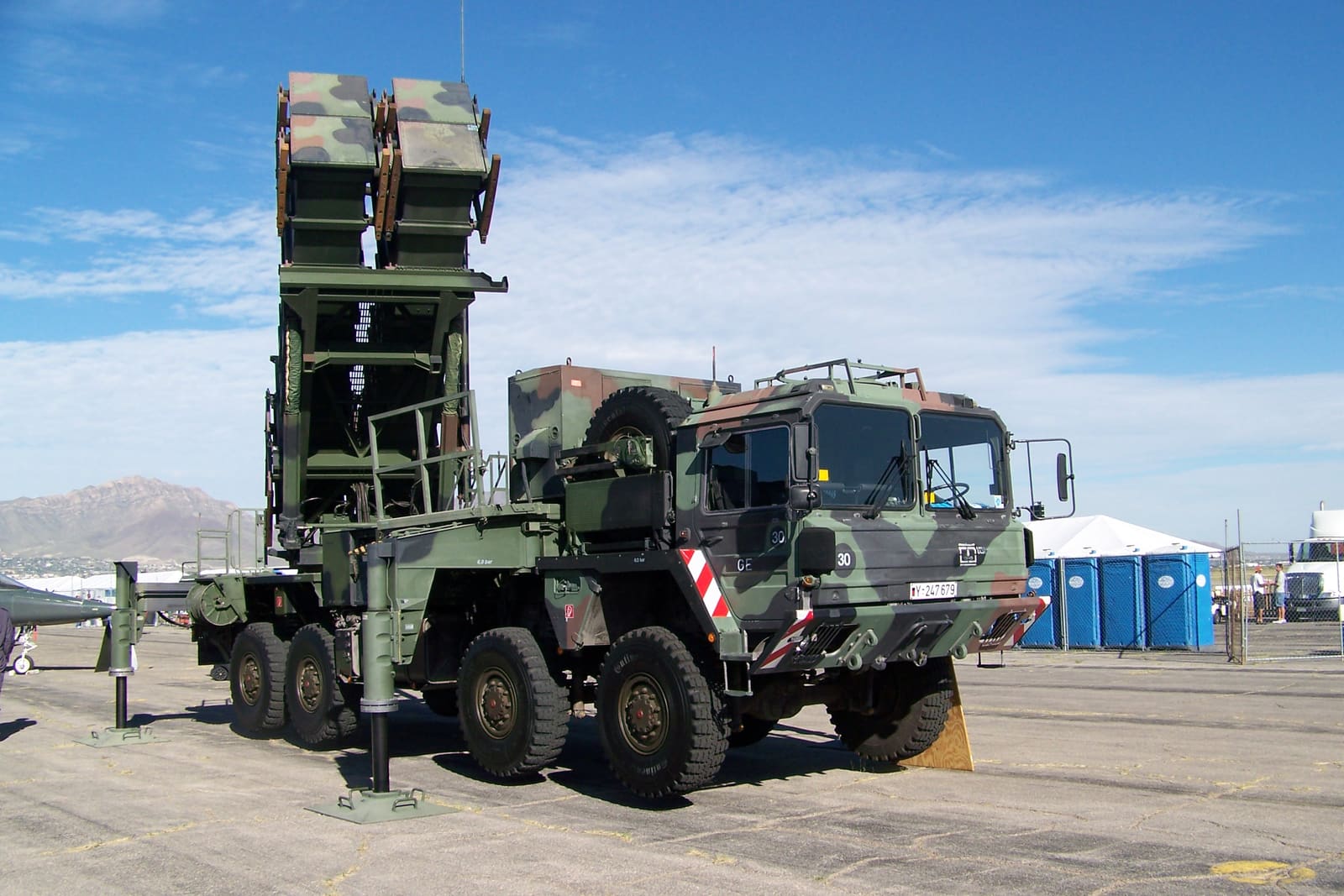
Mark Holloway, via Wikimedia Commons, CC BY 2.0
The United States has begun the formal process of licensing Ukraine to manufacture Patriot PAC-3 interceptor missiles domestically, according to a senior Ukrainian official cited by the Kyiv Independent and corroborated by United24 Media. The move, disclosed July 15, 2026, pushes a political pledge President Trump made at the NATO summit in Ankara on July 8 into an operational licensing track, with Lockheed Martin, the missile’s prime contractor, publicly supporting the grant. Ukraine would become only the third country ever licensed to build Patriot interceptors, joining Germany and Japan.
From a political pledge to a licensing process
At the Ankara summit, Trump told Ukrainian President Volodymyr Zelensky, “We are going to give you a license to make Patriots,” according to Army Recognition’s reporting on the exchange, while acknowledging defense contractors had not yet been formally informed. That was a political commitment, not a signed instrument. The July 15 reporting marks the shift the sources describe: a senior Ukrainian official telling the Kyiv Independent the review is now moving through the actual bureaucratic machinery of a US arms-licensing decision, and, per that official’s account, faster than the multi-month timeline some had expected. Zelensky put a public marker on it the same day: “We expect that by the end of 2026, our Ukrainian team will have the technical capability to produce U.S. missiles.”
Turning that into hardware still requires more than a US government signature. Army Recognition’s reporting notes that implementation depends on Lockheed Martin, which builds the PAC-3 interceptor body, and RTX (formerly Raytheon), which supplies the Patriot’s radar and battle-management systems, working through what technology can be transferred, which components can be exported, and what certification a Ukrainian production line would need to meet. None of the three sources reviewed for this story describe those terms as settled.
Why the timeline matters more than the announcement
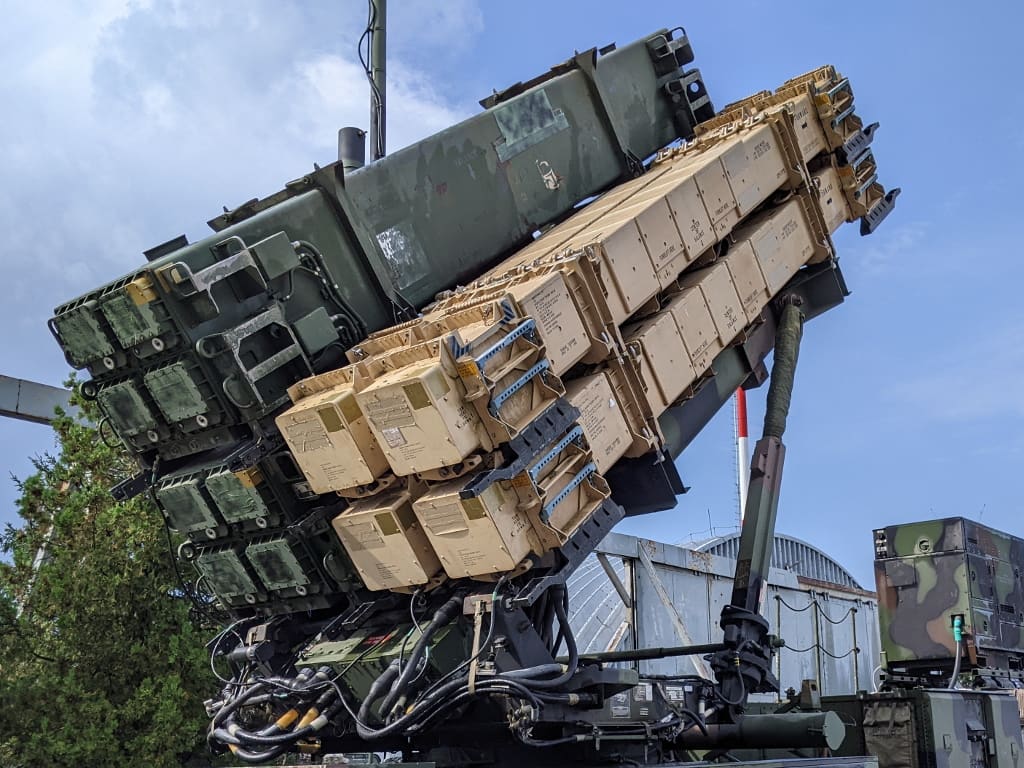
Trade press coverage is blunt about what a license does and does not fix. Army Recognition reports Ukraine needs roughly 2,000 interceptors a year to defend its cities and infrastructure, against current US production of around 600 PAC-3 missiles annually, a gap funding alone cannot close quickly. A single PAC-3 interceptor can take up to 24 months to build, with some components requiring roughly 30 months, drawing on a supply chain the same reporting puts at more than 400 specialized companies. Research compiled for WeaponSpecs on Lockheed’s Camden, Arkansas production line shows the plant delivered more than 500 PAC-3 MSE interceptors in 2024, a 30 percent increase over 2023, and is contractually scaled toward 650 per year as of October 2024, a rate still well short of Ukraine’s stated annual need even before counting demand from NATO allies and the separate Iran war theater competing for the same production slots.
That bottleneck is precisely what makes domestic licensing strategically attractive despite its slow payoff: it is a bet on 2028 or later capacity, not a fix for 2026’s shortage. The urgency behind it is real. United24 Media’s reporting notes that a recent Russian bombardment saw Ukrainian defenses intercept 111 drones but none of six incoming ballistic missiles, a strike on Kyiv that injured 11 civilians, the kind of gap in ballistic-missile defense that a scaled-up interceptor supply, whenever it eventually arrives, is meant to close.
Figures per Army Recognition's and WeaponSpecs' compiled reporting on Lockheed Martin's Camden, Arkansas production line and Ukraine's own stated annual interceptor requirement. Even at contracted 2024 capacity, US output covers less than a third of the need Ukrainian officials describe, before counting NATO and Iran-theater demand competing for the same interceptors.
Sources
- Lockheed Martin Backs US Licensing Process for Ukrainian Patriot Air Defense Production — United24 Media, Jul 15, 2026
- Exclusive: Lockheed Martin supports granting Ukraine Patriot missile licenses, official says — Kyiv Independent, Jul 15, 2026
- Trump grants Ukraine license to build US Patriot missiles at NATO Summit amid Russian strikes — Army Recognition, Jul 8, 2026
Systems mentioned
Every system named in this story, with its photo and, where available, a video. Tap a card to open the full spec sheet.
Compare these side by side →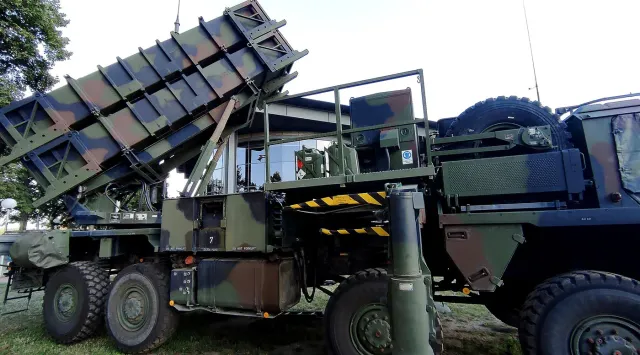
Air defense system
Patriot PAC-3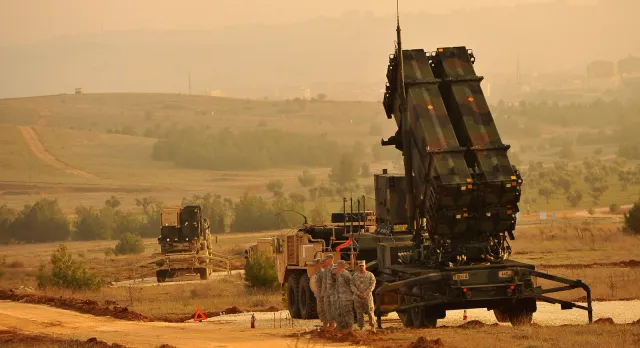
Air defense system
Patriot PAC-2 Air defense system
Patriot GEM-TFrequently asked questions
Has the United States actually issued a production license to Ukraine yet? +
Not as a finished license. As of July 15, 2026, a senior Ukrainian official told the Kyiv Independent that the formal licensing process is underway, moving past President Trump's July 8 political pledge at the NATO summit in Ankara. No source reviewed for this story describes a signed, completed license.
Would this solve Ukraine's air-defense interceptor shortage quickly? +
No. Trade press reporting cites a PAC-3 interceptor production cycle of up to 24 months, with some components requiring roughly 30 months, and a supply chain of more than 400 companies. A license addresses long-term domestic capacity, not this year's shortage.
Who else has ever held a Patriot production license outside the United States? +
Only two countries: Germany, which has produced PAC-2 components since the 1990s, and Japan, which builds PAC-3 interceptors under license. Ukraine would become the third nation ever granted this status, and the first to receive it during an active war on its own territory.
Does Lockheed Martin's support mean the deal is finalized? +
No. Lockheed Martin, the PAC-3 prime contractor, has expressed support for granting Ukraine production licenses, but implementation also requires RTX, which builds the Patriot radar and engagement systems, and a negotiated scope for technology transfer, export controls and certification that none of the sources reviewed describe as complete.
More news