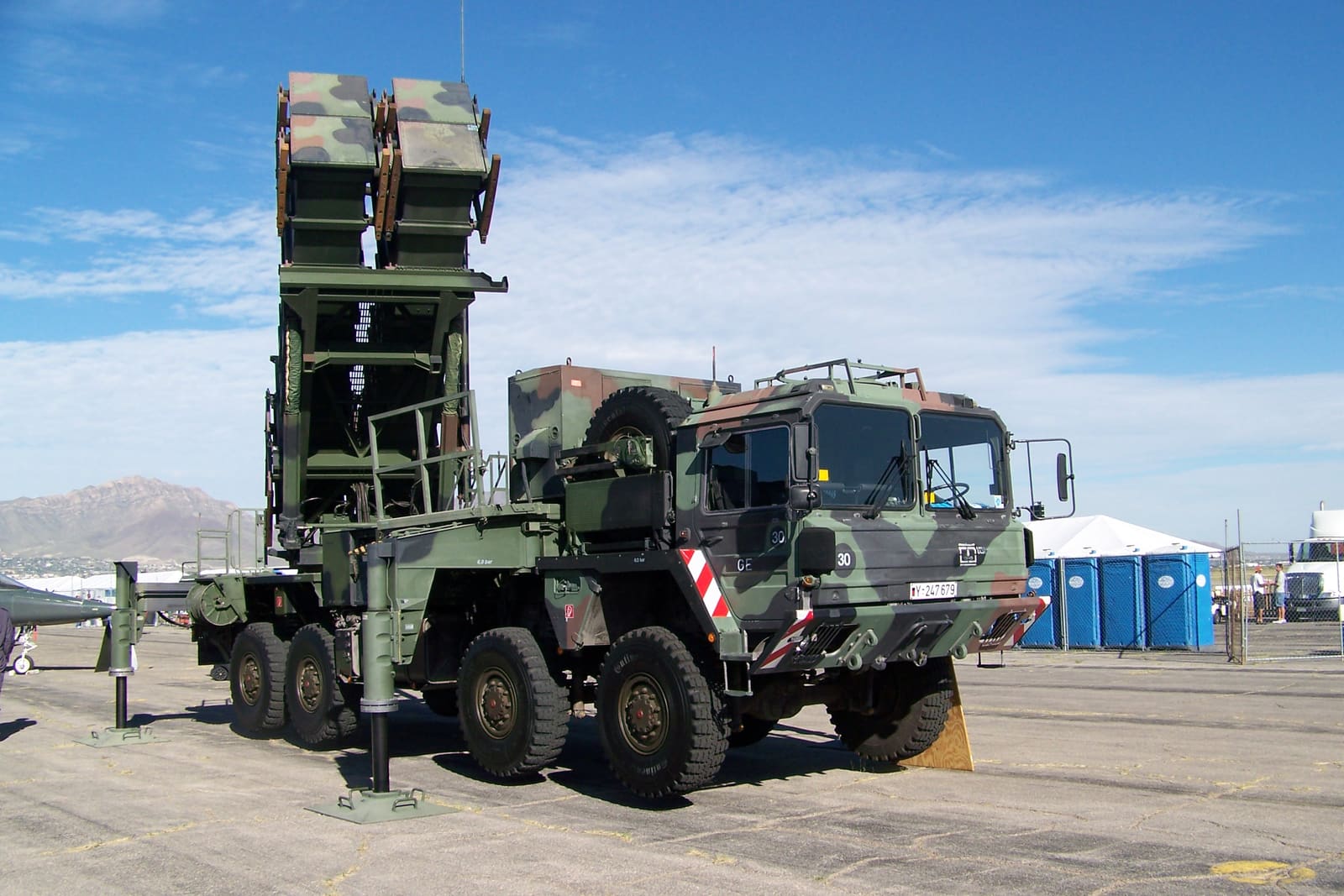
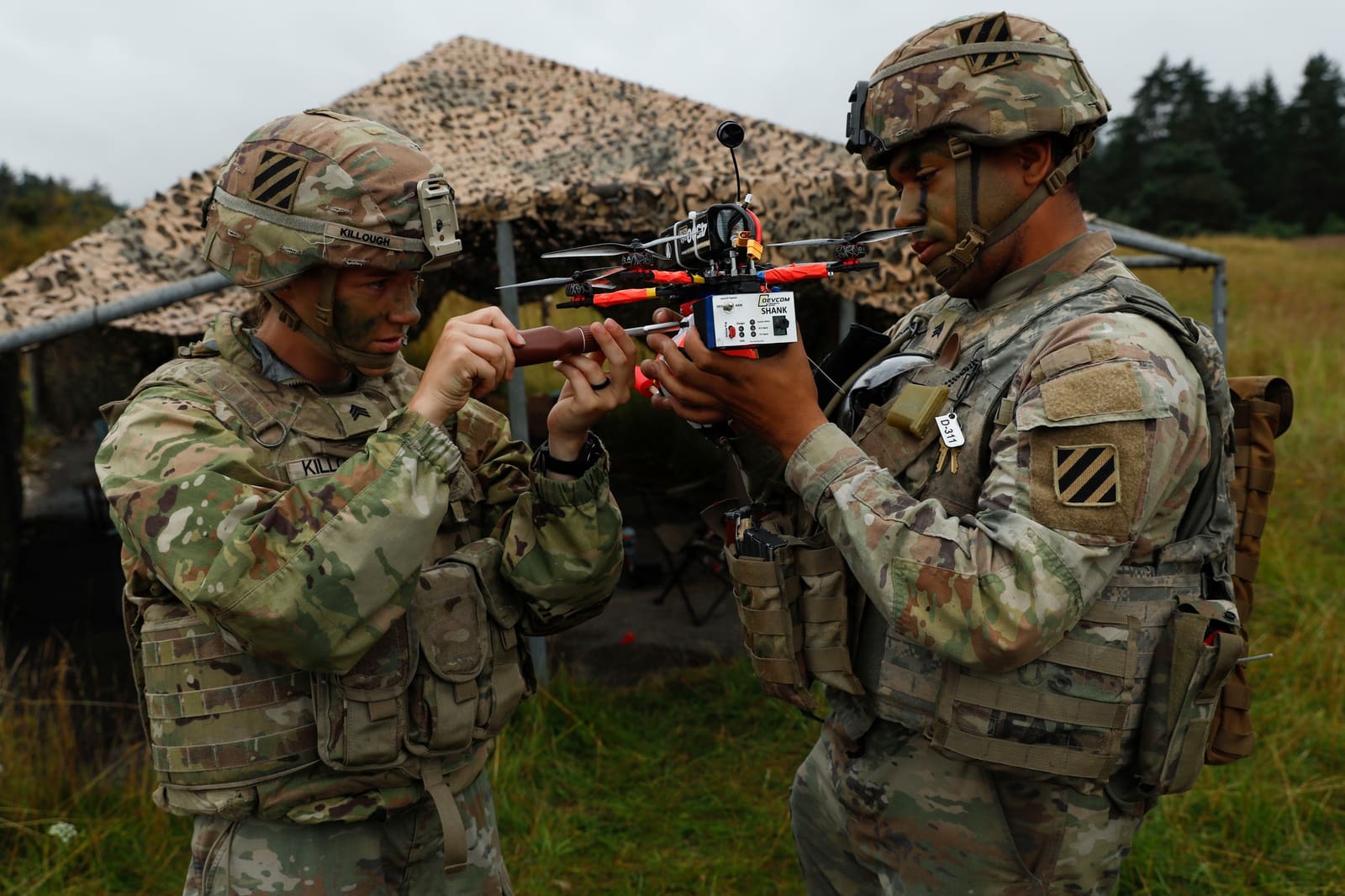
10 nations launch anti-ballistic coalition to counter Russia
Ukraine and nine European states signed a joint declaration July 13 to build an integrated anti-ballistic architecture around Ukraine's low-cost Freya interceptor.
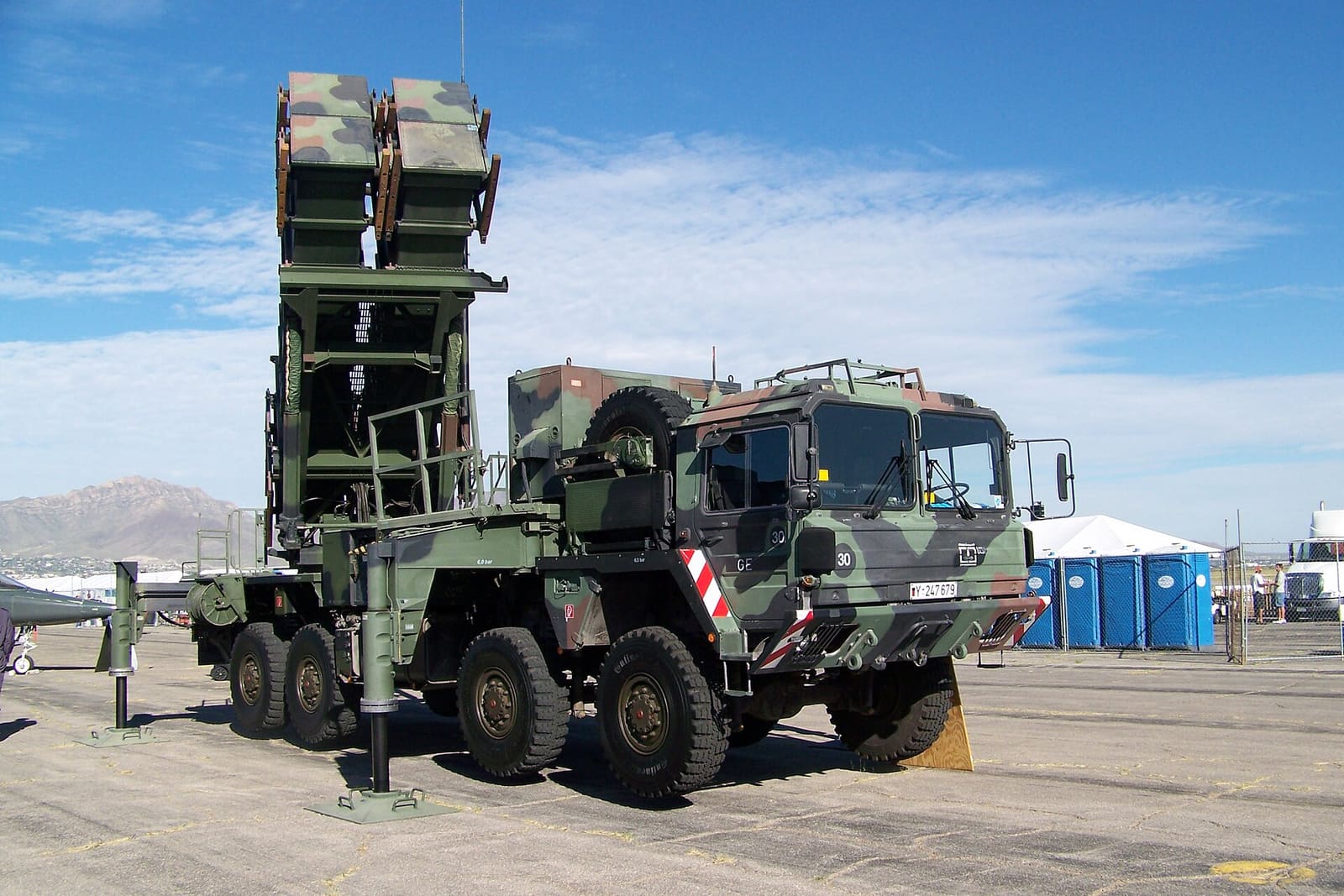
Photo by Mark Holloway, CC BY 2.0, via Wikimedia Commons
Ukraine and nine European states, Denmark, France, Germany, Italy, the Netherlands, Norway, Spain, Sweden and the United Kingdom, signed a joint declaration in Paris on July 13 establishing what they call the Integrated Anti-Ballistic Missile Coalition, according to the Elysee Palace’s own published text, Euronews and the Kyiv Independent. The declaration itself is deliberately unspecific: it commits the ten signatories to “develop an Anti-Ballistic capability,” set up joint technical working groups, and build “a roadmap towards the Coalition’s first operational capabilities,” without naming a single system, a cost figure or a delivery date. The system everyone actually means, though, is Freya, a low-cost interceptor designed by the Ukrainian drone maker Fire Point that Kyiv wants to mass-produce with European industrial partners.
The announcement landed hours before Russia struck Kyiv again with ballistic missiles, a coincidence of timing that both underlines the urgency behind the coalition and points to why Ukraine’s existing Patriot batteries are struggling to keep up in the first place.
Why a Ukrainian drone company is designing Europe’s next interceptor
Fire Point is best known in Ukraine for the FP-1, a long-range strike drone that Ukrainian officials credit with a large share of the country’s deep strikes into Russian territory. Its pivot into ballistic missile defense is a direct product of that same wartime manufacturing base: rather than starting from a NATO contractor’s design, Freya (also written Freyja in some coverage) is being built by a company that has spent three years iterating weapons under combat feedback, at a fraction of the procurement timelines Western primes typically work on. The joint declaration explicitly credits “Ukraine’s unique experience…in defence against Russia’s war of aggression” as the rationale for building the coalition around a Ukrainian-led design rather than an established Western one.
That does not mean Freya is a solely Ukrainian program. Germany’s Hensoldt signed a memorandum of understanding with Fire Point in June to supply radar technology, and reporting from Militarnyi describes talks with Thales, Leonardo and Kongsberg to supply tracking and command-and-control systems, MBDA to assist on missile development, and Germany’s Diehl Defence on a semi-active terminal seeker. Three different ground-based detection radars are reportedly in consideration: the Swedish Saab Giraffe, the French Thales Ground Master 400, and Hensoldt’s own TRML-4D. In other words, Freya is shaping up as a genuinely multinational system with a Ukrainian design core, which is precisely the industrial arrangement the new coalition exists to formalize and fund.
The cost claim, and why it deserves a caveat
The headline figure driving interest in Freya is price. Fire Point has told multiple outlets it is targeting a per-shot cost of roughly $700,000, against publicly reported figures of around $3.8 million for a single Patriot PAC-3 interceptor, a gap of more than five to one. That comparison does not appear anywhere in the ten-nation joint declaration itself, which contains no cost figures at all; it comes from Fire Point’s own public statements as relayed by Military Times and other defense-trade coverage. It is worth being precise about what that number is and isn’t: it is a manufacturer’s cost target for a missile that has not yet entered mass production, not an audited unit price on a signed production contract, and Patriot’s own real-world cost varies by variant and buyer.
The Patriot figure reflects reported U.S. procurement pricing on a fielded system; the Freya figure is Fire Point's own pre-production cost target, not a confirmed unit price on a missile that has yet to intercept a real ballistic target.
Timelines carry the same caveat. Fire Point says it is aiming for mass production of roughly three interceptors a day starting in August 2026, with a first real ballistic intercept targeted for the end of 2027, according to Militarnyi’s interview with the company’s co-founder. Defense analysts quoted in trade press have been openly skeptical of that schedule: one told reporters he doubted the system would be genuinely operational before 2028, even while calling the broader bet worthwhile if it eventually works. Zelensky himself has offered a rosier public estimate, telling reporters he hopes the system could be “up and running” within roughly the next twelve months, a timeline that sits well ahead of Fire Point’s own end-2027 first-intercept target. Treat all three of these dates, the company’s, the skeptic’s and the president’s, as competing projections rather than a settled schedule.
What the coalition actually commits to right now
Stripped of the Freya branding, the concrete commitments in the joint declaration are more modest than the headlines suggest: common operational requirements, joint technical working groups, clearer governance mechanisms, and enhanced data-sharing among the ten signatories, plus a pledge to support Freya’s development specifically under what the declaration calls its “Flagship Project.” France separately announced it would license Ukraine to produce French-designed missiles and air-defense systems domestically, and would supply 16 Rafale fighter jets, moves that fall alongside the coalition rather than inside its text. The declaration says the effort will complement, not replace, “existing ballistic missile defence systems, including sovereign European solutions already acquired, or to be acquired,” language clearly aimed at reassuring members who already operate Patriot, SAMP/T or other systems that this is additive investment, not a rival procurement track competing for the same budgets.
By the time the ink was dry in Paris, the coalition’s own rationale was reinforced from the ground: Russian ballistic missiles struck Kyiv again within hours, the latest in a string of attacks that has left Ukraine’s Patriot ammunition reportedly running low at exactly the moment its air defense needs it most.
Sources
- Ukraine, European partners launch anti-ballistic missile coalition to support Freya air defense project — The Kyiv Independent, Jul 13, 2026
- Nine European countries and Ukraine form anti-ballistic missile coalition — Euronews, Jul 13, 2026
- Joint Declaration on the Establishment of the Integrated Anti-Ballistic Missile Coalition — Office of the President of the French Republic, Jul 13, 2026
- Zelenskyy taps European allies to build Freya, a cheaper Patriot-alternative to Russia's ballistic missiles — Military Times, Jul 10, 2026
- Fire Point Co-Founder Presents Details of the Freya Anti-Ballistic Missile Project — Militarnyi, Jul 10, 2026
Systems mentioned
Every system named in this story, with its photo and, where available, a video. Tap a card to open the full spec sheet.
Compare these side by side →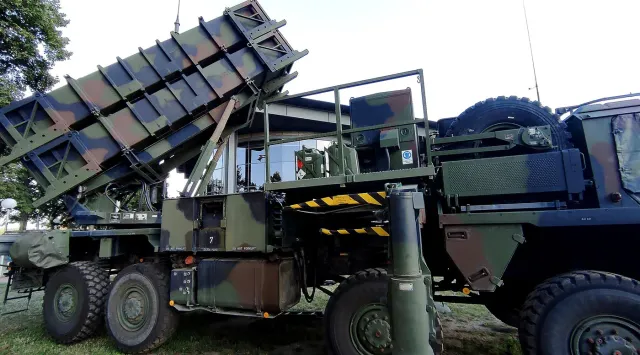
Air defense system
Patriot PAC-3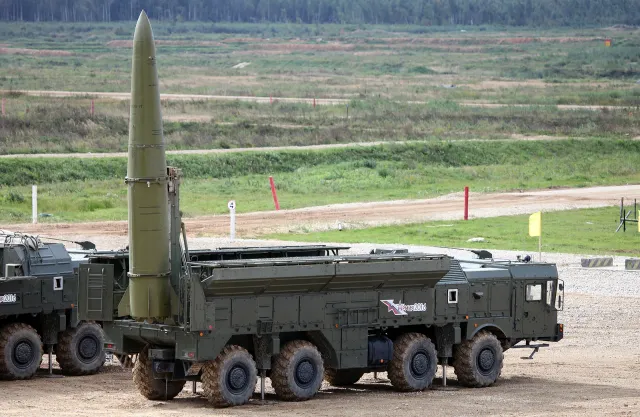
Missile
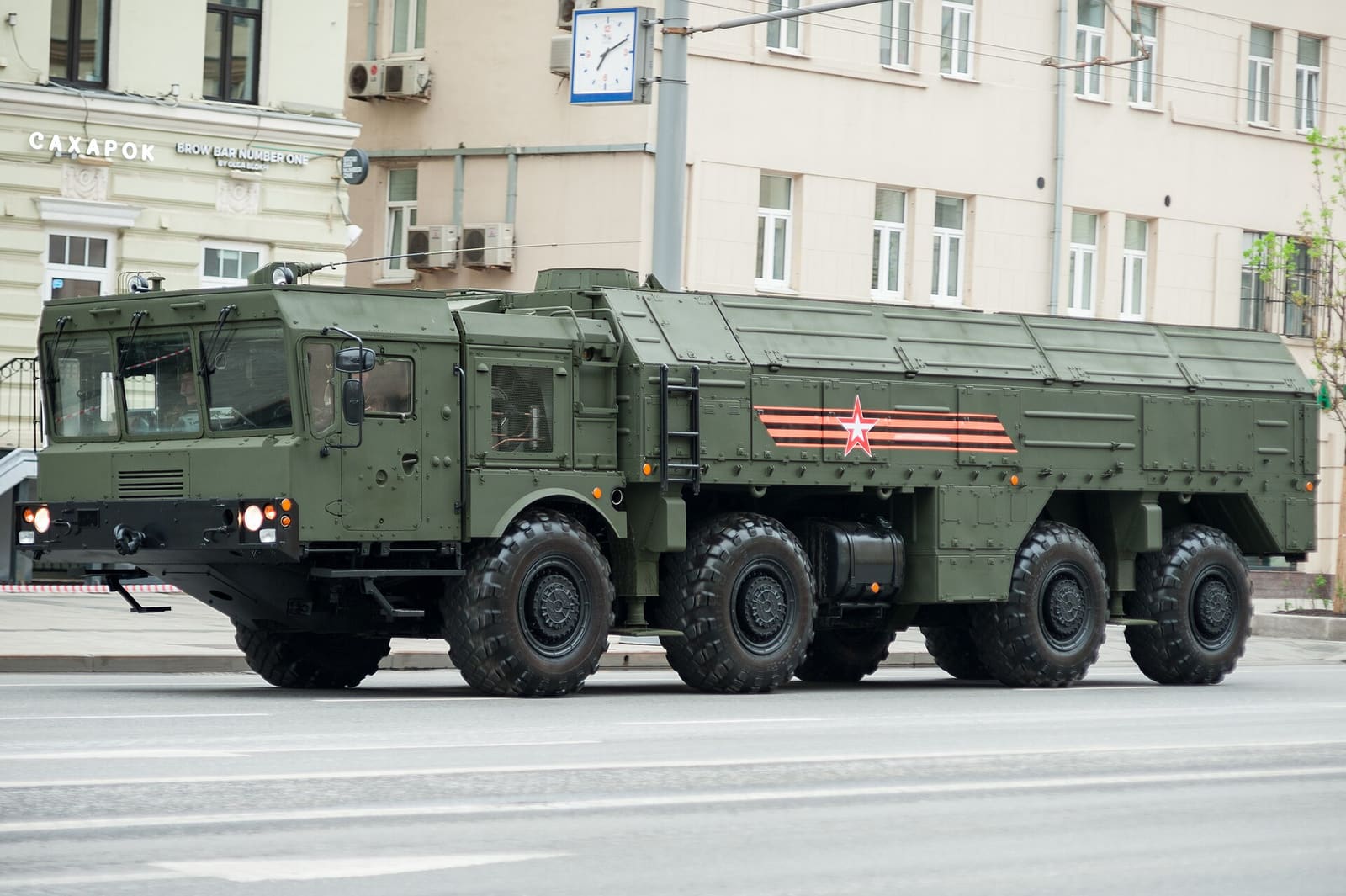
9K720 Iskander-MFrequently asked questions
Why is Ukraine leading a European air-defense project instead of a Western contractor? +
Fire Point, the Kyiv company designing the Freya interceptor, is the same firm behind the FP-1 strike drone that Ukrainian officials say accounts for a large share of the country's deep strikes into Russia. The coalition's own joint declaration explicitly frames the project around what it calls Ukraine's unique combat experience against Russian ballistic missiles, a feedback loop no NATO member currently has.
How much cheaper is Freya supposed to be than a Patriot interceptor? +
Fire Point has told reporters it is targeting roughly $700,000 per Freya interceptor, against publicly reported figures of around $3.8 million for a Patriot PAC-3 missile. Those numbers come from company statements and defense-press reporting, not from the coalition's own joint declaration, and Freya has not yet reached mass production, so the comparison is a manufacturer target, not an audited unit cost.
When would Freya actually be ready to use? +
Fire Point says it is aiming for roughly three interceptors a day in production starting August 2026, with a first real ballistic intercept targeted for the end of 2027. Independent defense analysts quoted in the press have called that December 2027 date optimistic and see it as unlikely before 2028.
Does this coalition replace Patriot or NATO air defense? +
No. The joint declaration explicitly describes the new architecture as complementing, not replacing, existing systems, including Patriot batteries European states and Ukraine already operate. Zelensky separately asked allies the same week for 300 additional Patriot interceptor missiles to cover this coming winter, underscoring that Freya is a future supplement, not a near-term substitute.
More news