Russia's largest Kyiv barrage since 2022 met by 400-drone Moscow hit
Russia fired 41 missiles and 125 drones at Kyiv overnight, its largest barrage since 2022; within a day Ukraine hit Moscow with 400+ drones.
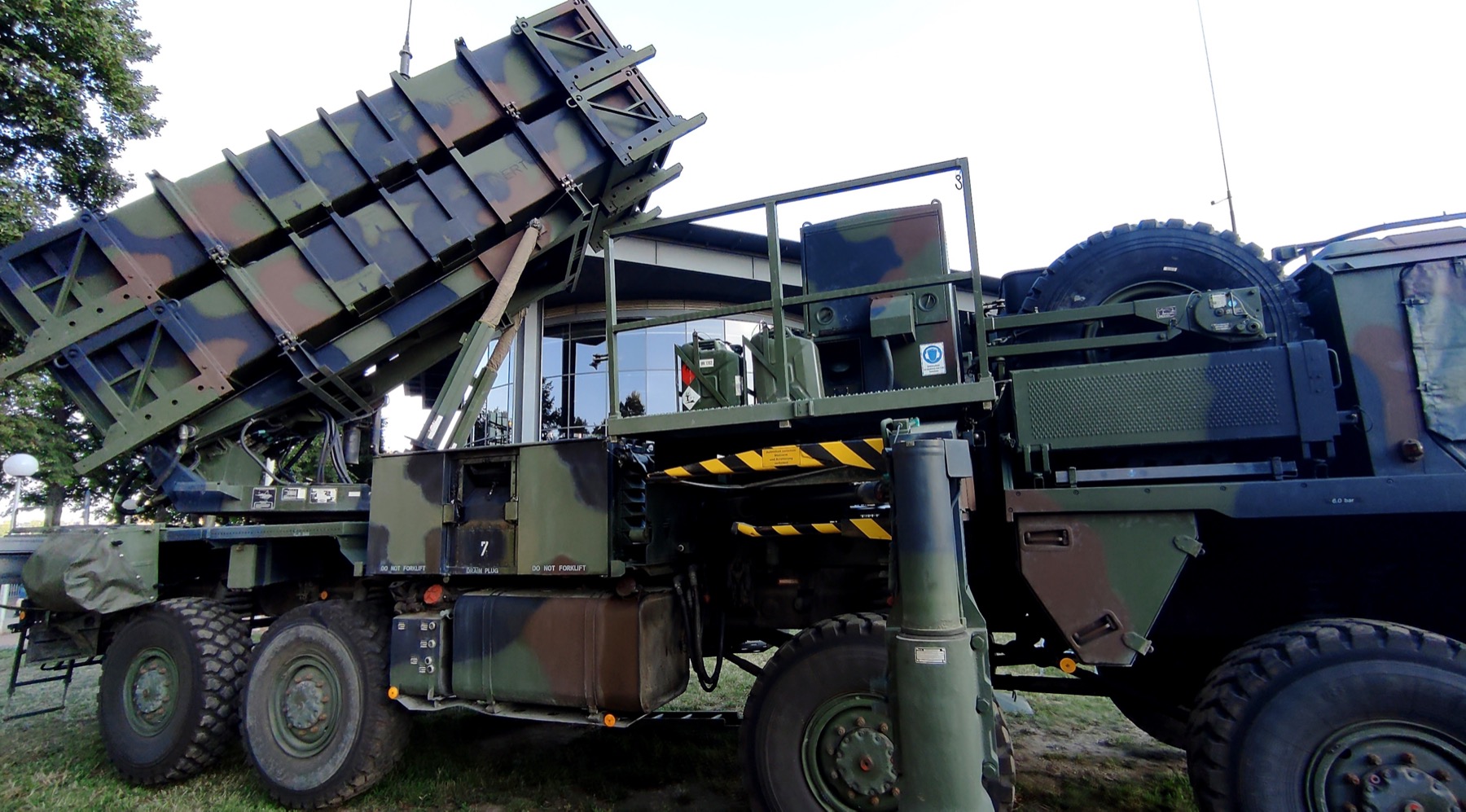
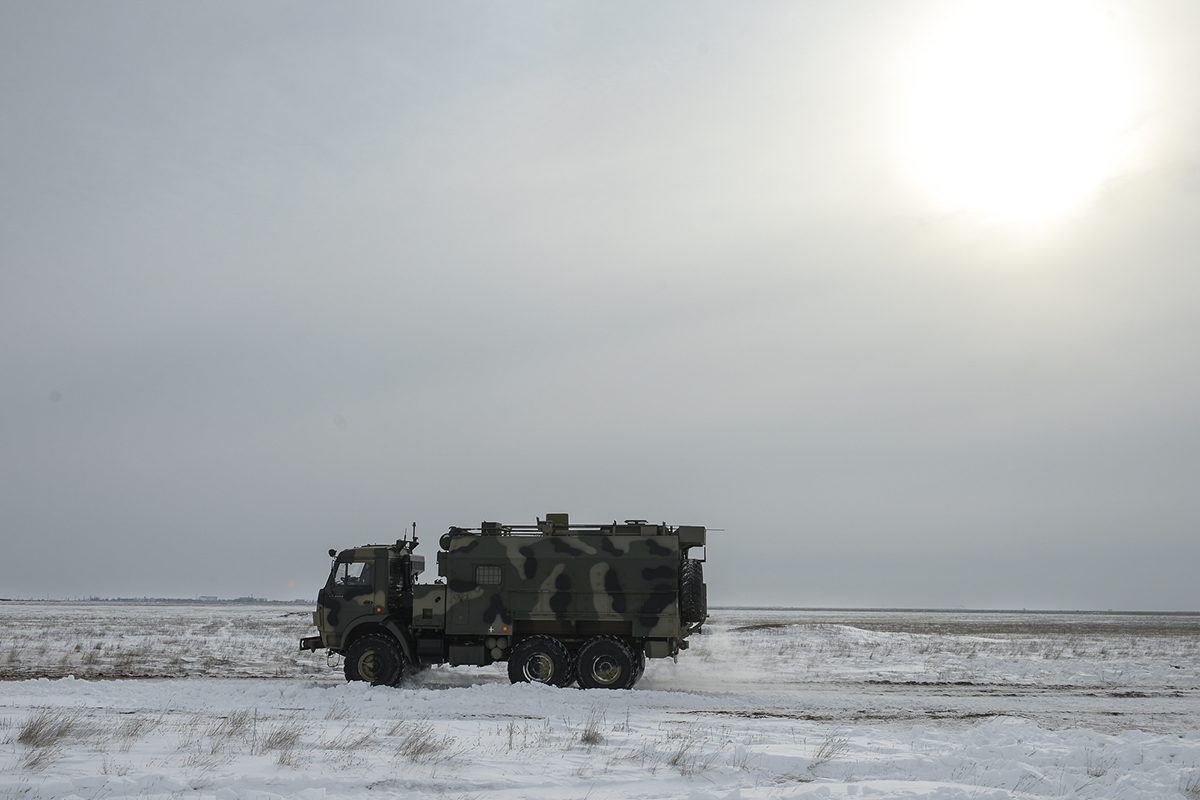
Lupus in Saxonia, Wikimedia Commons, CC BY-SA 4.0 (shown for identification, static display, not from this barrage)
Russia fired 41 missiles and 125 drones at Ukraine overnight July 18-19, the largest ballistic-missile barrage on Kyiv since the February 2022 invasion began, killing at least six people, according to Al Jazeera and the Moscow Times. Within roughly 24 hours, Ukraine answered overnight July 19-20 with more than 400 drones against oil, logistics and shadow-fleet targets in the Moscow region and the Black Sea, per the Kyiv Independent and Euronews.
Key takeaways:
- Russia fired 41 missiles (an estimated 25 Iskander-M/S-400-family ballistic missiles, 10 Zircon hypersonic missiles, 3 Oniks anti-ship missiles, 3 Kh-59/69 guided missiles) and 125 Shahed-type drones at Ukraine overnight July 18-19, the largest ballistic barrage on Kyiv since the war began.
- Ukraine’s air force reported intercepting 18 of 41 missiles (44%) and 108 of 125 drones (86%).
- At least six people were killed nationwide and dozens wounded, per Ukrainian officials.
- Within about 24 hours, Ukraine launched 400-plus drones at Moscow-region oil, logistics and shadow-fleet targets, striking six vessels in the Black Sea along the way.
- Moscow’s mayor claimed 85 of the drones aimed at the capital were intercepted, a Russian state claim not independently verified.
How large was Russia’s overnight barrage on Kyiv?
Ukrainian air force data described to Euromaidan Press put the mix at roughly 25 Iskander-M and S-400-family ballistic missiles, 10 3M22 Zircon hypersonic missiles, 3 P-800 Oniks anti-ship missiles and 3 Kh-59/69 guided air-launched missiles, alongside 125 Shahed-family drones, launched within under an hour. Of the 41 missiles, Ukrainian officials say 18, or 44%, were intercepted or suppressed; of the 125 drones, 108, or 86%, were brought down. That gap, drones intercepted at roughly twice the rate of ballistic missiles, is not a defense failure so much as the physics of the two threats: a Shahed-type drone is slow and non-maneuvering, while an Iskander-M performs terminal maneuvers specifically to defeat interceptors, and a Zircon travels at a claimed Mach 9. The 23 missiles and roughly 17 drones that got through struck residential buildings, a dormitory, offices, a supermarket and a postal facility across several Kyiv districts, plus targets in Kharkiv, Zaporizhzhia, Donetsk, Kherson, Dnipropetrovsk, Sumy and Odesa, according to Al Jazeera and the Moscow Times’ reporting on the strikes.
At least six people were confirmed killed nationwide, one in Kyiv and others in a postal-facility strike near Kharkiv and separate strikes in Kherson and Sumy, with dozens more wounded, figures attributed to Ukrainian officials and Ukraine’s state emergency service rather than presented as independently audited. Nearly 600 rescue workers, medics and police responded to the aftermath, Ukraine’s prime minister said.
“Protection against ballistic missiles is our constant and top priority right now. Interceptors are needed every day,” said Volodymyr Zelensky, President of Ukraine (Moscow Times, July 19, 2026).
What did Ukraine hit in Russia, and how fast did it respond?
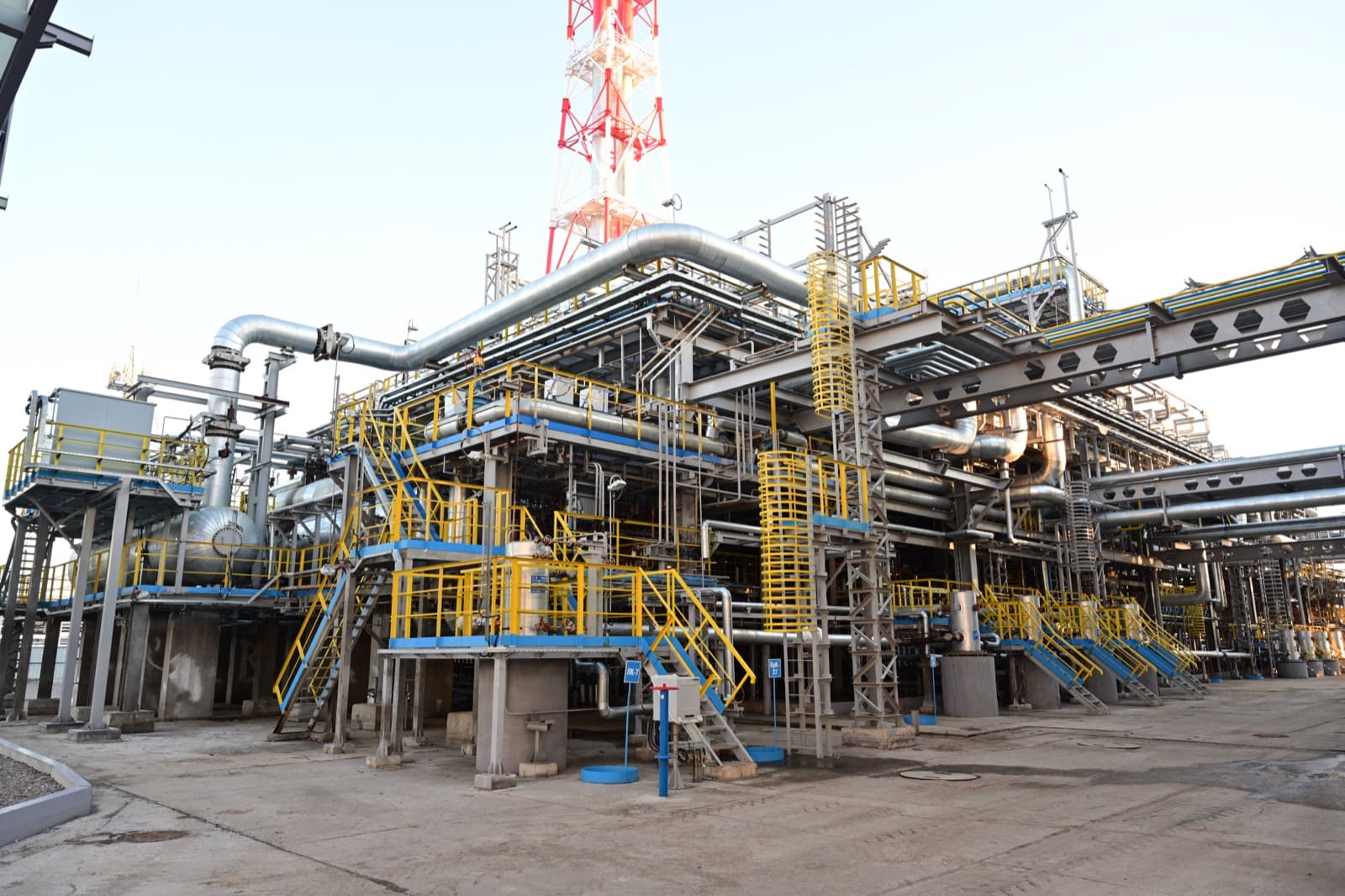
Ukraine’s answer came within roughly a day. Moscow Mayor Sergei Sobyanin said more than 400 Ukrainian drones approached the capital region overnight July 19-20, of which 85 were shot down, a claim from a Russian official that WeaponSpecs treats as a state assertion, not an independently verified figure. Drones struck an oil depot in Podolsk, about 40 kilometers south of the Kremlin; a Wildberries logistics fulfillment center in nearby Kolyedino; warehouses at the Yuzhnye Vorota logistics park in Belye Stolby; and a residential building in Domodedovo, according to the Kyiv Independent. Regional governor Andrei Vorobyov said 10 people were wounded. Separately, Ukrainian forces struck six vessels tied to Russia’s sanctions-evading “shadow fleet” in the Black Sea, two tankers and four dry cargo ships, per the same reporting.
Zelensky confirmed the strikes directly, saying in a video address that the targeted facilities were linked to Russia’s military logistics, though he stopped short of confirming the Wildberries site specifically stored military equipment. “We are responding, justly, to every Russian strike against our cities and communities,” he said. “This war must be brought to an end, and that is only possible by increasing the pressure on the sole cause of this war, Russia,” per the Kyiv Independent.
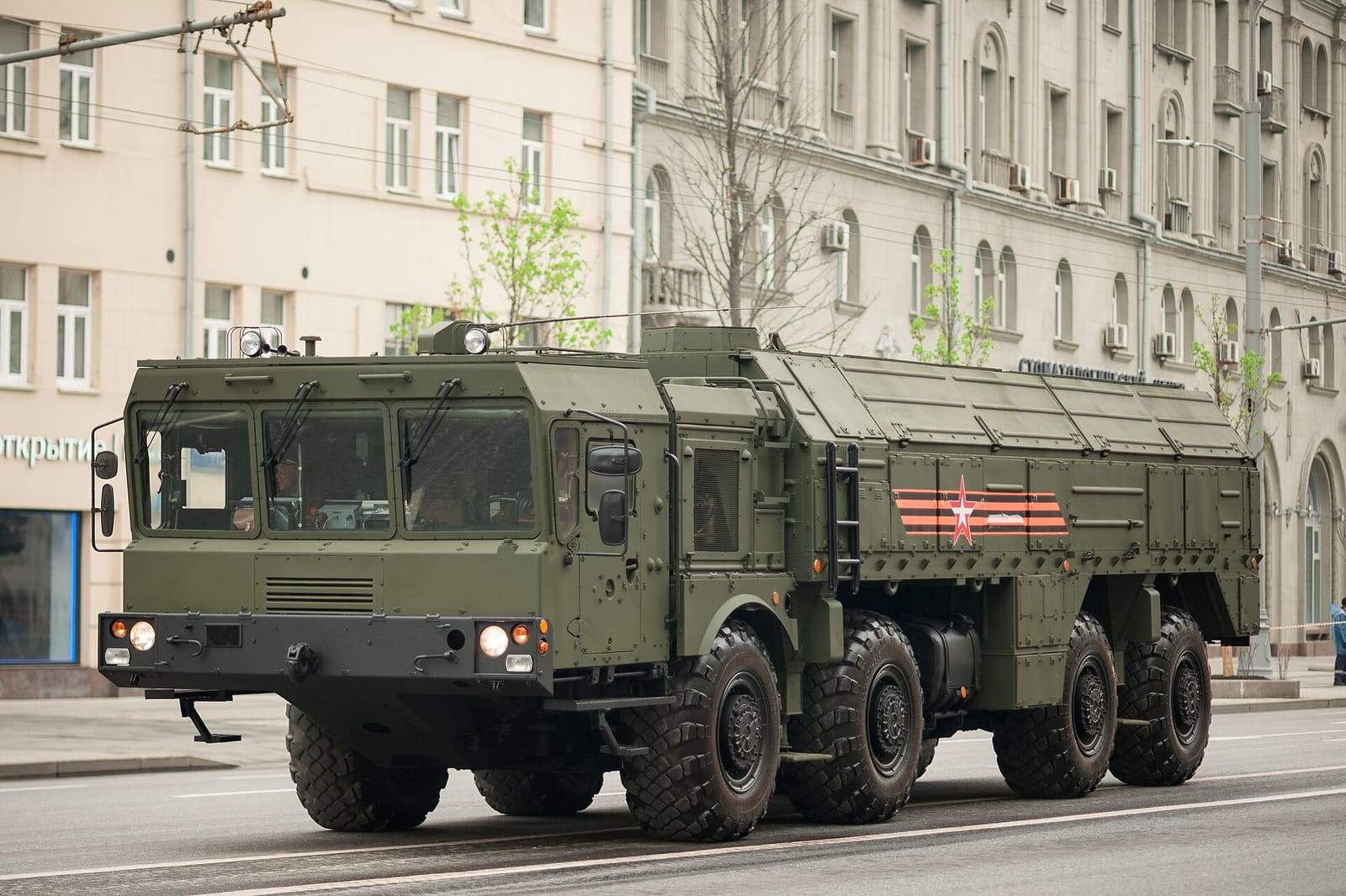
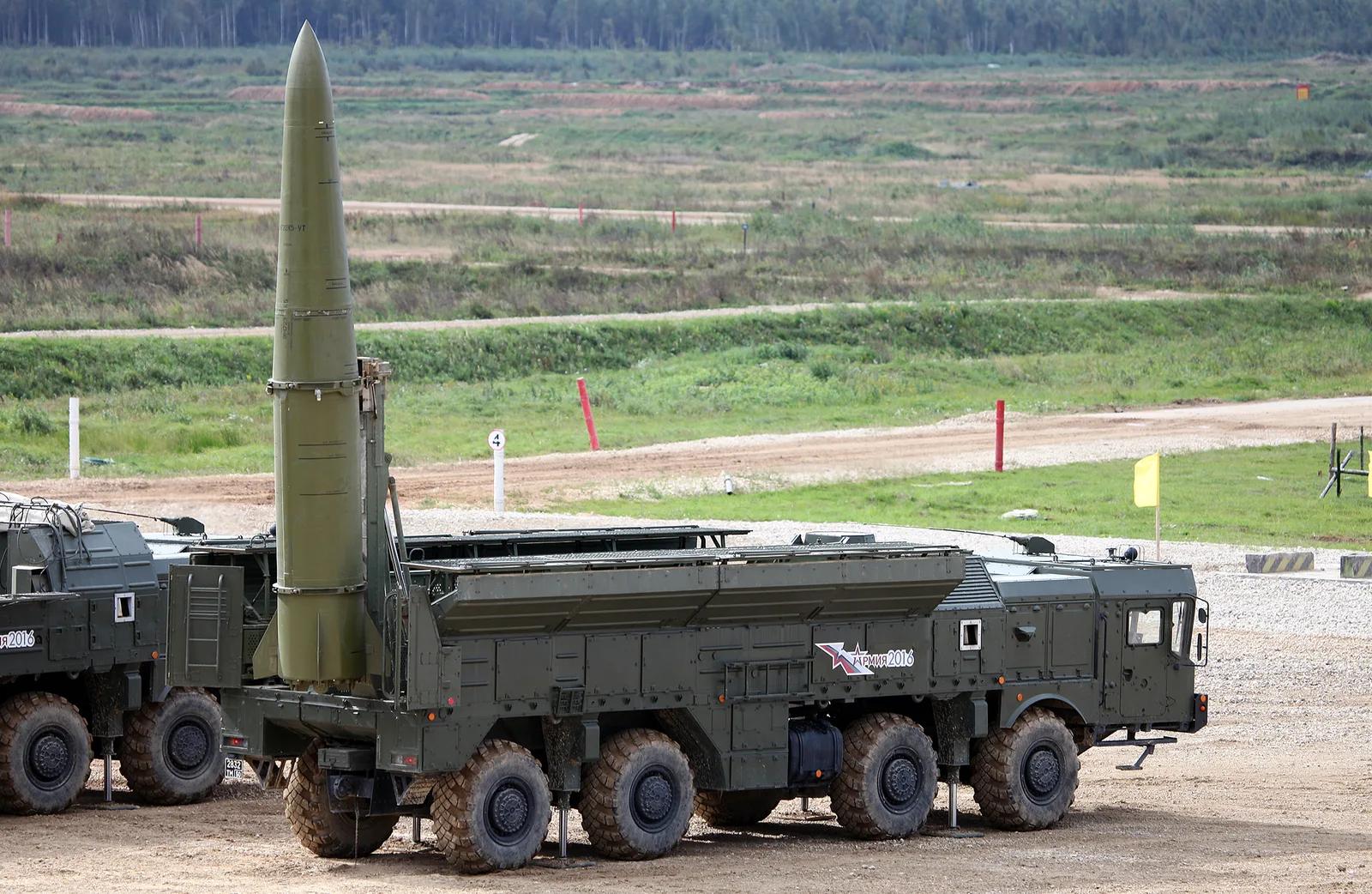
A 9K720 Iskander-M launches during a test at the Kapustin Yar proving ground. Ukrainian officials say Iskander-family missiles made up the bulk of the 41 missiles fired at Kyiv overnight July 18-19. Photo by Aleksey Ivanov, Wikimedia Commons, CC BY 4.0, shown for identification, not from this barrage.
Ukraine's air defenses intercepted drones at nearly twice the rate of ballistic missiles (18 of 41 missiles vs. 108 of 125 drones), the gap that let a relatively small missile salvo still cause the barrage's casualties.
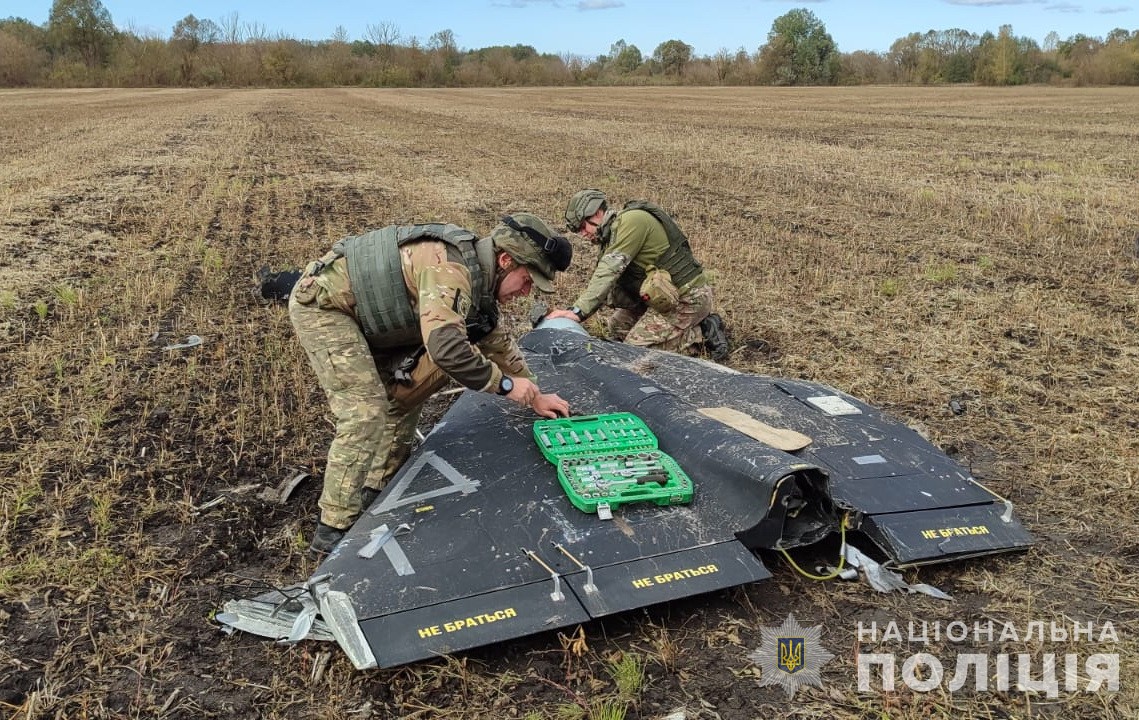
A downed Russian "Geran-2" (Shahed-136) has its warhead removed by explosive ordnance technicians in Sumy Oblast, October 2024. Shahed-family drones made up the bulk of the 125 drones fired at Ukraine on July 18-19. Photo via National Police of Ukraine, Wikimedia Commons, CC BY 4.0, file photo, not from this barrage.
What does a same-night retaliatory cycle at this scale actually signal?
The pattern here is not just two large numbers, it is the compressed timeline between them. Russia’s largest ballistic barrage on Kyiv of the entire war was answered within roughly a day by Ukraine’s largest recent drone strike on the Moscow region, a same-night-to-next-night exchange rather than a slow, weeks-apart tit-for-tat. That compression matters for reading where both sides actually stand: it suggests neither side is holding its heaviest available strike in reserve for leverage in some future negotiation, both are using it now, which is a weak signal for any near-term ceasefire track and a stronger signal that each side is trying to demonstrate it can hurt the other’s rear-area infrastructure, oil logistics for Russia, civilian and administrative targets for Ukraine, faster than the other can adapt. The Institute for the Study of War noted that Russia has now launched more ballistic missiles against Ukraine so far in July than it reportedly produces in a typical month, according to Euronews, which points to Moscow either drawing down a stockpile faster than production replaces it or accepting a temporary depletion to sustain this tempo, neither of which reads as a posture built around imminent talks.
For Ukraine, hitting six Black Sea shadow-fleet vessels in the same 24-hour window as the Moscow drone strikes extends a separate pressure campaign against the tanker network Russia uses to move sanctioned oil, a campaign this site covered earlier in July when it targeted a refinery and shadow-fleet shipping directly. Combining that maritime pressure with a mass drone strike on the capital region’s own logistics infrastructure, on the same night, reads as Kyiv signaling it can reach multiple layers of Russia’s war-supporting economy simultaneously, not just retaliate symbolically for the Kyiv strikes.
Sources
- Russia launches largest ballistic missile attack on Kyiv since start of war — Al Jazeera, Jul 19, 2026
- Russia Hits Ukraine With Largest Number of Ballistic Missiles, Kyiv Says — The Moscow Times, Jul 19, 2026
- Ukraine fires 400 drones at Moscow as Russia steps up ballistic missile attacks — Euronews, Jul 20, 2026
- Russia launches record ballistic missile barrage on Kyiv, firing over 40 missiles in under an hour — Euromaidan Press, Jul 19, 2026
- Oil depot, logistics center reportedly struck in Moscow Oblast as Ukraine launches hundreds of drones towards Russian capital — The Kyiv Independent, Jul 20, 2026
Systems mentioned
Every system named in this story, with its photo and, where available, a video. Tap a card to open the full spec sheet.
Compare these side by side →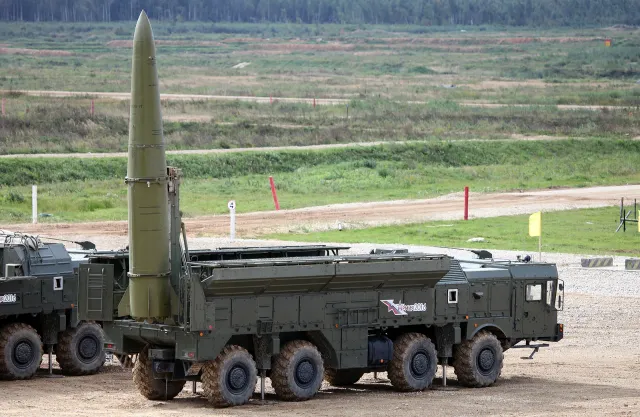
Missile
9K720 Iskander-M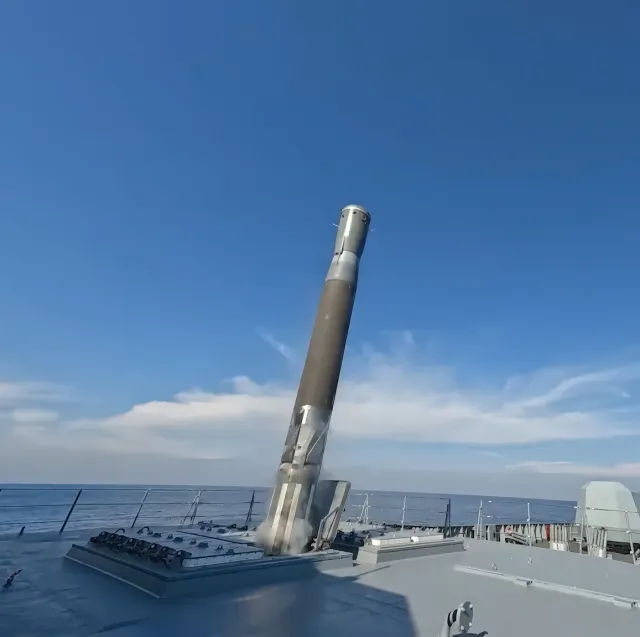
Missile
3M22 Zircon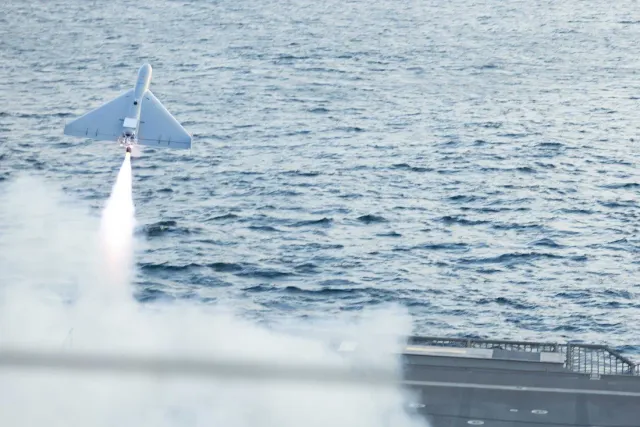
UAV / drone
Shahed-136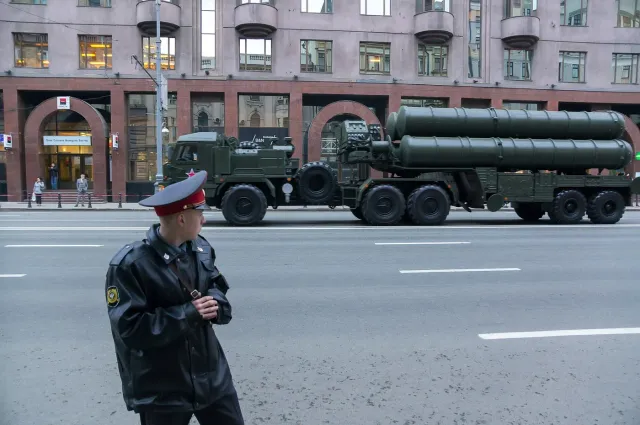
Air defense system
S-400 TriumfFrequently asked questions
How large was Russia's overnight attack on Kyiv? +
Russia launched 41 missiles, roughly 25 Iskander-M and S-400-family ballistic missiles, 10 Zircon hypersonic missiles, 3 Oniks anti-ship missiles and 3 Kh-59/69 guided missiles, plus 125 Shahed-type drones, at Ukraine overnight July 18-19, 2026, per Ukrainian officials and Euromaidan Press. Ukrainian officials and Al Jazeera described it as the largest ballistic-missile barrage on Kyiv since Russia's February 2022 invasion began.
How many people were killed and how effective was Ukraine's air defense? +
At least six people were killed nationwide, one in Kyiv and others in strikes near Kharkiv, Kherson and Sumy, with dozens wounded, according to Ukrainian officials cited by the Moscow Times and Al Jazeera. Ukraine's air force reported intercepting 18 of the 41 missiles (44%) and 108 of the 125 drones (86%).
What did Ukraine hit in Russia in response, and when? +
Within roughly 24 hours, overnight July 19-20, Ukraine launched more than 400 drones at Moscow region targets including an oil depot in Podolsk, a Wildberries logistics warehouse in Kolyedino, and a residential building in Domodedovo, plus a separate strike on two tankers and four cargo ships tied to Russia's Black Sea shadow fleet, per the Kyiv Independent and Euronews.
Is this the same attack WeaponSpecs covered on July 6, 2026? +
No. The July 6 story covered a separate, earlier barrage of roughly 570 missiles and drones that killed 30 people. This is a distinct, more recent overnight exchange on July 18-20, with different casualty figures and a different scale, roughly two weeks later.
More news