Ukraine's deep-strike campaign hits a Bashkortostan refinery and 20 Black Sea shadow-fleet vessels in one 48-hour window
Ukrainian drones struck a major refinery roughly 1,300 kilometers inside Russia overnight July 13-14, and Ukraine's Unmanned Systems Forces followed it by hitting 20 shadow-fleet vessels near occupied Crimea the next night, part of a campaign that has now struck 136 vessels since July 6.
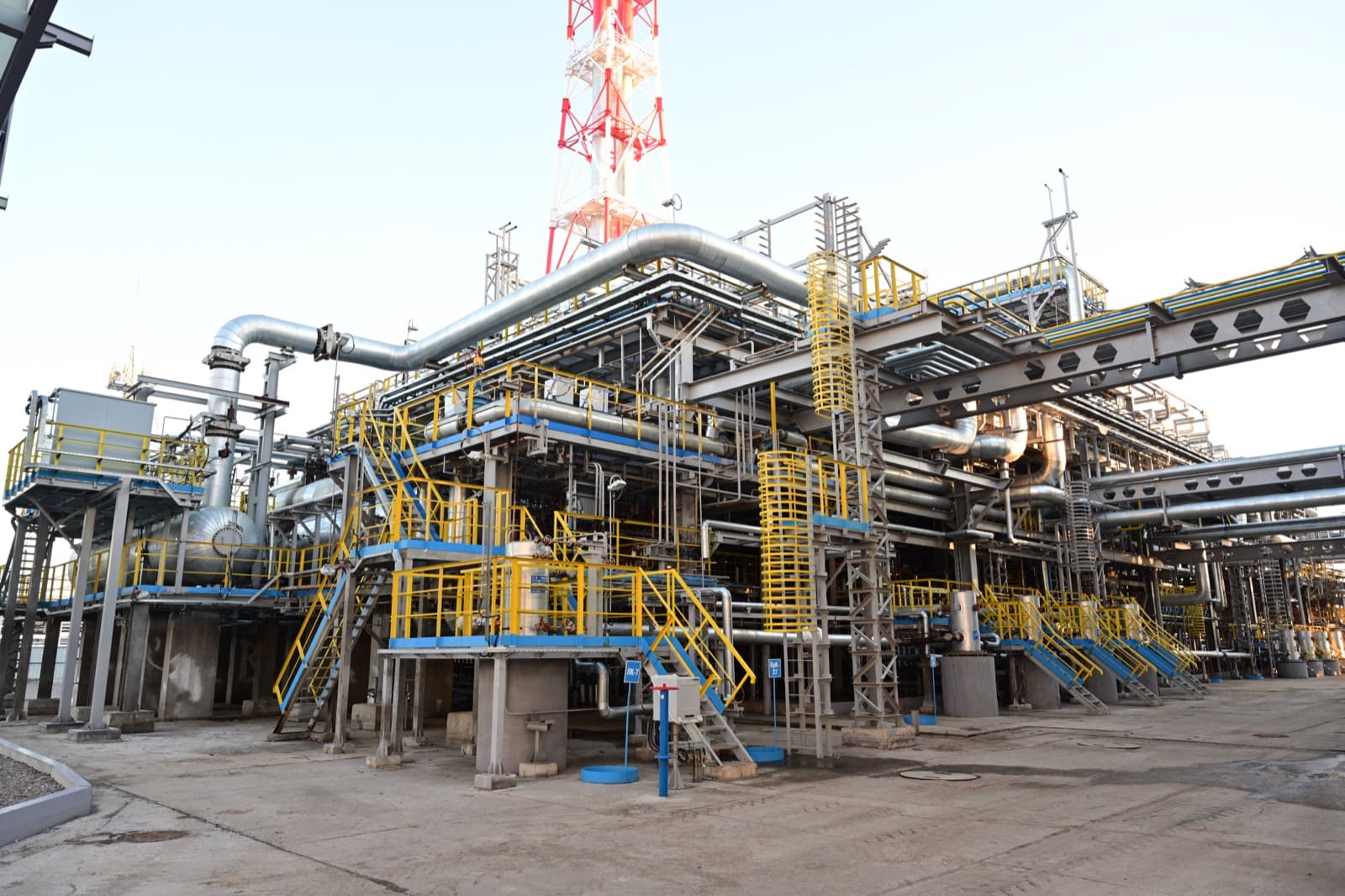
Ministry of Nature Use and Ecology of the Republic of Bashkortostan, Wikimedia Commons, CC BY 4.0
Ukraine ran two long-range strike operations within a single 48-hour window this week: drones hit a major oil refinery roughly 1,300 kilometers inside Russia overnight July 13-14, and a separate naval drone force struck 20 Russian shadow-fleet vessels near occupied Crimea the following night. Neither operation was announced as connected, but together they show the same strategic logic applied on land and at sea, pressuring both the refineries that make Russia’s fuel and the aging tanker fleet that moves its sanctioned oil exports, according to the Moscow Times, Kyiv Independent and ArmyInform.
The last major refinery Ukraine hadn’t reached
Ukraine’s Special Operations Forces said its Deep Strike drone units struck Gazprom Neftekhim Salavat, a large integrated oil refining and petrochemical complex in the republic of Bashkortostan, overnight July 13-14, hitting the AVT-6 primary crude distillation unit along with other production facilities, according to Ukrinform’s report on the SOF confirmation. Ukrainian special forces said the operation was carried out in cooperation with Chornaya Iskra, or “Black Spark,” a resistance movement Ukrinform describes as operating inside Russian territory, a detail that, if accurate, points to a targeting and access model beyond drone range and guidance alone. The facility has a reported annual processing capacity of around 10 million tons of oil, and multiple outlets, including Ukrainska Pravda, described it as the last major Russian gasoline-producing refinery that had not yet been struck at any point in 2026, following two earlier strikes on the same site in September 2025 per Kyiv Independent’s reporting.
Accounts of the strike distance vary by source. Ukraine’s Special Operations Forces put the figure at roughly 1,500 kilometers (930 miles), while the Moscow Times reported the refinery sits around 1,300 kilometers (810 miles) from Russia’s border with Ukraine, and Kyiv Independent cited the same 1,300-kilometer figure independently. Neither figure is disputed as wrong so much as measured differently, whether from the front line, the nearest border crossing or launch point, but both describe one of the longest-range drone strikes Ukraine has carried out into Russian territory during the war. Russia’s government has not issued its own public damage assessment or casualty figures for the strike in the sources reviewed for this story, and none is presented here as confirmed.
The same overnight operation also reached further south. Kyiv Independent reported drones struck the Afipsky oil refinery in Krasnodar Krai, roughly 400 kilometers (250 miles) from the front line, a smaller facility with a reported 6.25 million ton annual capacity that the outlet describes as supplying fuel to the Russian military. The same strike window also hit a ship-to-ship cargo transfer site near Gelendzhik on the Black Sea coast and 11 vessels in the Sea of Azov, five oil tankers, five bulk carriers and one harbor tug, according to Kyiv Independent’s account, blurring the line between this land-refinery operation and the maritime campaign that expanded further the following night.
From the Sea of Azov into the Black Sea
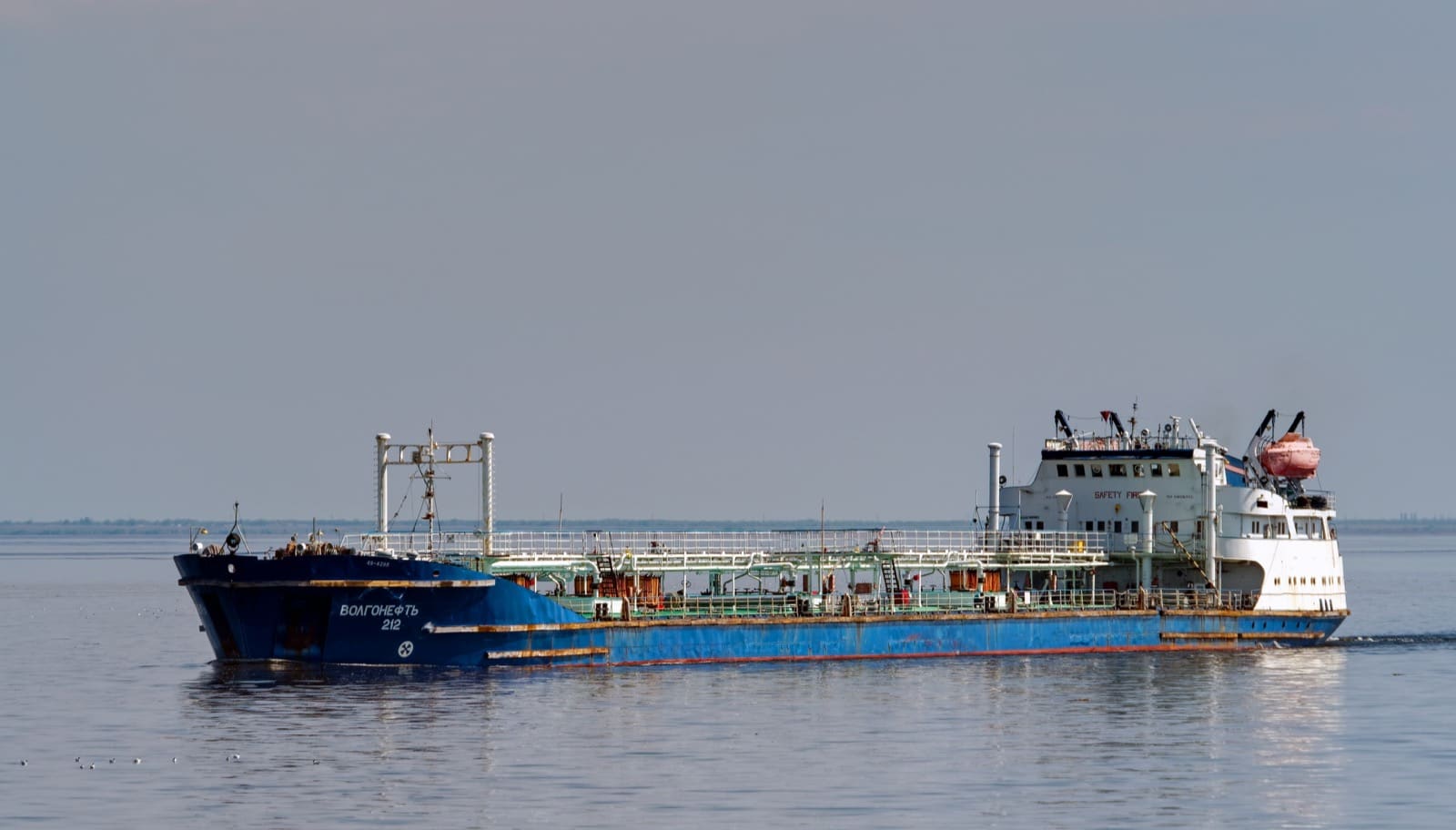
The following night, July 14-15, Ukraine’s Unmanned Systems Forces expanded a separate maritime drone campaign that had spent the prior week operating in the Sea of Azov, striking 20 vessels near occupied Crimea in the Black Sea: 17 oil tankers, two gas tankers and one tugboat, according to ArmyInform’s report, which cites Unmanned Systems Forces commander Major Robert “Madyar” Brovdi directly. The timing was deliberate: the Black Sea phase opened on July 15, Ukrainian Statehood Day. Brovdi’s command said the preceding Sea of Azov phase, running from roughly July 6 through July 14, had struck 116 vessels of Russia’s shadow fleet before the operation moved into Black Sea waters, putting the combined total at 136 vessels struck across both seas since the campaign began.
Russia’s shadow fleet refers to a network estimated at more than 1,000 aging tankers that Moscow uses to keep exporting oil despite Western sanctions and the G7’s price cap, typically by disabling automatic identification tracking, flying flags of convenience, or falsifying ownership and cargo paperwork to obscure the oil’s Russian origin. Ukraine’s Unmanned Systems Forces has framed the campaign’s purpose as twofold: directly degrading Russia’s Black Sea Fleet presence and separately disrupting the shadow-fleet logistics that keep sanctioned oil revenue flowing into Russia’s war effort, per ArmyInform’s account of the command’s stated objectives. As with the refinery strikes, these vessel counts and the campaign’s stated purpose are open-source claims from Ukraine’s own military command, not independently verified by satellite imagery or third-party maritime trackers in the sources reviewed here, and are presented as reported rather than confirmed fact.
Figures as reported by Ukraine's Unmanned Systems Forces commander via ArmyInform, an open-source Ukrainian military claim not independently verified here. The two phases combine for a reported 136 vessels struck since the campaign began around July 6, 2026.
Two fronts, one economic target
Neither Ukraine’s Special Operations Forces nor its Unmanned Systems Forces described these two operations as formally coordinated, and they run under different commands. But the 48-hour window in which they landed points at the same underlying Ukrainian strategy: Russia’s ability to refine and export oil is treated as a legitimate military target set, whether the asset is a fixed distillation unit a thousand kilometers from the front or a moving tanker off Crimea’s coast. Salavat’s roughly 10-million-ton annual capacity and the Sea of Azov and Black Sea tanker fleets are not the same kind of target, but they sit on the same supply chain, and hitting both within two days suggests Ukraine currently has the drone range, numbers and coordination to run refinery and maritime strikes as parallel campaigns rather than sequential ones.
Sources
- Ukraine hits oil refineries in Krasnodar and Bashkortostan — The Moscow Times, Jul 14, 2026
- Ukraine hits 2 Russian oil refineries, 11 vessels in strike spanning hundreds of miles — Kyiv Independent, Jul 14, 2026
- Critical facility struck: Special Operations Forces confirm strike on oil refinery in Bashkortostan — Ukrinform, Jul 14, 2026
- UAS Forces Strike the First 20 Vessels of russia's Shadow Fleet in the Black Sea — ArmyInform, Jul 15, 2026
Frequently asked questions
What exactly was hit at the Salavat refinery? +
Ukraine's Special Operations Forces said its Deep Strike drone units hit the AVT-6 primary crude distillation unit and other production facilities at Gazprom Neftekhim Salavat, one of Russia's largest integrated oil refining and petrochemical complexes, overnight July 13-14, 2026. The facility has a reported annual processing capacity of around 10 million tons of oil and produced roughly 7.2 million tons in 2024, close to 2.7% of Russia's total refining capacity, according to widely reported 2024 throughput figures. Multiple outlets described it as the last major Russian gasoline-producing refinery not yet struck in 2026.
How far did the drones travel to reach Salavat? +
Ukraine's Special Operations Forces put the distance at roughly 1,500 kilometers (930 miles). Independent reporting from the Moscow Times and Kyiv Independent put it closer to 1,300 kilometers (810 miles). Both figures describe one of the longest-range drone strikes Ukraine has carried out against Russian territory, though the exact distance is not settled across sources.
What happened in the Black Sea on July 14-15? +
Ukraine's Unmanned Systems Forces, commanded by Major Robert "Madyar" Brovdi, expanded a maritime drone campaign from the Sea of Azov into the Black Sea near occupied Crimea, striking 20 vessels described as 17 oil tankers, two gas tankers and one tugboat. It was timed to coincide with Ukrainian Statehood Day on July 15 and follows a first campaign phase in the Sea of Azov that the command says struck 116 vessels, putting the combined total at 136 vessels since the operation began around July 6.
What is Russia's 'shadow fleet' and why is Ukraine targeting it? +
It refers to a network of an estimated 1,000-plus aging tankers Russia uses to move sanctioned oil exports while evading the Western-imposed G7 price cap, typically by disabling tracking transponders, flying flags of convenience or falsifying cargo documentation. Ukraine's Unmanned Systems Forces describes disrupting this fleet, alongside degrading Russia's Black Sea Fleet directly, as a core objective of the campaign, since oil exports remain a major source of revenue funding Russia's war effort.
More news