Russia fields a dedicated jammer to blind Starlink-guided Ukrainian drones
Ukrainian forces say Russia has deployed roughly ten Volna Kupol Garant electronic-warfare complexes, each capable of blacking out Starlink signals across a 20-square-kilometer area, to disrupt Ukraine's Starlink-guided strike drones.
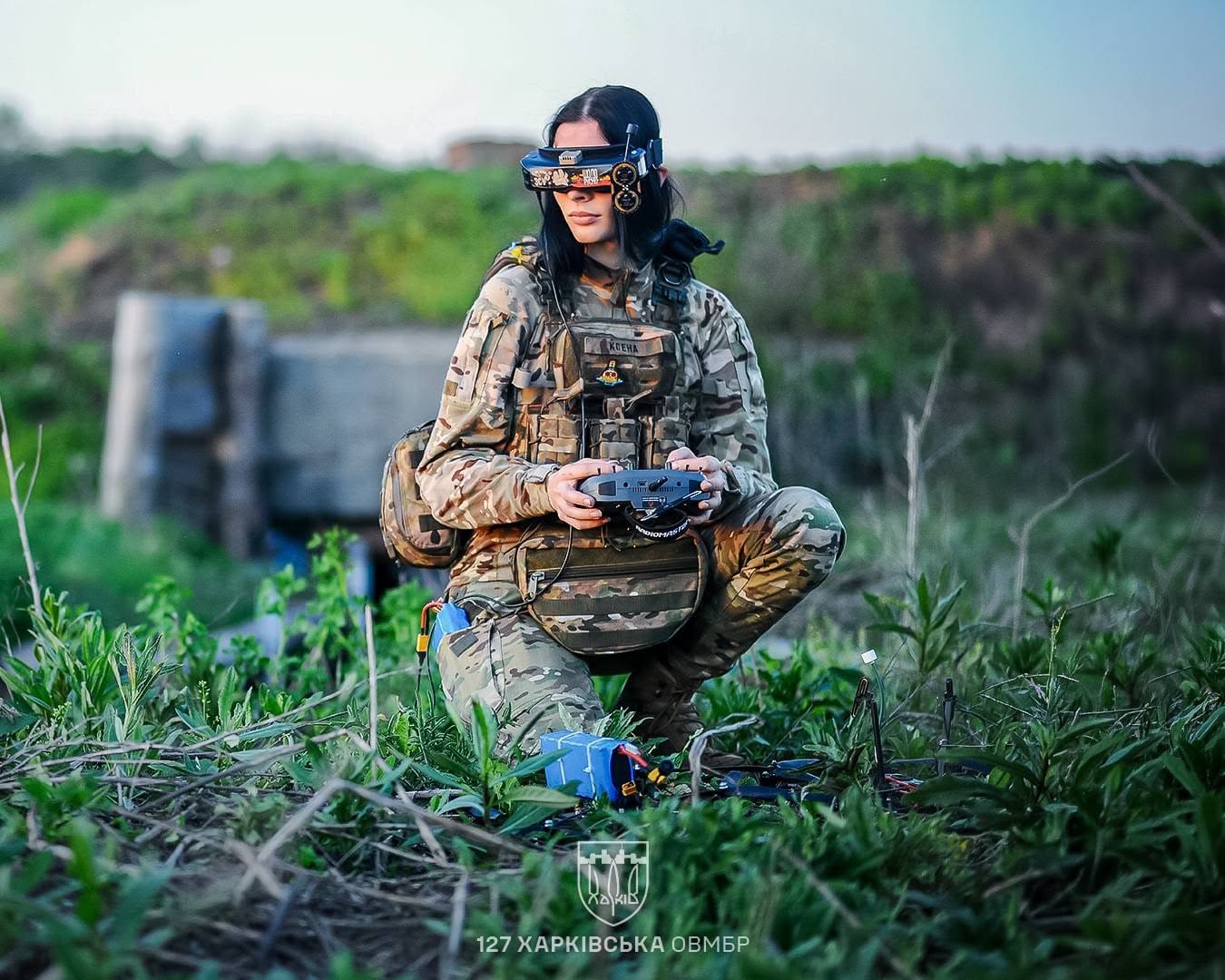
Photo by ArmyInform, CC BY 4.0, via Wikimedia Commons
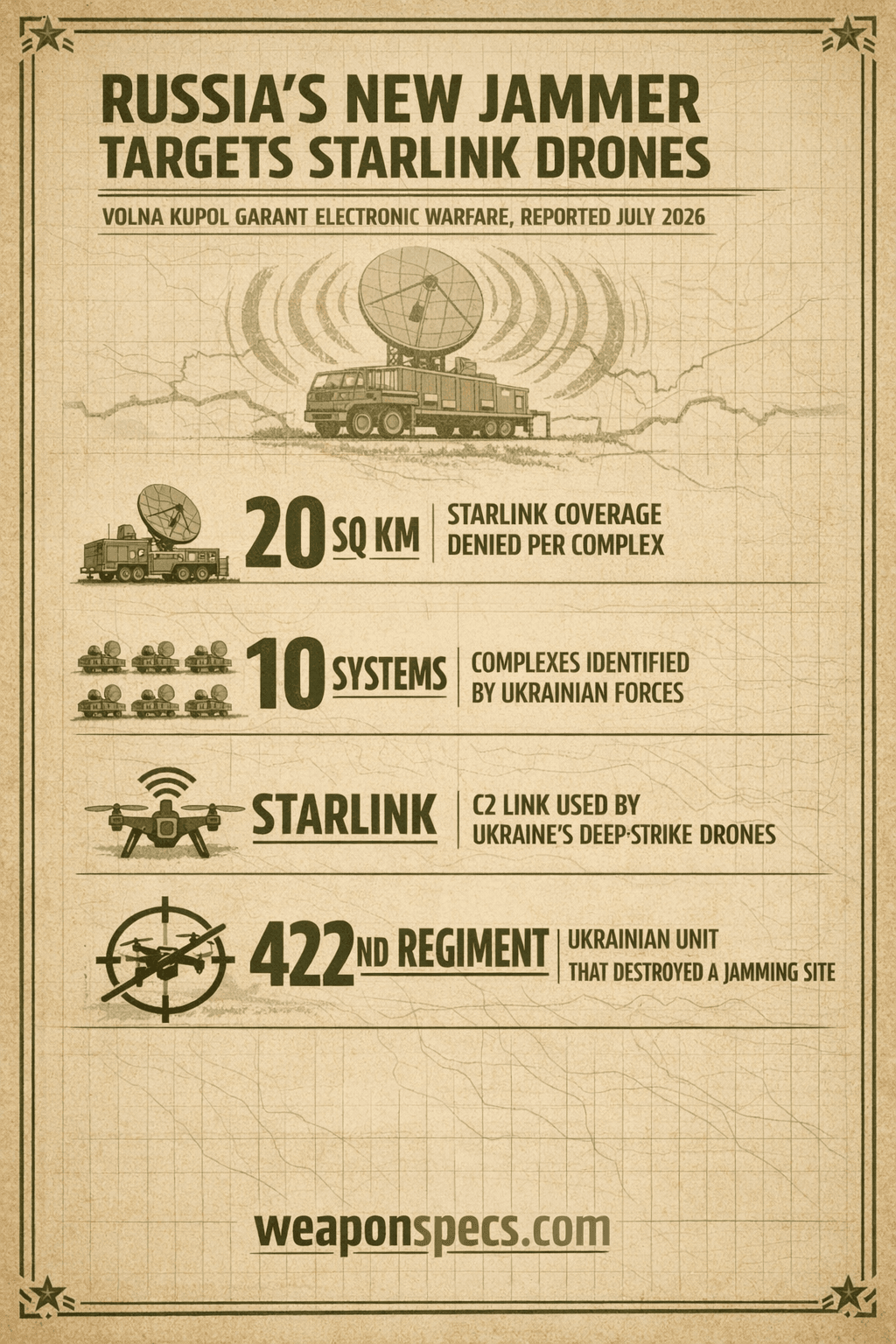
By the numbers
Infographic: WeaponSpecs News Desk
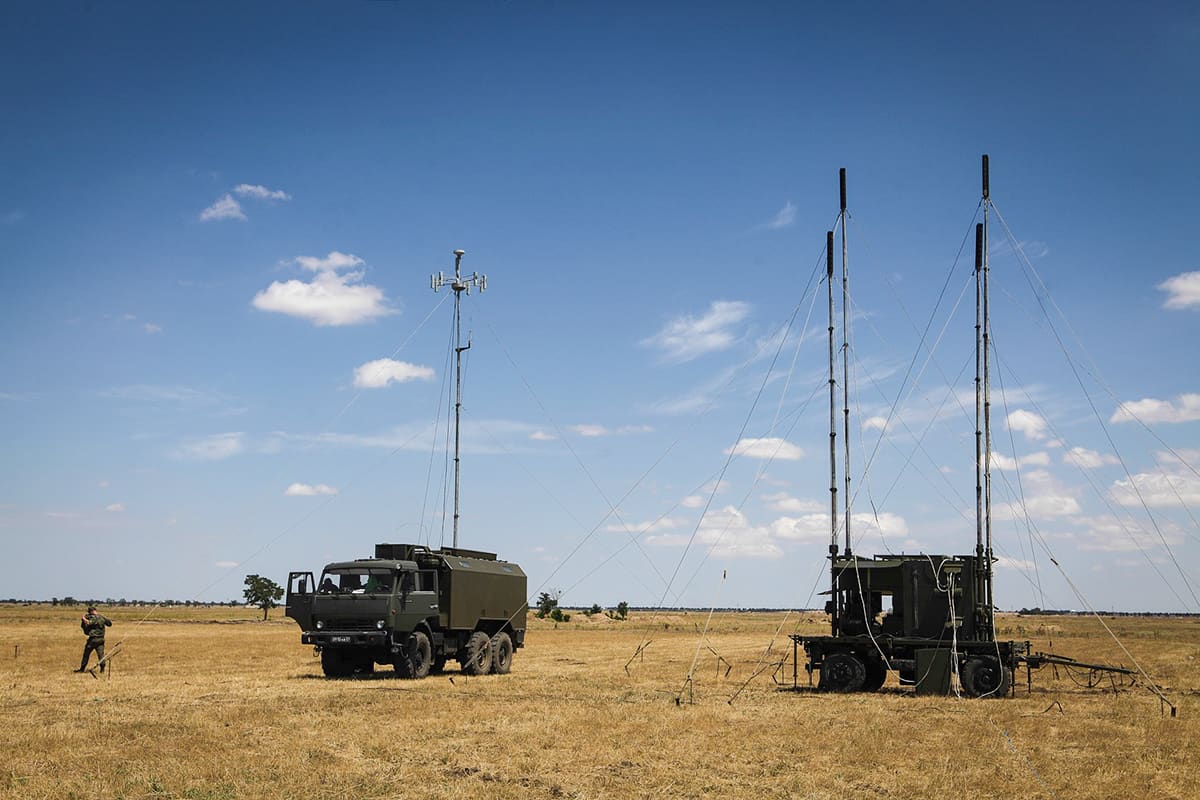
Ukrainian forces say Russia has fielded a dedicated electronic-warfare system, referred to in Ukrainian and open-source reporting as Volna Kupol Garant, specifically to jam the Starlink satellite links that many of Ukraine’s medium- and long-range strike drones depend on for command and control, according to Reuters reporting republished by Meduza. Ukrainian sources describe each complex as capable of blacking out Starlink coverage across roughly 20 square kilometers, and say they have identified around ten of the systems deployed near the front, mostly close to military facilities and populated areas.
The reporting on the system’s name, specifications and deployment count traces to Ukrainian military and open-source channels, not to any Russian government confirmation, and should be read with that caveat: Moscow has not publicly acknowledged Volna Kupol Garant or described its capabilities in its own statements.
Why Starlink is the target
Ukraine’s deep-strike drone campaign, aimed at fuel depots, command posts, air-defense sites and other targets dozens of kilometers or more behind the front line, leans heavily on Starlink for the same reason many other users value the network: it is a satellite-relayed link that does not require line of sight to a ground station and has historically proven far more resistant to jamming than conventional line-of-sight radio control links. That resilience is precisely what has made it hard for Russian electronic warfare units to counter Ukrainian drones operating well past the range where older jamming systems could reach a radio-line-of-sight control signal.
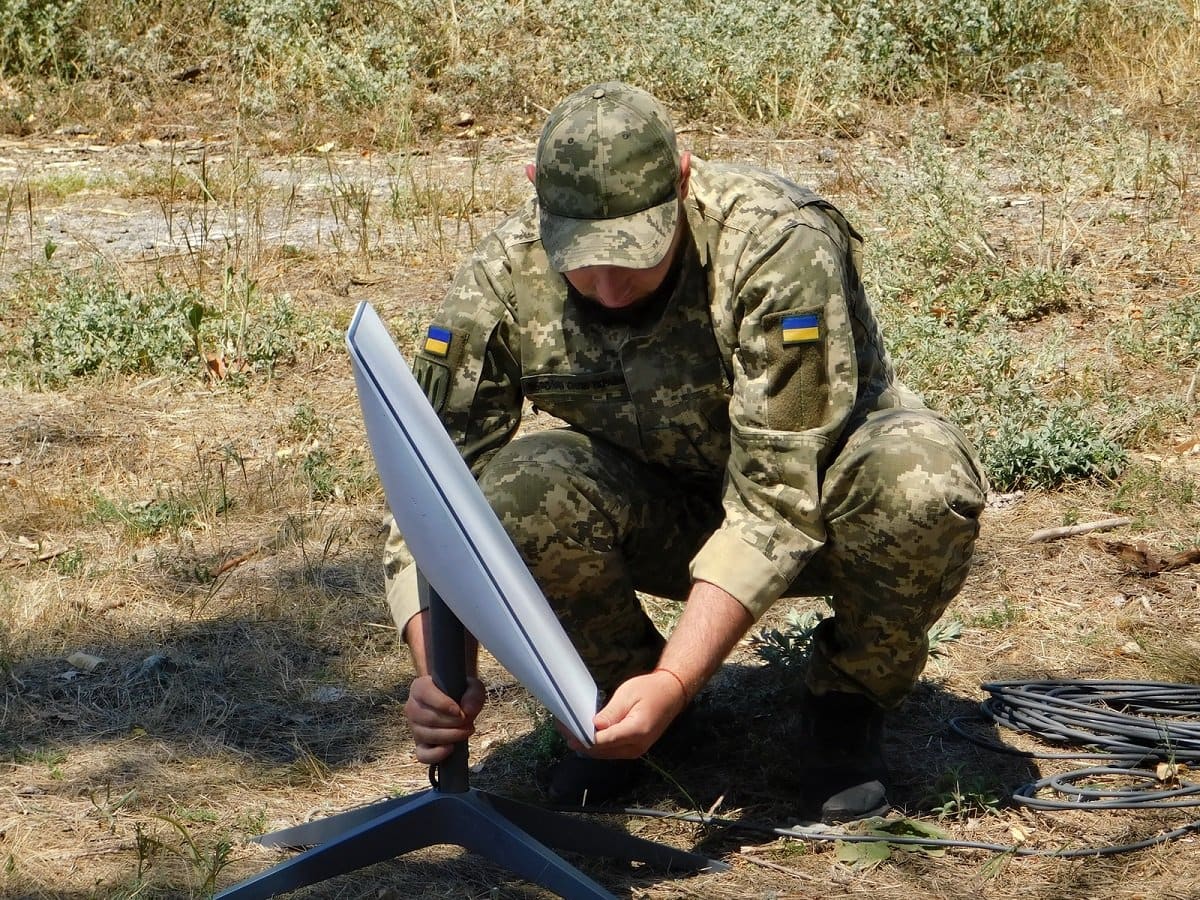
A system purpose-built to jam the specific frequency band Starlink operates in changes that calculus. If Volna Kupol Garant performs as Ukrainian sources describe it, it would deny the same link inside its coverage radius regardless of how far the drone operator is from the front line, since it targets the satellite uplink and downlink rather than the drone’s direct radio connection to its pilot.
Ukraine has already struck at least one installation
Ukraine’s 422nd Unmanned Systems Regiment, working with the Security Service of Ukraine, has located and destroyed at least one of the identified jamming complexes. A regiment crew member using the call sign “Dyryhent” told reporters that Starlink-equipped drones flying through the area regained a clean signal once the site was struck, a direct field indication that the installation had in fact been degrading the link before it was taken out. Ukrainian channels have also referenced additional strikes against these systems beyond the one described in the Reuters-sourced reporting, though this story limits its confirmed-destroyed count to what is corroborated across the sources reviewed here rather than repeating unconfirmed additional tallies.
Beyond kinetic strikes on the jammers themselves, Ukrainian drone manufacturers have separately been developing GPS- and Starlink-independent navigation systems, an engineering response aimed at letting drones keep flying and hitting targets even when a Starlink link in a given area is degraded or denied, rather than relying solely on destroying every jamming site Russia fields.
Part of a longer fight over who controls the link
This is not the first friction point over Starlink access in the war. SpaceX moved in early 2026 to block unauthorized use of Starlink terminals by Russian forces inside occupied Ukrainian territory, acting at Kyiv’s request after reports that Russian units had acquired and were using terminals not authorized for their use. That earlier episode was about restricting Russian access to the network; what Ukrainian sources describe now is a different problem, a Russian system built to deny Ukraine’s own authorized, Kyiv-controlled Starlink links rather than to gain unauthorized access to them. Both episodes point to the same underlying fact: control of, or interference with, satellite-relayed connectivity has become a contested layer of this war in its own right, alongside the physical drones, missiles and artillery more traditionally associated with it.
What is not yet independently verifiable
The precise technical specifications of Volna Kupol Garant, including its exact jamming frequency range and power output, have not been independently verified by outside technical analysts in the sources reviewed for this story, and figures such as the “roughly ten” identified systems and the 20-square-kilometer coverage estimate originate from Ukrainian military and open-source assessment rather than from a peer-reviewed or manufacturer-confirmed specification sheet. WeaponSpecs is presenting these as reported figures from the cited outlets, not as independently confirmed technical facts, consistent with how this system’s designation and capabilities have been described across the reporting available at publication.
Sources
- Russia begins jamming Starlink to counter Ukrainian drones, Reuters reports — Meduza (via Reuters), Jul 8, 2026
- Russia tries to jam Musk's Starlink systems to counter Ukrainian drones — The Japan Times, Jul 9, 2026
Frequently asked questions
What is Volna Kupol Garant, and how does it work? +
It is a Russian-made electronic-warfare complex that Ukrainian forces say jams Starlink's satellite uplink and downlink signals, denying drone operators the link they use to control aircraft and stream video over medium and long ranges. Ukrainian sources describe it as covering roughly 20 square kilometers per installation. The exact designation and specifications come from Ukrainian military and open-source reporting, not from Russian officials, who have not publicly confirmed the system.
Why does jamming Starlink matter so much for Ukraine's drone campaign? +
Many of Ukraine's medium- and long-range strike drones use Starlink terminals for command-and-control and video feed because it is far harder to jam at range than conventional radio links and works without line of sight to a ground station. Those drones have been used to hit fuel depots, command posts, air-defense assets and other targets well behind the front line. A working jammer over a given patch of territory can cut that link and blind or ground drones operating through it.
How has Ukraine responded? +
Ukraine's 422nd Unmanned Systems Regiment, working with the Security Service of Ukraine, has located and struck at least one of the identified jamming complexes, with a crew member telling reporters that drones flying through the area regained a clean Starlink signal once the site was hit. Separately, Ukrainian engineers have been developing GPS- and Starlink-independent navigation for some drones specifically to operate through this kind of interference.
Is this the first time Russia has targeted Starlink specifically? +
No. SpaceX moved to block unauthorized Russian use of Starlink terminals in Ukraine in early 2026 at Kyiv's request, part of a longer back-and-forth over who controls access to the network in the conflict. This reporting describes what Ukrainian sources characterize as a newer, dedicated countermeasure aimed at disrupting Ukraine's own authorized Starlink-linked drones rather than Russian misuse of the network.
More news
 conflict
 Ukraine's deep-strike campaign hits a Bashkortostan refinery and 20 Black Sea shadow-fleet vessels in one 48-hour window
Read → conflict
 Ukraine drone barrage kills at least eight in deepest strikes on Russian logistics in two years
Read → conflict