Ukraine drone barrage kills at least eight in deepest strikes on Russian logistics in two years
Ukrainian drones struck two Wildberries fulfillment centers and a Moscow Oblast oil depot overnight on July 18, killing at least eight people and wounding more than 60 in Kyiv's deadliest attack on Russian territory in two years.

Photo by Anastasiya Lvova, CC BY-SA 4.0, via Wikimedia Commons
Ukrainian drones struck two fulfillment centers operated by Wildberries, Russia’s largest online retailer, and an oil depot in Moscow Oblast overnight on July 18, killing at least eight people and wounding more than 60 in what CNN reported are the most lethal Ukrainian strikes recorded inside Russia in more than two years.
Ukraine has acknowledged carrying out the attacks. President Volodymyr Zelensky and Ukraine’s General Staff confirmed the strikes hit three areas of Russian territory in a single overnight operation, according to the Kyiv Independent’s reporting.
“Two major logistics facilities were hit, in the Moscow and Tambov regions, more than 500 and nearly 700 kilometers from the front line,” said Volodymyr Zelensky, President of Ukraine (CNN, July 18, 2026).
Zelensky said the two Wildberries logistics centers were being used “to supply sanctioned components for drone production and navigation equipment,” per CNN’s reporting, and separately posted on X that “our long-range sanctions worked across three areas on Russian territory, as well as on our temporarily occupied land and at sea.” That characterization of the warehouses’ military relevance is Ukraine’s own account and has not been independently verified.
Two warehouses, one oil depot, and a maternity ward evacuated
The heavier casualties came at the Wildberries fulfillment center in Kotovsk, Tambov Oblast, roughly 475 kilometers southeast of Moscow, where regional governor Yevgeniy Pervyshov, a Russian government official, said seven people were killed and 25 wounded on the night shift, a figure from Russian regional authorities and not independently verified, according to The Moscow Times, which reported that Pervyshov also said Russian air defenses shot down 28 drones on approach to the region. Pervyshov added that “if they had achieved their goal, the number of civilian casualties could have been much higher.” A second Wildberries facility in Elektrostal, Moscow Oblast, a 188,000-square-meter site, also caught fire; Moscow Oblast governor Andrei Vorobyov, likewise a Russian government official, reported one death and 37 wounded, eight seriously, across that strike and a linked one at the nearby Nafto-Service oil depot in Noginsk, again a state figure requiring the same caveat. The oil depot, which the Kyiv Independent reported is used to store and supply fuel and lubricants including for the Russian military, caught fire after being struck, and CBS News reported the resulting blaze forced the evacuation of a nearby maternity hospital as a precaution. Wildberries CEO Tatiana Kim called it “a terrible night” for the company and extended condolences to victims’ families, per Moscow Times.
Moscow Oblast figures cover the combined Elektrostal Wildberries and Noginsk oil depot strikes, per governor Andrei Vorobyov; Kotovsk figures are from Tambov Oblast governor Yevgeniy Pervyshov. Totals of at least eight killed and more than 60 wounded are drawn from Russian regional officials and are not independently audited. All figures come from Russian regional officials and are a state claim, not independently verified.
Part of a widening deep-strike campaign
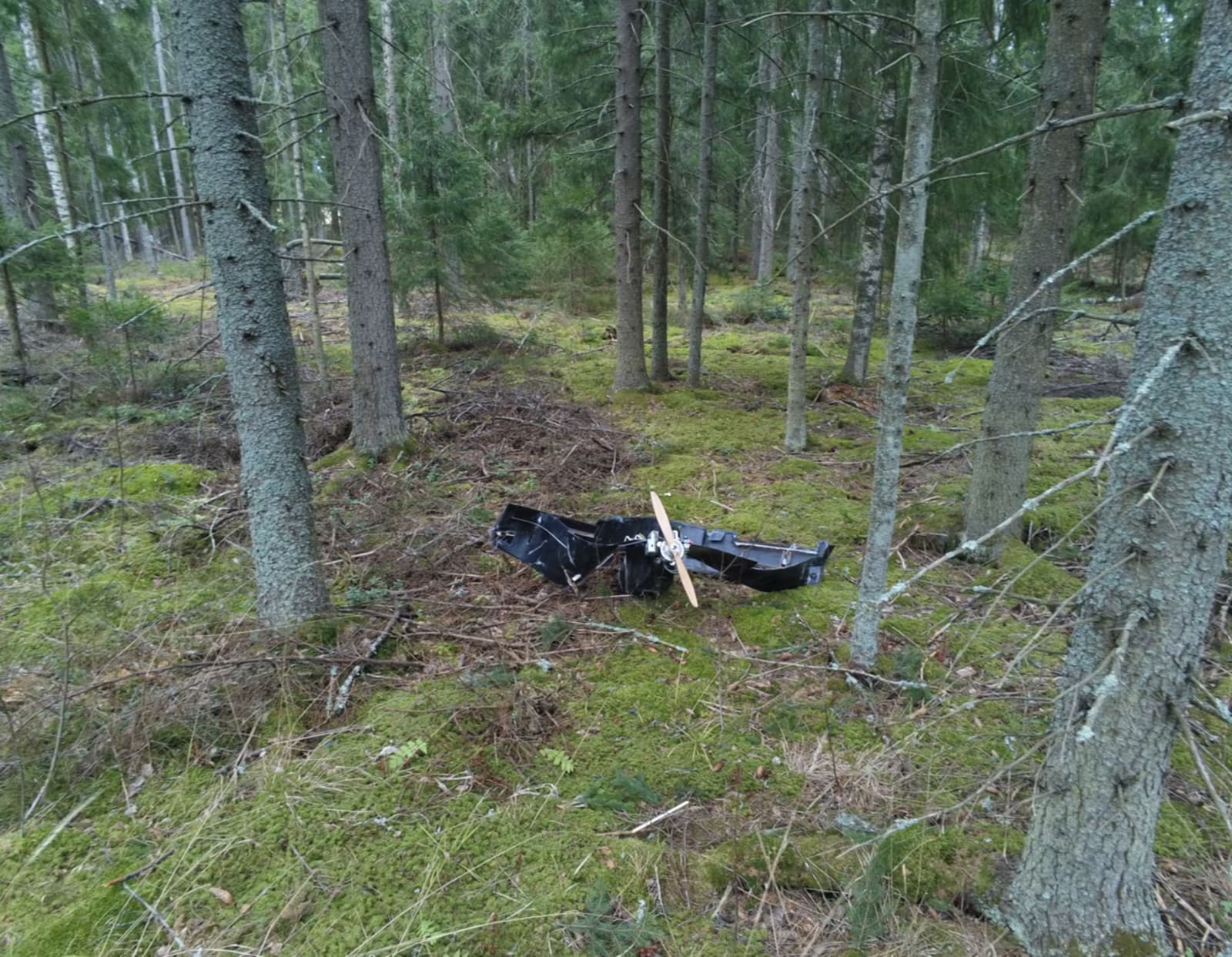
The Wildberries and Noginsk strikes extend a pattern of Ukrainian long-range drone attacks on Russian rear-area logistics and energy infrastructure that has intensified through 2026, including strikes WeaponSpecs has covered separately on the Omsk and Salavat refineries. Zelensky’s stated distances of roughly 500 to 700 kilometers from the front line are consistent with the operating envelope of Ukraine’s deep-strike drone fleet, which includes the AN-196 Liutyi, a one-way attack drone that open-source reporting on recovered wreckage credits with strikes on Russian energy and military-industrial sites hundreds of kilometers from Ukrainian territory. Neither Zelensky’s July 18 statement nor the outlets covering it named the specific drone type used in the Wildberries and Noginsk strikes, so no system can be confirmed as the platform involved in this particular attack.
Why a retailer’s warehouses became a target
Wildberries operates one of the largest logistics and fulfillment networks in Russia, and Ukraine’s targeting claim, that some facilities store components for sanctioned military-linked production rather than purely consumer goods, would not be the first time a nominally civilian Russian logistics operator has drawn scrutiny over dual-use cargo. The Kyiv Independent noted that “Russian forces have repeatedly used civilian facilities to store military equipment” in past reporting on the war, though Zelensky’s July 18 statement offered no specific evidence for this claim. Whatever the precise cargo, the casualty toll at a facility built around night-shift warehouse labor, not a hardened military site, is what has driven the story’s prominence.
Sources
- Ukrainian drone attacks kill seven warehouse workers in Russia — The Moscow Times, Jul 18, 2026
- Oil depot in Moscow Oblast reportedly struck by Ukrainian drones — The Kyiv Independent, Jul 18, 2026
- Ukrainian drone attacks on Russian warehouses and oil depot kill at least 9, injure over 60 — CBS News, Jul 18, 2026
- Eight killed in Ukrainian drone attacks on Russian warehouses — CNN, Jul 18, 2026
Frequently asked questions
What exactly did Ukraine hit on the night of July 17 to 18? +
Ukrainian drones struck a Wildberries fulfillment center in Kotovsk, Tambov Oblast, a second Wildberries facility in Elektrostal, Moscow Oblast, and the Nafto-Service oil depot in nearby Noginsk, Moscow Oblast. Wildberries is Russia's largest online retailer and logistics operator.
How many people were killed or wounded? +
At least eight people were killed and more than 60 wounded. Tambov Oblast governor Yevgeniy Pervyshov reported seven killed and 25 wounded, seven of them critically, at the Kotovsk facility. Moscow Oblast governor Andrei Vorobyov reported one death and 37 wounded, eight seriously, across the Elektrostal and Noginsk sites. Figures are from Russian regional officials and have not been independently audited, though multiple outlets report consistent totals.
Why did Ukraine target an e-commerce warehouse operator? +
President Volodymyr Zelensky said the facilities were logistics centers used to supply sanctioned components for Russian drone manufacturing and navigation equipment production, not simply retail warehouses. This is Ukraine's own characterization of the targets' military relevance; it has not been independently verified, and Zelensky's July 18 statement did not specify what evidence supports it.
How does this fit into Ukraine's broader strike campaign? +
It extends a pattern of long-range Ukrainian drone strikes on targets far from the front line, including refineries at Omsk and Salavat that WeaponSpecs has covered separately. Zelensky said the Tambov and Moscow Oblast facilities sit roughly 500 to 700 kilometers from the front, underscoring the range Ukraine's drone fleet, including systems like the AN-196 Liutyi, has demonstrated against rear-area Russian infrastructure.
More news
 conflict
 Russia fields a dedicated jammer to blind Starlink-guided Ukrainian drones
Read → conflict
 Ukraine's deep-strike campaign hits a Bashkortostan refinery and 20 Black Sea shadow-fleet vessels in one 48-hour window
Read → conflict