Ukraine Hits Russian Rocket-Fuel Plant Feeding Iskander, Smerch
ATACMS and Storm Shadow missiles struck the Kamensk-Shakhtinsky plant that makes solid fuel for Uragan, Smerch, Tornado-S and Iskander missiles.

Sgt. 1st Class Andrew Dickson, U.S. Army, DVIDS, public domain.
Ukraine’s General Staff struck the Kamensky Combine, a solid rocket propellant plant in Kamensk-Shakhtinsky, Russia’s Rostov region, early Sunday, hitting a facility that supplies fuel for the Uragan, Smerch and Tornado-S multiple-launch rocket systems along with Iskander ballistic missiles.
A propellant plant, not a launcher
The target was the Federal State Enterprise Plant Kamensky, located in Kamensk-Shakhtinsky, roughly 40 kilometers from the Ukrainian border. Ukraine’s General Staff said the facility produces solid rocket fuel for the BM-27 Uragan (220mm), BM-30 Smerch (300mm) and 9A54 Tornado-S (300mm) multiple-launch rocket systems, as well as components used in 9K720 Iskander-M ballistic missiles, according to reporting from Ukrainska Pravda. A fire was recorded at the site following the strike; the General Staff said the extent of the damage was still being clarified.
The distinction matters for how the strike should be read. Hitting an MLRS battery or a missile in storage removes a fixed number of already-built weapons. Hitting the plant that makes the propellant those weapons burn removes future production capacity across an entire family of systems at once. Solid rocket propellant manufacturing at the grade and volume needed for military MLRS rounds and ballistic missiles requires specialized chemical processing lines that Russia has only a limited number of facilities to run. Damaging one of those lines creates a bottleneck that a single new launcher or missile airframe coming off an assembly line elsewhere cannot route around, since the airframe is useless without fuel to propel it.
A mixed strike package, based on debris and radar tracks
Ukraine’s General Staff did not detail which weapons carried out the strike. Defense Express, an open-source defense analysis outlet, assessed that the attack likely combined an MGM-140 ATACMS ballistic missile with a Storm Shadow/SCALP cruise missile, based on intercepted high-altitude objects consistent with a ballistic trajectory and recovered turbojet engine debris matching the Microturbo TRI 60-30, the engine that powers Storm Shadow and its French-designated sibling SCALP EG. That assessment has not been independently confirmed by Ukraine’s military and should be treated as analyst reconstruction rather than an official account of the strike package.
Both missile types are Western-supplied and have been used against Russian territory before, so their reported presence in this strike is not itself new. What is notable is the target choice: hitting a rocket-fuel plant with a mixed ballistic-and-cruise-missile package suggests Ukraine is applying the same deep-strike toolkit it has used against oil refineries and drone factories to the solid-propellant sector specifically, an industrial target class that has drawn less attention than Russia’s petrochemical infrastructure.

Not the plant’s first time under fire
The Kamensky Combine is not a new target. Ukrainian and Russian sources both recorded a strike on the same facility in December 2024 using the same missile combination, Storm Shadow cruise missiles alongside what Russia’s Defense Ministry claimed were ATACMS, according to Militarnyi. Satellite analysis at the time showed at least two buildings on the site critically damaged. That earlier strike establishes that Ukraine has identified this plant as a recurring, high-value target for close to two years, and that whatever repairs or hardening Russia carried out since then did not stop this weekend’s strike from reaching the site again.
Part of a wider night, not the whole story
The Kamensky strike happened alongside a broader overnight exchange. Ukraine launched roughly 600 drones at the Moscow region, killing one person and wounding three, and hitting a Wildberries logistics warehouse in Podolsk. Russia responded with missile and drone attacks on Kyiv that sparked fires in multiple districts and injured residents across the wider region, and struck a steel plant elsewhere in Ukraine. Ukraine’s General Staff also confirmed the effects of two earlier deep strikes from the same week: the shutdown of the ZapSibNeftekhim petrochemical complex in Tyumen Oblast after an Aug. 10 hit on its gas-fractionation unit, and damage to a hydrocracking unit and several processing units at the Orsknefteorgsintez refinery in Orenburg Oblast, struck Aug. 11.
Read against that backdrop, the Kamensky Combine strike is the propellant-and-munitions half of a campaign that has spent 2026 working through Russia’s fuel and materiel production chain in stages: refineries and petrochemical plants supplying diesel and jet fuel to the military, and now the solid-fuel plants supplying rocket and missile propellant. It is a distinct target class from the MiG-31 airbase and rocket-assembly plant Ukraine’s Flamingo cruise missiles hit over the preceding two nights, which used a different, Ukrainian-made missile against carrier aircraft and space-launch infrastructure rather than a fuel-production line. Both fit the same broader logic of reaching past the front line to the industrial base that supplies it, but they are separate operations against separate target classes.
No Russian officials had publicly commented on the Kamensky strike as of this writing. Any future Russian government statement on the extent of the damage, or a denial that the plant was hit at all, should be read as a state claim rather than an independently verified account, consistent with how Russia’s Defense Ministry characterized the December 2024 strike on the same site.
Sources
- Ukraine reports strike on Russian rocket fuel plant, petrochemical facility shuts down after earlier strikes — Ukrainska Pravda, Aug 16, 2026
- Ukrainian troops hit rocket fuel plant in Rostov region — Militarnyi, Aug 16, 2026
- Ukraine hit the plant that fuels Uragan, Smerch, and Tornado-S rockets — Euromaidan Press, Aug 16, 2026
- Why ATACMS and Storm Shadow missiles were justified in striking the Kamensky Combine in Rostov region — Defense Express, Aug 16, 2026
Systems mentioned
Every system named in this story, with its photo and, where available, a video. Tap a card to open the full spec sheet.
Compare these side by side →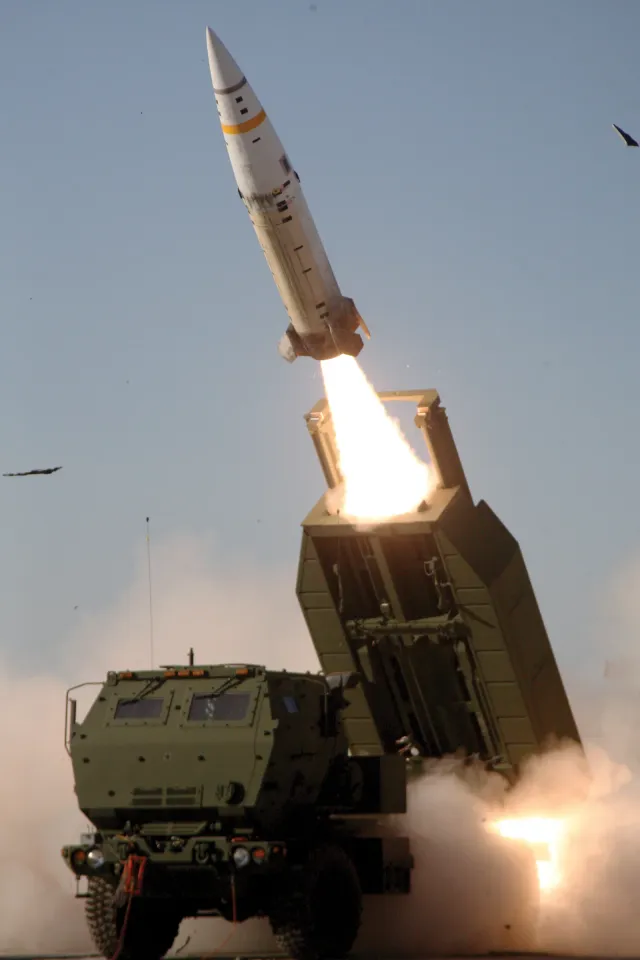
Missile
MGM-140 ATACMS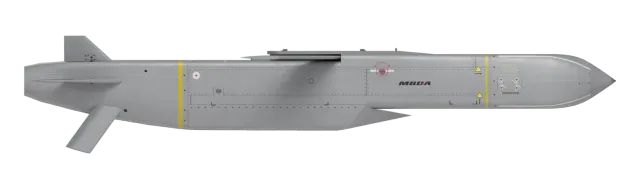
Missile
Storm Shadow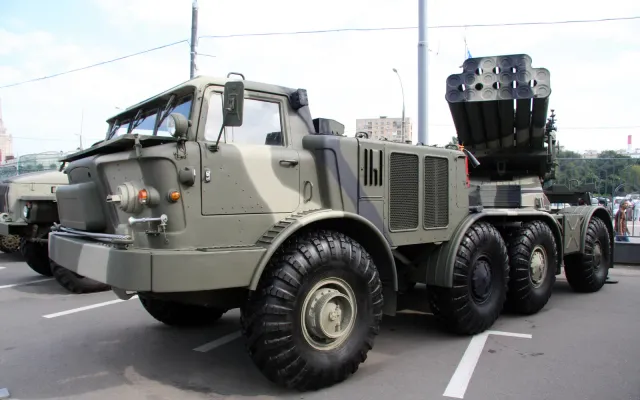
Artillery & MLRS
BM-27 Uragan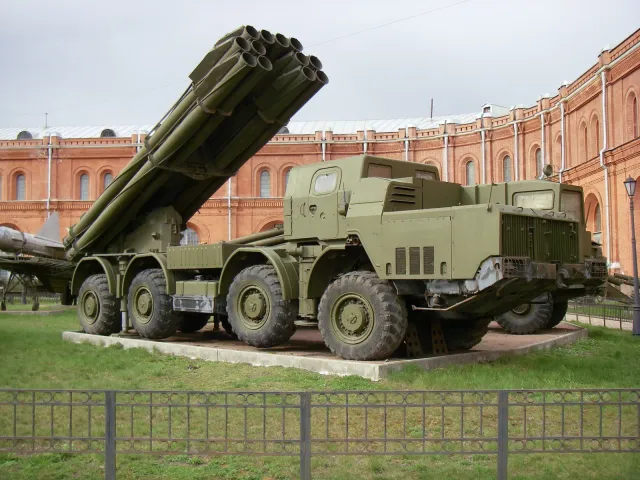
Artillery & MLRS
BM-30 Smerch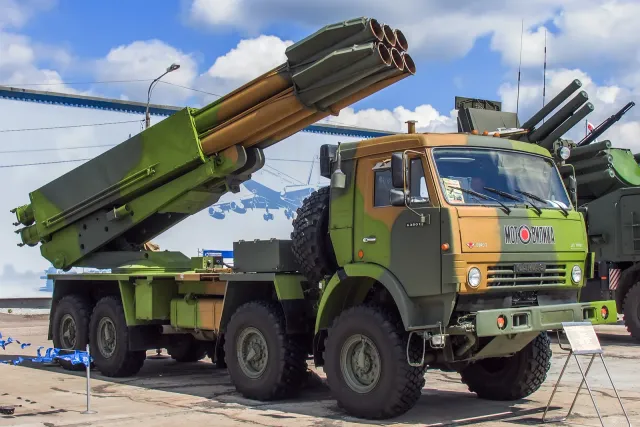
Artillery & MLRS
9A54 Tornado-S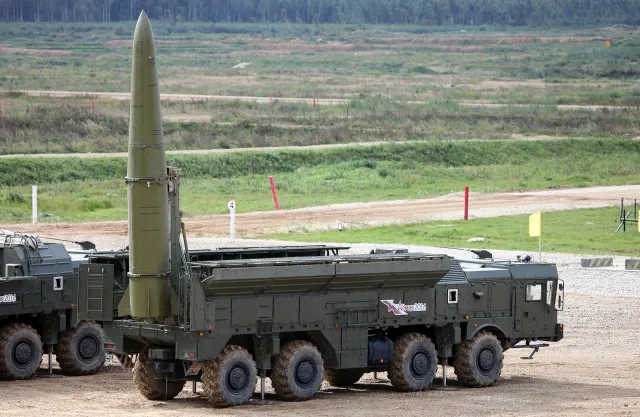
Missile
9K720 Iskander-MFrequently asked questions
What exactly did Ukraine hit? +
The Federal State Enterprise Plant Kamensky in Kamensk-Shakhtinsky, Rostov region, a solid rocket propellant production facility, not a launcher or storage depot. Ukraine's General Staff confirmed the strike and a resulting fire on Aug. 16, 2026.
Why does a fuel plant matter more than hitting the rockets themselves? +
Solid-fuel propellant for MLRS rounds and ballistic missiles is a narrow industrial bottleneck. Russia has only a handful of facilities capable of producing this grade of propellant at scale, so damaging one has an outsized effect on future resupply compared with destroying munitions that are already fielded.
What weapons did Ukraine reportedly use? +
Open-source analysis from Defense Express points to a mixed strike package of ATACMS ballistic missiles and Storm Shadow/SCALP cruise missiles, both Western-supplied, based on intercepted high-altitude objects and recovered engine debris consistent with the Storm Shadow's turbojet.
Is this connected to the Flamingo strikes on Savasleyka and Progress reported earlier this weekend? +
No. That strike used a different Ukrainian-made missile, hit a different class of target (an airbase and a rocket-assembly plant rather than a fuel plant), and struck a different region of Russia. Both are part of the same broader deep-strike campaign but are separate operations.
More news


