Documents
 United States
 Raytheon (RTX)
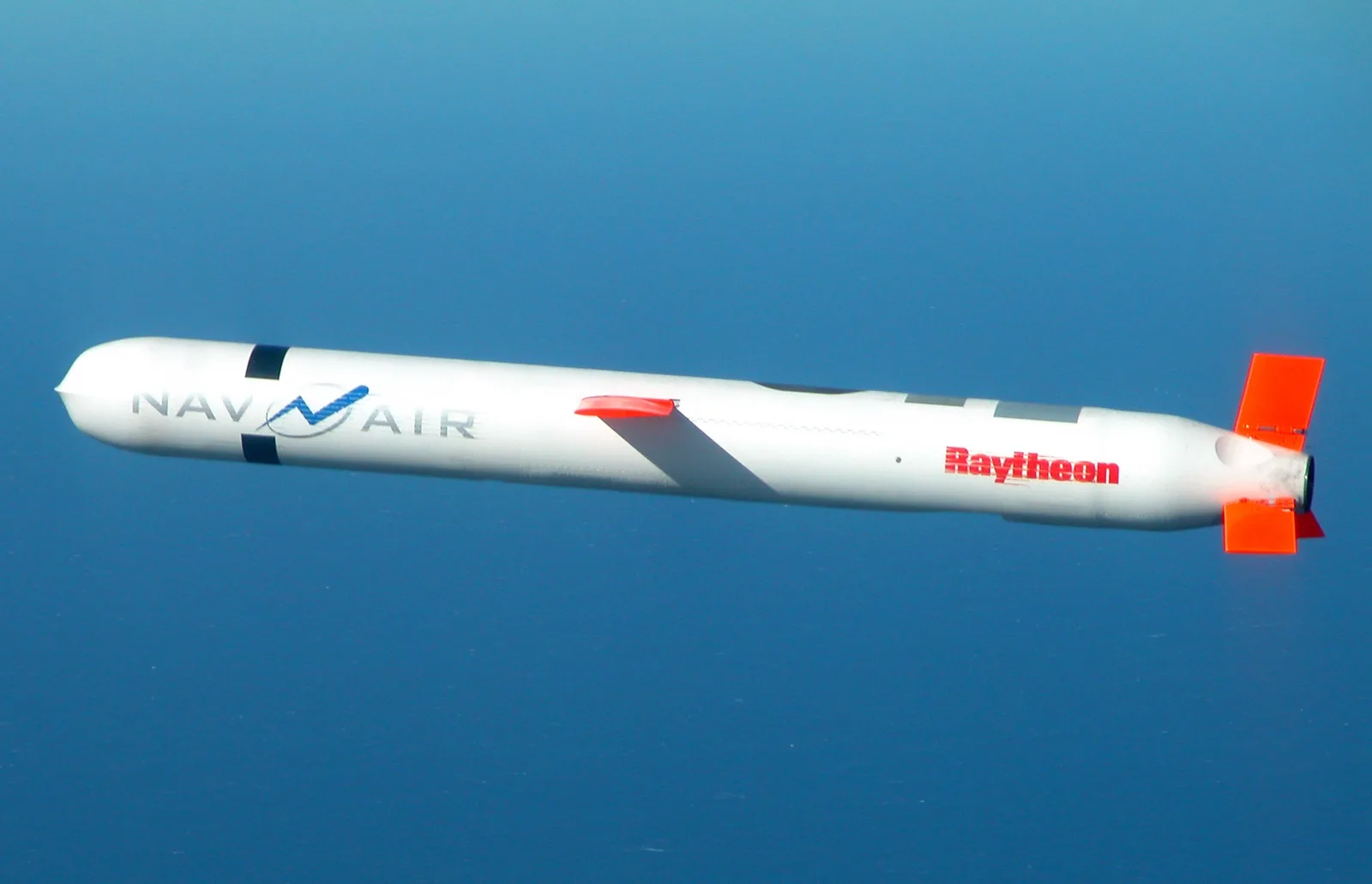
Tomahawk Block V
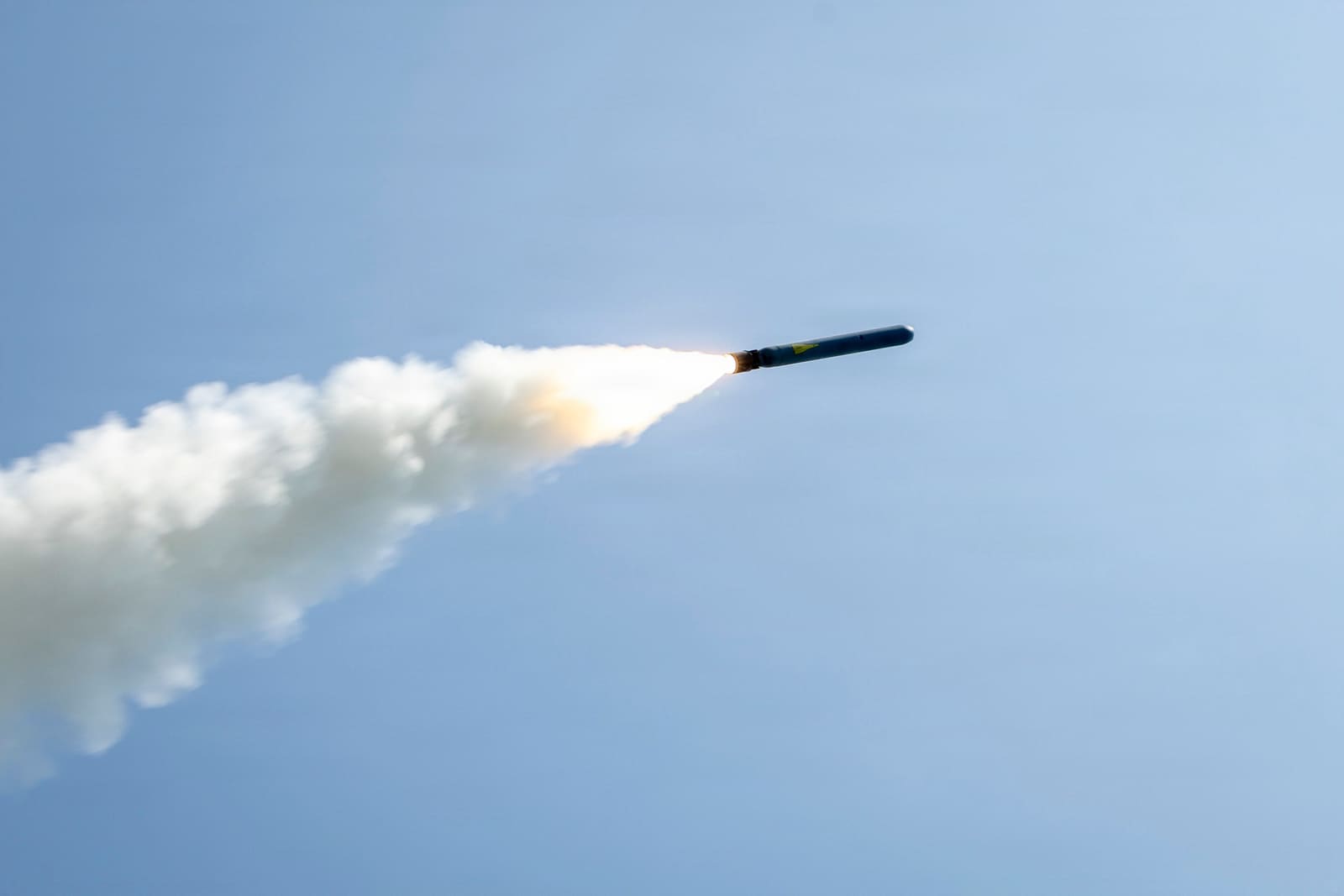
The latest production variant of the long-serving Tomahawk cruise missile, adding improved navigation, communications and, in the Maritime Strike Tomahawk sub-variant, an anti-ship seeker. Launched from ships and submarines, it is the principal long-range deep-strike weapon of the US Navy and several allies.
In service since 2021 · 3 operator countries
Compiled from public sources ·primary reference ↗ ·last verified 2026-07-01
1,600
km range
0.74
Mach
450
kg warhead
💲 ≈ $2,000,000, Approximate US Navy unit procurement cost, Block V
Procurement snapshot
Availability & export
US ITAR-controlled
Export needs U.S. State Dept (DDTC) approval; end-use & re-transfer restrictions apply.
Channel: Foreign Military Sales (FMS) or Direct Commercial Sale
Fielded & proven
Limited · 3 operators
In service since 2021. Status: active · ~4,500 built.
Lifecycle cost (est.)
Unit cost known; one-shot / small-arms class has no meaningful O&S tail to model.
Interoperability
No standardised NATO calibre / datalink detected in public specs.
Derived guidance from public data, export regime by country of origin, lifecycle from the GAO ~30% acquisition rule. Verify eligibility, pricing and offsets with the manufacturer and your acquisition authority.
Full specifications
Performance
Speed, range, altitude and engagement capability.
| Max speed (Mach) Maximum speed as a multiple of the speed of sound. Mach 2+ is typical for air-superiority fighters. | 0.74 Mach |
|---|---|
| Range Maximum distance: ferry range for aircraft, operational range for vehicles, maximum engagement distance for missiles. Higher means more standoff or persistence. | 1,600 km |
Firepower
Armament, payload and guidance.
| Warhead Warhead mass. Heavier generally means larger effect radius, at the cost of range. | 450 kg |
|---|---|
| Warhead type Blast-fragmentation, shaped charge (HEAT), penetrator, thermobaric or nuclear-capable. | Unitary blast/fragmentation or submunition dispenser |
| Guidance How the weapon finds its target: inertial, GPS/GLONASS, active/semi-active radar, infrared, laser, TV, wire. | GPS/INS, Terrain contour matching (TERCOM), Two-way satellite datalink |
Physical
Dimensions, weight and crew.
| Length Overall length including gun/probe where applicable. | 6.25 m |
|---|---|
| Combat weight Fully loaded weight. Lighter eases transport and bridging limits; heavier often means more armor. | 1,450 kg |
Propulsion
Engine, power and fuel.
| Propulsion type Turbofan, turboshaft, diesel, gas turbine, solid-fuel rocket, ramjet… | Turbofan with solid rocket booster |
|---|
Program
Cost, production scale and operators.
| Unit cost Approximate flyaway/unit cost where public. Defense pricing varies hugely by contract, offsets and configuration. Lower is cheaper. | $2,000,000 |
|---|---|
| Units built Total production run. Higher means proven manufacturing, mature logistics and spares availability. | 4,500 |
| Operator countries Number of countries operating the system. More operators means broader support ecosystem. | 3 |
Specifications compiled from public Raytheon (RTX) and reference sources ↗. Published defense figures are approximations, treat comparisons as directional. Last verified 2026-07-01.
Compare with rivals
See how it stacks up
Head-to-head comparisons
Tomahawk Block V vs
 Storm Shadow
  3M22 Zircon
  BrahMos
 Frequently asked questions
What is the range of the Raytheon (RTX) Tomahawk Block V? +
The Raytheon (RTX) Tomahawk Block V has a maximum range of 1,600 km.
How much does the Raytheon (RTX) Tomahawk Block V weigh? +
The Raytheon (RTX) Tomahawk Block V has a combat weight of 1,450 kg.
What is the Raytheon (RTX) Tomahawk Block V used for? +
The Raytheon (RTX) Tomahawk Block V is a missile typically used for deep strike.
How many countries operate the Raytheon (RTX) Tomahawk Block V? +
The Raytheon (RTX) Tomahawk Block V is operated by 3 countries.
How much does the Raytheon (RTX) Tomahawk Block V cost? +
The Raytheon (RTX) Tomahawk Block V has an approximate unit cost of 2,000,000 USD. Defense pricing varies by contract, offsets and configuration, treat this as directional.
Similar systems
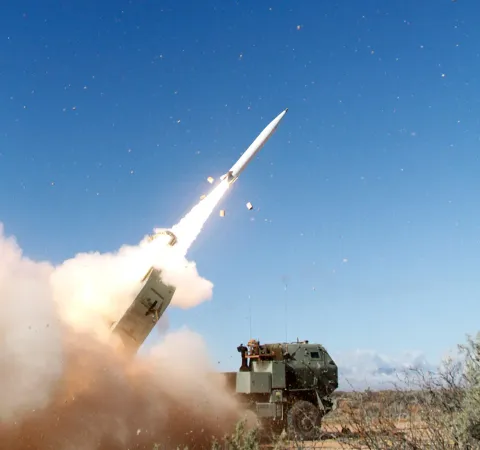
Lockheed Martin
Precision Strike Missile (PrSM)
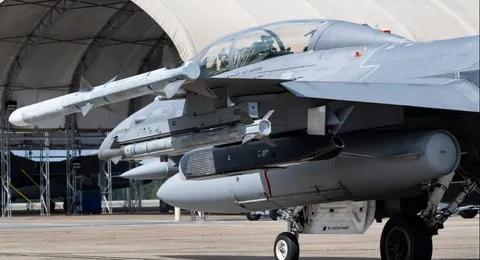
Zone 5 Technologies
AGM-188 Rusty Dagger
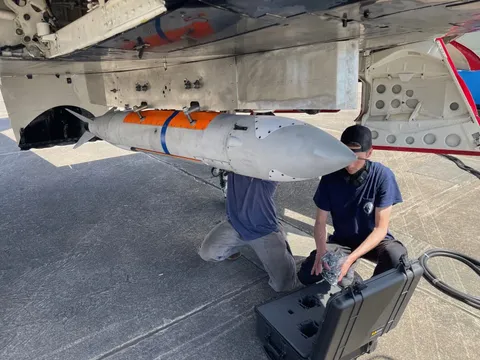
CoAspire
RAACM
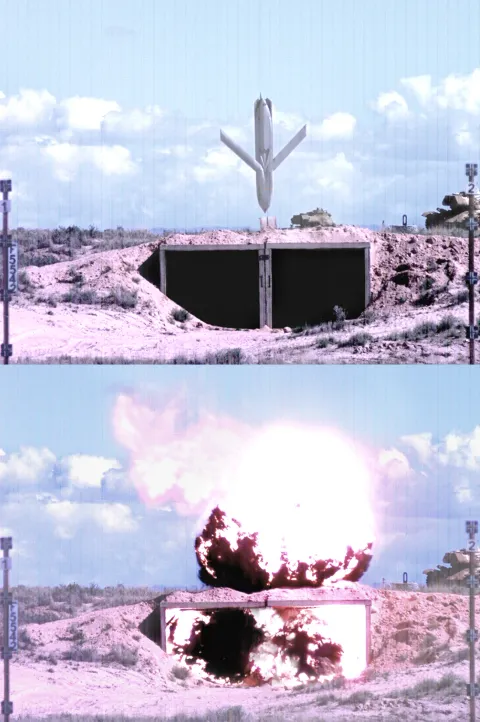
Lockheed Martin
AGM-158B JASSM-ER
Related coverage
Tomahawk Block V in the news
 News
News technology · Aug 16, 2026
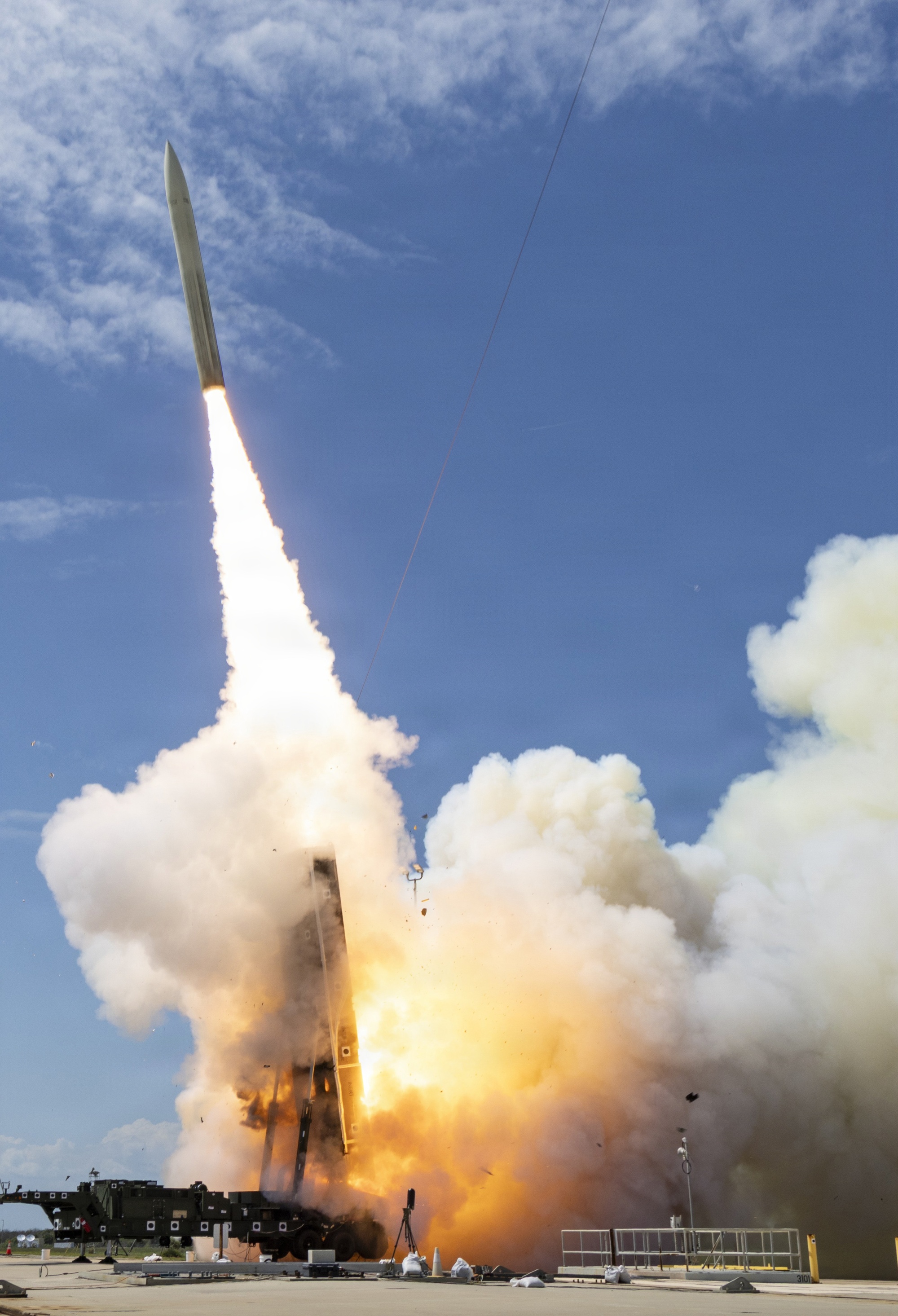
DARPA Wants a Cheaper, Faster Hypersonic Cruise Missile
DARPA's new RFI seeks a scramjet cruise missile sustaining Mach 5-plus across 250 to 2,000 nautical miles, affordable enough to mass-produce for a peer fight.
 Article
 industry · Aug 15, 2026
Baltic GPS Jamming Can't Blind Most Missiles
Baltic GPS jamming hit a 2026 record, but WeaponSpecs' database shows only 30% of missiles reference GPS, and none of those rely on it alone.
 News
News technology · Aug 10, 2026
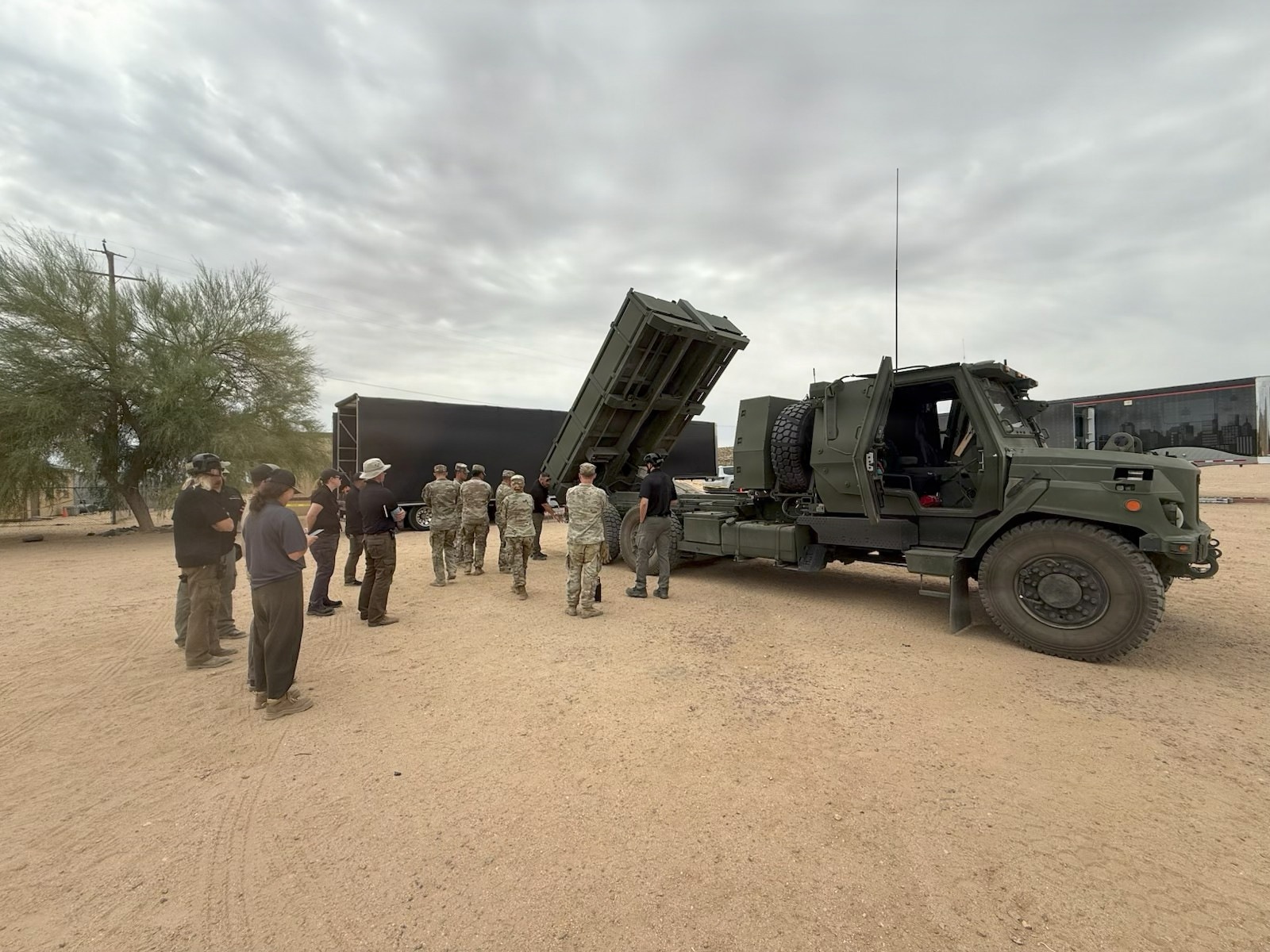
Army Tests Driverless Launcher That Swaps Missiles Mid-Mission
DeepFires let soldiers fire a 1,600km Tomahawk, then reload the truck for Patriot air defense, no crew aboard, in Army tests through late July.
 News
News technology · Aug 3, 2026
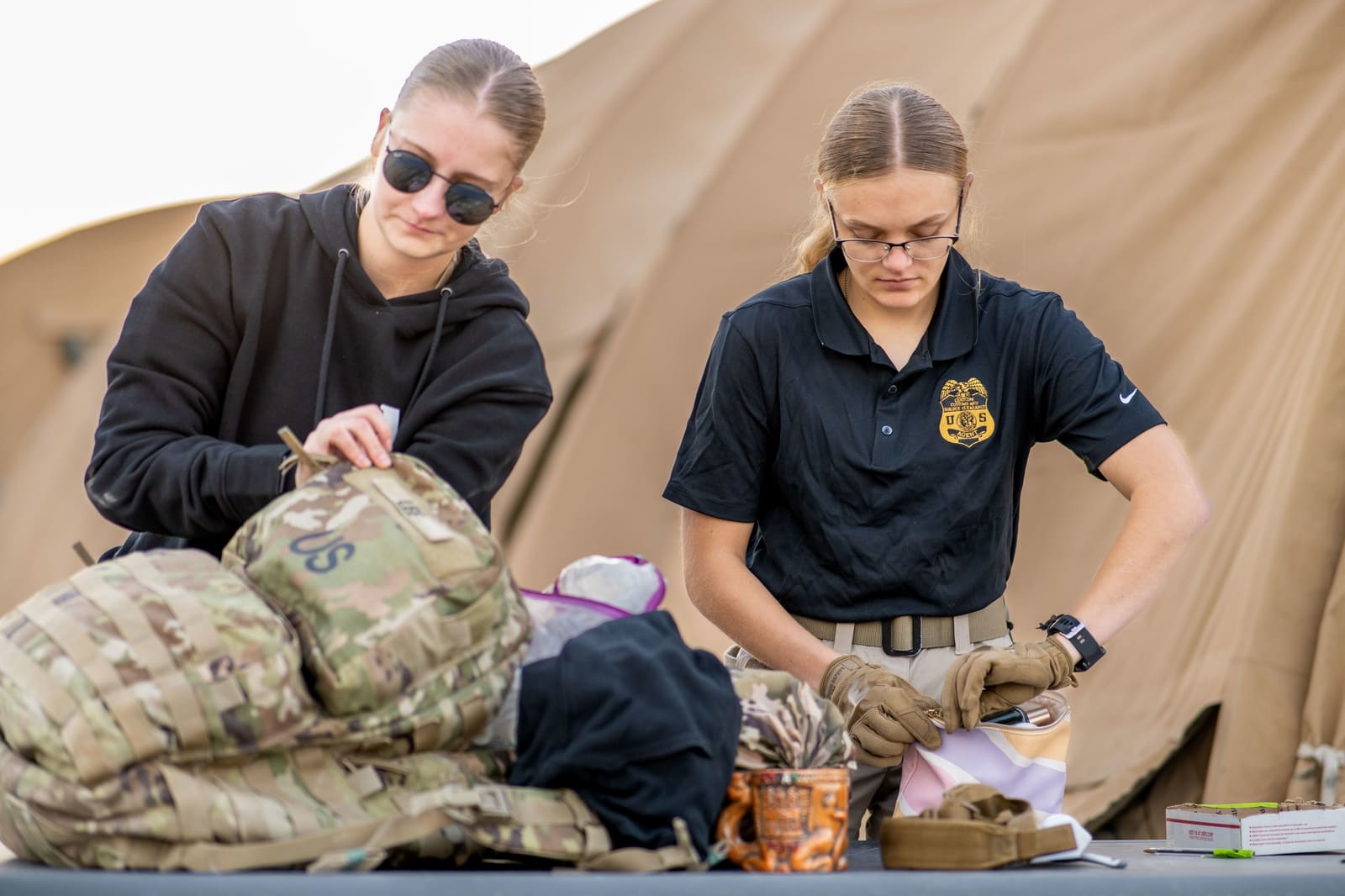
Japan Fires First Live Tomahawk From Destroyer JS Chokai
Japan test-fired a Tomahawk from JS Chokai on July 28, becoming the third nation to launch one from a surface ship in a $1B, 400-missile buildup.
 News
News digest · Aug 1, 2026
July 2026 in review: Gulf war deaths, a $135B Patriot day
July saw the Iran war's first new US combat deaths, a record $58.6B Patriot deal, and Europe's scramble after Ukraine's interceptors ran dry.
 Article
 guide · Jul 28, 2026
What Warhead Weight Means on a Missile Spec Sheet
Only 112 of 213 missiles in our database publish both figures; the median warhead share is 17.7%, and Russia's 'hypersonic' Zircon posts just 7.5%.
 Article
 guide · Jul 25, 2026
Why 78% of Cruise Missiles Still Fly Subsonic
21 of 27 cruise missiles in the WeaponSpecs database fly under Mach 1, 78%. It's a design choice: altitude beats speed as the real stealth lever.
 News
News conflict · Jul 25, 2026
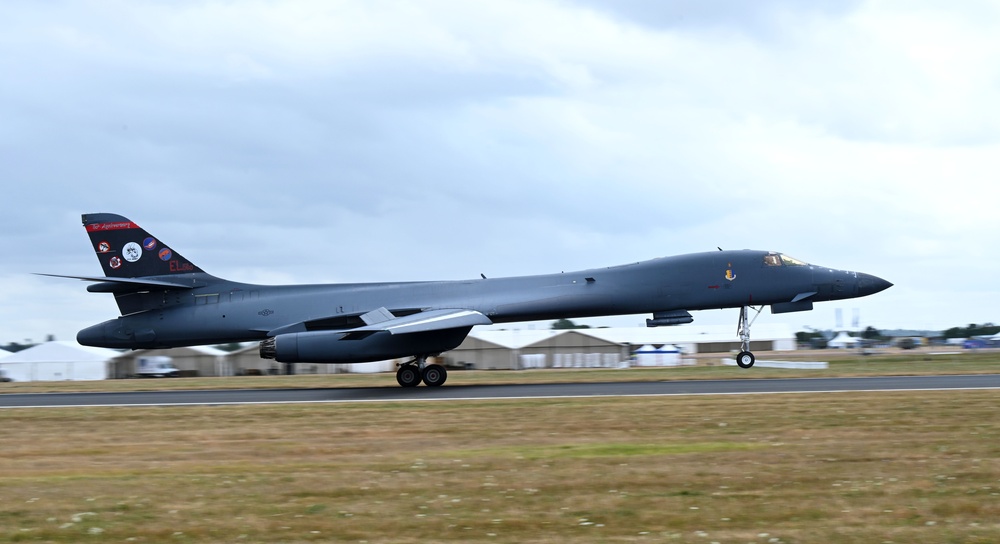
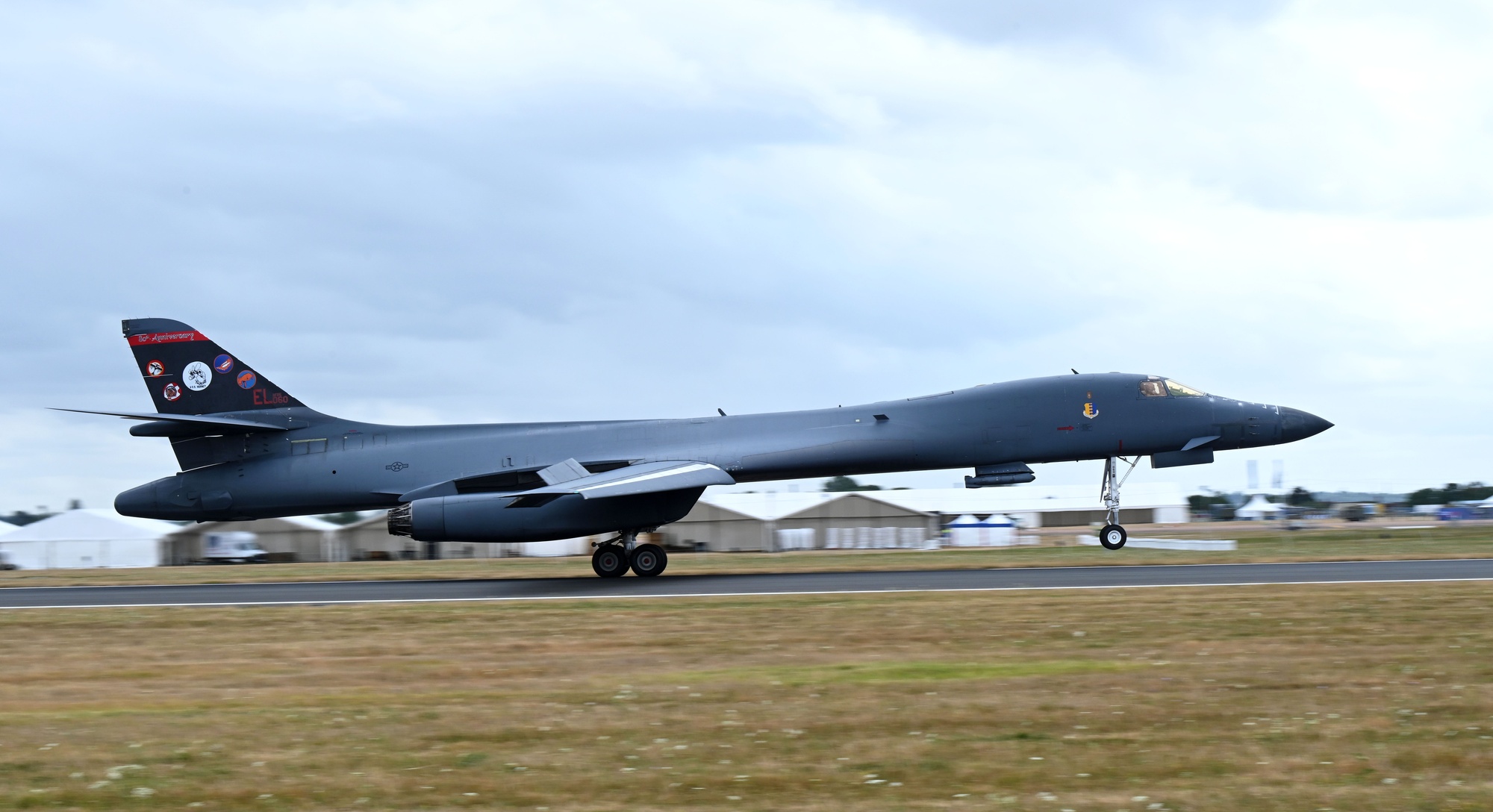
B-1 Bombers Strike Iran From UK as Navy Tomahawk Stocks Thin
A B-1B flew Iran's first UK-launched strike sortie since the war resumed, as the US Navy's Tomahawk inventory, down roughly a third, pushes strikes toward land-based bombers.
 News
News digest · Jul 25, 2026
Interceptor Economics Went From Theory to Policy This Week
From Iron Beam's few-dollar laser shots to Tomahawk-starved B-1B strikes on Iran, this week's defense news turned interceptor math into policy.
 News
News digest · Jul 18, 2026
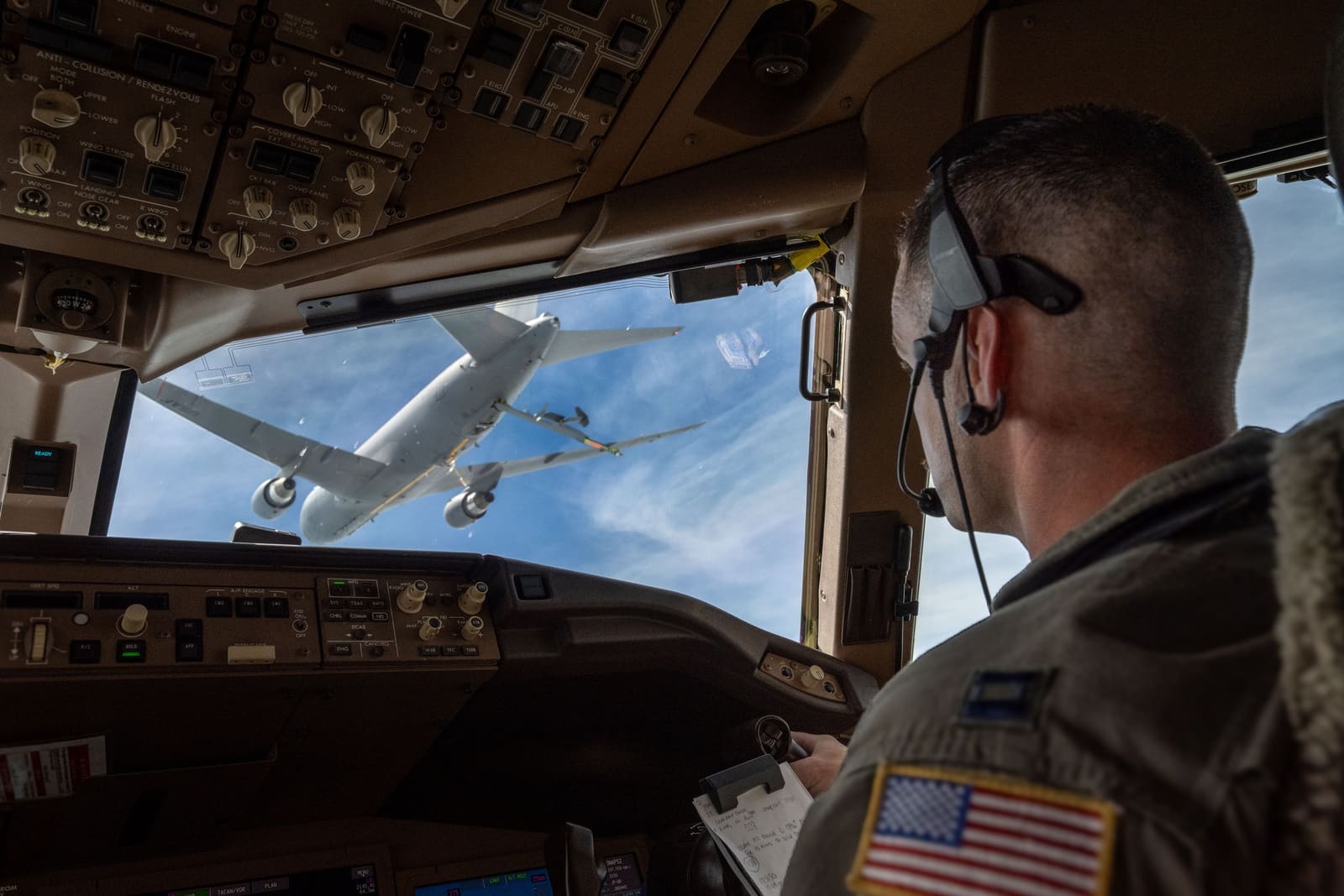
Gulf War Escalates as Europe's Patriot Shortage Goes Public
A sixth strike wave on Iran and a bigger tanker buildup ran alongside a real Patriot shortfall that pushed four separate European responses inside one week.
 News
News procurement · Jul 16, 2026
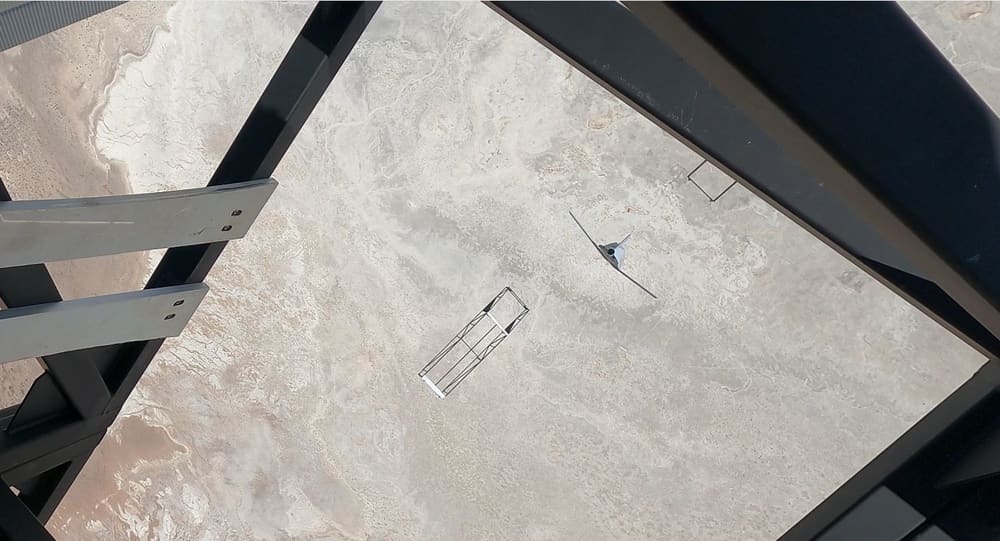
Pentagon Accelerates Low-Cost Cruise Missile with FAMM Framework
The Department of War signed multiyear frameworks with Anduril, CoAspire and Zone 5 to validate and mass-produce 28,000 low-cost cruise missiles by 2031.
 News
News procurement · Jul 12, 2026
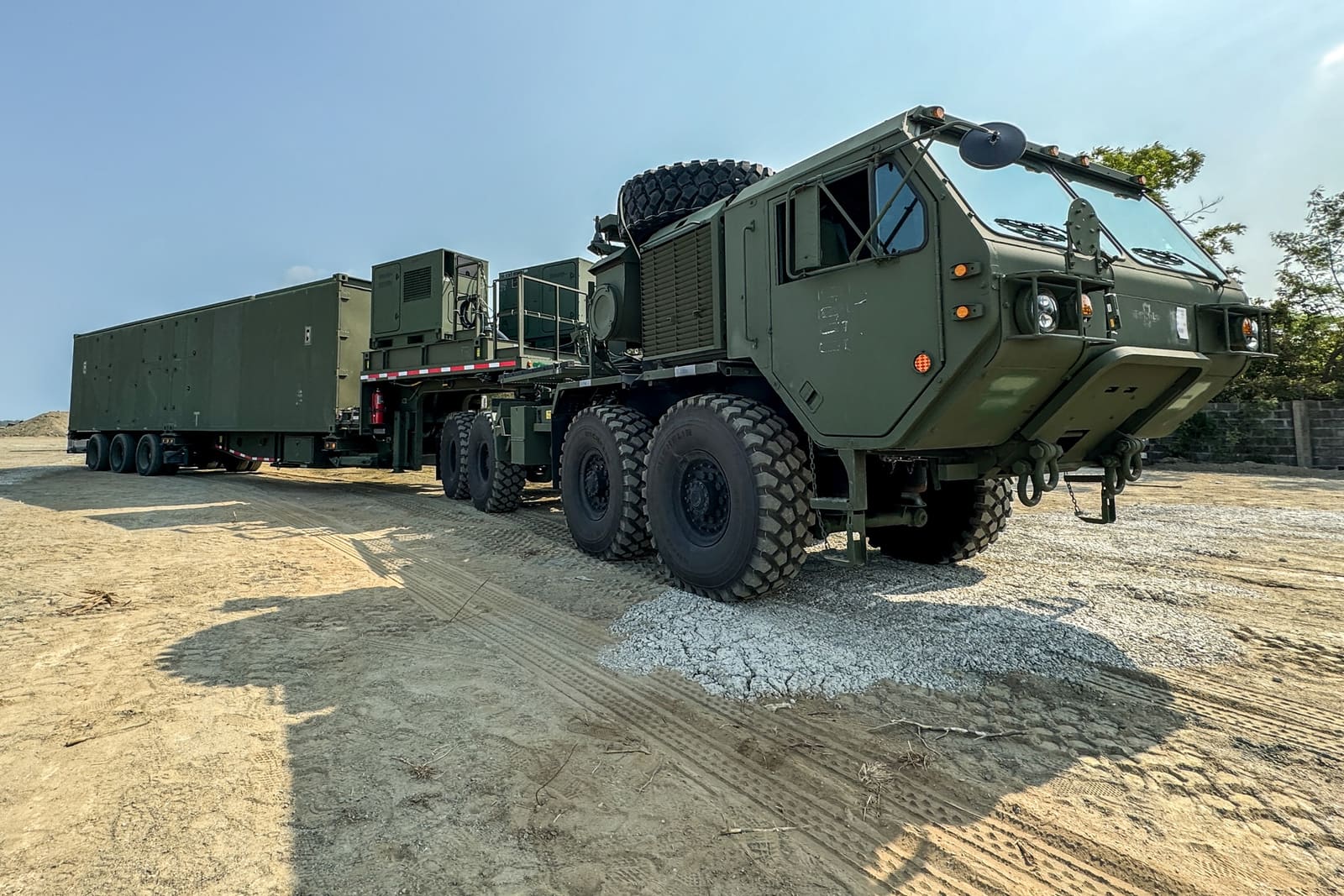
Germany to buy Tomahawk missiles and Typhon launchers, self-operated
Germany will procure and independently operate U.S. Typhon launchers firing Tomahawk cruise missiles on its own soil, closing a 20-year gap in deep-strike capability.
 News
News digest · Mar 1, 2026
February 2026: The month the Iran war began
A US-Israeli strike campaign on Iran, an Afghanistan-Pakistan border war, and a Hormuz blockade defined the month's biggest defense stories, alongside NATO's air-defense warning and a growing Gulf arms show.