Germany to buy Tomahawk missiles and Typhon launchers, self-operated
Germany will procure and independently operate U.S. Typhon launchers firing Tomahawk cruise missiles on its own soil, closing a 20-year gap in deep-strike capability.
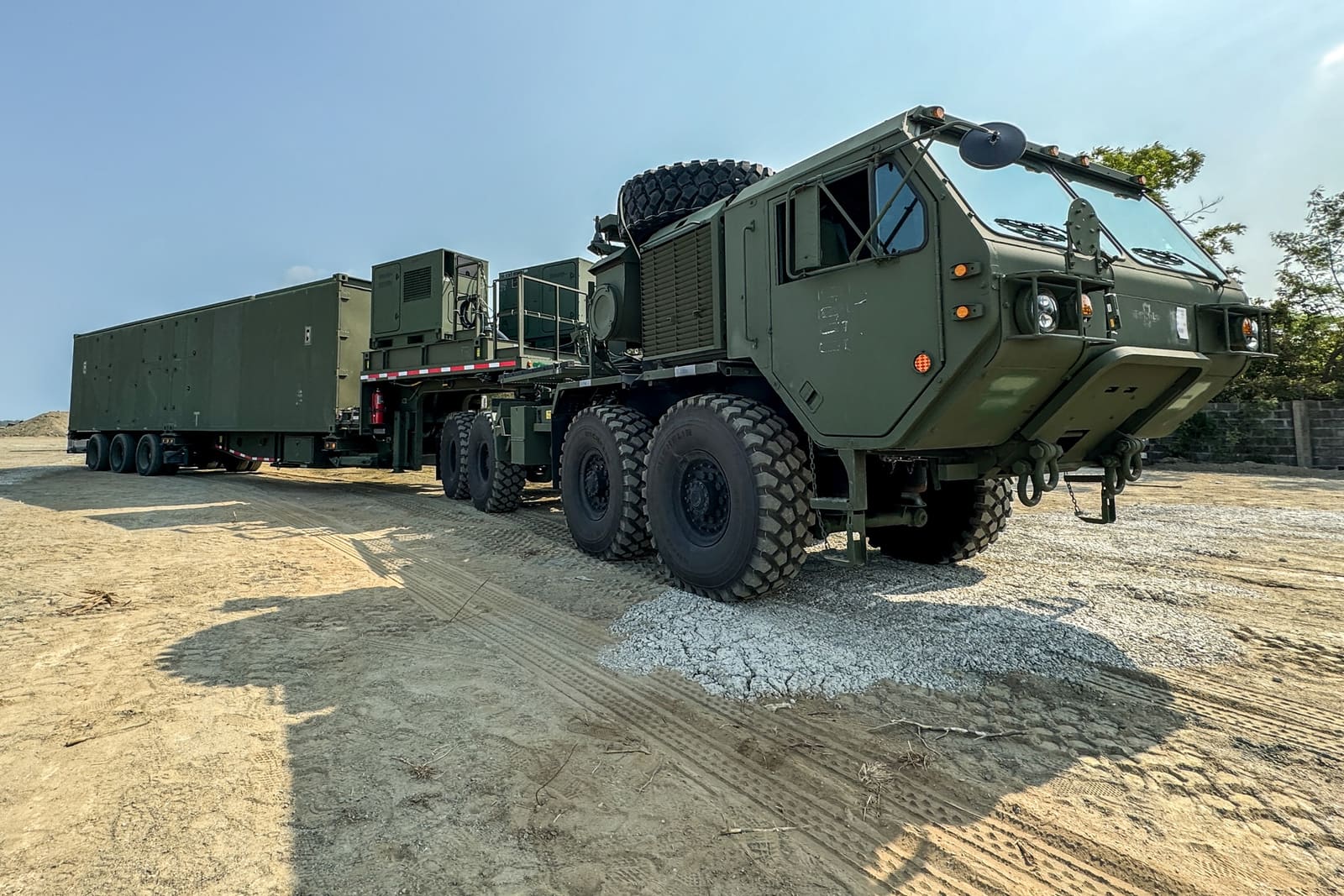
Photo by Capt. Ryan DeBooy, U.S. Army, DVIDS, public domain
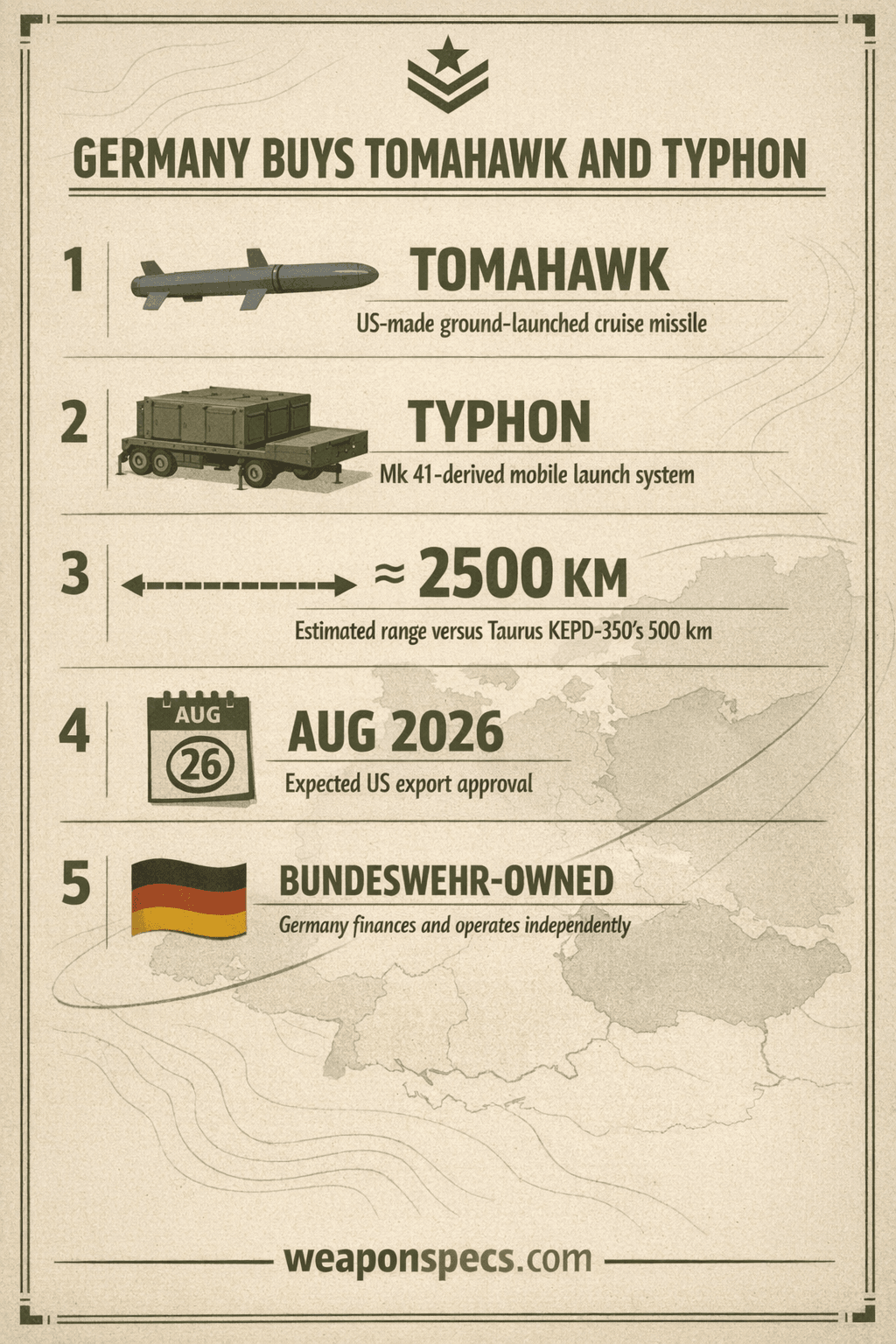
By the numbers
Infographic: WeaponSpecs News Desk
Germany will buy U.S.-made Tomahawk cruise missiles and the ground-based Typhon launchers that fire them, financing, owning and independently operating the entire system through the Bundeswehr rather than hosting American-run weapons. Chancellor Friedrich Merz announced the agreement to the Bundestag on July 9, following a Letter of Intent that Germany’s defense minister and the U.S. defense secretary signed at the NATO summit in Ankara on July 7 to 8, according to Army Recognition and Jane’s. Washington is reportedly expected to issue formal export approval around August 2026, though no delivery timeline, unit count or exact basing location has been disclosed.
The deal is a distinct, named-system procurement decision, separate from two things WeaponSpecs has already covered out of the same Ankara summit: the 12-nation, $50 billion European deep-strike coalition built around jointly developed missiles like PrSM and Stratus, and the broader Ankara summit coverage of Ukraine aid pledges and NATO’s 5%-of-GDP spending target. Germany’s Tomahawk and Typhon purchase sits alongside those initiatives rather than inside them: it is a bilateral U.S.-Germany arrangement for an existing, combat-proven American missile system, not a new European-developed weapon and not part of the Ukraine aid package.
Replacing a cancelled American deployment with a German-owned one
The current agreement exists specifically because an earlier plan fell apart. In July 2024, the Biden administration announced it would deploy U.S. Army Tomahawk missiles, SM-6 missiles and Dark Eagle hypersonic weapons to Germany under the Army’s 2nd Multi-Domain Task Force, with American personnel operating the systems and the U.S. retaining ownership. That plan was meant to give NATO an intermediate-range strike option in Europe after decades without one. President Trump’s announcement in May 2026 of a roughly 5,000-troop U.S. withdrawal from Germany halted that interim deployment before it was fully realized, according to Army Recognition’s reporting, leaving Germany facing the prospect of losing the capability rather than gaining it.
Berlin’s response was to flip the ownership model rather than abandon the capability: instead of hosting American-run weapons, Germany will buy, finance and operate the Typhon launchers and Tomahawk missiles itself, with the Bundeswehr handling personnel, training, infrastructure, security and sustainment end to end. Jane’s coverage quotes Defence Minister Boris Pistorius framing the U.S. relationship as complementary rather than a stopgap: “The USA possesses key capabilities that we in Europe cannot do without,” while also stressing Germany needs “offensive capabilities…for deterrence” of its own. Merz, in his Bundestag remarks, described the acquisition as closing “a major strategic gap in Germany’s defences.”
Why the range gap matters
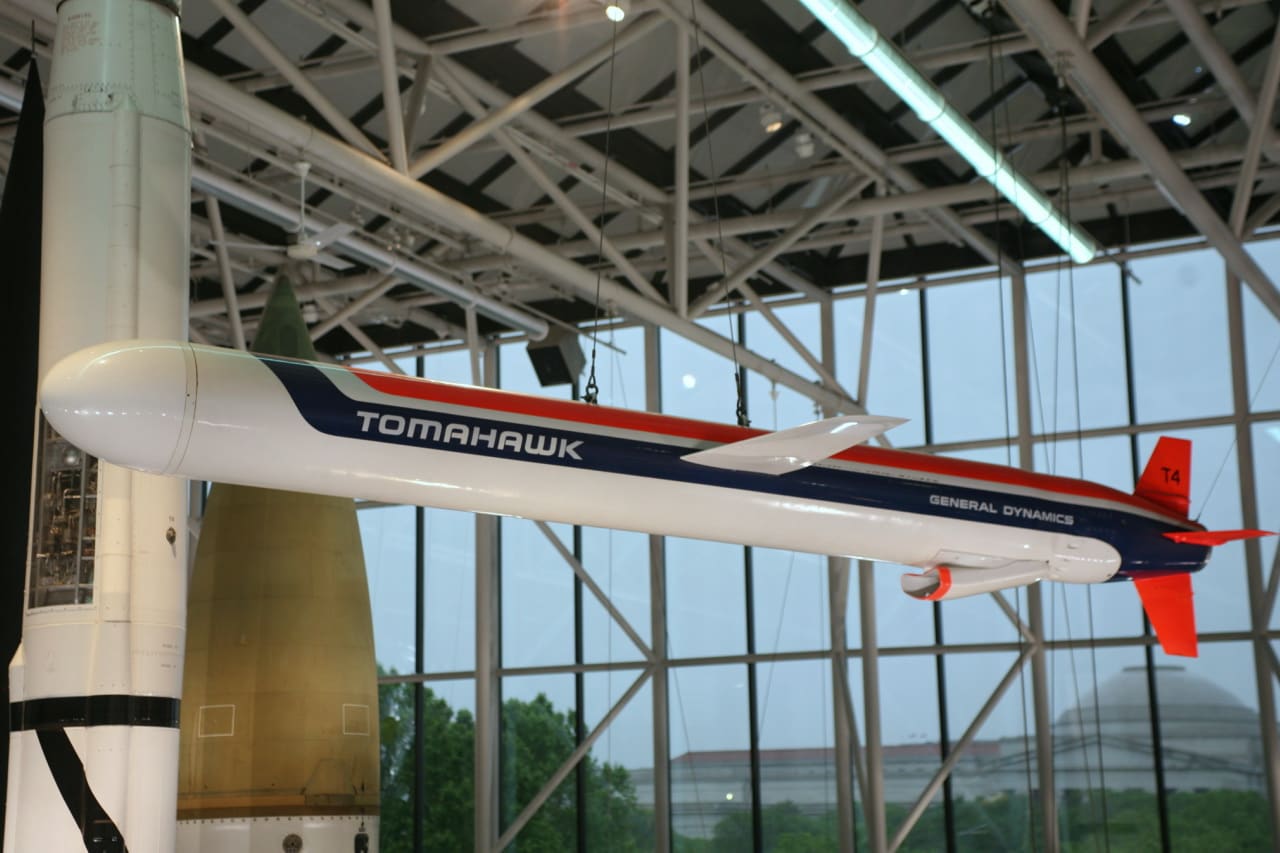
Germany’s principal stand-off strike weapon today is the air-launched Taurus KEPD 350, with a publicly cited range of roughly 500 kilometers. Public, unclassified estimates put the ground-launched Tomahawk’s range at approximately 1,600 to 2,500 kilometers depending on variant, a figure Army Recognition’s reporting frames as three to five times Taurus’s reach. That gap is not a minor upgrade: it is the difference between a weapon that must be carried within a few hundred kilometers of its target by an aircraft, and one that can be fired from a fixed or mobile ground position far outside the range of most short- and medium-range air defenses protecting the target.
The Typhon launcher itself is not a Tomahawk-specific weapon. It is a trailer-mounted system derived from the U.S. Navy’s Mk 41 vertical launch architecture, the same launch-cell family used aboard Aegis destroyers and cruisers, and it can fire either Tomahawk land-attack missiles or SM-6 missiles depending on how it is loaded. The U.S. Army has fielded the same Typhon system, under its formal name Mid-Range Capability, in the Philippines since April 2024 and more recently in Australia, giving the platform a track record in other theaters even as Germany’s own procurement remains at the letter-of-intent stage rather than a signed delivery contract.
Part of a wider German rearmament pattern
This is the second major German deep-strike procurement move in as many weeks. WeaponSpecs reported on July 8 that Lockheed Martin and Rheinmetall signed an MOU to co-produce ATACMS at Unterluess, the first non-U.S. ATACMS production site in 35 years, targeting 600 to 800 units a year by 2029. Taken together, the two deals show Germany pursuing deep-strike capability on parallel tracks: co-producing an existing shorter-range U.S. missile domestically through Rheinmetall, while separately importing complete Tomahawk rounds and Typhon launchers under sovereign Bundeswehr control. Neither program depends on the other, but both trace back to the same underlying driver, a Bundeswehr that spent roughly two decades after the Cold War with no meaningful long-range strike capability at all, now moving on multiple fronts at once to close that gap.
Sources
- Germany, Tomahawk missile purchase, Typhon deployment — Army Recognition, Jul 9, 2026
- NATO Summit 2026: US agrees to German procurement and stationing of Tomahawk cruise missiles — Jane's, Jul 9, 2026
- Germany agrees on deal to buy long-range U.S. Tomahawk missiles, Merz says — PBS NewsHour, Jul 9, 2026
Systems mentioned
Every system named in this story, with its photo and, where available, a video. Tap a card to open the full spec sheet.
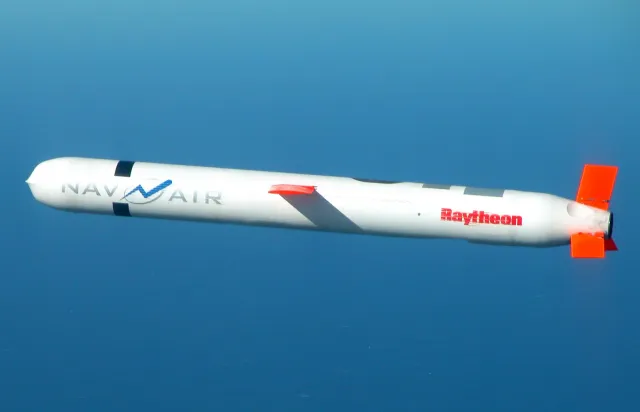
Missile
Tomahawk Block VFrequently asked questions
What exactly did Germany agree to buy? +
Germany will procure U.S.-made Tomahawk cruise missiles and the ground-based Typhon Mid-Range Capability launcher system that fires them, to be based on German territory and operated entirely by the Bundeswehr. Chancellor Friedrich Merz announced the agreement on July 9, following a Letter of Intent signed by Germany's defense minister and the U.S. defense secretary at the NATO summit in Ankara on July 7 to 8.
How is this different from the deployment the U.S. cancelled? +
In 2024, the Biden administration planned to station U.S. Army Tomahawk, SM-6 and Dark Eagle hypersonic weapons in Germany under American ownership and American personnel. President Trump halted that plan in May 2026 alongside a broader U.S. troop drawdown. This new arrangement is the opposite in structure: Germany finances, owns and operates the Typhon launchers and Tomahawk missiles itself, with no U.S. personnel required to run them.
How far can the ground-launched Tomahawk reach, and how does that compare to what Germany has now? +
Public estimates put the ground-launched Tomahawk's range at roughly 1,600 to 2,500 kilometers depending on variant, several times the roughly 500-kilometer range of the German air-launched Taurus KEPD 350, currently Germany's principal stand-off strike weapon. Exact German unit counts, basing locations and full range specifications for the missiles it will receive remain classified.
When would Germany actually receive these systems? +
The Letter of Intent signed at Ankara is not a delivery contract. U.S. export approval is reportedly expected around August 2026, after which formal contracting, production scheduling and fielding would still need to happen. None of the sources reviewed for this story specify a delivery date.
More news