Systems for air superiority
An air-superiority fighter exists to defeat other aircraft and control contested airspace. The deciding specs are kinematic performance (thrust-to-weight and climb rate), sensor reach (radar range and datalink), and missile engagement envelope, in that order. A jet that sees first and holds more energy usually wins before either side gets a gun shot.
82 matching systems in our database.
What matters for air superiority
- ●Thrust-to-weight: above 1.0 the aircraft can accelerate going straight up, which decides most within-visual-range fights.
- ●Max speed (Mach) and rate of climb: energy to disengage, re-engage or run down an intercept.
- ●Radar range: detecting first lets the pilot choose the terms of engagement before being seen.
- ●Hardpoints and compatible air-to-air missiles: how many engagements the jet can sustain per sortie.
Air Superiority systems in our database
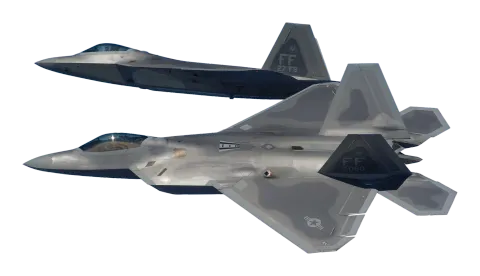
Lockheed Martin
F-22A Raptor
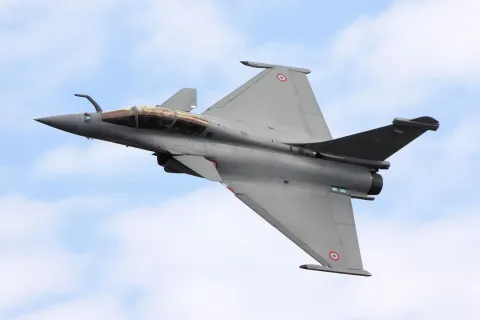
Dassault Aviation
Rafale F4
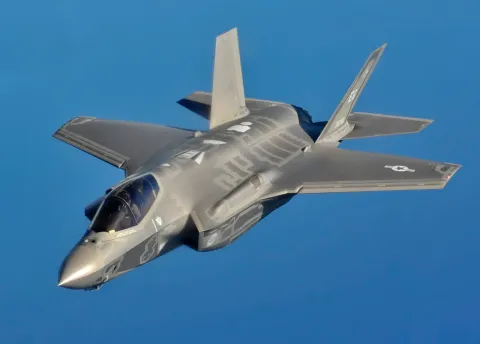
Lockheed Martin
F-35B Lightning II
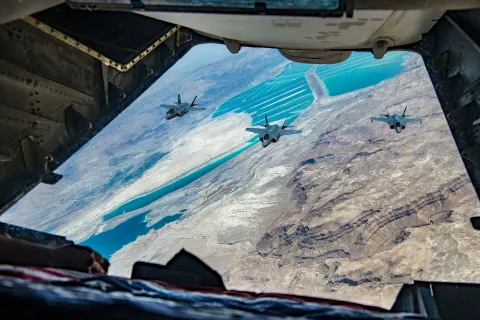
Lockheed Martin
F-35A Lightning II
Lockheed Martin
F-35C Lightning II
Dassault Aviation
Rafale C
Dassault Aviation
Rafale M
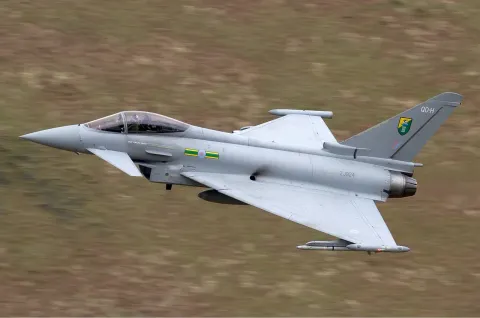
Eurofighter GmbH
Eurofighter Typhoon
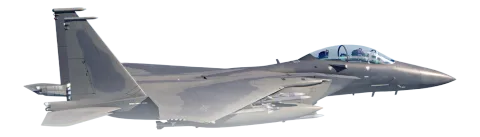
Boeing
F-15EX Eagle II
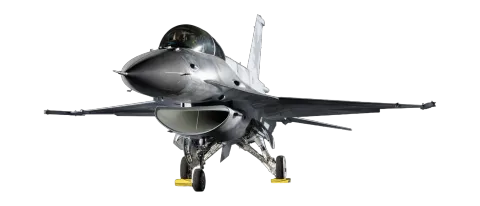
Lockheed Martin
F-16C Block 70/72 Fighting Falcon
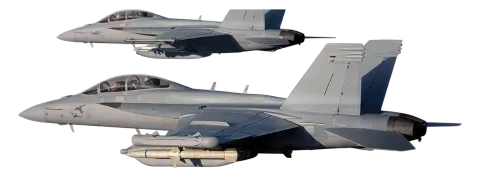
Boeing
F/A-18E/F Super Hornet
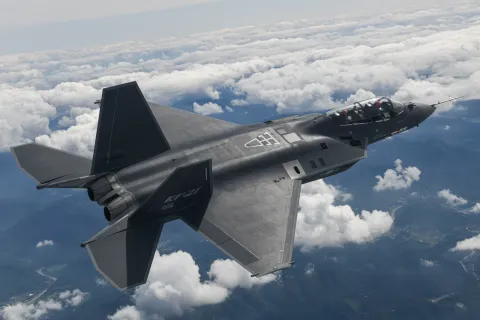
Korea Aerospace Industries (KAI)
KF-21 Boramae
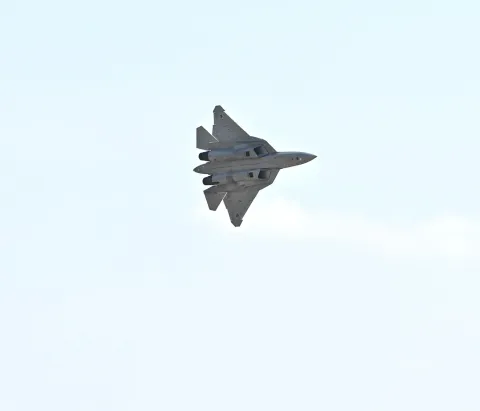
Sukhoi
Su-57
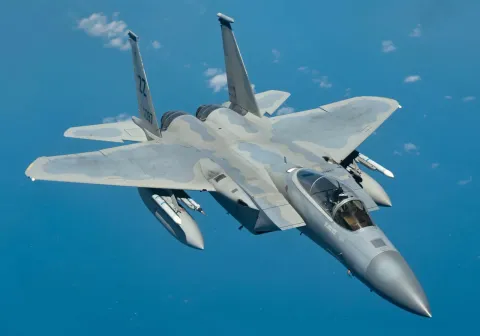
Boeing
F-15C Eagle
Lockheed Martin
F-16C Block 52 Fighting Falcon
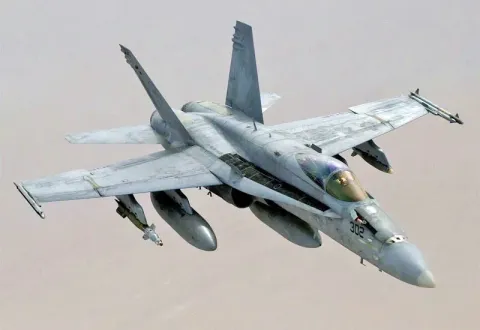
Boeing
F/A-18C Hornet
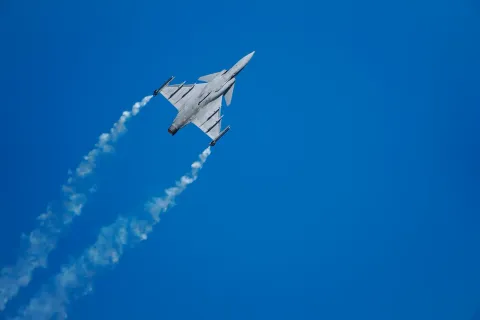
Saab AB
JAS 39E Gripen
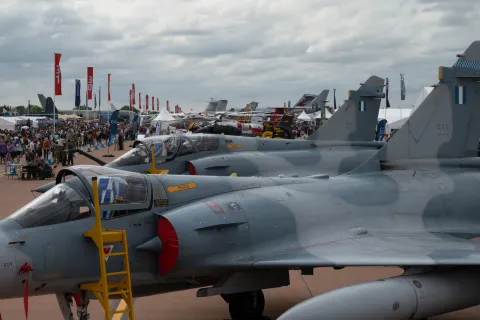
Dassault Aviation
Mirage 2000-5
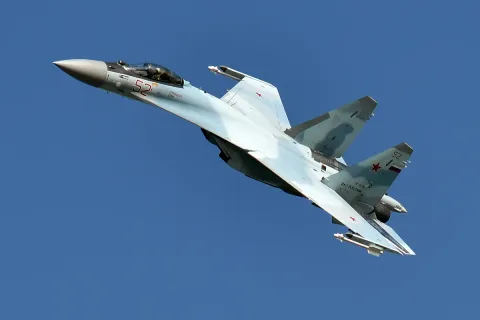
Sukhoi
Su-35S
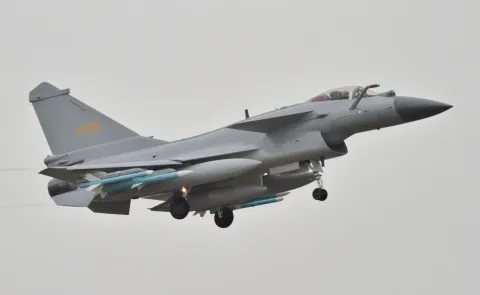
Chengdu Aircraft Industry Group (CAIG)
J-10C
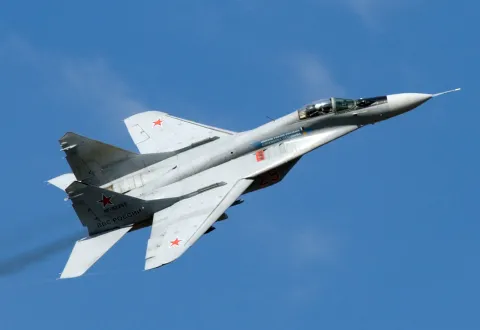
Mikoyan (MiG)
MiG-29
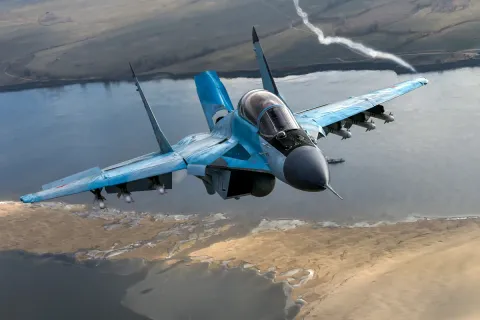
Mikoyan (MiG)
MiG-35
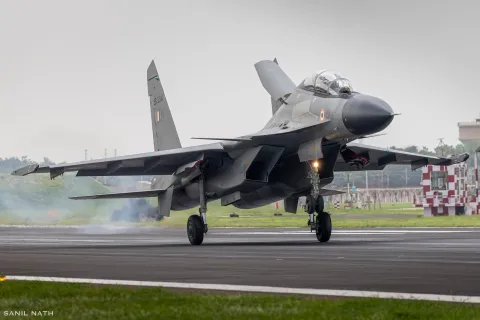
Sukhoi
Su-30SM
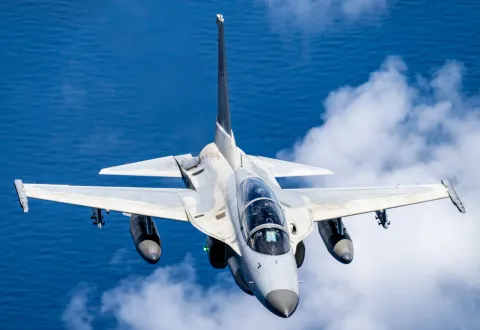
Korea Aerospace Industries (KAI)
FA-50 Golden Eagle
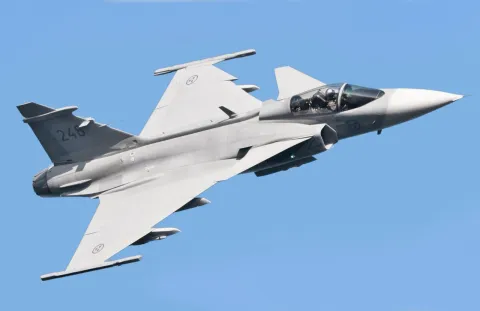
Saab AB
JAS 39C Gripen
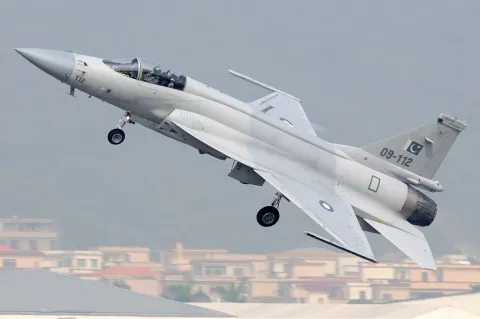
Pakistan Aeronautical Complex (PAC)
JF-17 Thunder
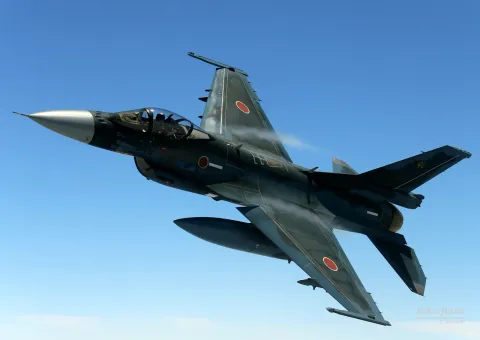
Mitsubishi Heavy Industries
Mitsubishi F-2
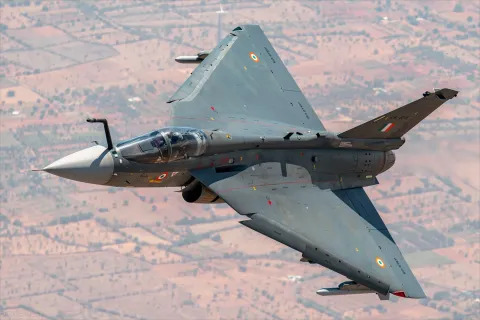
Hindustan Aeronautics Limited
Tejas Mk1A
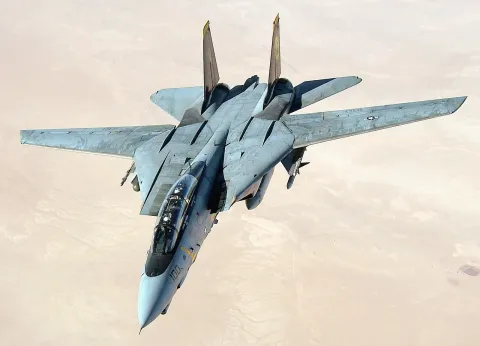
Northrop Grumman
F-14 Tomcat
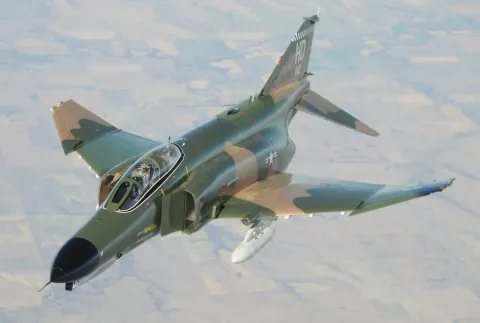
Boeing
F-4E Phantom II
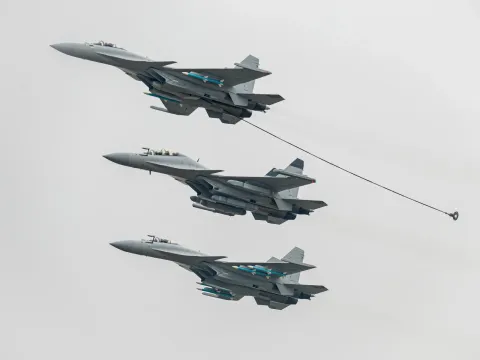
Shenyang Aircraft Corporation (SAC)
J-15
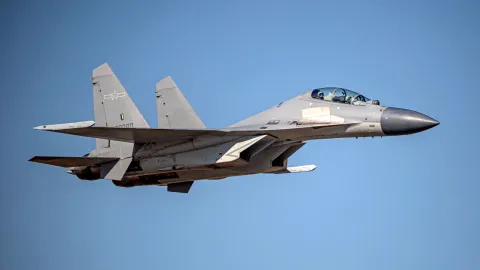
Shenyang Aircraft Corporation (SAC)
J-16
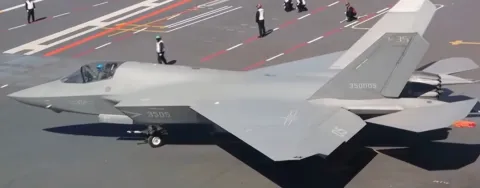
Shenyang Aircraft Corporation (SAC)
J-35
Pakistan Aeronautical Complex (PAC)
JF-17 Thunder Block 3
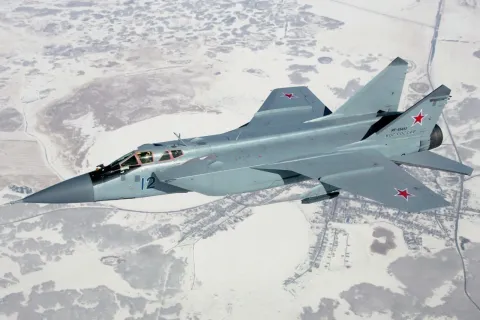
Mikoyan (MiG)
MiG-31
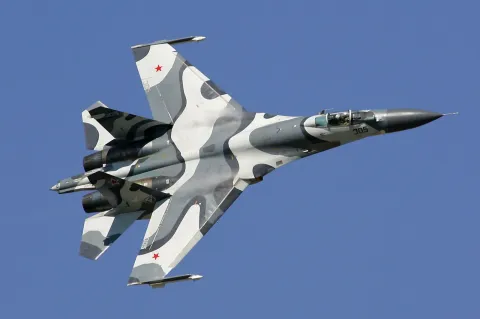
Sukhoi
Su-27
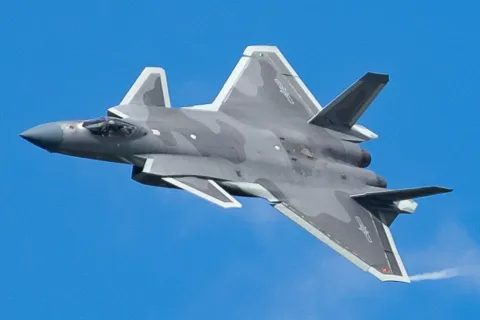
AVIC (Aviation Industry Corporation of China)
J-20
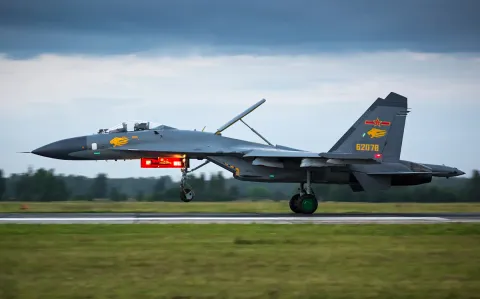
Shenyang Aircraft Corporation (SAC)
J-11B
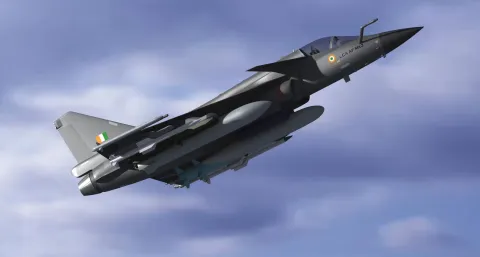
Hindustan Aeronautics Limited
Tejas Mk2
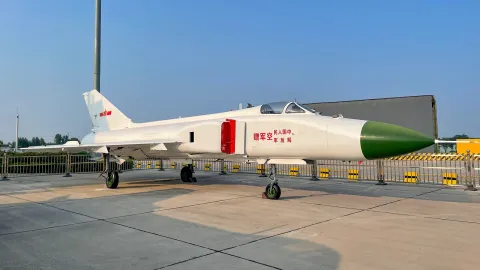
Shenyang Aircraft Corporation (SAC)
J-8II
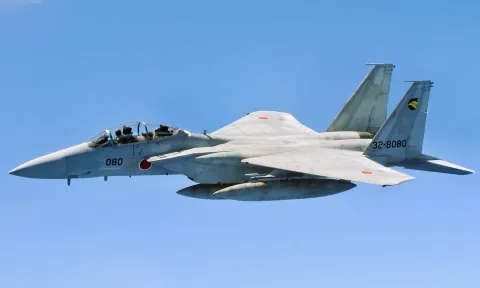
Mitsubishi Heavy Industries
Mitsubishi F-15J/DJ
Hindustan Aeronautics Limited
Tejas Navy Mk1
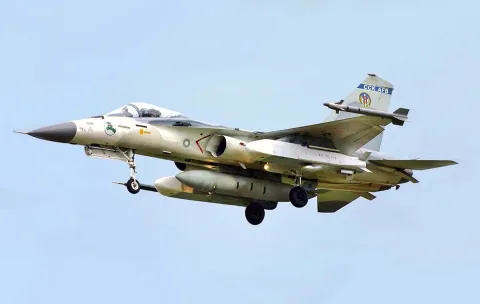
Aerospace Industrial Development Corporation
F-CK-1 Ching-kuo
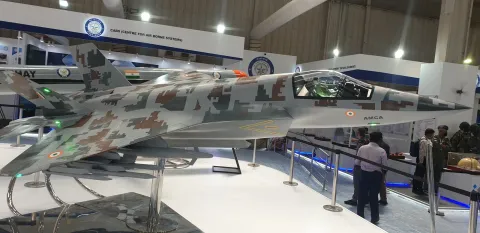
Hindustan Aeronautics Limited
AMCA
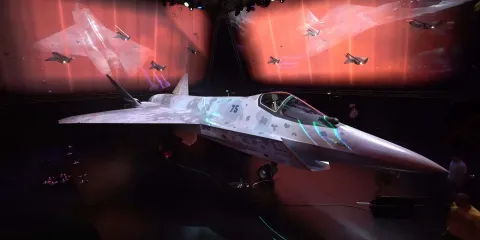
Sukhoi
Su-75 Checkmate
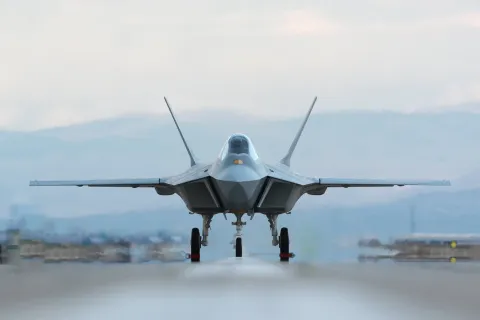
Turkish Aerospace Industries
TAI Kaan
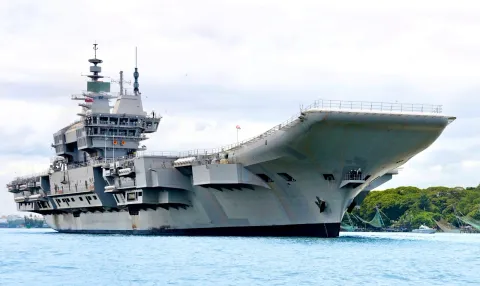
Cochin Shipyard Limited
Vikrant
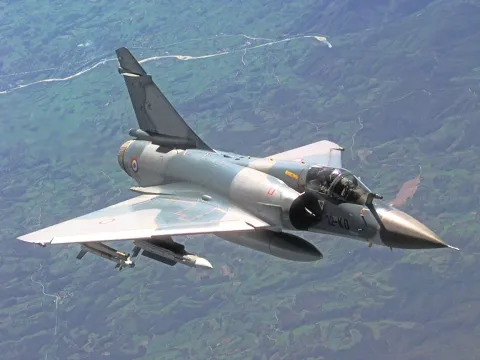
Dassault Aviation
Mirage 2000-9
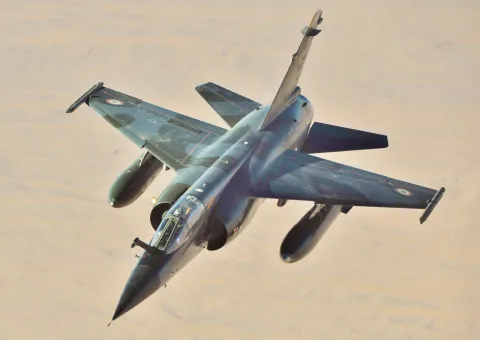
Dassault Aviation
Mirage F1
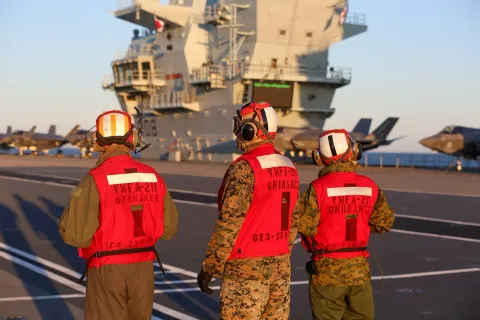
Babcock International Group
Queen Elizabeth-class
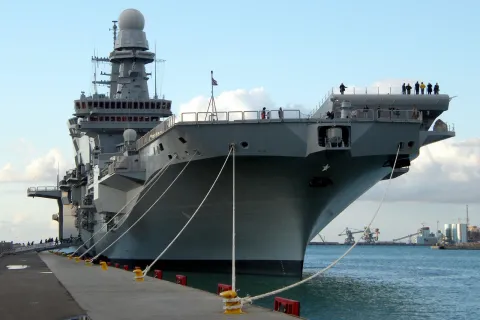
Fincantieri
Cavour
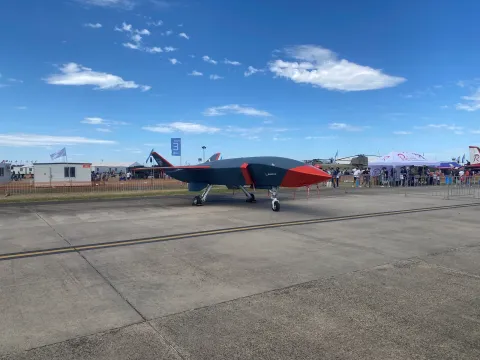
Boeing
MQ-28 Ghost Bat
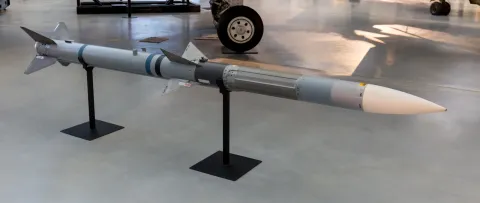
Raytheon (RTX)
AIM-120D AMRAAM
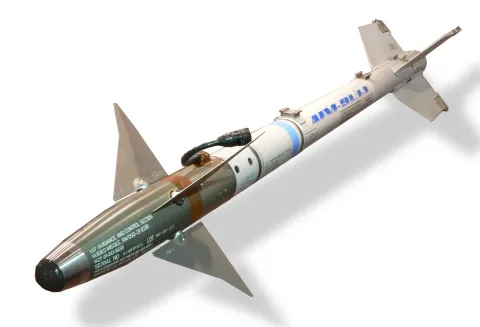
Raytheon (RTX)
AIM-9X Sidewinder
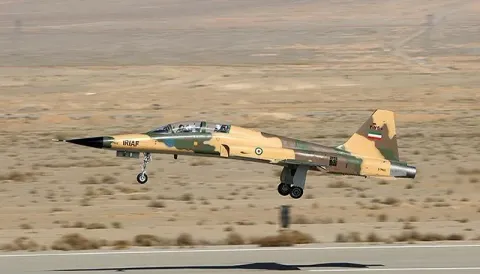
HESA Aviation Industry (Kowsar Program)
Kowsar
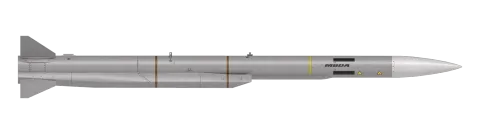
MBDA
Meteor
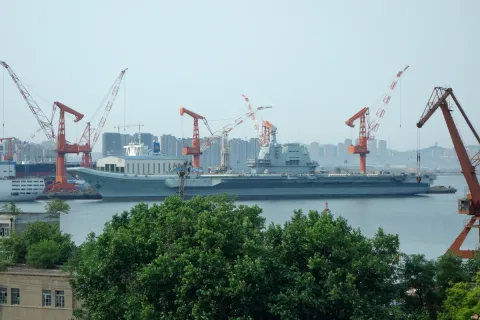
China State Shipbuilding Corporation (CSSC)
Type 002 Shandong
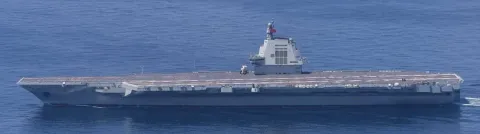
China State Shipbuilding Corporation (CSSC)
Type 003 Fujian

Denel Aviation
A-Darter
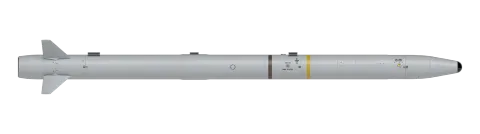
MBDA
ASRAAM
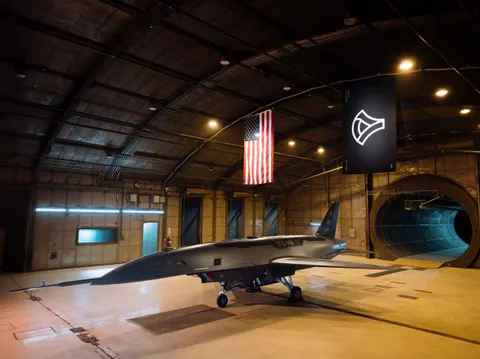
Anduril Industries
Fury (YFQ-44A)
MBDA
MICA EM
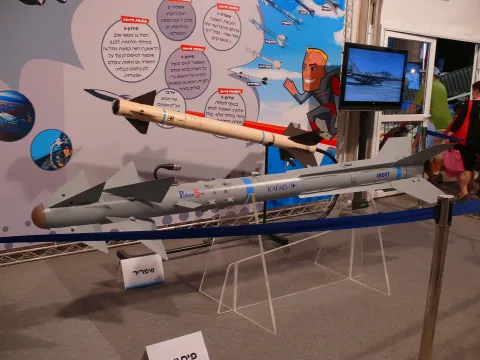
Rafael Advanced Defense Systems
Python 4
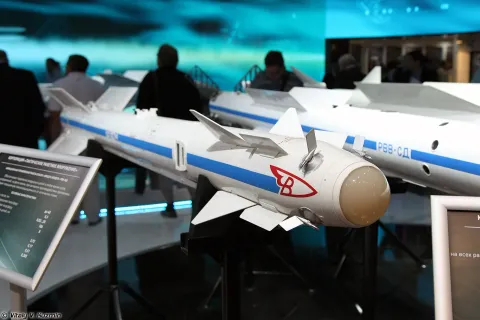
Tactical Missiles Corporation (KTRV)
R-73
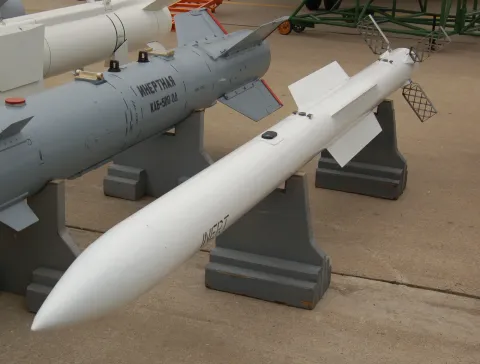
Tactical Missiles Corporation (KTRV)
R-77
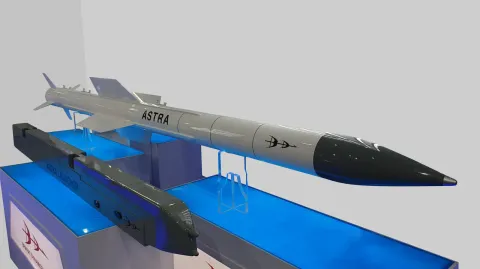
Defence Research and Development Organisation
Astra Mk1
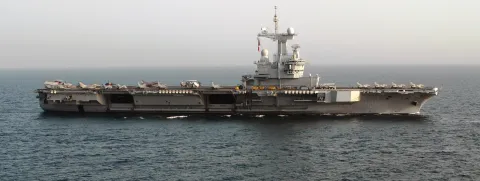
Naval Group
Charles de Gaulle
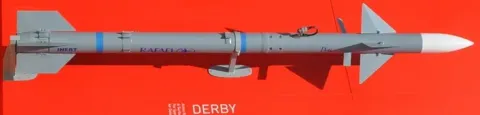
Rafael Advanced Defense Systems
Derby
Rafael Advanced Defense Systems
Python-5
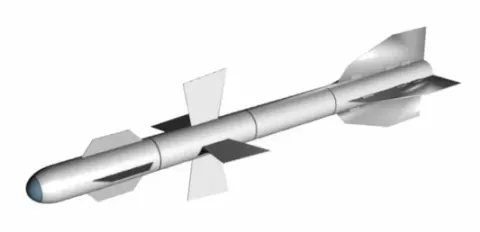
Tactical Missiles Corporation (KTRV)
R-27
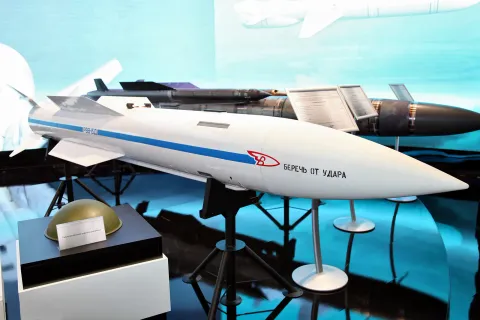
Tactical Missiles Corporation (KTRV)
R-37M
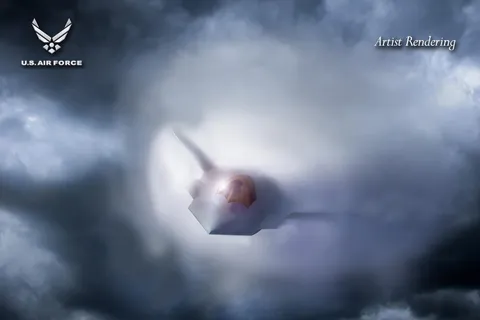
Boeing
F-47
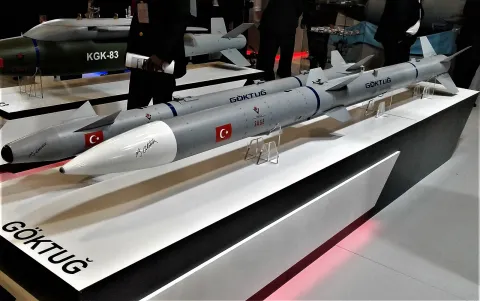
TÜBİTAK SAGE
Gökdoğan / Bozdoğan
Naval Group
France Libre (PANG)
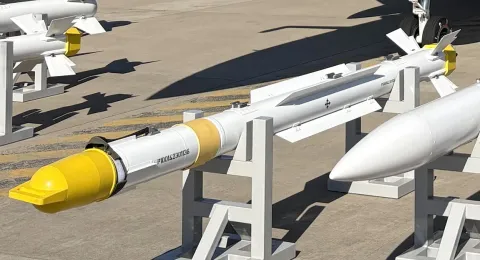
AVIC (Aviation Industry Corporation of China)
PL-10
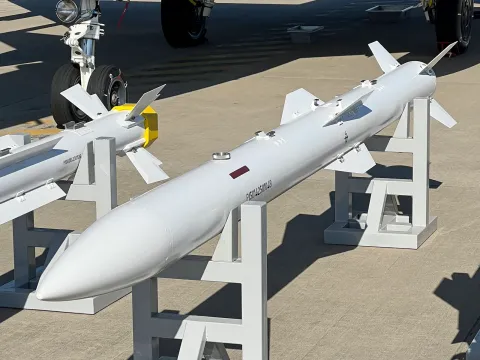
AVIC (Aviation Industry Corporation of China)
PL-15
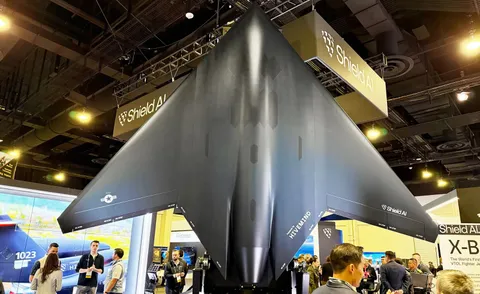
Shield AI
X-BAT
Chengdu Aircraft Industry Group (CAIG)
J-36
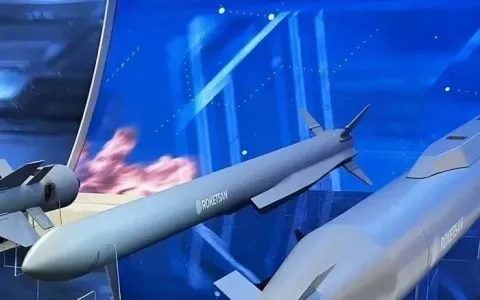
Roketsan
Gökbora
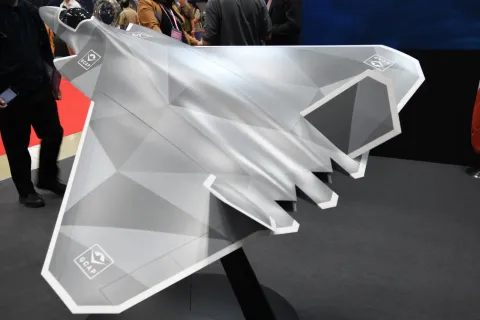
BAE Systems
GCAP Tempest
Shenyang Aircraft Corporation (SAC)
J-50
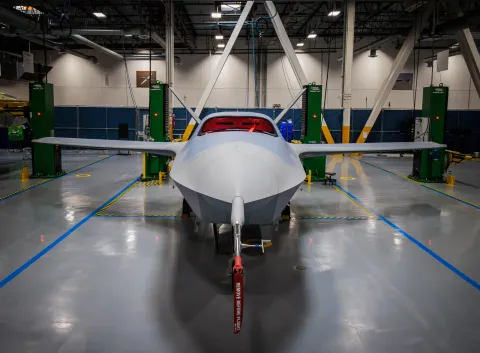
General Atomics Aeronautical Systems
YFQ-42A (Dark Merlin)
Frequently asked questions
- What makes a fighter good at air superiority?
- High thrust-to-weight (above 1.0 lets it out-accelerate an adversary going straight up), a capable AESA radar for first detection, and enough hardpoints to carry a useful air-to-air missile load. Maneuverability matters, but seeing and shooting first from a datalink-networked jet usually decides the fight before it becomes a dogfight.
- Does stealth matter for air superiority?
- Yes. Signature reduction delays the point at which an adversary's radar gets a firing solution, which extends the window where your own sensors and missiles have the advantage.