Documents
 Russia
 Sukhoi
Su-57
Russia's first operational fifth-generation stealth fighter, combining internal weapons bays, supercruise and thrust-vectoring super-maneuverability. Fielded in limited numbers to the Russian Aerospace Forces, with a single export customer to date.
In service since 2020 · 1 operator countries
Compiled from public sources ·primary reference ↗ ·last verified 2026-07-01
2,440
km/h
3,500
km range
20,000
m ceiling
10,000
kg payload
1.08
T/W
💲 ≈ $50,000,000, Estimated unit cost, disputed/uncertain public figures
Procurement snapshot
Availability & export
Russian state channel
Rosoboronexport monopoly; Western sanctions exposure and payment/logistics risk for many buyers.
Channel: Rosoboronexport (state)
Fielded & proven
Limited · 1 operator
In service since 2020. Status: active · ~30 built.
Lifecycle cost (est.)
$125M – $175M
Acquisition is only ~30% of lifecycle cost, operating & support dominate over ~30 yrs. Rough 2.5–3.5× the unit price. How we estimate this →
Interoperability
No standardised NATO calibre / datalink detected in public specs.
Derived guidance from public data, export regime by country of origin, lifecycle from the GAO ~30% acquisition rule. Verify eligibility, pricing and offsets with the manufacturer and your acquisition authority.
Overview
The Su-57 Felon is Russia's first indigenous fifth-generation fighter, developed by Sukhoi to combine stealth shaping, supermanoeuvrability and a modern sensor array. In principle it is intended to rival Western stealth fighters, with internal weapons bays and an advanced radar, but its degree of low observability and the maturity of its intended engine and avionics are widely disputed by outside analysts.
Production has been slow, with only a small number, likely in the low tens, believed delivered against far more ambitious plans, and a hoped-for co-development deal with India collapsed years ago. Russia continues to court export customers, though firm foreign orders remain limited and unverified.
During the war in Ukraine, Russia has reportedly used the Su-57 cautiously, mostly for standoff missile strikes from within its own airspace rather than as a front-line stealth penetrator, and Ukraine has claimed at least one was damaged in a long-range drone strike on an airbase. These patterns suggest the aircraft's real-world role has so far fallen well short of its advertised capabilities.
Compatible munitions & weapons
Publicly reported weapons the Su-57 can carry. Linked items have a full spec page.


Full specifications
Performance
Speed, range, altitude and engagement capability.
| Max speed Maximum level speed. For aircraft this is at optimal altitude; for ground vehicles, top road speed. Higher means faster response and better kinematic performance. | 2,440 km/h |
|---|---|
| Max speed (Mach) Maximum speed as a multiple of the speed of sound. Mach 2+ is typical for air-superiority fighters. | 2 Mach |
| Range Maximum distance: ferry range for aircraft, operational range for vehicles, maximum engagement distance for missiles. Higher means more standoff or persistence. | 3,500 km |
| Combat radius Distance an aircraft can fly, complete its mission and return without refueling. Roughly a third of ferry range. | 1,500 km |
| Service ceiling Maximum operating altitude. Higher gives energy advantage and sensor horizon. | 20,000 m |
| Thrust-to-weight Engine thrust divided by loaded weight. Above 1.0 the aircraft can accelerate going straight up. On a standalone engine record, this is the engine's own thrust divided by its dry weight, the standard figure of merit for jet engines. | 1.08 |
Firepower
Armament, payload and guidance.
| Main armament Primary weapon: main gun, cannon or missile type. | 30 mm GSh-30-1 cannon |
|---|---|
| Hardpoints External stations for weapons and pods. More means bigger and more flexible loadouts. | 10 |
| Weapons payload Maximum ordnance weight the platform can carry. Higher means more strike capacity per sortie. | 10,000 kg |
Protection
Armor, countermeasures and survivability.
| Countermeasures Self-protection: chaff, flares, DIRCM, towed decoys, smoke dischargers, jammers. | Himalayas EW suite, chaff, flares |
|---|---|
| Signature reduction Radar cross-section shaping, RAM coatings, IR suppression. Actual RCS values are classified. | Low observable airframe shaping with radar-absorbent coatings and internal weapons bays |
Physical
Dimensions, weight and crew.
| Length Overall length including gun/probe where applicable. | 20.1 m |
|---|---|
| Wingspan Wingtip-to-wingtip span. | 13.95 m |
| Height Overall height. Lower profile is harder to spot and hit for ground vehicles. | 4.74 m |
| Empty weight Weight without fuel, ammunition or crew. | 18,500 kg |
| Combat weight Fully loaded weight. Lighter eases transport and bridging limits; heavier often means more armor. | 35,000 kg |
| Crew Personnel required to operate. Fewer reduces exposure; autoloaders trade a loader for mechanical complexity. | 1 |
Propulsion
Engine, power and fuel.
| Engine Powerplant model and type. | 2x Saturn AL-41F1 (Izdeliye 30 on later production) thrust-vectoring afterburning turbofans |
|---|---|
| Engines Number of engines. Twin-engine gives redundancy at higher cost. | 2 |
| Thrust Total engine thrust (with afterburner where applicable). | 147 kN |
| Fuel capacity Internal fuel volume. | 10,300 L |
| Propulsion type Turbofan, turboshaft, diesel, gas turbine, solid-fuel rocket, ramjet… | Turbofan |
Sensors & avionics
Radar, sensor suite and datalinks.
| Radar Primary radar. AESA (active electronically scanned array) is the current state of the art. | N036 Byelka AESA (multi-array) |
|---|---|
| Sensors IRST, EO/IR turrets, laser designators, sniper pods, thermal sights. | 101KS Atoll electro-optical suite, Himalayas EW suite, distributed aperture IRST |
Program
Cost, production scale and operators.
| Unit cost Approximate flyaway/unit cost where public. Defense pricing varies hugely by contract, offsets and configuration. Lower is cheaper. | $50,000,000 |
|---|---|
| Units built Total production run. Higher means proven manufacturing, mature logistics and spares availability. | 30 |
| Operator countries Number of countries operating the system. More operators means broader support ecosystem. | 1 |
Specifications compiled from public Sukhoi and reference sources ↗. Published defense figures are approximations, treat comparisons as directional. Last verified 2026-07-01.
Compare with rivals
See how it stacks up
 Lockheed Martin F-22A Raptor
  Dassault Aviation Rafale F4
 Head-to-head comparisons
Su-57 vs
 Eurofighter Typhoon
  J-20
J-20  JAS 39E Gripen
  KF-21 Boramae
 Frequently asked questions
What is the top speed of the Sukhoi Su-57? +
The Sukhoi Su-57 has a maximum speed of 2,440 km/h.
What is the range of the Sukhoi Su-57? +
The Sukhoi Su-57 has a maximum range of 3,500 km.
What is the weapons payload of the Sukhoi Su-57? +
The Sukhoi Su-57 can carry up to 10,000 kg of weapons payload.
How much does the Sukhoi Su-57 weigh? +
The Sukhoi Su-57 has a combat weight of 35,000 kg.
How many crew does the Sukhoi Su-57 require? +
The Sukhoi Su-57 requires a crew of 1.
What is the main armament of the Sukhoi Su-57? +
The Sukhoi Su-57's primary weapon is the 30 mm GSh-30-1 cannon.
What engine does the Sukhoi Su-57 use? +
The Sukhoi Su-57 is powered by the 2x Saturn AL-41F1 (Izdeliye 30 on later production) thrust-vectoring afterburning turbofans.
What is the Sukhoi Su-57 used for? +
The Sukhoi Su-57 is a fighter aircraft typically used for air superiority, multirole combat, deep strike.
How many countries operate the Sukhoi Su-57? +
The Sukhoi Su-57 is operated by 1 countries.
How much does the Sukhoi Su-57 cost? +
The Sukhoi Su-57 has an approximate unit cost of 50,000,000 USD. Defense pricing varies by contract, offsets and configuration, treat this as directional.
Similar systems
Sukhoi
Su-35S
Sukhoi
Su-30SM
Lockheed Martin
F-35C Lightning II
Boeing
F-15EX Eagle II
Related coverage
Su-57 in the news
 Article
 guide · Jul 31, 2026
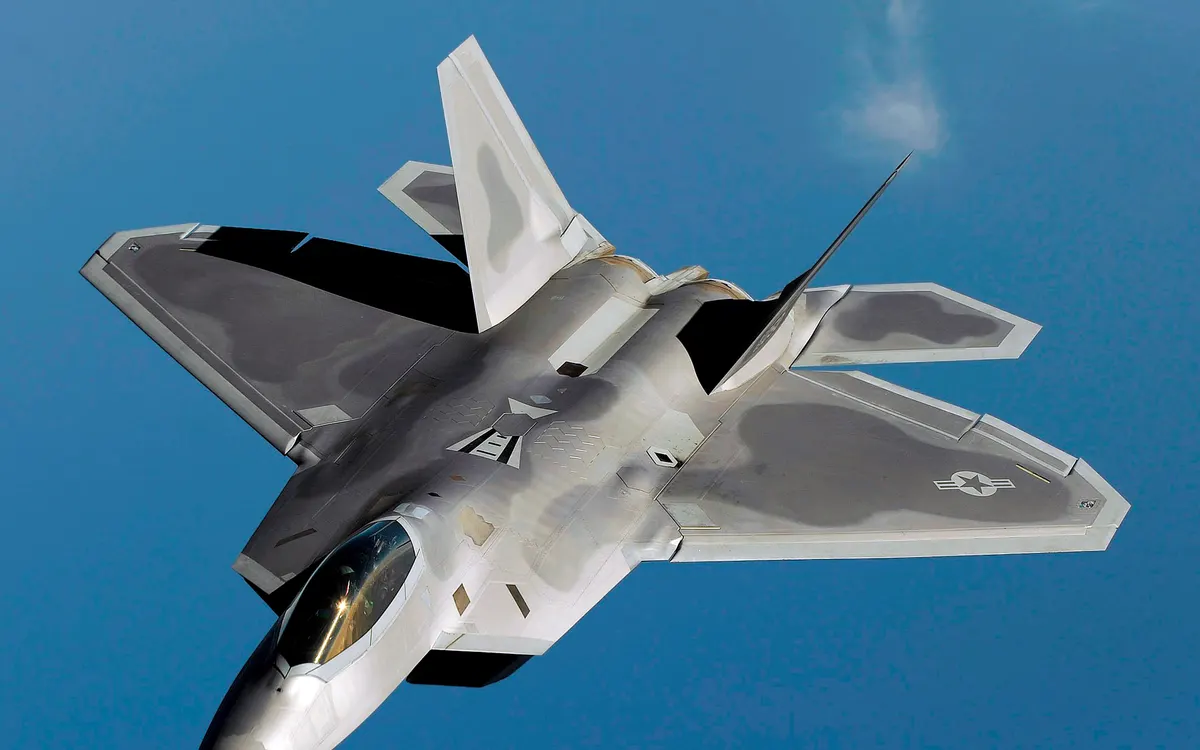
Stealth Fighters: Why No One Publishes an RCS Number
Not one of 1,124 systems in our database publishes a radar cross-section figure, including all 15 fighter jets currently marketed as stealth aircraft.
 Article
 guide · Jul 27, 2026
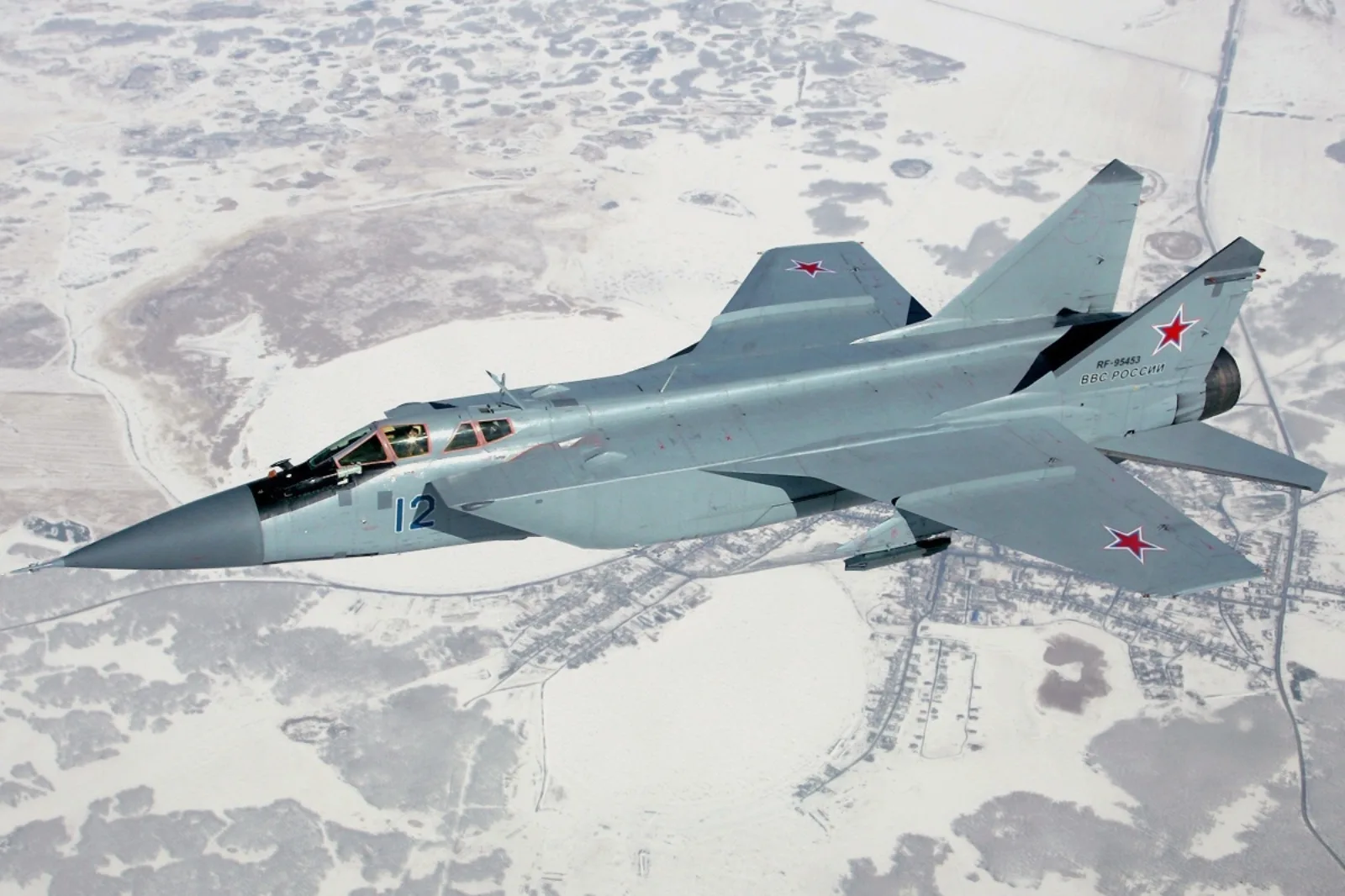
What Service Ceiling Means on a Fighter Jet Spec Sheet
Service ceiling spans 7,000-20,600m across 57 fighters in our database, but 72% share an identical published figure with a completely different jet.
 News
News technology · Jul 26, 2026
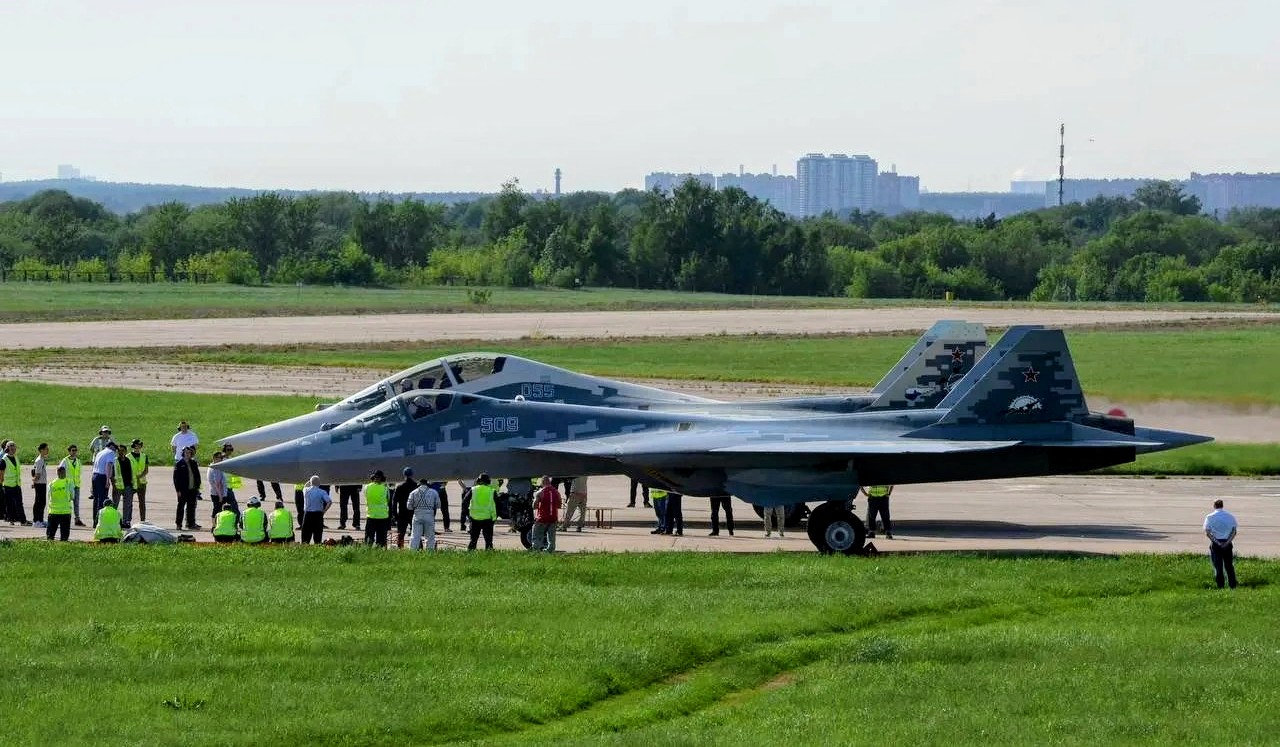
Ukraine Claims It Hacked Russia's Air Defense Into Downing a Su-57
A Russian Su-57 stealth jet crashed near Moscow on July 23. A Ukrainian group claims it hacked the unit that shot it down; Moscow blames a malfunction.
 Article
 industry · Jul 25, 2026
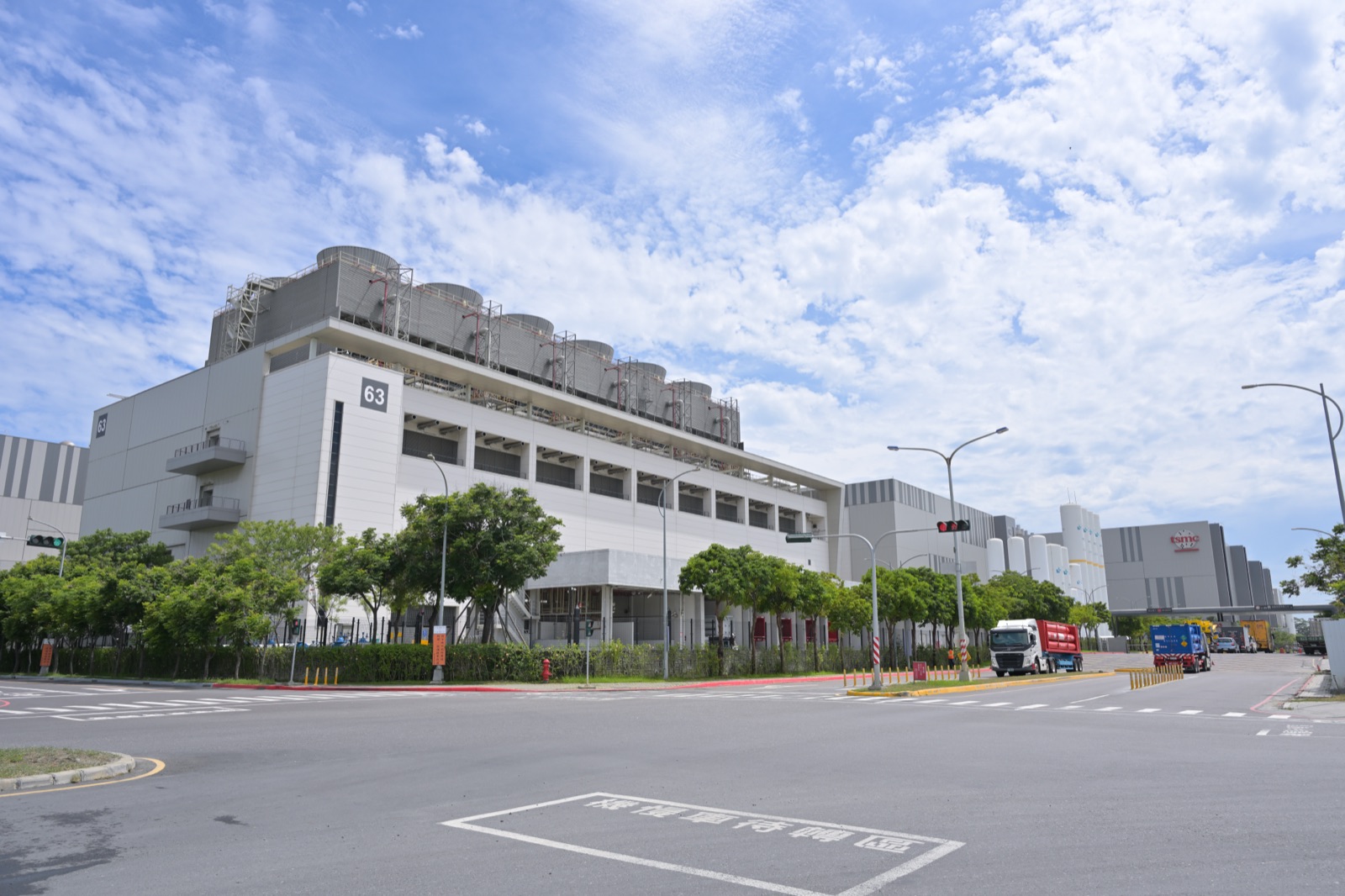
The AI Race Is Actually a Manufacturing Race
China now generates more electricity than the United States, EU and India combined, and chips, workforce and robots follow the same pattern.
 Article
 industry · Jul 25, 2026
Fighter Jet Operator Counts: Newer Means Fewer
1970s-era weapons in the WeaponSpecs database average 14 operating countries; 2020s designs average 1.7. Age explains most of the gap, not capability.
 Article
 comparison · Jul 19, 2026
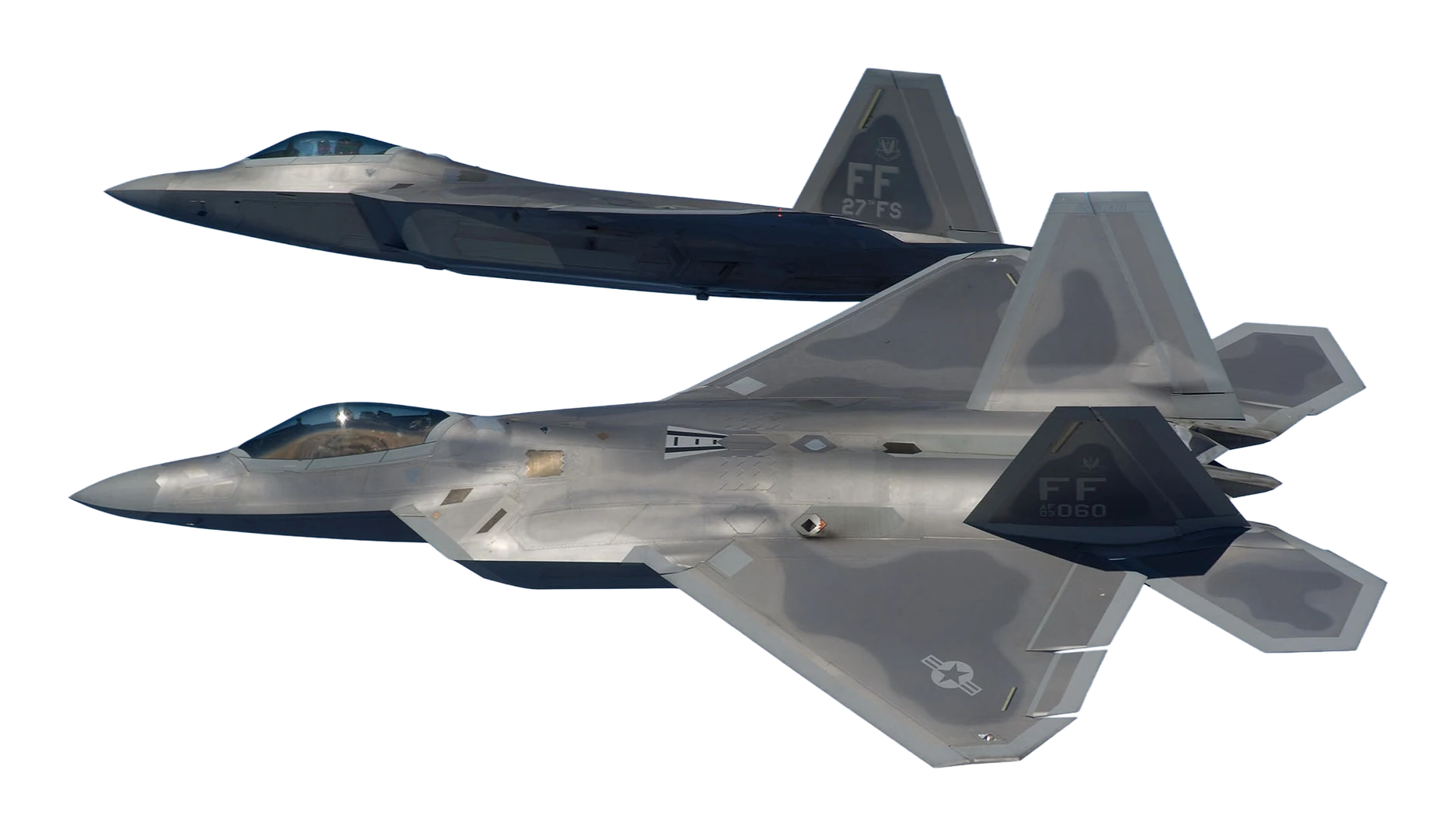
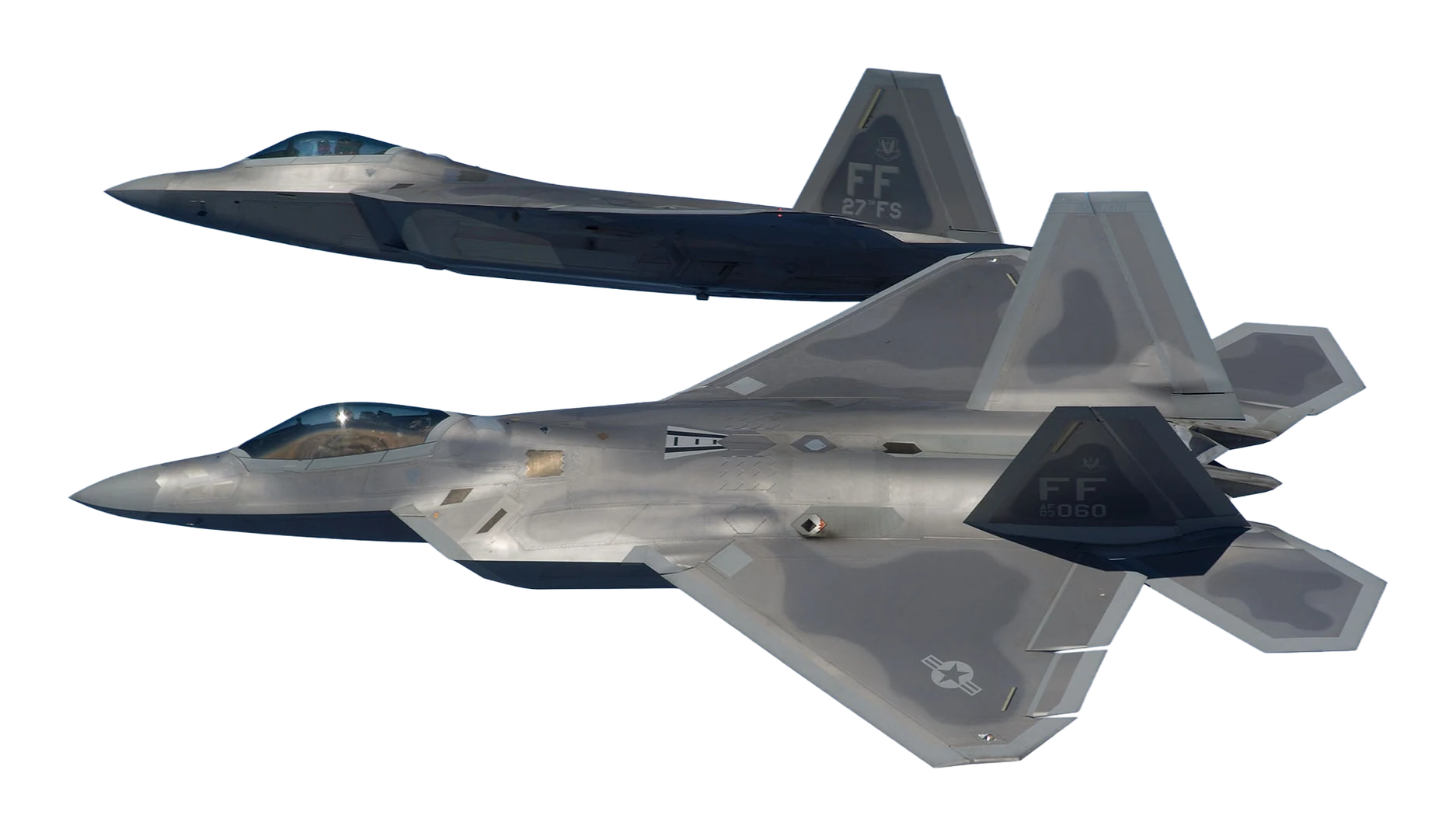
F-22 Raptor Carries Less Payload Than a 1967 Jet
The F-22A Raptor ranks 55th of 56 fighters in published weapons payload at 2,270 kg, trailing even the 1967-service F-4E Phantom II by nearly 4x.
 Article
 comparison · Jul 16, 2026
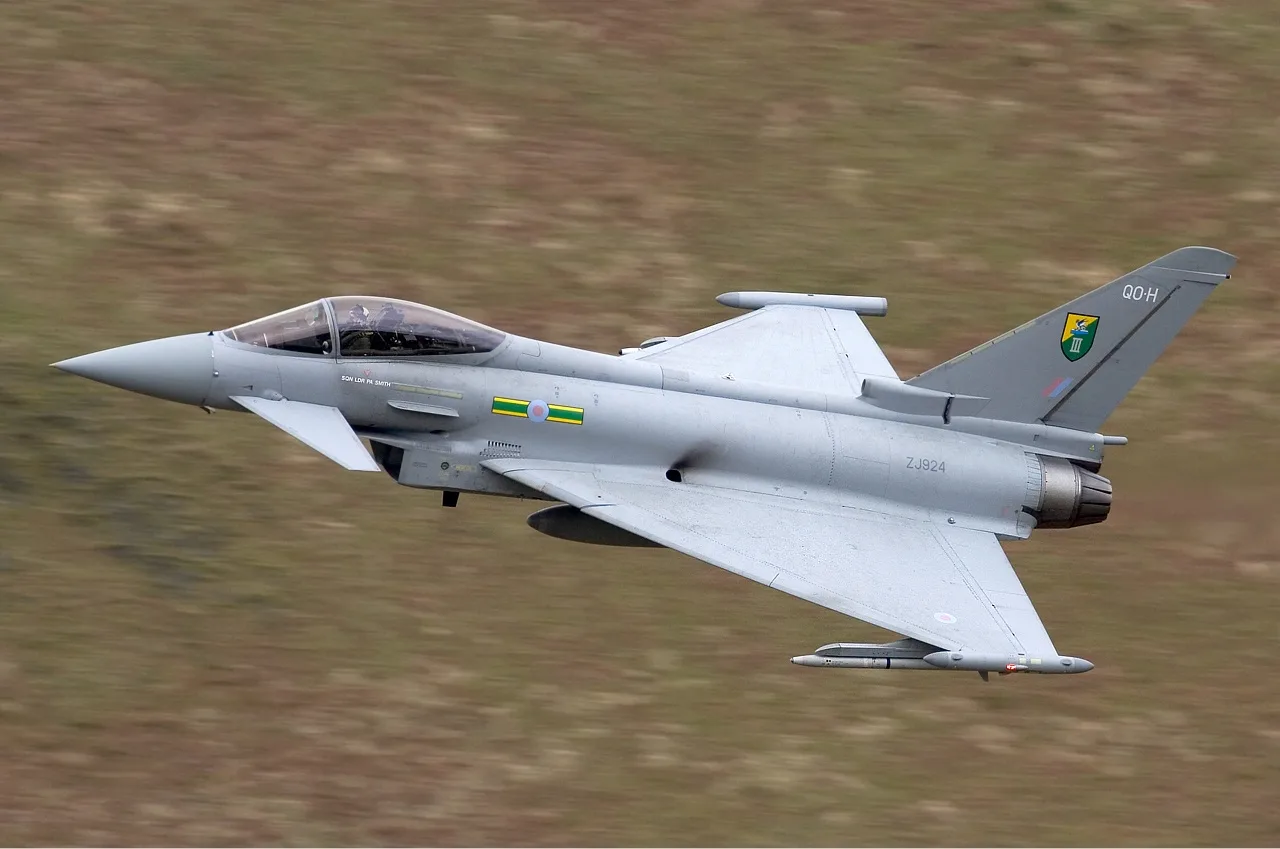
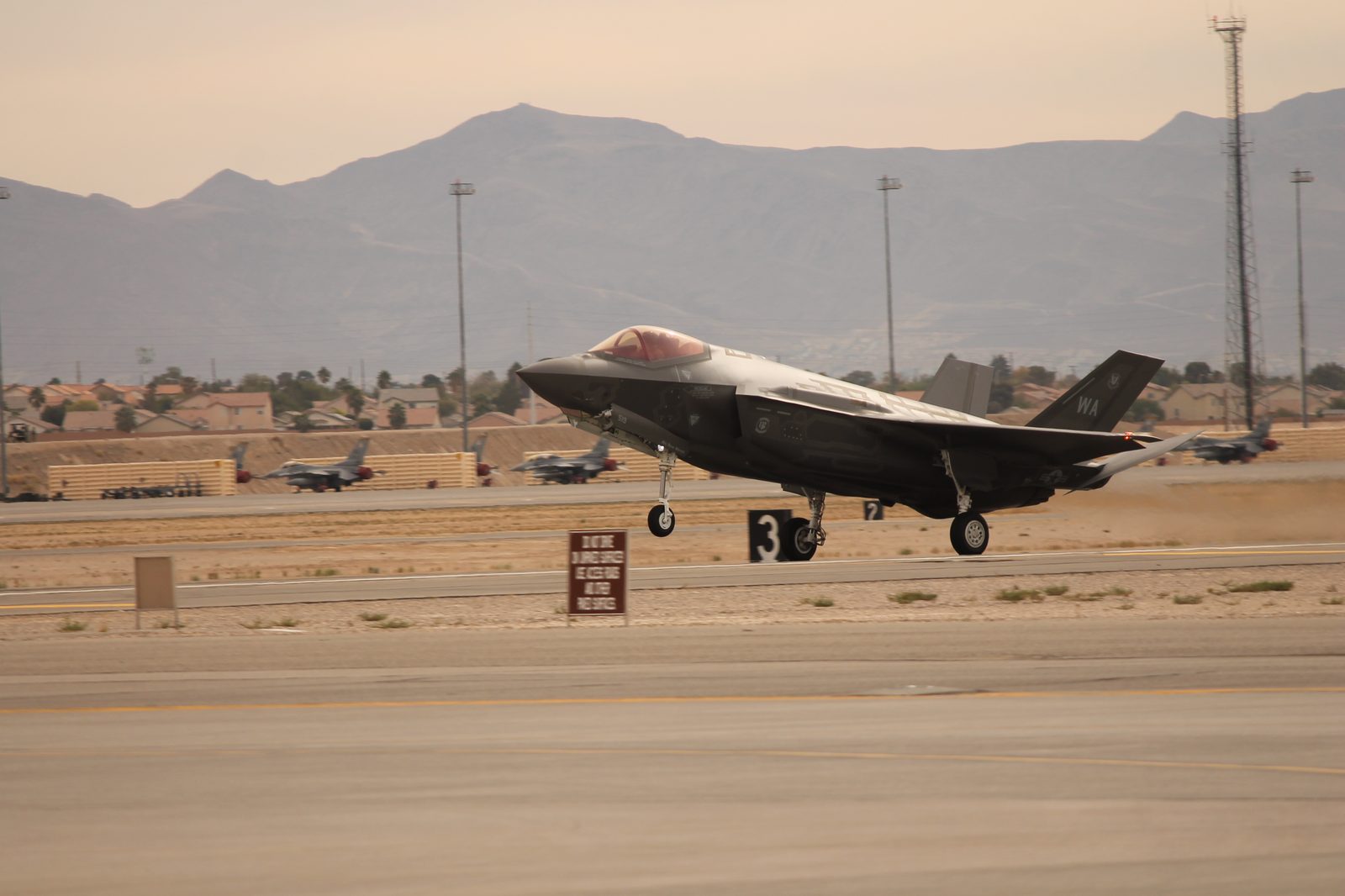
Fighter Thrust-to-Weight Ranked: F-35 Trails at 0.87
The Eurofighter Typhoon tops 44 ranked fighters at a 1.15 thrust-to-weight ratio; the hyped F-35 family trails at 0.75-0.94, ranking 40th of 44.
 Article
 guide · Jul 13, 2026
The 10 Best Fighter Jets of 2026, Ranked
A 10-to-1 countdown of the best fighter jets of 2026, ranked on real combat record, sensors, survivability and sustainment, not brochure numbers.
 Article
 comparison · Jul 5, 2026
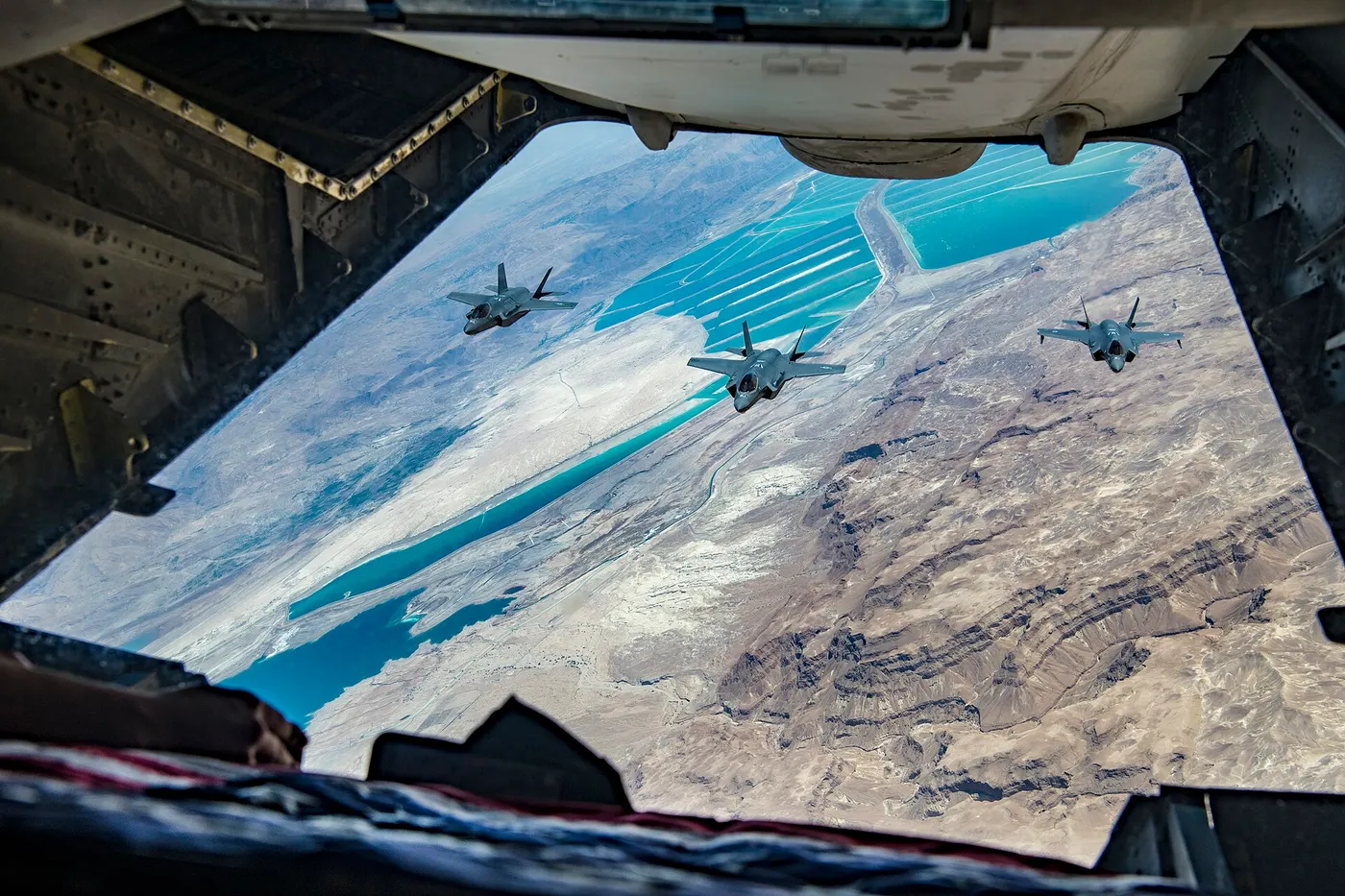
Su-57 vs F-35 vs J-20: Claimed vs Verified
On paper the J-20 leads on combat radius and the Su-57 on speed. The catch: the numbers that flatter them are the ones no one outside Moscow or Beijing can verify.
 Article
 comparison · Jul 3, 2026
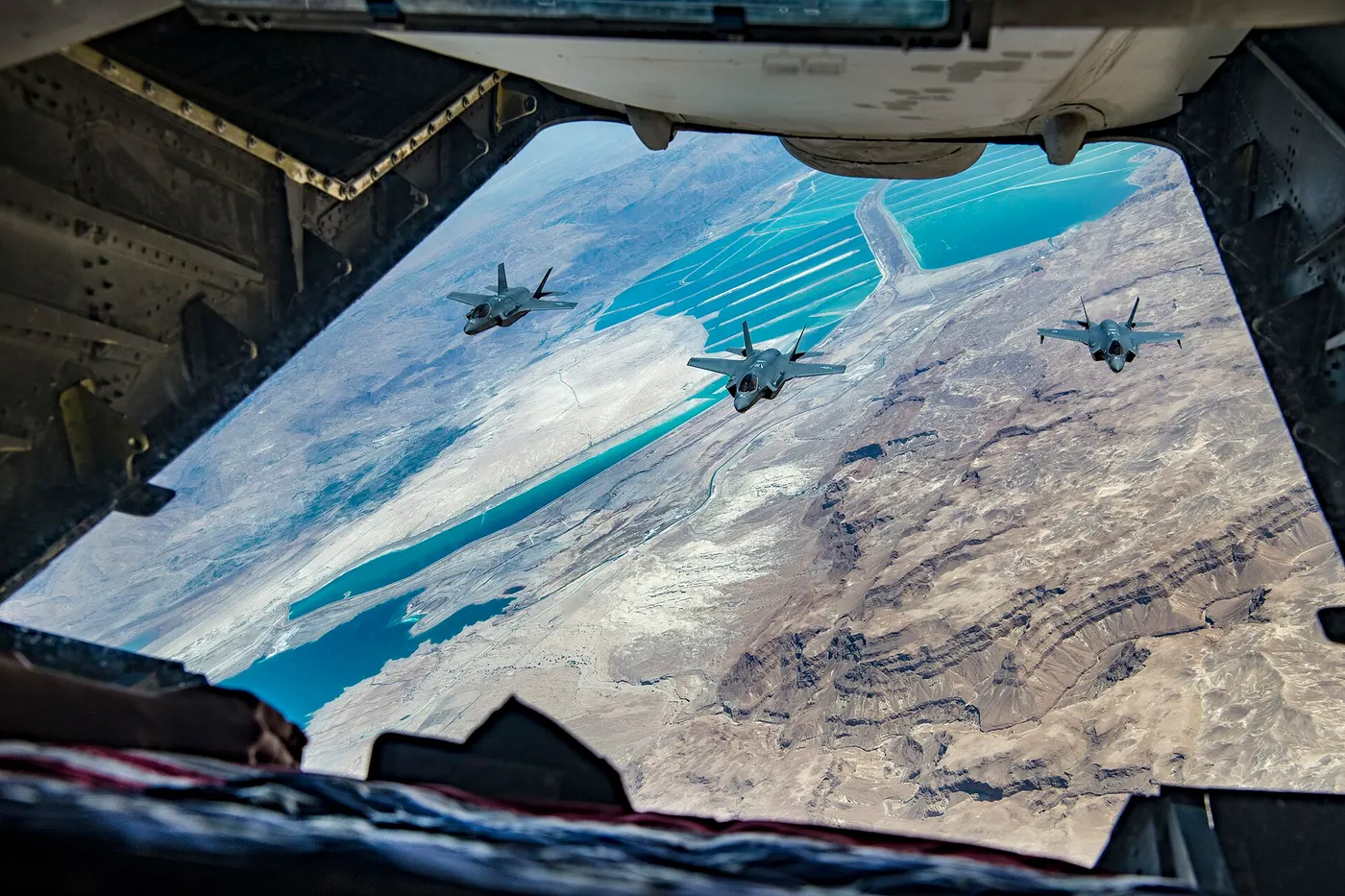
F-35 vs Su-57: Which Fifth-Gen Fighter Wins?
F-35 vs Su-57: the F-35 wins on stealth, sensor fusion, and combat record; the Su-57 wins on paper agility.
 Article
 guide · Jul 3, 2026
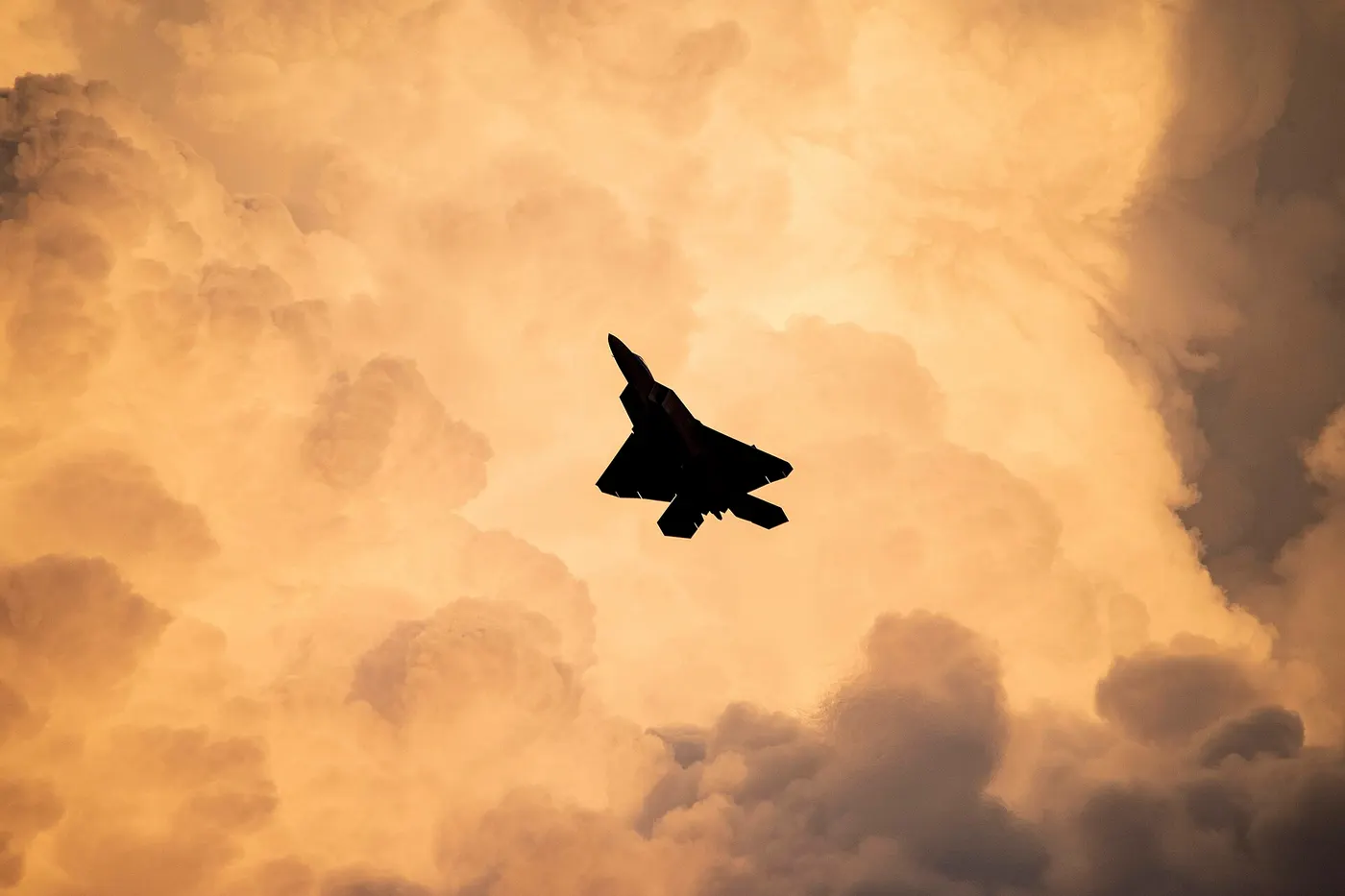
What Is a Fifth-Generation Fighter? (And Who Has One)
Fifth-generation fighter defined: stealth, sensor fusion, and networked combat, and exactly who fields one in 2026.