Why Sustainment Is 70% of a Weapon's Real Cost
Purchase price is the tip of the iceberg. GAO data shows sustainment eats ~70% of a weapon's lifecycle cost, here's the real total-cost-of-ownership math.

U.S. Army photo by Kevin Payne, Public domain
The number that isn’t on the invoice
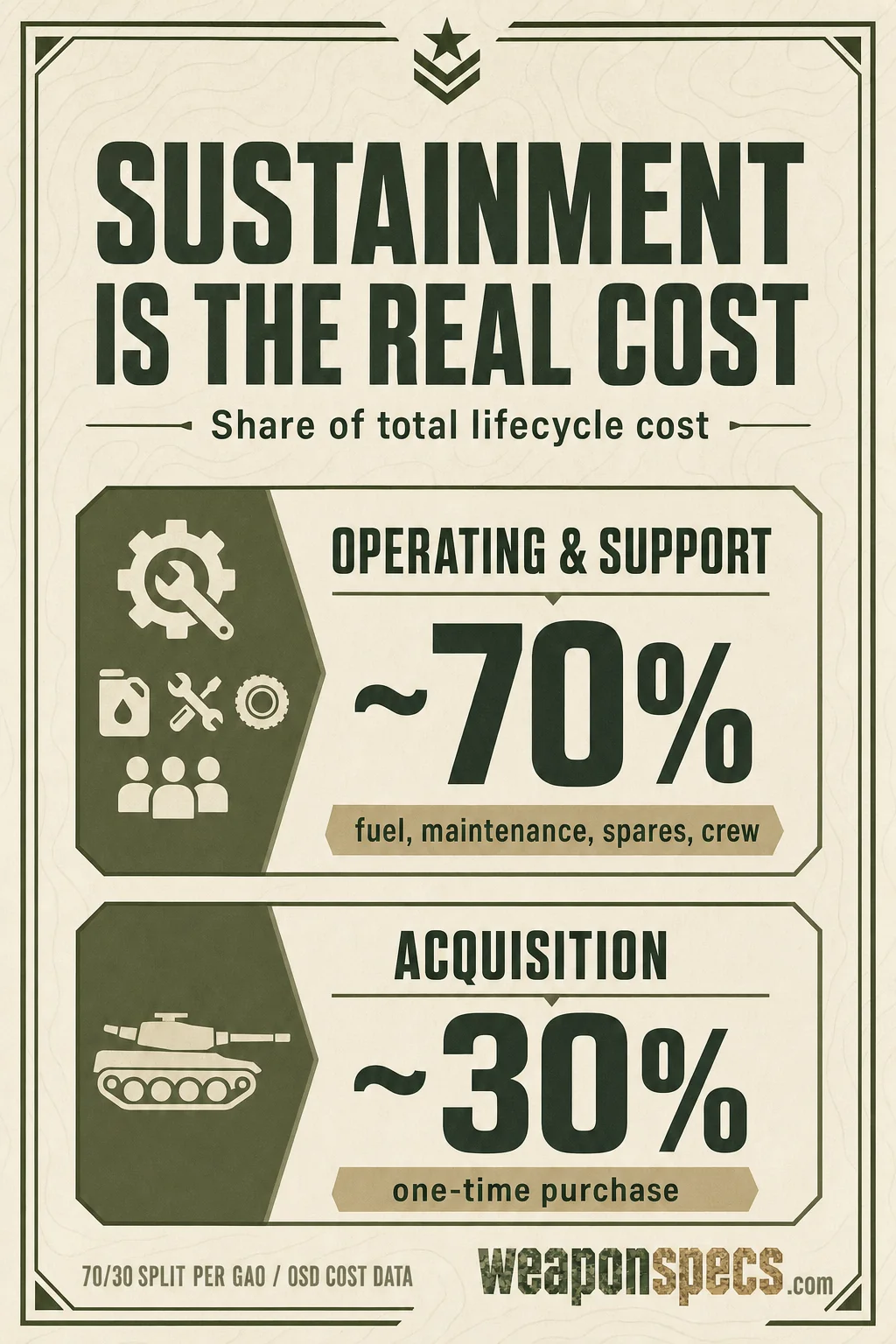
Ask what a fighter jet or a main battle tank “costs” and you’ll get a purchase price, a flyaway figure, a contract value, a number a defense ministry can put in a press release. It is also, by a wide margin, not the real cost. According to GAO and OSD cost analyses of major weapons systems, operating and support (O&S) spending, sustainment, typically runs about 70% of a platform’s total lifecycle cost, with acquisition making up the remaining slice. The purchase price is the tip of the iceberg; everything below the waterline is fuel, maintenance, spare parts, training, and upgrades stretched across two or three decades of service. Buyers who anchor on the sticker price are pricing roughly a third of what they’re actually about to pay for.
This isn’t a rounding error or an accounting quirk. It’s the single most consistent finding across decades of U.S. and allied defense cost studies, and it explains why cheap-looking deals turn expensive and why expensive-looking deals sometimes turn out to be the more rational buy. If you’re comparing weapon systems on price alone, you’re comparing the wrong number.
Acquisition vs. O&S: where the money actually goes
Break lifecycle cost into its two big buckets and the split becomes obvious:
- Acquisition cost, R&D, tooling, production, initial spares, and delivery of the platform itself. This is the number in the contract and the headline.
- Operating and support cost, everything required to keep that platform flying, rolling, or sailing for its service life: fuel and consumables, scheduled and unscheduled maintenance, spare parts and depot repair, software and capability upgrades, and the pilots, crews, and maintainers who operate and sustain it.
For a platform with a 25-40 year service life, acquisition is a one-time event and O&S is an annual bill that repeats for decades. Multiply even a modest yearly sustainment cost by 30 years of service and it dwarfs the initial purchase, which is exactly what GAO’s weapons-system cost data shows across fighters, tanks, ships, and helicopters alike. The ratio moves a bit by platform type and maintenance philosophy, but the roughly 70/30 O&S-to-acquisition split is a durable pattern, not an outlier.
A tank without spare parts is a paperweight
This is the part procurement briefings gloss over and battlefield reality enforces brutally: a weapon system’s combat value is entirely contingent on its sustainment pipeline. A main battle tank with a cracked transmission and no replacement part isn’t a tank, it’s an inert steel object taking up motor-pool space. This is precisely why Foreign Military Sales (FMS) packages are scrutinized so heavily by recipient nations: a hardware transfer without a matching spares, maintenance-training, and depot-support commitment is a liability disguised as a capability.
Several import buyers have learned this the hard way, fielding modern hardware they couldn’t keep at high readiness rates because the spares contract lagged the delivery contract, or because a sole-source parts pipeline gave the seller effective leverage over the buyer’s operational tempo for years afterward. Readiness rates, not delivered-unit counts, are what determine how much of a fleet is actually available on a given day, and readiness is a sustainment function, not an acquisition one.
Cost per flight hour: the metric that keeps sustainment honest
For aircraft, the cleanest lens into O&S burden is cost per flight hour (CPFH), fuel, maintenance, parts, and support divided by hours flown. It’s tracked (imperfectly, and with real year-to-year variation) by the Pentagon and audited by GAO, and it’s one of the few standardized ways to compare the real operating burden of different fighter types rather than just their sticker prices.
Public GAO and DoD reporting has repeatedly shown stealth, sensor-fusion-heavy platforms carrying a meaningfully higher CPFH than simpler, mechanically mature designs, a gap that repeats every flying hour for the life of the fleet. A jet with a lower flyaway price but a high CPFH can cost more to operate over 30 years than a pricier jet built from the outset for low parts-count maintainability. CPFH is the number that turns “which fighter is cheaper” from a guess into a model.
Illustrative lifecycle cost: acquisition vs. total ownership
The table below illustrates the shape of the acquisition-to-lifecycle gap using rounded, illustrative figures, not a specific program’s audited numbers, to show how the math compounds over a multi-decade service life.
| Cost element | Fighter (illustrative) | Main battle tank (illustrative) |
|---|---|---|
| Acquisition (unit) | ~$85M | ~$10M |
| O&S per year (per unit, illustrative) | ~$6-8M | ~$0.4-0.6M |
| Service life (years) | ~30 | ~30-35 |
| Estimated total lifecycle cost | ~$260-320M | ~$25-30M |
| Lifecycle-to-acquisition multiple | ~3-3.5x | ~2.5-3x |
The number on the contract is the smaller bar: acquisition covers less than a third of what a platform actually costs, so a fleet priced only on flyaway cost is budgeting against roughly 30% of the real bill.
Treat these as illustrative order-of-magnitude figures, not quotes for any specific platform, actual multiples vary by program, maintenance concept, upgrade path, and how aggressively a fleet is flown or operated. What doesn’t vary is the direction: acquisition is the down payment, and O&S is the mortgage that runs for decades.
How smart buyers model total cost of ownership
Sophisticated procurement offices no longer evaluate platforms on unit price alone. They build a total cost of ownership (TCO) model that folds acquisition cost together with projected O&S, typically covering:
- Fuel and consumable burn rates at expected operating tempo
- Scheduled maintenance intervals and depot-level overhaul cycles
- Spare parts pipeline cost, lead time, and sole-source risk
- Crew and maintainer manning and training costs
- Planned mid-life upgrades and software sustainment
This is also why sustainment contracts, not just unit prices, are increasingly where the hardest negotiating happens on major defense deals. A buyer locked into a single-source spares and software pipeline has limited leverage to control O&S growth for the life of the fleet, a pattern that shows up repeatedly in GAO reporting on major weapons programs. Asking for transparent CPFH benchmarks and competitive sustainment terms before signing is no longer a niche practice; it’s what separates a well-modeled buy from a sticker-price purchase that turns expensive a decade in.
The bottom line
The purchase price is the easy number and the least important one. Sustainment, fuel, maintenance, spares, training, upgrades, is where roughly 70% of a weapon system’s real cost lives, and it’s paid every year for decades, not once at delivery. Comparing platforms on acquisition cost alone is comparing the smaller slice of the pie and ignoring the larger one.
Model the full picture yourself in the Advisor, which surfaces an estimated lifecycle-cost view alongside mission fit rather than just a unit price. Curious how this plays out for a specific type? Start with how much a fighter jet really costs or browse the fighter category to see acquisition and sustainment profiles side by side. For more cost breakdowns like this, see the WeaponSpecs articles.
Systems in this comparison
Every system covered above, with its photo and, where available, a video. Tap a card to open the full spec sheet.
Compare these side by side →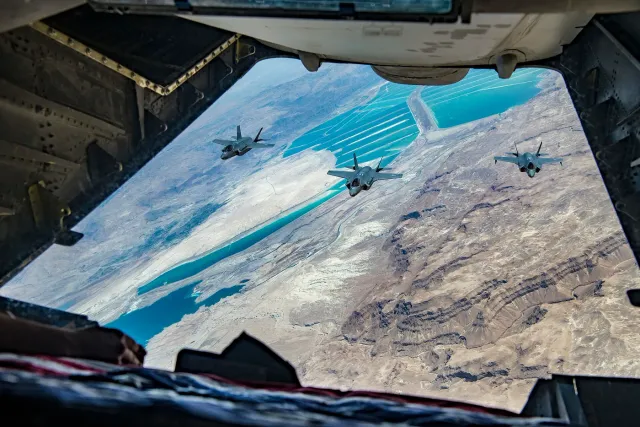
Fighter aircraft
F-35A Lightning II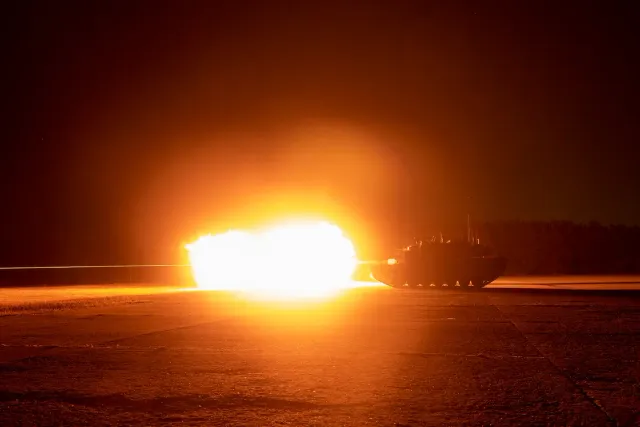
Main battle tank
M1A2 SEP v3 Abrams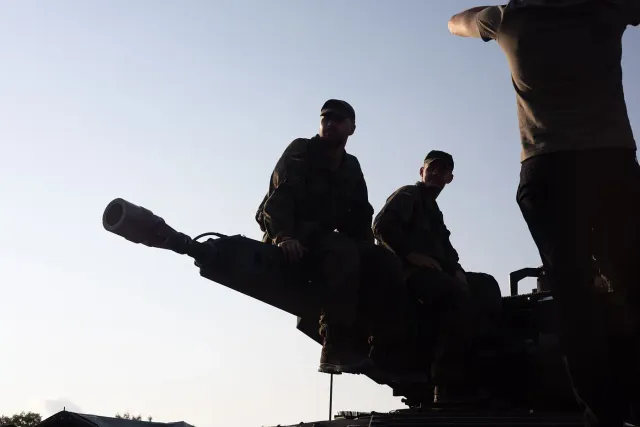
Main battle tank
Leopard 2A7Frequently asked questions
What is lifecycle cost in defense procurement? +
Lifecycle cost is the total spend on a weapon system from R&D and acquisition through decades of operating and support, to eventual disposal. It includes the purchase price plus fuel, maintenance, spares, upgrades, and personnel, the full bill, not just the sticker price.
Why is sustainment 70% of the cost? +
GAO and OSD cost data on major weapons systems consistently show operating and support spending outweighing acquisition cost, because a platform serves 20-40 years while the purchase is a one-time event. Fuel, maintenance, spares, and crews accumulate every year of service, dwarfing the initial buy.
What is total cost of ownership for a weapon system? +
Total cost of ownership (TCO) is acquisition cost plus lifetime operating and support cost, expressed per unit or per fleet. It's the figure serious buyers model before signing, since a cheaper purchase price can still produce a more expensive fleet if sustainment costs run high.
What does cost per flight hour mean? +
Cost per flight hour is a standardized metric, fuel, maintenance, parts, and support cost divided by hours flown, used to compare aircraft sustainment burden. It's tracked by the Pentagon and GAO and is one of the clearest ways to compare real operating cost across fighter types.
Why do spare parts matter so much? +
Without a reliable spares pipeline, expensive hardware sits unusable, a tank, jet, or ship becomes a parked asset rather than a combat capability. Spares availability, not the purchase contract, is often the actual constraint on how much of a fleet can operate at any given time.
Related reading


