Documents
 Israel
 Rafael Advanced Defense Systems
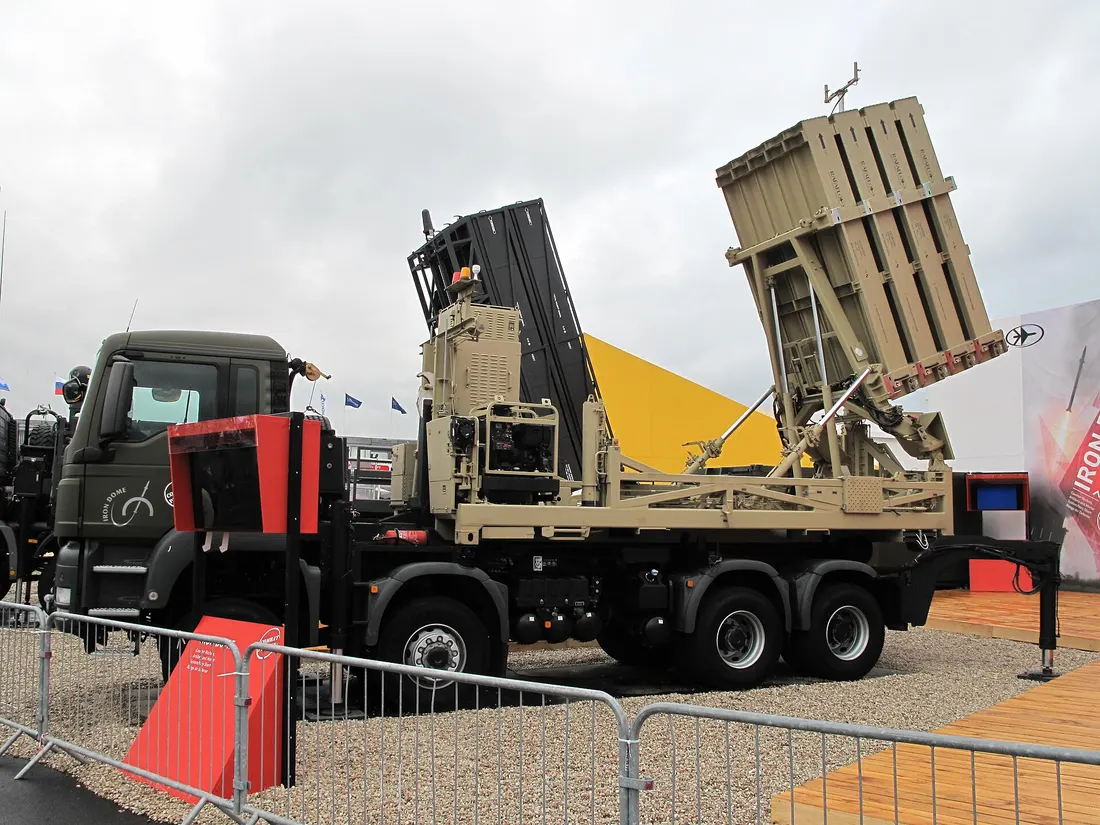
Iron Dome
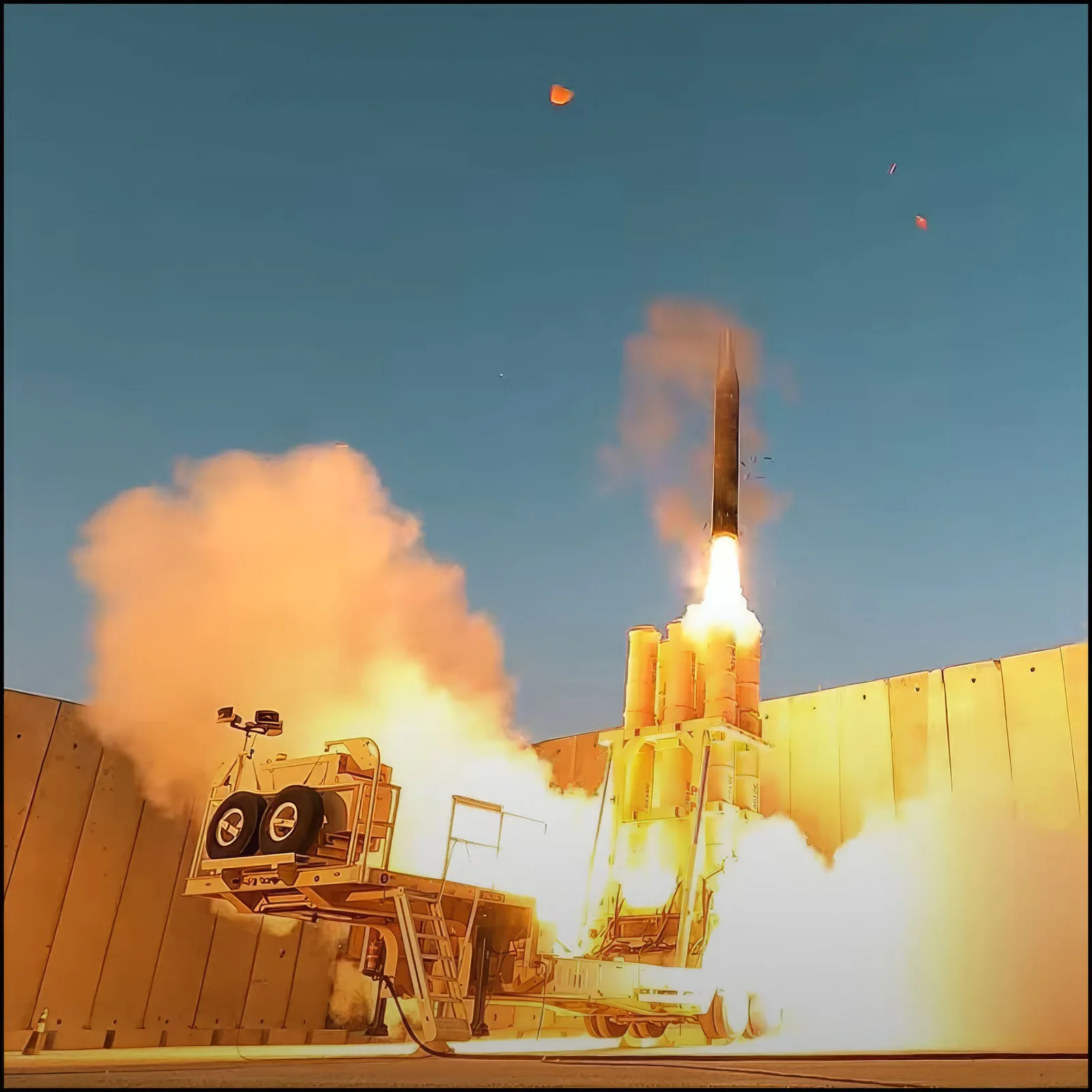
An Israeli short-range, all-weather air-defense system designed to intercept rockets, artillery shells, mortars and short-range UAVs. It has intercepted thousands of threats in combat, primarily protecting Israeli population centers.
In service since 2011 · 4 operator countries
Compiled from public sources ·primary reference ↗ ·last verified 2026-07-02
70
km range
10,000
m altitude
15
targets
100
km radar
💲 ≈ $50,000, Widely cited around $40,000 to $50,000 per Tamir interceptor for standard production. Actual costs vary considerably by batch and urgency, from about $39,000 to $46,000 for Israel's 2024 Block VI order down to a US-funded average of $47,800 in 2023, while emergency wartime surge production has reportedly spiked as high as $60,000 to $150,000 per round.
Procurement snapshot
Availability & export
Israeli export-licensed
Israeli MoD (DECA/SIBAT) licensing; active export programme.
Channel: Direct commercial / G2G
Fielded & proven
Established · 4 operators
In service since 2011. Status: active.
Lifecycle cost (est.)
$125K – $175K
Acquisition is only ~30% of lifecycle cost, operating & support dominate over ~25 yrs. Rough 2.5–3.5× the unit price. How we estimate this →
Interoperability
No standardised NATO calibre / datalink detected in public specs.
Derived guidance from public data, export regime by country of origin, lifecycle from the GAO ~30% acquisition rule. Verify eligibility, pricing and offsets with the manufacturer and your acquisition authority.
Overview
Iron Dome is the world's most combat-proven short-range air-defense system, built by Rafael to solve a very specific problem: cheap rockets fired in volume at populated areas. Each battery pairs an EL/M-2084 radar with launchers of 20 Tamir interceptors, and its fire-control computes, within seconds, whether an incoming rocket will hit anything that matters. Threats headed for empty ground are deliberately ignored; only those tracking toward people or infrastructure are engaged. That selectivity is the economic core of the system.
Since 2011 Iron Dome has flown thousands of interceptions with a claimed success rate around 90 percent, and its Tamir interceptor (roughly $50,000 per shot in commonly cited figures) remains far cheaper than any comparable Western point-defense missile.
The 2026 Iran war subjected the system to its hardest test yet: mass salvos of rockets and drones fired alongside ballistic missiles designed to saturate the lower defense layer while Arrow and David's Sling fought the upper tiers. Its performance under true saturation attack is now the central case study in every debate about cost-exchange in air defense.
Full specifications
Performance
Speed, range, altitude and engagement capability.
| Max speed (Mach) Maximum speed as a multiple of the speed of sound. Mach 2+ is typical for air-superiority fighters. | 2.2 Mach |
|---|---|
| Engagement range Maximum distance at which an air-defense system can intercept targets. Higher covers more airspace. | 70 km |
| Engagement altitude Maximum target altitude the system can reach. | 10,000 m |
| Simultaneous targets Number of targets the system can engage at once. Higher resists saturation attacks. | 15 |
Firepower
Armament, payload and guidance.
| Main armament Primary weapon: main gun, cannon or missile type. | Tamir interceptor missile |
|---|---|
| Warhead Warhead mass. Heavier generally means larger effect radius, at the cost of range. | 11 kg |
| Warhead type Blast-fragmentation, shaped charge (HEAT), penetrator, thermobaric or nuclear-capable. | Fragmentation |
| Guidance How the weapon finds its target: inertial, GPS/GLONASS, active/semi-active radar, infrared, laser, TV, wire. | Active radar homing, Electro-optical |
Sensors & avionics
Radar, sensor suite and datalinks.
| Radar Primary radar. AESA (active electronically scanned array) is the current state of the art. | ELM-2084 multi-mission radar |
|---|---|
| Radar range Published detection range against a typical fighter-sized target. Higher sees first. | 100 km |
| Datalink Network connectivity: Link 16, MADL, national datalinks. Enables cooperative engagement. | Battle management and weapon control network |
Program
Cost, production scale and operators.
| Unit cost Approximate flyaway/unit cost where public. Defense pricing varies hugely by contract, offsets and configuration. Lower is cheaper. | $50,000 |
|---|---|
| Operator countries Number of countries operating the system. More operators means broader support ecosystem. | 4 |
Specifications compiled from public Rafael Advanced Defense Systems and reference sources ↗. Published defense figures are approximations, treat comparisons as directional. Last verified 2026-07-02.
Compare with rivals
See how it stacks up
 Rheinmetall Skyranger 30
  KBP Instrument Design Bureau Pantsir-S1
  Raytheon (RTX) Phalanx CIWS (Mk 15)
 Head-to-head comparisons
Iron Dome vs
 NASAMS
  SAMP/T (Aster 30)
  HQ-9
HQ-9 Frequently asked questions
What is the engagement range of the Rafael Advanced Defense Systems Iron Dome? +
The Rafael Advanced Defense Systems Iron Dome has a maximum engagement range of 70 km.
What is the main armament of the Rafael Advanced Defense Systems Iron Dome? +
The Rafael Advanced Defense Systems Iron Dome's primary weapon is the Tamir interceptor missile.
What is the Rafael Advanced Defense Systems Iron Dome used for? +
The Rafael Advanced Defense Systems Iron Dome is a air defense system typically used for air defense.
How many countries operate the Rafael Advanced Defense Systems Iron Dome? +
The Rafael Advanced Defense Systems Iron Dome is operated by 4 countries.
How much does the Rafael Advanced Defense Systems Iron Dome cost? +
The Rafael Advanced Defense Systems Iron Dome has an approximate unit cost of 50,000 USD. Defense pricing varies by contract, offsets and configuration, treat this as directional.
Similar systems
Rafael Advanced Defense Systems
SPYDER
Rafael Advanced Defense Systems
Drone Dome
Israel Aerospace Industries
Arrow 3
Israel Aerospace Industries
Barak 8
Related coverage
Iron Dome in the news
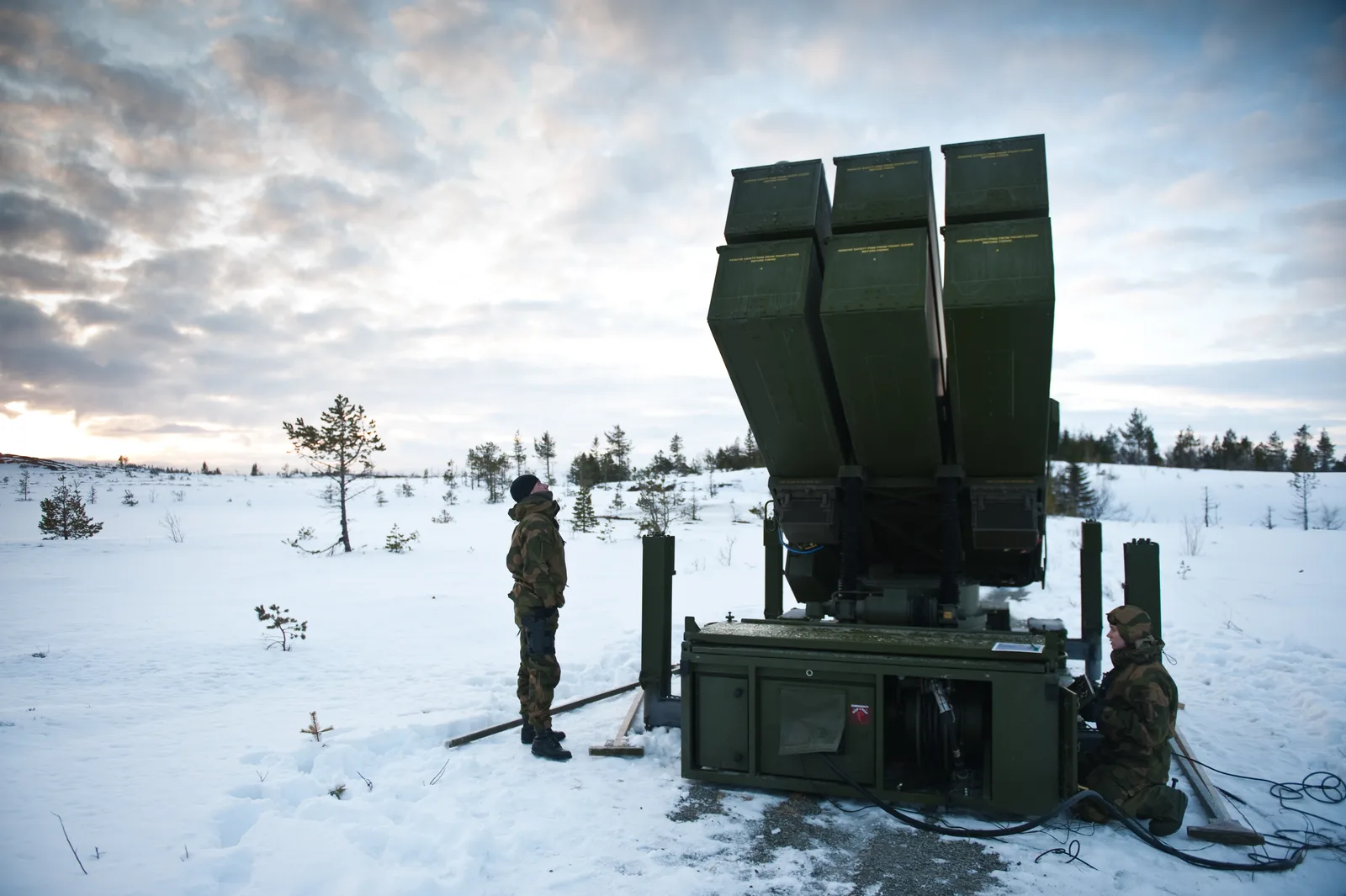 Article
 guide · Aug 4, 2026
What 'Simultaneous Targets' Means on a SAM Spec Sheet
NASAMS claims 72 simultaneous targets, twice the S-400's 36, despite a 16th of its range. Across 41 systems, the number tracks radar architecture, not range.
comparison · Jul 26, 2026
What 'Range' Means on an Air-Defense Spec Sheet
Across 68 air-defense systems in our database, published range spans 3 km to 3,000 km, a 1,000x gap that is three missions, not one spec race.
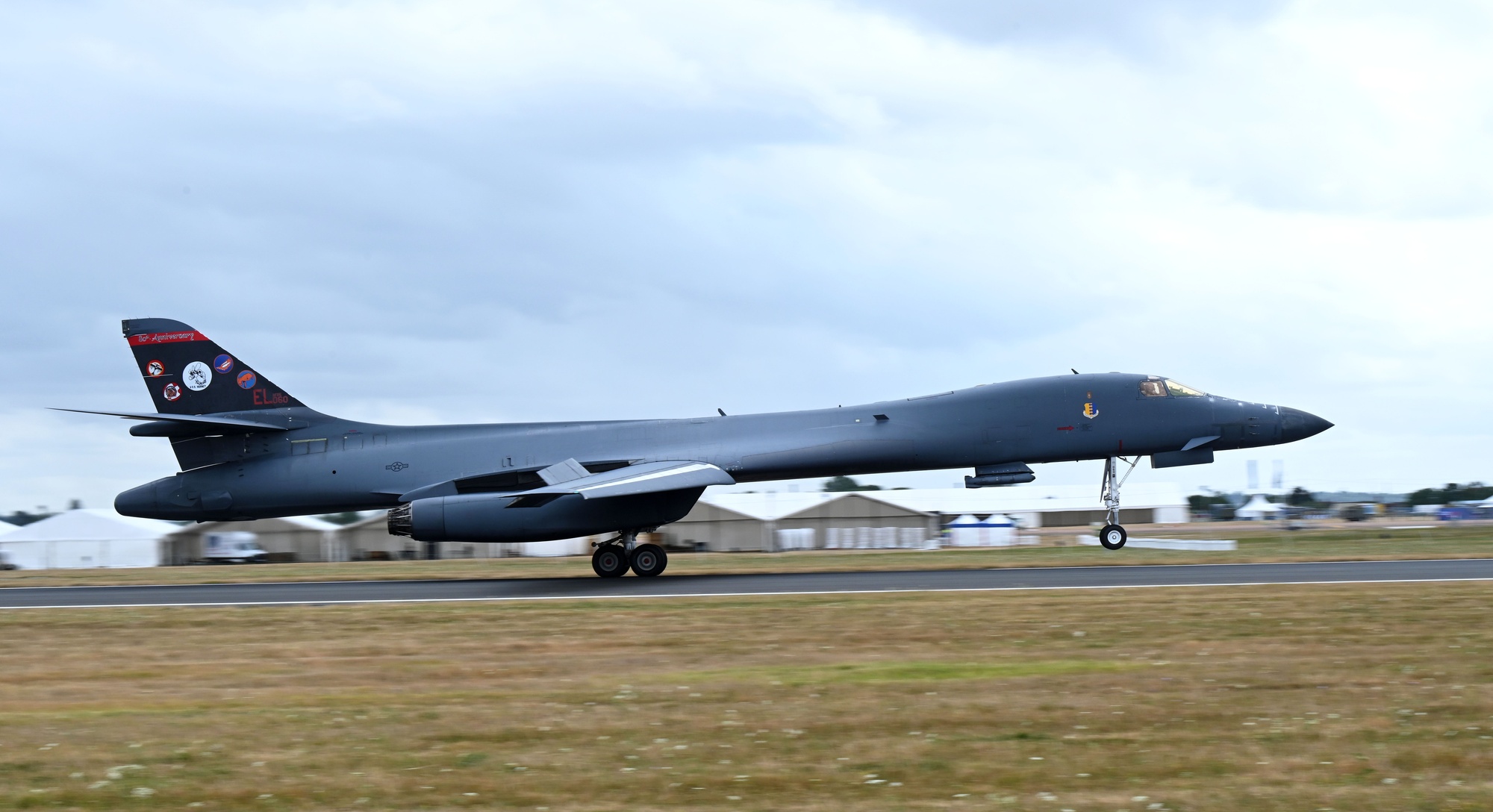 News
News digest · Jul 25, 2026
Interceptor Economics Went From Theory to Policy This Week
From Iron Beam's few-dollar laser shots to Tomahawk-starved B-1B strikes on Iran, this week's defense news turned interceptor math into policy.
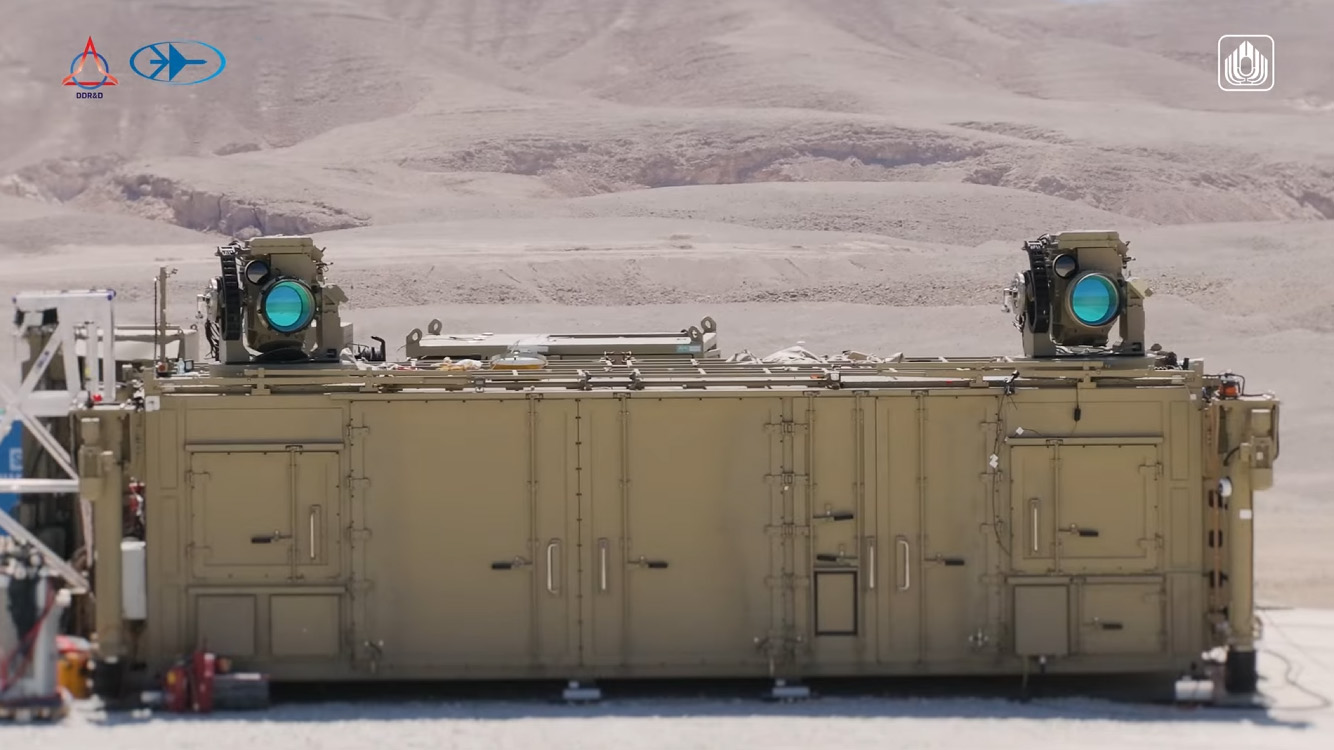 News
News technology · Jul 21, 2026
Rafael's Iron Beam laser reaches operational status with the IDF
Israel's Iron Beam became the world's first high-energy laser to reach full operational status when Rafael transferred the first unit to the IDF on December 28, 2025; Rafael showcased it at Farnborough this week.
 Article
 industry · Jul 14, 2026
Why Air-Defense Cost Figures Don't Compare
Only 12 of 70 air-defense systems in the database publish a cost, and those figures price different things: single rounds vs whole batteries.
 Article
 comparison · Jul 5, 2026
Iron Dome vs David's Sling vs Arrow 3: Israel's Layers
Israel's layered air defense spans three tiers: Iron Dome at 70 km, David's Sling at 300 km, and Arrow 3 at 2,400 km for exo-atmospheric intercepts.
 News
News digest · Apr 1, 2026
March 2026 in defense: Iran war escalates, NATO hits 2% for all 32
Iran's largest missile-drone barrage of the war, a $20B Anduril counter-drone vehicle, Golden Dome's $185B baseline, and NATO's full-alliance 2% milestone define a month of escalation and spending.