Systems for anti-ship & coastal defense
Anti-ship and coastal-defense systems exist to hold surface vessels and submarines at risk near contested coastlines. The specs that matter are engagement range (how far offshore a threat can be held), seeker and guidance type (finding and hitting a moving ship or submerged target), and warhead mass (defeating hull and compartmentalized damage control). A short-range system with excellent guidance still cedes the approach; range sets the outer edge of what the system can actually threaten.
44 matching systems in our database.
What matters for anti-ship & coastal defense
- ●Range: how far offshore the system can engage, which sets the size of the denied coastal or open-water zone.
- ●Max speed (Mach): supersonic and hypersonic anti-ship missiles shrink a ship's reaction and intercept window.
- ●Warhead mass: penetration and damage effect against a hull, superstructure or submarine pressure hull.
- ●Guidance: active radar, infrared or wake-homing seekers for anti-ship; sonar and acoustic homing for anti-submarine weapons.
Anti-Ship & Coastal Defense systems in our database
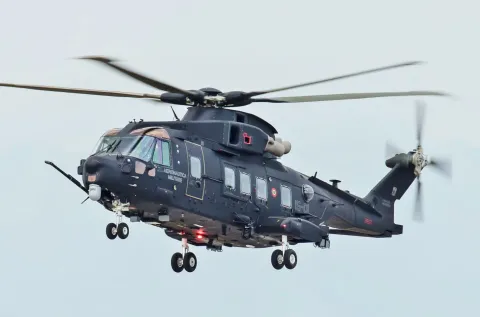
Leonardo
AW101 Merlin
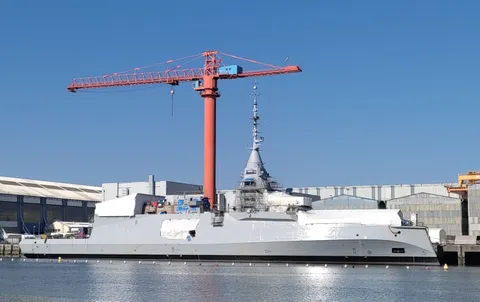
Naval Group
Amiral Ronarc'h-class Frigate (FDI)
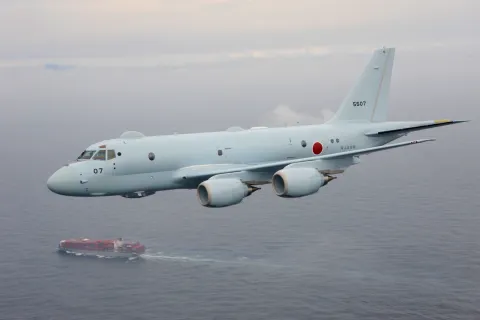
Kawasaki Heavy Industries
Kawasaki P-1
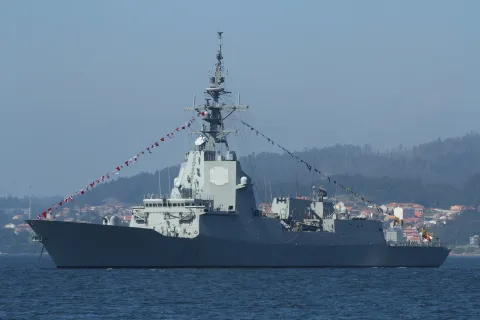
Navantia
Alvaro de Bazan class (F100)
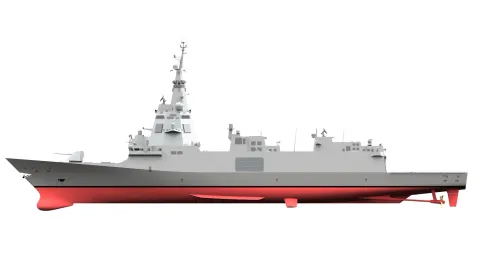
Navantia
Bonifaz class (F110)
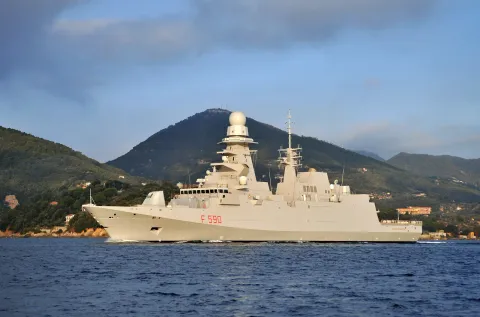
Fincantieri
Bergamini class (FREMM)
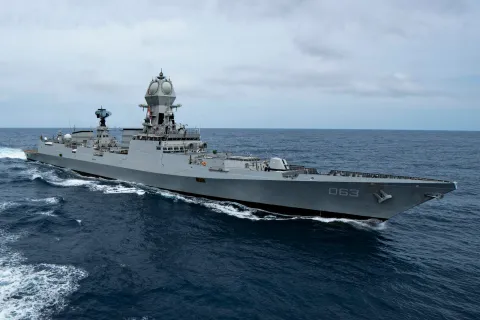
Mazagon Dock Shipbuilders Limited
Kolkata class
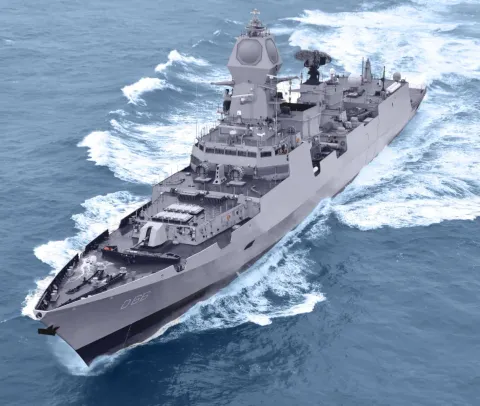
Mazagon Dock Shipbuilders Limited
Visakhapatnam class
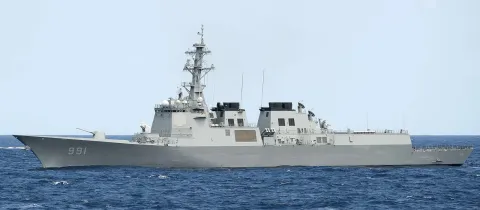
HD Hyundai Heavy Industries
Sejong the Great-class destroyer
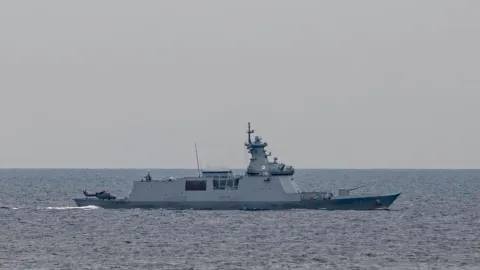
Hanwha Ocean (formerly Daewoo Shipbuilding & Marine Engineering)
Daegu-class frigate
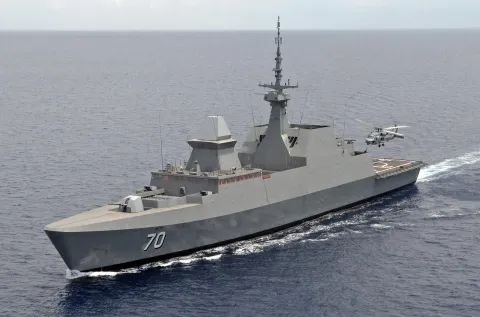
ST Engineering Land Systems
Formidable-class
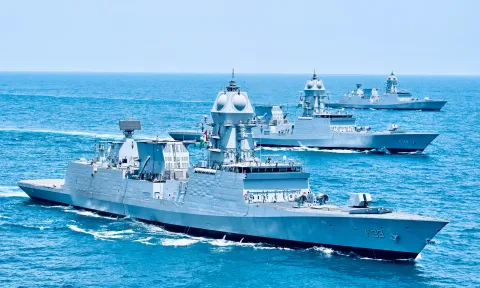
Mazagon Dock Shipbuilders Limited
Nilgiri class
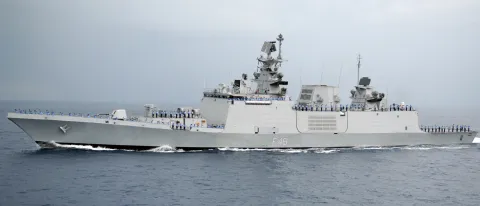
Mazagon Dock Shipbuilders Limited
Shivalik class
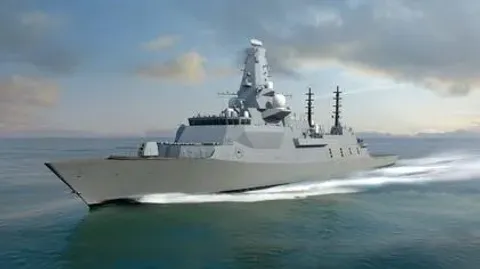
BAE Systems Australia
Hunter-class
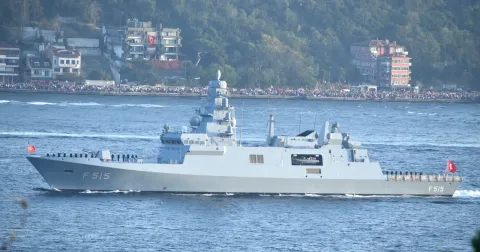
STM (Savunma Teknolojileri Mühendislik)
Istif-class
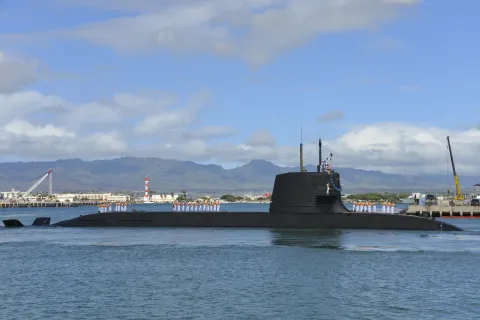
Mitsubishi Heavy Industries
Soryu-class
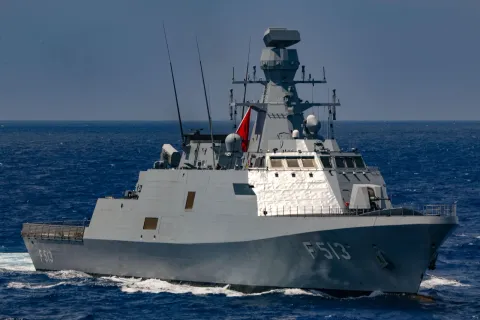
STM (Savunma Teknolojileri Mühendislik)
Ada-class
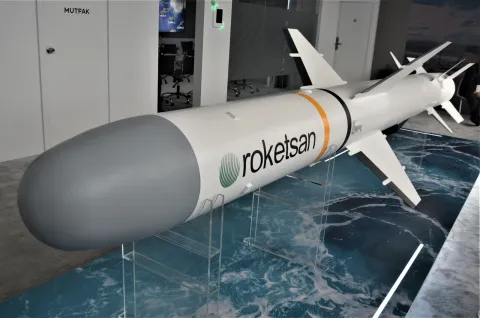
Roketsan
Atmaca
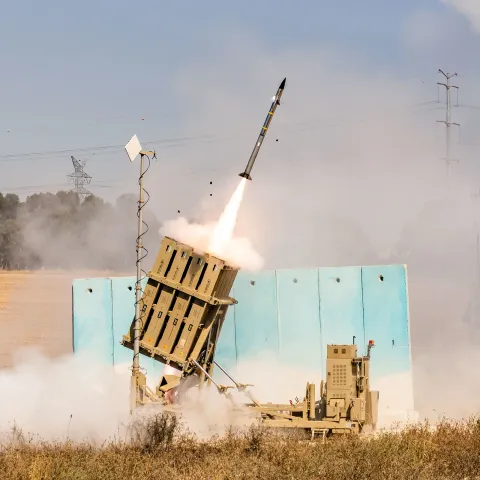
Rafael Advanced Defense Systems
C-Dome
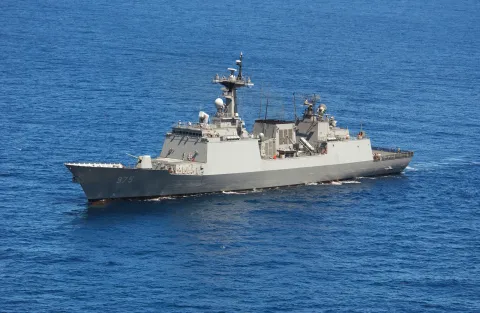
HD Hyundai Heavy Industries
Chungmugong Yi Sun-sin-class destroyer
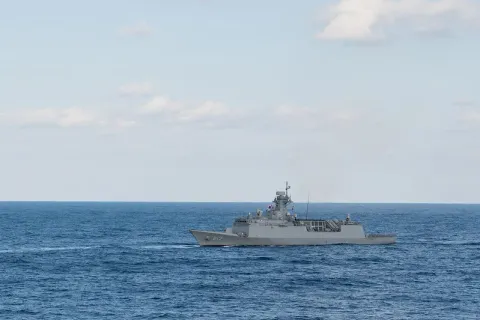
HD Hyundai Heavy Industries
Incheon-class Frigate
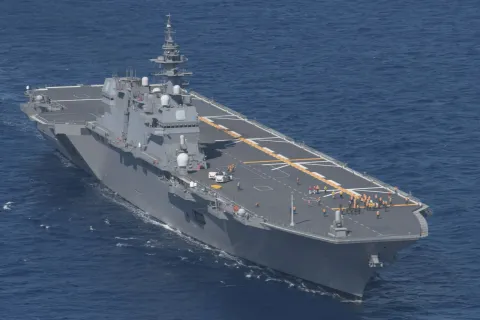
Japan Marine United Corporation (JMU)
Izumo-class
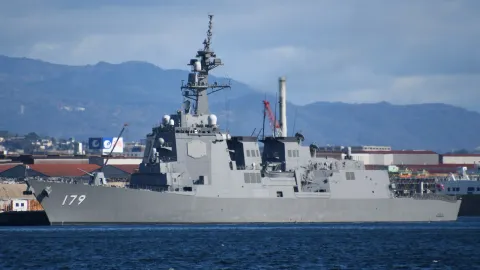
Japan Marine United Corporation (JMU)
Maya-class
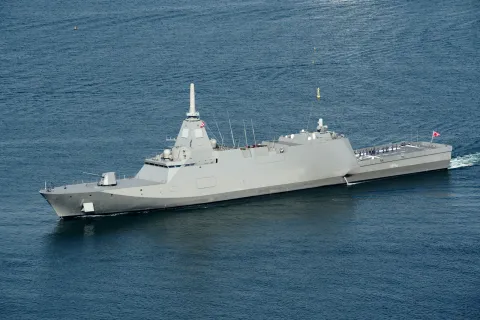
Mitsubishi Heavy Industries
Mogami-class
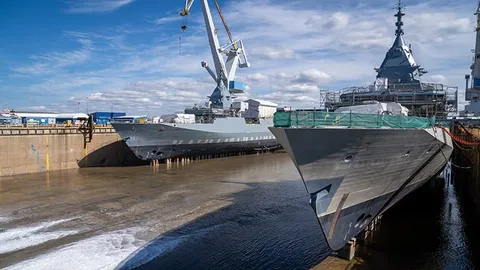
Rauma Marine Constructions
Pohjanmaa-class (Squadron 2020)
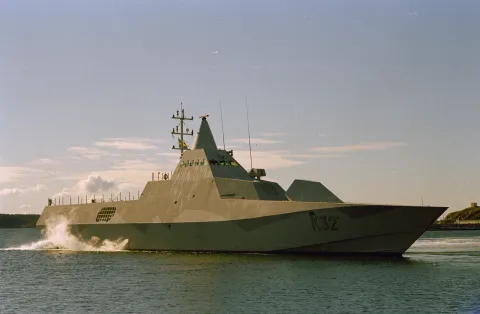
Saab AB
Visby-class
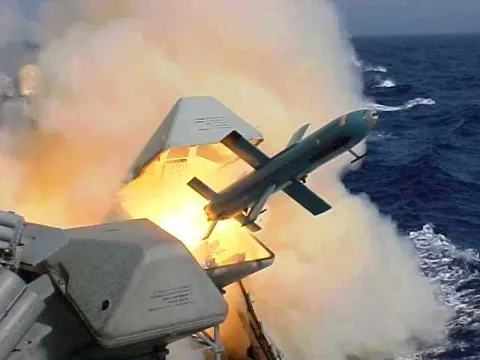
Israel Aerospace Industries
Gabriel
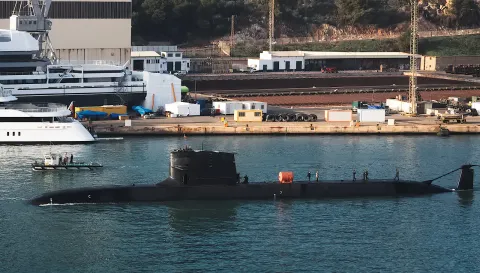
Navantia
S-80 Plus
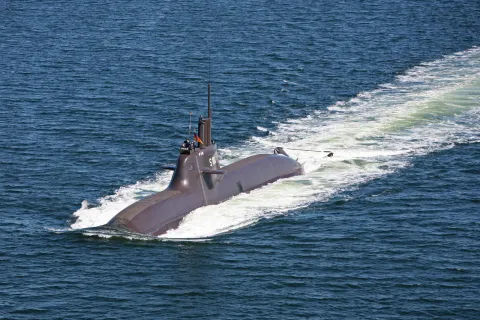
Fincantieri
Salvatore Todaro class (U212A)
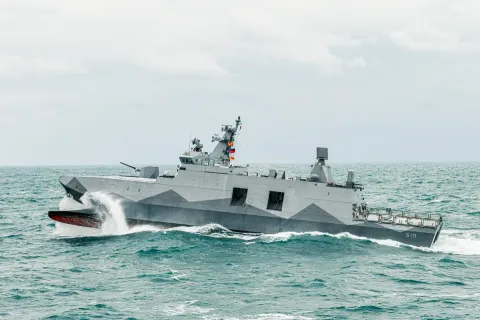
National Chung-Shan Institute of Science and Technology
Tuo Chiang-class
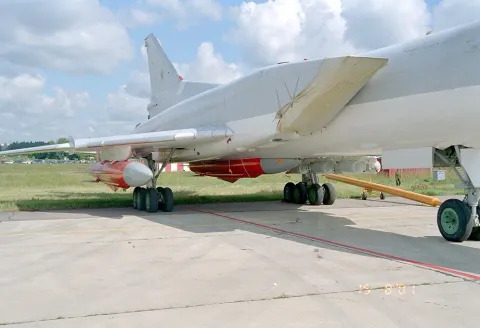
Tactical Missiles Corporation (KTRV)
Kh-22
Tactical Missiles Corporation (KTRV)
Kh-32
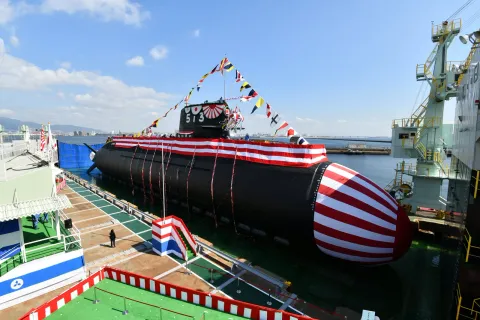
Kawasaki Heavy Industries
Taigei-class
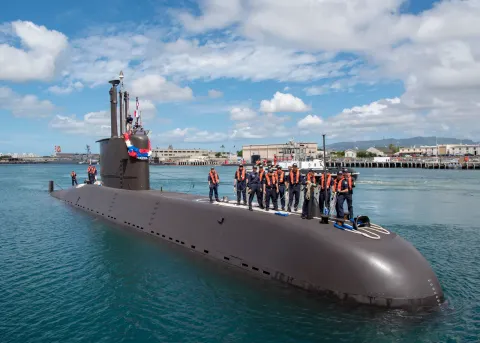
Hanwha Ocean (formerly Daewoo Shipbuilding & Marine Engineering)
Chang Bogo-class submarine
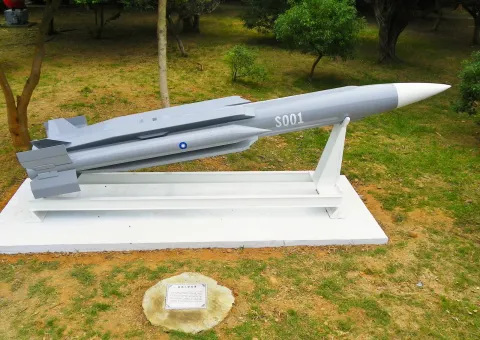
National Chung-Shan Institute of Science and Technology
Hsiung Feng III
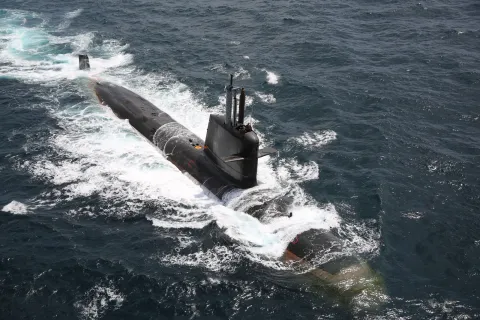
Mazagon Dock Shipbuilders Limited
Kalvari class
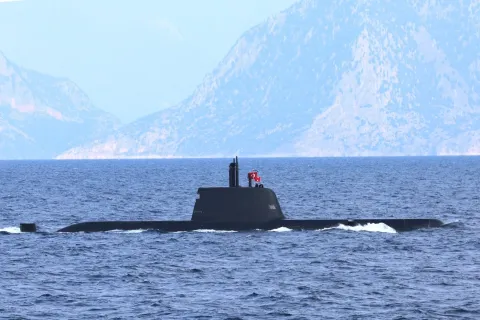
STM (Savunma Teknolojileri Mühendislik)
Reis-class
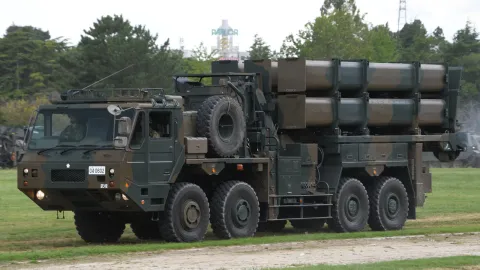
Mitsubishi Heavy Industries
Type 12 SSM
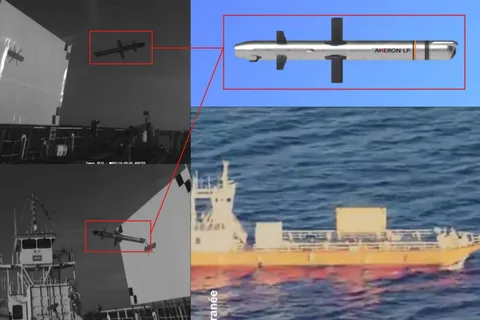
MBDA
Akeron LP
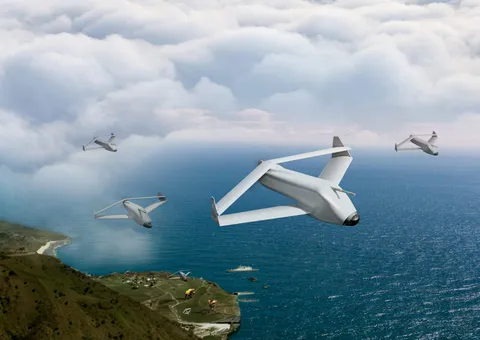
MBDA
Diamond Shaped
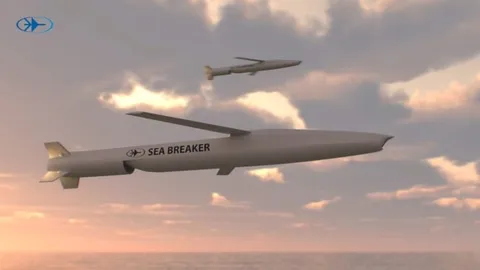
Rafael Advanced Defense Systems
Sea Breaker
China Aerospace Science and Technology Corporation (CASC)
YJ-21
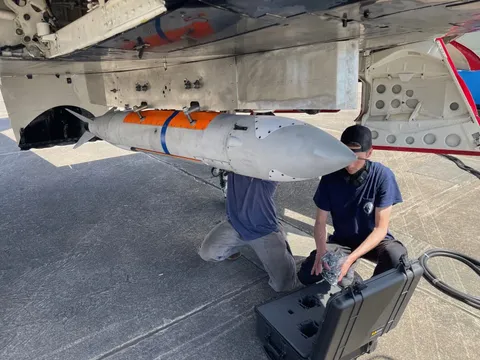
CoAspire
RAACM
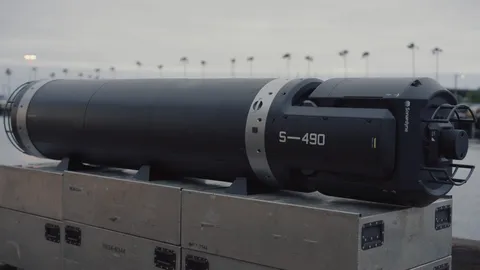
Anduril Industries
Seabed Sentry
Frequently asked questions
- What makes an anti-ship missile hard to defend against?
- Speed and terminal maneuvering combined with a low-altitude sea-skimming flight profile, which compresses the time a ship's defenses have to detect, track and intercept it before impact.
- How is anti-submarine warfare different from anti-ship engagement?
- Anti-submarine warfare relies on sonar and acoustic-homing guidance to find and engage a submerged, often quiet target, while anti-ship engagement typically uses radar or infrared seekers against a surface contact with a much larger detectable signature.