Documents
 Japan
Japan Japan Marine United Corporation (JMU)
Maya-class
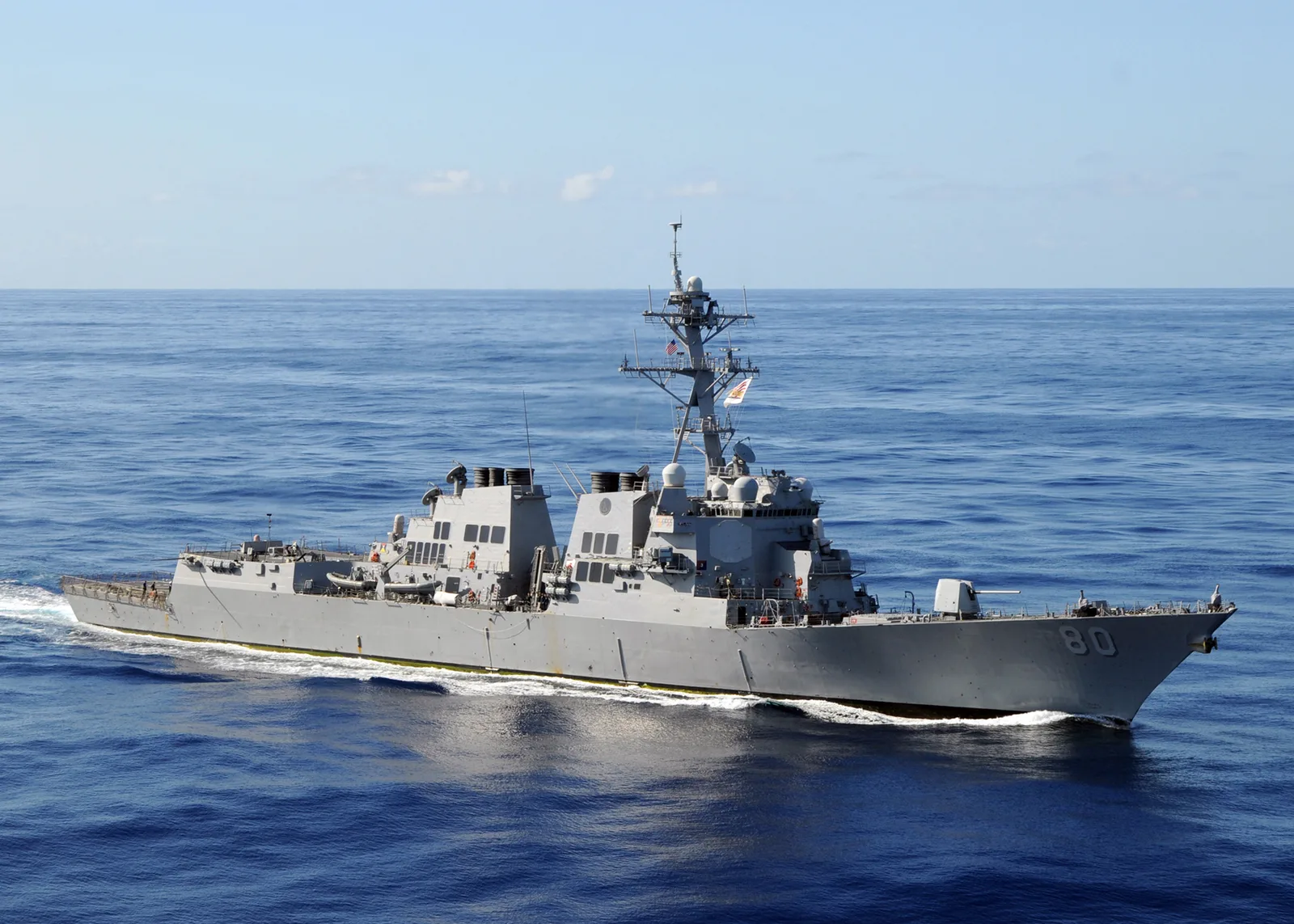
Aegis-equipped guided-missile destroyer class built for the Japan Maritime Self-Defense Force, an evolution of the Atago-class with cooperative engagement capability and ballistic-missile-defense-focused systems. Two ships, JS Maya and JS Haguro, entered service to bolster Japan's layered missile defense network.
In service since 2020 · 1 operator countries
Compiled from public sources ·primary reference ↗ ·last verified 2026-07-02
8,200
t
30
kn
96
VLS
300
crew
Procurement snapshot
Availability & export
National export licensing
Subject to Japan export-control approval; verify eligibility with the manufacturer.
Channel: Direct commercial / G2G
Fielded & proven
Limited · 1 operator
In service since 2020. Status: active · ~2 built.
Lifecycle cost (est.)
No public unit price to model from. Why so few systems publish one →
Interoperability
Derived guidance from public data, export regime by country of origin, lifecycle from the GAO ~30% acquisition rule. Verify eligibility, pricing and offsets with the manufacturer and your acquisition authority.
Compatible munitions & weapons
Publicly reported weapons the Maya-class can carry. Linked items have a full spec page.


Full specifications
Firepower
Armament, payload and guidance.
| Main armament Primary weapon: main gun, cannon or missile type. | 127 mm Mk 45 naval gun |
|---|---|
| VLS cells Vertical-launch missile cells on a warship, a proxy for magazine depth. Higher means more missiles before rearming. | 96 |
| Torpedo tubes Number of torpedo tubes (submarines and some surface ships). | 6 |
Physical
Dimensions, weight and crew.
| Length Overall length including gun/probe where applicable. | 170 m |
|---|
Sensors & avionics
Radar, sensor suite and datalinks.
| Radar Primary radar. AESA (active electronically scanned array) is the current state of the art. | AN/SPY-1D(V) Aegis multi-function radar |
|---|
Program
Cost, production scale and operators.
| Units built Total production run. Higher means proven manufacturing, mature logistics and spares availability. | 2 |
|---|---|
| Operator countries Number of countries operating the system. More operators means broader support ecosystem. | 1 |
Specifications compiled from public Japan Marine United Corporation (JMU) and reference sources ↗. Published defense figures are approximations, treat comparisons as directional. Last verified 2026-07-02.
Compare with rivals
See how it stacks up
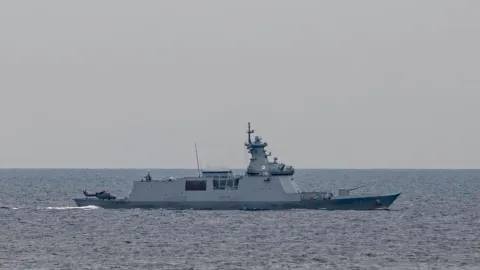
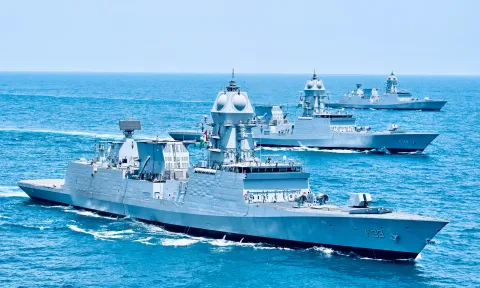
 Naval Group Amiral Ronarc'h-class Frigate (FDI)
  Navantia Alvaro de Bazan class (F100)
 Head-to-head comparisons
Maya-class vs
 Type 055
  Sachsen-class
  Type 45 Daring
  Kirov-class
 Frequently asked questions
What is the main armament of the Japan Marine United Corporation (JMU) Maya-class? +
The Japan Marine United Corporation (JMU) Maya-class's primary weapon is the 127 mm Mk 45 naval gun.
What is the Japan Marine United Corporation (JMU) Maya-class used for? +
The Japan Marine United Corporation (JMU) Maya-class is a warship typically used for air defense, anti ship.
How many countries operate the Japan Marine United Corporation (JMU) Maya-class? +
The Japan Marine United Corporation (JMU) Maya-class is operated by 1 countries.
Similar systems
Related coverage
Maya-class in the news
 News
News procurement · Aug 8, 2026
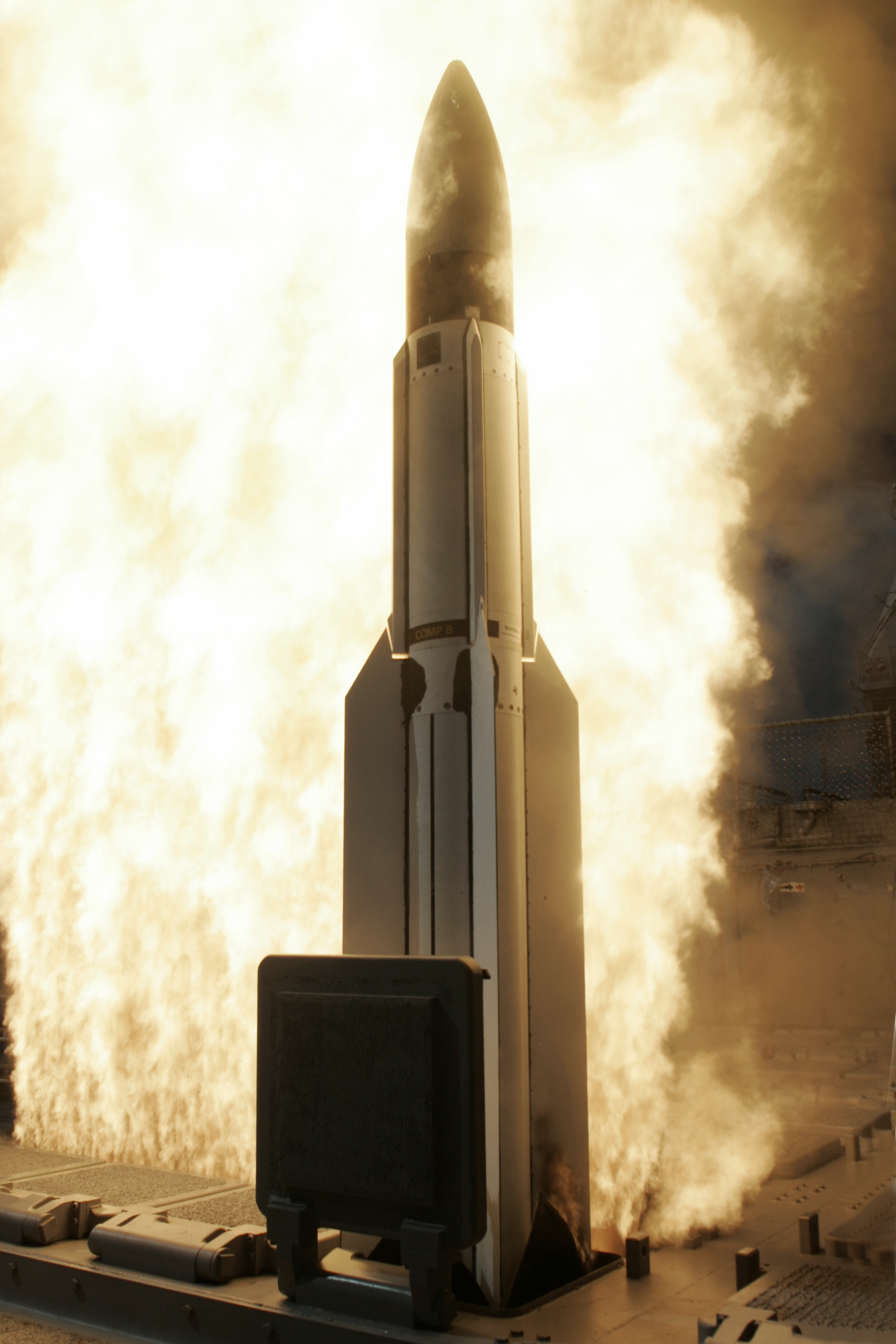
RTX Wins $745M Deal to Extend SM-3 Block IIA Line
A US-Japan contract worth up to $745.4 million keeps Raytheon's priciest interceptor, the SM-3 Block IIA, in production through February 2031.
 News
News technology · Aug 3, 2026
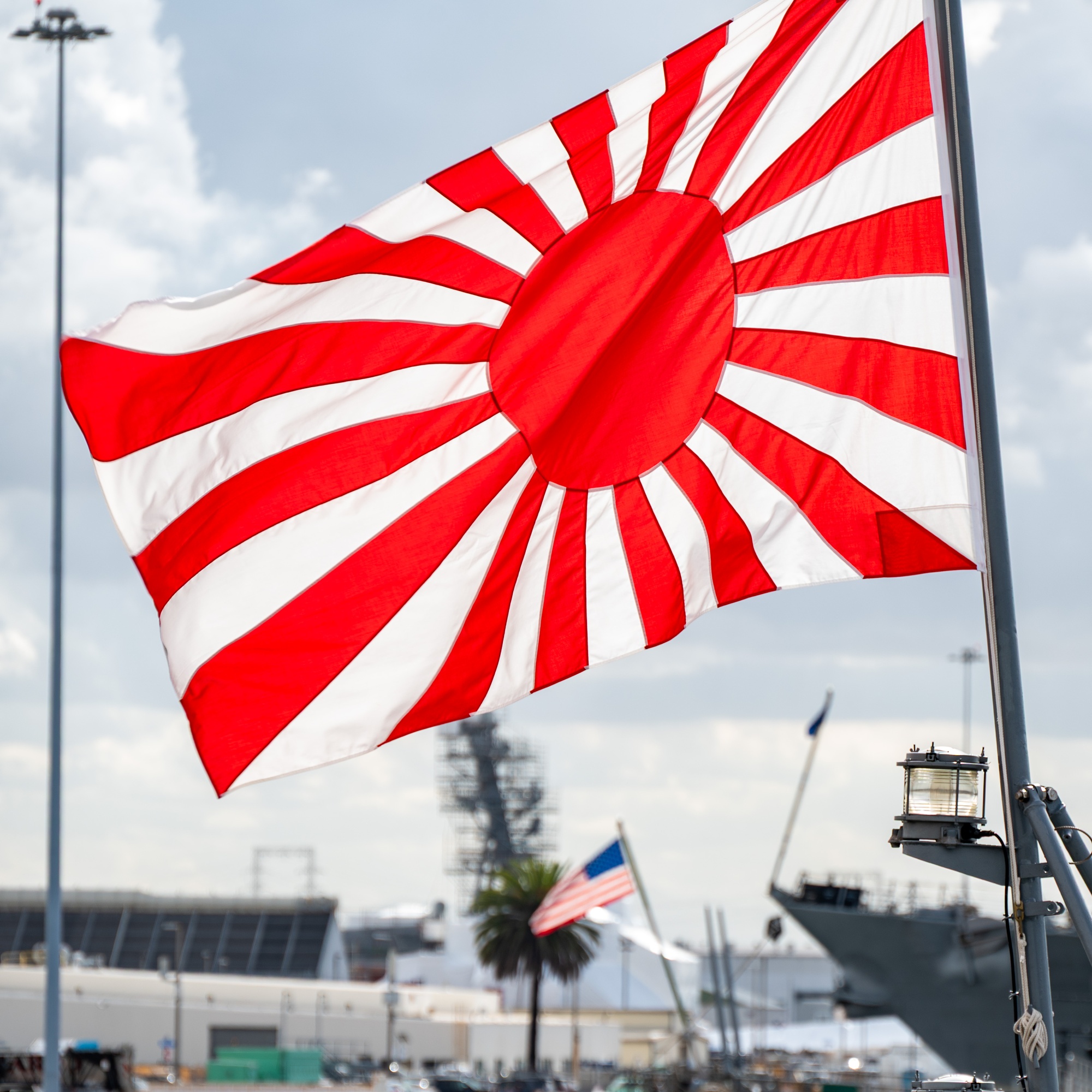
Japan Fires First Live Tomahawk From Destroyer JS Chokai
Japan test-fired a Tomahawk from JS Chokai on July 28, becoming the third nation to launch one from a surface ship in a $1B, 400-missile buildup.
 Article
 guide · Jul 13, 2026
The 10 Best Destroyers of 2026, Ranked
A 10-to-1 countdown of the best destroyers of 2026, ranked on real combat record, air defense, weapons and sustainment, not brochure numbers.