Documents
 United States
 Raytheon (RTX)
SM-3 Block IIA
Exo-atmospheric hit-to-kill interceptor developed jointly with Japan for Aegis Ballistic Missile Defense, designed to destroy medium- and intermediate-range ballistic missiles in space using kinetic warhead impact.
In service since 2018 · 2 operator countries
Compiled from public sources ·primary reference ↗ ·last verified 2026-07-02
2,500
km range
13.5
Mach
💲 ≈ $28,000,000, SM-3 Block IIA interceptors cost about $27.9 million each based on 2025 reporting derived from Missile Defense Agency procurement data, making it the most expensive interceptor in the SM-3 family, well above the roughly $10 to 15 million Block IB variant.
Procurement snapshot
Availability & export
US ITAR-controlled
Export needs U.S. State Dept (DDTC) approval; end-use & re-transfer restrictions apply.
Channel: Foreign Military Sales (FMS) or Direct Commercial Sale
Fielded & proven
Limited · 2 operators
In service since 2018. Status: active · ~250 built.
Lifecycle cost (est.)
Unit cost known; one-shot / small-arms class has no meaningful O&S tail to model.
Interoperability
No standardised NATO calibre / datalink detected in public specs.
Derived guidance from public data, export regime by country of origin, lifecycle from the GAO ~30% acquisition rule. Verify eligibility, pricing and offsets with the manufacturer and your acquisition authority.
Full specifications
Performance
Speed, range, altitude and engagement capability.
| Max speed (Mach) Maximum speed as a multiple of the speed of sound. Mach 2+ is typical for air-superiority fighters. | 13.5 Mach |
|---|---|
| Range Maximum distance: ferry range for aircraft, operational range for vehicles, maximum engagement distance for missiles. Higher means more standoff or persistence. | 2,500 km |
Firepower
Armament, payload and guidance.
| Warhead type Blast-fragmentation, shaped charge (HEAT), penetrator, thermobaric or nuclear-capable. | Kinetic warhead (hit-to-kill) |
|---|---|
| Guidance How the weapon finds its target: inertial, GPS/GLONASS, active/semi-active radar, infrared, laser, TV, wire. | Infrared homing seeker |
Physical
Dimensions, weight and crew.
| Length Overall length including gun/probe where applicable. | 6.55 m |
|---|---|
| Combat weight Fully loaded weight. Lighter eases transport and bridging limits; heavier often means more armor. | 1,500 kg |
Propulsion
Engine, power and fuel.
| Propulsion type Turbofan, turboshaft, diesel, gas turbine, solid-fuel rocket, ramjet… | Three-stage solid-fuel rocket |
|---|
Program
Cost, production scale and operators.
| Unit cost Approximate flyaway/unit cost where public. Defense pricing varies hugely by contract, offsets and configuration. Lower is cheaper. | $28,000,000 |
|---|---|
| Units built Total production run. Higher means proven manufacturing, mature logistics and spares availability. | 250 |
| Operator countries Number of countries operating the system. More operators means broader support ecosystem. | 2 |
Specifications compiled from public Raytheon (RTX) and reference sources ↗. Published defense figures are approximations, treat comparisons as directional. Last verified 2026-07-02.
Compare with rivals
See how it stacks up
Head-to-head comparisons
SM-3 Block IIA vs
Frequently asked questions
What is the range of the Raytheon (RTX) SM-3 Block IIA? +
The Raytheon (RTX) SM-3 Block IIA has a maximum range of 2,500 km.
How much does the Raytheon (RTX) SM-3 Block IIA weigh? +
The Raytheon (RTX) SM-3 Block IIA has a combat weight of 1,500 kg.
What is the Raytheon (RTX) SM-3 Block IIA used for? +
The Raytheon (RTX) SM-3 Block IIA is a missile typically used for air defense.
How many countries operate the Raytheon (RTX) SM-3 Block IIA? +
The Raytheon (RTX) SM-3 Block IIA is operated by 2 countries.
How much does the Raytheon (RTX) SM-3 Block IIA cost? +
The Raytheon (RTX) SM-3 Block IIA has an approximate unit cost of 28,000,000 USD. Defense pricing varies by contract, offsets and configuration, treat this as directional.
Similar systems
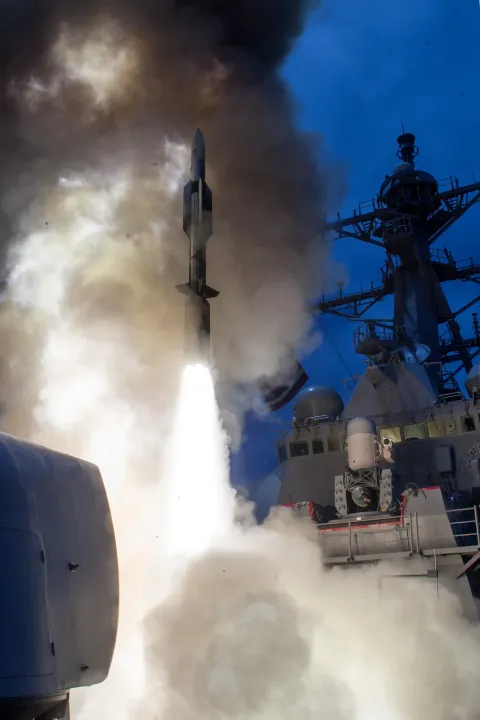
Raytheon (RTX)
SM-6
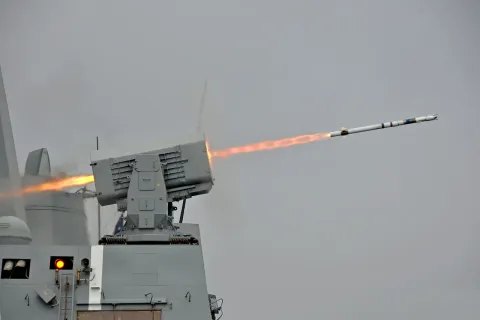
Raytheon (RTX)
RIM-116 RAM
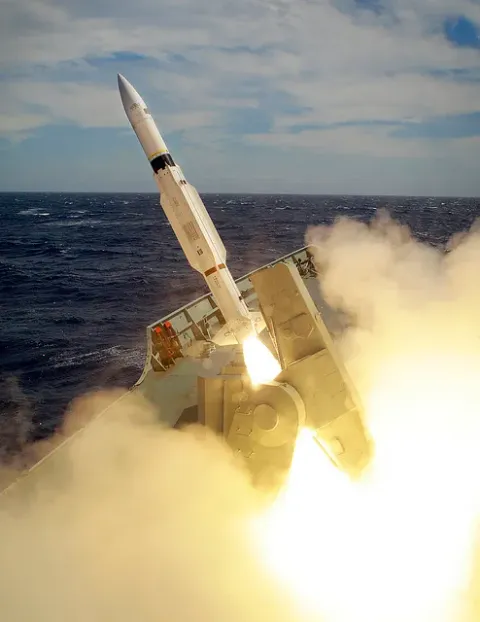
Raytheon (RTX)
SM-2 (Standard Missile-2)

MBDA
Sea Viper (Aster 30)
Related coverage
SM-3 Block IIA in the news
 News
News digest · Aug 15, 2026
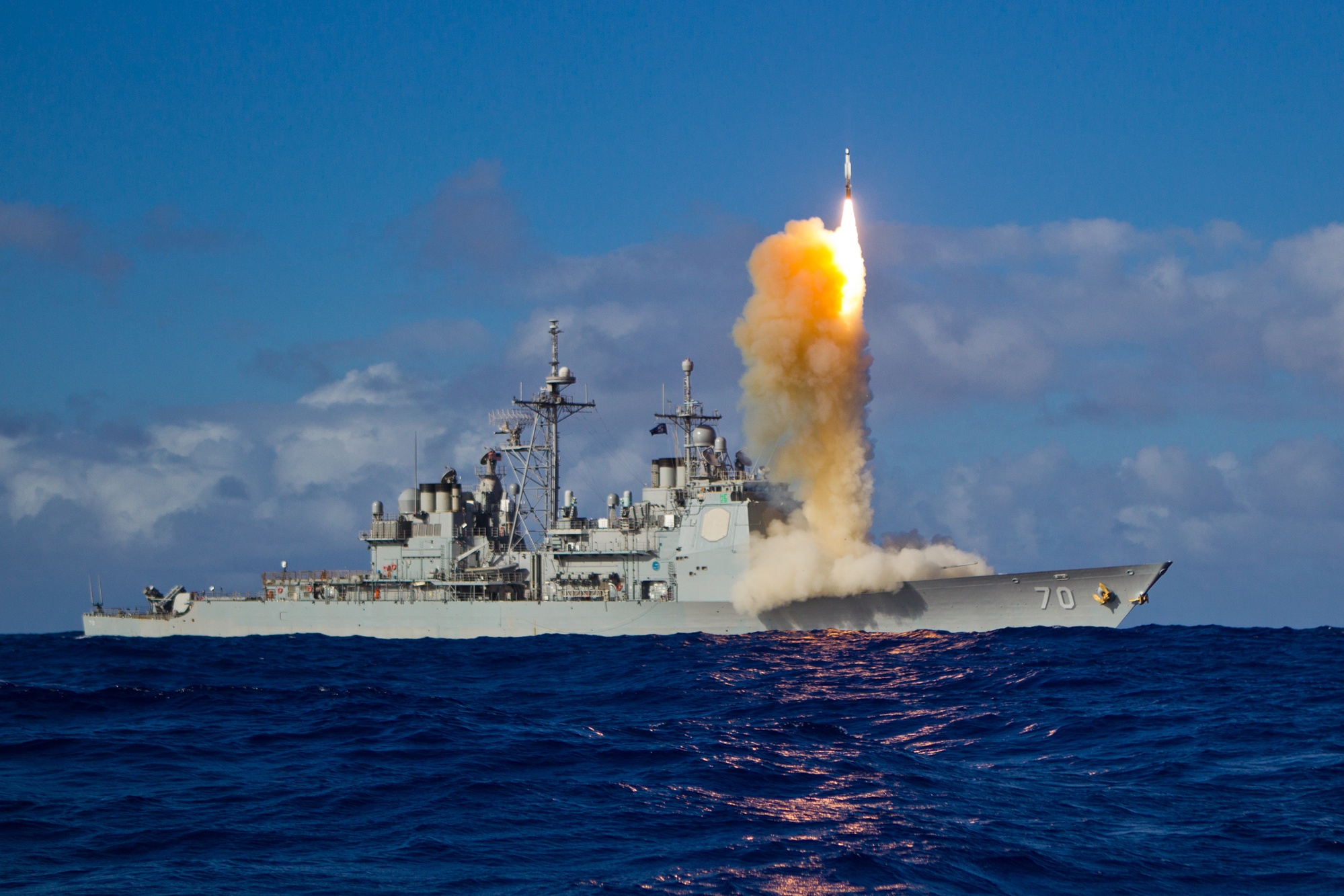
The Interceptor Math Breaks: Inside a Week of Defense Shortfalls
Zelensky says Ukraine receives 1% of the Patriot interceptors it needs, and every fix on the table this week, from lasers to new motors, is years away.
 News
News procurement · Aug 15, 2026
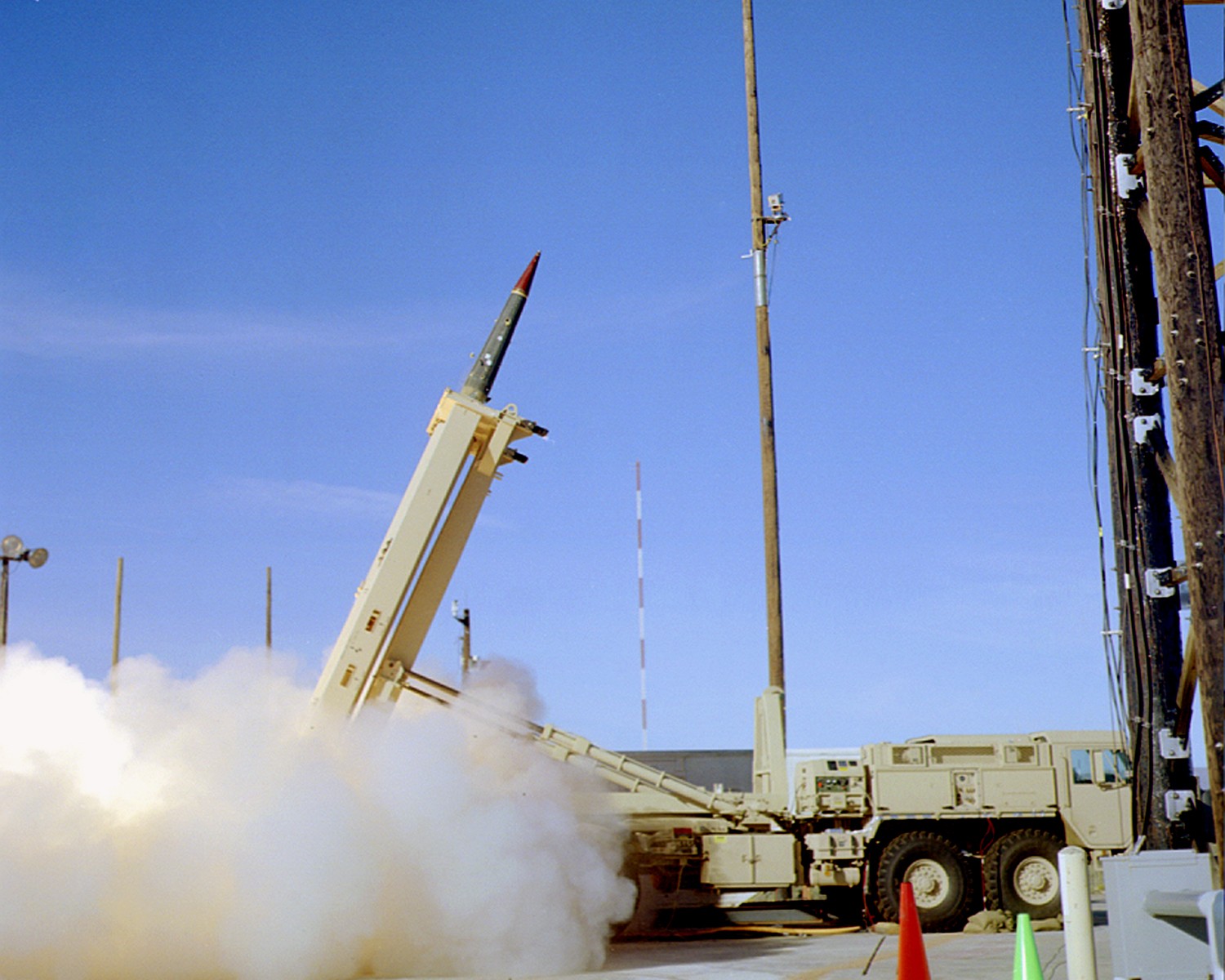
Pentagon Locks In 7-Year Deals to Ramp Up SM-3 Interceptors
Boeing and RTX sign seven-year framework agreements to boost SM-3 Block IB/IIA hardware output as the Pentagon races to rebuild interceptor stocks.
 Article
 industry · Aug 12, 2026
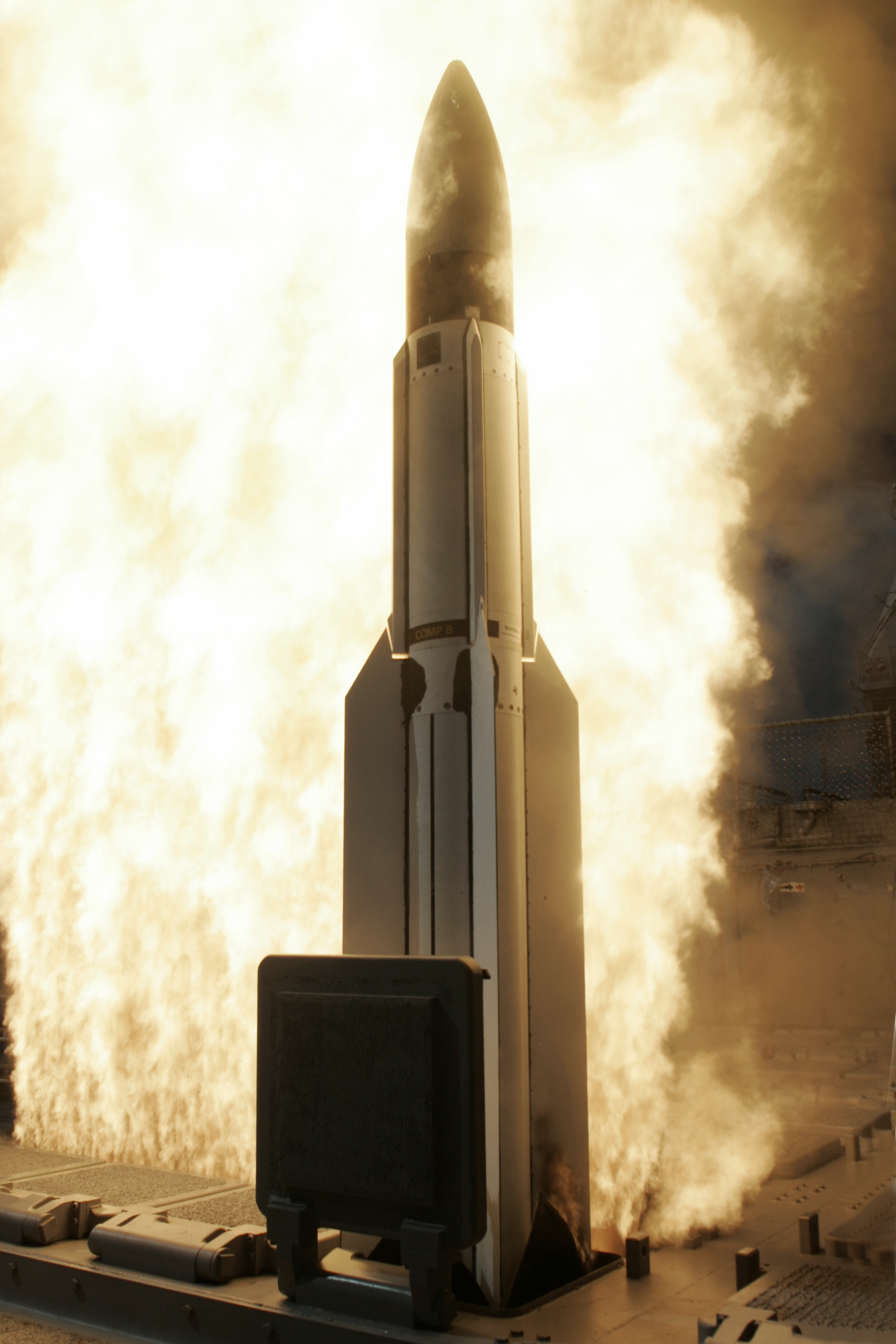
Patriot Stocks Fell 65%, Rebuild Takes 42 Months
CSIS estimates Patriot interceptor stocks fell 65% during the Iran war. The Army's new $58.6B contract still takes 42 months to deliver one.
 News
News procurement · Aug 8, 2026
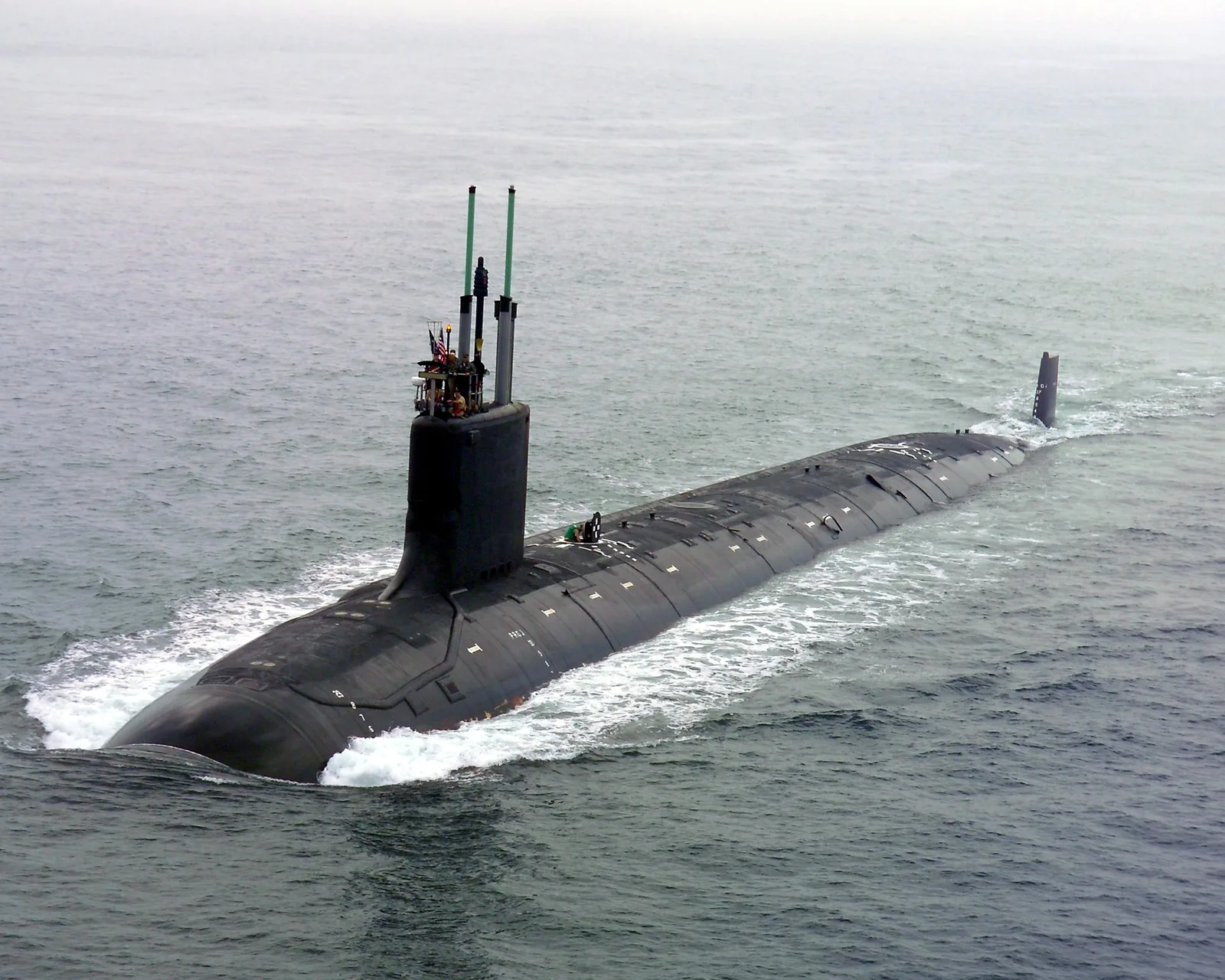
RTX Wins $745M Deal to Extend SM-3 Block IIA Line
A US-Japan contract worth up to $745.4 million keeps Raytheon's priciest interceptor, the SM-3 Block IIA, in production through February 2031.
 Article
 industry · Aug 7, 2026
Navy Modular Missile: One Interceptor Body, Four Roles
NMM aims to replace SM-2, SM-6, and SM-3 Block IIA, whose ranges span 170-2,500 km, with one common 10-inch interceptor body and four swappable boosters.
 News
News technology · Jul 12, 2026
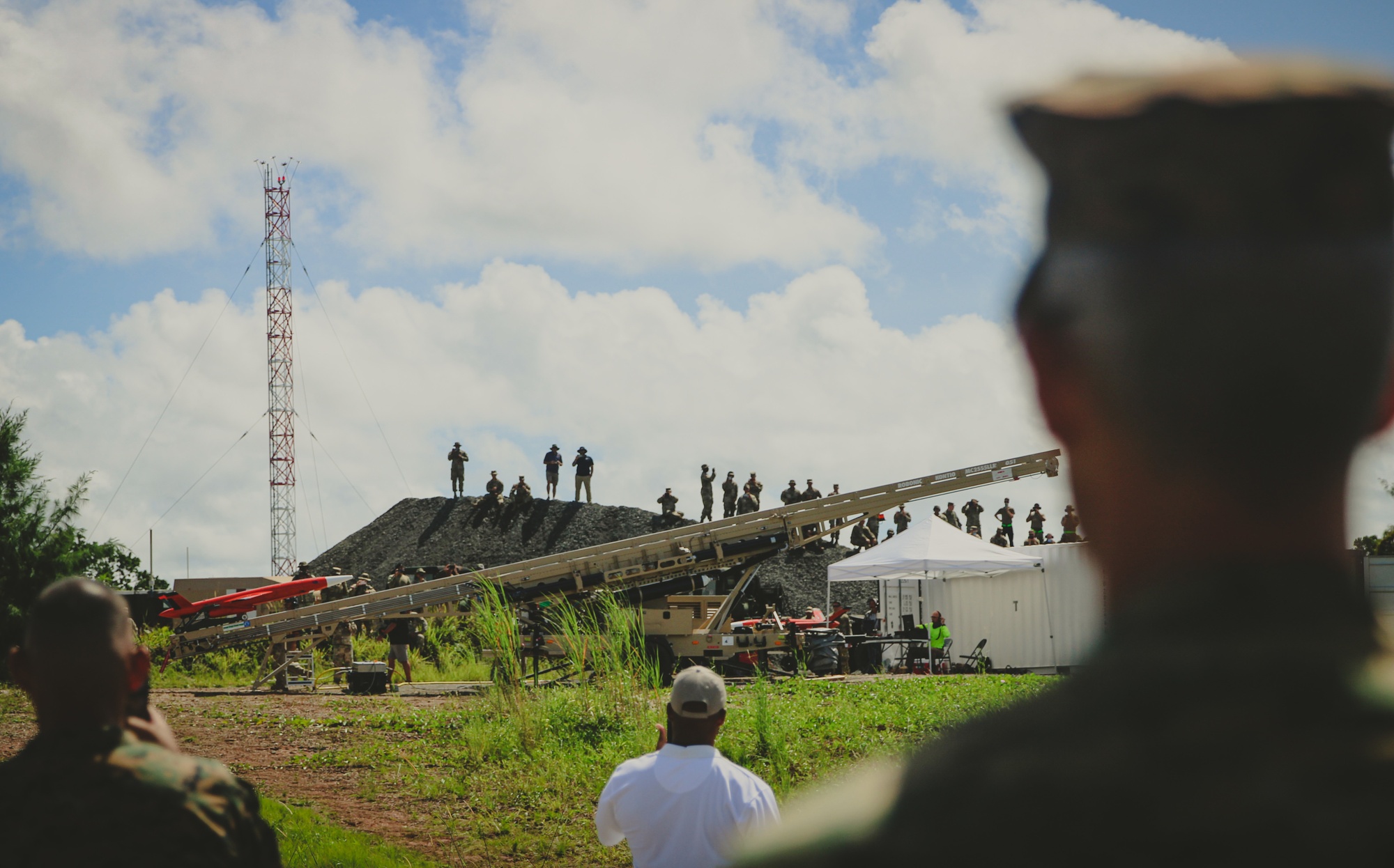
Australia validates ground-launched SM-2 in Woomera live-fire
Australia disclosed a June live-fire trial pairing a homegrown CEA radar with a virtualised Aegis system and an SM-2 missile to kill a cruise-missile target from a trailer launcher.