Documents
 Japan
Japan Mitsubishi Heavy Industries
Soryu-class
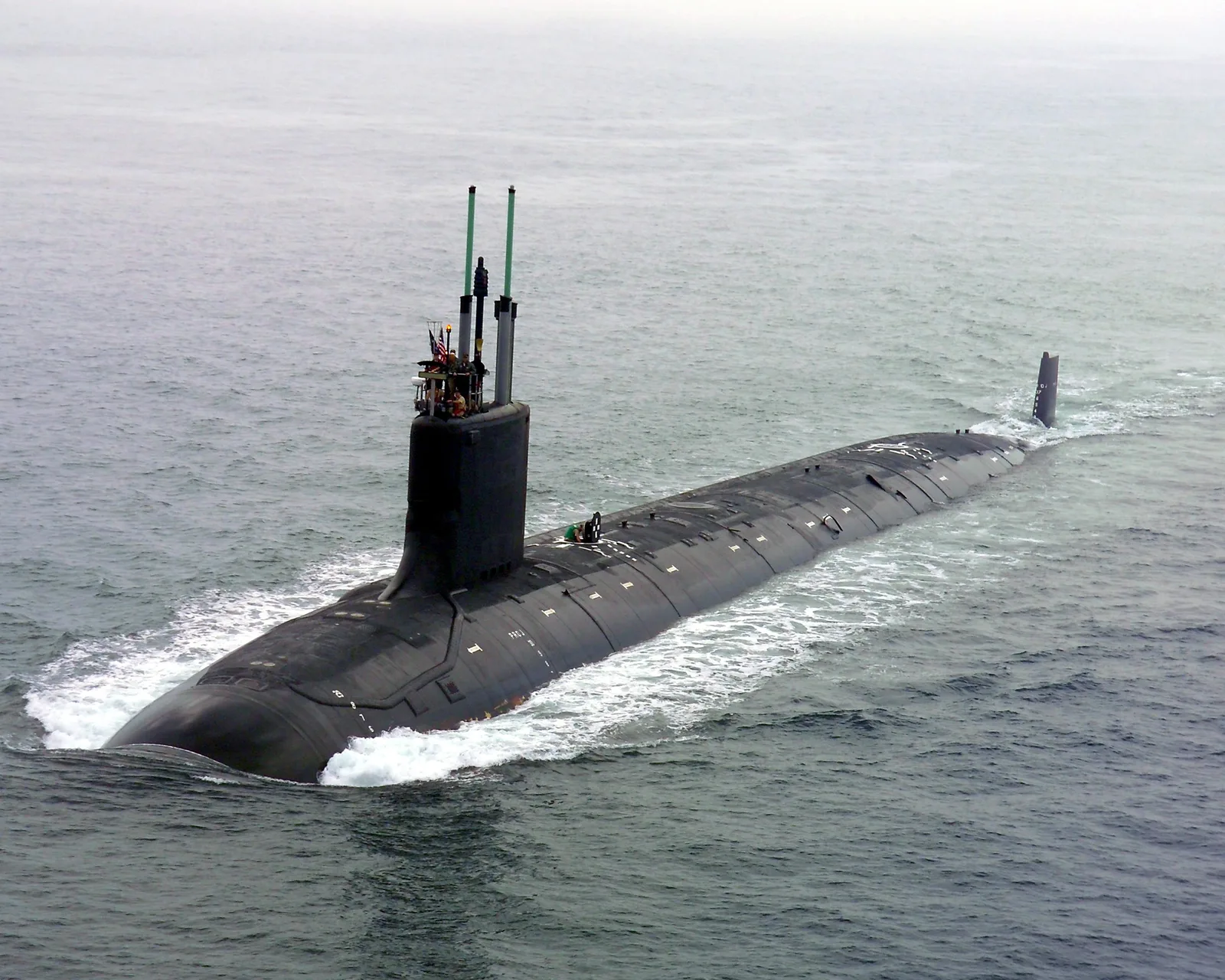
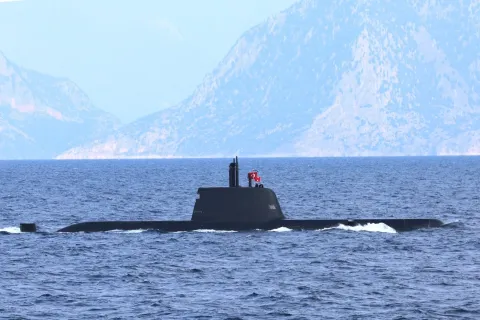
Diesel-electric attack submarine class built by Mitsubishi Heavy Industries and Kawasaki Heavy Industries for the Japan Maritime Self-Defense Force, notable for adopting Stirling-engine air-independent propulsion for extended submerged endurance. It was also the basis of Mitsubishi's unsuccessful bid for Australia's Future Submarine program.
In service since 2009 · 1 operator countries
Compiled from public sources ·primary reference ↗ ·last verified 2026-07-02
20
kn
6,100
nmi
2,950
t
65
crew
💲 ≈ $540,000,000, The sixth boat of the class (Kokuryu) was reported at about USD 540 million. The eleventh boat (Oryu, the first with lithium-ion batteries) was budgeted at JPY 64.3 billion under Japan's 2015 defence budget.
Procurement snapshot
Availability & export
National export licensing
Subject to Japan export-control approval; verify eligibility with the manufacturer.
Channel: Direct commercial / G2G
Fielded & proven
Limited · 1 operator
In service since 2009. Status: active · ~12 built.
Lifecycle cost (est.)
$1.4B – $1.9B
Acquisition is only ~30% of lifecycle cost, operating & support dominate over ~30 yrs. Rough 2.5–3.5× the unit price. How we estimate this →
Interoperability
No standardised NATO calibre / datalink detected in public specs.
Derived guidance from public data, export regime by country of origin, lifecycle from the GAO ~30% acquisition rule. Verify eligibility, pricing and offsets with the manufacturer and your acquisition authority.
Compatible munitions & weapons
Publicly reported weapons the Soryu-class can carry. Linked items have a full spec page.

Full specifications
Firepower
Armament, payload and guidance.
| Torpedo tubes Number of torpedo tubes (submarines and some surface ships). | 6 |
|---|
Physical
Dimensions, weight and crew.
| Length Overall length including gun/probe where applicable. | 84 m |
|---|
Sensors & avionics
Radar, sensor suite and datalinks.
| Radar Primary radar. AESA (active electronically scanned array) is the current state of the art. | ZPS-6F surface and low-level air search radar |
|---|---|
| Sensors IRST, EO/IR turrets, laser designators, sniper pods, thermal sights. | Hughes/Oki ZQQ-7 sonar suite (bow array, four low-frequency flank arrays, towed array), ZLR-3-6 electronic support measures |
Program
Cost, production scale and operators.
| Unit cost Approximate flyaway/unit cost where public. Defense pricing varies hugely by contract, offsets and configuration. Lower is cheaper. | $540,000,000 |
|---|---|
| Units built Total production run. Higher means proven manufacturing, mature logistics and spares availability. | 12 |
| Operator countries Number of countries operating the system. More operators means broader support ecosystem. | 1 |
Specifications compiled from public Mitsubishi Heavy Industries and reference sources ↗. Published defense figures are approximations, treat comparisons as directional. Last verified 2026-07-02.
Compare with rivals
See how it stacks up
 Rotterdamsche Droogdok Maatschappij (RDM) Walrus class
  Naval Group Suffren class
 Head-to-head comparisons
Soryu-class vs
 Type 039A/B Yuan
  Virginia-class Submarine
  S-80 Plus
 Frequently asked questions
What is the Mitsubishi Heavy Industries Soryu-class used for? +
The Mitsubishi Heavy Industries Soryu-class is a submarine typically used for anti ship.
How many countries operate the Mitsubishi Heavy Industries Soryu-class? +
The Mitsubishi Heavy Industries Soryu-class is operated by 1 countries.
How much does the Mitsubishi Heavy Industries Soryu-class cost? +
The Mitsubishi Heavy Industries Soryu-class has an approximate unit cost of 540,000,000 USD. Defense pricing varies by contract, offsets and configuration, treat this as directional.
Similar systems
Related coverage