Documents
 Israel
 Rafael Advanced Defense Systems
David's Sling
An Israeli medium-to-long-range air-defense system co-developed with Raytheon, filling the gap between Iron Dome and Arrow against medium-range rockets, cruise missiles and aircraft. It uses the two-stage Stunner hit-to-kill interceptor.
In service since 2017 · 1 operator countries
Compiled from public sources ·primary reference ↗ ·last verified 2026-07-02
300
km range
15,000
m altitude
12
targets
300
km radar
💲 ≈ $1,000,000, Consistently reported at approximately $1 million per Stunner interceptor across 2025 Israeli defense reporting, making it roughly a quarter of the cost of a Patriot PAC-3 MSE interceptor.
Procurement snapshot
Availability & export
Israeli export-licensed
Israeli MoD (DECA/SIBAT) licensing; active export programme.
Channel: Direct commercial / G2G
Fielded & proven
Limited · 1 operator
In service since 2017. Status: active.
Lifecycle cost (est.)
$2.5M – $3.5M
Acquisition is only ~30% of lifecycle cost, operating & support dominate over ~25 yrs. Rough 2.5–3.5× the unit price. How we estimate this →
Interoperability
No standardised NATO calibre / datalink detected in public specs.
Derived guidance from public data, export regime by country of origin, lifecycle from the GAO ~30% acquisition rule. Verify eligibility, pricing and offsets with the manufacturer and your acquisition authority.
Overview
David's Sling occupies the hardest slot in Israel's layered shield, the middle tier, between Iron Dome's rocket work and Arrow's exo-atmospheric intercepts. Developed jointly by Rafael and Raytheon, it exists to kill the threats too fast and too heavy for Iron Dome: long-range rockets, cruise missiles, aircraft and shorter-range ballistic missiles. Its two-stage Stunner interceptor is unusual in carrying no warhead at all, it is a pure hit-to-kill vehicle with a dual electro-optical/radar seeker and extreme terminal agility.
Each battery ties the ELM-2084 MMR radar into up to 16 vertically launched interceptors, with a commonly cited engagement reach around 300 km. First operational in 2017, the system recorded its first combat intercepts in May 2023.
The 2026 Iran war turned David's Sling from a rarely fired asset into a front-line workhorse, engaging medium-range ballistic missiles in the largest missile-defense battle ever fought. Its interceptor economics, a Stunner is commonly estimated near $1 million per round, far below Arrow, made it the layer Israel leaned on hardest as stockpile management became a wartime discipline.
Full specifications
Performance
Speed, range, altitude and engagement capability.
| Max speed (Mach) Maximum speed as a multiple of the speed of sound. Mach 2+ is typical for air-superiority fighters. | 7.5 Mach |
|---|---|
| Engagement range Maximum distance at which an air-defense system can intercept targets. Higher covers more airspace. | 300 km |
| Engagement altitude Maximum target altitude the system can reach. | 15,000 m |
| Simultaneous targets Number of targets the system can engage at once. Higher resists saturation attacks. | 12 |
Firepower
Armament, payload and guidance.
| Main armament Primary weapon: main gun, cannon or missile type. | Stunner interceptor missile |
|---|---|
| Warhead type Blast-fragmentation, shaped charge (HEAT), penetrator, thermobaric or nuclear-capable. | Hit-to-kill kinetic |
| Guidance How the weapon finds its target: inertial, GPS/GLONASS, active/semi-active radar, infrared, laser, TV, wire. | Hit-to-kill, Active radar / electro-optical homing |
Sensors & avionics
Radar, sensor suite and datalinks.
| Radar Primary radar. AESA (active electronically scanned array) is the current state of the art. | ELM-2084 multi-mission radar |
|---|---|
| Radar range Published detection range against a typical fighter-sized target. Higher sees first. | 300 km |
| Datalink Network connectivity: Link 16, MADL, national datalinks. Enables cooperative engagement. | Golden Almond battle management center |
Program
Cost, production scale and operators.
| Unit cost Approximate flyaway/unit cost where public. Defense pricing varies hugely by contract, offsets and configuration. Lower is cheaper. | $1,000,000 |
|---|---|
| Operator countries Number of countries operating the system. More operators means broader support ecosystem. | 1 |
Specifications compiled from public Rafael Advanced Defense Systems and reference sources ↗. Published defense figures are approximations, treat comparisons as directional. Last verified 2026-07-02.
Compare with rivals
See how it stacks up
 Rheinmetall Skyranger 30
  KBP Instrument Design Bureau Pantsir-S1
  Raytheon (RTX) Phalanx CIWS (Mk 15)
 Head-to-head comparisons
David's Sling vs
 NASAMS
  SAMP/T (Aster 30)
  HQ-9
HQ-9 Frequently asked questions
What is the engagement range of the Rafael Advanced Defense Systems David's Sling? +
The Rafael Advanced Defense Systems David's Sling has a maximum engagement range of 300 km.
What is the main armament of the Rafael Advanced Defense Systems David's Sling? +
The Rafael Advanced Defense Systems David's Sling's primary weapon is the Stunner interceptor missile.
What is the Rafael Advanced Defense Systems David's Sling used for? +
The Rafael Advanced Defense Systems David's Sling is a air defense system typically used for air defense.
How many countries operate the Rafael Advanced Defense Systems David's Sling? +
The Rafael Advanced Defense Systems David's Sling is operated by 1 countries.
How much does the Rafael Advanced Defense Systems David's Sling cost? +
The Rafael Advanced Defense Systems David's Sling has an approximate unit cost of 1,000,000 USD. Defense pricing varies by contract, offsets and configuration, treat this as directional.
Similar systems
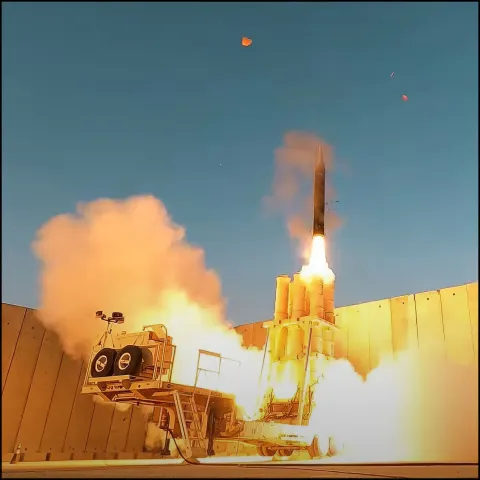
Israel Aerospace Industries
Arrow 3
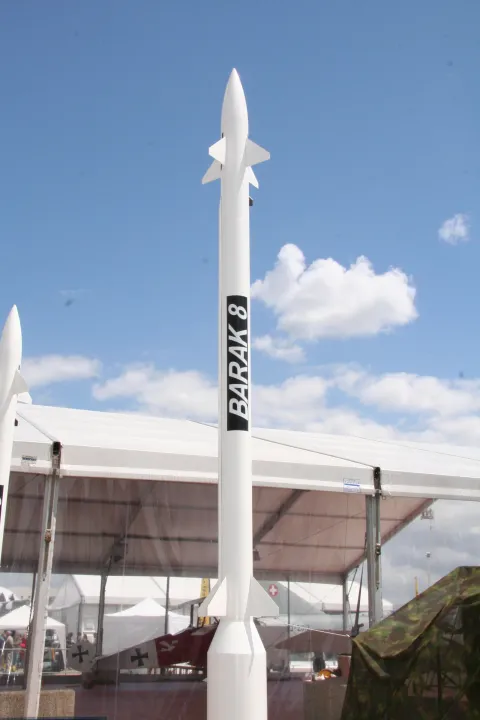
Israel Aerospace Industries
Barak 8
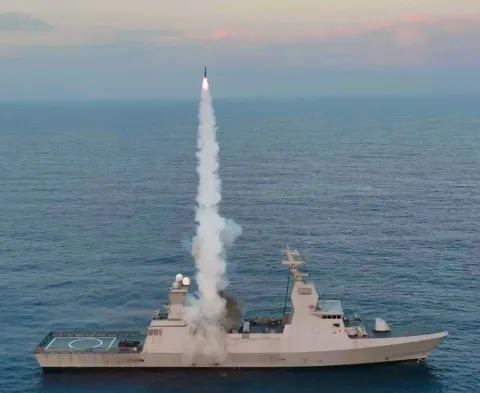
Israel Aerospace Industries
Barak MX
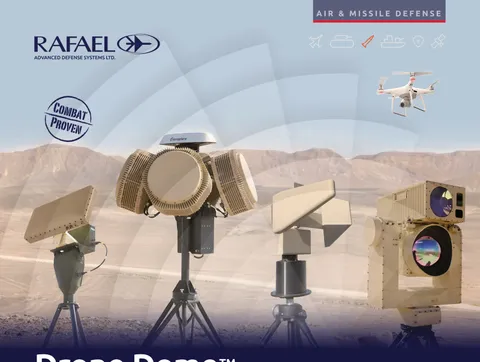
Rafael Advanced Defense Systems
Drone Dome
Related coverage
David's Sling in the news
 Article
 guide · Aug 4, 2026
What 'Simultaneous Targets' Means on a SAM Spec Sheet
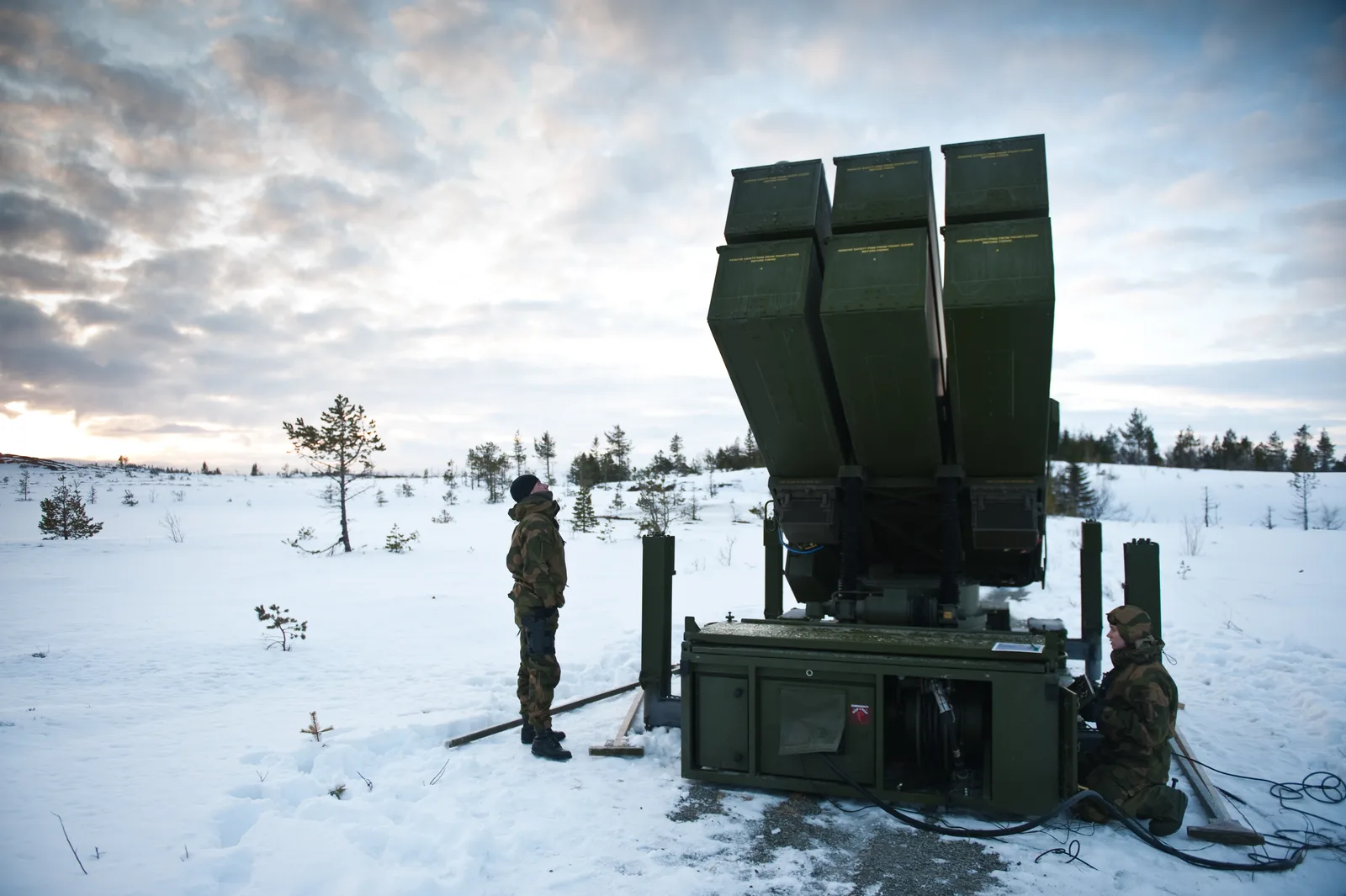
NASAMS claims 72 simultaneous targets, twice the S-400's 36, despite a 16th of its range. Across 41 systems, the number tracks radar architecture, not range.
 Article
 industry · Aug 1, 2026
Radar Range vs. Engagement Range in Air Defense
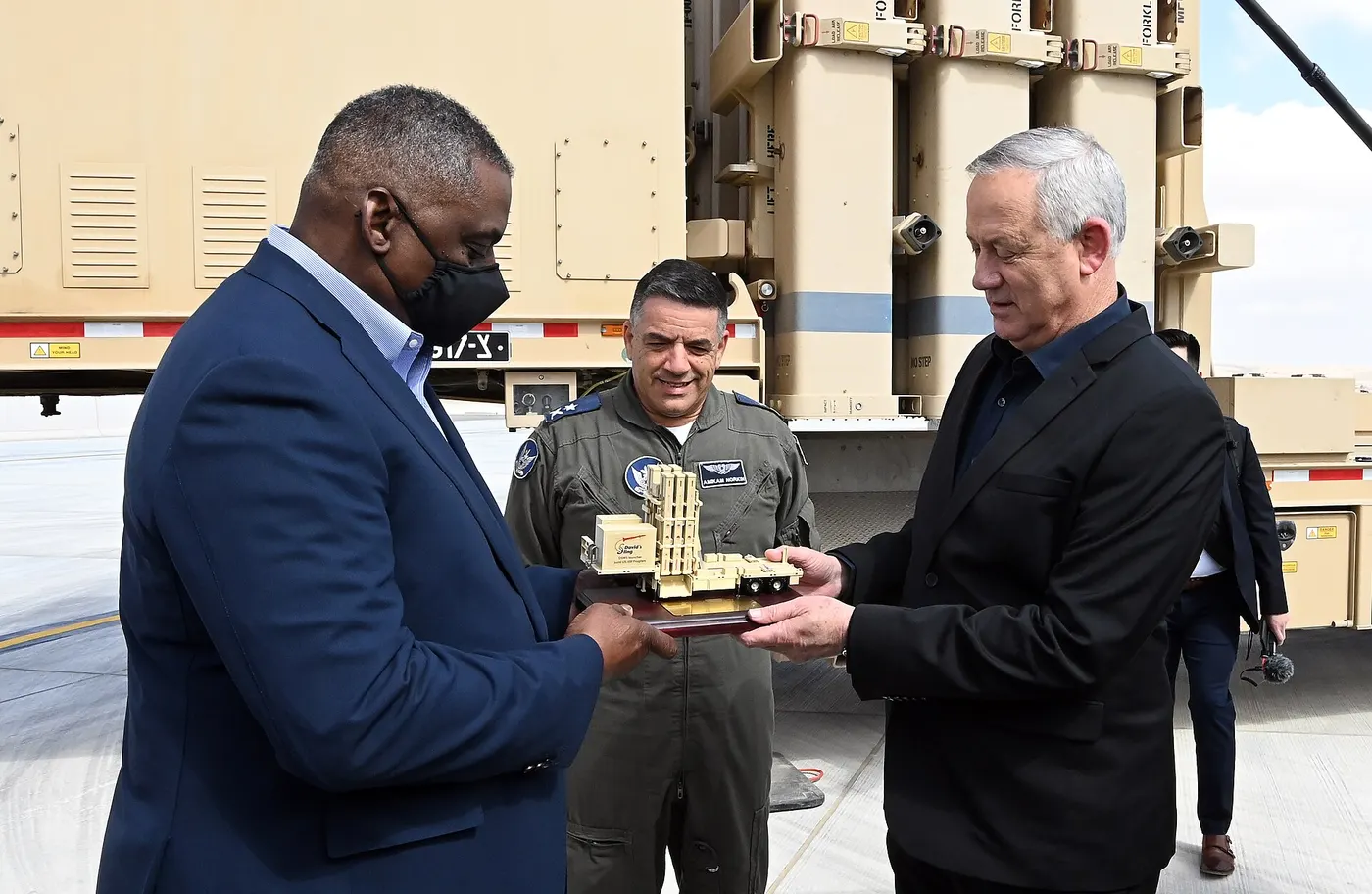
44 air-defense systems publish both a radar range and an engagement range. The gap spans 10x to a reversed 0.3x, showing which batteries fight alone.
 News
News digest · Jul 25, 2026
Interceptor Economics Went From Theory to Policy This Week
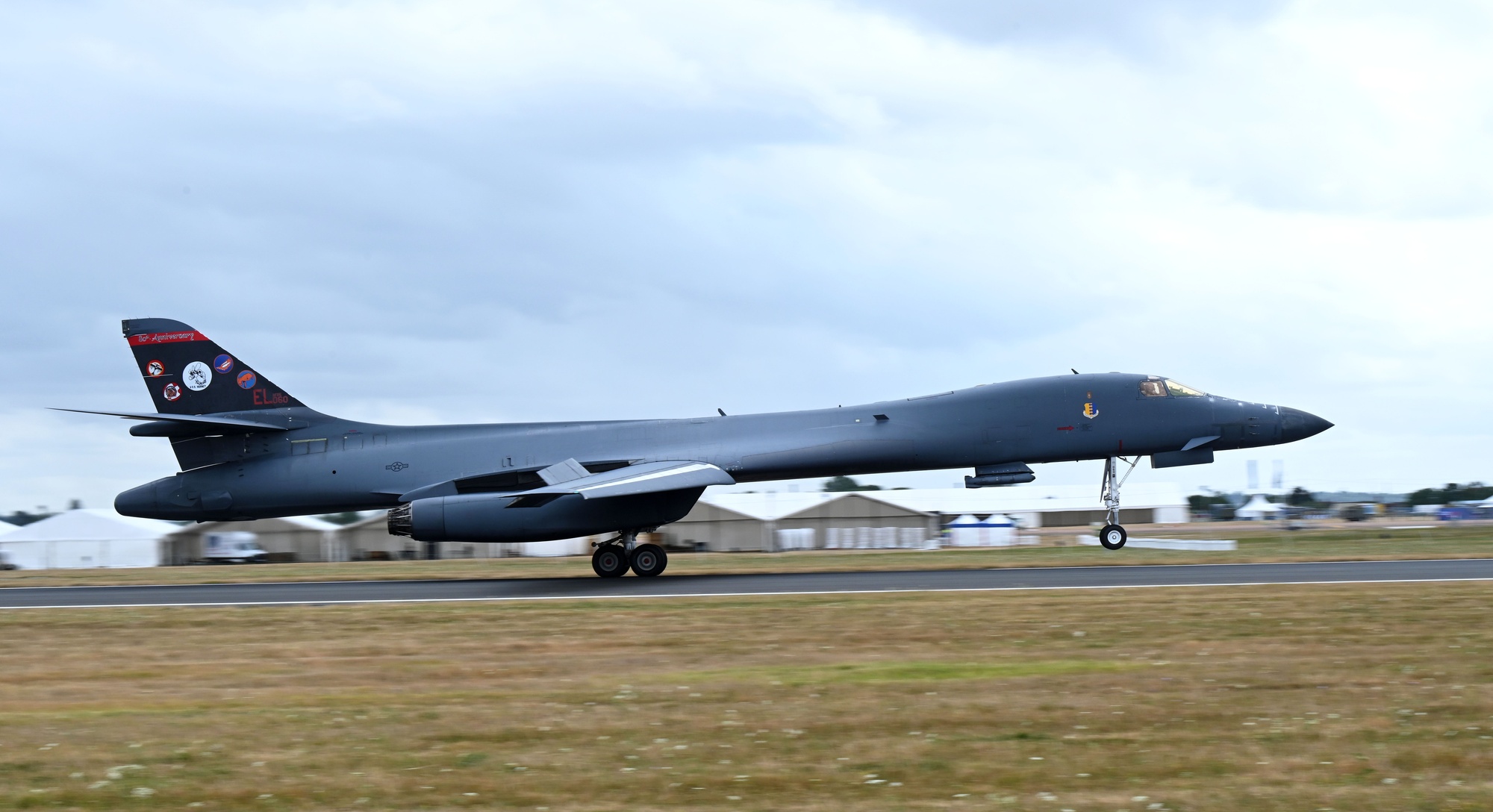
From Iron Beam's few-dollar laser shots to Tomahawk-starved B-1B strikes on Iran, this week's defense news turned interceptor math into policy.
 News
News procurement · Jul 24, 2026
Greece approves $4B Israeli 'Achilles Shield' air-defense deal
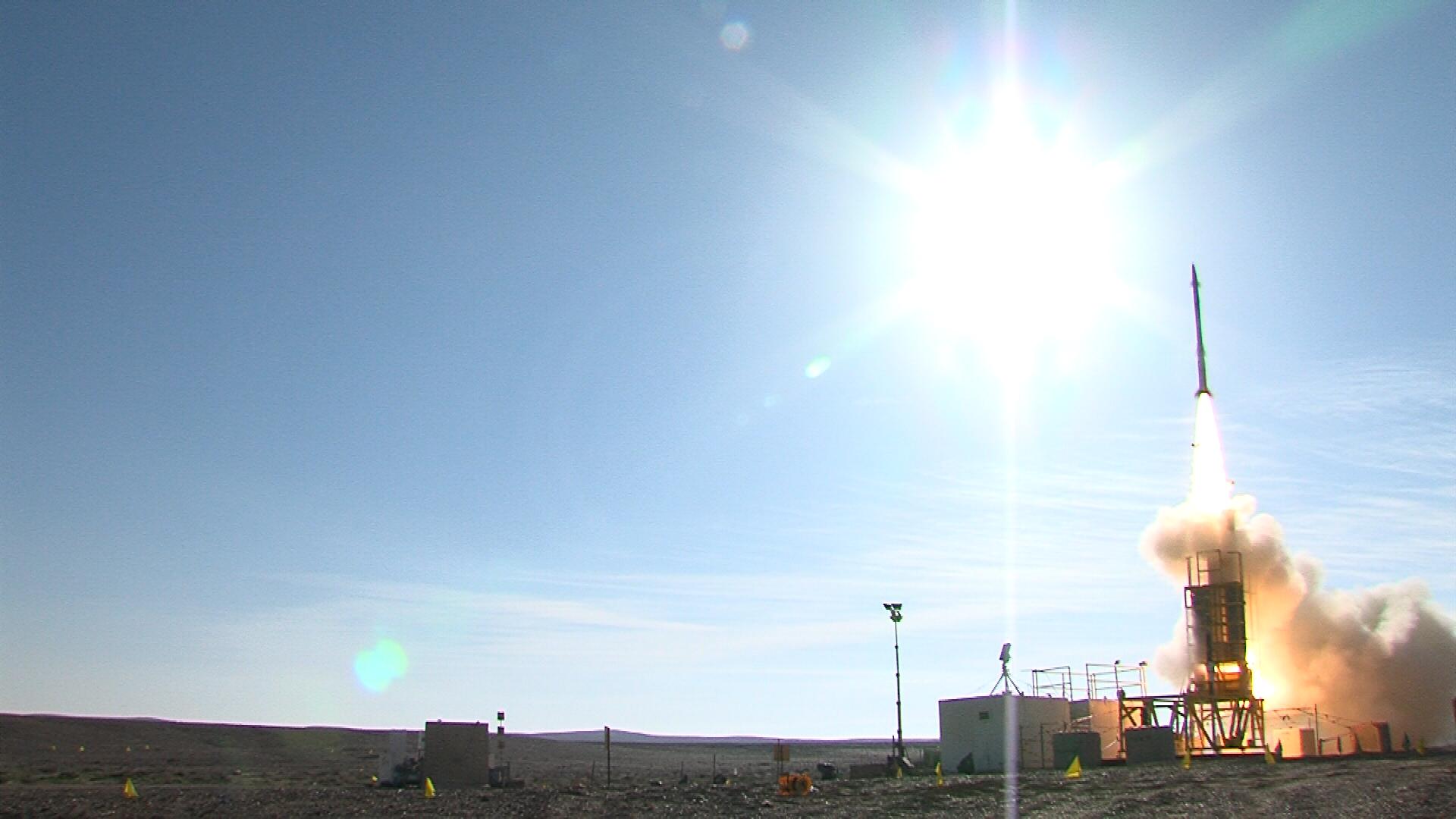
Greece's security council approved a roughly $4 billion, three-tier Israeli air-defense package, its largest single defense purchase and Israel's biggest arms export ever.
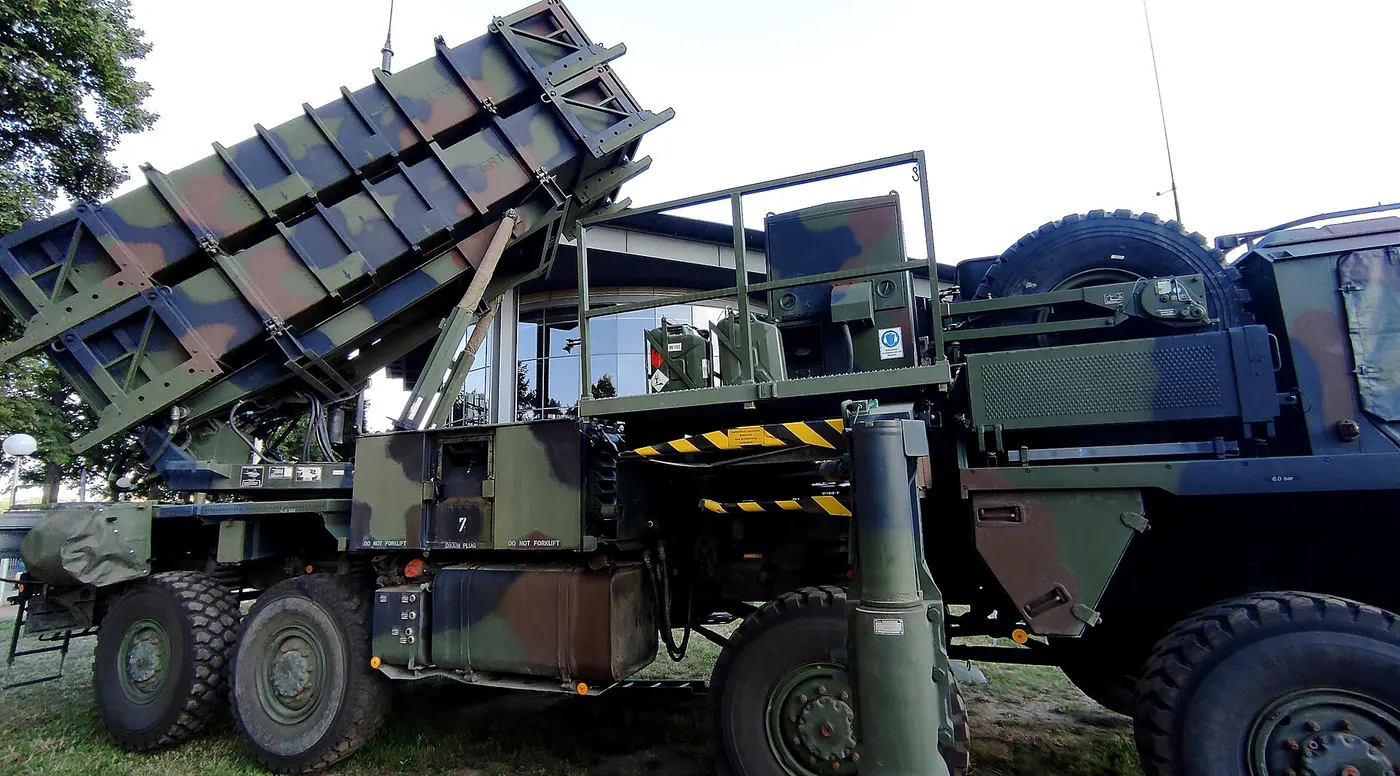 Article
 guide · Jul 16, 2026
The 10 Best Ballistic Missile Defense Systems 2026
A 10-to-1 countdown of the best ballistic missile defense systems of 2026, ranked on real intercept record, envelope, export scale and maturity.
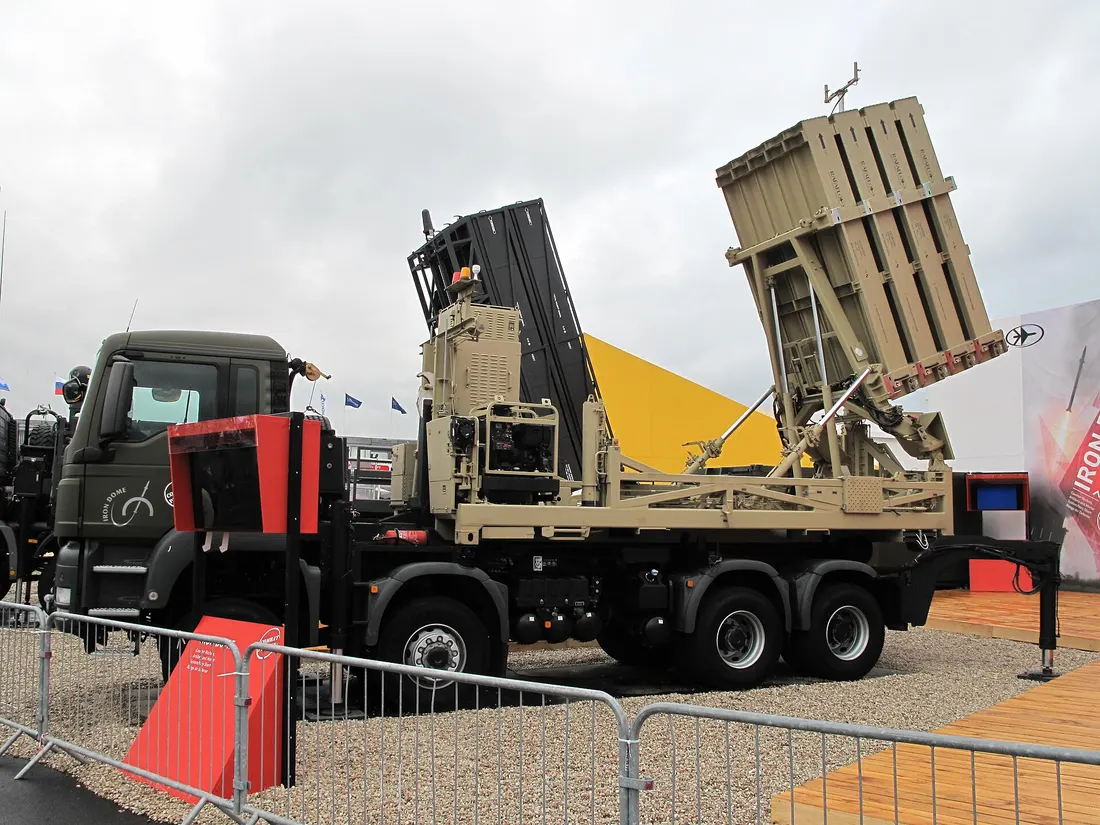 Article
 industry · Jul 14, 2026
Why Air-Defense Cost Figures Don't Compare
Only 12 of 70 air-defense systems in the database publish a cost, and those figures price different things: single rounds vs whole batteries.
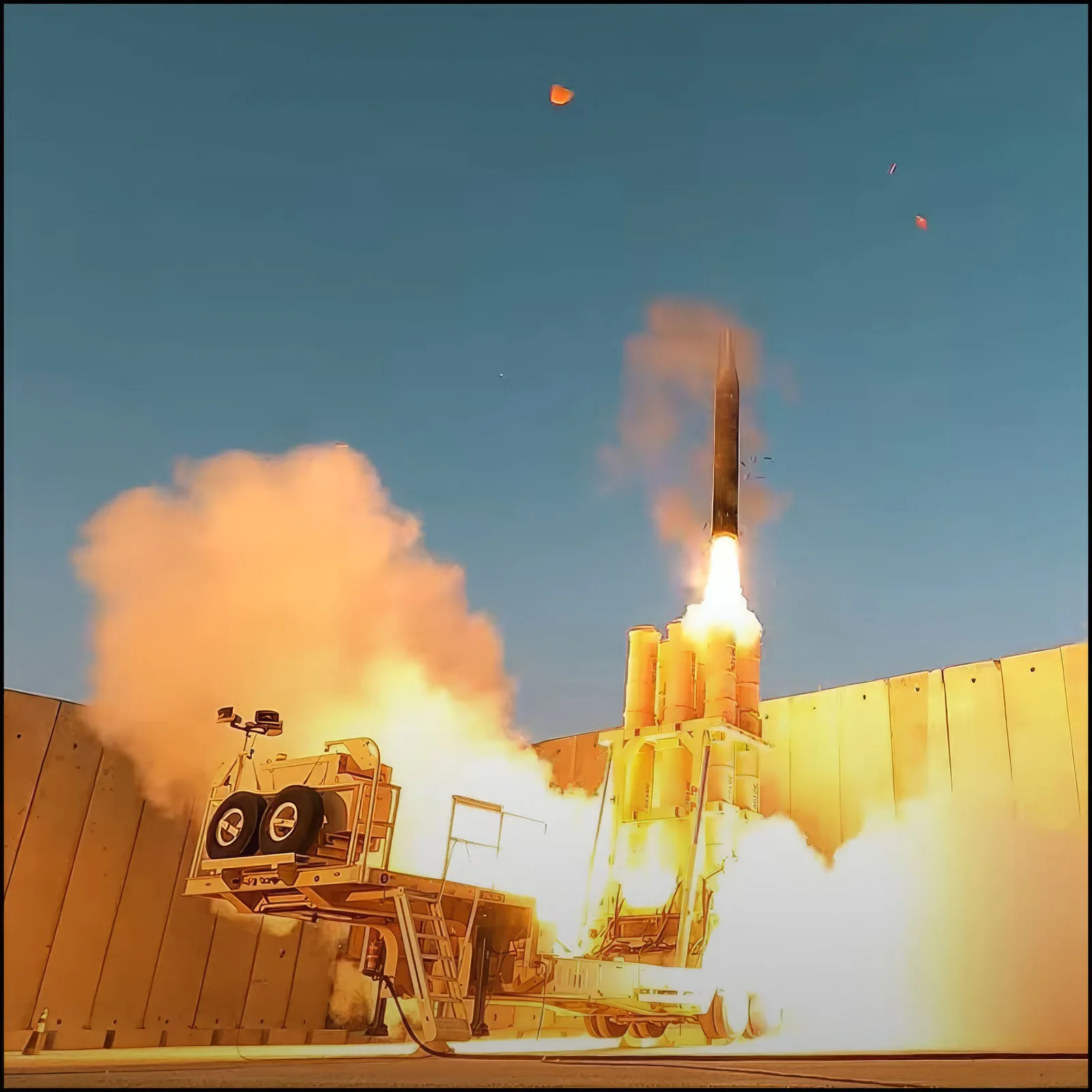 Article
 comparison · Jul 5, 2026
Iron Dome vs David's Sling vs Arrow 3: Israel's Layers
Israel's layered air defense spans three tiers: Iron Dome at 70 km, David's Sling at 300 km, and Arrow 3 at 2,400 km for exo-atmospheric intercepts.