Russia-Ukraine War: Timeline & Latest Developments
Russia launched a full-scale invasion of Ukraine on February 24, 2022; after Kyiv held and Kharkiv and Kherson were retaken, a grinding front stabilized through Bakhmut, Avdiivka and Pokrovsk, and the war continues into its fifth year with no ceasefire currently in force and sourced casualty counts in the hundreds of thousands on both sides.
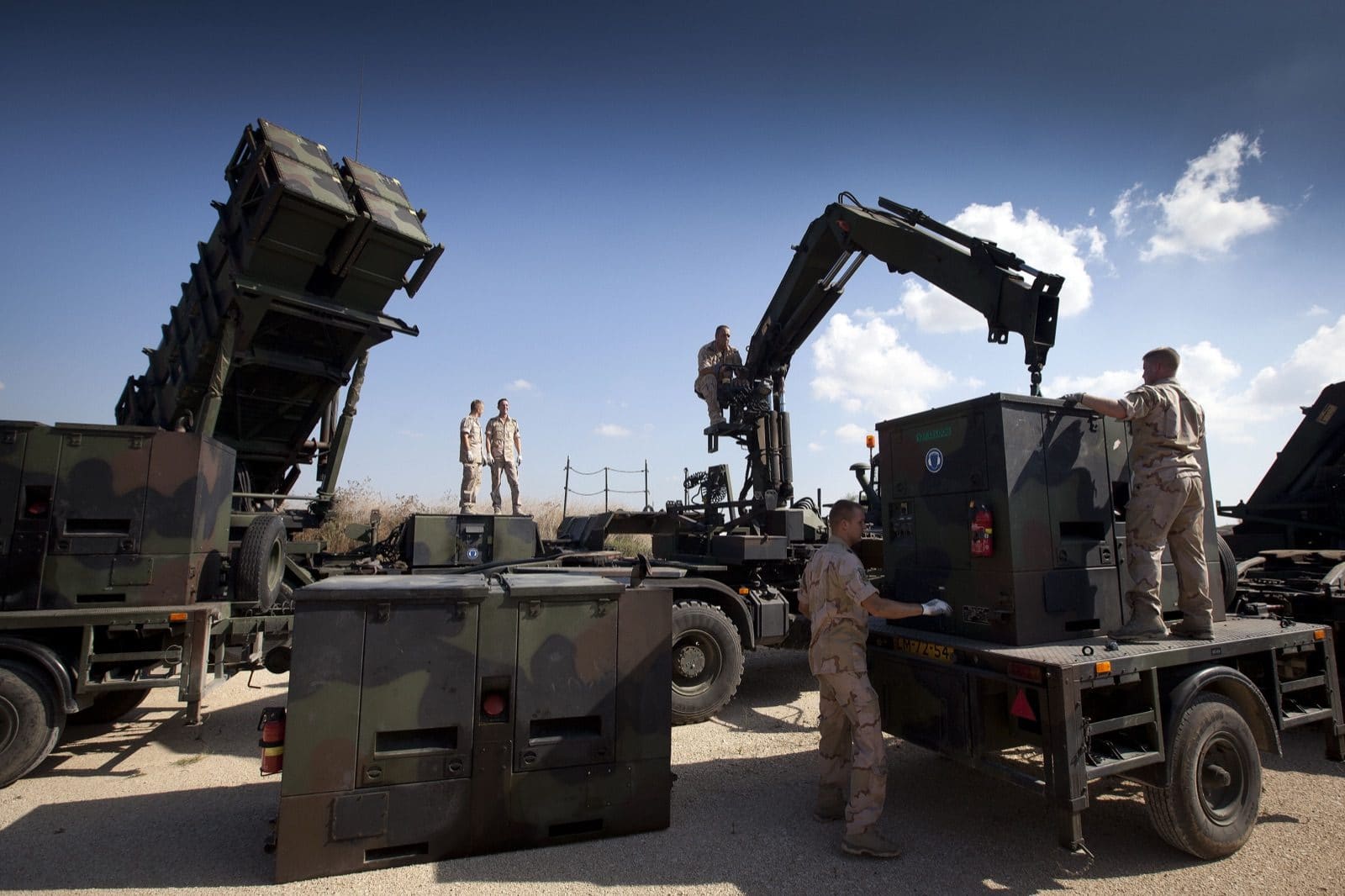
Gerben van Es, Dutch Ministry of Defence, CC BY-SA 4.0, via Wikimedia Commons. Shown for identification; depicts a Dutch Patriot air-defense battery deployed to Turkey in 2013, not a strike or battery from this war.
Russia’s full-scale invasion of Ukraine on February 24, 2022 was not the war’s beginning so much as its escalation. Fighting had already run for eight years by then: Russia annexed Crimea in 2014 and backed separatist forces in the eastern Donbas region in a lower-intensity conflict that killed roughly 14,000 people and left front lines frozen along a contact line that shaped where the 2022 invasion’s eastern axis would later push. What changed on February 24 was scale. Russian forces attacked simultaneously from Belarus toward Kyiv, from the Donbas toward Kharkiv, and from Crimea toward Kherson and Mariupol, aiming for a rapid collapse of the Ukrainian government. That plan failed within weeks: Ukrainian forces held Kyiv, pushed the northern advance back by early April, and Russia’s retreat from towns like Bucha exposed evidence of civilian killings that drew international war-crimes investigations, including the International Criminal Court’s 2023 arrest warrant for President Vladimir Putin over the alleged unlawful deportation of Ukrainian children.
The war’s first year set a pattern of dramatic reversal followed by grinding attrition. Russian forces took Mariupol in May 2022 after a brutal siege that Ukrainian officials say killed roughly 25,000 civilians, a figure that has not been independently verified. Four months later, Ukraine’s rapid Kharkiv counteroffensive collapsed a Russian front and, days after that, its southern forces began the campaign that liberated Kherson in November, the only regional capital Russia had captured and then lost. Russia answered by annexing four Ukrainian oblasts it did not fully control and settling into a defensive, attritional strategy built around fortified lines and long artillery duels. That strategy produced the war’s longest and, by most accounts, bloodiest single engagement: the roughly ten-month battle for Bakhmut, a mid-sized Donbas city that Wagner Group forces claimed in May 2023 after reducing much of it to rubble.
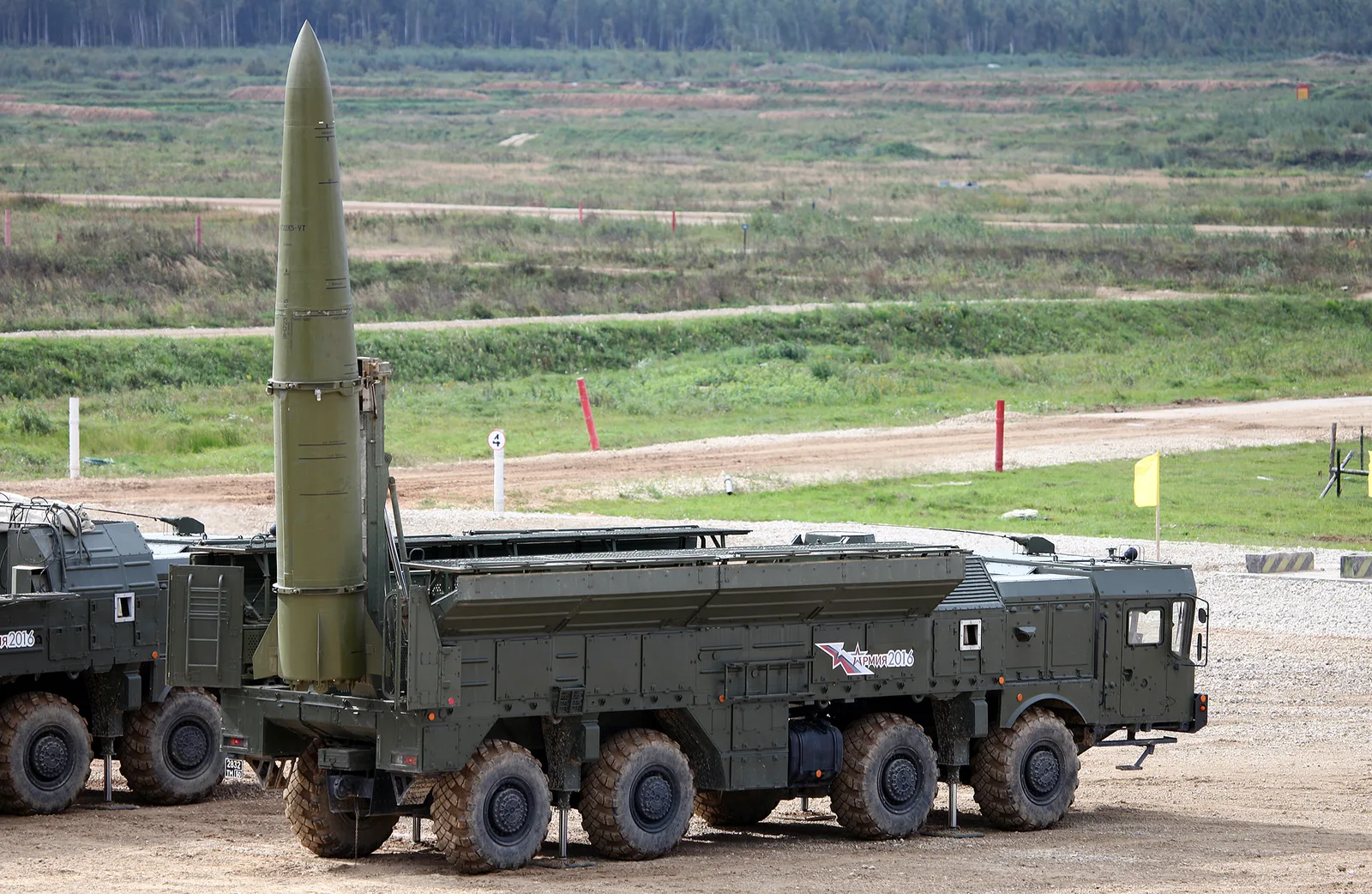
Ukraine’s own summer 2023 counteroffensive, built around newly delivered Western armor and meant to sever Russia’s land corridor to Crimea, ran into densely layered minefields and prepared defenses that Russian forces had spent months building. Ukrainian troops captured the village of Robotyne in August, their deepest breach of the war, but never reached the operational objectives of Tokmak or Melitopol, and by December the offensive was widely assessed to have stalled. The following year brought a similar attritional logic in Russia’s favor: Avdiivka fell in February 2024 after months of intense fighting, and Russia opened a new front near Kharkiv that May. Ukraine answered in August with its own surprise incursion into Russia’s Kursk Oblast, briefly holding roughly 1,000 square kilometers of Russian territory before North Korean troops, deployed to help Russia’s defense, contributed to pushing Ukrainian forces back; Russia claimed full recapture of the region in April 2025, though Ukraine disputed the claim. Russia introduced a new weapon into this period as well, firing an experimental Oreshnik intermediate-range missile at Dnipro in November 2024, a strike Putin called a live-fire test of a system he said could exceed Mach 10, a claim that remains a Russian government assertion rather than an independently confirmed capability.
Both totals are Oryx's photographed floor, not the true count, since undocumented losses go uncounted on both sides equally; Ukraine's smaller figure also partly reflects a smaller starting inventory, not proportionally lighter combat losses.
By 2025, the front had settled into a slow, costly grind dominated by drones and glide bombs rather than the mobile offensives of the war’s first two years. Russian forces spent roughly a year encircling and finally entering Pokrovsk, a Donetsk logistics hub, in an offensive US analysts compared unfavorably in pace to the Battle of the Somme; even after taking the city in early 2026, Russian forces made little further progress west of it for months. Diplomacy resumed unevenly alongside the grinding front. A February 2025 White House meeting between President Trump and President Zelenskyy collapsed into a televised shouting match, delaying but not preventing an April 2025 agreement establishing a joint US-Ukraine investment fund tied to Ukraine’s mineral resources. Istanbul talks through mid-2025 produced prisoner exchanges but no ceasefire terms, and Geneva talks in February 2026 made progress on monitoring mechanisms without resolving the core dispute over territory and security guarantees. Competing unilateral truces Russia and Ukraine each declared around May 8-9, 2026 illustrate how far diplomacy still sits from a genuine ceasefire: announced separately, uncoordinated, and not observed as a lasting pause by either side.
The war’s civilian toll has if anything worsened in its fifth year rather than receding. The UN’s human rights monitors recorded Ukraine’s worst monthly civilian casualty figures since the 2022 invasion in April and again in May 2026, driven by long-range missile and drone strikes on cities far from the front line. That intensifying strike campaign culminated in early July 2026, when Russia launched two barrages of roughly 570 and then a second large wave of missiles and drones at Kyiv within days of each other, the second exposing a genuine shortage of Ukrainian air-defense interceptors. The same week, Ukraine opened its defense industry to wartime arms exports, NATO’s Ankara summit pledged roughly 70 billion euros a year in aid, and President Trump pledged to license Ukraine to build Patriot interceptors domestically, though without a signed agreement or timeline attached. As of this writing, Russia holds roughly a fifth of Ukraine’s territory, no ceasefire is in force, and both sides continue absorbing costs, in lives, equipment and economic capacity, that show no sign of a swift resolution.
Full Timeline (most recent first)
Ukraine hits a Bashkortostan refinery and 20 Black Sea shadow-fleet tankers in one 48-hour window
Ukraine's Special Operations Forces said Deep Strike drones hit the AVT-6 unit at the Gazprom Neftekhim Salavat refinery roughly 1,300 to 1,500 kilometers inside Russia overnight July 13-14, one of the longest-range drone strikes of the war. The following night, timed to Ukrainian Statehood Day, the Unmanned Systems Forces said it struck 20 shadow-fleet vessels near occupied Crimea in the Black Sea, putting the combined tally at 136 vessels struck since a maritime drone campaign began around July 6; the vessel and distance figures are Ukrainian military claims not independently verified here.
Ukraine and nine European partners launch an anti-ballistic coalition as Zelenskyy seeks 300 more Patriot interceptors
Ukraine and nine European partners signed an agreement in Paris to jointly develop the low-cost Freya interceptor as an eventual alternative to Patriot, though it is not expected to reach a first real intercept before late 2027. Hours later Russia struck Kyiv's Holosiivskyi district with ballistic missiles, and President Zelenskyy told a Coalition of the Willing meeting the same day that Ukraine's Patriot interceptor stocks had run dry, asking allies for 300 missiles, 100 a month, to get through the winter.
Ukraine says Russia is jamming Starlink to blind strike drones
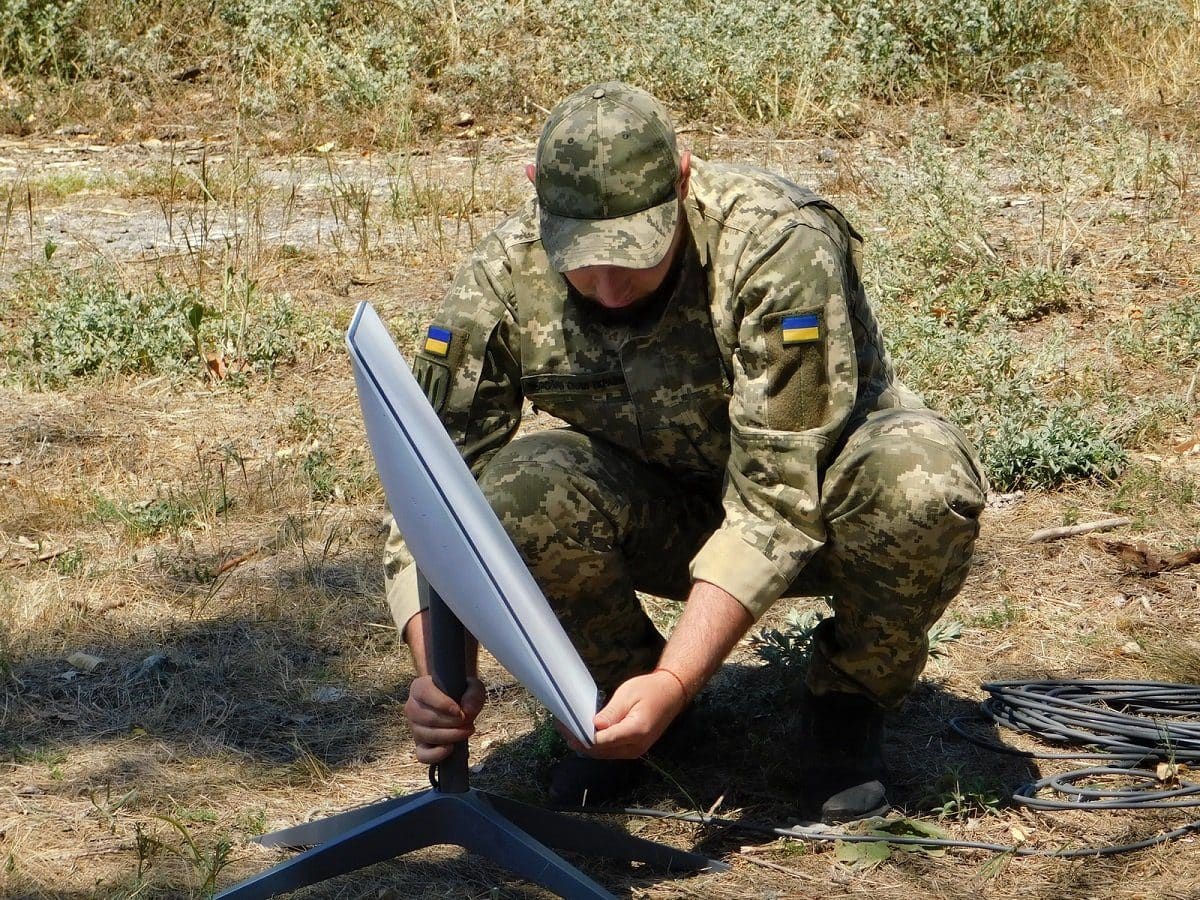
Ukrainian forces said Russia has fielded roughly ten Volna Kupol Garant electronic-warfare complexes, each capable of jamming Starlink signals across about 20 square kilometers, to disrupt the satellite links many of Ukraine's long-range strike drones depend on; Russia has not confirmed the system, and Ukraine's 422nd Unmanned Systems Regiment says it has already located and destroyed at least one installation.
Russian overnight barrage on Ukraine kills at least eight
Russia combined six ballistic missiles, six cruise missiles and 121 drones in an overnight assault reported across Ukraine; Ukraine's Air Force said it intercepted at least two of the cruise missiles and 111 of the drones. Regional officials reported at least eight people killed, five in Sumy from glide bombs, two in a missile strike on Odesa, and one in a border-district explosive-device incident, with dozens more wounded across several regions.
Trump pledges to license Ukraine to build Patriot interceptors
President Trump said the US would license Ukraine to manufacture its own Patriot air-defense interceptors domestically, while acknowledging in the same remarks that Lockheed Martin and RTX, the two companies that build the system, had not yet been notified; it is a stated policy intention, not a signed licensing agreement or production timeline.
NATO's Ankara summit pledges 70 billion euros a year for Ukraine
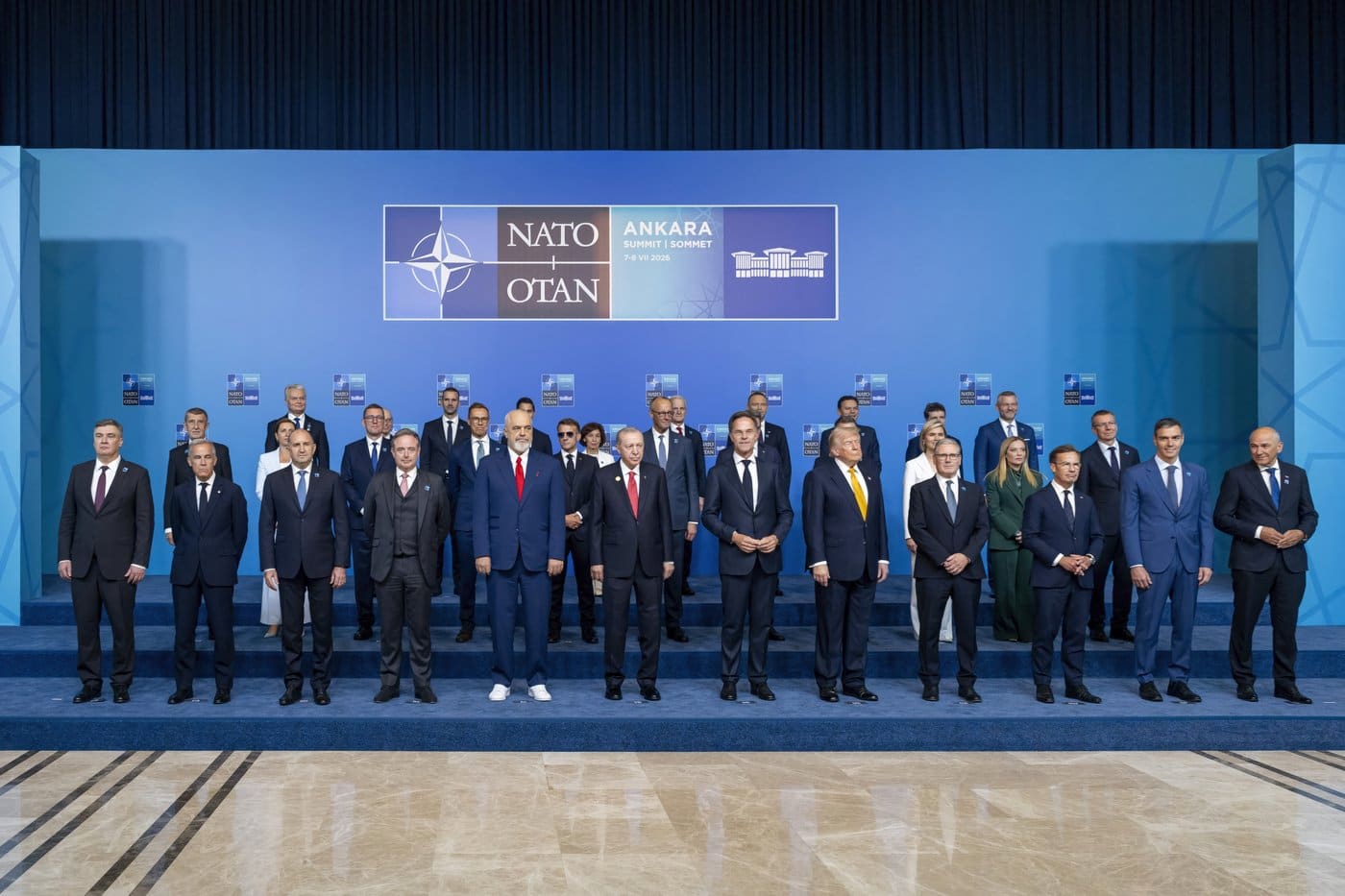
NATO's 32 members opened their Ankara summit pledging roughly 70 billion euros annually in military aid to Ukraine through 2027, split between EU loan financing and bilateral aid, while reaffirming a path to 5 percent of GDP in defense spending by 2035; the summit opened a day after a Russian strike on Kyiv killed at least 21 people.
A second Kyiv barrage exposes an interceptor shortage
Four days after the July 1 barrage, Russia struck Kyiv again; Ukraine's air force reported downing zero ballistic missiles this time, attributing the gap directly to a shortage of Patriot PAC-3 interceptors rather than a tactical failure, exposing how quickly a single week of mass strikes can draw down allied-supplied air-defense stocks.
Ukrainian drones strike Omsk, Russia's largest oil refinery, for the first time
Ukraine's General Staff and Special Operations Forces said upgraded FP-1 drones flew roughly 2,500 kilometers to hit the ELOU-AVT-11 crude-processing unit at Gazprom Neft's Omsk refinery, Russia's largest by volume and its only domestic producer of catalytic-cracking catalysts. Satellite imagery reviewed by open-source analysts confirmed at least four drone impacts, and the refinery suspended fuel sales the next day; Kyiv called it the last of Russia's 11 largest gasoline-producing refineries to be struck, an unverified Ukrainian characterization.
Russia launches a 570-missile-and-drone barrage on Kyiv
Russia fired roughly 570 missiles and drones at Kyiv in coordinated waves, killing at least 30 people and injuring more than 92; Ukraine's air force said it intercepted or suppressed about 524 of them, a roughly 91 percent rate, though the barrage still struck an ambulance station, a hotel, and residential buildings.
Ukraine opens wartime arms exports under a new Drone Deal framework
Ukraine's Cabinet approved a mechanism letting 27 vetted partner nations, at least 15 of them NATO members, buy Ukrainian-made drones and missiles directly from manufacturers, a sign that domestic defense production, grown roughly 35-fold since 2022, has begun to outpace what the front line alone can absorb.
UN records Ukraine's worst monthly civilian toll in four years
The UN's human rights office reported at least 274 civilians killed and 1,763 injured in Ukraine in May, the highest monthly figure since April 2022 and a 93 percent increase over May 2025, underscoring an escalating long-range strike campaign heading into summer.
Russia fires Oreshnik missiles at Kyiv; one reportedly falls short
Russia used the Oreshnik missile against Kyiv in a mass attack that outside analysis suggests carries roughly a 25 percent failure rate across four total launches to date; of two missiles fired this day, one reportedly fell short into Russian-held territory. Russian claims about the missile's hypersonic speed and any nuclear-capability are not independently verified.
Russia and Ukraine declare separate, uncoordinated short truces
Russia announced a unilateral ceasefire for May 8-9 to coincide with its Victory Day commemoration and threatened retaliation if Ukraine violated it; Ukraine had already announced its own separate truce for May 5-6 and dismissed Russia's proposal as uncoordinated and "not serious." Fighting continued on both sides in the days that followed.
UN records Ukraine's worst monthly civilian toll in nine months
The UN Human Rights Monitoring Mission in Ukraine recorded 238 civilians killed and 1,404 injured in April, the highest monthly figure since July 2025; long-range missile and drone strikes caused the largest single share, and short-range attack drones caused the highest monthly drone-attributed toll since the 2022 invasion began.
A 500-for-500 prisoner exchange begins
Following the Geneva talks, Russia and Ukraine began a large-scale prisoner exchange involving 500 people from each side, one of the concrete outcomes of the February negotiations even as the underlying territorial dispute remained unresolved.
Russia completes the capture of Pokrovsk
Independent battlefield monitors reported no evidence of Ukrainian forces remaining in Pokrovsk, confirming Russia's full capture of the city more than three months after troops first entered it; Russian forces made little further progress west of the city in the months that followed.
US, Ukraine and Russia hold territory talks in Geneva
American, Ukrainian and Russian delegations met in Geneva over two days, discussing a proposed demilitarized buffer zone in Donetsk and competing security-guarantee timelines; the talks ended without a breakthrough on territory, though participants reported progress on ceasefire-monitoring mechanisms.
Zelenskyy says 55,000 Ukrainian soldiers have been killed
Ahead of the war's fourth anniversary, President Zelenskyy said 55,000 Ukrainian soldiers had officially been confirmed killed, with a further large but unspecified number missing; it is Kyiv's own disclosed figure, and open-source and Western trackers have suggested the true toll is considerably higher.
Russia strikes Lviv with an Oreshnik missile
Russian forces struck western Ukraine's Lviv with an Oreshnik intermediate-range missile, extending use of the weapon first fired at Dnipro in November 2024 to a city far from the front line.
Russian forces enter Pokrovsk after a year-long siege
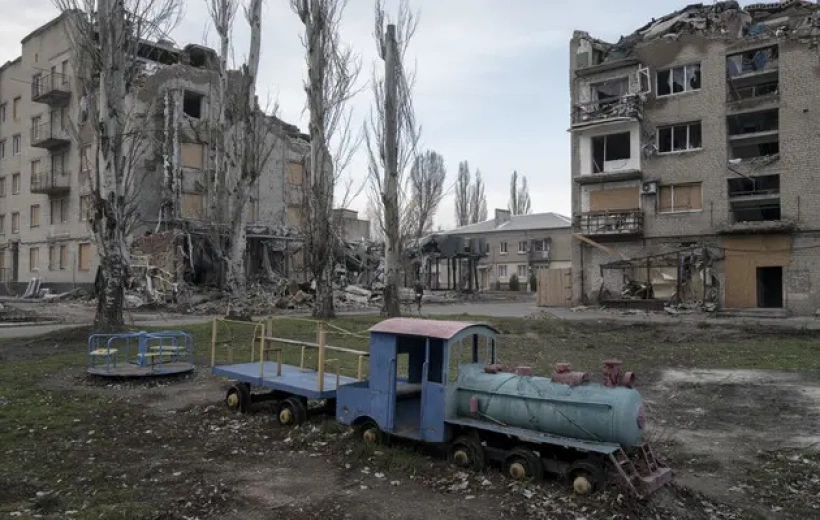
Russian troops entered the Donetsk Oblast logistics hub of Pokrovsk following one of the slowest, costliest offensives of the war, one US analysts compared unfavorably in pace to the Battle of the Somme; Russian forces struggled to consolidate control for months afterward.
A third round of Istanbul talks yields a prisoner swap, not a ceasefire
Russian and Ukrainian delegations meeting in Istanbul agreed to another prisoner exchange but made little progress on ceasefire terms; Ukraine sought a full, unconditional ceasefire as a precondition for further diplomacy, while Russia proposed only short 24-to-48-hour pauses.
US and Ukraine sign a minerals and reconstruction deal
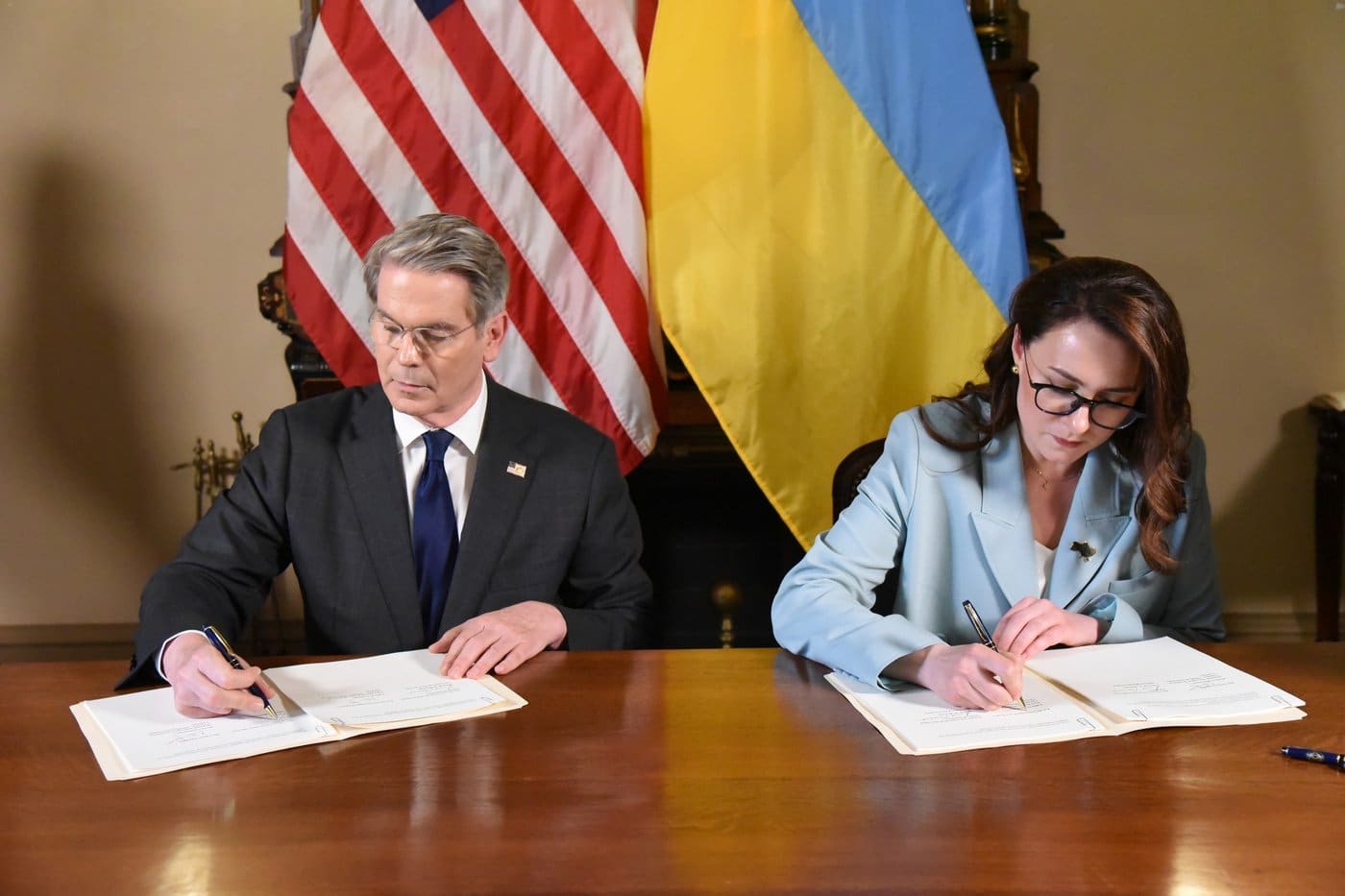
Two months after the Oval Office clash, the US and Ukraine signed an agreement establishing a joint investment fund for Ukraine's reconstruction, capitalized partly by future natural-resource revenue; the deal gives the US preferential access to mineral extraction while leaving Ukraine final say over what is mined.
Russia claims full recapture of Kursk Oblast; Ukraine disputes it
Russia's military chief of staff told Putin that Russian forces, aided by North Korean troops, had retaken the last Ukrainian-held village in Kursk Oblast; Ukraine's military disputed the claim, saying its soldiers still held limited positions near the border.
A White House meeting between Trump and Zelenskyy collapses into a public clash
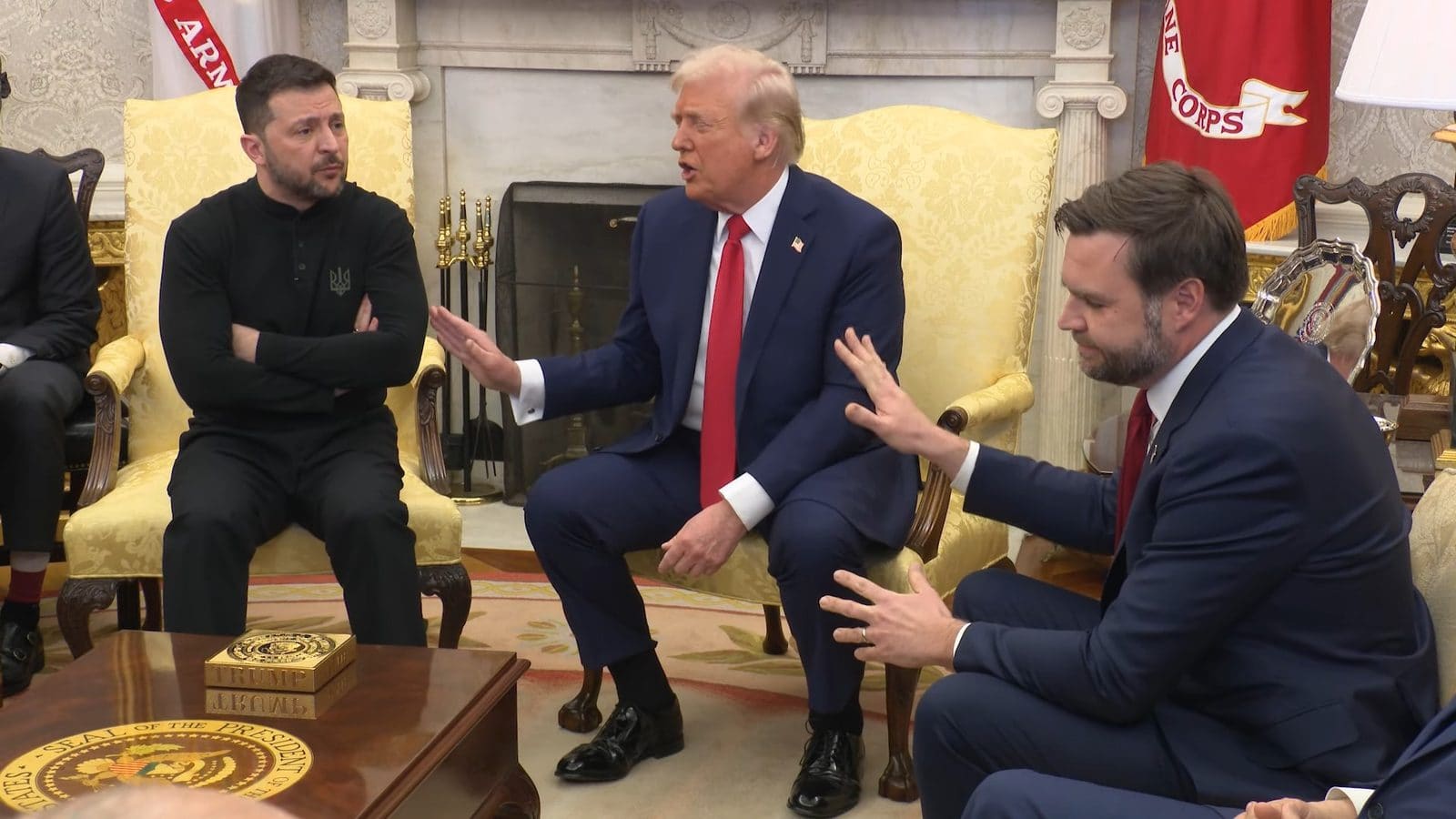
A planned Oval Office meeting to sign a US-Ukraine minerals agreement broke down into a televised shouting match after Trump and Vice President Vance accused Zelenskyy of insufficient gratitude for US support; Zelenskyy left without signing, and a joint press conference was cancelled.
Trump takes office pledging a rapid end to the war
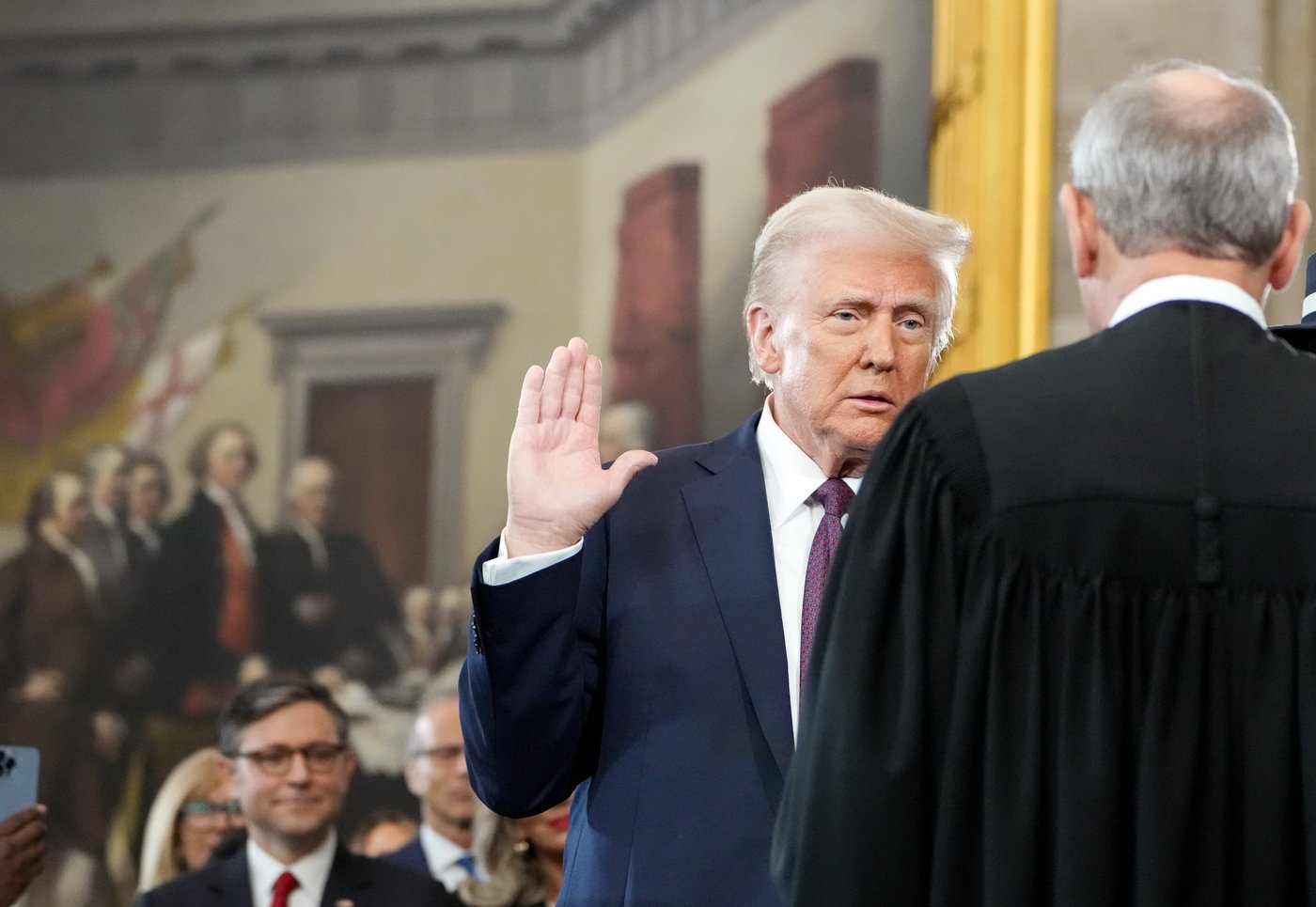
President Trump was inaugurated for a second term having repeatedly pledged during the campaign to end the war quickly, opening a period of direct US engagement with both Moscow and Kyiv that reshaped the diplomatic track over the following year.
Russia fires the Oreshnik missile in combat for the first time
Russia struck Ukraine's Pivdenmash aerospace facility in Dnipro with an experimental intermediate-range ballistic missile it named Oreshnik, which Putin described as a live-fire test capable of speeds over Mach 10; those speed and capability figures are Russian state claims, and Ukrainian officials said the warheads used lacked explosives.
Biden authorizes limited ATACMS strikes inside Russia
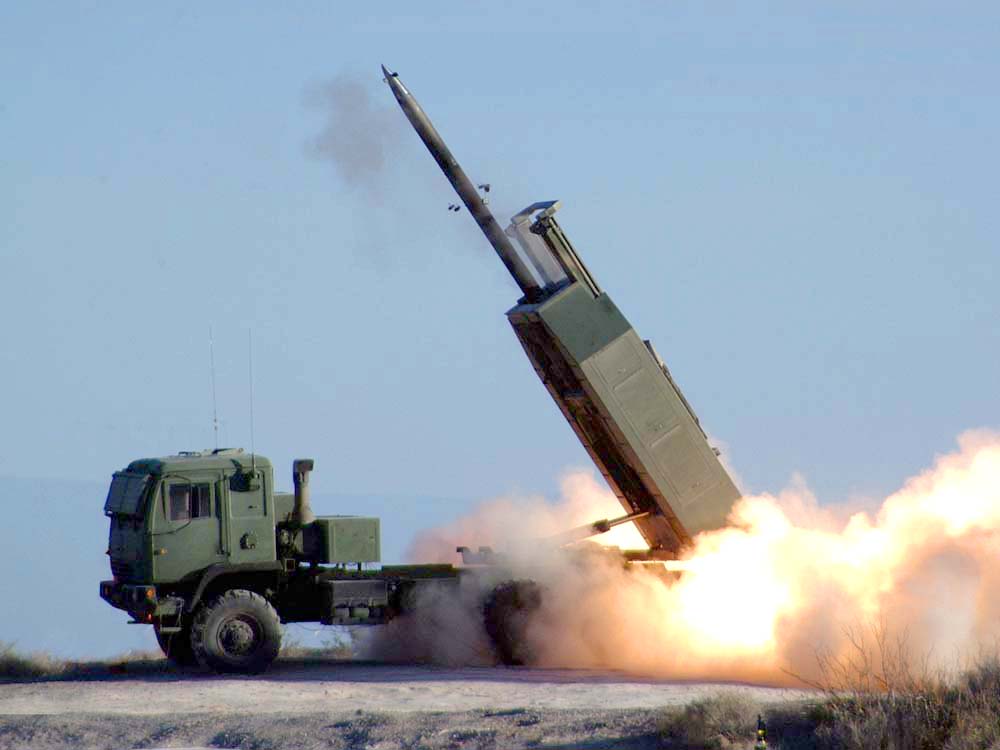
The outgoing Biden administration lifted its restriction on Ukraine using US-supplied long-range ATACMS missiles against targets inside Russia, a policy reversal driven partly by North Korea's deployment of troops to help Russia defend Kursk Oblast; officials described the authorization as narrowly focused on that region.
Ukraine launches a surprise incursion into Russia's Kursk Oblast
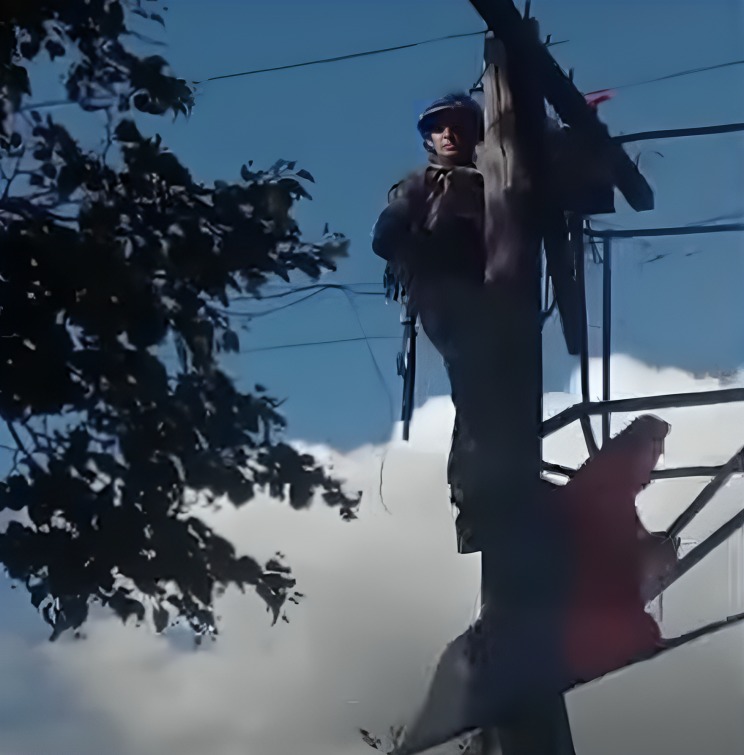
Ukrainian forces crossed into Kursk Oblast and, within a week, said they had seized roughly 1,000 square kilometers of Russian territory and 28 settlements, the largest foreign incursion onto Russian soil since World War II. The advance stalled by early October.
Ukraine receives its first F-16 fighter jets
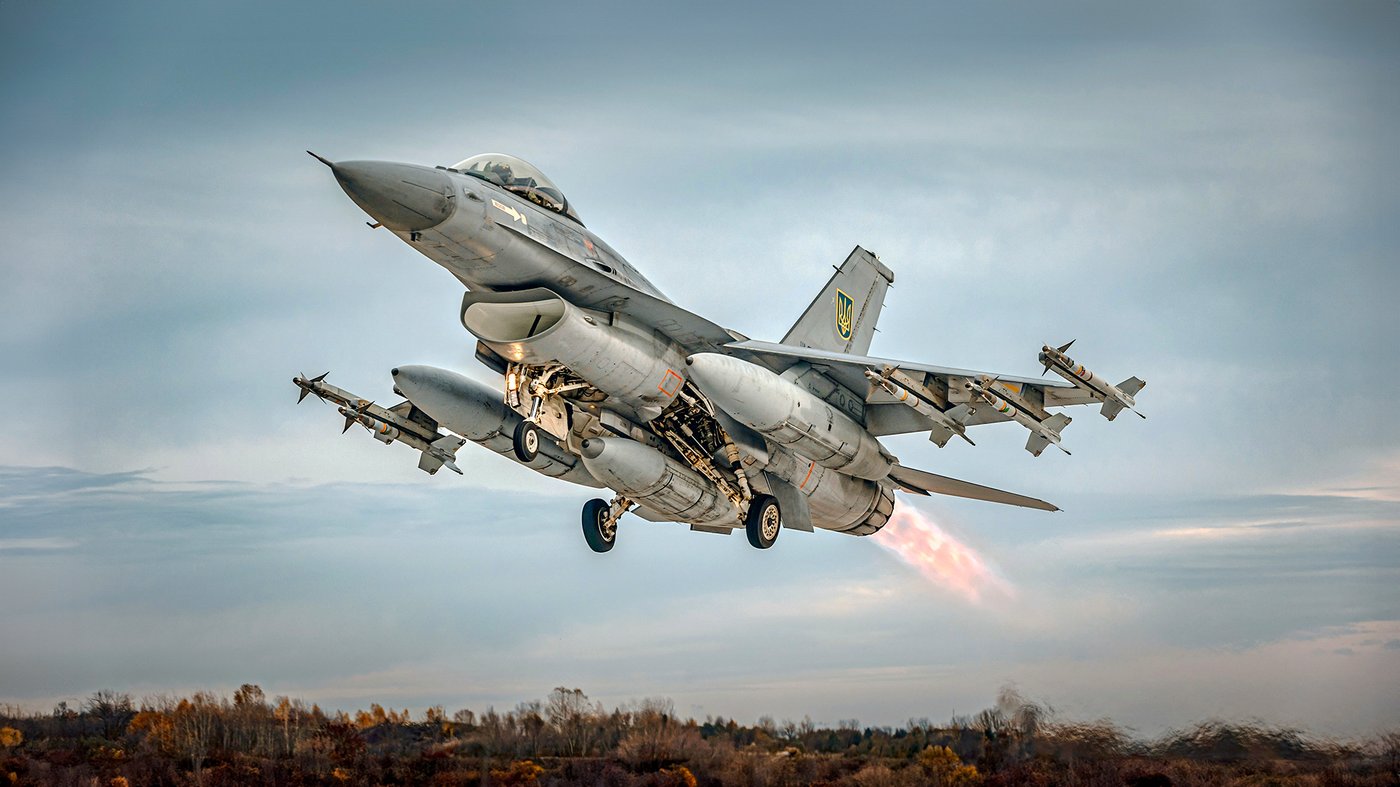
The Netherlands and Denmark delivered Ukraine's first F-16 combat aircraft, more than two years after Kyiv began requesting Western fighters; four donor nations ultimately pledged 79 jets, though Ukraine has said it needs well over 100 to meaningfully contest Russia's larger air force.
Russia opens a new front in Kharkiv Oblast
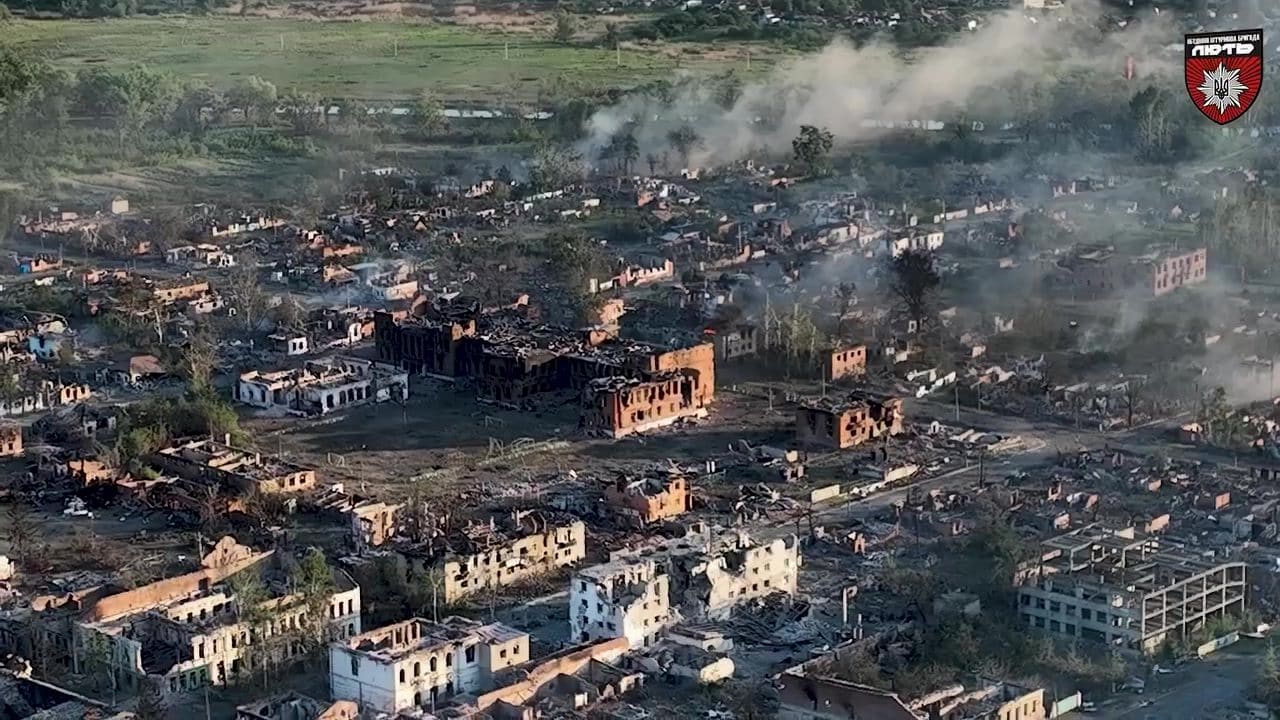
Russian forces launched a cross-border armored assault toward Vovchansk, Ukraine's second-largest city's namesake border district, achieving Russia's largest territorial gains in 18 months before the advance stalled by early June.
US Congress passes a $61 billion Ukraine aid package
After a six-month congressional stalemate that left Ukrainian forces short on artillery shells, the US Senate passed a $95 billion foreign-aid bill including roughly $61 billion for Ukraine; President Biden signed it into law the next day and began shipping weapons within days.
Avdiivka falls after a four-month siege
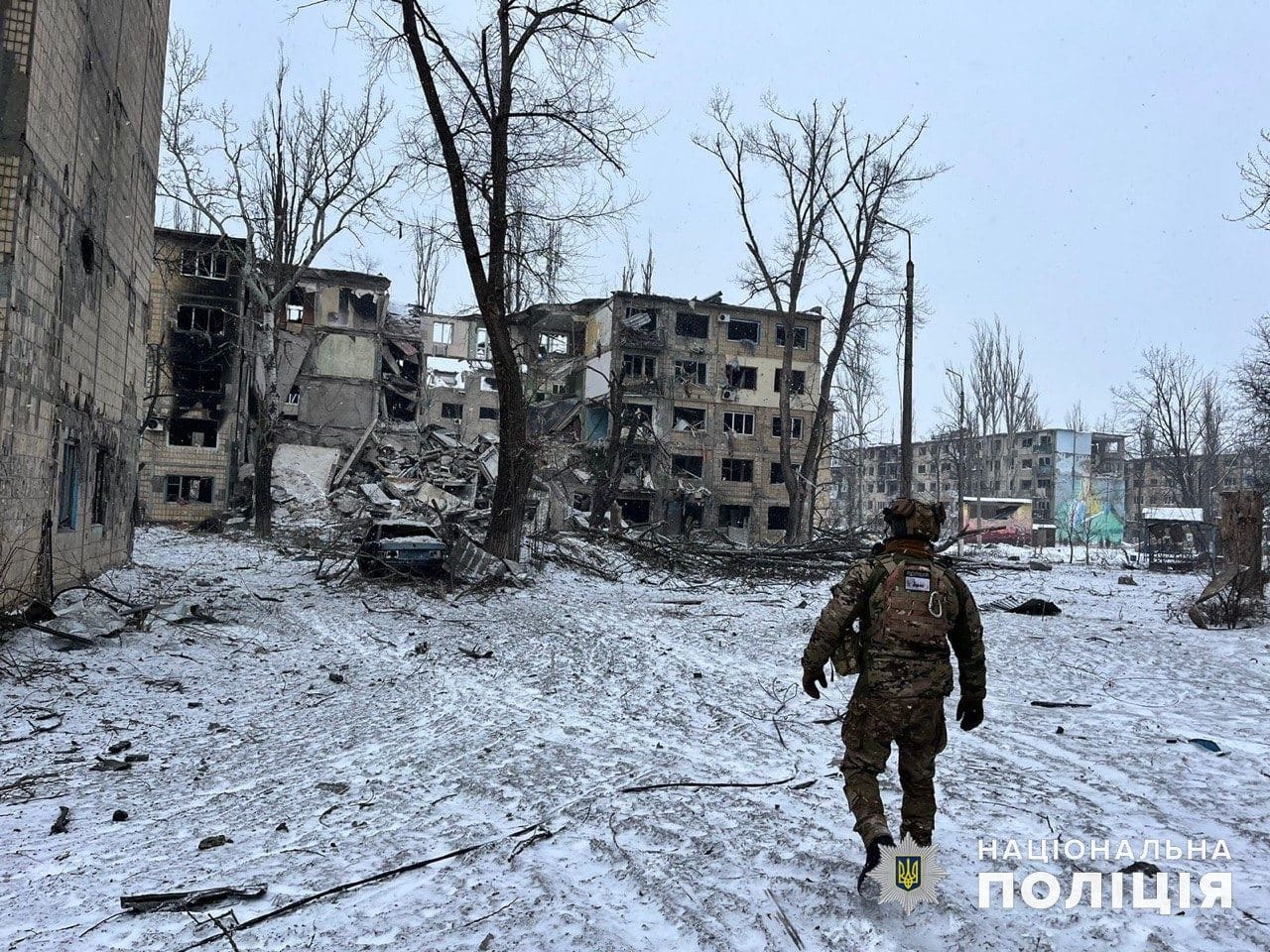
Ukraine's top commander ordered a withdrawal from Avdiivka to avoid encirclement, ceding the Donetsk Oblast city to Russian forces after months of some of the war's heaviest fighting; it was Russia's largest territorial gain since the capture of Bakhmut.
Belgorod is struck a day after Russia's mass strikes on Ukraine
Explosions in the Russian border city of Belgorod killed at least 25 people and wounded over 100, per Russian officials, who blamed Ukrainian shelling; Ukraine's government suggested the deaths were caused by Russian air-defense debris rather than a direct strike. The attack followed a Russian missile and drone barrage across Ukraine a day earlier that killed dozens.
The counteroffensive is assessed to have stalled
Five months after it began, Ukraine's counteroffensive had recaptured only marginal territory and failed to reach its objectives of Tokmak or Melitopol, undercut by minefields, layered Russian defenses and a lack of air superiority; both sides shifted toward a war of incremental, costly gains.
Ukrainian forces capture Robotyne
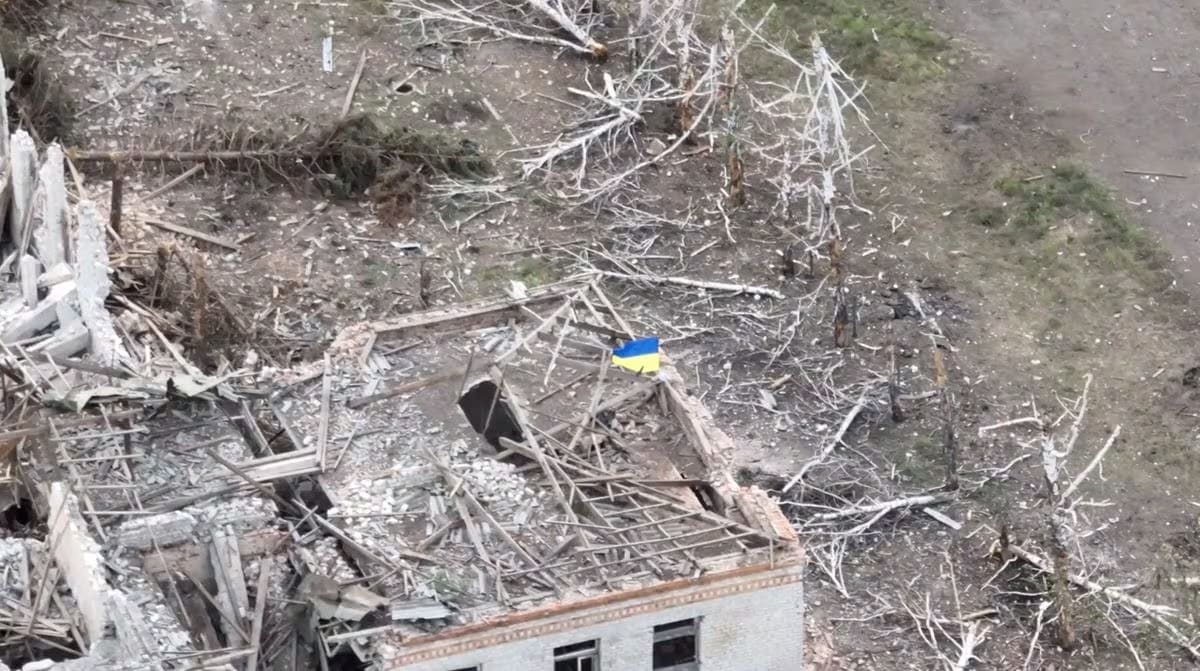
After weeks of grinding through minefields and layered defenses in Zaporizhzhia Oblast, Ukrainian troops took the village of Robotyne, the counteroffensive's deepest breach of Russia's first defensive line, roughly 14 to 17 kilometers at its farthest point.
Russia withdraws from the Black Sea Grain Initiative
Russia declined to renew the grain corridor deal, citing unmet demands over its own agricultural exports and sanctions, ending a year-long arrangement that had moved nearly 33 million tonnes of food out of Ukrainian ports and triggering a jump in global grain prices.
Wagner mercenaries mutiny, then stand down
Yevgeny Prigozhin's Wagner forces seized the Russian military headquarters in Rostov-on-Don and advanced toward Moscow before halting under a brokered deal that sent Prigozhin to Belarus; he died in a plane crash two months later, widely attributed to Russian state retaliation though never officially confirmed.
The Kakhovka Dam is destroyed, sides trade blame
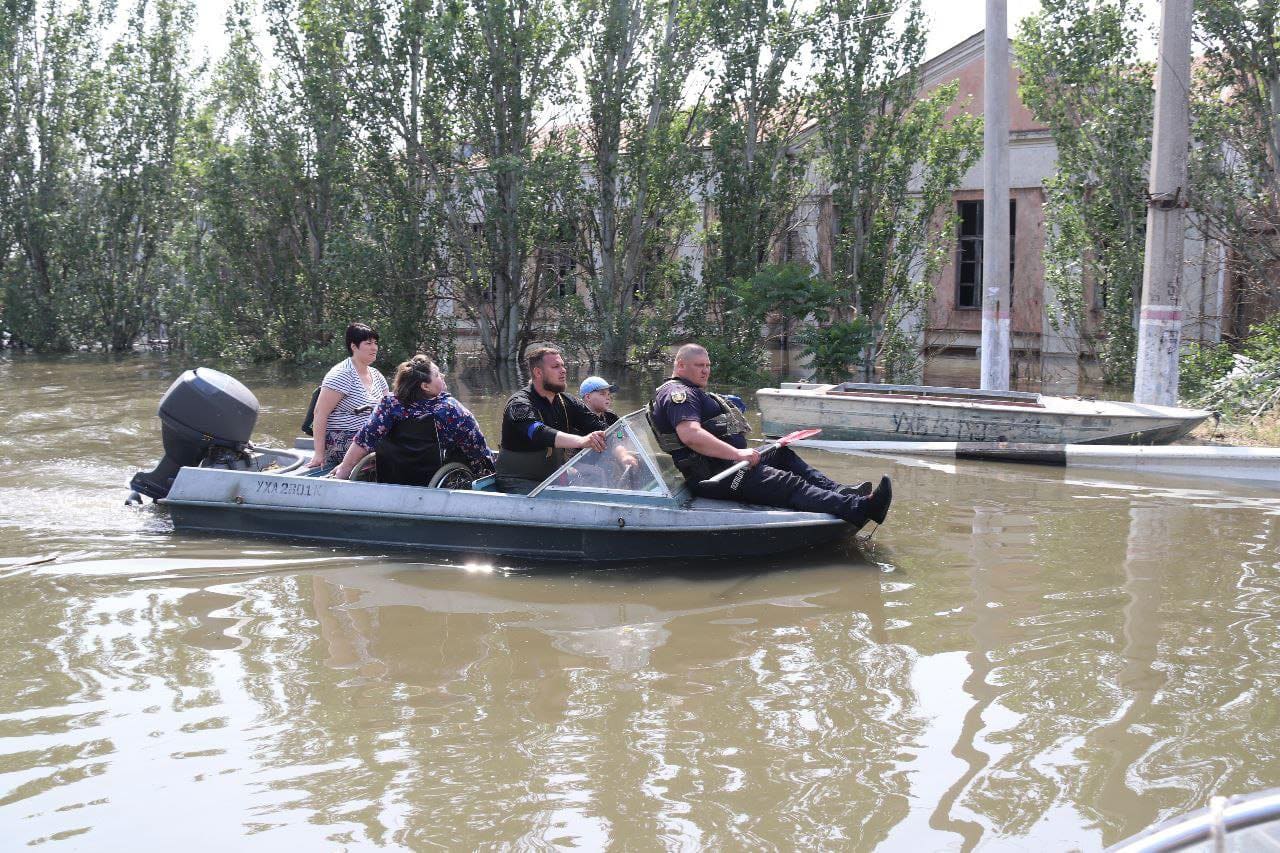
An explosion breached the Kakhovka Dam on the Dnipro River, flooding dozens of settlements in Kherson Oblast; Ukraine and most Western assessments point to Russian forces, who controlled the dam and denied responsibility, while Russia blamed Ukrainian shelling. Ukraine's government reported 31 deaths from the flooding; Russian-appointed officials claimed 59.
Ukraine opens its long-planned summer counteroffensive
Ukrainian forces attacked Russian defensive lines in Zaporizhzhia and Donetsk oblasts, aiming to sever Russia's land corridor to Crimea; the offensive relied heavily on Western-supplied armor delivered over the preceding months.
Wagner claims Bakhmut after the war's longest battle
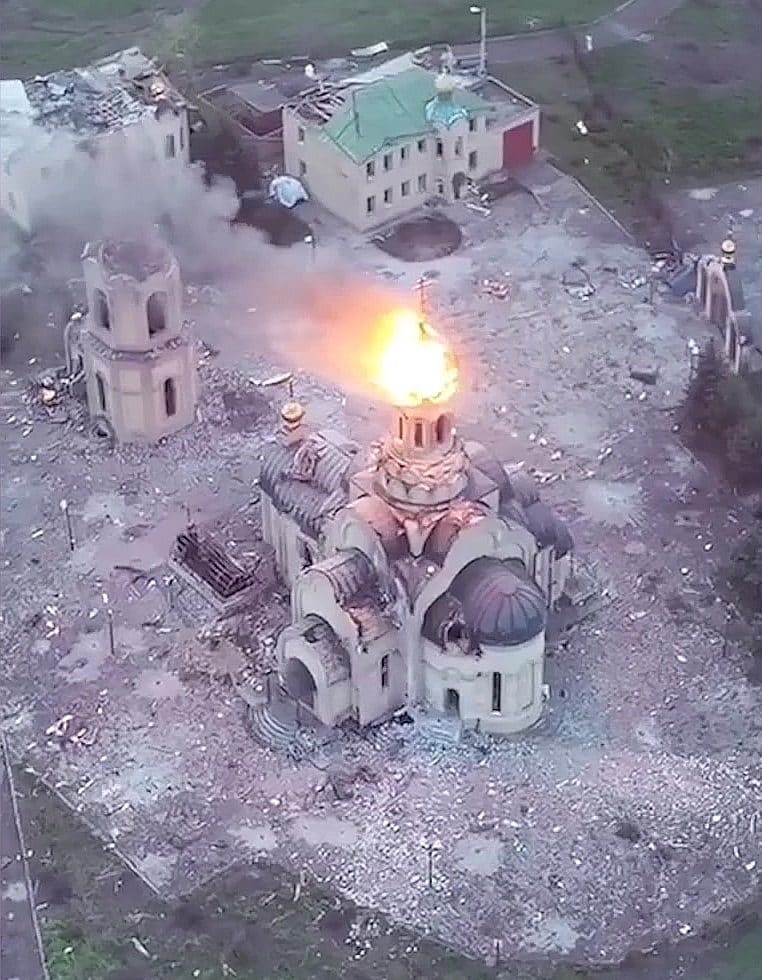
Wagner Group leader Yevgeny Prigozhin declared his forces had captured Bakhmut after roughly ten months of fighting that analysts on both sides describe as the bloodiest single battle of the war; Ukraine disputed full Russian control, and both militaries suffered heavy losses for a city reduced largely to rubble.
Drones target the Kremlin; Russia blames Ukraine, which denies it
Russia said two drones were shot down over the Kremlin in an attempted assassination of Putin, who was not present; Ukrainian officials denied involvement, and while some US officials assessed a Ukrainian unit was likely responsible, no government has confirmed authorship on the record.
ICC issues an arrest warrant for Putin over child deportations
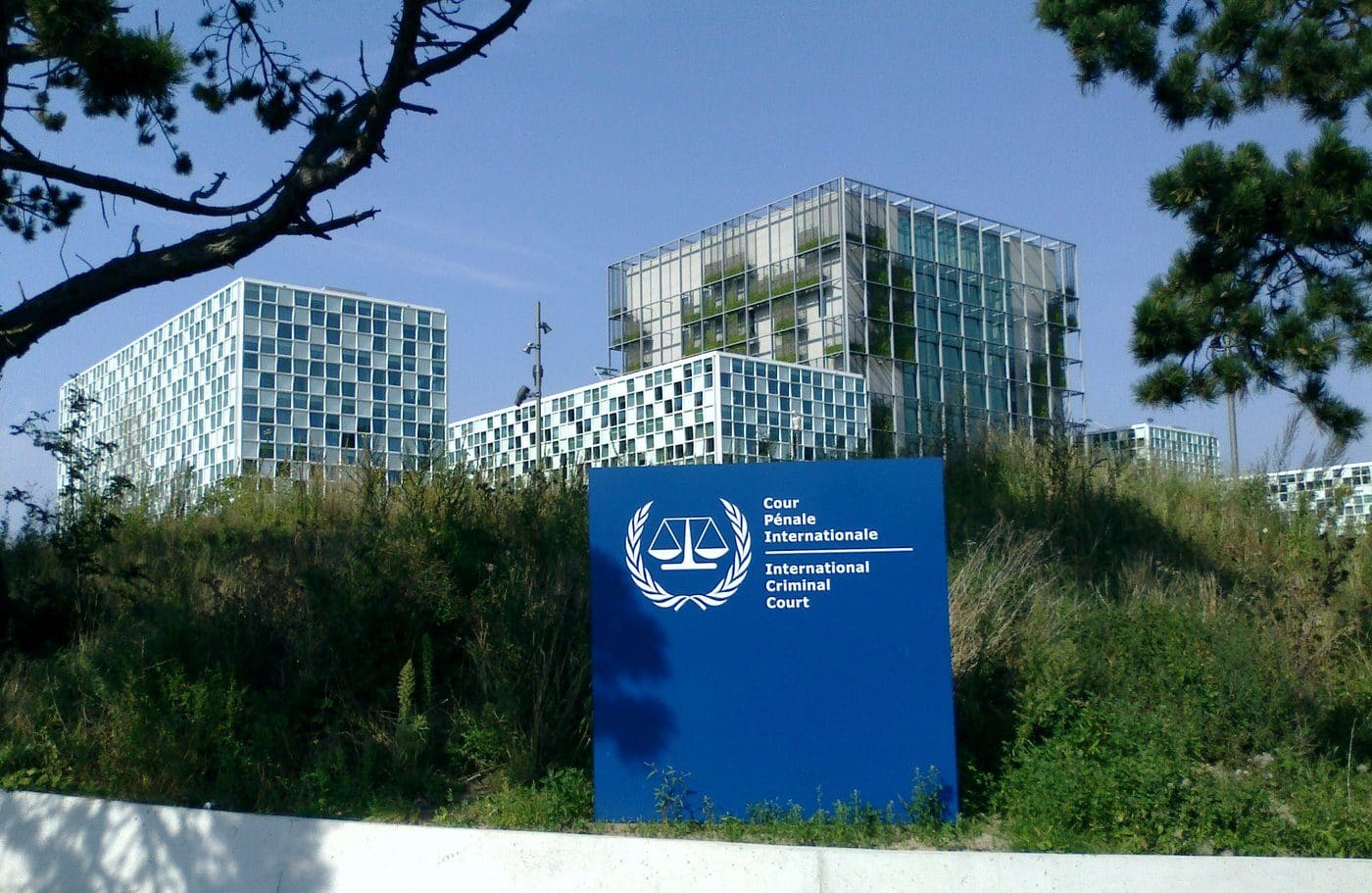
The International Criminal Court issued arrest warrants for Vladimir Putin and Russia's children's rights commissioner, Maria Lvova-Belova, over the alleged unlawful deportation of Ukrainian children to Russia and Russian-occupied territory. Russia rejects the ICC's jurisdiction and has not complied.
Kherson is liberated, the only regional capital Russia had taken
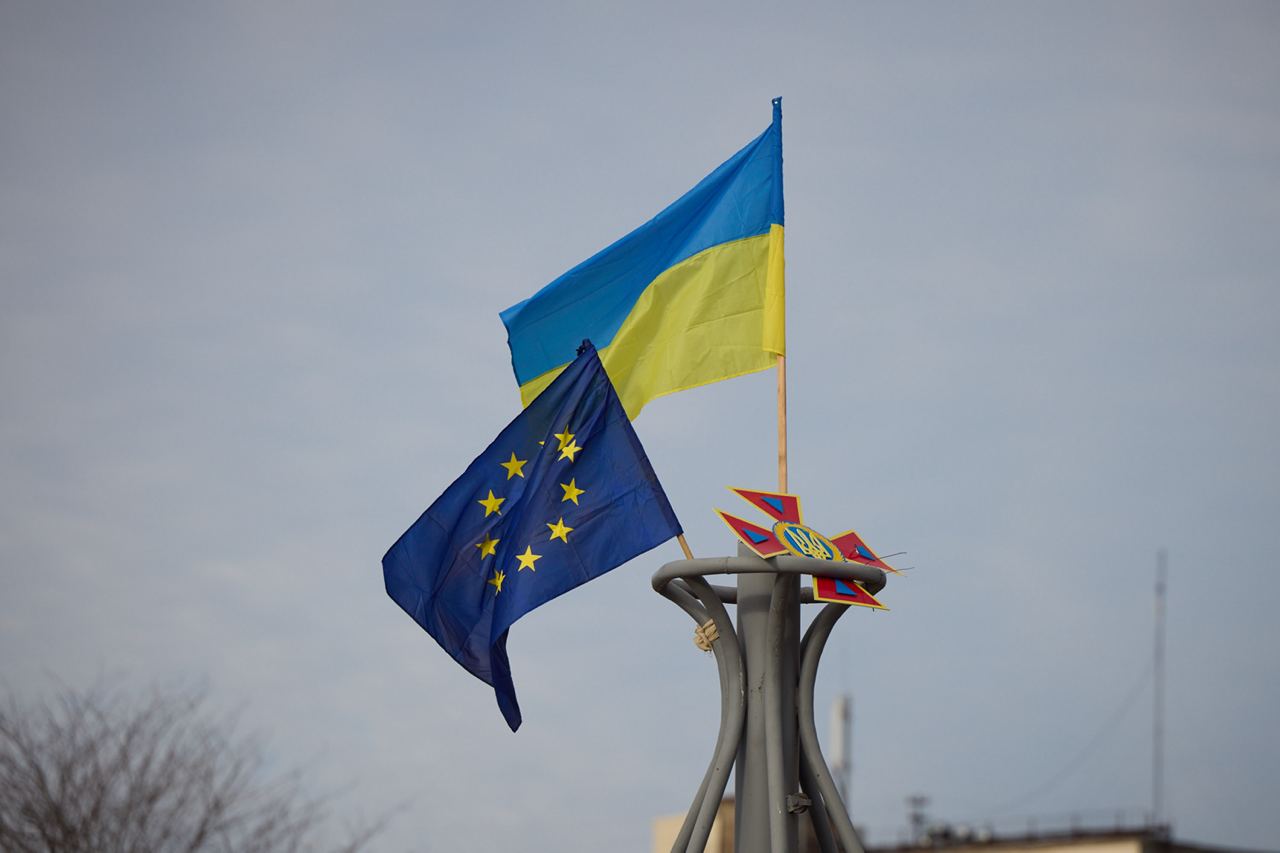
Russian forces withdrew across the Dnipro River after Ukrainian troops advanced on the city, ending an eight-month occupation; Kherson remained the only Ukrainian regional capital Russia captured and then lost during the full-scale war.
Explosion damages the Crimean Bridge
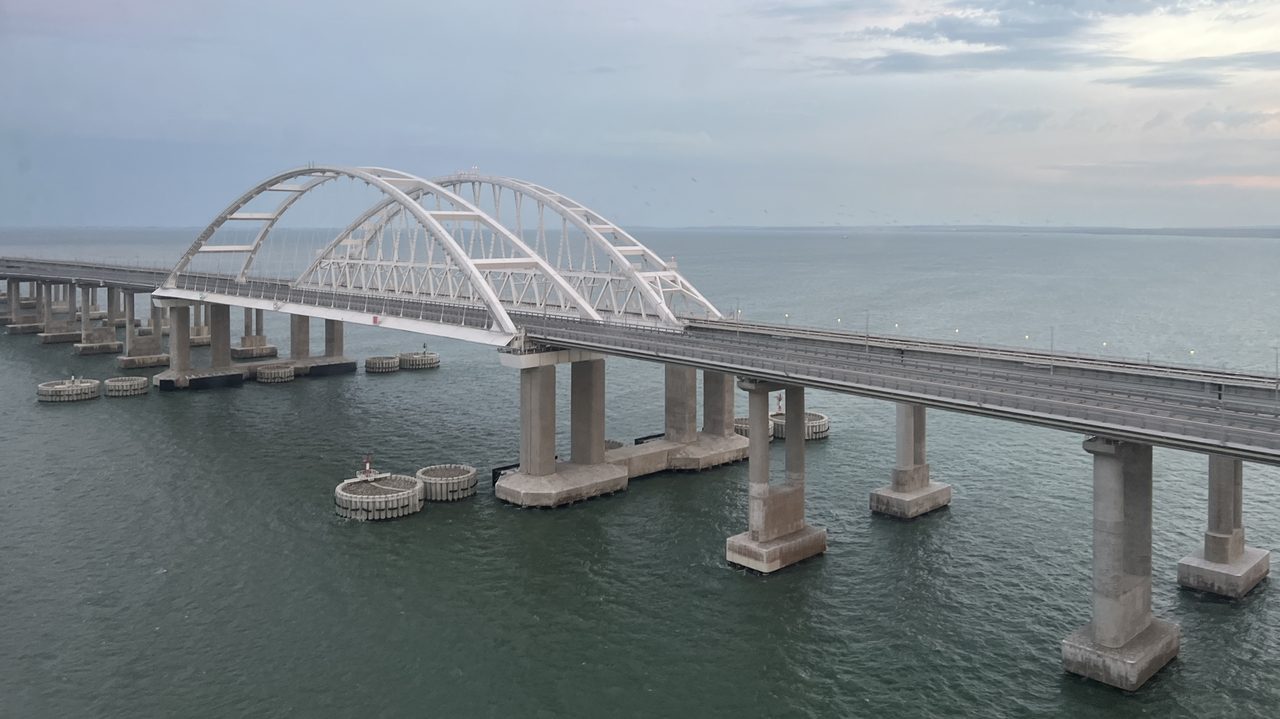
A truck bomb collapsed two lanes of the road bridge linking Crimea to the Russian mainland and set a rail-bridge fuel train alight, killing five people; Russian investigators later attributed the operation to Ukraine's security service, which did not formally claim responsibility at the time.
Russia annexes four Ukrainian oblasts
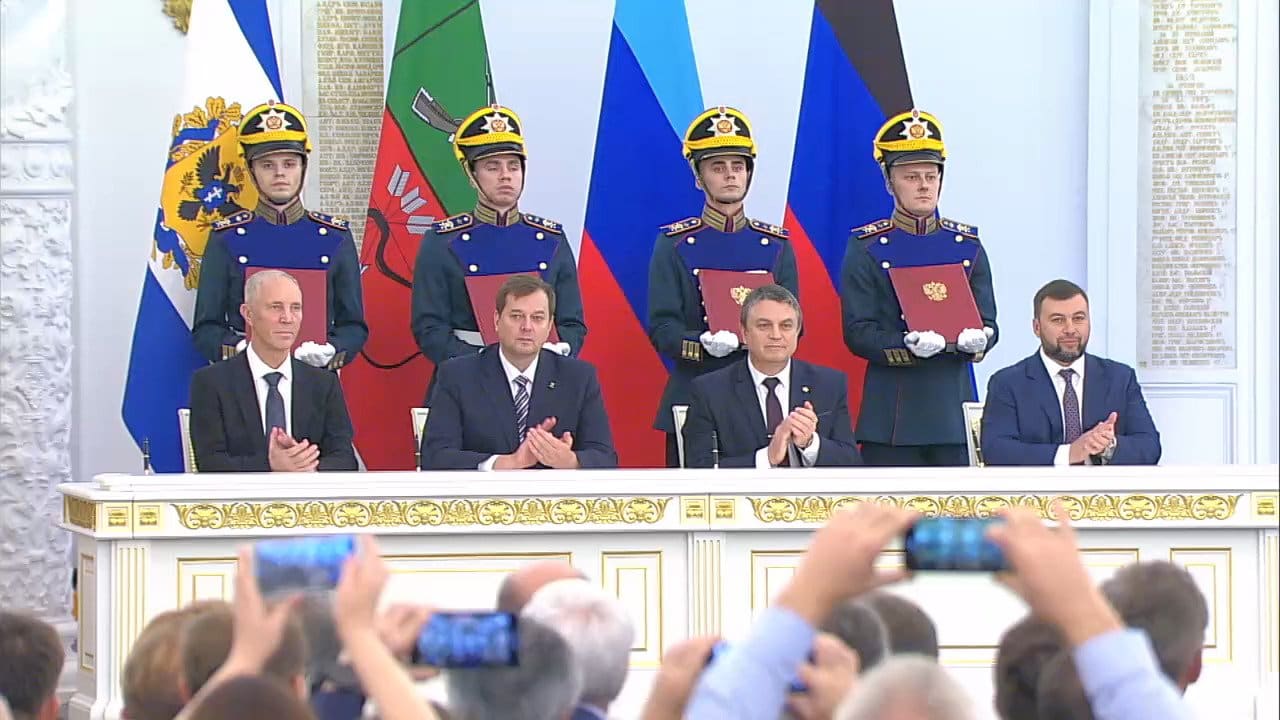
Putin signed treaties annexing Donetsk, Luhansk, Kherson and Zaporizhzhia oblasts following referendums that most of the international community rejected as illegitimate and coercive; Russia did not fully control any of the four regions at the time.
Russia announces a partial mobilization
President Vladimir Putin ordered a partial mobilization that Russia's defense ministry said would call up 300,000 reservists, its first mobilization since World War II; the figure is a Russian government claim, and independent estimates of the actual callup have varied.
Bakhmut comes under sustained Russian bombardment
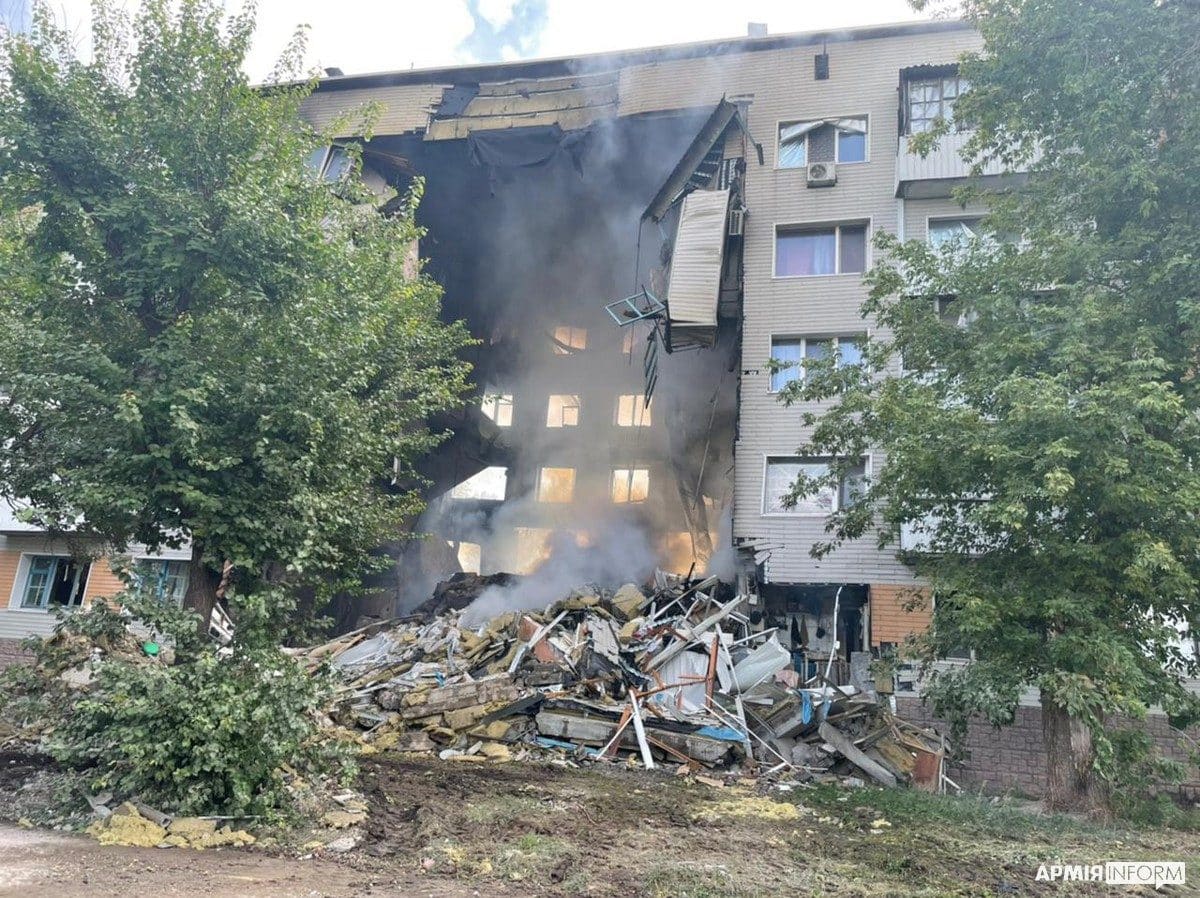
Russian airstrikes and shelling intensified on the Donbas city of Bakhmut, then still months from becoming the war's longest and bloodiest single battle, damaging residential buildings and trapping civilians under rubble.
Ukraine's Kharkiv counteroffensive collapses the northeastern front
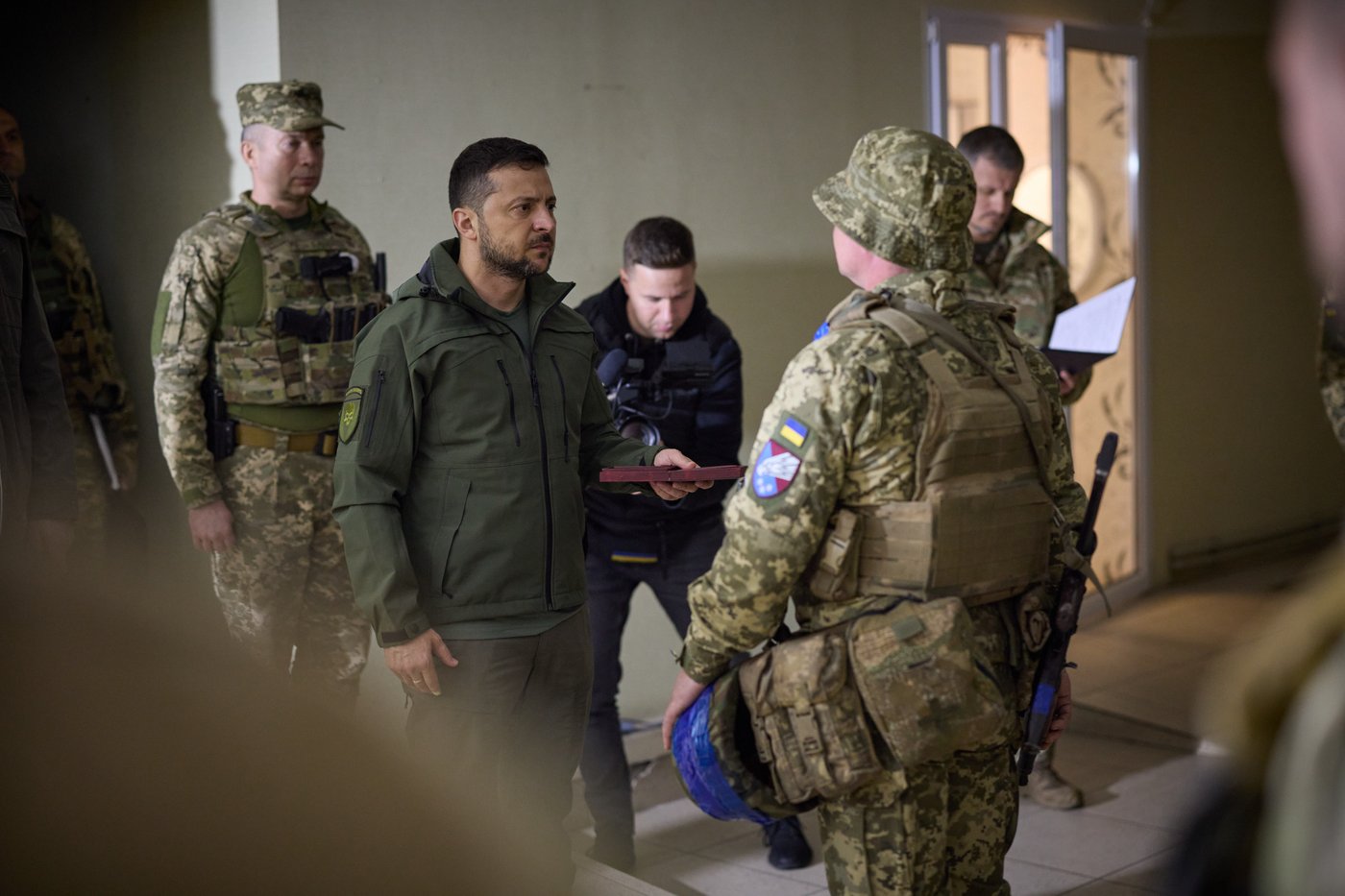
A rapid Ukrainian armored offensive in Kharkiv Oblast broke through thinly held Russian lines and recaptured thousands of square kilometers within days, including the rail hub of Izium, forcing a chaotic Russian withdrawal.
Russia, Ukraine and Turkey sign the Black Sea Grain Initiative
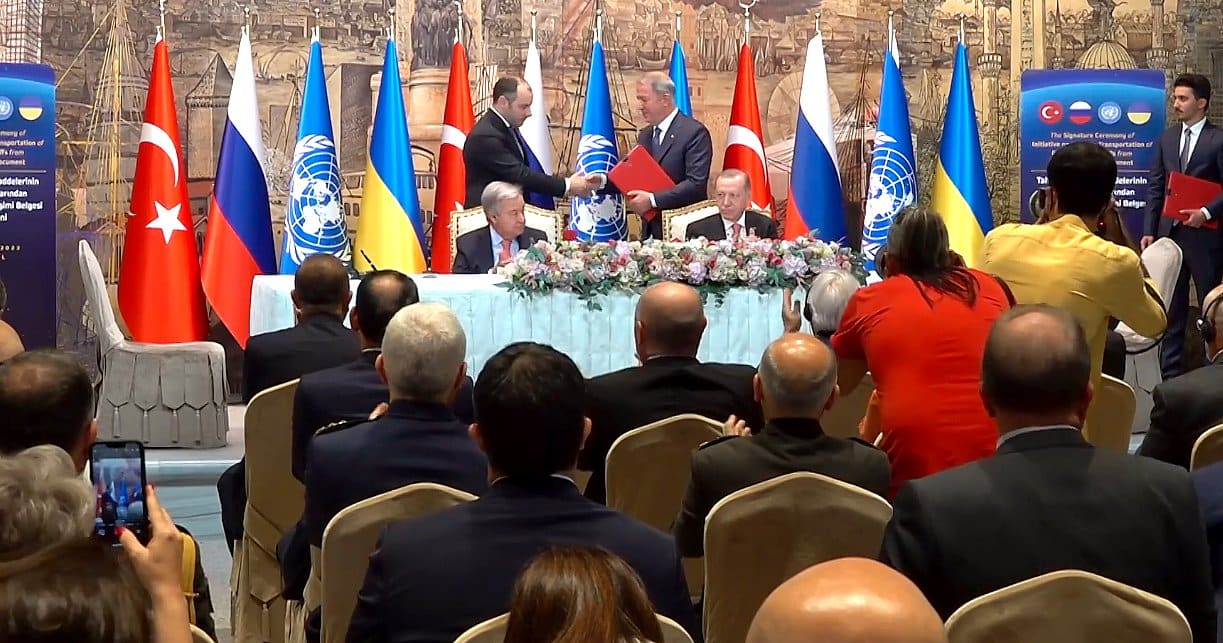
The UN-brokered deal reopened a safe maritime corridor for Ukrainian grain exports, which had halted after the invasion; more than 1,100 voyages would eventually carry nearly 33 million tonnes of grain to over 40 countries before the deal collapsed a year later.
Mariupol falls after the siege of Azovstal
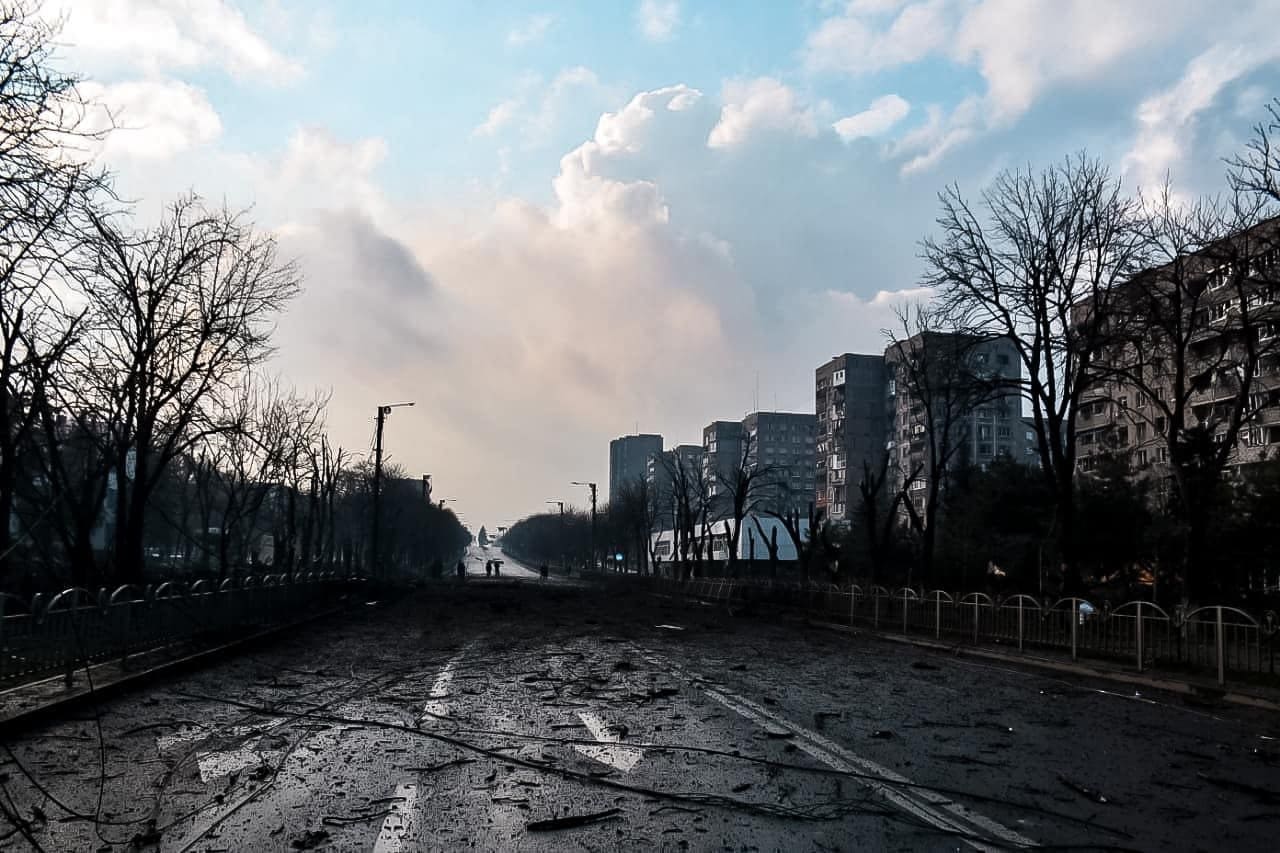
Russian forces completed the capture of Mariupol after the last Ukrainian defenders surrendered at the Azovstal steelworks; Ukrainian officials estimated roughly 25,000 civilians killed in the three-month siege, a figure from Kyiv that has not been independently verified, and said at least 95 percent of the city was destroyed.
Ukraine sinks the Russian cruiser Moskva
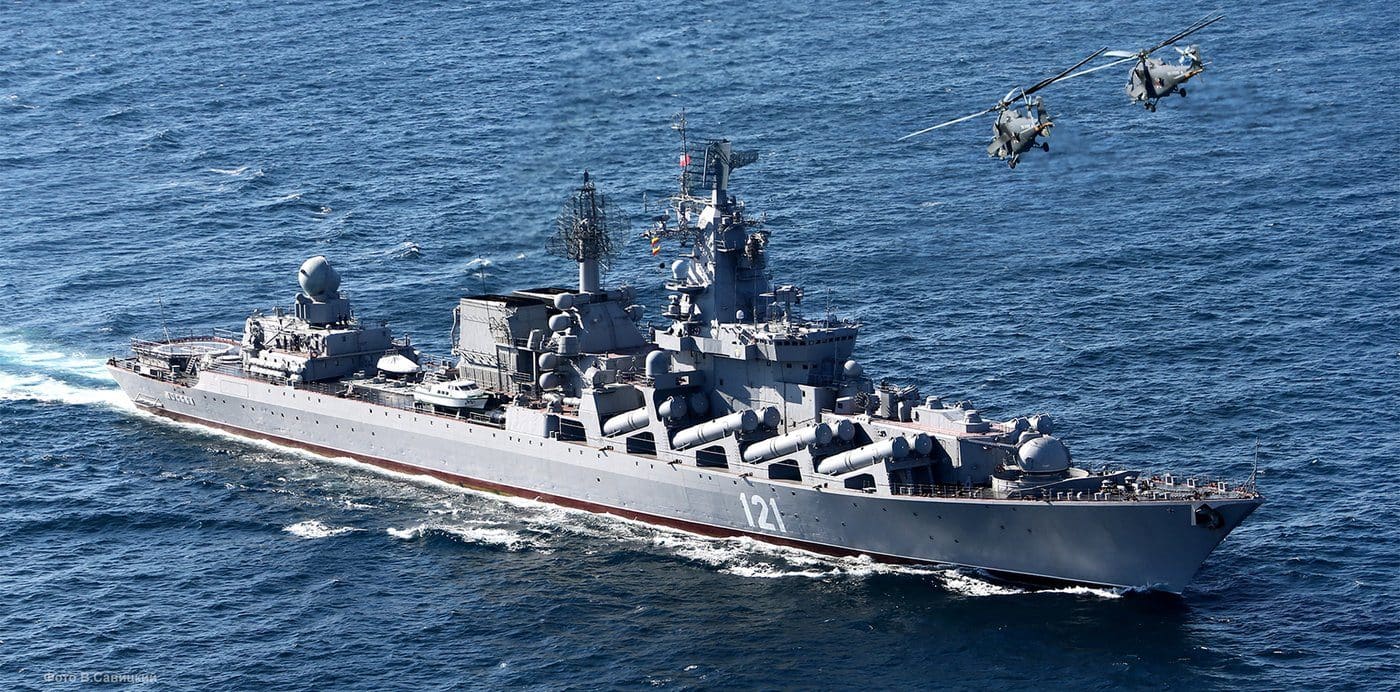
Ukraine said its forces struck the Black Sea Fleet flagship Moskva with two domestically built R-360 Neptune anti-ship missiles; a senior US defense official later confirmed the missile strike, while Russia said the ship sank in stormy seas after an onboard fire, without acknowledging a missile hit. It remains the largest Russian warship lost since World War II.
Russian retreat from Kyiv's suburbs exposes killings in Bucha
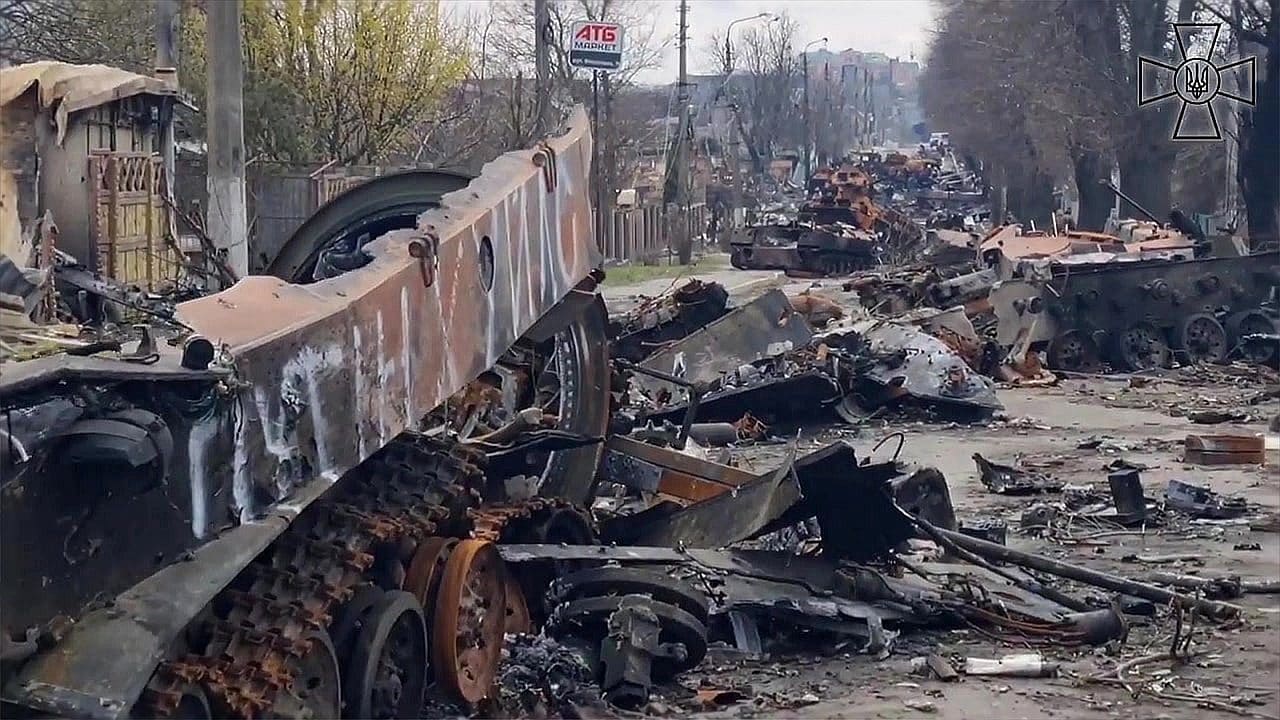
As Russian forces withdrew from northern Ukraine to refocus on the Donbas, Ukrainian troops entering Bucha found hundreds of dead civilians, some bound and shot at close range; local authorities recorded 458 bodies, and the discovery drew international war-crimes investigations.
Russian forces seize the Zaporizhzhia nuclear plant
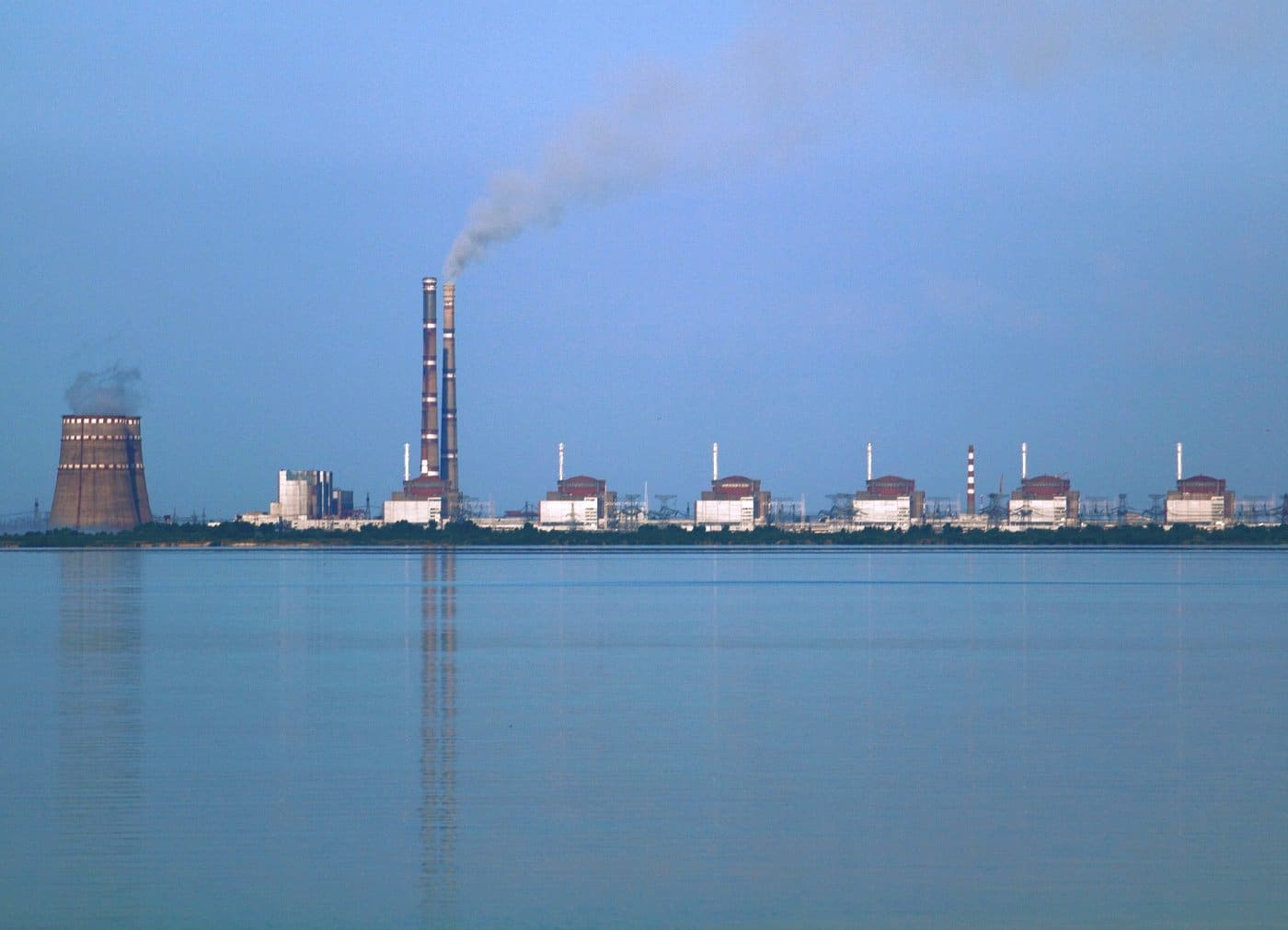
Russian troops attacked and took control of the Zaporizhzhia Nuclear Power Plant, Europe's largest, becoming the first time an operating civil nuclear facility came under armed attack; the IAEA reported no radioactive release during the seizure.
Russia launches a full-scale invasion of Ukraine
Russian forces attacked on multiple axes at once: north from Belarus toward Kyiv, east from the Donbas toward Kharkiv, and south from Crimea toward Kherson and Mariupol, in what became the largest conventional war in Europe since 1945.
Putin recognizes Donetsk and Luhansk as independent, orders troops in
Putin recognized the self-declared Donetsk and Luhansk 'people's republics' as independent states and ordered Russian troops into eastern Ukraine in a declared 'peacekeeping' role, a move Western governments called the effective start of a renewed invasion three days before the full-scale attack.
NATO and the US formally reject Russia's core demands
NATO and the United States responded to Russia's December ultimatum in writing, rejecting the demand to permanently bar Ukraine from future membership while offering to negotiate over arms control, missile deployments and confidence-building measures. Russia called the response unsatisfactory.
Russia issues an ultimatum demanding NATO bar Ukraine, calls it a red line
Russia published draft treaties demanding NATO commit to no further eastward enlargement, 'in particular' to Ukraine, and withdraw forces from countries that joined after 1997. Putin said any NATO missile deployment in Ukraine would let missiles reach Moscow within minutes, calling it the most serious security challenge Russia faced and demanding legally binding guarantees.
Putin publishes essay questioning Ukraine's separate national identity
Putin published a 5,000-word essay, 'On the Historical Unity of Russians and Ukrainians,' arguing Russians and Ukrainians are 'one people' descended from Kievan Rus and that Russia is not 'anti-Ukraine.' Ukrainian officials and Western analysts read the same essay as questioning Ukraine's legitimacy as a separate nation, describing it as a product of the Soviet era formed on historically Russian land.
Minsk II agreement signed after the Battle of Debaltseve
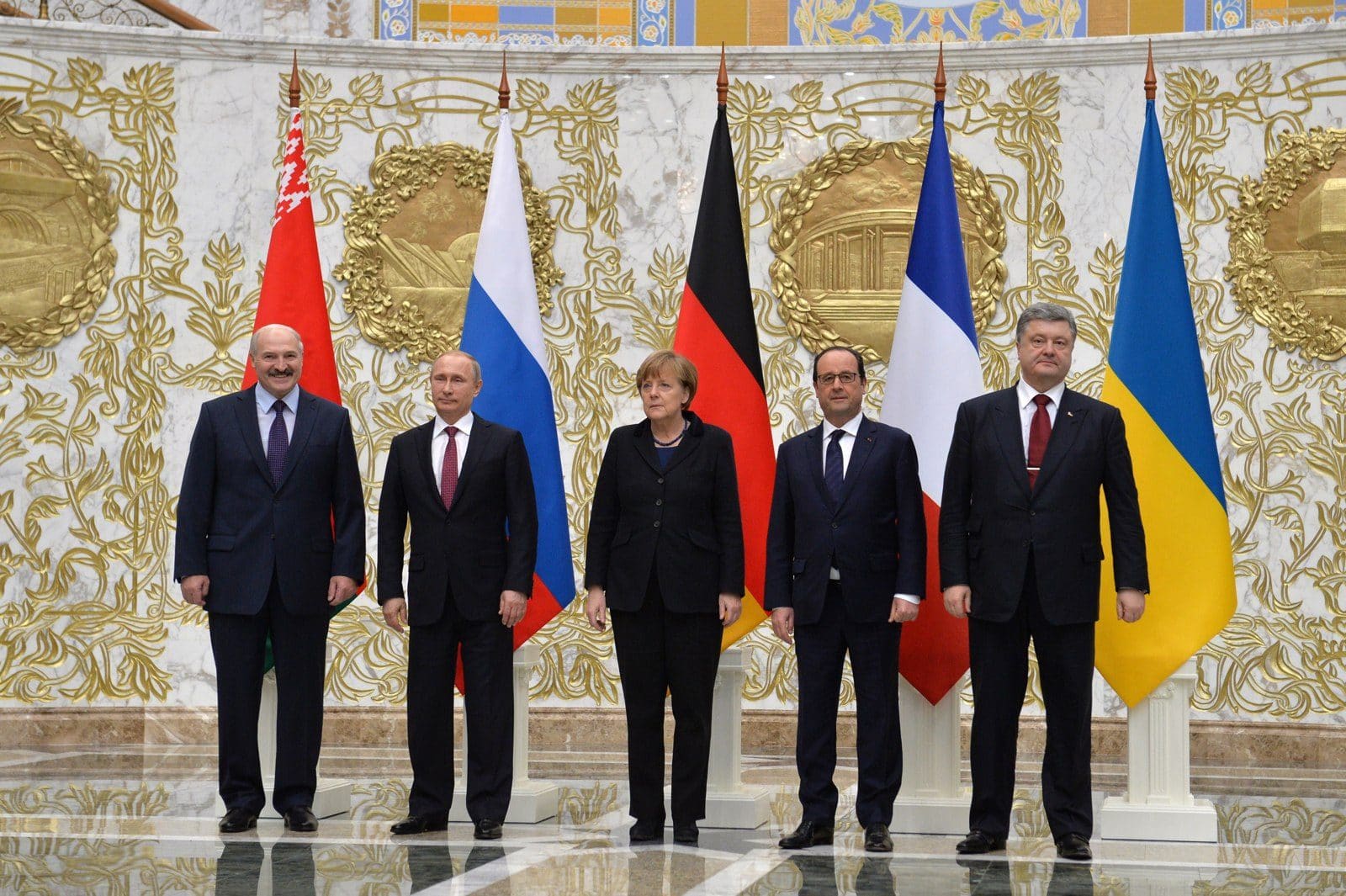
Leaders of Ukraine, Russia, Germany and France signed a more detailed follow-on agreement in Minsk, again calling for a ceasefire, weapons withdrawal, and eventual special status for the separatist-held areas within Ukraine. Its core political provisions were never implemented, and low-intensity fighting along the line of contact continued for the next seven years.
First Minsk agreement signed; fighting continues regardless
Ukraine, Russia and separatist representatives signed the Minsk Protocol calling for an immediate ceasefire, but violations by both sides continued within days and the agreement collapsed within months, most visibly at the Battle of Debaltseve in early 2015.
Pro-Russian separatists seize government buildings, opening the Donbas war
Armed pro-Russian groups occupied government buildings in Donetsk and Luhansk and declared breakaway 'people's republics,' opening a war that killed an estimated 14,000 people over the following eight years before Russia's 2022 full-scale invasion absorbed it into the wider conflict.
Putin signs treaty formally annexing Crimea
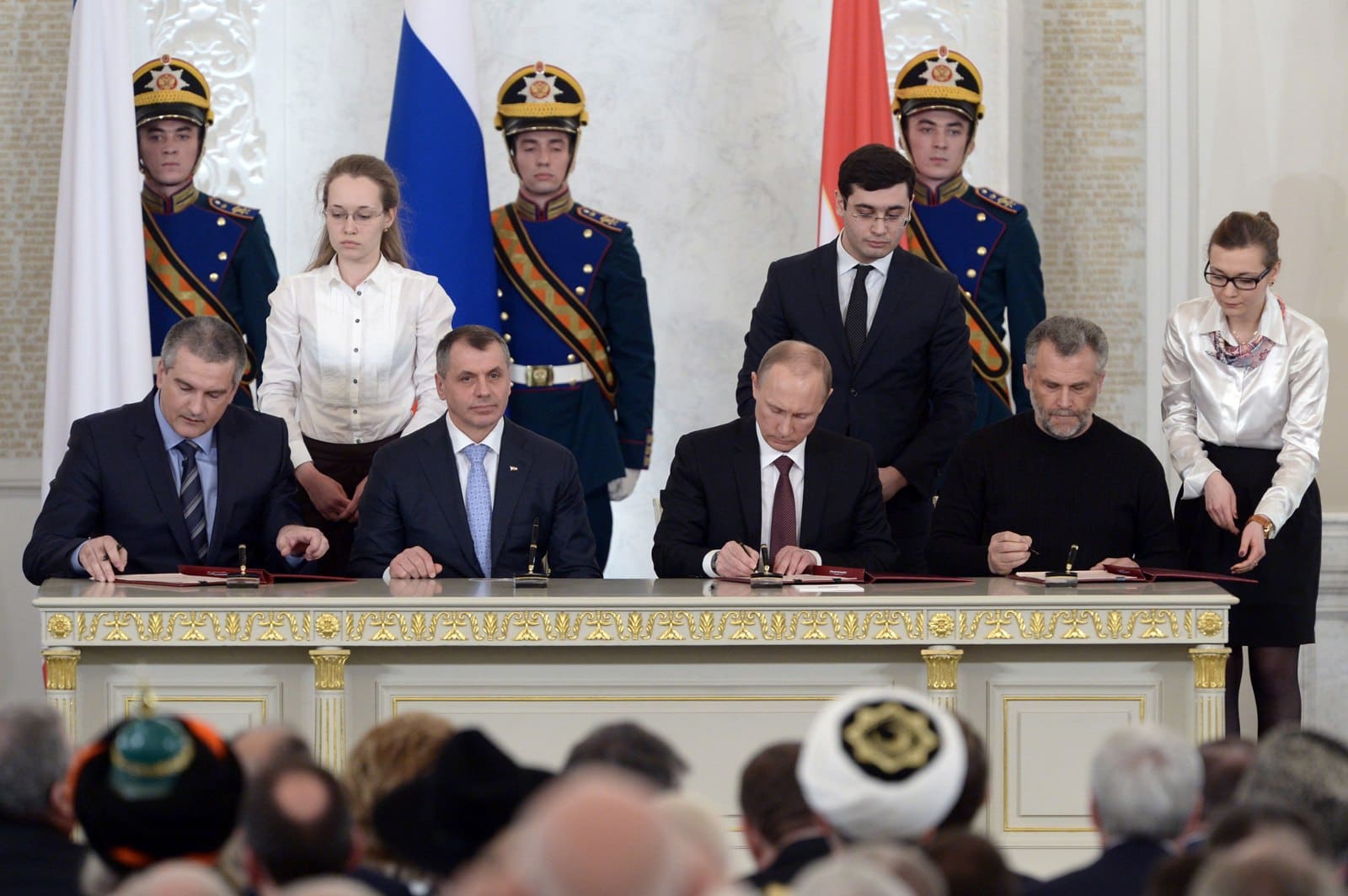
Putin signed a treaty admitting Crimea and Sevastopol into the Russian Federation. The UN General Assembly declared the annexation invalid days later in a resolution affirming Ukraine's territorial integrity; most of the world continues to recognize Crimea as Ukrainian territory under Russian occupation.
Crimean referendum reports over 96% support for joining Russia
A referendum held under Russian military occupation, and rejected as illegal by Ukraine, the EU and the US, reported 96.8% support for Crimea joining Russia on a claimed 83% turnout, figures independent observers and a leaked Kremlin human-rights council report called implausible.
Unmarked Russian troops seize the Crimean parliament
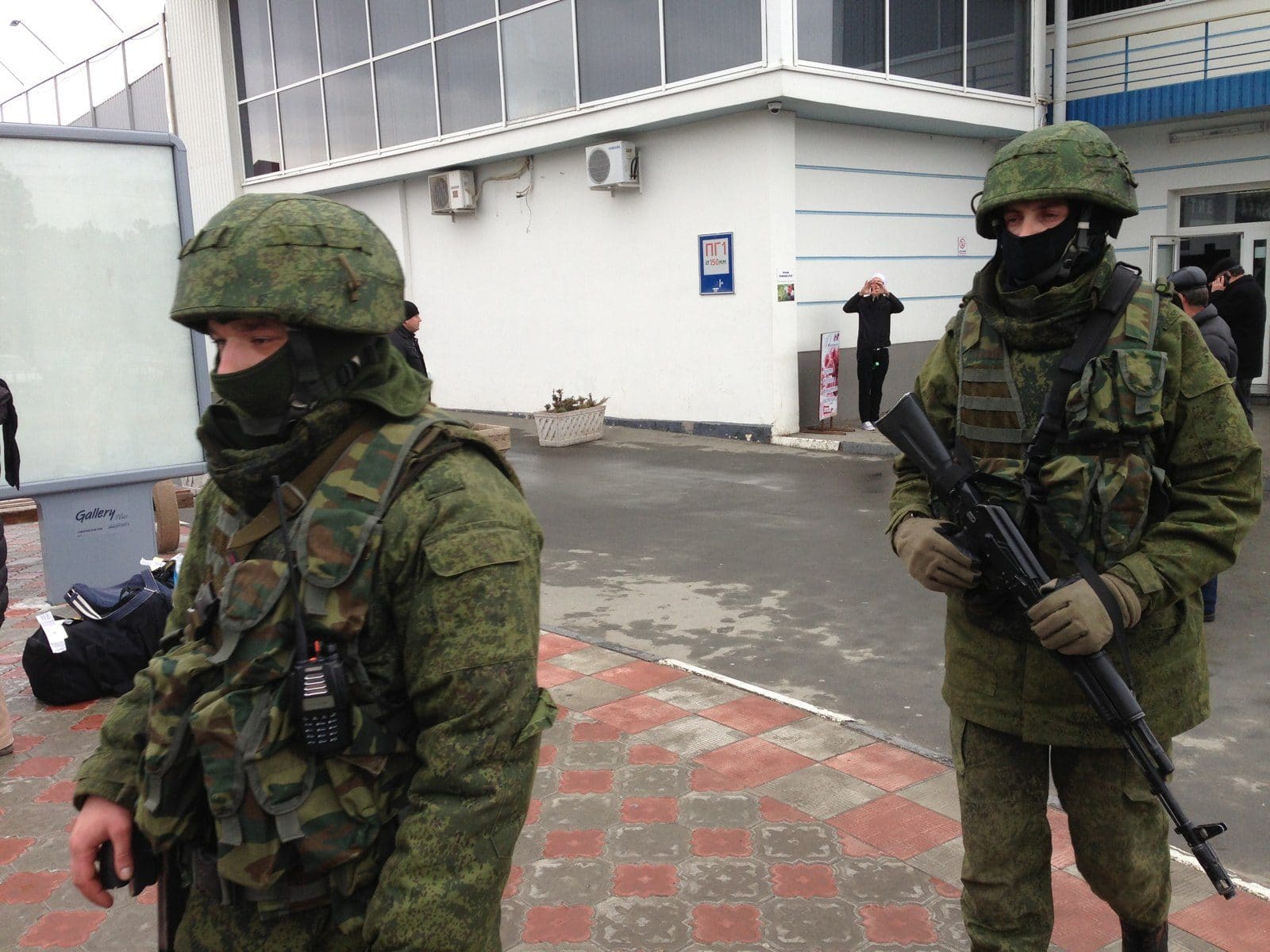
Armed men without insignia, later confirmed by Vladimir Putin himself to be Russian soldiers, seized the Crimean parliament building and key infrastructure across the peninsula, installing a pro-Russian government within days. Moscow initially denied the troops were Russian, a claim Putin publicly retracted about a year later.
Euromaidan crackdown kills dozens in Kyiv; Yanukovych flees days later
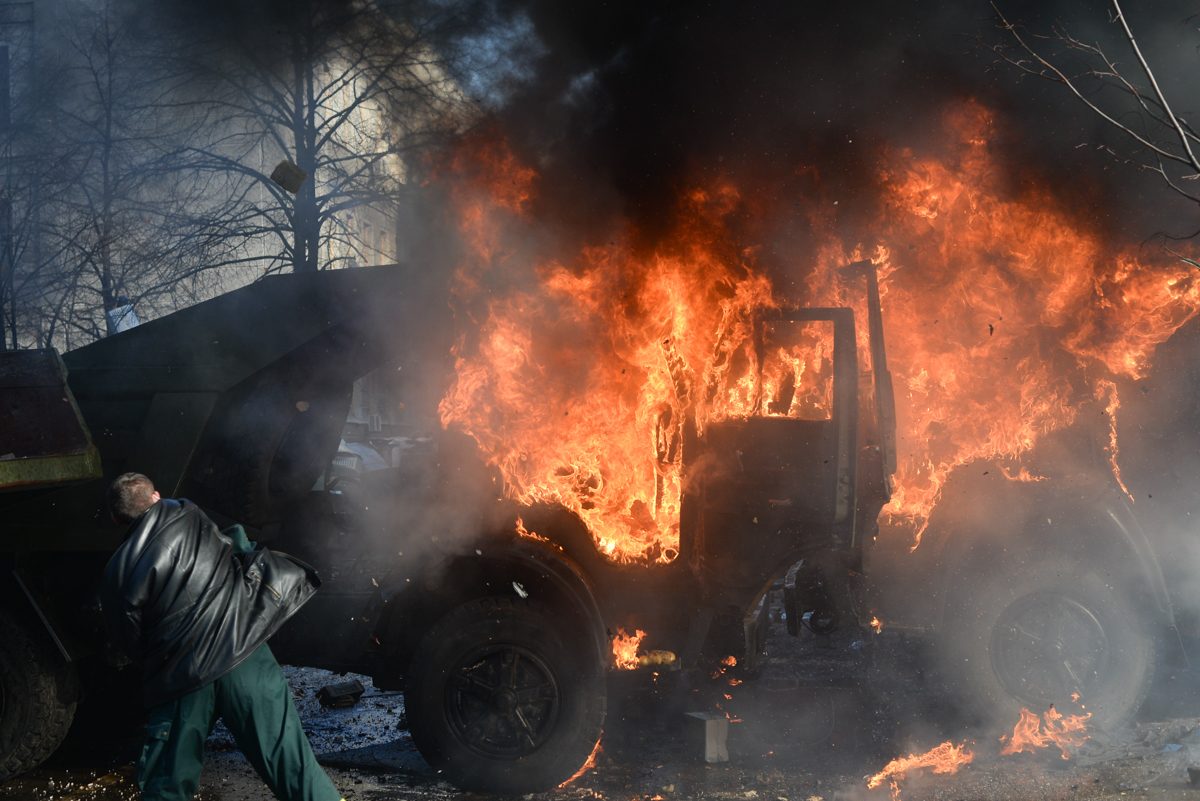
Riot police and snipers killed roughly 100 protesters in Kyiv's Maidan square over three days, the deadliest violence of the three-month Euromaidan movement against President Viktor Yanukovych's turn away from an EU association deal toward closer ties with Russia. Yanukovych fled to Russia on February 22, and parliament voted to remove him from office the same day, a sequence Russia has called an illegitimate, Western-backed coup.
Frequently Asked Questions
How did the Russia-Ukraine war start?
Russia launched a full-scale invasion of Ukraine on February 24, 2022, attacking on multiple fronts at once from Belarus, the Donbas and Crimea, after eight years of lower-intensity fighting that followed Russia's 2014 annexation of Crimea and its backing of separatists in eastern Ukraine's Donbas region. Most trackers, including Wikipedia's own dating of the broader Russo-Ukrainian War, place the war's actual start on February 20, 2014, when the deadliest violence of the Euromaidan protests in Kyiv opened the crisis that led to Yanukovych's ouster, Russia's seizure and annexation of Crimea a month later, and the outbreak of the Donbas war in April 2014.
What role did NATO expansion play in the war's origins?
Russia has cited NATO's eastward expansion as a security threat since at least NATO's 2008 Bucharest summit, where the alliance pledged Ukraine and Georgia would eventually join without setting a concrete timeline. Putin repeatedly framed Ukrainian NATO membership as a red line, warning in 2014 that NATO ships would otherwise dock in Sevastopol, and in December 2021 Russia issued a formal ultimatum demanding NATO commit to no further expansion, 'in particular' to Ukraine, which NATO rejected in January 2022 weeks before the invasion. Putin's public rhetoric has long paired this security argument with claims that Russians and Ukrainians are 'one people' sharing a common culture and history, and that Russia poses no threat to Ukraine, most prominently in his July 2021 essay 'On the Historical Unity of Russians and Ukrainians.' Independent analysts and Ukrainian officials read that same essay as questioning Ukraine's legitimacy as a separate nation rather than reassuring it, and the 2022 invasion itself directly contradicted the claim that Russia did not threaten Ukraine's territorial integrity.
What is the current front line situation?
Russia holds roughly 20 percent of Ukrainian territory as of 2026, largely in the east and south. The front has been mostly stalemated since Russia's capture of Pokrovsk in early 2026; ISW data shows Russian territorial gains in 2026 running at only a small fraction of 2025's pace, though localized fighting and long-range strikes continue.
How many casualties has each side suffered?
Figures vary widely by source and methodology. The UN has confirmed at least 15,000 Ukrainian civilian deaths since February 2022, with officials saying the real toll is likely higher. Ukraine's government put its own military deaths at 55,000 as of February 2026, a figure Western estimates such as CSIS's put considerably higher, around 100,000-140,000 by the end of 2025. On the Russian side, the independent outlets Mediazona and BBC Russian have confirmed the names of 217,808 Russian dead as of mid-2026 through public records, while a broader probate-based estimate from the same researchers puts total Russian military deaths near 352,000 through the end of 2025. Neither Ukraine nor Russia has published a full, independently auditable casualty count.
Is there a ceasefire or peace process underway?
No ceasefire is currently in force. US-brokered talks in Geneva in February 2026 made progress on prisoner exchanges but not on territory or security guarantees, and competing unilateral truces Russia and Ukraine each declared around May 8-9, 2026 were uncoordinated and did not hold as a lasting truce. Talks have also been complicated by the concurrent US-Israel-Iran conflict drawing diplomatic attention elsewhere.
What has each side lost in equipment and economically?
The open-source project Oryx has visually confirmed 23,837 pieces of Russian military equipment destroyed, damaged, abandoned or captured since 2022, against 11,690 for Ukraine; both figures are a documented floor, not a true total, since only losses with photo or video evidence are counted. Separately, Russia's economy has absorbed an estimated $1 trillion or more in combined costs from lost GDP, frozen central-bank reserves (roughly $300 billion held in G7 jurisdictions), and reduced energy revenue, with oil and gas income down 45 percent year-on-year in early 2026.
What triggered the escalation in the war during 2026?
A cluster of developments compounded in mid-2026: Russia launched two mass missile-and-drone barrages on Kyiv within a week in July, the second exposing a Ukrainian interceptor shortage; Ukraine opened wartime arms exports to 27 partner nations; NATO's Ankara summit pledged roughly 70 billion euros a year in aid; Trump pledged to license Ukraine to build Patriot interceptors domestically; and Ukraine reported a new Russian electronic-warfare system aimed at jamming its Starlink-guided strike drones.
Sources
- 2022 Russian invasion of Ukraine — Wikipedia
- Timeline of the Russo-Ukrainian war (2022-present) — Wikipedia
- Timeline of the Russo-Ukrainian war (1 January 2026 - present) — Wikipedia
- 2023 Ukrainian counteroffensive — Wikipedia
- Kursk offensive (2024-present) — Wikipedia
- Pokrovsk offensive — Wikipedia
- Oreshnik (missile) — Wikipedia
- Destruction of the Kakhovka Dam — Wikipedia
- Liberation of Kherson — Wikipedia
- Bucha massacre — Wikipedia
- Battle of Bakhmut — Wikipedia
- Sinking of the Moskva — Wikipedia
- 30 December 2023 Belgorod shelling — Wikipedia
- Peace negotiations in the Russo-Ukrainian war (2022-present) — Wikipedia
- 2026 United States-Ukraine-Russia meetings in Geneva — Wikipedia
- Ukraine-United States Mineral Resources Agreement — Wikipedia
- 2025 Trump-Zelenskyy Oval Office meeting — Wikipedia
- Casualties of the Russo-Ukrainian war — Wikipedia
- 2025 deadliest year for civilians in Ukraine since 2022, UN human rights monitors find — UN Human Rights Monitoring Mission Ukraine
- Ukraine: civilian casualties hit four-year high, UN rights office reports — UN News
- Russian losses in the war with Ukraine. Mediazona count, updated — Mediazona
- Four years, 200,000 confirmed dead, yet major cities remain largely untouched — Meduza / Mediazona / BBC Russian
- Attack On Europe: Documenting Russian Equipment Losses — Oryx
- Attack On Europe: Documenting Ukrainian Equipment Losses — Oryx
- Zelenskyy reveals 55,000 Ukrainian soldiers killed fighting against Russia — Al Jazeera
- Russia: International Criminal Court issues arrest warrant for Putin — UN News
- Russia says it has fully retaken Kursk, but Ukraine says fighting continues — CNN
- ATACMS: Biden authorizes Ukraine to use long-range US weapons in Russia — NPR
- Trump says U.S. will license Ukraine to produce Patriot missiles — CBS News
- Ukraine and Russia declare separate temporary ceasefires — The Moscow Times
- Russia uses hypersonic Oreshnik missile in mass attack on Kyiv — NPR
- First F-16 fighter jets arrive in Ukraine — NPR
- Ukraine, US sign minerals deal, marking shift from military to economic support — France 24
- Senate overwhelmingly passes aid for Ukraine, Israel and Taiwan — PBS NewsHour
- Trump, Vance castigate Zelensky in tense Oval Office meeting — CNN
- How Sanctions Have Reshaped Russia's Future — CSIS
- Russia's Economy in 2026: More War, Slower Growth and Higher Taxes — The Moscow Times
- Russia strikes Kyiv with 570 missiles and drones, 30 killed — WeaponSpecs News Desk
- Ukraine opens arms exports to 27 nations via new Drone Deal framework — WeaponSpecs News Desk
- War's New Math: Russia Bleeds Interceptors, Ukraine Exports Drones — WeaponSpecs News Desk
- NATO Allies Pledge 70B Annually for Ukraine at Ankara Summit — WeaponSpecs News Desk
- Russia fields a dedicated jammer to blind Starlink-guided Ukrainian drones — WeaponSpecs News Desk
- April 2026 in review: Iran ceasefire, Ukraine's deadliest month — WeaponSpecs News Desk
- May 2026 in review: Ukraine's deadliest month, Oreshnik doubts — WeaponSpecs News Desk