Saudi Arabia, Turkey, Pakistan Ink Mutual Defense Pact
The Makkah Joint Defence Agreement binds a nuclear-armed Pakistan, NATO member Turkey, and Saudi Arabia to treat an attack on one as an attack on all three.

Saudi Press Agency (SPA), via Wikimedia Commons, CC BY-SA 4.0
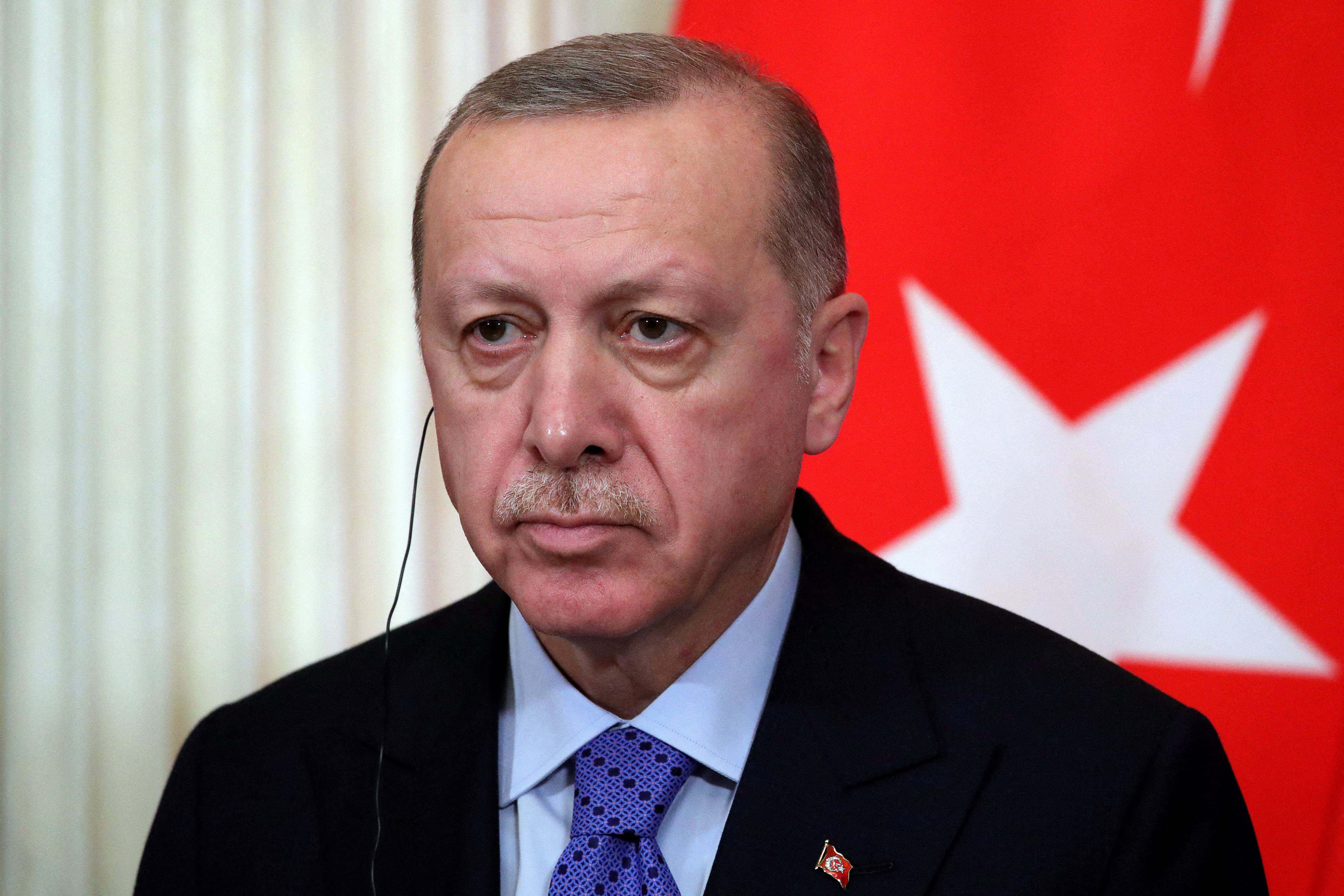
Saudi Arabia, Turkey, and Pakistan signed a trilateral mutual-defense treaty on August 7, 2026, at Al-Safa Palace in Makkah, committing each state to treat an armed attack on any one of them as an attack on all three. The Makkah Joint Defence Agreement was signed by Saudi Crown Prince and Prime Minister Mohammed bin Salman, Turkish President Recep Tayyip Erdogan, and Pakistani Prime Minister Shehbaz Sharif at what organizers called the Makkah Al-Mukarramah Summit for Joint Defence.
What was actually signed
The agreement’s operative language, “an attack on one state is an attack on all,” mirrors the structure of NATO’s Article 5, though it is not a standing joint command or an integrated military structure of the kind NATO built over decades. Pakistan’s Defence Ministry described the pact’s provisions as covering “collective security… defense cooperation and deterrence,” but neither government has released the full legal text, and no outlet has reported the specific triggers, consultation procedures, or response obligations that would turn the headline clause into an operational commitment. That gap matters: a mutual-defense clause is only as strong as the machinery behind it, and right now the public record shows the promise but not the plumbing.
The signing itself brought together three governments with very different military profiles. Saudi Arabia is the world’s largest oil exporter and one of the top global arms importers, but its own forces have had a mixed combat record, most visibly in the long Yemen intervention against the Houthi movement. Turkey fields NATO’s second-largest standing military by personnel count and has built a globally competitive defense-export industry, led by Baykar’s armed drones. Pakistan is a nuclear-armed state with a large, combat-tested army shaped by decades of tension with India. Uniting those three profiles under one collective-security clause is a genuinely new grouping in the region, distinct from the informal alignments and bilateral arms relationships that have defined Gulf-South Asia security ties for years.
Built on a bilateral pact forged after the Doha strike
The trilateral agreement did not appear out of nowhere. It extends a bilateral Strategic Mutual Defence Agreement that Saudi Arabia and Pakistan signed on September 17, 2025, at Al-Yamamah Palace in Riyadh, the same MBS-Sharif pairing that signed this week’s deal. That bilateral pact was itself a direct reaction to Israel’s September 2025 strike on a Hamas delegation meeting in Doha, Qatar, a moment that unsettled Gulf capitals about the reach of external military action inside their own neighborhood. Adding Turkey to that existing bilateral framework, rather than negotiating a brand-new structure from scratch, is why this week’s signing moved quickly relative to how long multilateral security pacts typically take to conclude: the core bilateral commitment and much of the diplomatic groundwork were already in place.
That lineage also explains why the timing lands the way it does. The Makkah signing came in the same week WeaponSpecs covered a Houthi claim of an eighth Saudi tanker attack in the Red Sea and a Houthi missile-and-drone assault on Yemeni government forces in Marib and Hadramout that killed at least 30 people. Neither of those attacks directly caused this week’s signing, the pact’s roots trace back nearly a year to the Doha strike, but the accumulating pressure of Iran-aligned and Houthi activity near Saudi territory gives the collective-defense framing an immediate, practical resonance beyond the diplomatic symbolism.
The nuclear umbrella question, still unresolved
The most consequential open question is whether Pakistan’s nuclear arsenal now effectively covers Saudi Arabia and Turkey. In September 2025, Pakistani Defense Minister Khawaja Asif said publicly that Saudi Arabia would benefit from Pakistan’s nuclear umbrella under the bilateral agreement, a statement that drew significant attention given Pakistan’s status as a nuclear-armed state. Since then, according to the Atlantic Council’s analysis of this week’s signing, Pakistani officials have walked that characterization back, maintaining the 2025 pact did not actually include a nuclear-umbrella commitment. The new trilateral text makes no explicit mention of nuclear protection extending to either Saudi Arabia or Turkey. This is a live ambiguity, not a settled fact, and it is the single detail most likely to shape how seriously other regional and global powers, including Iran and Israel, treat the pact going forward.
“The diplomatic edge this agreement provides may prove more impactful than tangible security cooperation,” said Allison Minor, director of the Project for Middle East Integration at the Atlantic Council’s Rafik Hariri Center (Atlantic Council, August 7, 2026).
Analysts surveyed by the Atlantic Council split on how much the pact changes in practice. Michael Kugelman, a senior fellow at the Atlantic Council, called it a “logical outgrowth” of deepening security ties among the three states and said Washington would likely welcome the collective-deterrence framing as it relates to Iran. Burcu Ozcelik of the Royal United Services Institute argued the pact “creates significant opportunities to deepen [Turkey’s] defence-industrial footprint through joint production, technology partnerships,” pointing to Turkey’s exportable drone and missile industry as the most concrete near-term outcome. H.A. Hellyer, also of RUSI, was more skeptical, questioning whether the three states would genuinely treat an attack on one as an attack on all when it actually mattered. Minor’s assessment lands between those views: Pakistan has already deployed troops and air-defense assets to Saudi Arabia under the earlier bilateral arrangement, a real but modest step she called “unlikely to be a gamechanger” on its own.
Saudi Foreign Minister Faisal bin Farhan framed the pact as an effort to “unify efforts to confront the challenges and threats” facing the region, while Turkish Vice President Cevdet Yilmaz said the agreement was not targeted at any specific country, language typical of collective-defense announcements designed to avoid naming Iran or Israel directly while the intent remains clear to regional audiences.
Sources
- Saudi Arabia, Turkey, Pakistan Ink 'Joint Defense' Agreement — Breaking Defense, Aug 7, 2026
- Saudi Arabia, Pakistan and Turkey sign joint defence pact — The National (UAE), Aug 7, 2026
- Why Saudi Arabia, Pakistan, and Turkey just signed a defense pact — Atlantic Council, Aug 7, 2026
Frequently asked questions
What exactly did Saudi Arabia, Turkey, and Pakistan agree to? +
The Makkah Joint Defence Agreement, signed August 7, 2026, commits the three states to treat an armed attack on any one of them as an attack on all three, though the full text and enforcement mechanism have not been published.
Does this extend Pakistan's nuclear umbrella to Saudi Arabia and Turkey? +
It is disputed. Pakistan's defense minister said in 2025 that Saudi Arabia would benefit from Pakistan's nuclear umbrella under the bilateral precursor pact, but Pakistani officials have since downplayed that characterization, and the new trilateral text does not mention nuclear weapons.
Why did this happen now? +
It follows a week of intensifying Iran-linked and Houthi attacks near Saudi Arabia and builds on the September 2025 Saudi-Pakistan bilateral pact, itself triggered by Israel's strike on Hamas negotiators in Doha.
Is this a real military alliance like NATO? +
Analysts are split. RUSI's Burcu Ozcelik sees real potential for joint defense-industrial cooperation with Turkey, while the Atlantic Council's Allison Minor argues the diplomatic signal likely outweighs near-term military integration.
More news


