Houthis Kill At Least 30 Yemeni Troops, Deadliest Strikes Since 2022
13 ballistic missiles and drones hit Yemeni army camps in Marib and Hadramout, killing at least 30 troops in the sharpest truce breach since 2022.

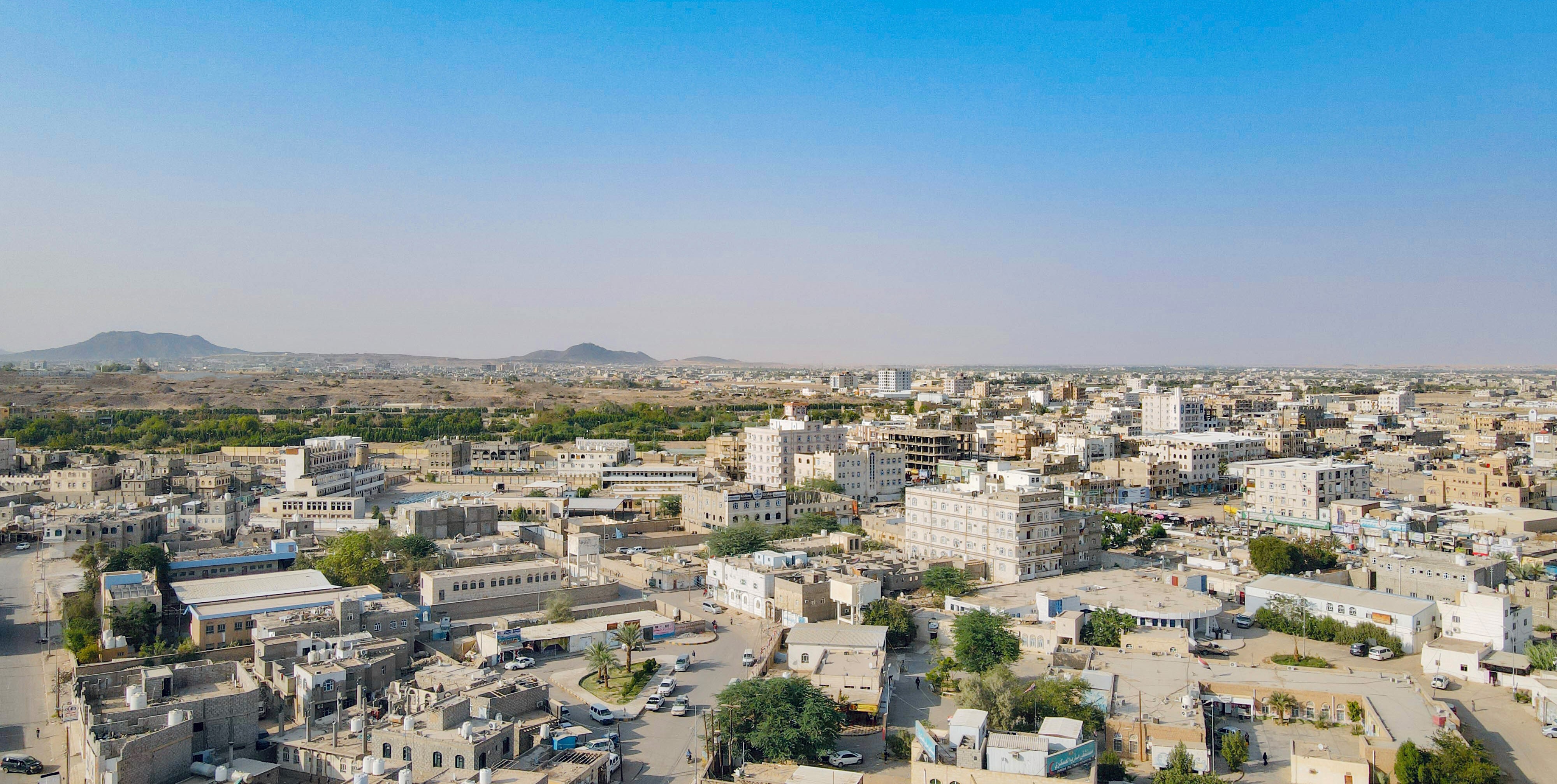
Photo by بدرالدين الشهاري (Bshahari), CC BY-SA 4.0, via Wikimedia Commons
Yemen’s Houthi movement fired a large barrage of ballistic missiles and drones at camps belonging to the Saudi-backed, internationally recognized Yemeni government’s forces in the interior governorates of Marib and Hadramout on Thursday, August 6, 2026, killing at least 30 government troops according to Yemeni officials and wounding dozens more. The Houthis themselves claim a far higher toll, 45 killed and roughly 80 wounded by one count, “hundreds” by another. Multiple outlets describe the assault, which struck named government units including the Yemen Emergency Forces’ 1st and 3rd Divisions, as the sharpest breach of the truce that has held in Yemen’s civil war since April 2022.
What is confirmed, and what is a Houthi claim
The strikes hit specific, named sites: Al-Ruwaik and Al-Thaniyah in Marib governorate, and Al-Abr and Al-Wadiah in Hadramout, targeting camps of the Yemen Emergency Forces’ 1st and 3rd Divisions, the Homeland Shield Forces, and the First Military Region. Yemeni government officials say at least 30 soldiers were killed and put the wounded figure between 15 and 50 depending on the source. Houthi military spokesman Yahya Saree claimed a broad and precise operation had killed roughly 45 and wounded about 80, with some Houthi-aligned messaging describing casualties in the “hundreds.” That higher figure is an unverified claim from a combatant describing the effectiveness of its own attack, and this piece anchors on the government-sourced toll of at least 30 rather than repeating the Houthi count as fact.
On the weapons used, Saree said a large number of ballistic missiles and drones were involved, and multiple outlets independently cite 13 ballistic missiles fired from Sanaa, Marib and Al-Jawf governorates. Sourcing diverges on where the accompanying drones launched from, with one report citing Al-Bayda and another citing Al-Jawf; that discrepancy is minor and unresolved, and this piece does not force a single answer where the sourcing itself disagrees.
A different front from the Red Sea campaign
This is a distinct story from the Houthi attack on the Saudi-linked tanker Wafa that WeaponSpecs covered earlier this week. That was a maritime strike on shipping in the Red Sea, part of a blockade campaign the Houthis declared against Saudi Arabia in July. This is a land offensive against the internationally recognized Yemeni government’s own army camps deep in the country’s interior, a different target set, a different weapons employment, and by most accounts the more strategically significant of the two developments. The two stories are related only in that both put pressure on Saudi Arabia at the same time, not in their substance.
Saudi-led coalition spokesperson Turki al-Maliki condemned the strikes in terms that went beyond the coalition’s usual boilerplate:
“The terrorist Houthi militia carried out terrorist attacks using indiscriminate projectiles against civilian objects, constituting a flagrant violation of international humanitarian law,” said Turki al-Maliki, spokesperson for the Saudi-led coalition (The War Zone, August 6, 2026).
The US Embassy in Yemen was similarly direct, calling the attacks “cowardly” and describing them on social media as “terrorism against the Yemeni people,” language notably sharper than Washington’s typical response to intra-Yemeni fighting.
Why this matters more than a single day’s casualty count
The April 2022 UN-brokered truce has been unusually durable by the standards of Yemen’s civil war. It held even through the broader 2026 Iran war and the Houthis’ own strikes on Israel and Saudi tankers, largely because the Houthis kept their fight against the internationally recognized Yemeni government frozen while directing most of their military activity outward, at shipping, at Israel, at Saudi Arabia’s Red Sea exports. Thursday’s attack reopens the internal front directly, and that is a bigger strategic shift than another Red Sea strike would be on its own: it risks collapsing a four-year stalemate and could draw Saudi Arabia back into active operations inside Yemen at precisely the moment Riyadh is trying to build a roughly 43-nation maritime coalition to secure the Red Sea against Houthi shipping attacks.
The Houthis’ own stated justification, a claimed Saudi-backed military buildup in eastern Yemen, is itself an unverified claim, not an established fact. One plausible reading, offered here as analysis rather than sourced reporting, is that the Houthis are moving to establish an internal fait accompli inside Yemen before the external pressure of a Saudi-organized maritime coalition can build further. That is a judgment call about motive, not a confirmed fact, and readers should weigh it accordingly.
Sources
- Houthi attacks on Yemeni government forces kill at least 30 — Al Jazeera, Aug 6, 2026
- Houthis Stage Large-Scale Attack On Saudi-Aligned Forces In Yemen — The War Zone, Aug 6, 2026
- 1st LD Writethru: Houthis claim large-scale missile, drone attacks on gov't forces in E. Yemen — Xinhua, Aug 7, 2026
Frequently asked questions
Is this the same Houthi story WeaponSpecs already covered this week, the Red Sea tanker strike? +
No. That story was a maritime attack on Saudi-linked shipping in the Red Sea. This is a land assault on Yemeni government army camps far inland in Marib and Hadramout governorates, described by multiple outlets as the worst breach of the 2022 truce to date.
Does this break the 2022 ceasefire? +
Multiple outlets describe it as the sharpest escalation since the April 2022 UN-brokered truce, though as of this writing no party has formally declared the truce dead.
How many people actually died, 30 or 45? +
Yemeni government officials cite at least 30 killed. The Houthis themselves claim 45 killed, with some reports citing a Houthi claim of hundreds. The higher figure is a combatant's own claim about the effectiveness of its own attack and should be treated skeptically, not reported as settled fact.
Why now? +
The Houthis say they were pre-empting a Saudi-backed troop buildup in eastern Yemen, an unverified claim. It comes as Saudi Arabia is separately trying to build a Red Sea maritime coalition against Houthi shipping attacks; it is plausible the Houthis are moving to establish facts on the ground inside Yemen before external pressure increases, but that is analytical framing, not a sourced fact.
More news


