Canada joins UK-Italy-Japan GCAP as first observer nation
Canada has taken non-voting observer status in the UK-Italy-Japan GCAP fighter program, hedging future options and signaling ties beyond U.S. platforms.

Photo by Hunini, CC BY-SA 4.0, via Wikimedia Commons
Canada has become the first observer nation of the Global Combat Air Programme, the UK-Italy-Japan effort to build a sixth-generation stealth fighter, following a quadrilateral defense ministerial meeting in London on July 21. The UK’s Wes Streeting, Italy’s Guido Crosetto, Japan’s Shinjiro Koizumi and Canada’s David J. McGuinty confirmed the arrangement, which the UK Ministry of Defence describes as giving Canada “direct insight” into the program rather than any role in running it. The headline fact for anyone tracking Canadian fighter procurement is what this is not: Canada is not buying into GCAP, and it is not stepping away from the F-35 fleet it has already committed to.
What “observer” actually buys Canada
GCAP’s three founding partners, the UK, Italy and Japan, deliver the aircraft through Edgewing, a joint venture of BAE Systems, Leonardo and Mitsubishi Heavy Industries. Observer status, per the UK government’s own description, grants Canada structured engagement and privileged access, including insight into capability development, industrial collaboration and long-term delivery plans, plus a pathway for future discussions on deeper participation. It explicitly does not grant a decision-making role. In practical terms that means Canadian officials and engineers can now see technical parameters and program governance details that were previously closed to outside nations, but they cannot vote on design choices, they have no claim on production work share, and nothing about this arrangement obligates Canada, or the GCAP partners, to anything further.
That distinction matters because GCAP has fielded interest from outside nations before without converting any of it into a formal role. This is the first time any of the three founding partners has granted a country actual observer status rather than simply fielding inquiries, which is why Army Recognition and the UK’s own release both frame it as a genuine first, not just another round of exploratory talks.
Why a country flying F-35s wants a seat, even a silent one
Canada’s fighter fleet is built around the F-35A, a program it reaffirmed as recently as 2023 after years of on-again, off-again competition with other candidates. Nothing about GCAP observer status changes that. So the practical question is why Ottawa would spend diplomatic capital securing a non-voting seat in someone else’s sixth-generation fighter program at all.
The answer is less about buying a jet and more about not being boxed into a single supplier relationship for the next generation of Western fighter technology. GCAP is one of two major sixth-generation efforts underway in the West, alongside the U.S.-led Next Generation Air Dominance program, and both are still years from a flying production aircraft. Canada’s own defense industrial base, from landing gear and simulation work to aerospace manufacturing hubs in Quebec and Ontario, has a direct interest in whichever program eventually captures the bulk of NATO-aligned sixth-generation production and sustainment work. Observer status is a way to keep that door open, gather technical information Canada could not otherwise see, and position for a possible deeper role later, all without spending a dollar on the aircraft itself or disturbing the F-35 fleet Canada is actually flying today.
It is also a signal with an audience beyond GCAP’s three partners. Defence Secretary Wes Streeting called the program “one of the world’s most ambitious defence and industrial partnerships,” according to the UK government’s release, and courting a fourth country, particularly a G7 nation with its own sizable defense budget and industrial base, reinforces GCAP’s pitch to other potential partners and customers that it is the sixth-generation program with real international momentum, not a bilateral UK-Italy-Japan project struggling to attract outside interest.
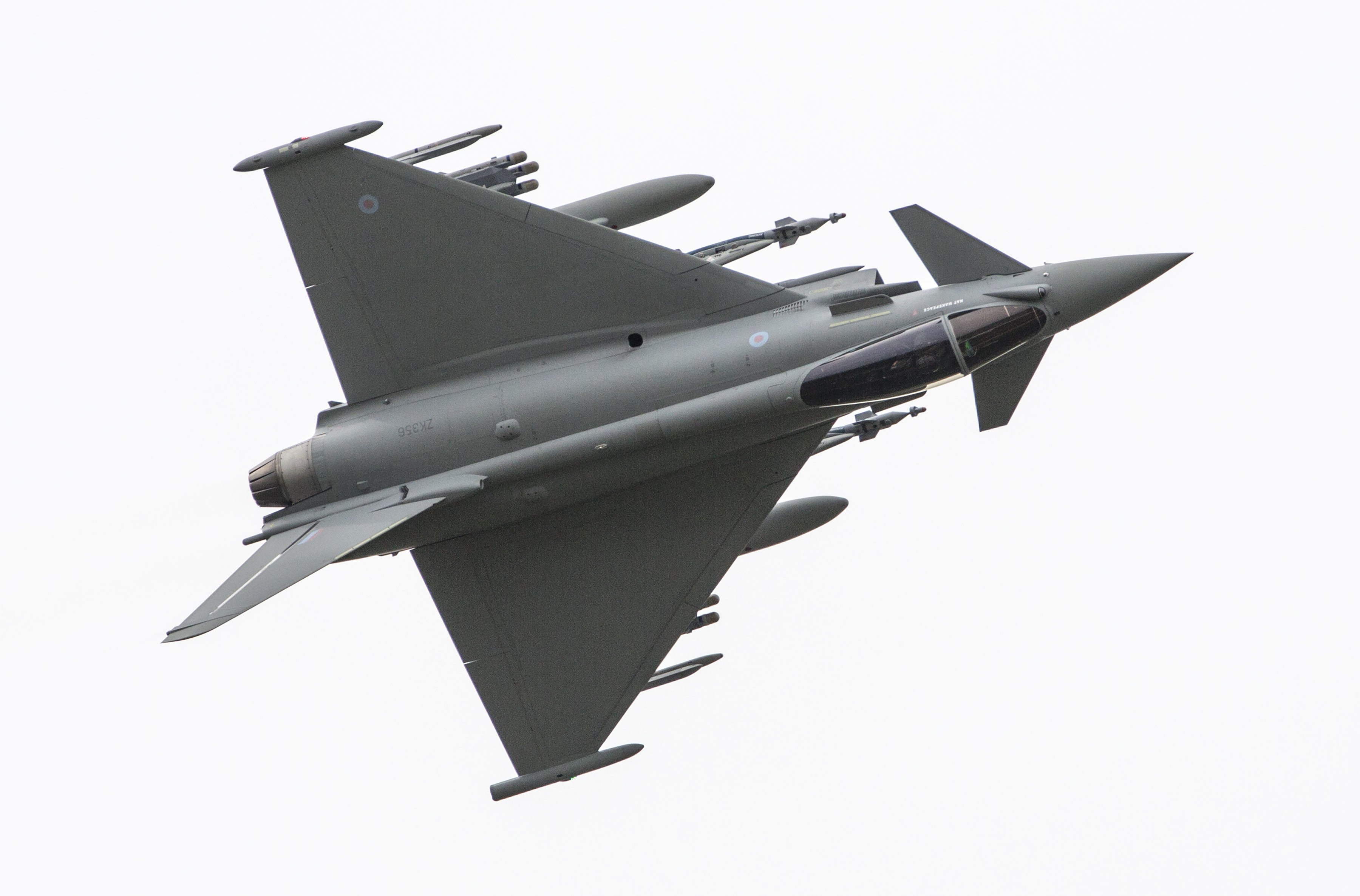
The aircraft GCAP is actually built to replace makes the stakes clearer. In UK and Italian service, it succeeds the Eurofighter Typhoon, a fourth-generation multirole fighter that has been in frontline service since 2003. In Japan, it replaces the Mitsubishi F-2, a Japanese-built derivative of the F-16 that first entered service in 2000. Both airframes are aging out of relevance against next-generation threats on a 2035 timeline, which is the deadline GCAP’s partners are working against regardless of who else joins as an observer along the way.
Sources
- Canada joins GCAP 6th-gen fighter programme as first observer — Army Recognition, Jul 21, 2026
- Canada joins next-generation fighter jet programme as first Observer Nation — UK Ministry of Defence (GOV.UK), Jul 21, 2026
Systems mentioned
Every system named in this story, with its photo and, where available, a video. Tap a card to open the full spec sheet.
Compare these side by side →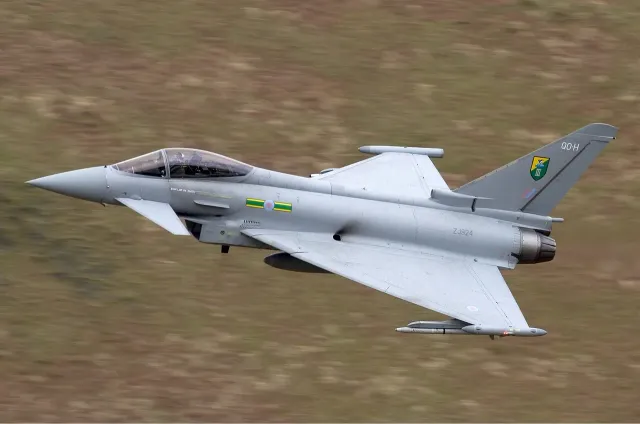
Fighter aircraft
Eurofighter Typhoon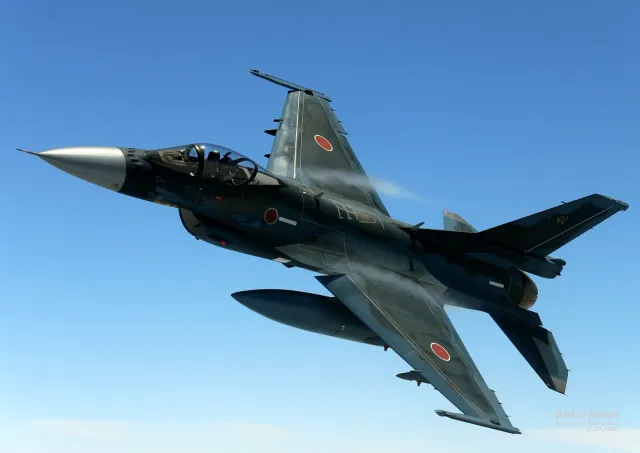
Fighter aircraft
Mitsubishi F-2Frequently asked questions
What does observer status give Canada? +
Structured access and visibility into GCAP's technical parameters, program governance, classified security requirements and engineering baselines. It does not include voting rights, design authority over the aircraft, a guaranteed production or work-share contract, or any decision-making role in the program, according to the UK Ministry of Defence's own announcement.
Is Canada buying GCAP instead of the F-35? +
No. Canada remains committed to its existing F-35 program; observer status is an information and hedging step, not a procurement decision. Canadian officials have said the arrangement lets them evaluate industrial, technological and operational opportunities alongside GCAP's partners without committing to buy the aircraft.
What is GCAP and who builds it? +
The Global Combat Air Programme is a joint UK-Italy-Japan effort to field a sixth-generation stealth fighter, delivered through the Edgewing joint venture of BAE Systems, Leonardo and Mitsubishi Heavy Industries. The UK government has valued the program at £8.6 billion over four years and says it supports roughly 4,500 jobs in the UK alone. Entry into service is planned for 2035.
What aircraft will GCAP replace? +
The Eurofighter Typhoon in UK and Italian service, and Japan's Mitsubishi F-2.
More news


