Lockheed Martin's MORFIUS X-Rotor Can Fry 50 Drones a Flight
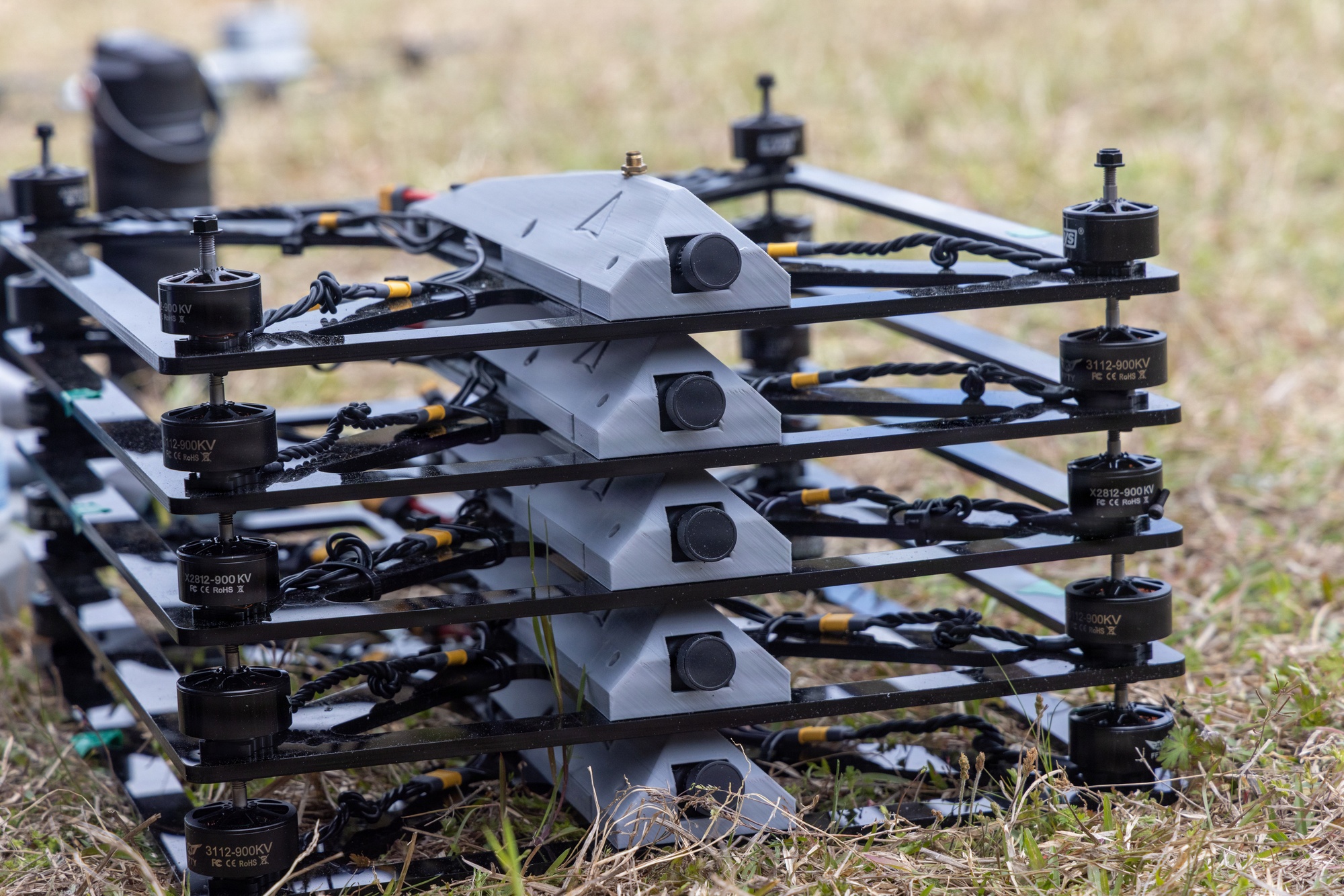
Lockheed Martin's new MORFIUS X-Rotor flies out, disables more than 50 hostile drones with microwave bursts, then lands to be recharged and reflown.

Lockheed Martin press photo, distributed via PR Newswire for media use
Lockheed Martin has unveiled MORFIUS X-Rotor, a vertical-takeoff counter-drone aircraft that hunts down hostile drones and disables their electronics with bursts of high-power microwave energy, then flies home to be recharged and sent out again rather than being expended like a missile. The company says a single flight can defeat more than 50 drones, and announced the system July 20, 2026, at the Farnborough International Airshow in England.
A drone hunter, not a fixed-point shield
Most counter-drone systems fielded today, including Rafael’s Drone Dome, work by watching a patch of sky and jamming or shooting down whatever crosses it. MORFIUS X-Rotor is built differently: it is itself an aircraft, launched from the ground and flown out toward the threat, using a vertical-takeoff, X-rotor airframe rather than a fixed launcher or a tower-mounted dish. Once in range, it emits bursts of high-power microwave (HPM) energy at the target drone or drones. That energy is designed to disable a drone’s flight controller, motor electronics or radio link rather than blow the airframe apart the way a warhead or a kinetic interceptor would; a disabled drone typically loses control and falls rather than being destroyed outright.
Lockheed Martin frames the design as “one-to-many”: because a microwave burst can affect the electronics of any drone within its beam rather than requiring a separate shot per target, the company says X-Rotor can neutralize more than 50 hostile drones across a single flight, a scale that no missile-based or laser-based interceptor engaging one target at a time can match. That is also the system’s most important open question. Lockheed Martin’s own release and every outlet that has covered the unveiling repeat the “50-plus drones in a single flight” figure, but none specify whether that means one burst disabling dozens of drones in a formation simultaneously, or a cumulative total racked up across repeated engagements over a longer sortie. Given how large a claim the first reading would be for a single microwave effector, this piece treats it as the more conservative, cumulative interpretation until Lockheed Martin publishes a clearer breakdown.
Why “reusable” matters more than it sounds
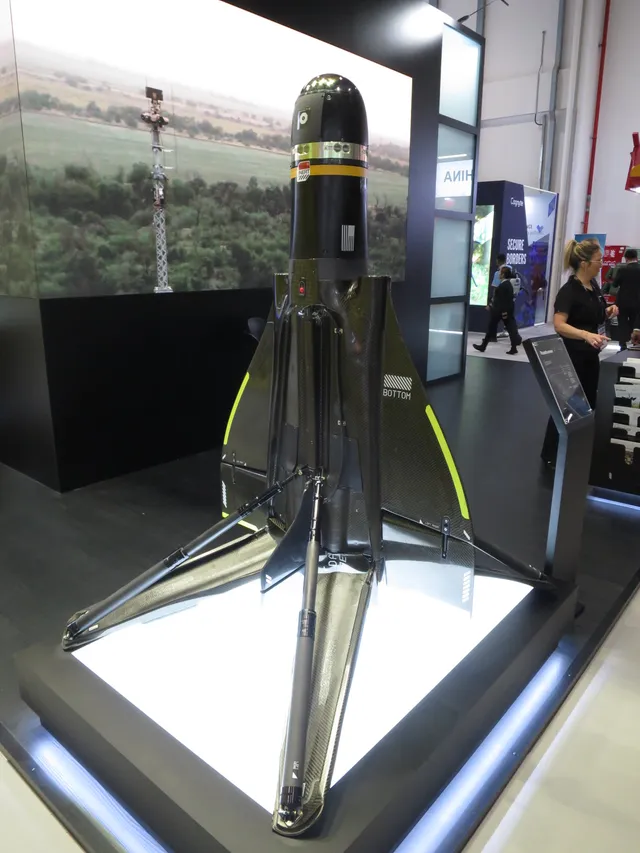
The economics are the point as much as the physics. Air-defense planners have spent the past several years wrestling with what is often called the cost-curve problem: a $2,000 quadcopter drone can force the defender to fire an interceptor costing tens of thousands of dollars or more, a trade that favors the attacker every time, especially at swarm scale where dozens of cheap drones are launched to overwhelm a target’s magazine of expensive interceptors. Reusable interceptors are one answer to that math. Anduril’s Roadrunner-M, a twin-turbojet VTOL interceptor that can return and land vertically for reflight if it never has to detonate, is built on the same logic. MORFIUS X-Rotor pushes that idea further: rather than reuse depending on the target being missed, the microwave effector itself is non-destructive to the drone’s airframe and non-consuming for the interceptor, so the aircraft is designed to be field-recovered and reflown as a matter of course, engagement after engagement, not just when a shot goes wide. Lockheed Martin says that reusability, not a lower unit price alone, is what keeps its cost-per-kill down against threats that are cheap and numerous by design.
“MORFIUS sets a new benchmark for counter-drone capability, delivering a high kill rate while keeping the cost per kill low,” said Randy Crites, vice president and general manager of Lockheed Martin’s Missiles and Fire Control Advanced Programs (Lockheed Martin, July 20, 2026).
Sensor-agnostic, and what Lockheed Martin still hasn’t said
Lockheed Martin also markets X-Rotor as sensor-agnostic and command-and-control-agnostic: the aircraft does not require a dedicated fire-control radar or a proprietary sensor suite of its own, and is designed to take cueing from whatever command-and-control network a customer already operates. That is a deliberate contrast with systems like Northrop Grumman’s FAAD C2, the battle-management layer the US Army already uses to fuse sensor tracks and cue interceptors across its counter-UAS formations. Rather than adding another bespoke sensor stack for operators to integrate, Lockheed Martin says X-Rotor is meant to plug into networks like that one directly.
What the company has not published is at least as notable as what it has. There is no disclosed HPM power output, no stated effective engagement range or altitude, no published aircraft weight or dimensions, and no unit cost or program value. No US military branch or program office has been named as evaluating or ordering the system. Lockheed Martin says it recently flight-tested X-Rotor in Arizona, California and Oklahoma, covering flight performance, interception and lethality, with further evaluation campaigns planned in the coming months, but has not identified which service hosted those tests. That is a normal amount of reticence for a directed-energy system at the unveiling stage rather than the fielding stage, roughly where AeroVironment’s LOCUST laser weapon sat before its first Army deliveries, but it means every number attached to X-Rotor right now is a company claim about capability, not yet an independently verified performance figure.
X-Rotor is also not a wholly new weapon concept. It builds on the base MORFIUS program, a family of HPM effectors Lockheed Martin says has been flying and testing since 2017, with roots tracing back to Air Force Research Laboratory-linked directed-energy work. The X-Rotor designation marks the newest, VTOL-capable evolution of that effector line, positioned by the company against the US Department of War’s 2025-2028 Rapid Response Counter-UAS Roadmap, which calls for exactly the kind of affordable, rapidly fieldable counter-drone tools X-Rotor is pitched as.
Sources
- Lockheed Martin Unveils MORFIUS™ X-Rotor: The New Drone-Killer Set to Power America's Fight Against Swarms — Lockheed Martin, Jul 20, 2026
- Lockheed Martin Unveils MORFIUS X-Rotor The New Dronekiller Set To Power America's Fight Against Swarms — PR Newswire, Jul 20, 2026
- Lockheed Martin's MORFIUS X-Rotor built to fry 50 enemy drones in one flight — Defense News, Jul 20, 2026
- Lockheed Announces X-Rotor Directed-Energy Counter-Drone System — Aviation Week
- Lockheed Martin Unveils MORFIUS X-Rotor Airborne High-Power Microwave Counter-Drone System — New Atlas
- US unveils reusable microwave drone killer that can take down 50 UAVs per mission — Interesting Engineering
Systems mentioned
Every system named in this story, with its photo and, where available, a video. Tap a card to open the full spec sheet.
Compare these side by side →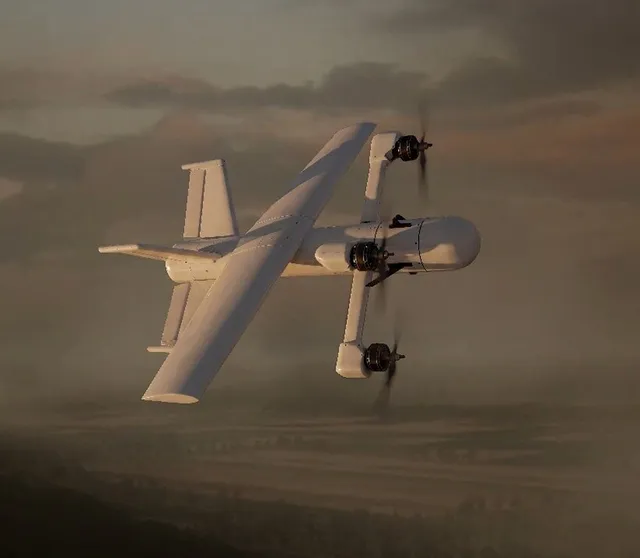
Air defense system
MORFIUS X-Rotor
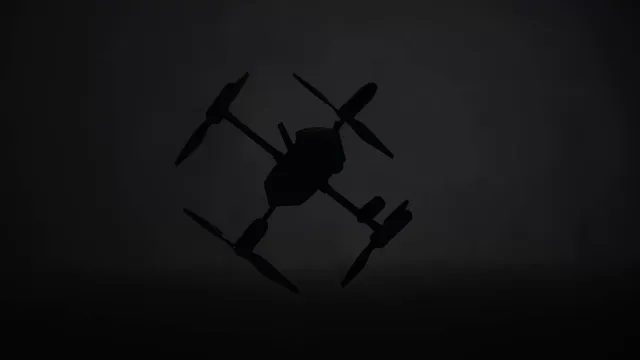
Air defense system
Roadrunner-MFrequently asked questions
Does MORFIUS X-Rotor destroy 50 drones at once, or over the course of a flight? +
Lockheed Martin's own materials say it can neutralize more than 50 hostile drones 'in a single flight' but do not specify whether that is a simultaneous burst against a formation or a cumulative total across a longer sortie against multiple waves. WeaponSpecs treats it as the more conservative cumulative reading pending a clearer company statement.
What actually happens to a drone hit by MORFIUS X-Rotor's microwave burst? +
The high-power microwave energy is designed to disable the target drone's onboard electronics, its flight controller, motor drivers or radio link, rather than physically destroying the airframe with a warhead or a kinetic impact. A disabled drone typically loses control and falls, rather than being blown apart.
Is MORFIUS X-Rotor a brand-new program, or does it build on something older? +
It builds on the base MORFIUS effort, a family of high-power-microwave counter-drone effectors Lockheed Martin says has been in testing since 2017 with roots in Air Force Research Laboratory-linked directed-energy work. X-Rotor is described as the newest, VTOL-capable version of that effector, not an unrelated new weapon.
What has Lockheed Martin not disclosed about MORFIUS X-Rotor? +
The company has not published the HPM effector's power output, the aircraft's weight or dimensions, its effective engagement range or altitude, its unit cost, or any program or contract value. No military branch or customer has been named as evaluating or buying it as of the July 2026 unveiling.
More news


