Army's HERO-120 Kamikaze Drone Passes Key Quality Gate
Mistral and UVision's HERO-120 cleared its first Lot Acceptance Test, unlocking large-scale deliveries under a $982M Army contract.

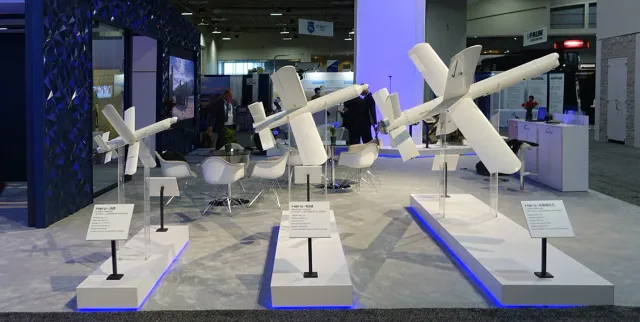
Rhk111, Wikimedia Commons, CC BY-SA 4.0. This photograph shows a full-scale mockup of the HERO-30, a smaller sibling in the same UVision Hero product family, displayed at the 2022 ADAS defense expo in Manila, not the HERO-120 covered in this story; no clean-license HERO-120 photograph was available.
Mistral Inc. and UVision completed the first Lot Acceptance Test for the HERO-120 loitering munition on Aug. 4, clearing the quality gate that lets the US Army begin issuing large-scale, recurring delivery orders against a $982 million multi-year contract without repeating prototype qualification for every batch. One day later, the companies received a follow-on order worth more than $50 million for additional systems and support equipment under the same program.
What actually happened, and why the test matters more than the headline
The HERO-120 is a loitering munition, a small, canister-launched aircraft that flies to a target area, loiters until a target is identified, and then dives into it with an onboard warhead, built by UVision in Israel with Mistral Inc. as the US prime contractor. Both companies completed the first Lot Acceptance Test for the system on Aug. 4 under the Army’s Lethal Unmanned System program, according to Army Recognition and the companies’ own PR Newswire release. A Lot Acceptance Test is not a design review or a prototype demonstration: it verifies that serially manufactured units coming off an actual production line consistently meet baseline performance specs, batch after batch, which is a fundamentally different bar than proving a single hand-built prototype works once. Passing it is what allows the Army to issue recurring delivery orders against its existing $982 million multi-year indefinite-delivery contract without re-running full qualification testing each time a new lot comes off the line.
That distinction is the actual news here, more than any single spec figure. A weapon can pass an impressive prototype demonstration and still be a year or more from reliable mass deliveries if its production line cannot consistently replicate that performance. Clearing a Lot Acceptance Test is the Army’s evidence that Mistral and UVision’s manufacturing process, not just their design, is sound enough to scale.
The confirmed numbers, and the follow-on order
The Aug. 4 test data lists a 24 kg system weight, a 60 km operational range, roughly 60 minutes of airborne endurance, and a 4.5 kg (10 lb) warhead, per Army Technology’s coverage of the milestone. A day later, on Aug. 5, Mistral and UVision announced a separate follow-on order worth more than $50 million for additional HERO-120 systems and support equipment under the same Lethal Unmanned System program, reported by Soldier Systems Daily. Placing a new order the day after the quality gate cleared is itself a signal: it reads as the Army moving quickly to convert a newly unlocked production capability into actual purchased inventory, rather than treating the test pass as a one-off milestone.
“Mistral and Uvision are proud to support this army program and remain focused on providing warfighters with the tools they need to win the fight,” said Yoav Banai, senior vice president at Mistral Inc. (The Defense Post, Aug. 6, 2026).
A discrepancy worth noting plainly
WeaponSpecs’ own systems database lists the HERO-120 at an 18 kg combat weight, alongside the same 60 km range, one-hour endurance, and 4.5 kg warhead confirmed by the new test data. The 24 kg figure from the Aug. 4 Lot Acceptance Test does not match that 18 kg figure, and no source reviewed for this story reconciles the two. The most plausible explanation is a configuration or loadout difference, a fully equipped launch canister versus the bare airframe, or a different sensor or warhead fit between the two figures, but that is an inference, not a confirmed fact, and this story is not silently picking one number over the other. Readers comparing HERO-120 specs across sources should treat both the 18 kg and 24 kg figures as real but currently unreconciled.
Why the Army wants this system, and who else is buying it
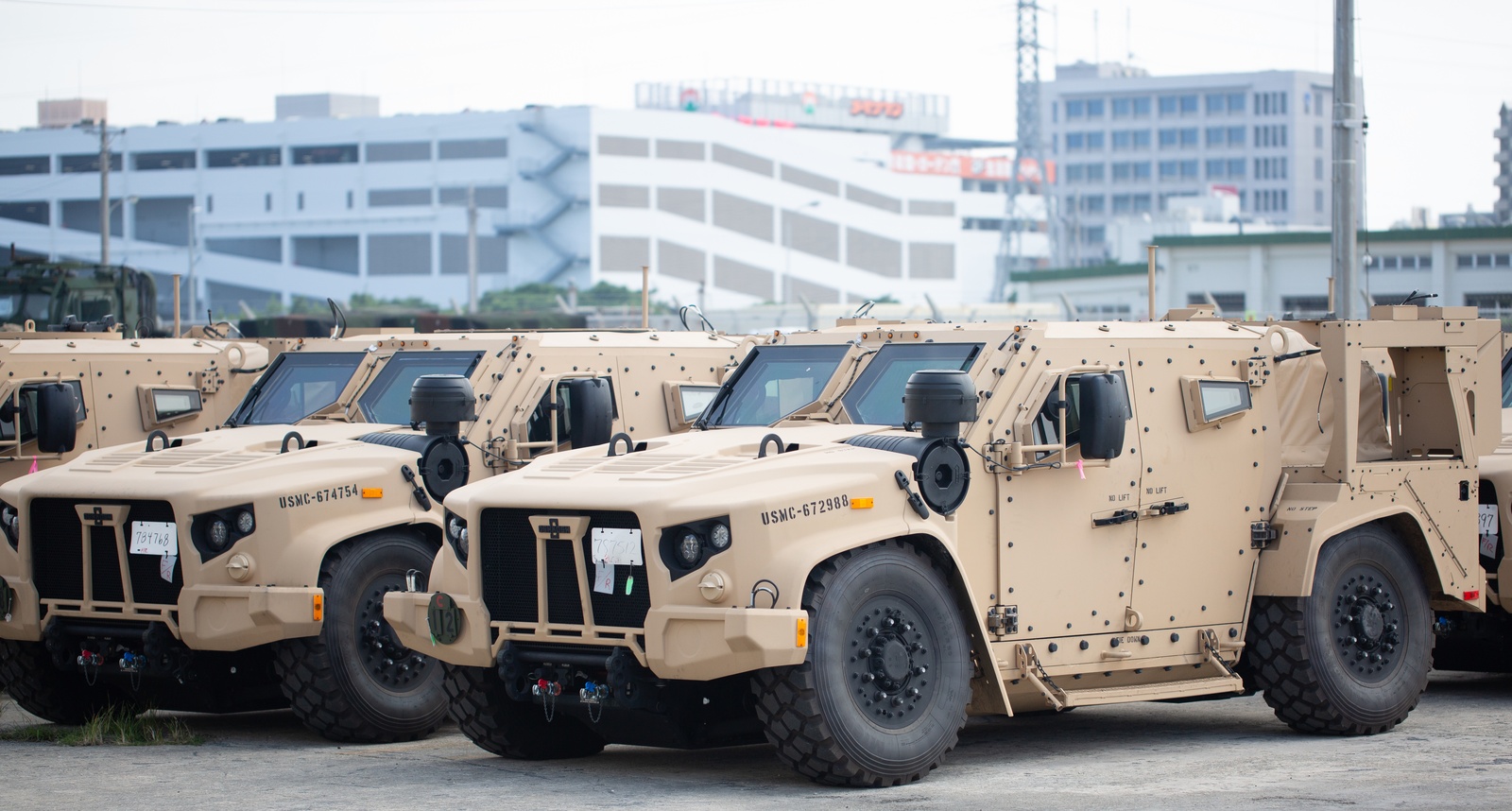
UVision’s HERO family has become one of the more widely adopted loitering-munition lines outside Ukraine’s own domestic drone programs, and the HERO-120 specifically has already been selected by the US Marine Corps for its Organic Precision Fires-Mounted, or OPF-M, program, where it is being integrated onto the LAV-M light armored vehicle, the Joint Light Tactical Vehicle, and unmanned surface vessels. That cross-service interest, Army procurement through the Lethal Unmanned System program and separate Marine Corps integration onto three different platform types, suggests the Pentagon sees the HERO-120 less as a single-purpose munition and more as a common precision-strike payload it wants available across ground, wheeled, and maritime platforms alike. A production line that has now cleared its first Lot Acceptance Test is the infrastructure that cross-service demand actually depends on.
Sources
- First production batch of HERO 120 attack drones clears US Army's final quality test before deployment — Army Recognition
- Mistral Inc. and Uvision Inc. Successfully Complete First Lot Acceptance Tests for US Army Lethal Unmanned System Program — PR Newswire
- Hero-120 Kamikaze Drone Clears Key US Army Production Milestone — The Defense Post, Aug 6, 2026
- US Army's LUS programme advances as HERO 120 clears test — Army Technology
- Mistral Inc and Uvision Receive an Additional Order Under US Army Lethal Unmanned Systems Program — Soldier Systems Daily, Aug 6, 2026
Systems mentioned
Every system named in this story, with its photo and, where available, a video. Tap a card to open the full spec sheet.
Frequently asked questions
What does a 'Lot Acceptance Test' actually prove? +
It verifies that units coming off the actual production line, not hand-built prototypes, consistently meet the Army's baseline performance specs. Passing it is the gate that lets the Army issue recurring delivery orders without repeating a full prototype-qualification process each time.
How big is the Army's HERO-120 contract? +
A $982 million multi-year indefinite-delivery/indefinite-quantity framework covers the program, and Mistral and UVision received a separate follow-on order worth more than $50 million for additional systems and support equipment one day after the test milestone.
What can the HERO-120 actually do, per the new test data? +
The Aug. 4 Lot Acceptance Test data lists a 24 kg system weight, a 60 km operational range, roughly 60 minutes of airborne endurance, and a 4.5 kg (10 lb) warhead.
Who makes it and who else uses it? +
UVision, based in Israel, is the design authority; Mistral Inc. is the US prime contractor. The US Marine Corps has separately selected the HERO-120 for its Organic Precision Fires-Mounted program, integrating it onto the LAV-M light armored vehicle, the JLTV, and unmanned surface vessels.
More news


