US Clears $80.1M Switchblade Sale to Greece, Filling a Gap Below Patriot
The State Department authorized a Foreign Military Sale of 350 Switchblade 300 Block 20 loitering munitions and 35 fire control stations to Greece, a tactical strike capability that sits between small reconnaissance drones and Greece's Patriot batteries as tensions with Turkey persist.
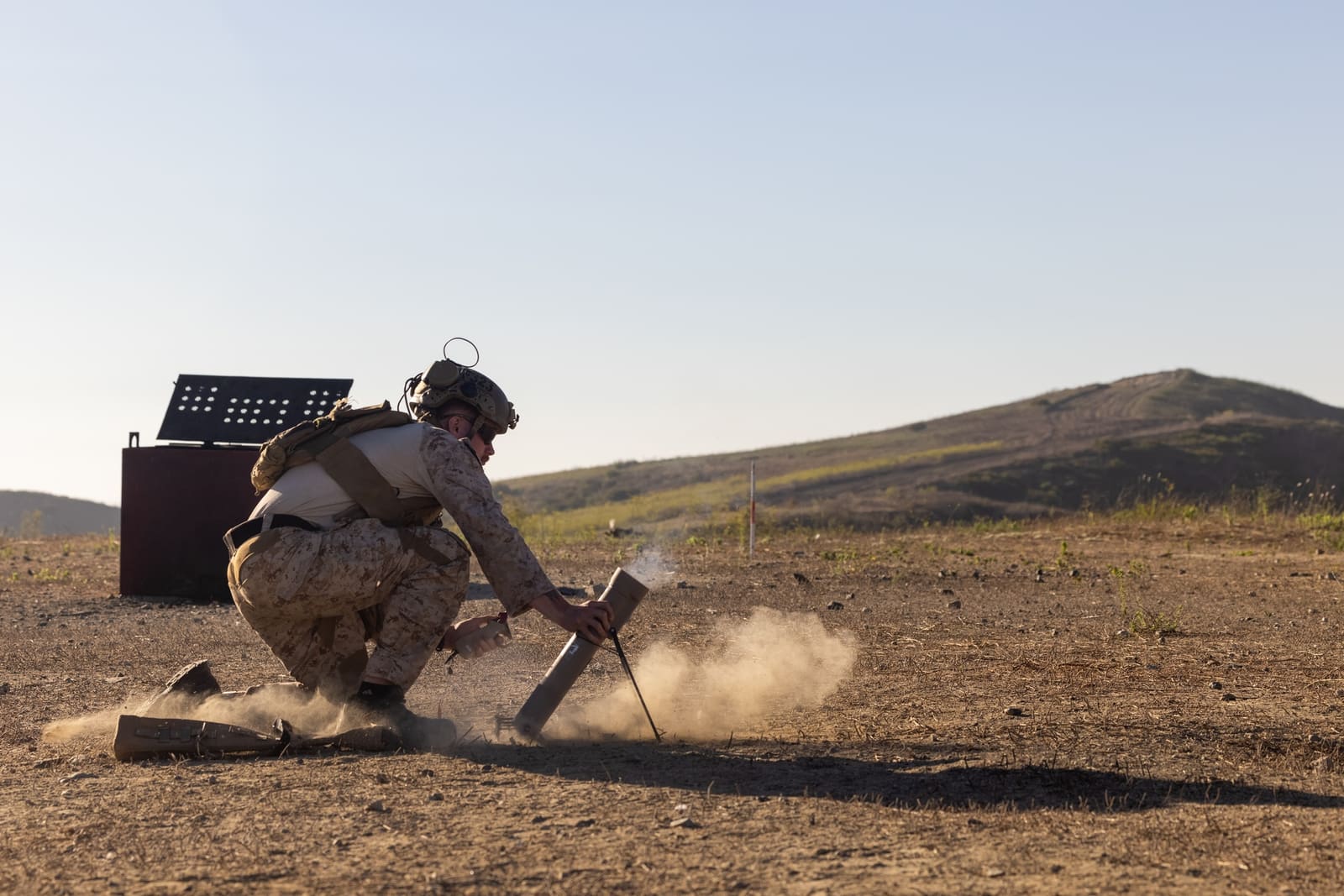
Cpl. Jaye Townsend, U.S. Marine Corps, via DVIDS, Public Domain (U.S. federal government work)
The U.S. State Department has cleared a Foreign Military Sale to Greece for 350 Switchblade 300 Block 20 loitering munitions and 35 fire control stations, an $80.1 million package that gives the Hellenic Armed Forces a tactical precision-strike capability positioned well below the reach of Greece’s existing Patriot air-defense batteries. The determination, transmittal number 26-76, was announced July 16, 2026 by the department’s Bureau of Political-Military Affairs and now awaits congressional notification before contract negotiations with prime contractor AeroVironment can proceed, per the official State Department release.
What was actually approved
The request, as detailed in the department’s release, is specific: 350 Switchblade 300 Block 20 (SB300B20) Lethal Miniature Aerial Missile Systems and 35 SB300B20 Fire Control Systems, the ground stations used to operate and guide the munitions. Bundled alongside those as non-major defense equipment are Switchblade 600 Selective Availability Anti-Spoofing Module GPS units and Switchblade 600 fire control systems, tactical and smart battery chargers for both variants, spares packages, training services, and U.S. government and contractor engineering, technical and logistics support. The estimated total cost across the whole package is $80.1 million. AeroVironment, headquartered in Simi Valley, California, is named as the principal contractor, and the State Department noted it is not currently aware of any offset agreement tied to the sale, terms that would be negotiated separately between Athens and the company.
It is important to be precise about what this step means and what it does not. An FMS determination of this kind is a U.S. government authorization that a sale may proceed, triggered by a formal request from the purchasing country and cleared through congressional notification. It is not itself a signed purchase contract; final unit pricing, delivery timeline and contractual terms are negotiated afterward. The State Department’s release states plainly that the sale “will not alter the basic military balance in the region” and that Greece “will have no difficulty absorbing this equipment into its armed forces,” standard language included in FMS notifications to satisfy congressional review requirements.

A gap Patriot doesn’t fill
Greece has fielded Patriot air-defense batteries since the late 1990s and early 2000s, part of a layered air-defense network that today combines Patriot with Russian-built S-300PMU-1 systems and other short and medium-range interceptors, according to Army Recognition’s reporting on a Greek Patriot battery’s March 2026 deployment to help protect Bulgarian airspace. Patriot interceptors, in their PAC-2 and PAC-3 configurations, can reach targets up to roughly 160 kilometers away and are designed against aircraft and ballistic missiles, a capability set that is both expensive per engagement and poorly matched to smaller, closer threats. Greece’s F-16 fleet, including jets upgraded to the Block 70 “Viper” standard, covers the higher end of the air-to-air and strike mission separately.
Switchblade 300 sits at the opposite end of that spectrum. Per WeaponSpecs’ own systems data, it is a backpackable, tube-launched loitering munition weighing about 2.5 kilograms with roughly a 10-kilometer range, around 15 minutes of endurance, and a 0.45-kilogram shaped warhead built for anti-personnel and light-vehicle targets, guided to target by an operator via an encrypted two-way datalink and an electro-optical and infrared seeker. It has been combat-proven with U.S. special operations forces and supplied to Ukraine as part of U.S. security assistance. The U.S. Department of Defense’s own fiscal year 2023 budget request listed a per-round unit cost of $52,914, covering the airframe, warhead, sensors, guidance system and datalink. That price point is the operational logic of the purchase: it gives smaller Greek units an organic, disposable precision-strike option against nearby ground targets without committing a Patriot interceptor, an F-16 sortie or artillery to the same job.
Figures per WeaponSpecs' own systems database entries for each AeroVironment loitering munition. Warhead-size bars are scaled independently from range bars given the roughly 9x difference in magnitude. The Greece sale centers on the smaller Switchblade 300; ancillary Switchblade 600 components in the package are limited to GPS and fire-control equipment, not the munition itself.
The regional backdrop
The State Department’s release is procedural and does not name Turkey, framing the sale only in general terms as supporting “the security of a NATO Ally that continues to be a force for political and economic stability in Europe.” WeaponSpecs is not asserting any official link between this specific sale and Greek-Turkish tensions; neither government has characterized it that way. But it is fair background that Greece’s broader defense posture, including its Patriot batteries and F-16 fleet, sits against long-running disputes with Turkey over Aegean maritime boundaries, airspace violations and Cyprus, and that both NATO members have spent the past several years expanding drone and counter-drone capability in parallel. Turkey is itself among the world’s most prolific drone exporters through Baykar’s Bayraktar line, a dynamic that has pushed neighboring states, Greece included, to build out their own tactical unmanned and loitering-munition inventories rather than rely solely on higher-end, higher-cost interceptors and manned aircraft.
Sources
- Greece – Switchblade 300 Block 20 Lethal Miniature Aerial Missile System — U.S. Department of State, Bureau of Political-Military Affairs, Jul 16, 2026
- Greece deploys Patriot air defense system to protect Bulgaria against ballistic missiles — Army Recognition, Mar 11, 2026
Systems mentioned
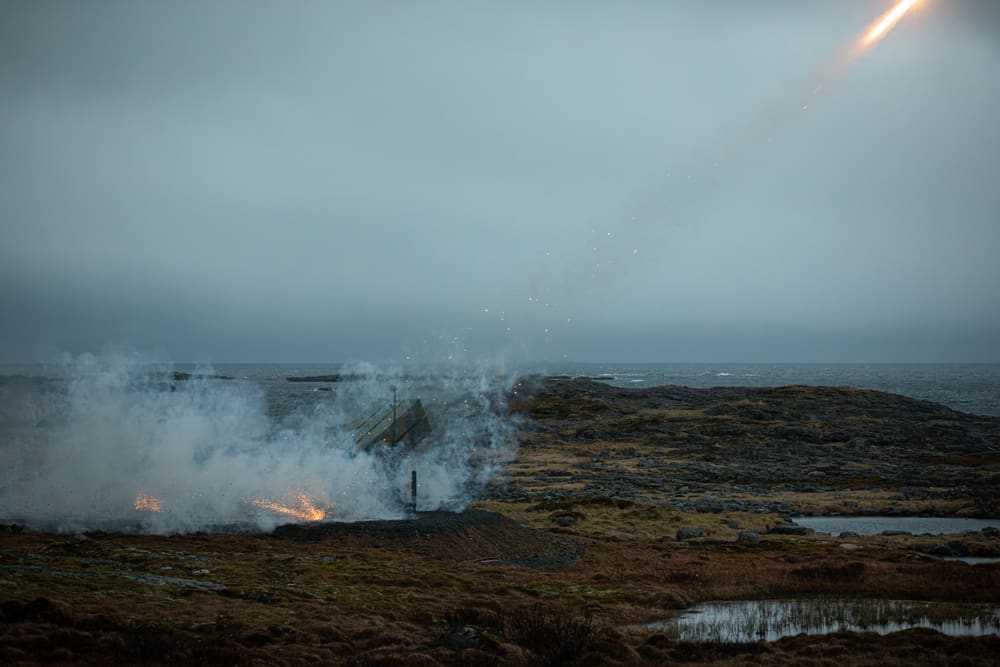
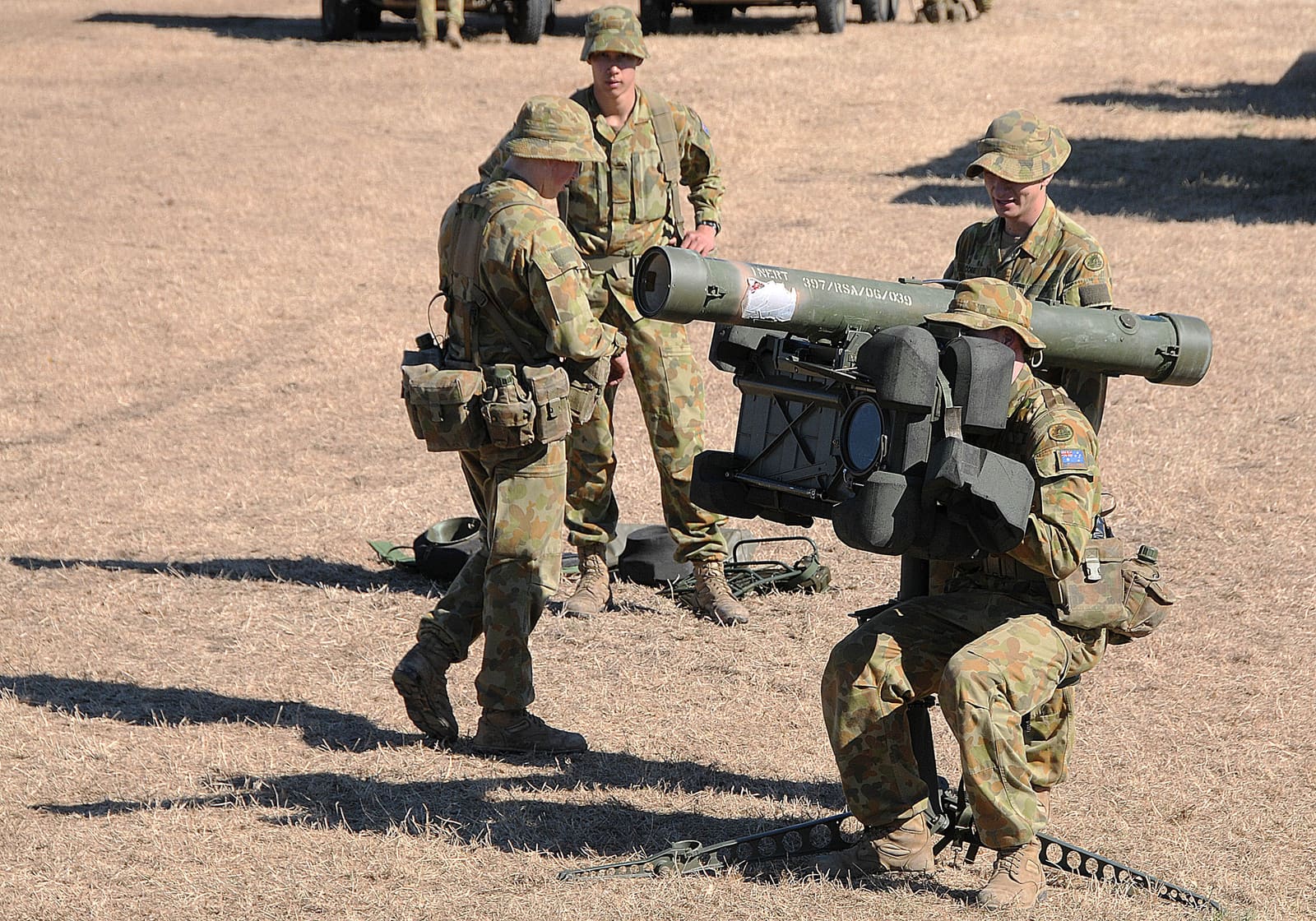
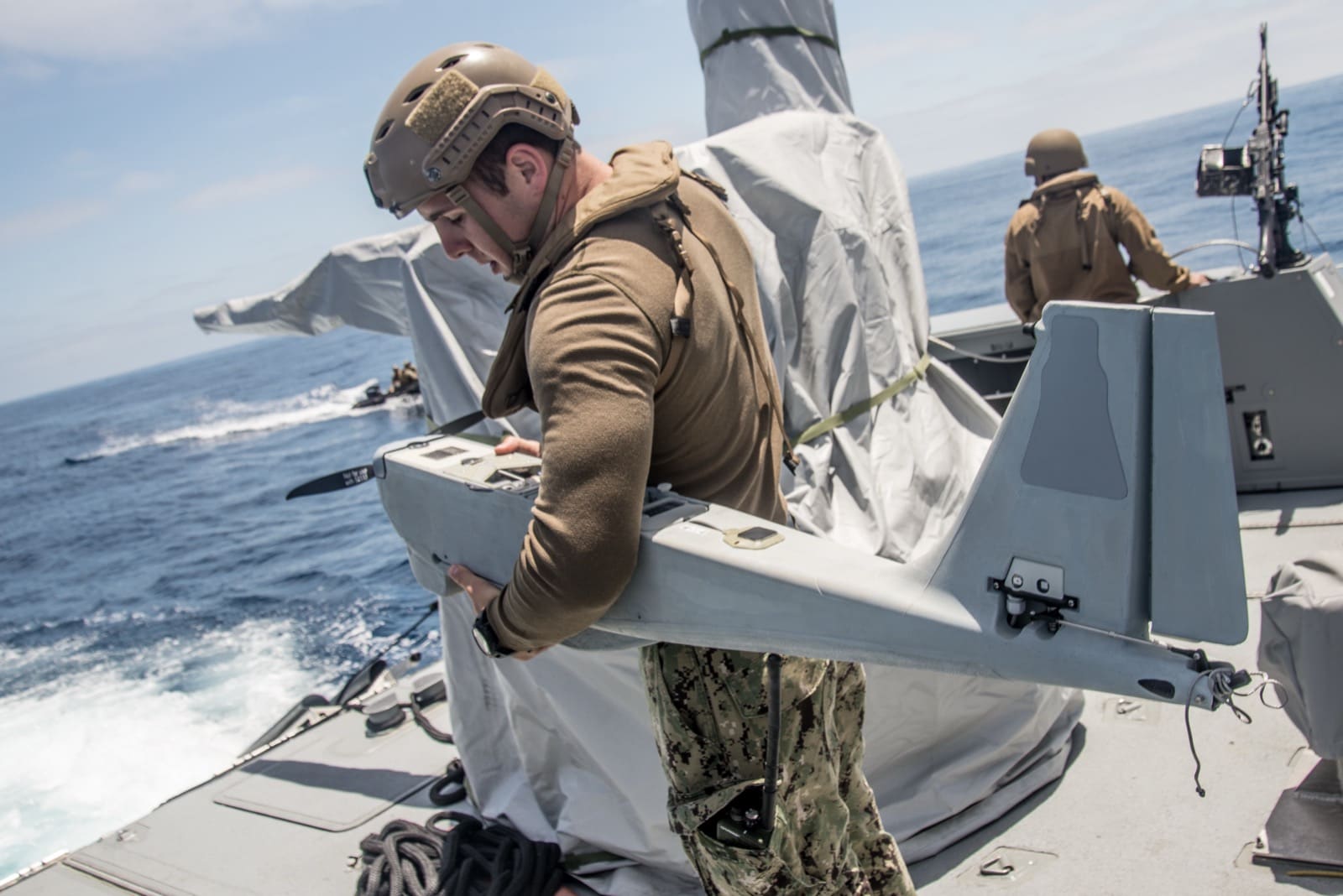
Every system named in this story, with its photo and, where available, a video. Tap a card to open the full spec sheet.
Compare these side by side →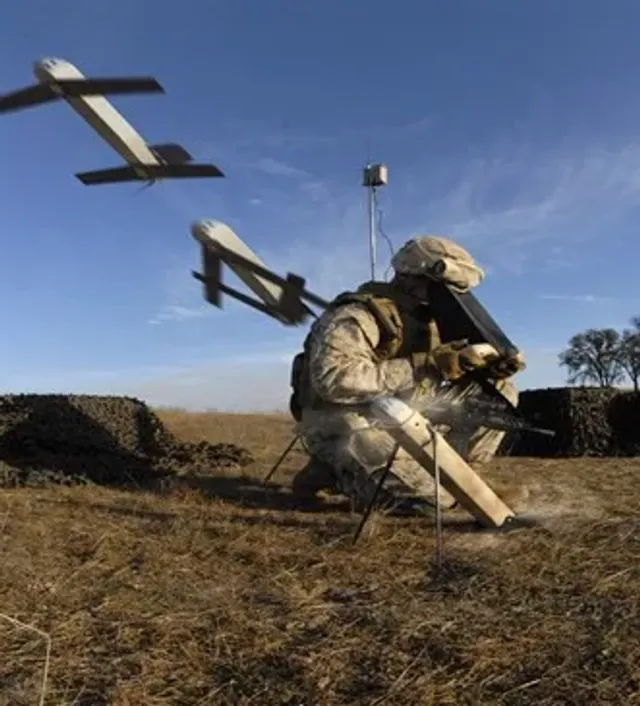
UAV / drone
Switchblade 300
UAV / drone
Switchblade 600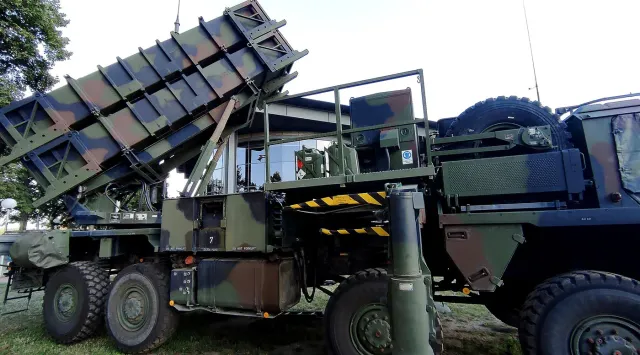
Air defense system
Patriot PAC-3Frequently asked questions
What did the U.S. actually approve, and is it a final contract? +
On July 16, 2026, the State Department's Bureau of Political-Military Affairs approved a possible Foreign Military Sale to Greece for 350 Switchblade 300 Block 20 Lethal Miniature Aerial Missile Systems and 35 matching Fire Control Stations, plus ancillary items including Switchblade 600 GPS anti-spoofing modules, battery chargers, spares, training and logistics support, for an estimated total of $80.1 million. This is a congressional notification and government-to-government authorization, known as an FMS determination, not a signed commercial contract. Final pricing, delivery schedule and any offset agreement are negotiated afterward directly between Greece and the contractor, AeroVironment.
Why does Greece need Switchblade if it already has Patriot? +
Patriot, which Greece has operated since the late 1990s and early 2000s, is built to intercept aircraft and ballistic missiles at ranges up to roughly 160 kilometers, an expensive, high-end capability poorly suited to smaller, close-range or asymmetric threats like drones or dug-in personnel and light vehicles. Switchblade 300 is a backpackable, tube-launched loitering munition with a roughly 10-kilometer range and a small anti-personnel warhead, designed to give smaller units organic, low-cost precision-strike capability against nearby ground targets. The two systems address different points on the threat spectrum rather than competing with each other.
Does this sale relate to tensions with Turkey? +
The State Department's release does not mention Turkey; it frames the sale in general terms as supporting a NATO ally's security. But it lands against a backdrop of long-running Greek-Turkish disputes over Aegean maritime boundaries, airspace and Cyprus, and Greece's broader military posture, including its Patriot batteries and F-16 fleet, is shaped substantially by that relationship. WeaponSpecs is not asserting a stated link between this specific sale and Turkey; that context is offered as background on Greece's regional security posture, not as an official justification from either government.
What is a Switchblade 300 Block 20 specifically? +
It is an upgraded configuration of AeroVironment's original Switchblade 300 loitering munition, a design combat-proven with U.S. special operations forces and supplied to Ukraine. Per WeaponSpecs' own systems data, the base Switchblade 300 has a roughly 10-kilometer range, about 15 minutes of endurance, a 0.45-kilogram anti-personnel and light-vehicle warhead, and a U.S. Department of Defense-listed unit cost of $52,914 per round as of its fiscal year 2023 budget request. The 'Block 20' designation refers to a specific hardware and software revision; AeroVironment has not published detailed public specifications distinguishing it from the earlier Block 10.
More news