Drone Strike on Egypt's Damietta Port Widens US-Iran War
A drone hit a US-owned LNG storage vessel and a tanker at Egypt's Mediterranean port, the first strike on Egyptian soil since February.

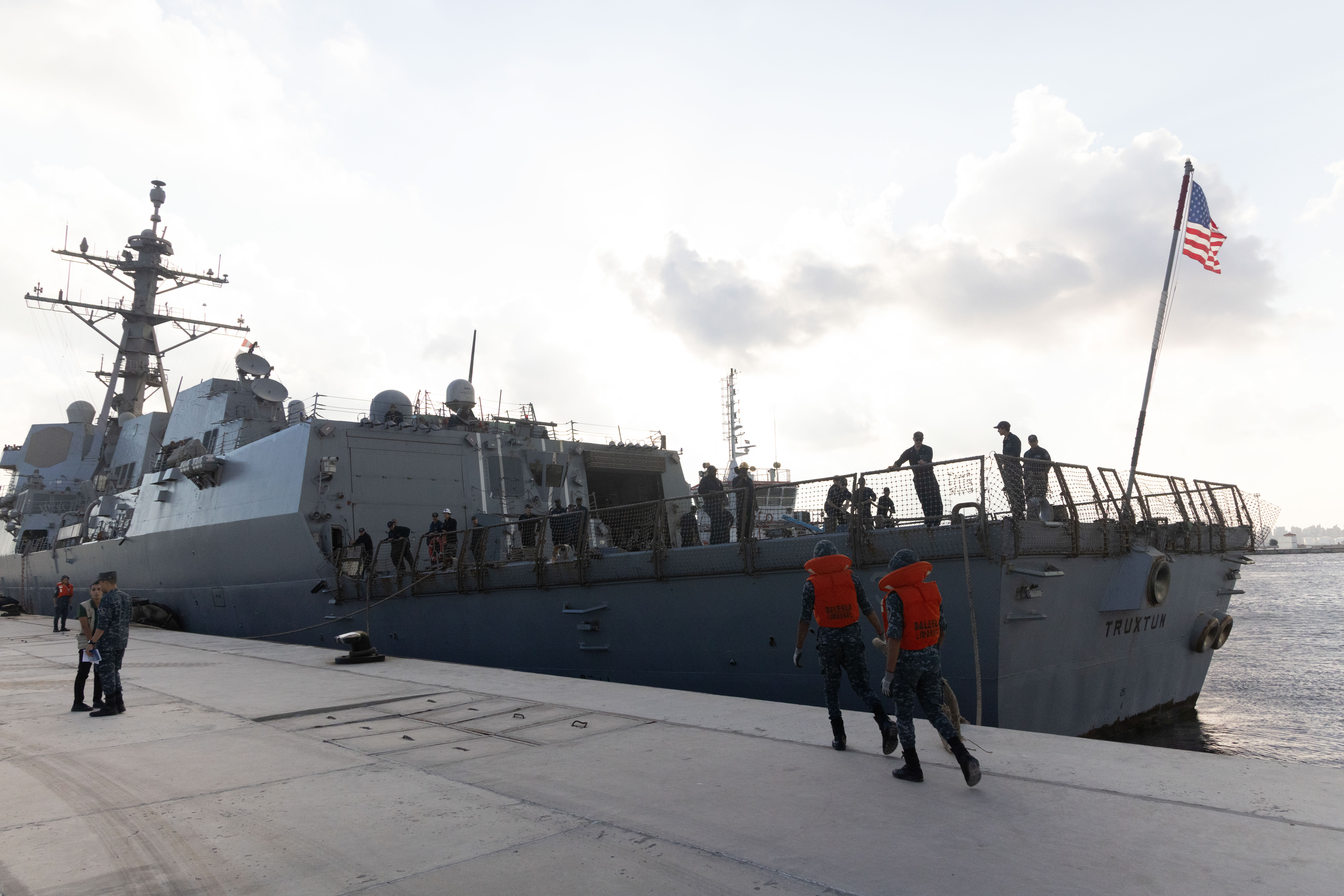
Photo by Tutku Çetinel, Wikimedia Commons, CC BY 3.0
A drone struck a US-owned liquefied natural gas storage vessel and a second tanker docked at Egypt’s Damietta port on July 29, Egyptian officials said, marking the first attack on Egyptian soil since the US-Iran war began in February 2026 and pulling one of the region’s few uninvolved states directly into the widening conflict.
What was hit, and how bad was it
The vessel struck was the Energos Winter, a US-owned, Marshall Islands-flagged floating storage and regasification unit, or FSRU, on a five-year charter supporting Egypt’s LNG import infrastructure at Damietta. Built by South Korea’s DSME as only the second FSRU of its kind ever constructed, the ship uses GTT’s No. 96-2 membrane containment technology and has a peak LNG send-out capacity of roughly 650 million standard cubic feet per day, enough to be a meaningful piece of Egypt’s gas-import capacity on its own. The fire that followed the drone strike spread to a second vessel docked nearby, the Gaslog Salem, an LNG carrier. Egypt’s Cabinet and Oil Ministry confirmed no injuries; both crews evacuated safely and the fire was brought under control.
Who might be responsible, and why that’s still unclear
No group has claimed the Damietta strike. Iranian state television reportedly named Damietta two days before the attack as a possible retaliation target over Ukraine’s earlier strike on an Iranian vessel in the Caspian Sea, a claim from Iranian state media that is not independently verified. Iran’s Foreign Ministry has since publicly distanced Tehran from the strike and instead warned of a possible Israeli “false-flag” operation, a claim from the Iranian government that likewise carries no independent verification. The Houthi movement in Yemen has separately denied involvement, saying “there is no truth to the rumors,” a denial that is also unconfirmed rather than an established fact. US President Trump described the strike as “Iran-related,” though the reporting reviewed for this piece notes that some Middle East analysts remain unconvinced Tehran was involved at all. In short: three parties with reason to comment have each pointed away from themselves, and the investigative record does not yet support attributing the strike to any one of them.
“The danger of regional escalation,” is how Egyptian President Abdel Fattah el-Sisi publicly characterized the risk posed by the strike, according to Egyptian state and wire reporting reviewed for this piece (Al Jazeera, Egypt says fire on ships at Damietta port caused by drone, July 29, 2026).
Why Egypt staying out mattered, and why that just changed
Egypt has occupied an unusual position since the US-Iran war escalated in February 2026: a major regional state with deep military and economic ties to Washington that had nonetheless avoided becoming a direct target. That exemption shaped how shipping insurers, energy traders and regional governments priced risk across the eastern Mediterranean, treating Egyptian ports and infrastructure as comparatively insulated from a conflict playing out more visibly around the Strait of Hormuz and the Gulf, a standoff this desk covered as it briefly paused in late July before the current resumption of strikes. The Damietta attack ends that exemption. It also does so in a way calculated to draw notice regardless of who carried it out: hitting US-owned energy infrastructure, at an Egyptian port, timed within hours of Washington resuming strikes on Iran after a five-day lull. Whether or not Tehran had any hand in it, the strike lands as a marker that the conflict’s geography is no longer confined to the actors who have been shooting at each other directly, and that energy infrastructure tied to any of the war’s major backers is now inside the target set as far as regional stability planners are concerned.
Damietta is not a minor node in Egypt’s energy picture. The port sits on the Mediterranean coast and has functioned as a hub for both LNG import and export capacity, making it one of the more strategically sensitive pieces of infrastructure Cairo operates. A sustained disruption there would ripple into Egypt’s own domestic gas supply as well as the broader eastern Mediterranean LNG trade that has grown busier as European buyers have diversified away from Russian pipeline gas since 2022. That is part of why el-Sisi’s public warning about regional escalation carries weight beyond diplomatic boilerplate: an attack that damages Damietta’s throughput even modestly touches gas markets well outside Egypt’s own borders, at a moment when energy security has already been a live concern across Europe and the Mediterranean basin for several years running.
Sources
- Egypt says fire on ships at Damietta port caused by drone — Al Jazeera, Jul 29, 2026
- Drone hits US LNG vessel at Damietta in first attack on Egyptian soil — Euronews, Jul 30, 2026
- Egypt says drone hit two ships at Mediterranean port as attacks on energy infrastructure widen — CNBC, Jul 30, 2026
Frequently asked questions
What exactly was hit at Damietta? +
A US-owned floating LNG storage and regasification vessel, the Energos Winter, and a second LNG carrier, the Gaslog Salem, both docked at Egypt's Damietta port on the Mediterranean.
Was anyone hurt? +
No. Egypt's Oil Ministry confirmed no injuries; both crews evacuated and the fire was contained.
Who is responsible? +
Unclear as of writing. No group has claimed the attack. Iran has publicly denied involvement and suggested a possible Israeli false-flag operation, an Iranian government claim that is not independently verified; the Houthis have also denied involvement, a claim likewise unverified.
Why is this a big deal beyond one port fire? +
Egypt had avoided direct strikes since the US-Iran war began in February 2026. This is the first attack on Egyptian soil in that conflict, it hit US-linked energy infrastructure directly, and it landed hours before Washington resumed strikes on Iran after a five-day pause.
More news


