Anduril's YFQ-44A Fires First-Ever CCA Live-Fire Missile
A YFQ-44A drone fired a live AIM-120 AMRAAM missile on July 15, the first-ever weapon release from a Collaborative Combat Aircraft the Air Force plans to field 150 of by 2030.
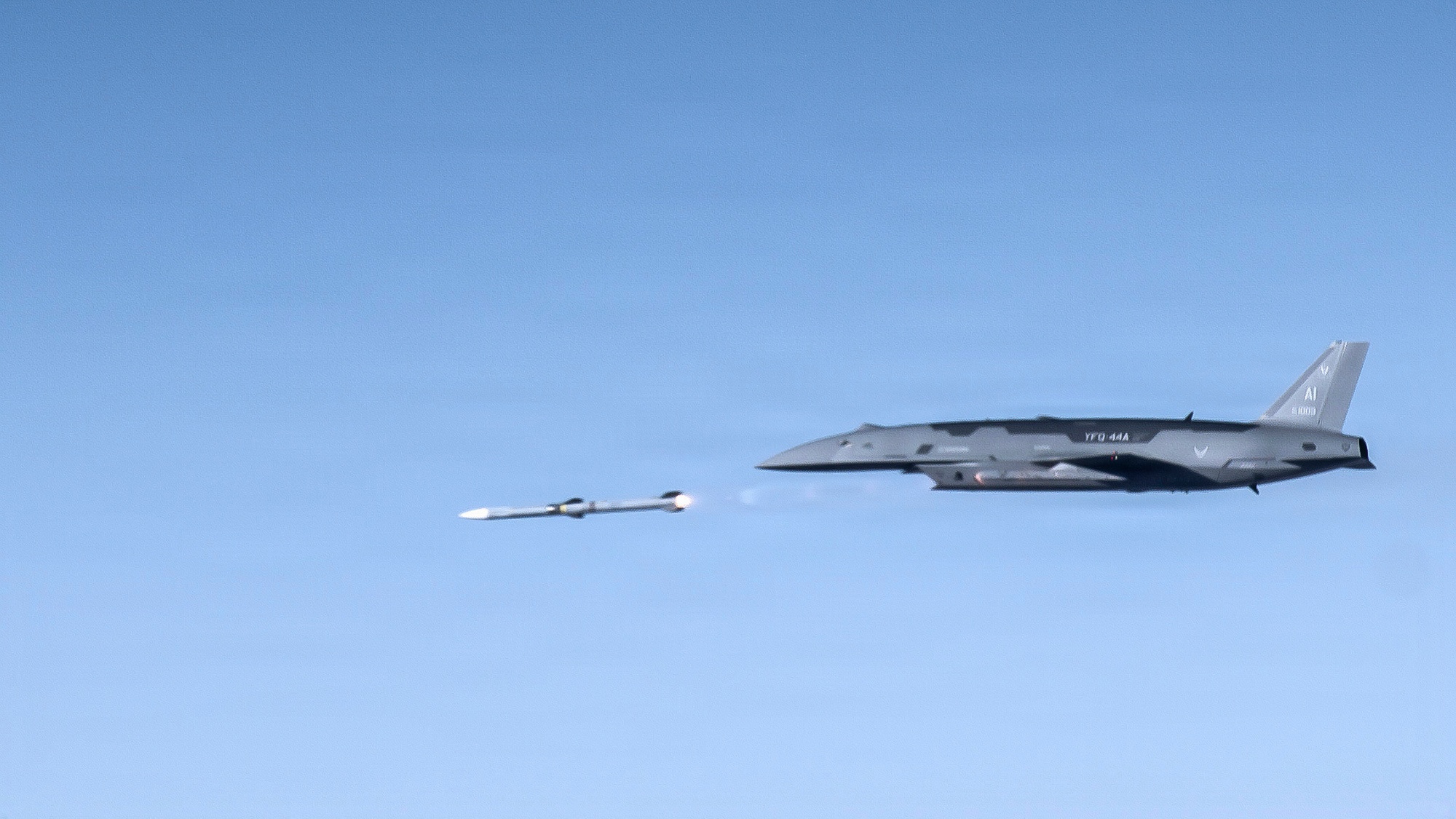
Tech. Sgt. Jennifer Healy, Secretary of the Air Force Public Affairs, via DVIDS, public domain
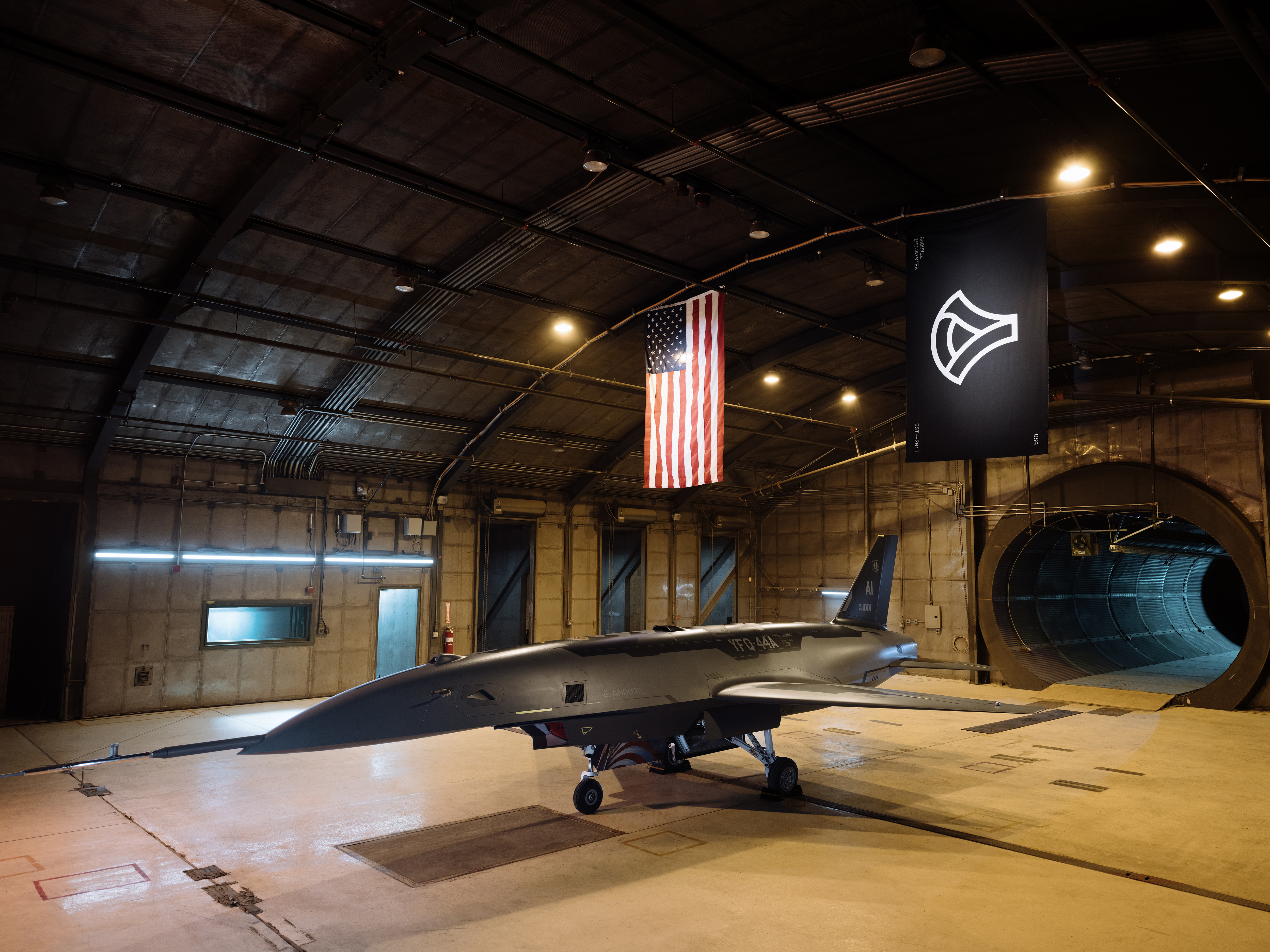
A YFQ-44A Fury, the autonomous jet Anduril Industries builds for the Air Force’s Collaborative Combat Aircraft program, fired a live AIM-120 AMRAAM missile at a simulated target over the Mojave Desert on July 15, the first time any CCA drone has released a weapon in a live-fire test. The engagement, flown out of the 412th Test Wing’s Air Dominance Combined Test Force near Edwards Air Force Base, California, matters less as a single test than as a gate: the Air Force has said it wants at least 150 of these aircraft in service by the end of the decade, flying alongside crewed fighters as lower-cost, semi-expendable teammates, and a program cannot field an armed drone it has never actually watched fire a weapon.
From inert carriage to a live shot in five months
The test capped a deliberately staged sequence. According to Military Times, the YFQ-44A began flight testing in October 2025, moved to hands-on evaluation with an inert AIM-120 in February 2026 to prove the airframe could physically carry and release a missile-shaped object, and only then progressed to a live warhead in July. The Aviationist reported that the missile used in the July 15 test carried the yellow and brown identification bands that mark a live explosive warhead and live rocket motor, distinguishing it from the inert round used in February’s carriage trial.
The engagement itself was described consistently across all four sources reviewed for this story: an end-to-end, beyond-line-of-sight strike against a simulated digital target in restricted airspace over the Mojave Desert. That framing matters technically. A beyond-line-of-sight shot means the YFQ-44A’s own sensors and the AIM-120’s active radar seeker, not a chase plane or ground controller watching visually, carried the engagement from detection through simulated impact, the same kind of shot a crewed fighter would take against a real adversary at range.
Two contractors, one program, a fielding target the drones have to hit
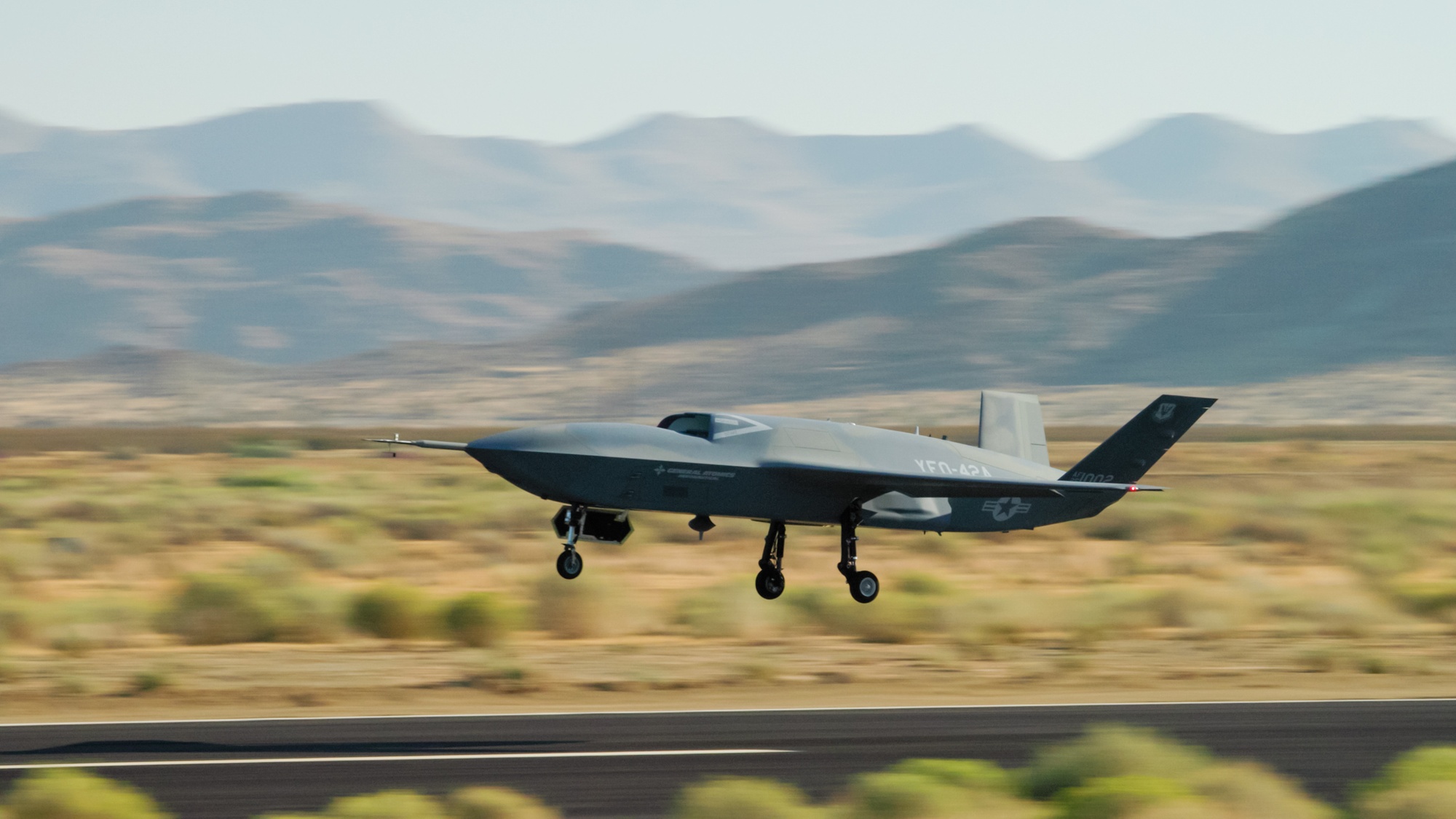
The YFQ-44A, which Anduril markets as Fury, is one of two designs competing, and now cooperating in parallel, inside CCA Increment 1. The Air Force also selected General Atomics’ YFQ-42A, which began its own flight testing in August 2025. DefenseScoop reported that both companies received production contracts the month before this test, and that the Air Force’s FY2027 budget request carries $2.37 billion for the CCA program overall. The stated goal, per the same reporting, is fielding at least 150 CCA aircraft by the end of the decade, split across the two Increment 1 designs, with the Air Force already planning a second increment behind it.
That fielding target is why a single missile shot draws four-star attention. “We’re one step closer to delivering capabilities to the warfighter,” said Gen. Ken Wilsbach, Air Force Chief of Staff, in the service’s own release. Gen. Dale White, the Pentagon’s direct-reporting portfolio manager for Critical Major Weapon Systems, was more specific about what the test actually validated, saying the demonstration showed the YFQ-44A could “execute the weapon employment sequence autonomously within pilot-defined parameters,” per DVIDS.
“This live-fire test is an important next step in the development of Collaborative Combat Aircraft,” said Gen. Ken Wilsbach, Air Force Chief of Staff (DVIDS / Secretary of the Air Force Public Affairs, July 15, 2026).
The weapon and the guardrail
The missile involved is the AIM-120D AMRAAM, the current-production variant of the beyond-visual-range air-to-air missile that has armed US and allied fighters for decades, with a publicly stated range around 160 kilometers and a top speed near Mach 4. Pairing a proven, already-fielded missile with an unproven autonomous airframe is a deliberate risk-reduction choice: the test was designed to validate the YFQ-44A’s ability to carry, cue and release a weapon it did not have to also prove could fly straight and detonate correctly, since the AIM-120D’s own performance is already established across tens of thousands of units built.
Every source reviewed, without exception, emphasized the same guardrail: human authority over weapon release. The Air Force’s release states plainly that “the decision to release any weapon system remains exclusively with a human operator,” and describes the YFQ-44A’s autonomy as bounded to executing an engagement sequence a person has already authorized, not deciding whether to engage in the first place. That distinction, between an aircraft that flies and fires a preauthorized shot and one that chooses targets on its own, is the actual substance of what changed on July 15: the program moved from proving a drone could carry a missile to proving it could complete a full engagement chain under a human’s standing authorization, at range, without a person in visual contact with the fight.
Sources
- Air Force completes first-ever CCA live-fire test with Anduril YFQ-44A — Military Times, Jul 15, 2026
- YFQ-44A CCA fires AIM-120 AMRAAM — The Aviationist, Jul 15, 2026
- Air Force conducts live-fire test with missile-armed Anduril CCA drone — DefenseScoop, Jul 15, 2026
- Air Force Conducts Live-Fire Test of Collaborative Combat Aircraft Program — DVIDS / Secretary of the Air Force Public Affairs, Jul 15, 2026
Systems mentioned
Every system named in this story, with its photo and, where available, a video. Tap a card to open the full spec sheet.
Compare these side by side →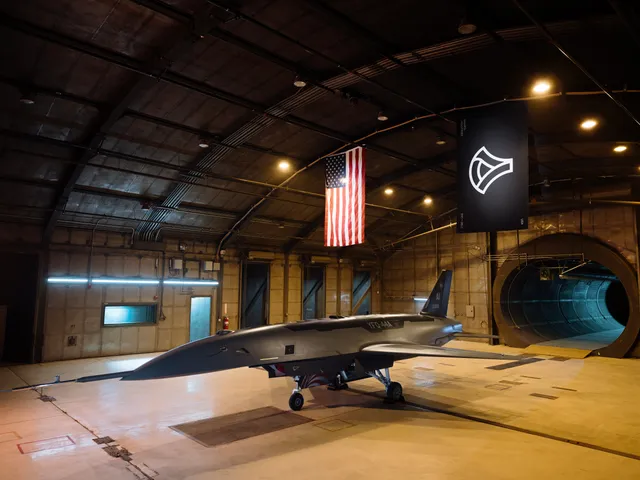
UAV / drone
Fury (YFQ-44A)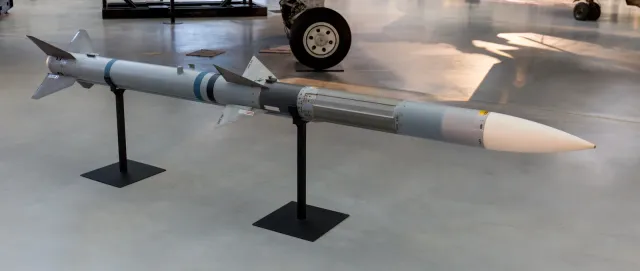
Missile
AIM-120D AMRAAMUAV / drone
YFQ-42A (Dark Merlin)Frequently asked questions
Is this really the first time any drone has fired a live air-to-air missile? +
It is the first live-fire weapon release from a Collaborative Combat Aircraft specifically, the semi-autonomous fighter-teaming drone category the Air Force stood up under CCA Increment 1. The Air Force's own July 15, 2026 announcement and DVIDS release describe it as the program's first-ever live-fire test; it does not claim to be the first armed drone launch of any kind across all US or allied programs.
Did the drone decide on its own to fire the missile? +
No. Every source reviewed for this story, including the Air Force's own release, states explicitly that a human operator retains exclusive authority over weapon release. Gen. Dale White said the YFQ-44A executed the weapon-employment sequence autonomously only within pilot-defined parameters, meaning the aircraft handled the mechanics of the engagement after a person authorized it, not the decision to engage.
What is the YFQ-44A supposed to do operationally? +
It is designed to fly alongside crewed fighters as a lower-cost, expendable teammate, carrying sensors and weapons like the AIM-120 AMRAAM to extend a formation's magazine and situational awareness without risking a pilot. Anduril builds it under the Air Force's CCA Increment 1 program, alongside a competing General Atomics design, the YFQ-42A.
How much is the CCA program worth and how many aircraft does the Air Force want? +
DefenseScoop's reporting on the test cites a $2.37 billion total CCA program request in the Air Force's FY2027 budget request, and the service has said it intends to field at least 150 CCA aircraft by the end of the decade, split across the two Increment 1 designs.
More news