Ukraine Hits Two Refineries as Russian Fuel Output Craters
Ukrainian FP-1 drones struck Rosneft's Ryazan and Lukoil's Perm refineries July 29, deepening a squeeze that has cut Russian refining to a 21-year low.

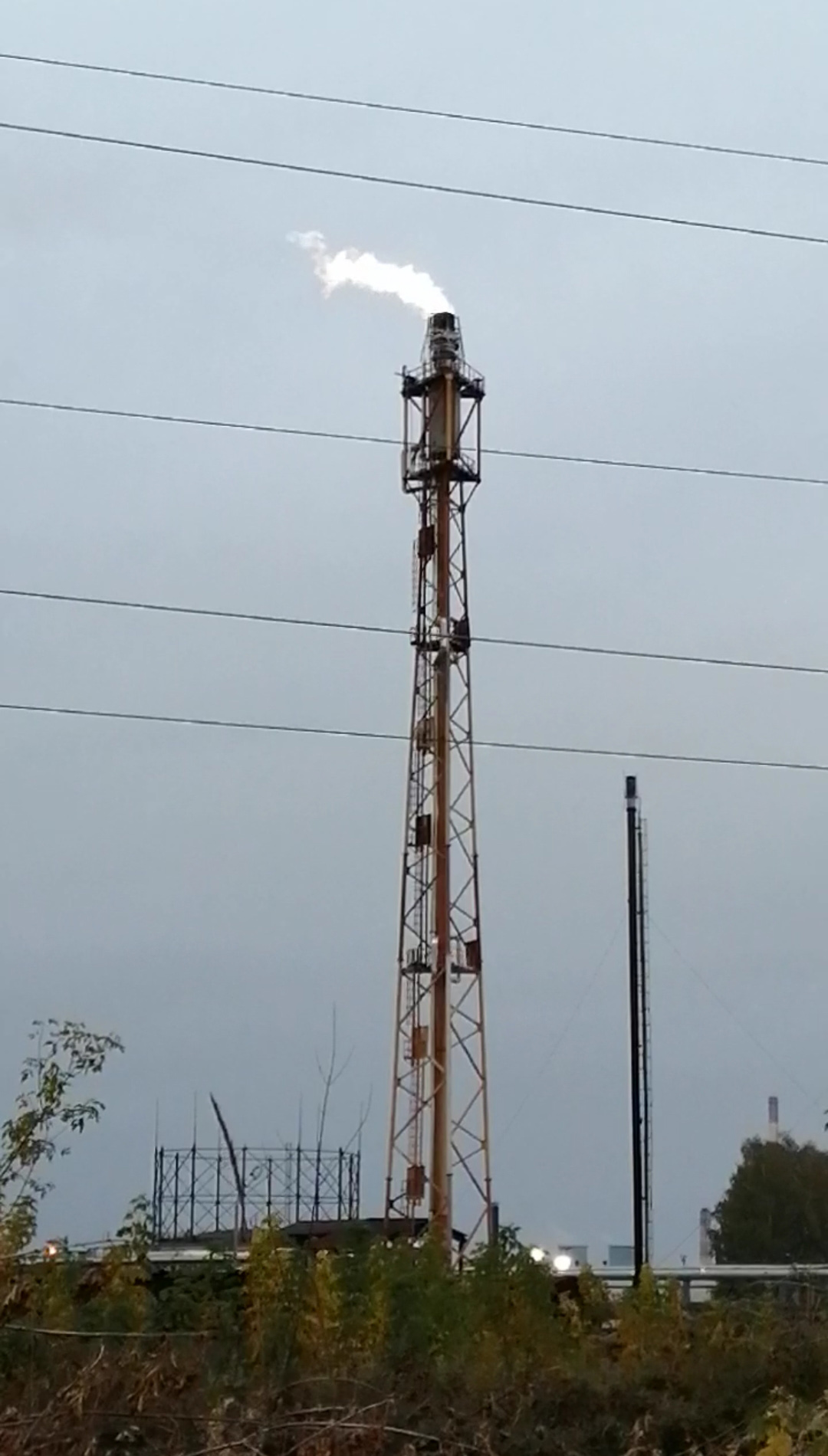
Wikimedia Commons, CC BY-SA 4.0, via Svtk44
Ukraine’s Defense Forces struck two Russian oil refineries overnight July 29, 2026, Rosneft’s Ryazan plant roughly 400 kilometers from Ukraine and Lukoil’s Permnefteorgsintez refinery some 1,500 kilometers away in Perm, using long-range one-way-attack drones. The strikes landed as independent analysts reported Russian crude-processing rates have fallen to their lowest level since March 2005.
Two refineries, one night
Ryazan, roughly 17 million tons of annual capacity and among Russia’s largest refineries, sits about 400 kilometers from Ukrainian territory, close enough that it has been a recurring target through 2026. Perm’s Permnefteorgsintez plant, with about 13 million tons of annual capacity, is a different proposition entirely: at roughly 1,500 kilometers from Ukraine, deep in Russia’s interior, a successful strike there demonstrates a reach that puts targets far beyond the traditional front-line strike radius within range. A Wildberries logistics warehouse near Ryazan was also hit the same night, damage reported alongside the refinery strike rather than as a separate operation.
Ukraine’s SBU security service claimed responsibility specifically for the Perm strike. President Volodymyr Zelensky framed the action in economic terms rather than purely military ones:
“Ukraine had imposed long-range sanctions on an oil refinery in Perm Krai,” said President Volodymyr Zelensky, without identifying the specific facility (The Kyiv Independent, July 29, 2026).
That framing positions the strike campaign as a direct substitute for the export restrictions and financial sanctions that have struggled to fully choke off Russian oil revenue through three-plus years of war. Russian officials offered their own accounts: Perm Krai Gov. Dmitry Makhonin said several drones were intercepted with no injuries, while Ryazan Gov. Pavel Malkov reported six people hospitalized from drone debris. Both are Russian government statements, not independently verified, and are presented here as such.
Ryazan and Perm together account for roughly 30 million tons of annual refining capacity, a scale that makes a single successful night of strikes against both a meaningful dent in Russia's total processing capability, not a symbolic pinprick.
The weapon: a $55,000 drone with 1,600 kilometers of range
The strikes relied on Ukraine’s FP-1 drone, a long-range one-way-attack platform built by the Ukrainian firm Fire Point. Open reporting puts its unit cost at roughly $55,000 and its stated range near 1,600 kilometers, a combination that explains how a single night’s operation could reach both a near-border target like Ryazan and a deep-interior target like Perm using the same weapon type. Fire Point is the same manufacturer behind Ukraine’s Freya air-defense interceptor and its FP-5 Flamingo cruise missile, both previously covered on this site; the FP-1’s role here is purely as background context on the company’s product line, not new news about those other systems.
Russian refining at a 21-year low
The macro picture behind these individual strikes is stark. EA Analytics figures reported by Bloomberg put Russian crude-processing rates this month at an average of 3.91 million barrels a day, the lowest level since March 2005, more than 1.4 million barrels a day below the same month a year earlier. Analysts estimate Ukrainian strikes have disabled roughly 20% to 40% of Russia’s total refining capacity across the campaign, a range wide enough to reflect real uncertainty in measuring damaged versus fully offline capacity, but unambiguous in direction. The domestic fuel-market consequence has been a Russian ban on most diesel exports running through the end of July, plus additional restrictions on gasoline and jet-fuel exports, moves aimed at keeping enough refined fuel inside the country as processing capacity shrinks.
A notable date, not a confirmed cause
The strikes landed roughly a day after President Zelensky met President Trump at the White House on July 28, 2026, discussing peace talks and Ukraine’s license to produce Patriot interceptors domestically, a pledge Trump had already made earlier in July. No source reviewed for this story establishes a direct causal link between that meeting and the decision to strike Ryazan and Perm the following night, and Ukraine’s refinery campaign has run continuously through 2026 regardless of the diplomatic calendar. The proximity in dates is worth noting as context, not treated here as evidence of coordination.
Sources
- Wildberries warehouse, major oil refinery burn as Ukraine strikes Russia's Ryazan Oblast, media reports — The Kyiv Independent, Jul 29, 2026
- Ukraine hits one of Russia's largest Lukoil-owned oil refineries — The Kyiv Independent, Jul 29, 2026
- Ukraine's SBU claims responsibility for strike on Perm refinery — Interfax-Ukraine, Jul 29, 2026
- Ukraine drone strikes hit Ryazan refinery, Wildberries hub as Russia's refining hits 21-year low — Tech Times, Jul 29, 2026
Frequently asked questions
Why did Ukraine hit two refineries the same night? +
It's part of an ongoing 2026 campaign that has systematically targeted Russia's refining capacity with long-range drones for months, not a one-off pair of strikes. The July 29 night simply saw two of the campaign's targets, Ryazan and Perm, hit within hours of each other.
How much of Russia's fuel output has this campaign disabled? +
Independent analysts at EA Analytics, cited by Bloomberg, put Russian crude-processing rates this month at 3.91 million barrels a day, the lowest level since March 2005, a 21-year low. Ukrainian strikes are estimated to have disabled roughly 20% to 40% of Russia's total refining capacity, a squeeze severe enough that Russia has banned most diesel exports through the end of July and restricted gasoline and jet-fuel exports as well.
Was the timing right after the Zelensky-Trump meeting significant? +
President Zelensky met President Trump at the White House on July 28 to discuss peace talks and Ukraine's Patriot-interceptor production license, and the refinery strikes followed within about a day. No source establishes a direct causal link between the meeting and the strike timing, so treat the proximity as a notable coincidence in the calendar rather than a confirmed connection.
What is the FP-1 drone? +
A long-range one-way-attack drone built by the Ukrainian firm Fire Point, reported to cost roughly $55,000 per unit with a stated range near 1,600 kilometers. It's built by the same manufacturer behind Ukraine's Freya air-defense interceptor and its FP-5 Flamingo cruise missile, both already covered on this site.
More news


