Poland's $988 million Patriot GEM-T buy fills out its Wisla area-defense layer
NATO's procurement agency signed Raytheon to a $988 million contract supplying Poland with several hundred Patriot GEM-T interceptors through 2031, a cheaper area-defense missile that complements, rather than replaces, Poland's hit-to-kill PAC-3 MSE stock.

Spc. Aaron Good, Michigan Army National Guard, DVIDS, public domain
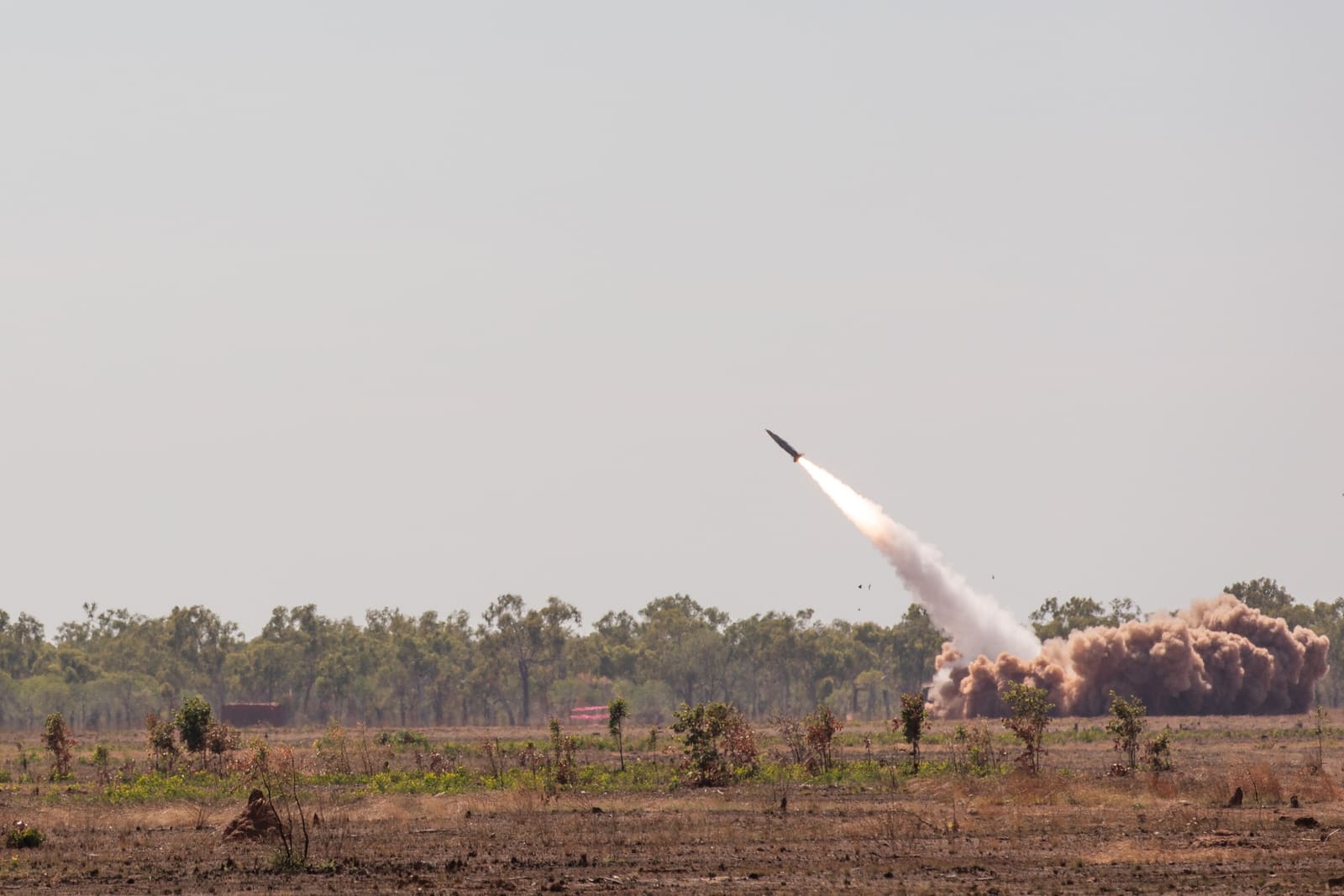
The NATO Support and Procurement Agency signed Raytheon to a $988 million contract on June 18, 2026 to supply Poland with several hundred Patriot GEM-T interceptors, according to Army Recognition and Defence Industry Europe. The deal, publicly disclosed around the NATO Summit Defense Industry Forum in Ankara on July 7, adds a cheaper, longer-established interceptor to Poland’s Wisla air-defense program rather than expanding its newer PAC-3 MSE stock, and deliveries are scheduled to run through 2031.
An older missile filling a specific gap
GEM-T, short for Guidance Enhanced Missile-Tactical, is not a new missile design. It is an upgraded variant of the original PAC-2 interceptor that the U.S. Army has fielded since the 1990s, modernized with a digital fuze, a lower-noise receiver front end and a revised downlink, according to Army Recognition’s reporting on the deal. WeaponSpecs’ own systems database lists GEM-T’s blast-fragmentation warhead at 91 kilograms, close to the roughly 90-kilogram figure Army Recognition cites, with track-via-missile guidance, a reported range near 150 kilometers and a top speed of Mach 5. Where the newer PAC-3 MSE destroys a target by directly colliding with it, GEM-T detonates a proximity-fused warhead near the target, a design better suited to aircraft, cruise missiles, drones and older ballistic threats than to the harder, faster ballistic-missile intercepts PAC-3 MSE is built for.
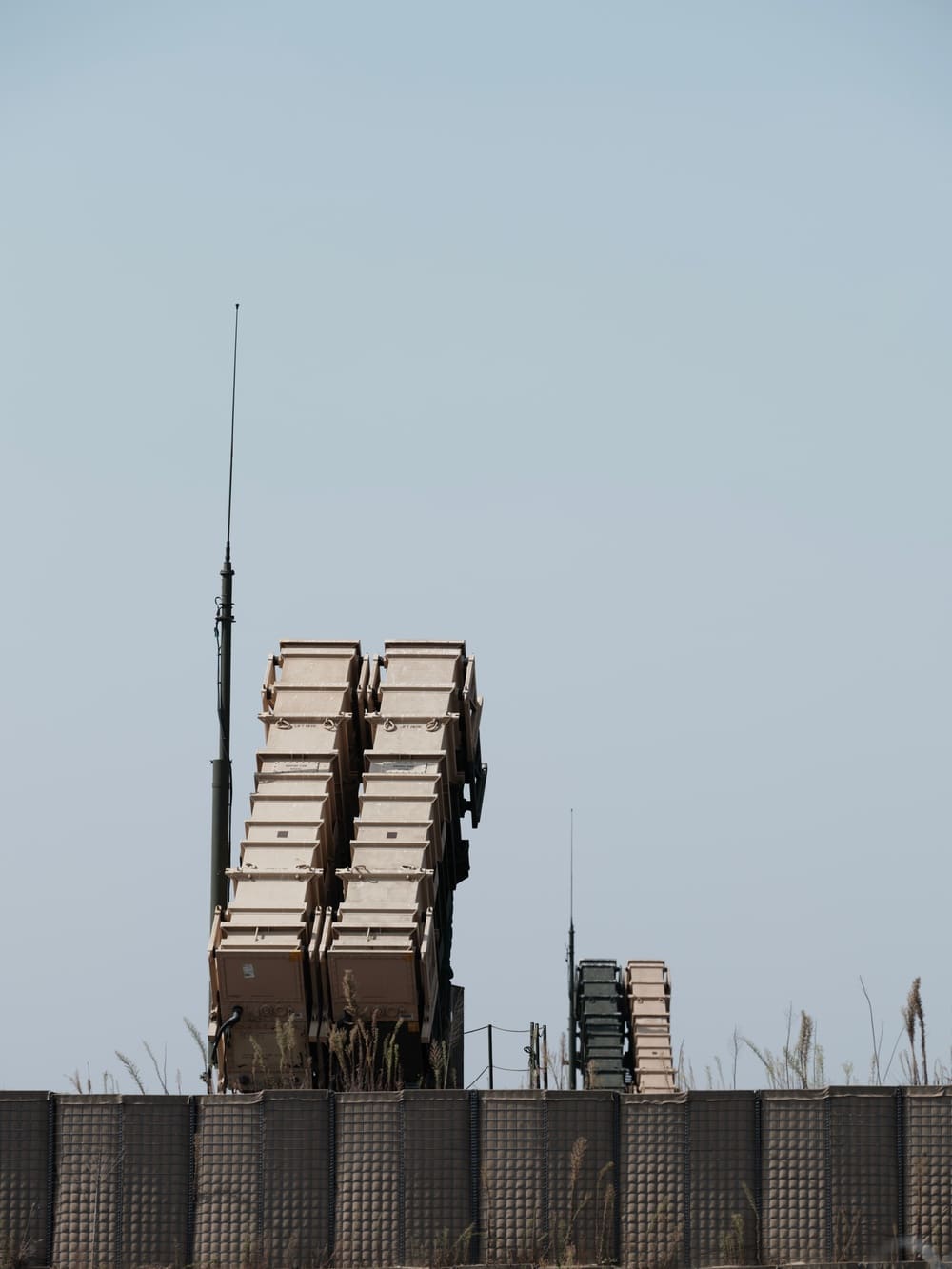
That difference in mission shows up directly in how the two missiles are packaged. A single M903 launching station holds up to 12 PAC-3 MSE canisters but only 4 for the physically larger GEM-T, according to Army Recognition’s breakdown of the contract. GEM-T is also markedly cheaper, reported in the $2 to $4 million range per interceptor against roughly $5.3 million for a PAC-3 MSE round. Poland is not choosing between the two tiers; it is buying both, layering a lower-cost area-defense missile under its more expensive hit-to-kill stock rather than paying PAC-3 MSE prices for every round in the magazine.
Filling out, not replacing, the Wisla layer
Poland’s Wisla program is one of the largest single Patriot modernization efforts in Europe, and this contract is explicitly framed by NSPA and Raytheon as reinforcement of that existing architecture rather than a new procurement track. Poland’s original Wisla Phase I package, contracted in 2018 for roughly $4.75 billion, delivered 4 radar sets, 16 launch stations and 208 PAC-3 MSE missiles, according to Army Recognition’s account of the program’s history. The GEM-T purchase adds a second interceptor type to that same launcher fleet, extending Wisla’s upper defensive tier alongside shorter-range Narew systems and the Integrated Battle Command System architecture NATO members are gradually adopting to network their air-defense sensors and shooters together, per Army Recognition’s separate reporting on the announcement.
Notably, Poland had also been evaluating Israeli-built SkyCeptor interceptors as a lower-cost alternative before this contract, an option Defence Industry Europe reports it has now dropped in favor of staying within the existing Patriot missile family GEM-T belongs to. Buying an interceptor already compatible with launchers Poland has operated for years avoids the added integration cost and testing burden of introducing an entirely new missile type into Wisla, even at a nominally lower unit price.
The exact number of missiles under this specific $988 million contract has not been disclosed publicly by either NSPA or Raytheon; multiple outlets describe the buy only as “several hundred” interceptors. A U.S. State Department Foreign Military Sales notification from May 2025 had cleared the way for Poland to acquire up to 788 GEM-T missiles at a total program value of as much as $5.8 billion, and the scope of coverage on this contract suggests it draws against that earlier authorization as a first tranche rather than exhausting it outright, though neither NSPA nor Raytheon has confirmed that reading directly.
The agency doing the buying
The contract runs through the NATO Support and Procurement Agency rather than a direct bilateral U.S.-Poland sale, a mechanism NSPA has used to support Patriot operators for more than four decades, according to Army Recognition’s earlier report on the deal’s announcement. NSPA’s Patriot Support Partnership currently groups nine member nations, Germany, Greece, the Netherlands, Poland, Romania, Spain, Sweden, Switzerland and the United States, pooling procurement, engineering, maintenance and logistics support so participants share costs and, in principle, get faster delivery than negotiating individually with Raytheon. Poland’s position on NATO’s eastern flank, directly bordering both Belarus and Russia’s Kaliningrad exclave, has made its air-defense buildout one of the more closely watched procurement threads in Europe since Russia’s full-scale invasion of Ukraine began in 2022, and this contract extends that buildout by several more years rather than concluding it.
Figures per Army Recognition's reporting on the contract. GEM-T's larger airframe and blast-fragmentation warhead mean each M903 launcher carries a third as many rounds as it would loaded with the smaller, hit-to-kill PAC-3 MSE, a tradeoff of magazine depth for a cheaper unit cost.
Sources
- Poland Buys PAC-2 GEM-T Interceptor Missiles to Expand Patriot Air Defense Shield on NATO Eastern Flank — Army Recognition, Jul 14, 2026
- Poland signs nearly $1 billion deal for several hundred PAC-2 GEM-T interceptors for Patriot air defense system — Defence Industry Europe, Jul 14, 2026
- NATO Awards U.S. Raytheon Contract to Supply Poland with Patriot GEM-T Air Defense Missiles — Army Recognition, Jul 8, 2026
Systems mentioned
Every system named in this story, with its photo and, where available, a video. Tap a card to open the full spec sheet.
Compare these side by side →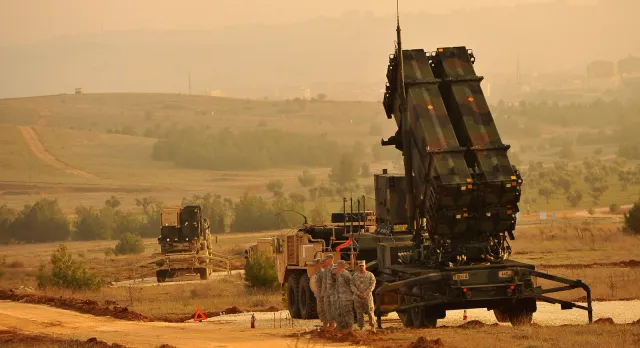
Air defense system
Patriot GEM-T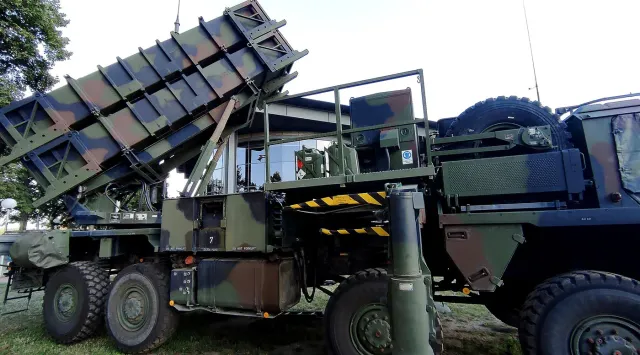
Air defense system
Patriot PAC-3Frequently asked questions
What is the Patriot GEM-T missile? +
GEM-T stands for Guidance Enhanced Missile-Tactical, an upgraded version of the older PAC-2 interceptor rather than a new missile family. It uses a blast-fragmentation warhead of roughly 90 kilograms and track-via-missile guidance with terminal radar correction, destroying targets by detonating a proximity-fused warhead near them rather than the direct hit-to-kill approach used by the newer PAC-3 MSE. Reported range is around 150 kilometers, with a top speed near Mach 5.
How much is Poland's new Patriot contract worth, and how many missiles does it buy? +
The NATO Support and Procurement Agency signed Raytheon to a $988 million contract, publicly disclosed around the July 2026 NATO Ankara summit, for what multiple outlets describe only as "several hundred" GEM-T interceptors. The exact missile count has not been made public. A separate U.S. State Department notification from May 2025 had authorized a sale of up to 788 GEM-T missiles worth as much as $5.8 billion, and reporting on this contract's scope suggests it represents a first tranche drawn against that larger authorization rather than the full quantity.
Why is Poland buying an older missile type instead of more PAC-3 MSE? +
Cost and role, not obsolescence. A PAC-3 MSE interceptor is reported to run around $5.3 million per unit versus roughly $2 to $4 million for a GEM-T, and a single M903 launcher holds up to 12 PAC-3 MSE canisters against only 4 for GEM-T. GEM-T's blast-fragmentation warhead is suited to a wider, cheaper area-defense role against aircraft, cruise missiles and older ballistic threats, while PAC-3 MSE's hit-to-kill design is reserved for higher-value, harder ballistic-missile intercepts. Poland is buying both tiers rather than choosing one, after reportedly dropping a cheaper Israeli SkyCeptor option from consideration.
When will Poland receive the missiles? +
Deliveries are expected to begin within months of the June 18, 2026 contract signature and continue through 2031, a multi-year production and delivery run typical of NSPA-managed Patriot orders.
More news