Yemeni Civil War: Timeline & Latest Developments
Houthi forces seized Sanaa in September 2014 and a Saudi-led coalition intervened in March 2015 on behalf of Yemen's internationally recognized government; nearly 12 years on, the front lines are largely frozen under an informal truce, a UAE-backed southern secessionist movement collapsed in a matter of weeks in early 2026, and the UN still calls Yemen's humanitarian crisis among the world's worst.
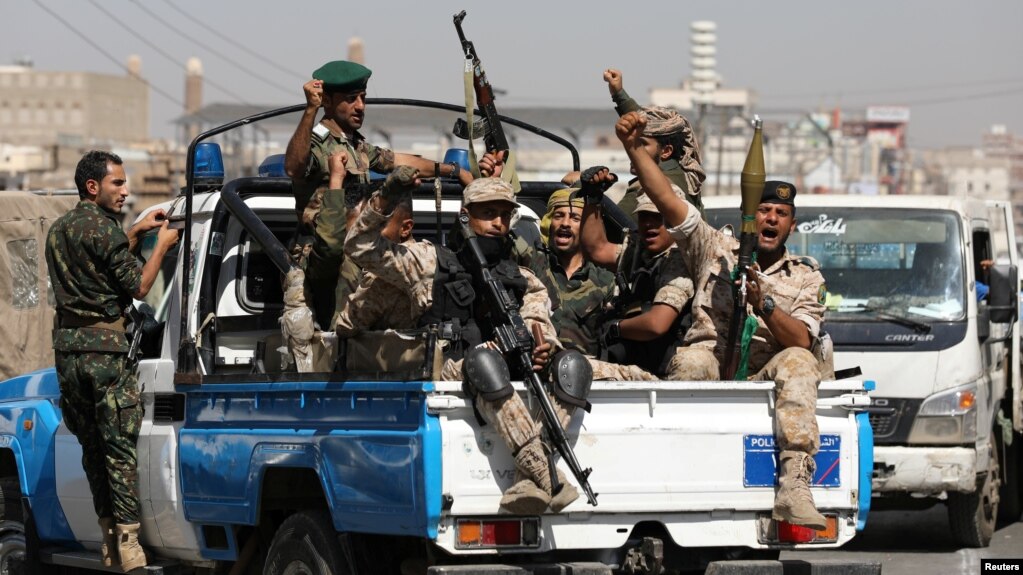
VOA, public domain, via Wikimedia Commons. File photo from February 19, 2020, shown for identification; not tied to a specific event on this page.
Yemen’s civil war entered its modern phase in September 2014, when Houthi forces, a Zaydi Shia movement also known as Ansar Allah that had fought the government intermittently since 2004, swept into the capital Sanaa and forced out the transitional government installed after Yemen’s 2011-2012 uprising. Within months the Houthis, allied with military units still loyal to ousted former president Ali Abdullah Saleh, pushed south toward Aden, and President Abdrabbuh Mansur Hadi fled the country. Saudi Arabia, at Hadi’s request, assembled a nine-country coalition and launched an air campaign in March 2015 aimed at restoring his government, a move that turned a domestic power struggle into a regionalized war that, in one form or another, has now run for nearly twelve years.
The conflict’s early years were defined by large set-piece battles and a mounting civilian toll. Coalition-backed forces recaptured Aden in mid-2015, but the front lines around Taiz and the northern highlands hardened, and Saleh’s fatal split from his former Houthi allies in December 2017 removed any near-term prospect of a negotiated end. Human Rights Watch had already counted close to 6,000 Yemenis disabled by the war within its first nine months, and by 2018 the UN was warning that a coalition assault on the Red Sea port of Hodeidah, the entry point for roughly 80 percent of the country’s food and medical imports, could kill up to 250,000 people in a worst case. That offensive stopped short of the port itself after the December 2018 Stockholm Agreement produced a negotiated ceasefire, one of the few durable de-escalations of the war’s first half-decade. Taiz, meanwhile, has faced a different kind of siege: Human Rights Watch has documented a Houthi blockade of the city, in place since 2015, that it says amounts to collective punishment of roughly three million residents, alongside water-rights violations it attributes to government-aligned forces as well.
The humanitarian dimension of this war is, by most measures, its defining feature. The World Health Organization tracked more than one million suspected cholera cases by the end of 2017 alone, part of what health authorities have called the largest and fastest-growing cholera outbreak in modern recorded history.
Yemen's outbreak, the largest and fastest-growing cholera epidemic in modern recorded history, produced nearly two million suspected cases within its first four years, more than double the 815,000 cases Haiti recorded over a full seven years.
By late 2018, the UN was warning that 14 million Yemenis, half the population, faced imminent famine. UN OCHA’s most recent needs assessment, published in March 2026, still counts 22.3 million people, more than two-thirds of Yemen’s population, requiring humanitarian assistance, 18.3 million facing acute food insecurity, and more than 2.2 million children acutely malnourished. An estimated 4.8 million people remain internally displaced, making Yemen one of the largest internal displacement crises in the world. The UN’s $2.16 billion 2026 appeal had secured only about 13 percent of its target as of May, a funding gap that UN officials say is now closing hospitals and cutting food rations as much as active combat is. A UN Development Programme study is the most recent authoritative estimate of the war’s overall death toll: 377,000 people through the end of 2021, direct and indirect causes combined, a figure UNDP has not updated since, meaning the true current toll is unknown but almost certainly higher.
A second storyline, distinct from the Houthi-government fight, runs through the war’s southern half. The UAE-backed Southern Transitional Council, formed in 2017, seeks independence for the former state of South Yemen and does not accept the government’s claim to a unified country, even though both are formally aligned against the Houthis. The STC seized Aden from the government by force in August 2019, accepted a Saudi-brokered power-sharing deal that November, then rejected it and declared self-rule in April 2020. That underlying tension exploded again in December 2025, when the STC launched a rapid offensive that briefly captured most of the south, only for a Saudi-backed government counteroffensive to retake Aden and most lost territory within five weeks, ending in the STC’s disputed announcement of its own dissolution. Yemen’s other major flashpoint since late 2023, the Houthi campaign against Red Sea shipping and Israel-linked targets, is a related but separate story covered on WeaponSpecs’ Middle East proxy wars tracker; this page focuses on the fighting between Yemeni parties themselves.
Diplomatically, the war has moved in fits and starts since a UN-brokered truce took effect in April 2022. That truce, extended twice, formally lapsed in October 2022, but both sides have avoided a full return to nationwide fighting in the years since, helped along by a March 2023 Saudi-Iran rapprochement brokered by China and direct Saudi-Houthi talks in Sanaa the following month. In May 2026 the government and the Houthis signed the war’s largest prisoner exchange, releasing roughly 1,700 detainees after 14 weeks of talks in Amman. UN Special Envoy Hans Grundberg told the Security Council that June that the resulting calm was real but fragile: front lines remain entrenched, the south’s status is newly unsettled after the STC’s collapse, and no direct political negotiations toward a comprehensive settlement have taken place in years.
Full Timeline (most recent first)
UN envoy: the conflict is 'unresolved, not over'
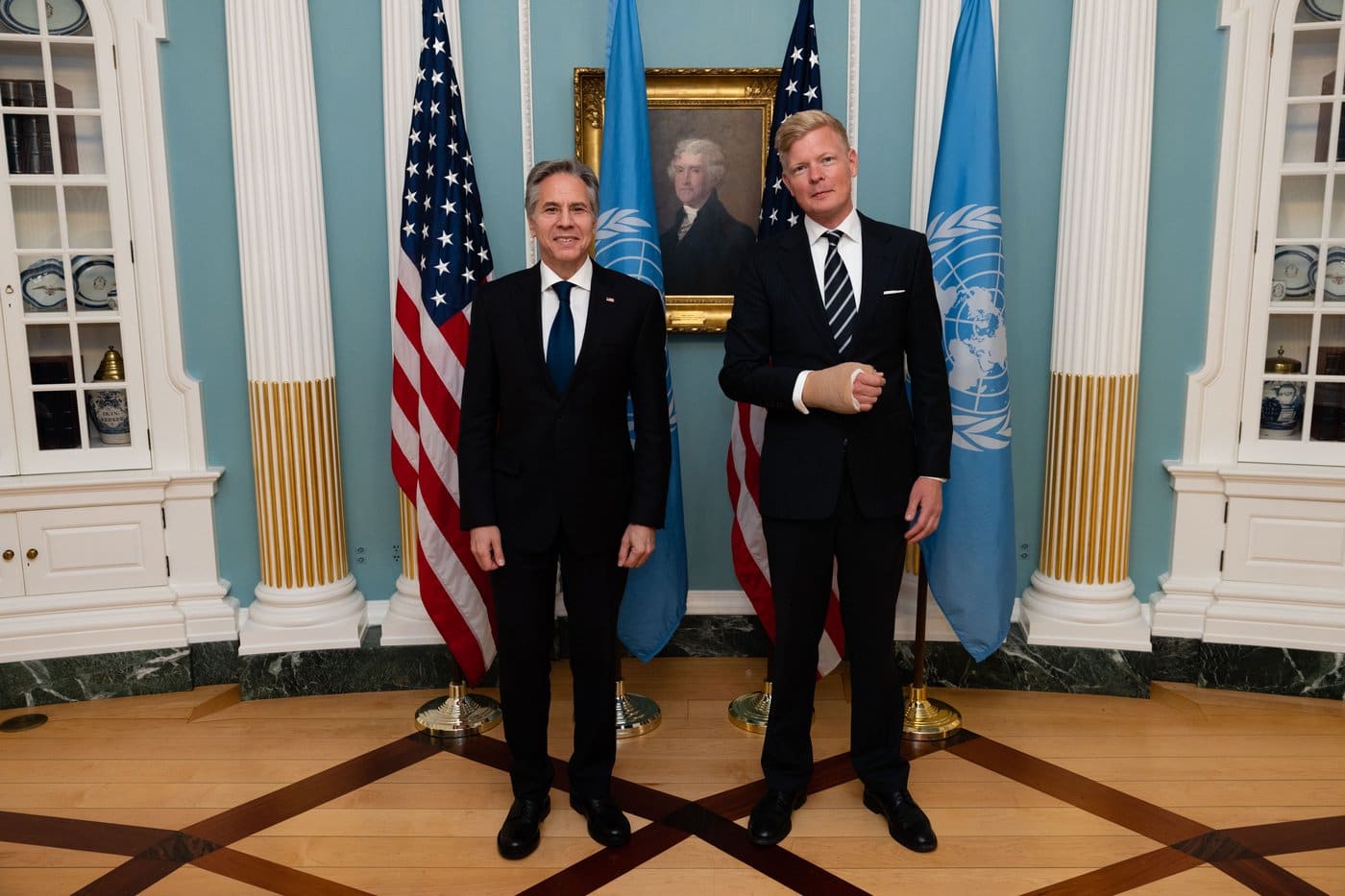
UN Special Envoy for Yemen Hans Grundberg told the Security Council that despite the relative calm since 2022, Yemen's conflict remains unresolved, with entrenched front lines, deepening fragmentation, and accelerating militarization, and urged the parties to use a regional window of de-escalation to revive direct political talks that had not occurred in years.
Government and Houthis sign the war's largest prisoner swap
After 14 weeks of UN- and ICRC-observed negotiations in Amman, the internationally recognized government and the Houthis agreed to release roughly 1,700 detainees, the largest single prisoner exchange of the 11-year war, building on groundwork laid in earlier Oman-hosted talks.
UN appeals for $2.16 billion to reach 12 million Yemenis
The UN and humanitarian partners launched the 2026 Yemen Humanitarian Needs and Response Plan, seeking $2.16 billion to assist 12 million people, including 9.4 million assessed as most severely in need, out of 22.3 million people the plan estimated required humanitarian assistance that year.
UN warns fragile calm is fraying as aid access shrinks
UN officials said 73 UN staff remained detained by Houthi authorities in areas representing roughly 70 percent of Yemen's humanitarian needs, warning that the political shock of the southern campaign compounded an already fraying, fragile calm across the country.
STC announces dissolution; some officials call it invalid
An STC delegation in Riyadh announced the council's dissolution following its territorial collapse, but the STC's official spokesperson and other senior figures rejected the statement as made under duress, insisting the council remained "fully legitimate and operational," leaving its status disputed.
Government forces enter Aden as STC lines collapse
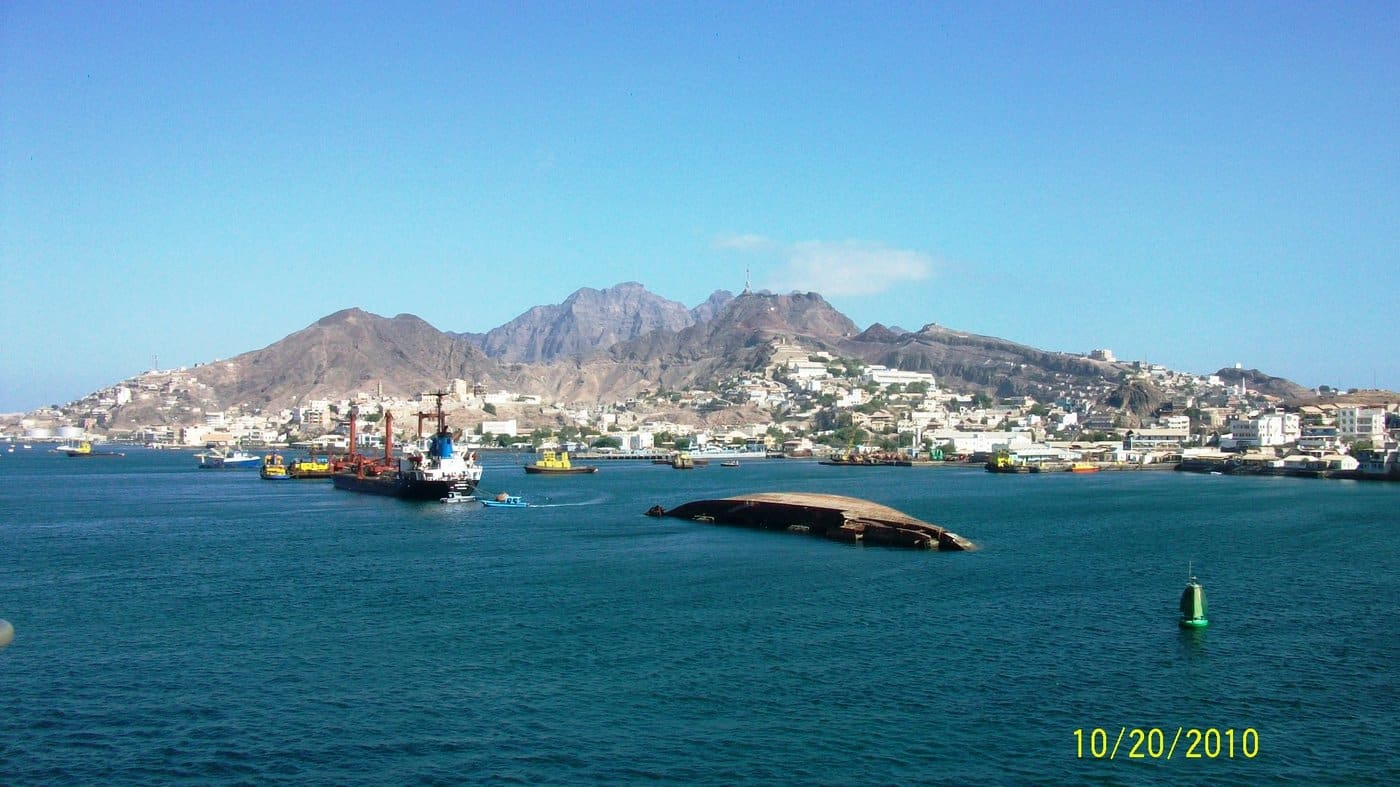
Presidential Leadership Council forces began entering Aden as STC resistance collapsed; STC leader Aidarus al-Zubaidi was removed from the Council and charged with treason, and was reported to have fled to the UAE.
Government retakes Seiyun and Mukalla
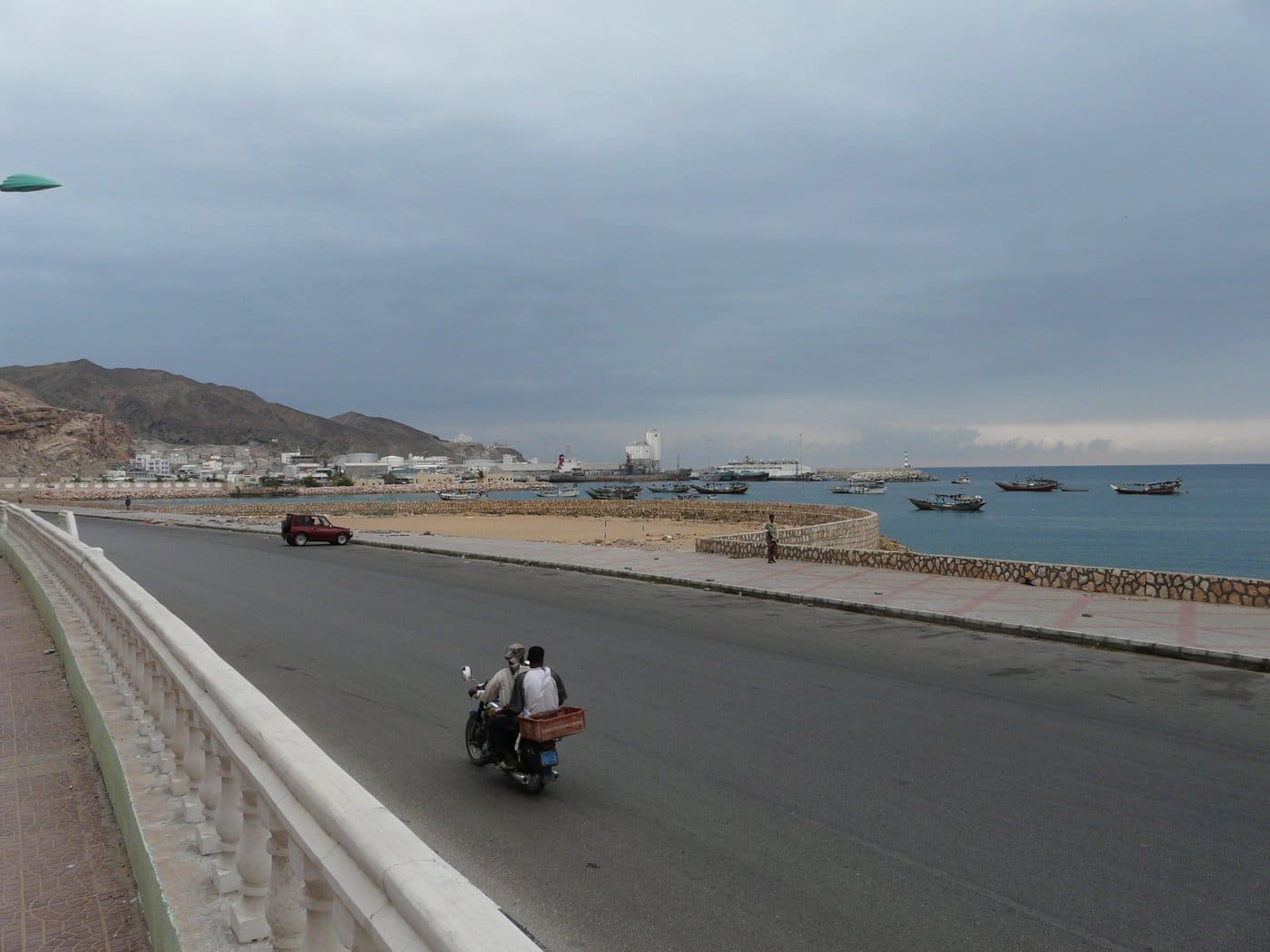
Government forces recaptured the Hadramawt cities of Seiyun and Mukalla within two days of each other, continuing a rapid rollback of the STC's territorial gains from earlier in December.
Government forces, backed by Saudi airstrikes, counterattack
Presidential Leadership Council forces, with direct Saudi air support, launched a counteroffensive against STC-held territory across the south, rapidly reversing the STC's December gains.
STC accuses Saudi Arabia of striking its forces in Hadramawt
As the government-aligned counteroffensive gathered pace, the STC accused Saudi Arabia, the same coalition leader that had backed anti-Houthi forces broadly since 2015, of striking its positions in Hadramawt directly, a claim reflecting how far the STC and the Presidential Leadership Council's uneasy alliance had unraveled.
STC captures most of the former South Yemen's six governorates
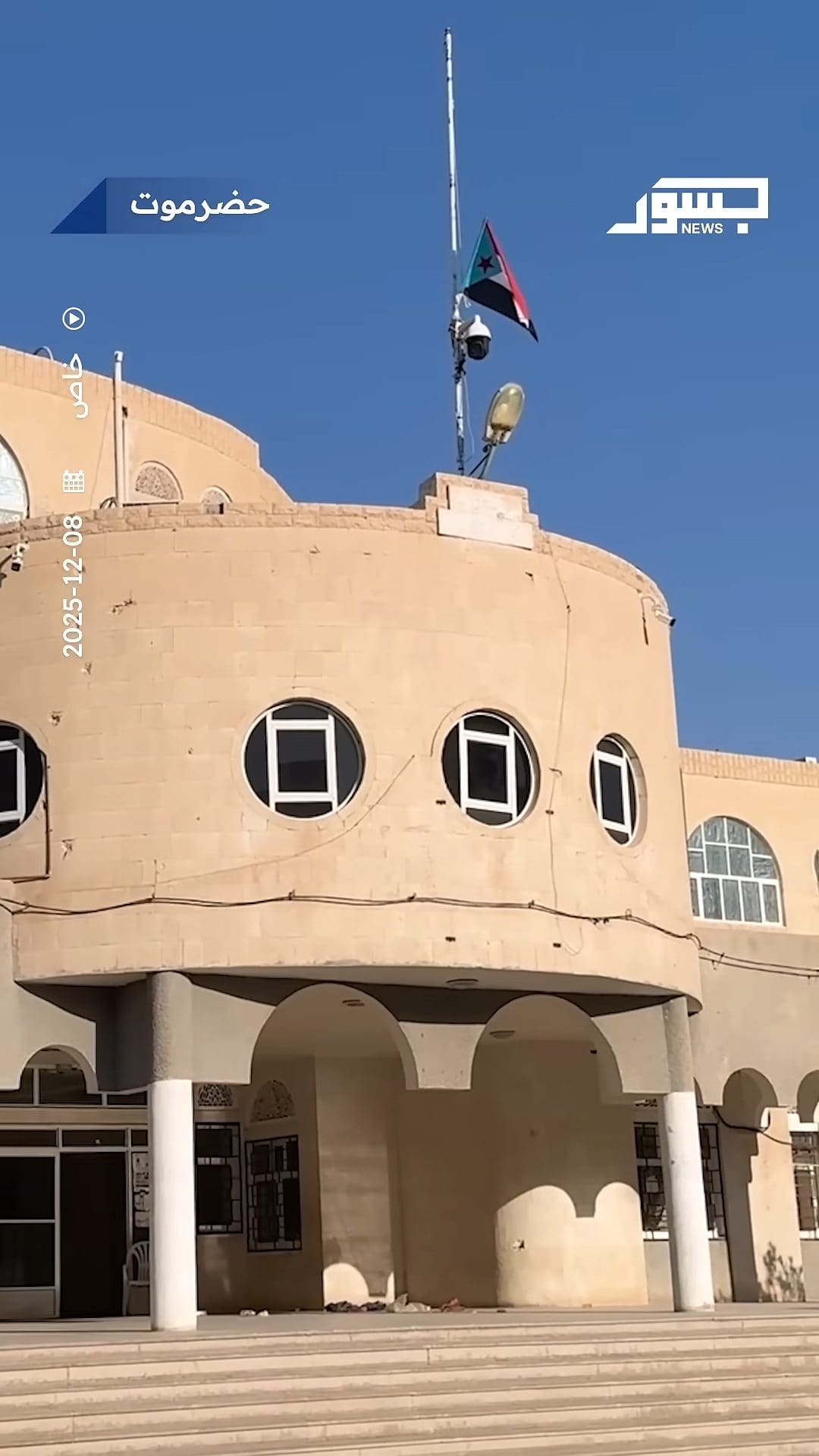
Within a week, STC forces had seized most of the territory of the former independent state of South Yemen, a rapid advance that appeared to put the STC's long-standing secessionist goal within reach for the first time since the movement's founding in 2017.
STC launches 'Operation Promising Future' across the south
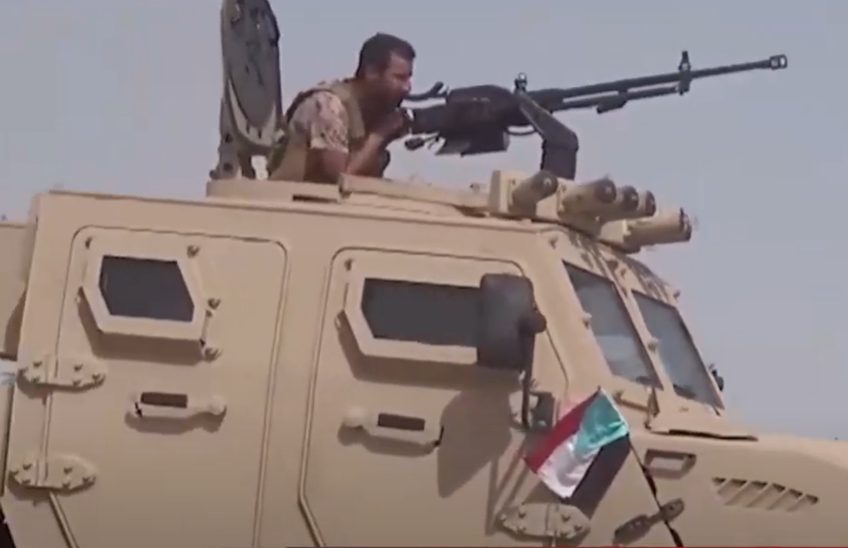
The UAE-backed Southern Transitional Council launched a large-scale offensive against Presidential Leadership Council forces across southern Yemen, breaking years of relative stalemate between the two nominal allies and reopening the long-dormant question of southern secession by force.
UK minister visits Aden as the south's fragility deepens
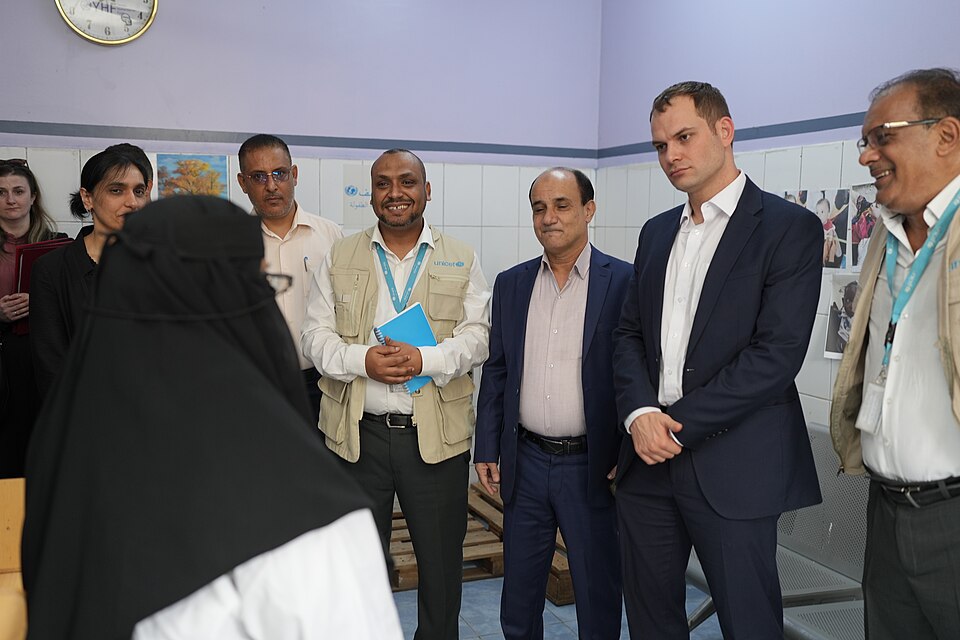
UK Minister for the Middle East Hamish Falconer visited Aden for talks with Presidential Leadership Council officials, part of continued Western diplomatic engagement with the internationally recognized government less than two weeks before the STC's offensive upended the south's balance of power.
HRW documents Houthi siege of Taiz and mutual water-rights violations
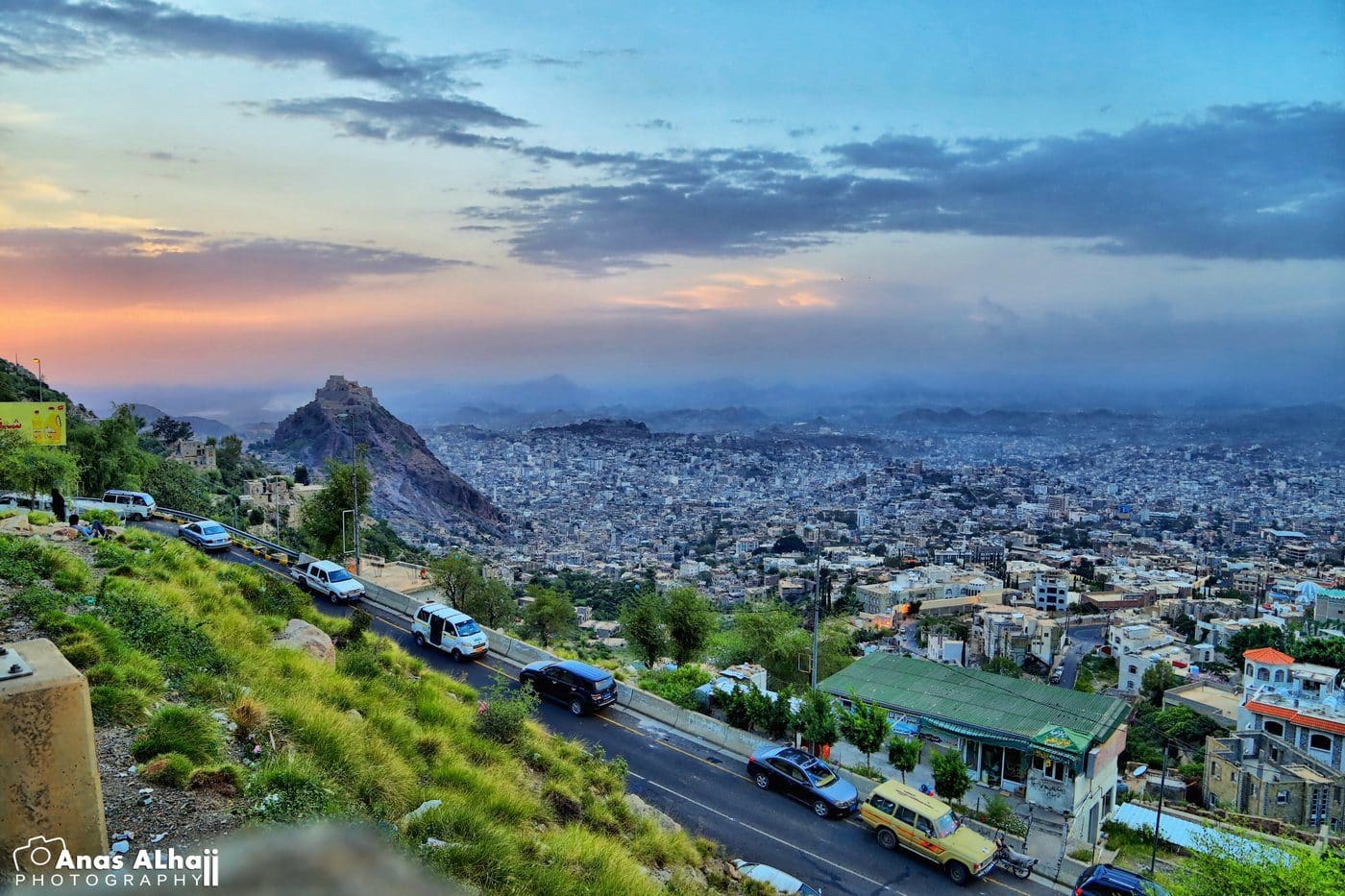
Human Rights Watch said the Houthi blockade of Taiz, in place since 2015 and restricting routes into and out of a city of roughly three million people, amounted to collective punishment of civilians in violation of international humanitarian law. The same report also documented water-rights violations by government-aligned forces, finding both sides had used control of water infrastructure against the city's residents.
Saudi and Omani officials hold direct talks with Houthi leaders in Sanaa
A Saudi delegation led by Riyadh's envoy to Yemen, accompanied by Omani mediators, held six days of talks with Houthi officials in Sanaa aimed at a comprehensive settlement, the highest-level direct Saudi-Houthi engagement of the war to that point.
China brokers a Saudi-Iran rapprochement
Saudi Arabia and Iran agreed in Beijing to restore diplomatic relations after years of estrangement, a deal brokered by China that gave new momentum to a parallel, Oman-mediated track of direct Saudi-Houthi talks over ending the Yemen war.
Houthi drone strikes on Dhabba oil terminal cut off government revenue
Houthi forces struck the government-controlled Dhabba oil terminal in Hadramawt with explosive drones days after a similar attack on the Nushayma terminal in Shabwa, halting oil exports that were the internationally recognized government's largest source of revenue and costing it an estimated $2 billion, a campaign of economic pressure distinct from Houthi attacks on international shipping in the Red Sea.
Formal truce expires; both sides largely hold fire anyway
The UN-brokered truce lapsed without renewal on October 2, 2022, after the parties failed to agree on an expanded deal. No new nationwide truce has since been formally signed, but both sides have mostly avoided a return to large-scale nationwide fighting in the years since.
Truce extended twice more before lapsing formally
The April truce was renewed for two more months in June and again in August, with both sides committing to work toward an expanded agreement. Despite the stated goal, talks never produced the broader deal negotiators were reaching for.
Hadi cedes power to an eight-member Presidential Leadership Council
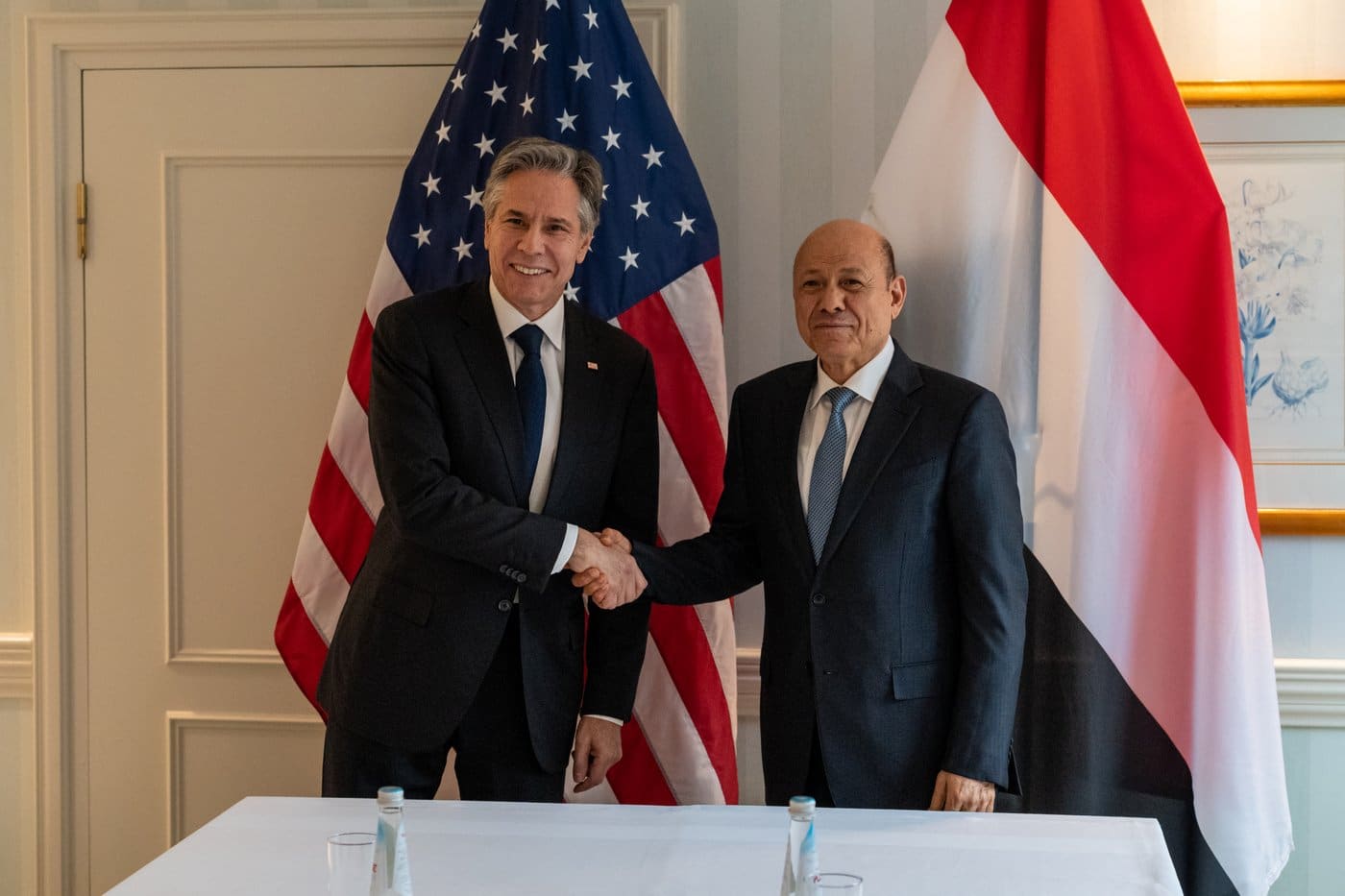
Under pressure from Saudi Arabia, the UAE, Egypt, and the United States, Hadi transferred his presidential authority to a newly formed Presidential Leadership Council chaired by Rashad al-Alimi, with STC leader Aidarus al-Zubaidi among its vice chairmen, an attempt to unify the fractious anti-Houthi camp under one body.
UN brokers a two-month nationwide truce
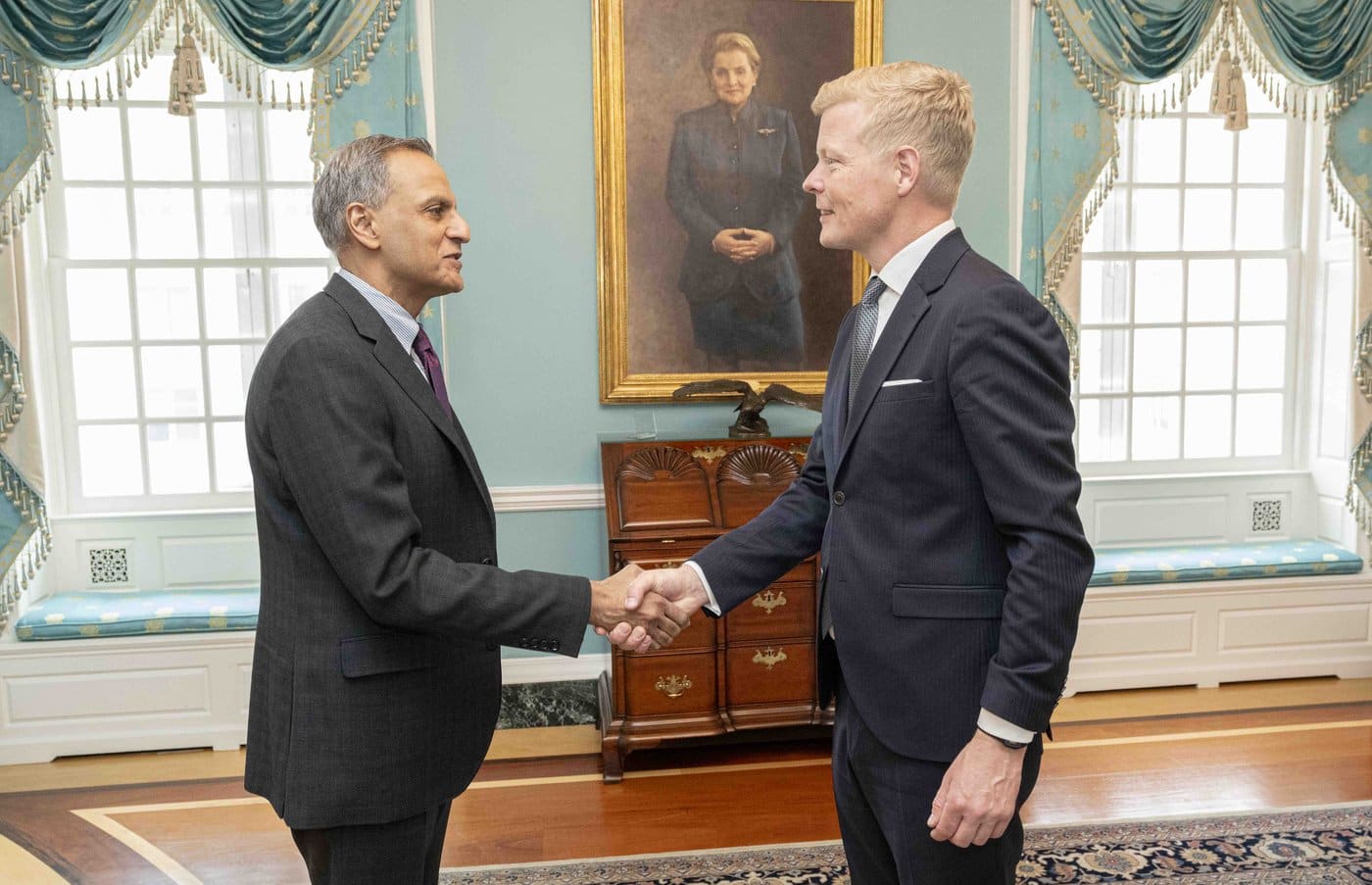
The UN announced the war's first nationwide truce, which paused coalition airstrikes and Houthi cross-border attacks, allowed fuel ships into Hodeidah, and permitted limited commercial flights from Sanaa. It was the most significant nationwide de-escalation of the war to that point.
UN projects Yemen's war dead will reach 377,000 by year's end
A UN Development Programme study estimated that direct and indirect deaths from the war would reach 377,000 by the close of 2021, roughly 60 percent from indirect causes such as lost access to food, water, and health care, and projected the toll could reach 1.3 million by 2030 if the war continued.
Government reports roughly 3,800 fighters killed on both sides in Marib
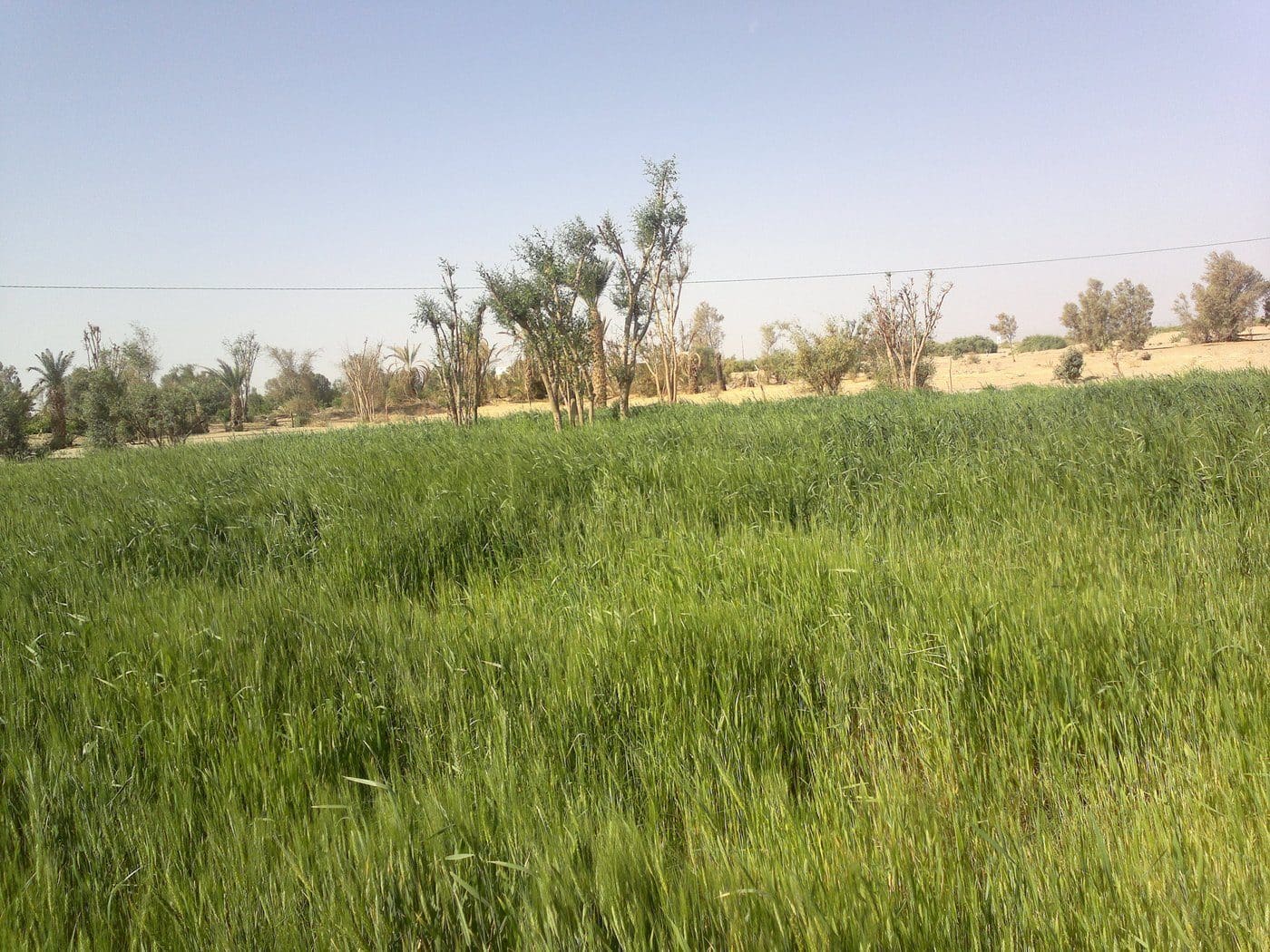
Officials in Hadi's government said around 2,000 Houthi fighters and commanders and 1,800 of its own soldiers and allied tribal fighters had been killed in the two and a half months since the Marib offensive began, an unverified figure from a party to the fighting, in what analysts called the deadliest stretch of the war since 2018.
Houthis launch an offensive on Marib, the government's last northern stronghold
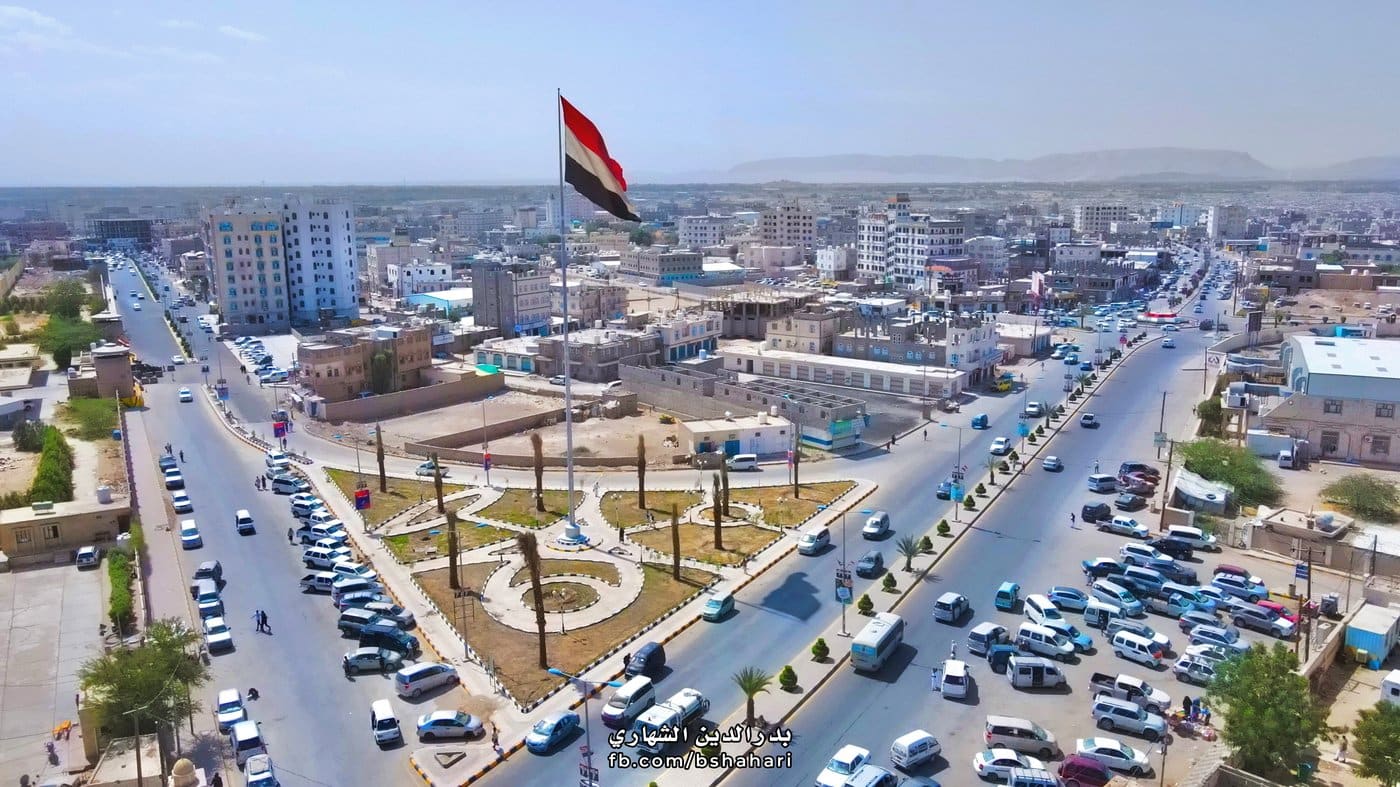
Houthi forces opened a major offensive to seize Marib city and its surrounding oil-producing governorate, the internationally recognized government's last significant foothold in northern Yemen. The UN warned an assault on the city could endanger roughly two million civilians, including displaced people already sheltering there.
STC declares self-administration, rejecting the Riyadh Agreement
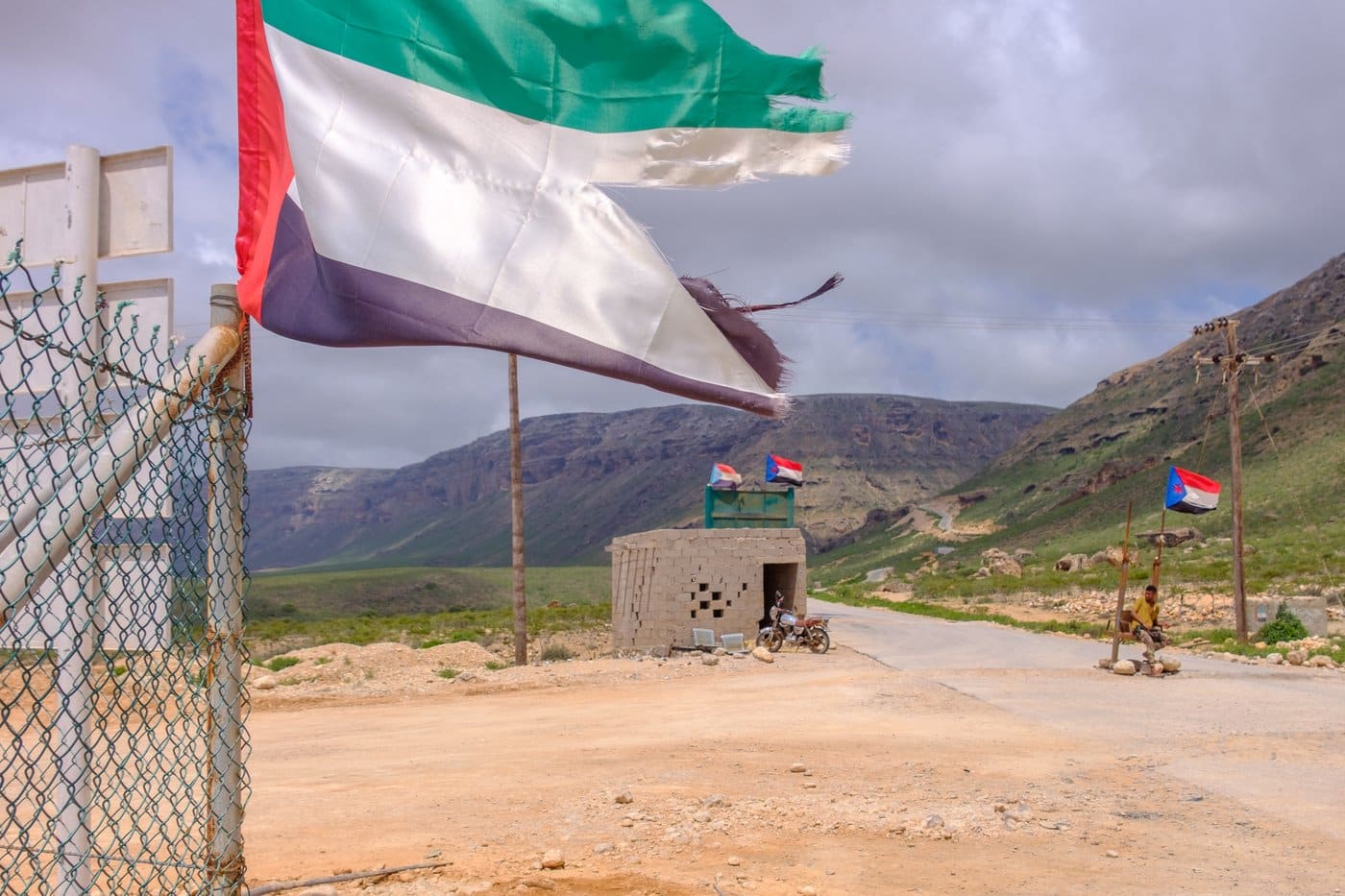
With the Riyadh Agreement's implementation stalled, the STC declared a state of emergency and self-administration across Aden and the southern governorates, prompting the government to call it a coup. The STC rescinded the declaration three months later under renewed Saudi pressure.
Riyadh Agreement signed between the government and the STC
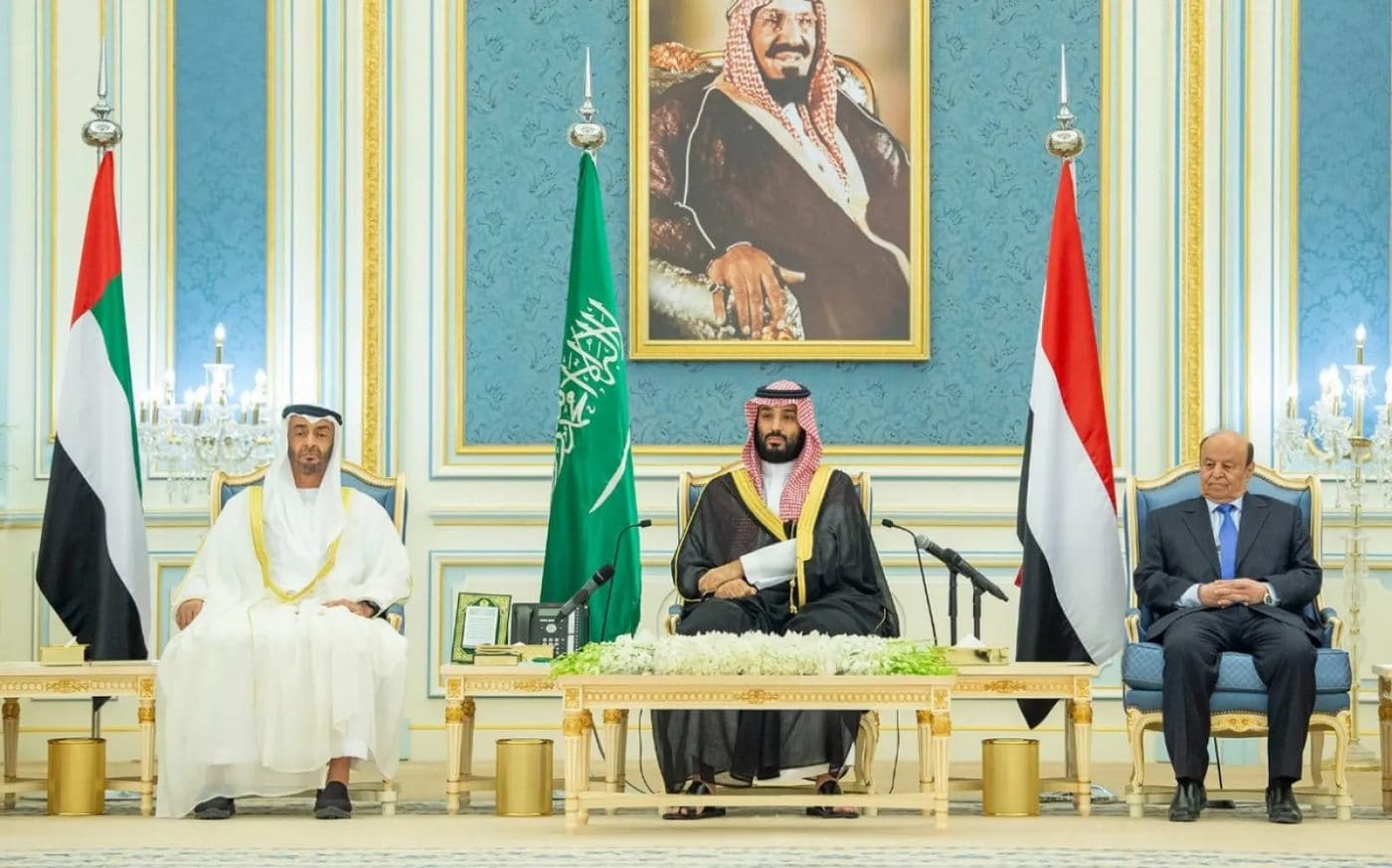
Saudi Arabia brokered a power-sharing deal under which the government recognized the STC's political legitimacy and offered it cabinet seats, in exchange for the STC withdrawing its forces from Aden and folding its fighters into official ministries. Most of the agreement's deadlines were later missed.
STC seizes Aden's presidential palace from the government
Southern Transitional Council forces captured the Badr military camp and the presidential palace in Aden, effectively ejecting the internationally recognized government from its own interim capital. The UN said roughly 40 people were killed and 260 wounded in four days of fighting.
A Houthi missile strike on a military graduation triggers Aden clashes
A Houthi missile strike on a Security Belt forces graduation ceremony in Aden killed a senior commander and several soldiers. Days of clashes followed between the UAE-backed, separatist Southern Transitional Council and forces loyal to the internationally recognized government, two parties that were nominally allied against the Houthis but had their own unresolved dispute over southern Yemen's future.
Hodeidah ceasefire takes effect
The Hodeidah ceasefire agreed at Stockholm entered into force, halting the coalition's offensive on the port short of a full assault. Implementation was uneven for years afterward, with recurring local clashes, but the port itself was spared the worst-case siege the UN had warned about.
Stockholm Agreement signed in Sweden
UN-mediated talks in Stockholm produced a three-part agreement: a ceasefire and troop redeployment around Hodeidah's port and city, an understanding on reducing fighting in Taiz, and a plan to exchange more than 15,000 prisoners, the first significant negotiated de-escalation of the war.
UN warns 14 million Yemenis face 'imminent' famine
UN humanitarian chief Mark Lowcock told the Security Council that half of Yemen's population, 14 million people, faced a risk of famine he called potentially "bigger than anything any professional in this field has seen," revising an earlier estimate of 11 million sharply upward.
Coalition forces launch a major assault on Hodeidah port
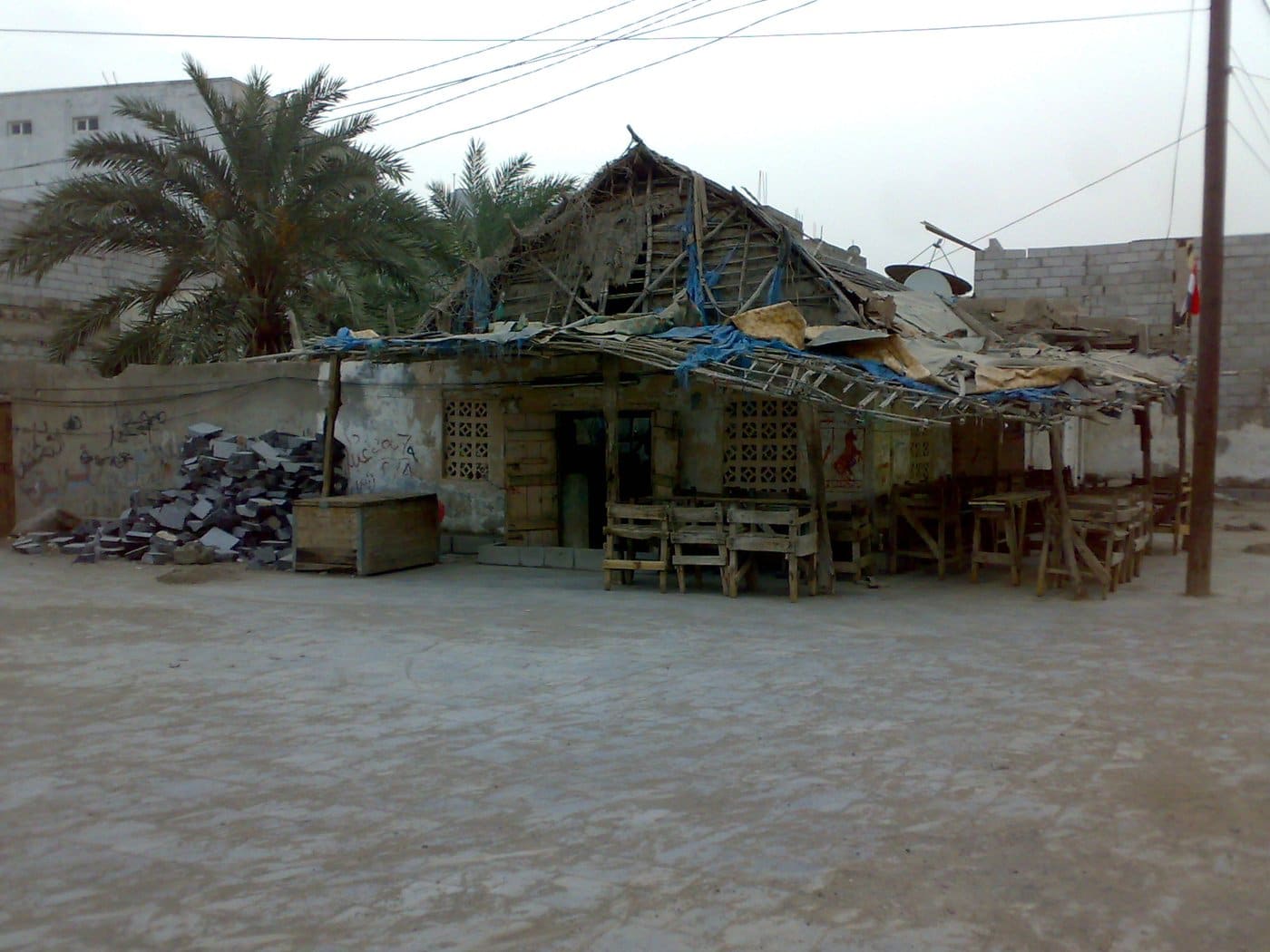
UAE- and Saudi-backed forces began an offensive, codenamed Operation Golden Victory, to retake the Red Sea port of Hodeidah from Houthi control. The UN warned that a full assault on the port, which handled roughly 80 percent of Yemen's food and aid imports, could kill up to 250,000 people.
Cholera outbreak passes one million suspected cases
The World Health Organization recorded more than one million suspected cholera cases since the outbreak began in 2016, making it the largest and fastest-growing cholera epidemic in modern recorded history, driven by the collapse of sanitation and health services under the war.
Saleh splits from the Houthis and is killed
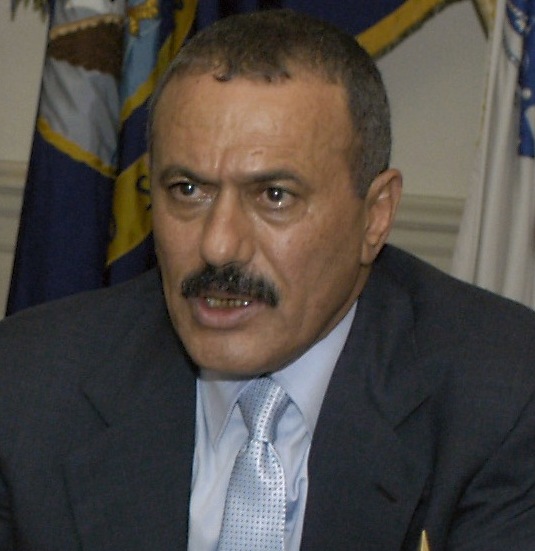
Former president Ali Abdullah Saleh, whose loyalist forces had fought alongside the Houthis since 2014, publicly broke with the movement and offered reconciliation with the Saudi-led coalition. Houthi fighters called it a betrayal and killed him within two days as he tried to leave Sanaa.
Human Rights Watch: nearly 6,000 disabled in the war's first nine months
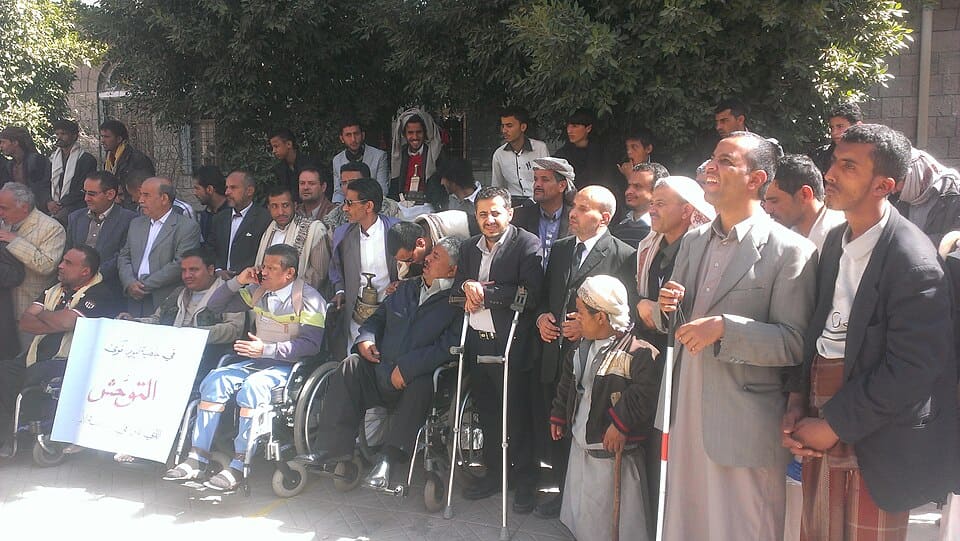
Human Rights Watch said close to 6,000 Yemenis had been left disabled since the Saudi-led coalition's air campaign began the previous March, an early marker of a civilian toll that would keep climbing through the war's deadliest years.
Displacement surges as the war spreads south and east
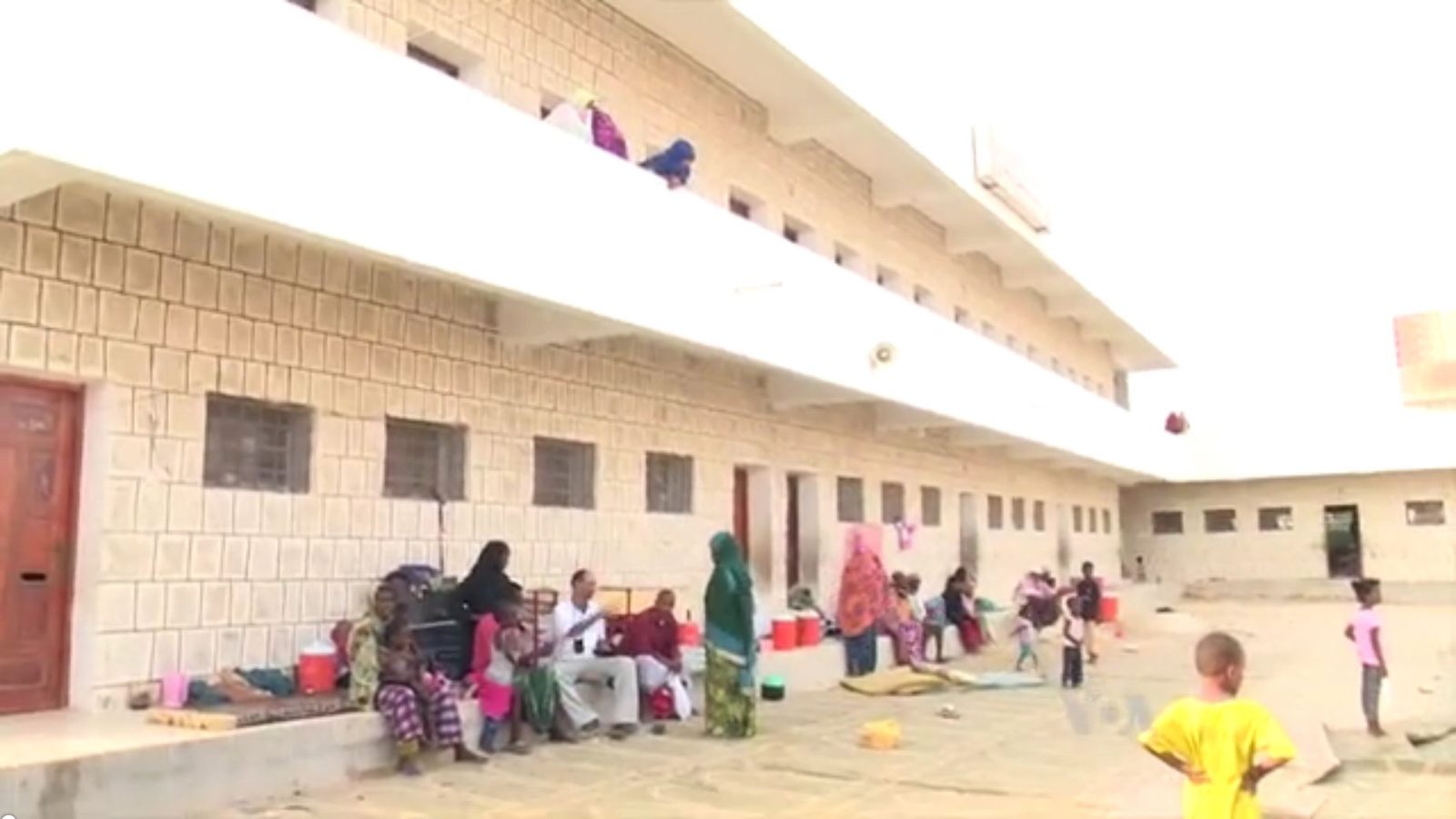
As fighting spread beyond Sanaa and Aden, hundreds of thousands of Yemenis and long-resident Somali refugees fled their homes; in the eastern port city of Mukalla, an abandoned university building became an informal shelter for thousands of the displaced.
Pro-Hadi and coalition-backed forces recapture Aden
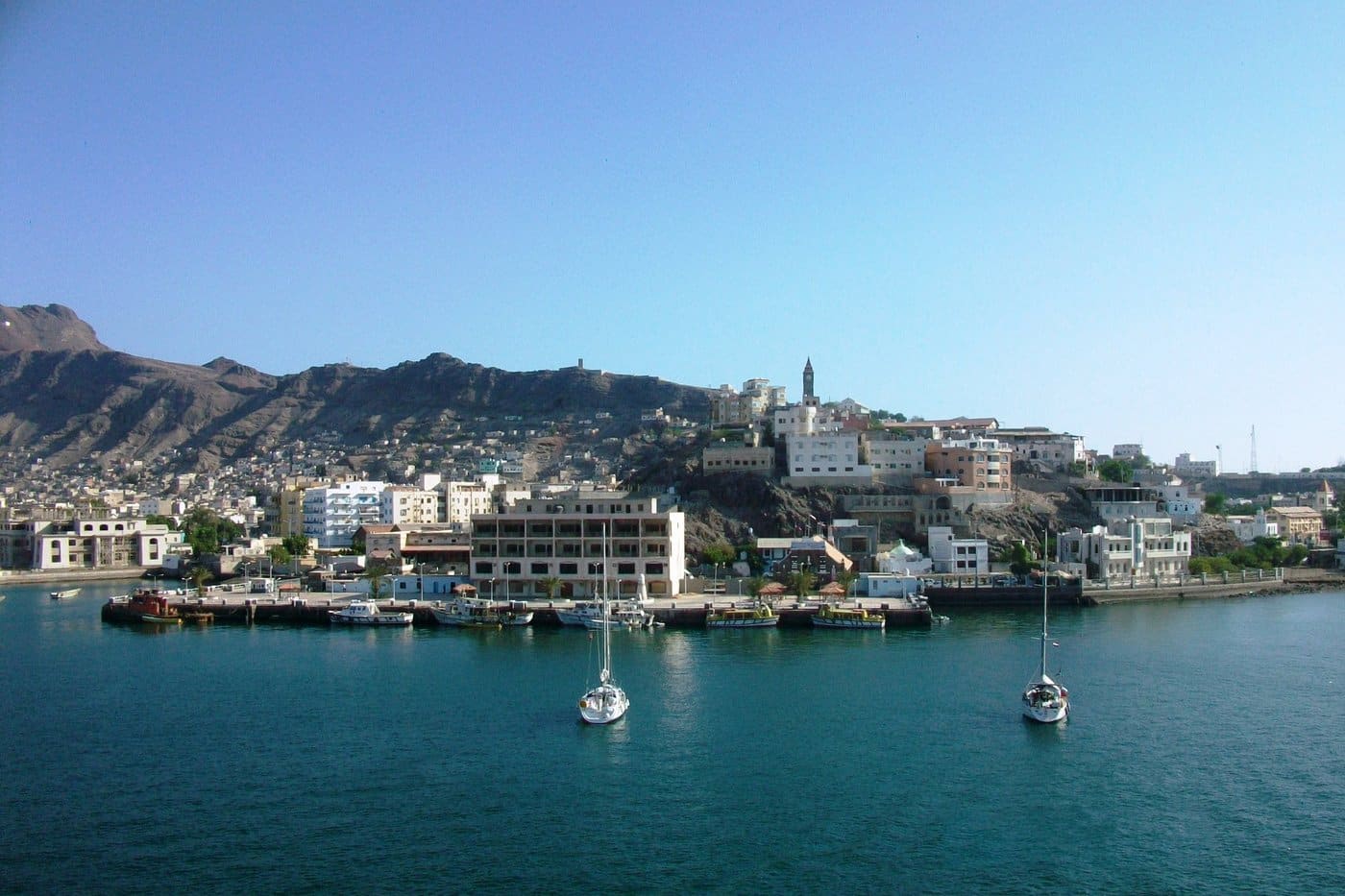
After months of fighting, forces loyal to Hadi, backed by coalition airpower and Emirati ground troops, drove Houthi and Saleh-loyalist fighters out of Aden, restoring it as the government's operating base even though Hadi himself remained in Riyadh.
Saudi Arabia launches a nine-country coalition air campaign
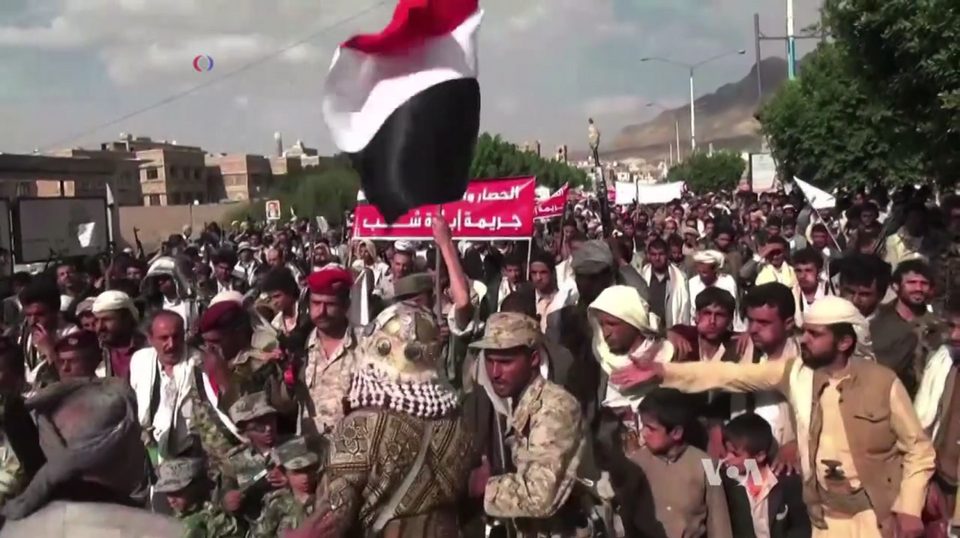
Saudi Arabia, leading a coalition that included the United Arab Emirates and other Arab states, began Operation Decisive Storm, an air campaign against Houthi and allied Saleh-loyalist forces launched at Hadi's request. The intervention internationalized what had until then been a largely internal power struggle.
Hadi flees to Riyadh as loyalist lines collapse
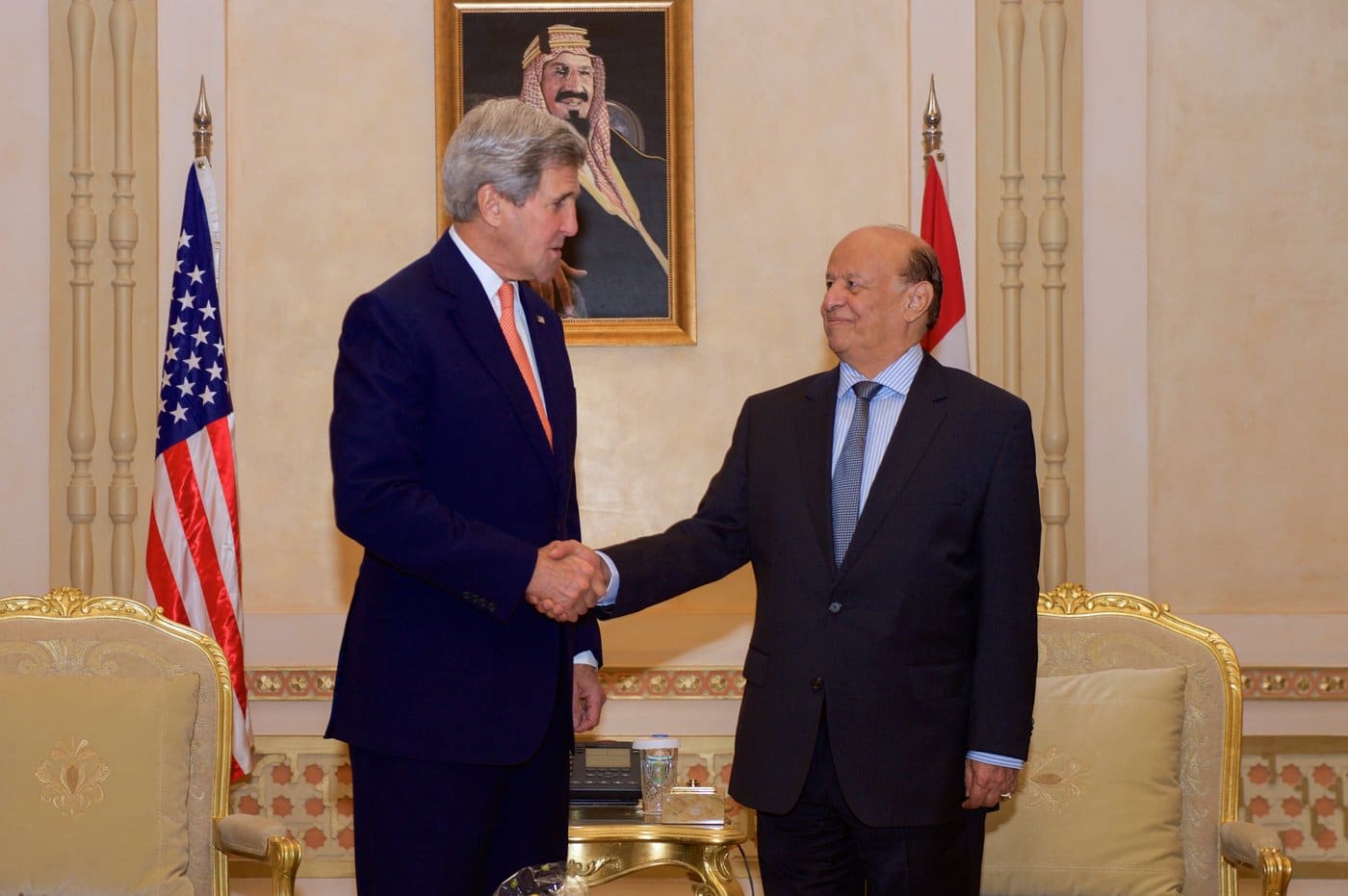
With Houthi-allied forces closing on Aden, Hadi left Yemen for Saudi Arabia, from where his government continued to seek international recognition and, within a day, a foreign military intervention on its behalf.
Houthi-Saleh forces mobilize south toward Aden
The Houthi-led Supreme Revolutionary Committee declared a general mobilization to unseat Hadi, and Houthi forces allied with units still loyal to former president Ali Abdullah Saleh pushed into Lahij governorate and toward the southern port city of Aden.
Houthi-led council declares itself Yemen's governing authority
The Houthi movement's Supreme Revolutionary Committee announced it was dissolving parliament and assuming national authority, a move rejected by Hadi, most of Yemen's political factions, and the international community, none of which have recognized Houthi rule as legitimate.
President Hadi and his cabinet resign
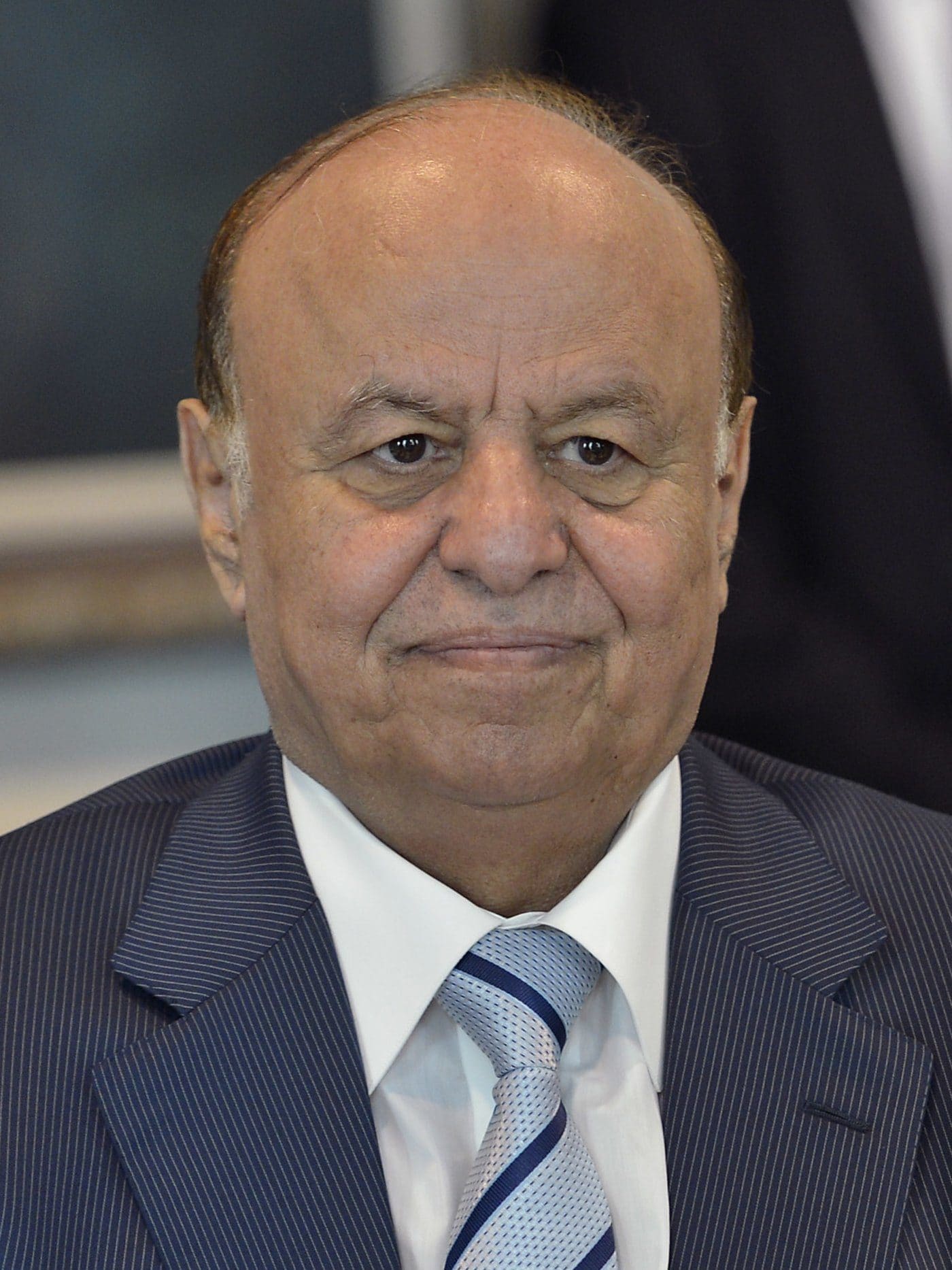
President Abdrabbuh Mansur Hadi and his ministers resigned after Houthi forces seized the presidential palace, his residence, and key military installations in Sanaa, leaving Yemen without a functioning national government.
Houthi forces seize the capital, Sanaa
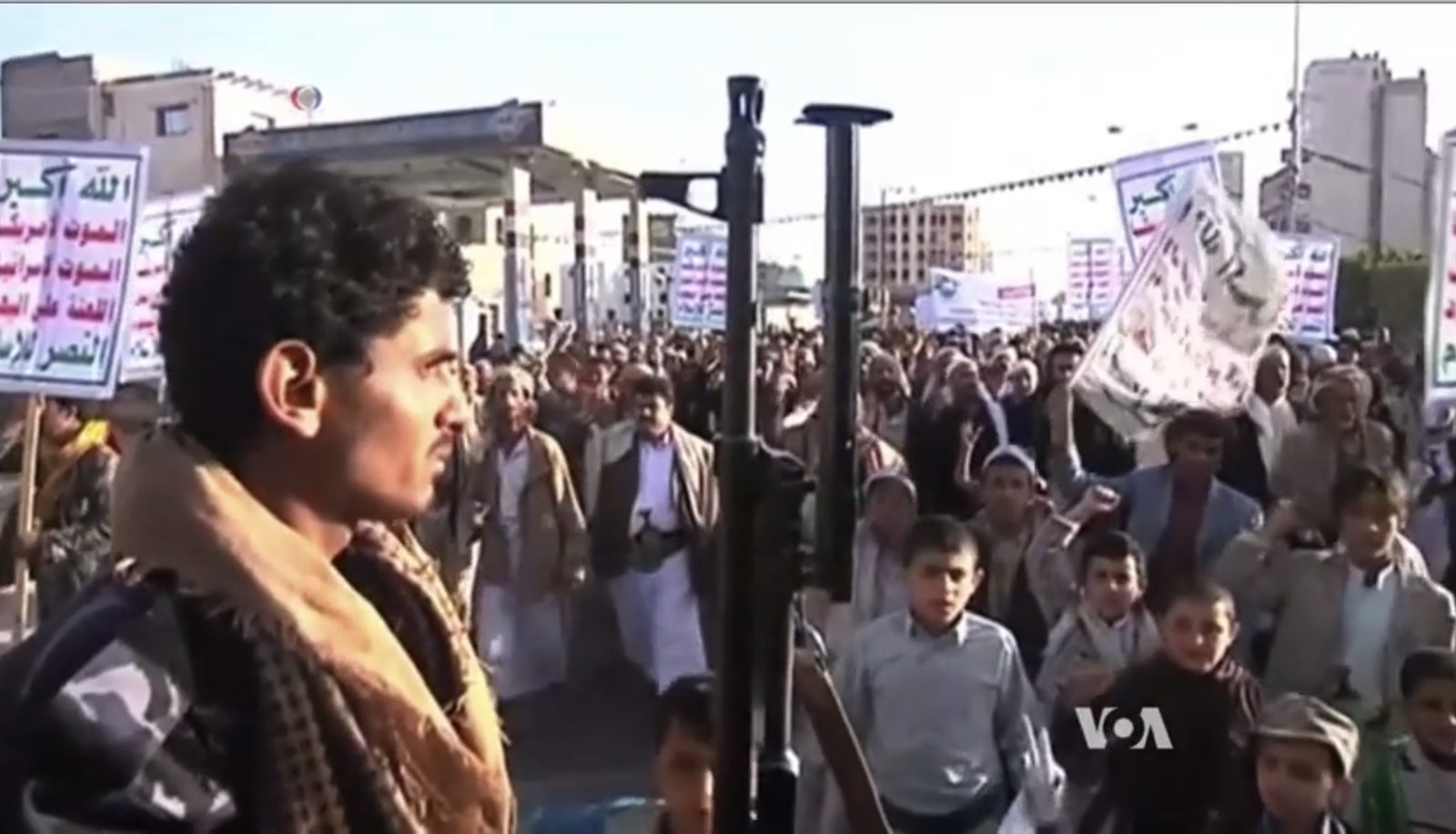
Houthi fighters, a Zaydi Shia movement from northern Yemen also known as Ansar Allah, stormed Sanaa after months of protests over fuel-subsidy cuts, forcing the resignation of Prime Minister Mohammed Basindawa and effectively ending the transitional government installed after Yemen's 2011-2012 uprising.
Frequently Asked Questions
What started the Yemeni civil war?
The war's modern phase began when Houthi forces, a Zaydi Shia movement from northern Yemen, seized the capital Sanaa in September 2014 and forced the resignation of the transitional government. After Houthi-allied forces pushed toward the southern city of Aden in March 2015, President Abdrabbuh Mansur Hadi fled the country and a Saudi-led coalition of Arab states intervened militarily on his government's behalf, internationalizing what had been a domestic power struggle.
Who are the main parties fighting in Yemen?
Three Yemeni parties matter most. The Houthi movement (Ansar Allah) controls Sanaa and most of northern and western Yemen. The internationally recognized government, now led by a Presidential Leadership Council and backed by the Saudi-led coalition, holds Marib and other areas in the north and nominally leads the south. The Southern Transitional Council (STC), backed by the UAE, controls parts of southern Yemen and seeks an independent southern state, a goal distinct from and at times in direct conflict with the government it is formally allied against the Houthis.
Is there a ceasefire in Yemen right now?
No formal nationwide truce is currently in force. A UN-brokered truce that began in April 2022 was extended twice and expired without renewal on October 2, 2022, but both the government and the Houthis have mostly avoided a return to large-scale nationwide fighting since. UN Special Envoy Hans Grundberg told the Security Council in June 2026 that the resulting calm is real but fragile, and that the underlying conflict remains unresolved.
How many people have died in Yemen's civil war?
The most recent widely cited estimate comes from a UN Development Programme study projecting the death toll, from direct fighting and indirect causes like disease and malnutrition, would reach 377,000 by the end of 2021. Roughly 60 percent of that figure is attributed to indirect causes. UNDP has not published an updated cumulative estimate since, so the true current toll is almost certainly higher but not precisely known.
What is the Southern Transitional Council, and why did it fight the government it's allied with?
The STC is a UAE-backed political and military movement, formed in 2017, that seeks independence for the former state of South Yemen, which merged with the north in 1990. Although the STC and the internationally recognized government were both part of the anti-Houthi coalition, the STC repeatedly moved to seize southern territory on its own, including Aden in 2019, because it does not accept the government's claim to rule a unified Yemen. In December 2025 the STC launched a major offensive that briefly captured most of the south before a Saudi-backed government counteroffensive routed it within weeks and the STC's leadership announced, in a disputed statement, that the council was dissolving.
Why is Yemen called one of the world's worst humanitarian crises?
By UN OCHA's 2026 estimate, 22.3 million Yemenis, more than two-thirds of the population, need humanitarian assistance, including 18.3 million facing acute food insecurity and over 2.2 million malnourished children. The war also produced the largest and fastest-growing cholera outbreak in modern recorded history and has displaced an estimated 4.8 million people internally. The UN's humanitarian appeals have been chronically underfunded, with just 13 percent of the 2026 appeal's $2.16 billion target secured as of May.
Sources
- Yemeni civil war (2014–present) — Wikipedia
- Timeline of the Yemeni civil war (2014–present) — Wikipedia
- Saudi-led intervention in the Yemeni civil war — Wikipedia
- Battle of Al Hudaydah — Wikipedia
- Riyadh Agreement — Wikipedia
- Presidential Leadership Council — Wikipedia
- Southern Transitional Council — Wikipedia
- 2025–2026 Southern Yemen campaign — Wikipedia
- Battle of Marib — Wikipedia
- 2016–2022 Yemen cholera outbreak — Wikipedia
- Ali Abdullah Saleh — Wikipedia
- Yemeni peace process — Wikipedia
- Half the population of Yemen at risk of famine: UN emergency relief chief — UN News
- Warring parties in Yemen must 'fully respect' Hudaydah ceasefire — UN News
- UN humanitarian office puts Yemen war dead at 233,000, mostly from 'indirect causes' — UN News
- Yemen war deaths will reach 377,000 by end of the year: UN — Al Jazeera
- UN 'alarmed' at military escalation in Yemen's Marib — Al Jazeera
- Yemen: What is the Southern Transitional Council? — Al Jazeera
- Battle for Aden: Who is fighting who and how things got here — Al Jazeera
- Saudi, Omani envoys hold peace talks with Houthi leaders in Yemen — Al Jazeera
- UAE welcomes Saudi efforts to support security in Yemen amid STC advance — Al Jazeera
- Yemeni southern separatists in Riyadh announce disputed disbanding of STC — Al Jazeera
- Southern Yemen separatist group says it will dissolve after its head fled to the UAE — NPR
- Yemen's fragile calm unravels as hunger and aid restrictions deepen crisis — UN News
- Yemen humanitarian crisis deepens as aid agencies appeal for US$2.16 billion to assist millions in 2026 — UN OCHA
- Yemen government and Houthis agree to free 1,600 detainees in the largest swap of the 11-year war — Al-Monitor
- Despite Relative Calm, Yemen Conflict 'Unresolved', Special Envoy Tells Security Council — UN Security Council press coverage
- Oil Port Attacks Threaten Government Finances — Sana'a Center for Strategic Studies
- "Death is More Merciful Than This Life": Houthi and Yemeni Government Violations of the Right to Water in Taizz — Human Rights Watch
- Conflict in Yemen and the Red Sea — Council on Foreign Relations