Mali War: Timeline & Latest Developments
A Tuareg-led rebellion that began in January 2012 splintered into a jihadist takeover, two coups, a French intervention and withdrawal, a pivot to Russia's Wagner Group, and a 2026 joint Tuareg-jihadist offensive that has pushed Malian government forces into isolated garrisons and besieged the capital, Bamako, with a fuel blockade.
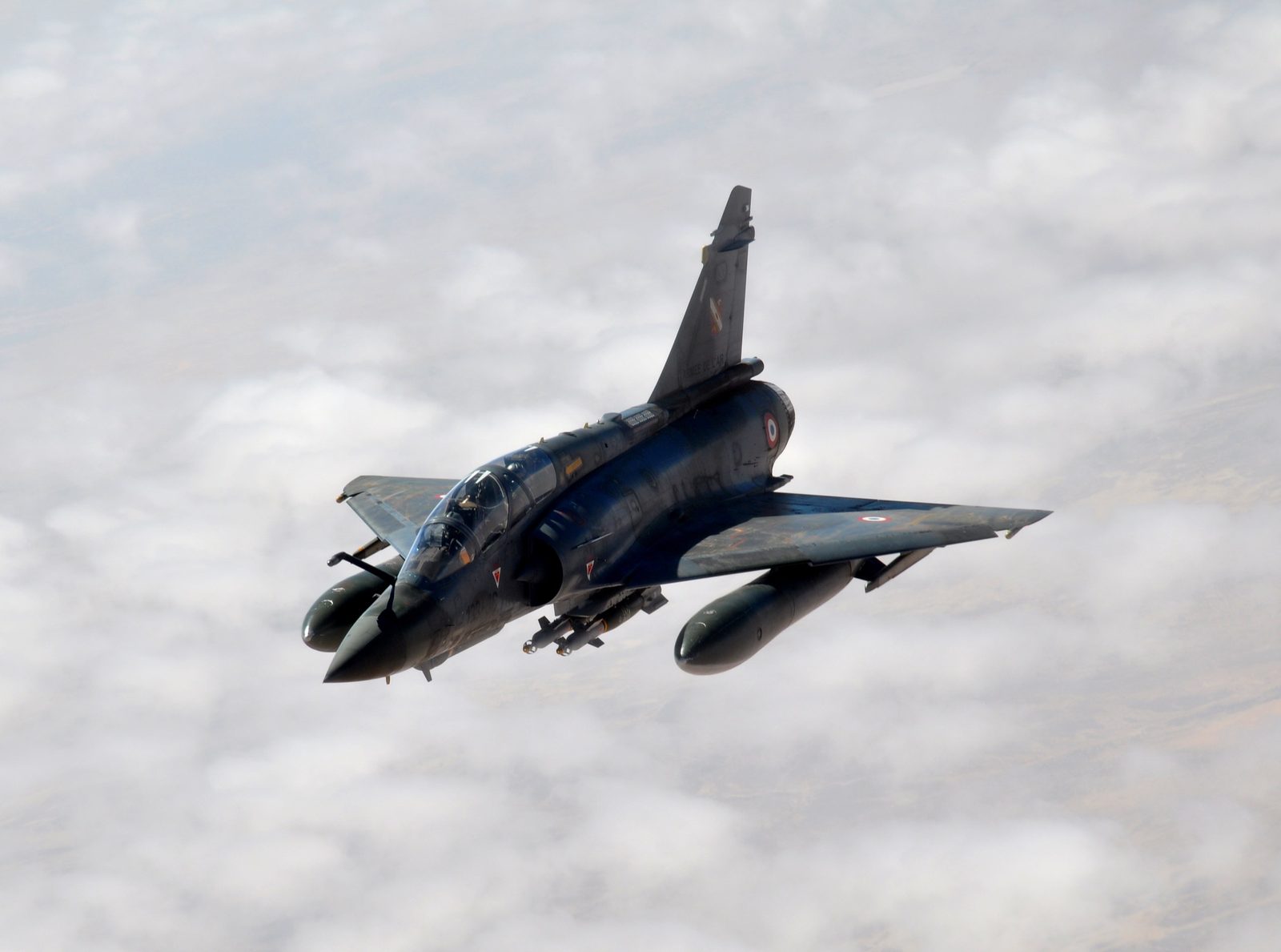
Capt. Jason Smith, U.S. Air Force, public domain, via Wikimedia Commons. Depicts a French Mirage 2000D over the Sahel during Operation Serval in January 2013, photographed from a U.S. Air Force tanker; shown for identification of the early French air campaign, not a specific later event.
Mali’s war began on January 16, 2012, when the secular, Tuareg-led National Movement for the Liberation of Azawad (MNLA) attacked Malian army positions in the north, seeking independence for a territory it called Azawad. The MNLA’s ranks were swollen by fighters returning from Libya’s collapsed Gaddafi government, heavily armed and battle-hardened. Within weeks the rebellion had triggered a coup in Bamako, and by early April rebels, now allied with the jihadist group Ansar Dine, had captured Mali’s three main northern cities: Timbuktu, Kidal, and Gao. The MNLA declared Azawad’s independence on April 6, a claim no government recognized. That alliance of convenience did not last: in June 2012, jihadist factions led by the Movement for Oneness and Jihad in West Africa defeated the MNLA at the Battle of Gao, and by November, Ansar Dine, al-Qaeda in the Islamic Maghreb (AQIM), and their allies controlled nearly all of northern Mali under the informal leadership of Ansar Dine’s Iyad Ag Ghali.
France intervened in January 2013 with Operation Serval, halting a jihadist push toward central Mali and, with African and later UN forces, recapturing the north within months. The UN Multidimensional Integrated Stabilization Mission in Mali (MINUSMA) deployed that July and would go on to become one of the deadliest peacekeeping missions in UN history, losing more than 300 personnel to hostile action before its 2023 withdrawal. France’s Operation Serval gave way in 2014 to the broader, longer-running Operation Barkhane, a regional counterterrorism force. A 2015 peace agreement, the Algiers Accord, brought the Malian government and a Tuareg-led coalition, the Coordination of Azawad Movements (CMA), into a fragile settlement promising local autonomy, but jihadist violence kept expanding regardless, formalizing in 2017 when several factions merged into Jama’at Nasr al-Islam wal-Muslimin (JNIM), an al-Qaeda affiliate, while a rival Islamic State Sahel Province built its own following in the east. Central Mali, meanwhile, saw a separate and often overlooked dimension of the war: communal violence between Dogon and Fulani militias, including the March 2019 Ogossagou massacre that killed over 150 Fulani civilians, documented by Human Rights Watch.
Mali’s politics turned again in 2020 and 2021. Colonel Assimi Goita led a coup in August 2020 that ousted President Ibrahim Boubacar Keita, then led a second coup in May 2021 against the transitional civilian government he had helped install, ultimately taking the presidency himself. As the junta’s relationship with Paris collapsed over delayed elections, it turned to Russia, and Wagner Group mercenaries began deploying to Mali by late 2021. France announced its withdrawal in February 2022; the junta demanded an immediate exit the following month, and the last French troops left Mali on August 15, 2022, ending a nine-year military presence.
Wagner’s arrival coincided with a well-documented rise in mass-casualty abuses attributed to Malian and Russian forces. In late March 2022, Malian troops and Wagner personnel conducted a five-day operation in the central town of Moura. Human Rights Watch documented over 300 people killed; a UN Human Rights Office fact-finding report published in May 2023, built on MINUSMA’s own field investigation, found strong indications that more than 500 people were summarily executed, and documented sexual violence against 58 women and girls. Mali’s government rejected the UN’s findings. Human Rights Watch reported further extrajudicial killings attributed to the army and apparent Wagner fighters in July 2023, part of a pattern that continued despite international condemnation.
MINUSMA’s mandate ended by Security Council resolution in June 2023 at the junta’s request, and its withdrawal, completed that December, removed a stabilizing presence from the north just as tensions with Tuareg groups escalated again. Malian and Wagner forces captured the CMA’s historic stronghold of Kidal in November 2023, and in January 2024 the junta formally terminated the 2015 Algiers Accord altogether. Tuareg forces regrouped as the CSP-DPA and won a major battlefield victory at Tinzaouaten in July 2024, ambushing a Malian-Wagner convoy in what analysts called Wagner’s largest single loss of life in Africa; that November, the CSP dissolved into the more explicitly separatist Azawad Liberation Front (FLA). In parallel, Mali joined Burkina Faso and Niger, both also under military juntas, in the Alliance of Sahel States, formalized as a confederation in July 2024 and formally exiting the West African bloc ECOWAS in January 2025.
By September 2025, JNIM had shifted from territorial insurgency to economic siege, imposing a fuel blockade that has since destroyed over 300 tankers bound for Bamako. In April 2026, the FLA and JNIM launched their first documented coordinated offensive, killing Defense Minister Sadio Camara and retaking Kidal, while Russia’s Africa Corps claimed over 1,000 militants killed in response, a figure that remains unverified. Renewed coordinated attacks followed in July 2026, with analysts describing Malian government forces as increasingly confined to secured enclaves rather than facing imminent collapse. As of mid-2026, roughly 415,000 people remain internally displaced within Mali according to UN OCHA, part of a broader Central Sahel displacement crisis that also spans Burkina Faso’s own, distinct national insurgency, tracked separately at WeaponSpecs’ Burkina Faso insurgency page.
Displacement fell by roughly a quarter between the war's early-intervention peak and the relative lull of late 2023, but the FLA-JNIM offensive and the fuel blockade have since pushed it back up, reversing three years of gradual decline.
Full Timeline (most recent first)
Malian military says it broke a rebel blockade at Anefis
Mali's military said it had broken an FLA blockade of its base at Anefis, between separatist-held Kidal and government-held Gao, after the FLA said it had ambushed a relief convoy of Malian, Africa Corps, and allied-militia reinforcements the day before. Neither side's account has been independently confirmed.
FLA and JNIM launch renewed coordinated attacks
More than two months after the April offensive, the FLA and JNIM struck five positions simultaneously in Aguelhok, Anefis, Gao, Sevare, and Kenieroba, with JNIM claiming to have taken at least seven positions. Analysts said the armed groups were now coordinating militarily rather than competing, confining Malian forces to secured enclaves and corridors.
Goita assumes the defense portfolio himself
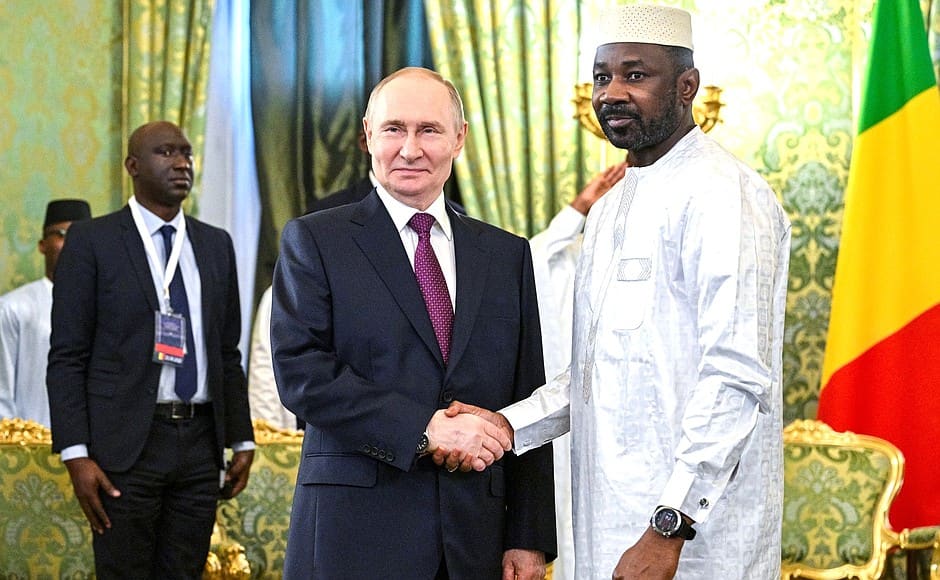
President Goita took direct control of the defense ministry following Camara's killing, a move read as both a security response and a consolidation of personal authority as the offensive continued to press government positions.
Africa Corps claims over 1,000 insurgents killed
Russia's Africa Corps, Wagner's rebranded successor force, said its strikes and ground operations had killed more than 1,000 militants since the offensive began three days earlier, a figure that has not been independently verified.
Islamic State Sahel Province seizes Labbezanga
Amid the wider offensive, the rival jihadist Islamic State Sahel Province (ISSP) seized the border town of Labbezanga, underscoring that the 2026 collapse of government control involved at least three distinct armed movements pursuing different, sometimes competing, goals.
FLA seizes full control of Kidal
The FLA retook Kidal after negotiated withdrawals by Malian and Russian Africa Corps forces, reversing the government's November 2023 capture of the town and restoring it to Tuareg-separatist control less than three years later.
FLA and JNIM launch a coordinated nationwide offensive
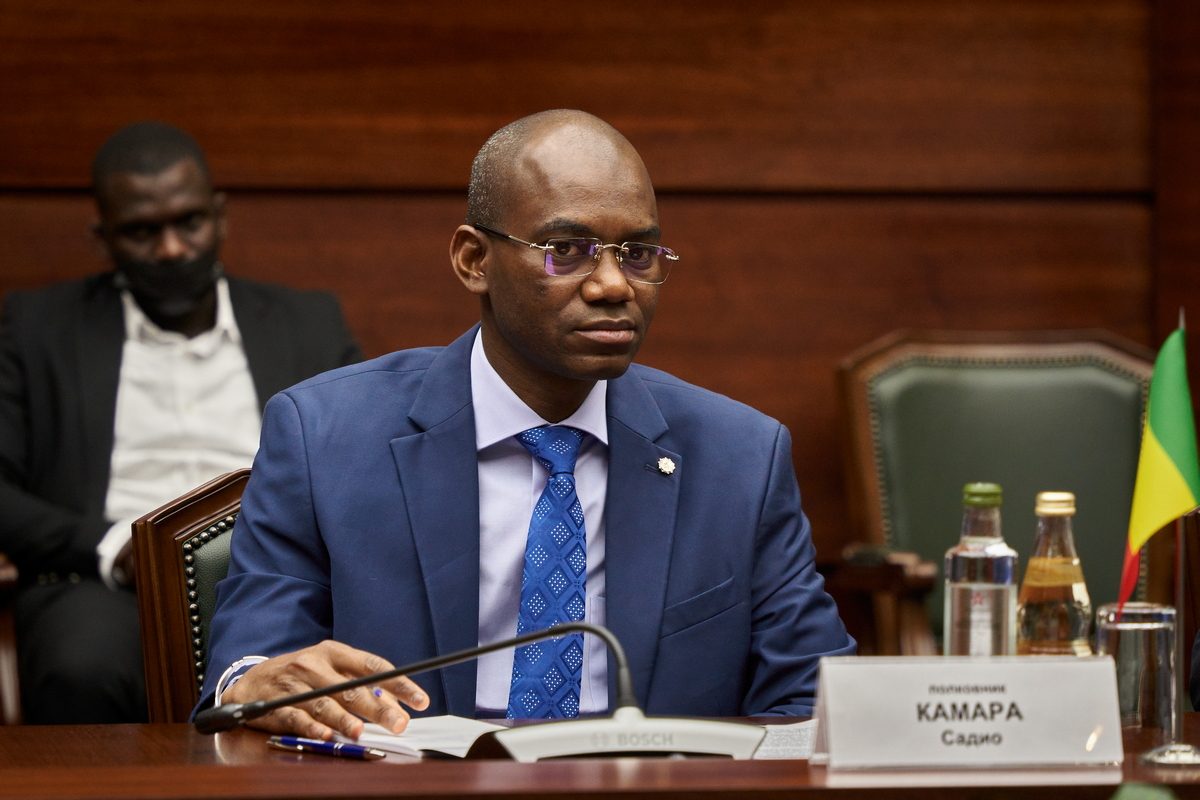
In the largest offensive of the war since 2012, the Tuareg-separatist FLA and the jihadist JNIM struck simultaneously across Mali, the first documented tactical cooperation between the two since the war began. A JNIM car bomb killed Defense Minister Sadio Camara at his residence in Kati, along with his wife and two grandchildren.
JNIM announces a fuel blockade targeting Bamako
JNIM declared it would block fuel imports into government-held Mali, initially framed as a demand to lower rural fuel taxes and later broadened into a push for its own version of Islamic governance. The group began systematically burning tanker trucks on the roads from Senegal, Ivory Coast, and Guinea.
Mali, Burkina Faso, and Niger formally exit ECOWAS
The three AES states' withdrawal from the Economic Community of West African States took formal effect a year after they jointly announced their departure, deepening the region's split between juntas aligned with Russia and the remaining ECOWAS bloc.
CSP dissolves, forms the Azawad Liberation Front
Emboldened by Tinzaouaten, the CSP-DPA's constituent groups dissolved themselves and merged into the Azawad Liberation Front (FLA), explicitly returning to the 2012 demand for Azawad's independence rather than autonomy within Mali.
Battle of Tinzaouaten: Tuareg rebels ambush a Wagner-FAMa convoy
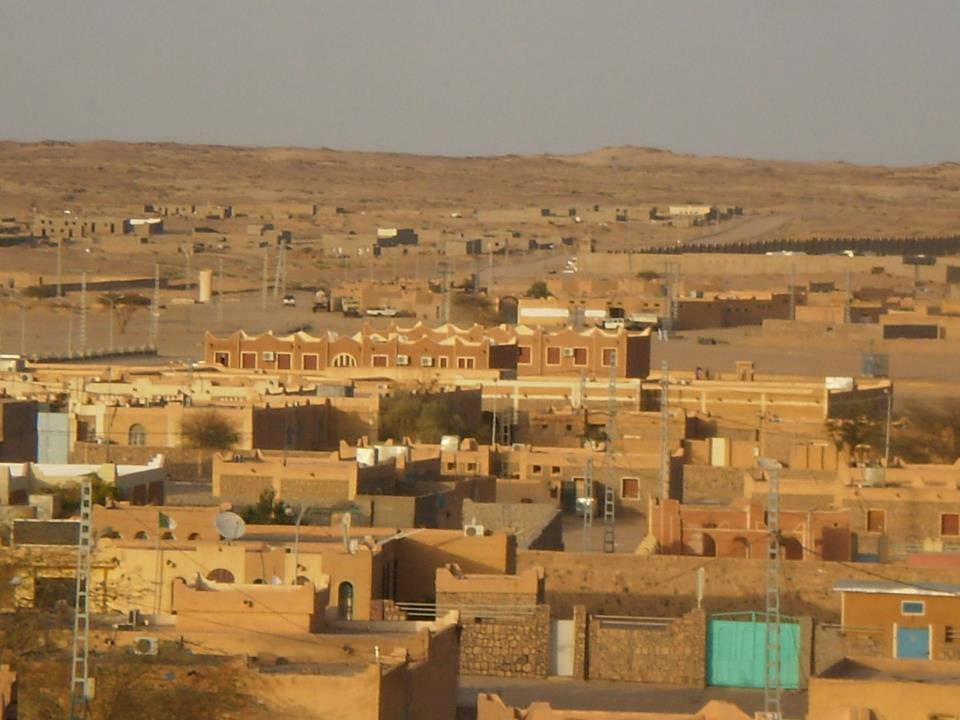
Over four days near the Algerian border, Strategic Framework for the Defense of the People of Azawad (CSP-DPA) fighters ambushed a Malian army and Wagner Group convoy in a sandstorm, inflicting what analysts called Wagner's single largest loss of life in Africa. The CSP claimed 84 Wagner and 47 Malian soldiers killed; Mali's government downplayed its losses without giving its own figure.
Mali, Burkina Faso, and Niger sign AES confederation treaty
The three junta-led states, already bound by a mutual-defense pact signed the previous September, formalized the Alliance of Sahel States as a confederation at a summit in Niamey, aiming eventually to federalize into a single sovereign bloc.
Junta terminates the 2015 Algiers Accord
Mali's government declared the Algiers Accord immediately and permanently void, blaming signatory groups' hostility and what it called Algeria's instrumentalization of the deal, formally ending the peace framework that had governed northern autonomy talks since 2015.
MINUSMA completes its withdrawal after ten years
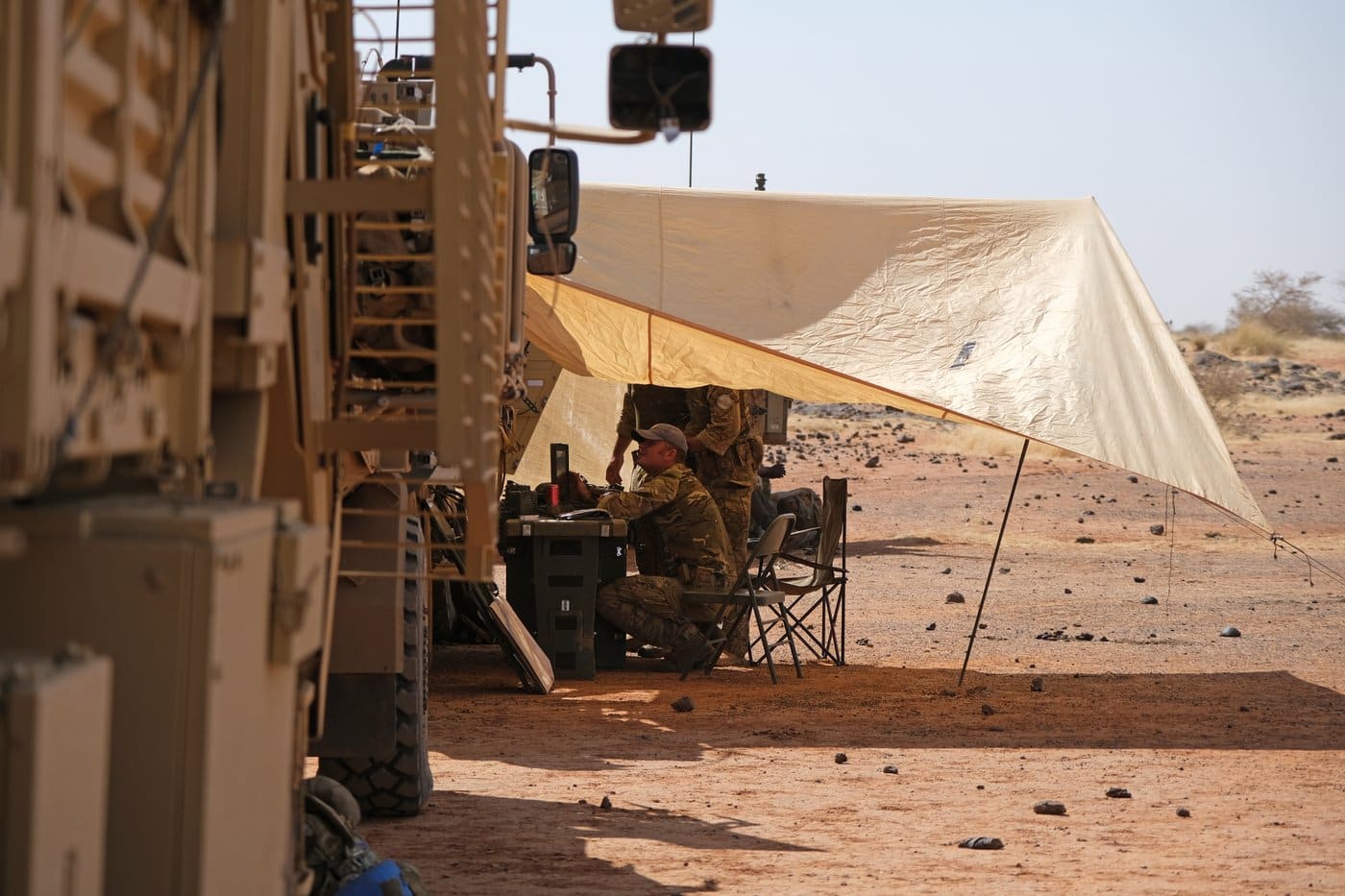
The UN peacekeeping mission officially closed out, having lost more than 300 personnel to hostile action over a decade, one of the deadliest UN missions on record, and having cost roughly $1.2 billion a year at its peak.
Malian army and Wagner forces capture Kidal
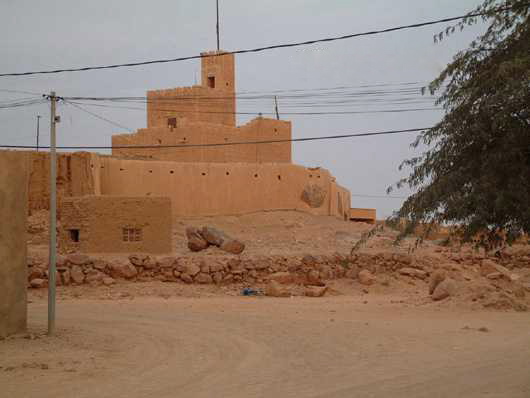
After MINUSMA vacated its Kidal camp on October 31 as part of its accelerated withdrawal, Malian and Wagner forces launched an offensive and captured Kidal on November 14, taking the Tuareg coalition's historic stronghold for the first time since 2012.
HRW documents further atrocities by army and apparent Wagner fighters
Human Rights Watch reported additional extrajudicial killings, torture, and destruction of property by Malian soldiers and men it identified as apparent Wagner Group fighters in central Mali, describing a pattern of abuse that continued after Moura despite international condemnation.
UN Security Council terminates the MINUSMA mandate
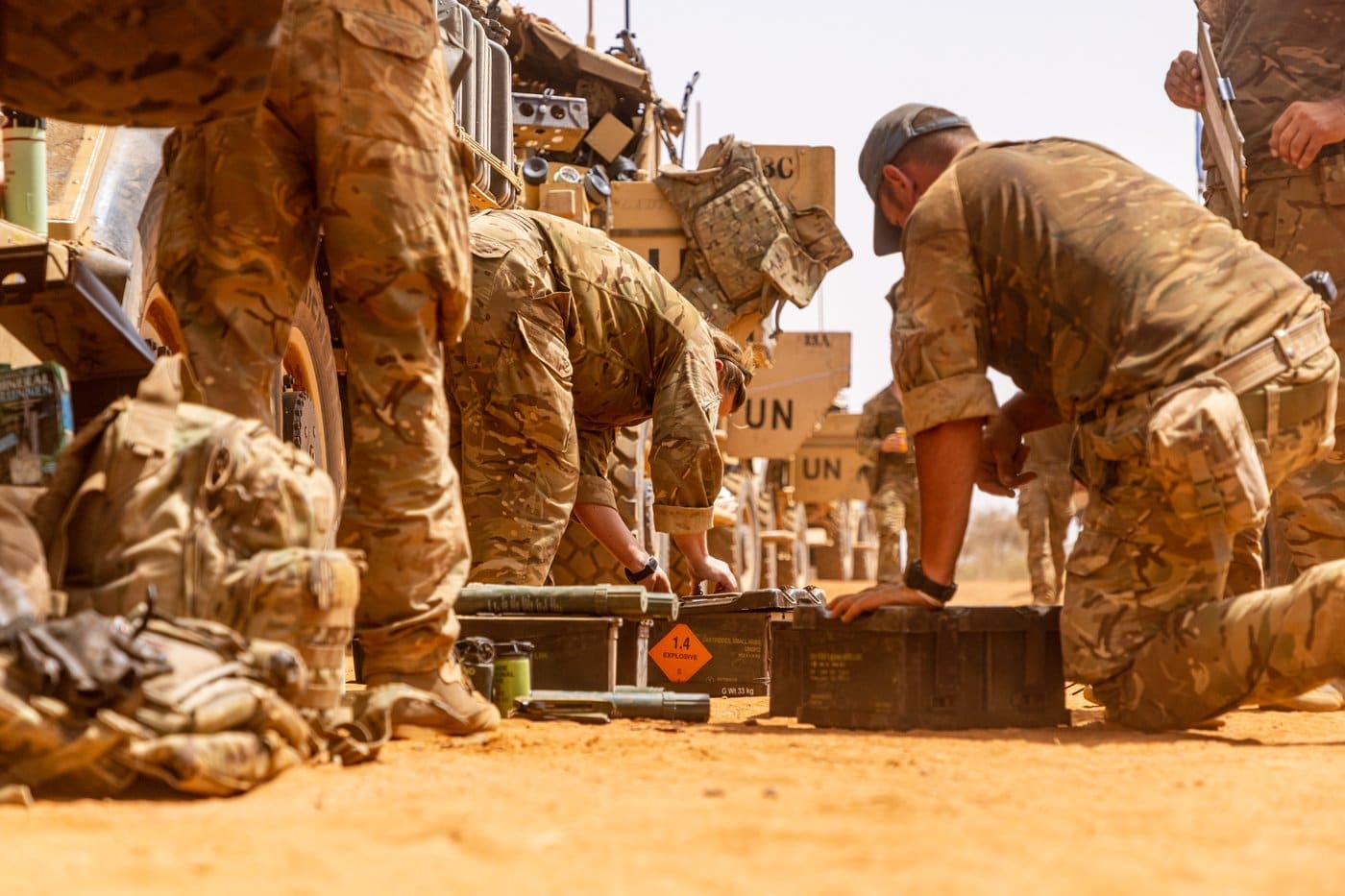
The Security Council unanimously adopted Resolution 2690, ending MINUSMA's mandate at the transitional government's request and ordering withdrawal of personnel by the end of the year, over the objections of some Council members who wanted a slower drawdown to protect civilians.
UN fact-finding report: over 500 killed at Moura
A UN Human Rights Office fact-finding team, drawing on MINUSMA's own investigation, concluded there were strong indications that Malian troops and foreign military personnel summarily executed more than 500 people at Moura between March 27 and 31, 2022, and documented sexual violence against 58 women and girls. Mali's government rejected the report.
UN experts call for a Moura investigation, cite Wagner opacity
Independent UN human rights experts said credible reports linked personnel believed to belong to the Wagner Group, alongside Malian forces, to the execution of several hundred people at Moura, and called on Mali's authorities to open an immediate probe, warning of a climate of impunity around Wagner's operations.
Last French Barkhane troops depart Mali
The final French soldiers left Malian territory, ending a nearly decade-long military presence that began with Operation Serval in 2013. Roughly 2,400 troops had been based in Mali at the announcement of withdrawal six months earlier.
Malian army and Wagner forces launch the Moura operation
Malian troops and personnel Human Rights Watch identified as Wagner Group fighters began a five-day operation in the central town of Moura, officially targeting an al-Qaeda-linked group. Witnesses described helicopters firing on civilians and soldiers rounding up men in the town center.
Junta demands French troops leave without delay
Mali's military government formally asked France to withdraw its remaining troops immediately, accelerating a rupture that had been building since the junta's second coup and its outreach to Moscow.
France announces withdrawal of troops from Mali
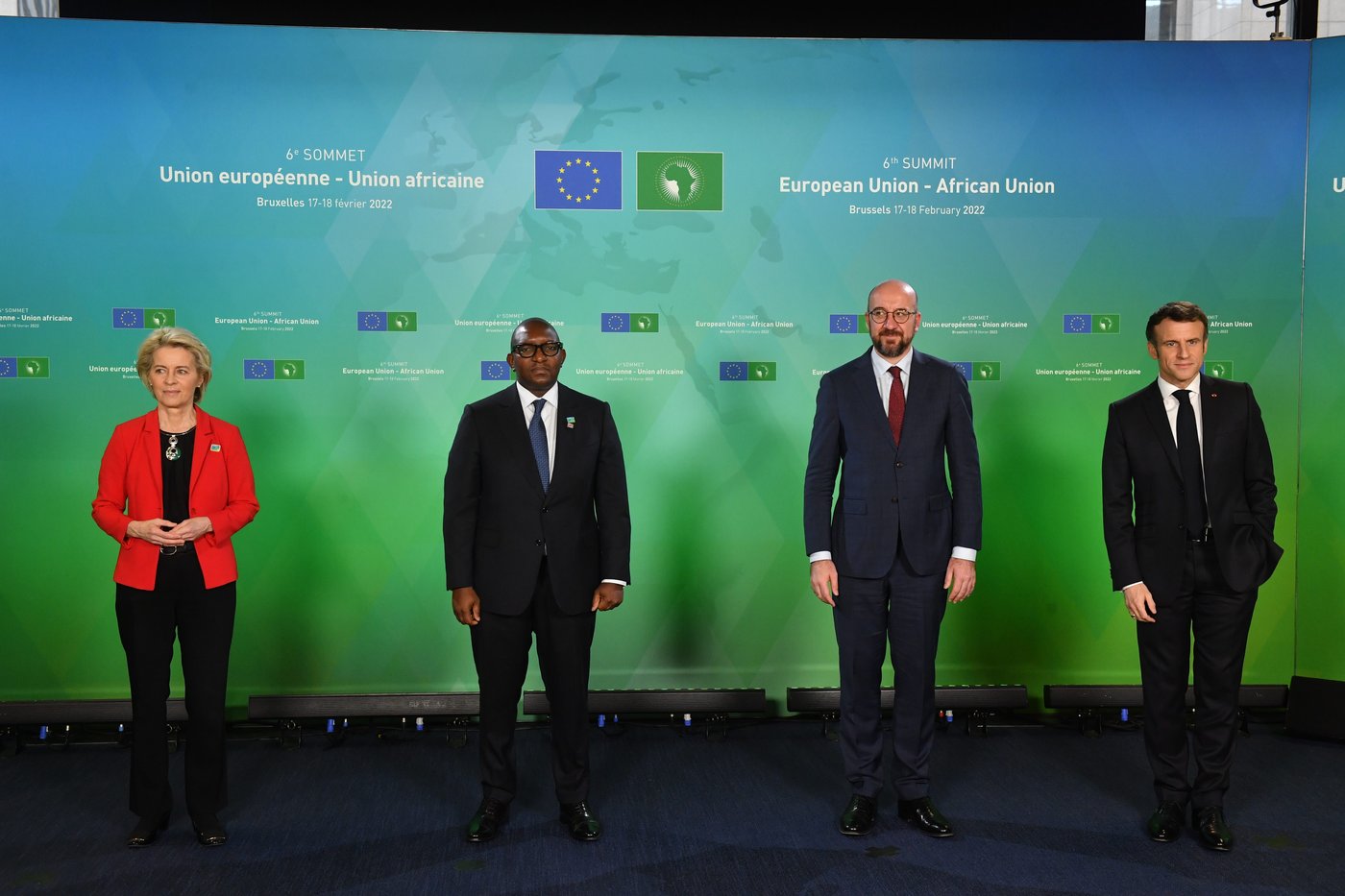
France, alongside European partners and Canada, announced it would withdraw its military resources from Mali, citing the junta's obstruction and its embrace of Wagner Group mercenaries as making continued cooperation untenable.
Wagner Group mercenaries begin deploying in Mali
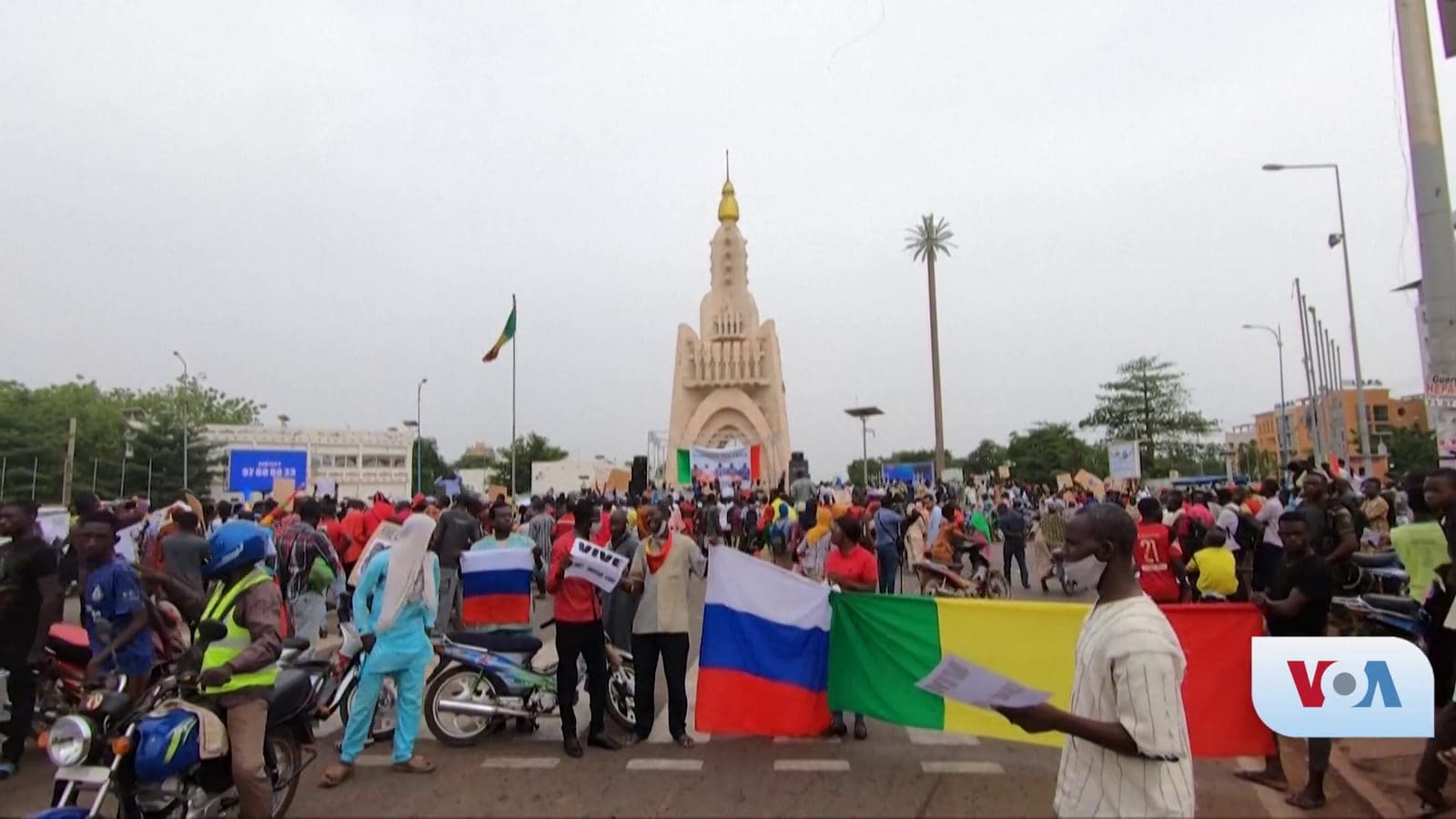
As relations with Paris deteriorated over the junta's refusal to set an election date, Mali turned to Russia's Wagner Group for training and security support, with the first contingents of Russian mercenaries reported in central Mali by late 2021.
Goita sworn in as transitional president
Mali's constitutional court named Goita transitional president; he was sworn in on June 7 and appointed Choguel Kokalla Maiga, a leader of the anti-Keita M5 protest movement, as prime minister.
Goita detains transitional leaders in second coup
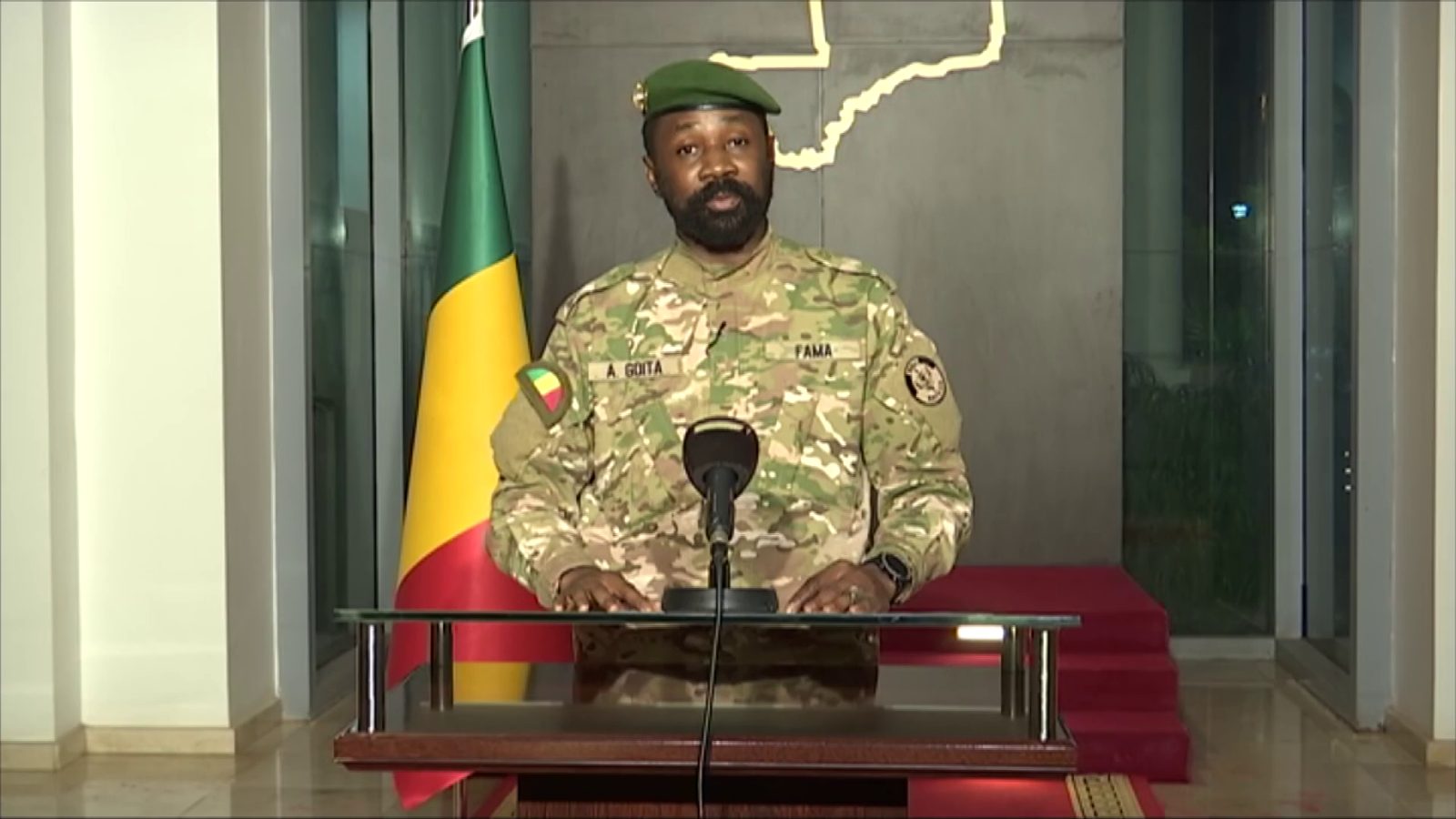
Vice President Goita's forces detained President N'daw, Prime Minister Moctar Ouane, and the defense minister after a cabinet reshuffle Goita said violated the transition charter, a second coup within nine months.
Transitional government installed, Goita named vice president
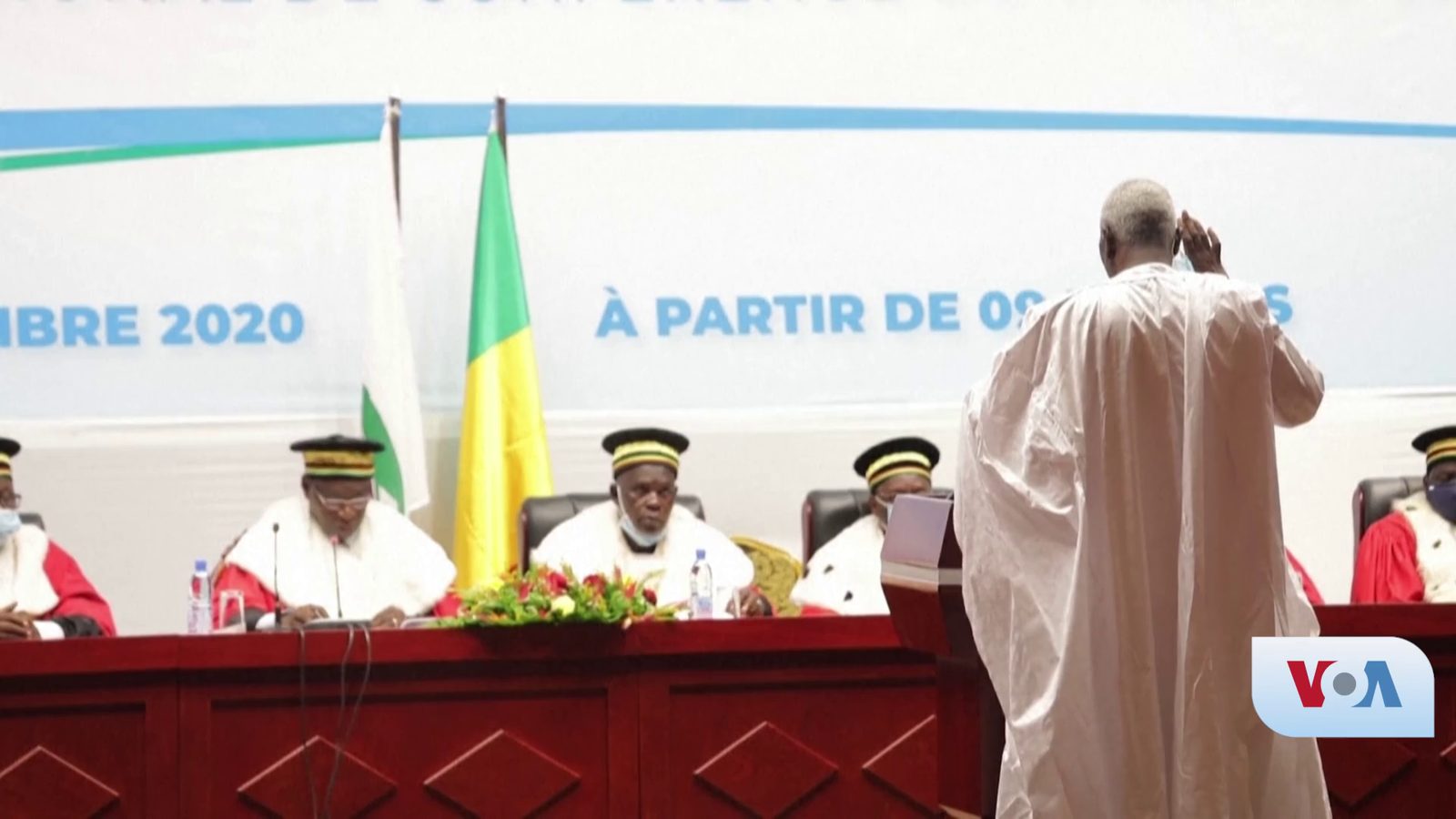
After the coup's leaders agreed to an 18-month transition to civilian rule, retired officer Bah N'daw was named interim president with Goita, the coup's principal military leader, as his vice president.
Soldiers mutiny at Kati, oust President Keita
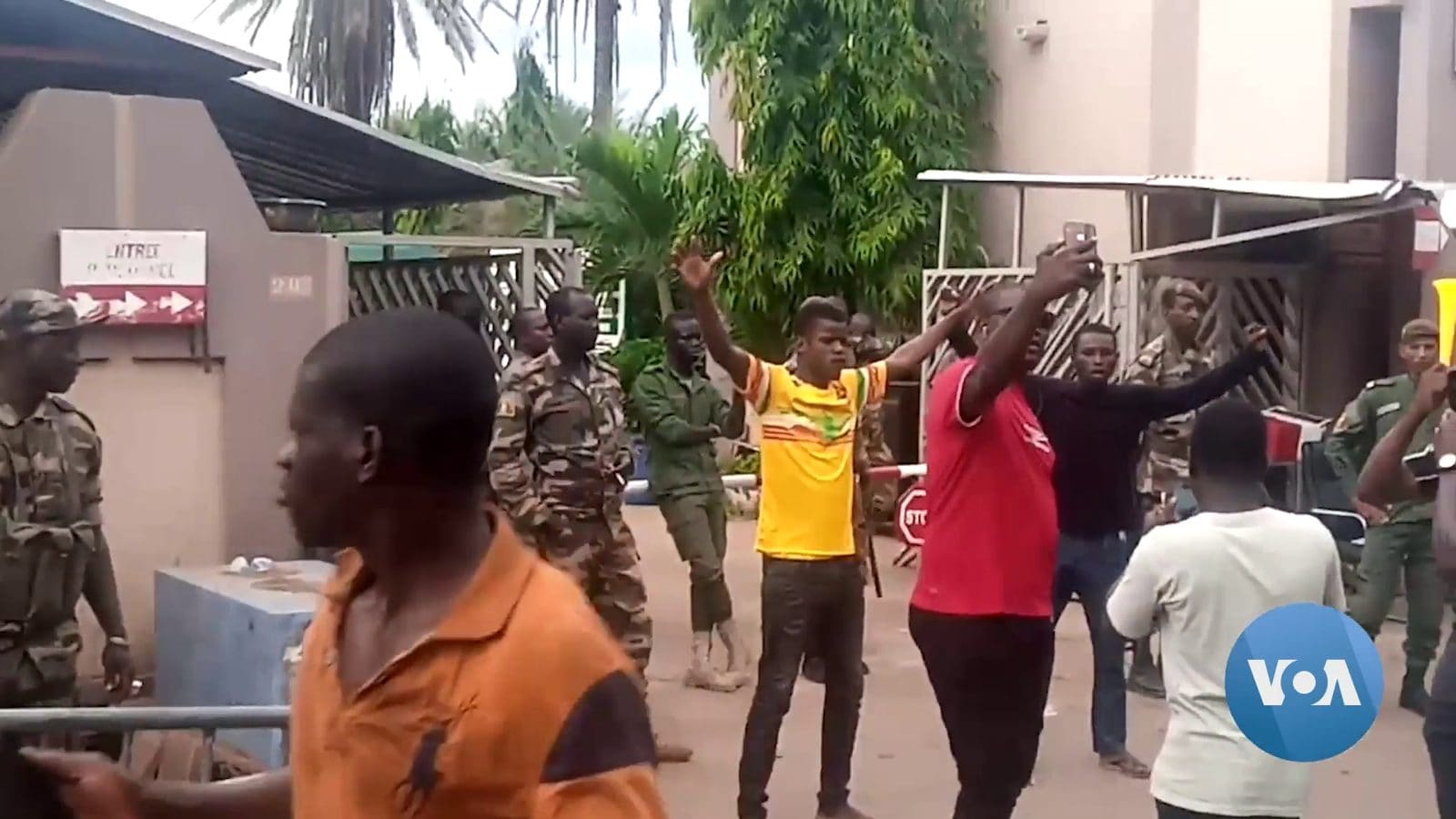
Soldiers led by Colonel Assimi Goita mutinied at the Kati garrison outside Bamako and removed President Ibrahim Boubacar Keita, citing his government's handling of the war and corruption. Crowds in Bamako celebrated in the streets.
Dogon militia kills over 150 Fulani civilians at Ogossagou
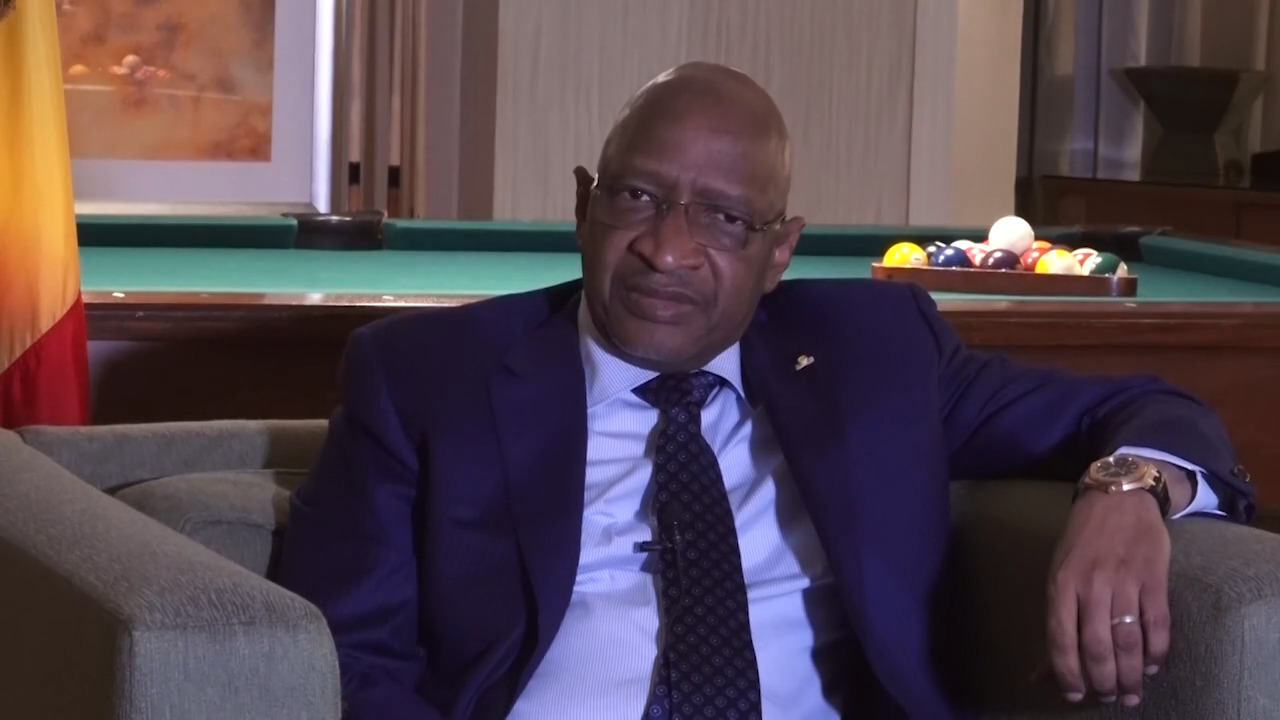
Armed Dogon hunters attacked the villages of Ogossagou and Welingara in central Mali, killing at least 157 Fulani civilians, including more than 40 children, in the deadliest single ethnic-militia massacre of the war's central Mali phase. Human Rights Watch documented the attack through survivor interviews; the killings triggered mass protests and the prime minister's resignation.
Jihadist factions merge into JNIM
Ansar Dine, AQIM's Sahara branch, Katiba Macina, and Al-Mourabitoun merged to form Jama'at Nasr al-Islam wal-Muslimin (JNIM), pledging allegiance to al-Qaeda under Iyad Ag Ghali. The merger consolidated jihadist forces even as a rival Islamic State affiliate expanded separately in the region.
Algiers Accord signed with Tuareg-led coalition
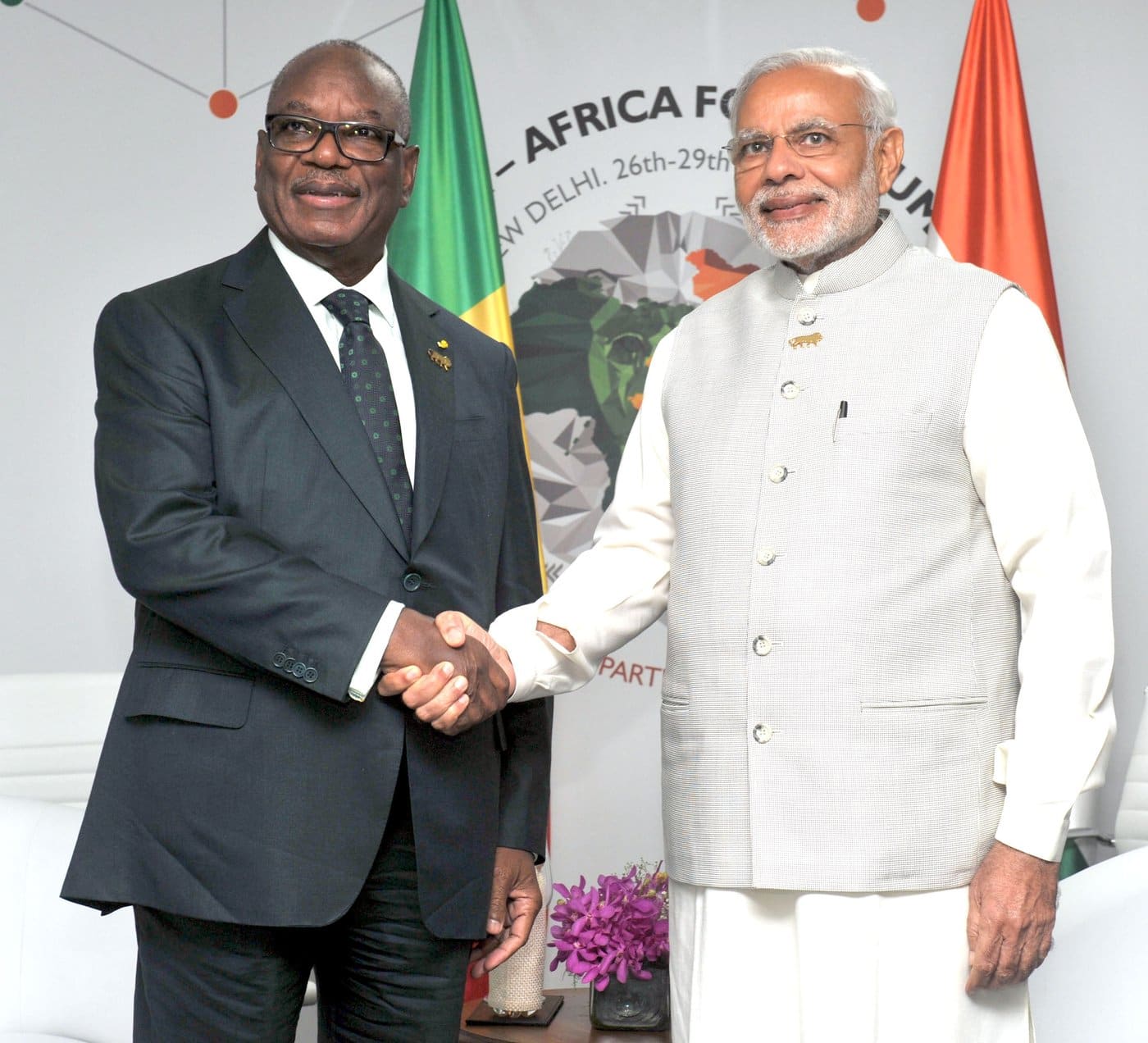
The government and the Coordination of Azawad Movements (CMA), a Tuareg-led rebel coalition, signed the Algiers Accord for Peace and Reconciliation, promising greater local autonomy for the north and integration of fighters into a reconstituted national army.
Operation Barkhane launches, replacing Serval
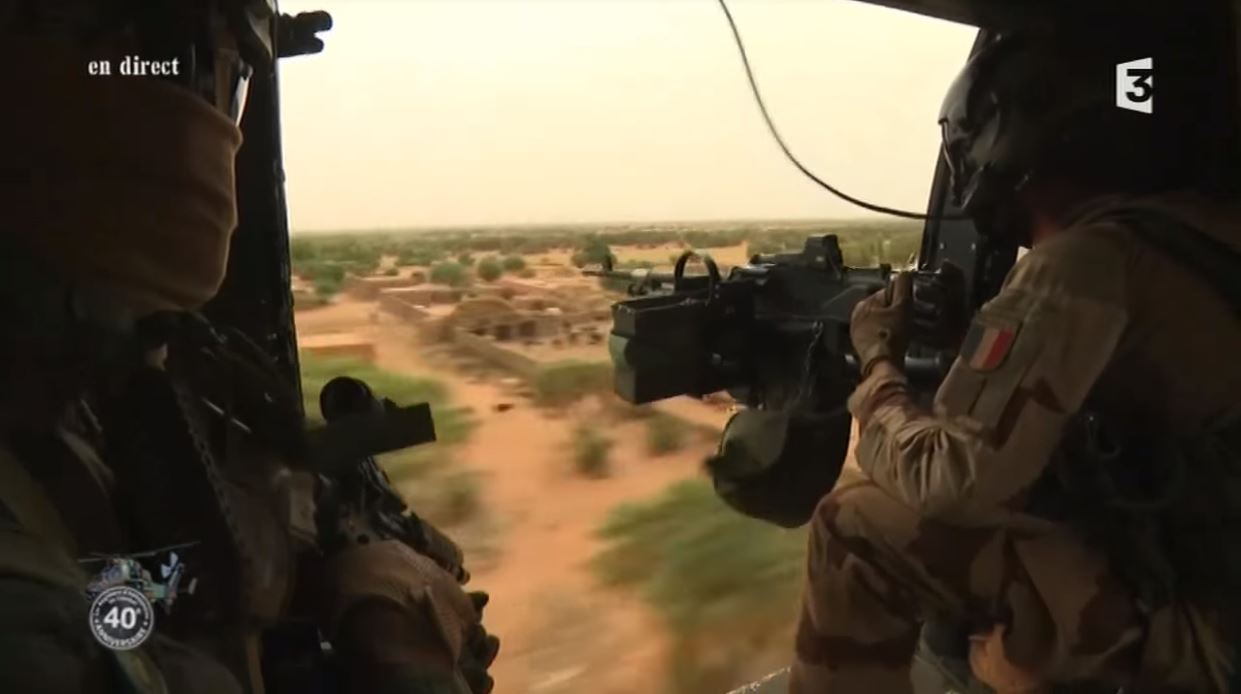
France converted its Mali-focused Serval mission into Operation Barkhane, a roughly 3,000-strong regional counterterrorism force covering Mali, Chad, Niger, Burkina Faso, and Mauritania, marking a shift from conventional intervention to a long-term counterinsurgency footing.
MNLA withdraws from the peace deal
The MNLA pulled out of the Ouagadougou accord, accusing the government of ceasefire violations, leaving the northern autonomy question unresolved even as French forces wound down direct combat.
MINUSMA formally deploys
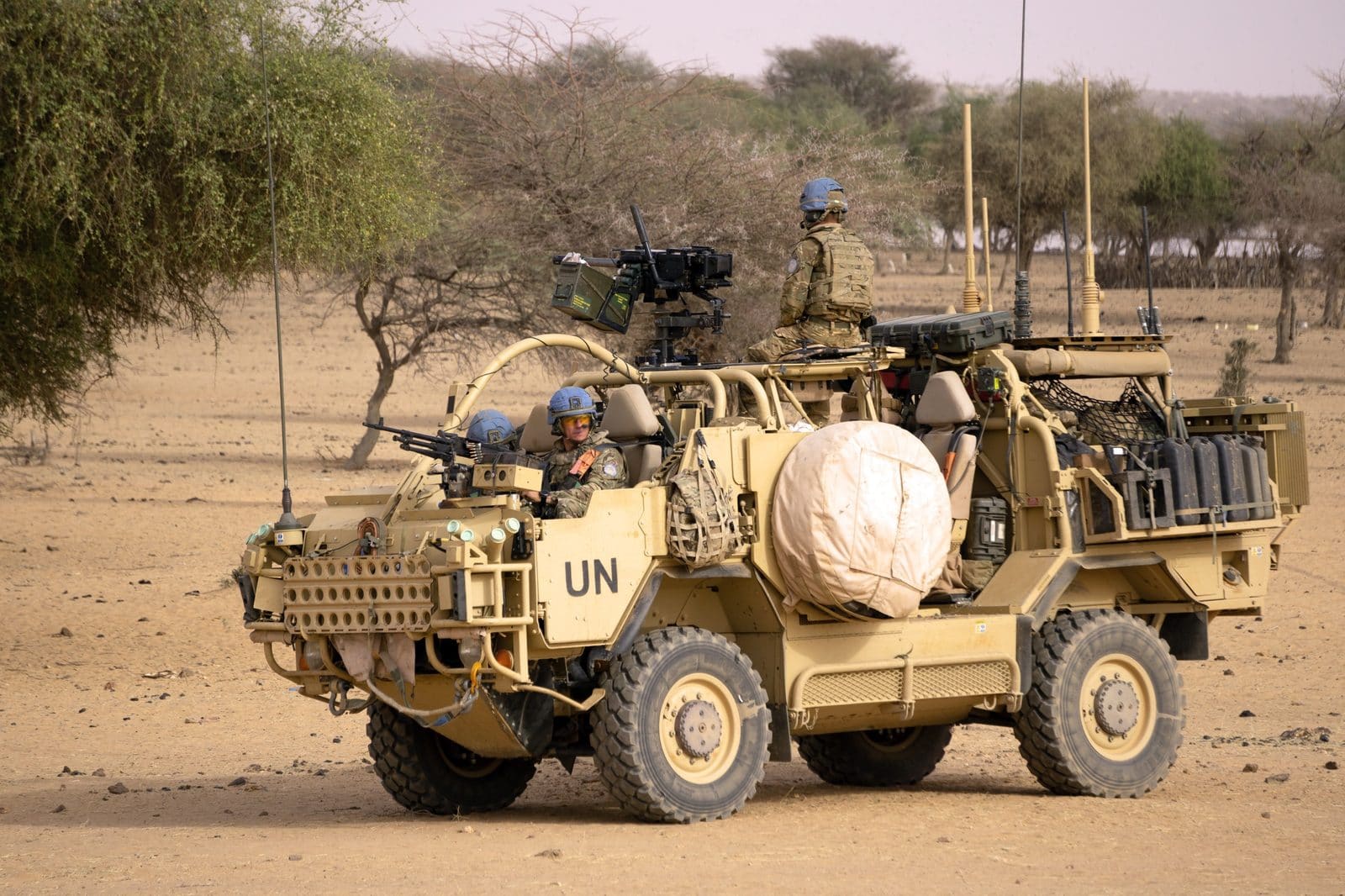
MINUSMA formally took over peacekeeping duties from the African-led AFISMA force, eventually growing into one of the UN's largest and most dangerous missions, deployed across Mali's north and center.
Ouagadougou preliminary peace accord signed
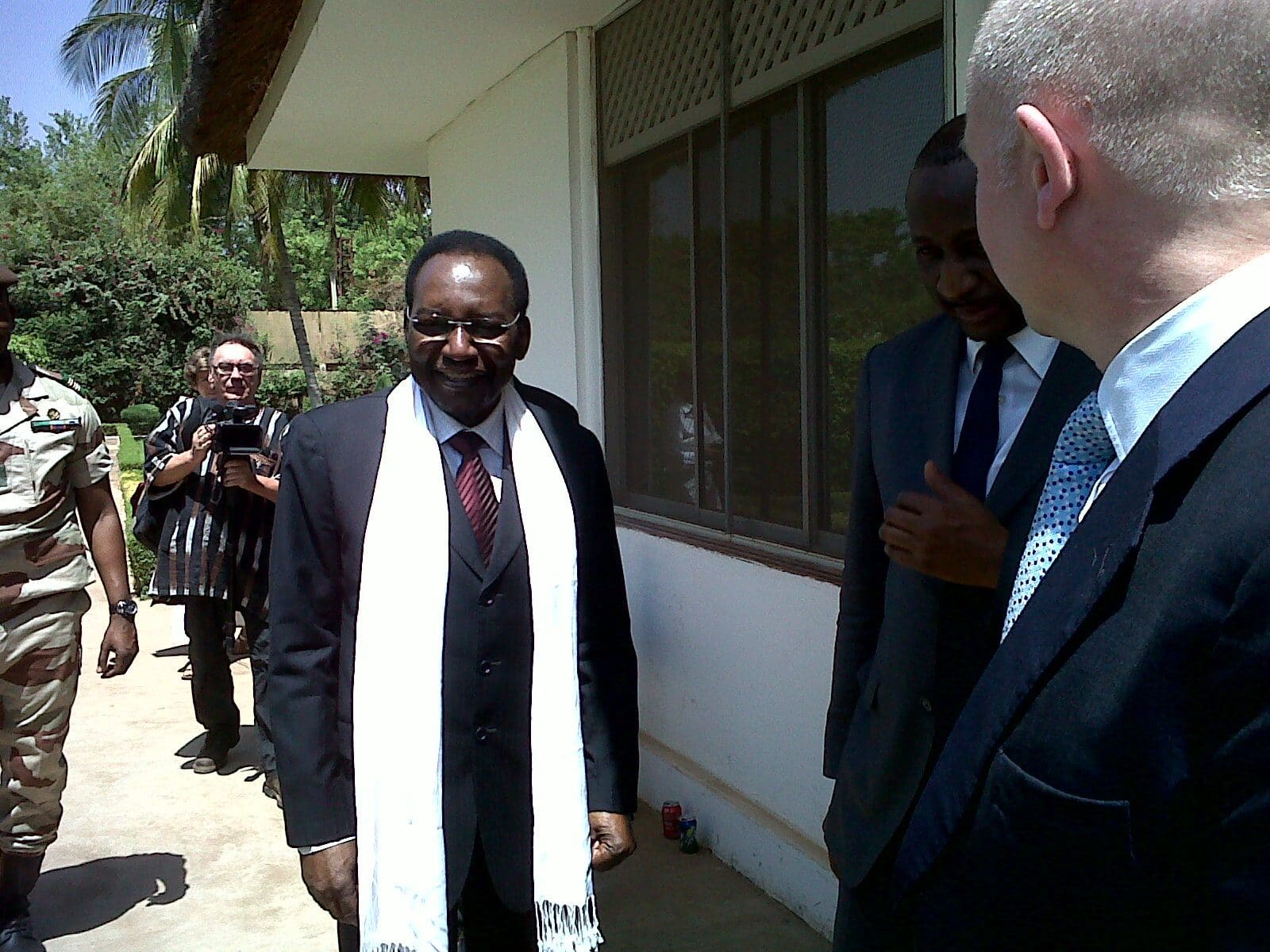
The Malian government and Tuareg rebel factions signed a preliminary peace agreement in Ouagadougou, allowing presidential elections to proceed, though the deal did not resolve the underlying dispute over northern autonomy.
UN Security Council creates MINUSMA
The Security Council adopted Resolution 2100, establishing the UN Multidimensional Integrated Stabilization Mission in Mali (MINUSMA) to support the political process and help secure the north as French and African forces pushed back Islamist fighters.
France launches Operation Serval
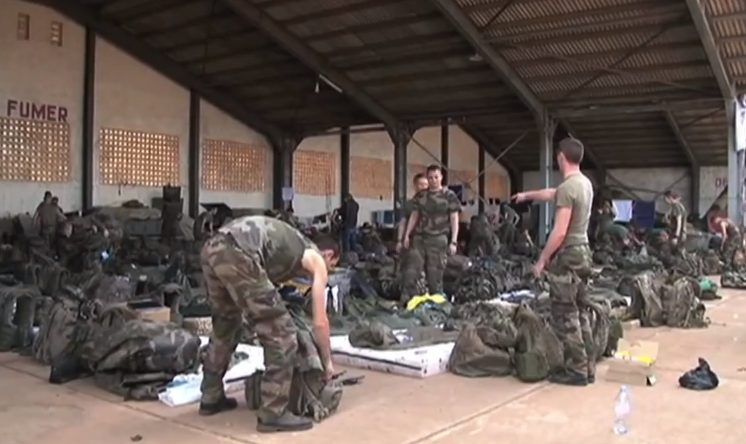
Responding to a Malian government request and a jihadist push toward central Mali, France began Operation Serval with airstrikes and ground troops, rapidly halting the advance and beginning the recapture of northern cities.
Jihadist groups control nearly all of northern Mali
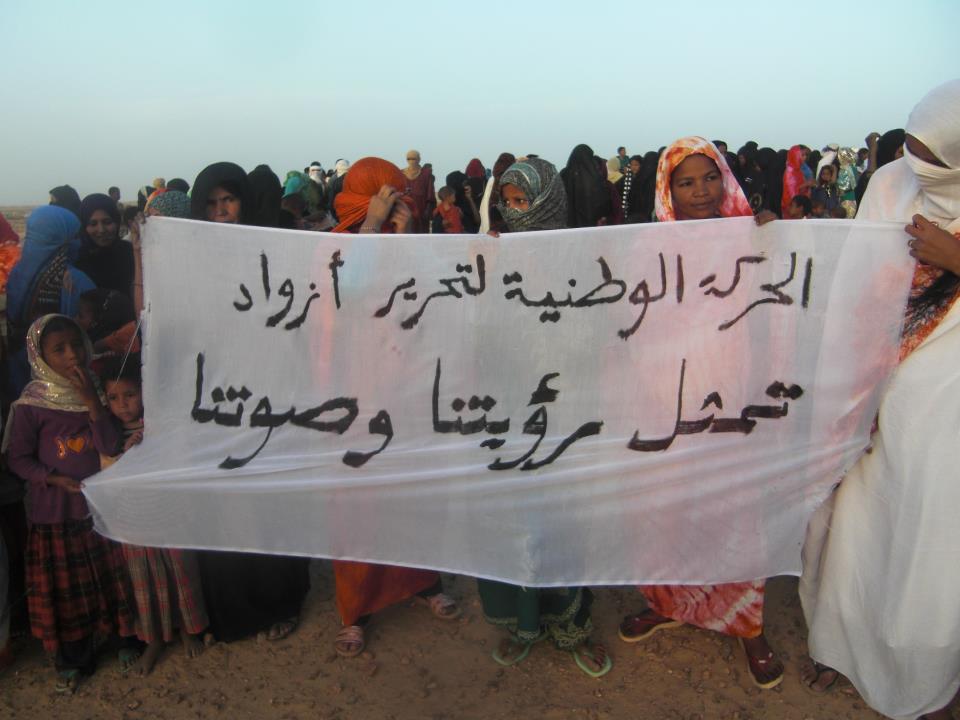
By November 2012, Ansar Dine, AQIM, and MOJWA controlled nearly the entirety of northern Mali, with the MNLA reduced to isolated pockets near Menaka and Tinzaouaten. Ansar Dine leader Iyad Ag Ghali emerged as the territory's de facto emir.
Battle of Gao: jihadists rout Tuareg nationalists
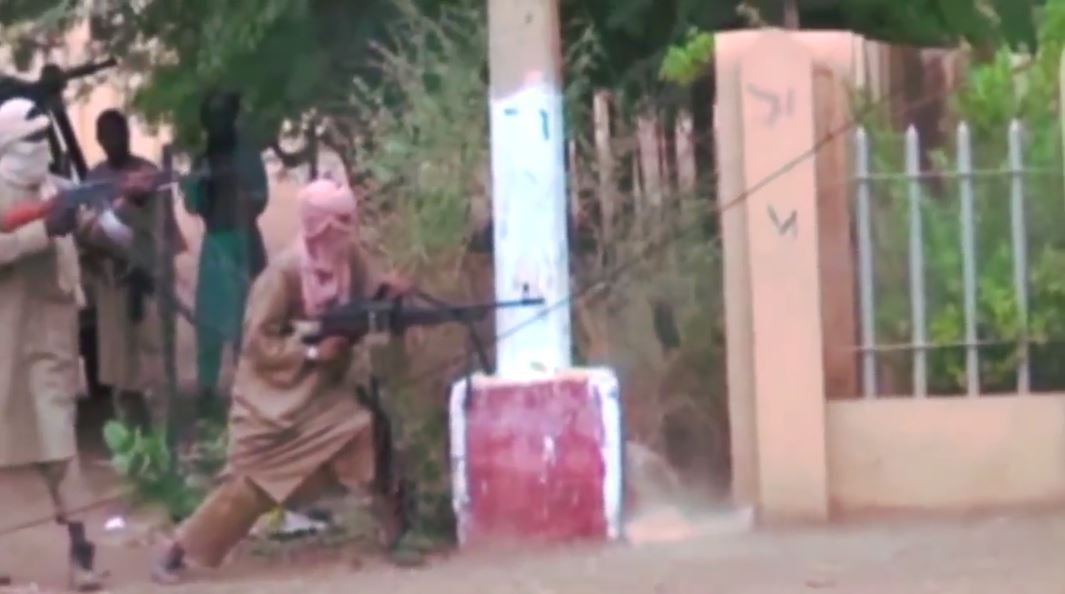
Islamist fighters from the Movement for Oneness and Jihad in West Africa, backed by AQIM and roughly 100 Boko Haram fighters, defeated the MNLA at Gao and wounded its secretary-general, breaking the secular-jihadist alliance that had launched the rebellion.
MNLA declares Azawad's independence
The MNLA declared the independence of a state it called Azawad, covering northern Mali. No government recognized the declaration, and the African Union and Mali's government rejected it outright.
Rebels seize Timbuktu, Kidal, and Gao
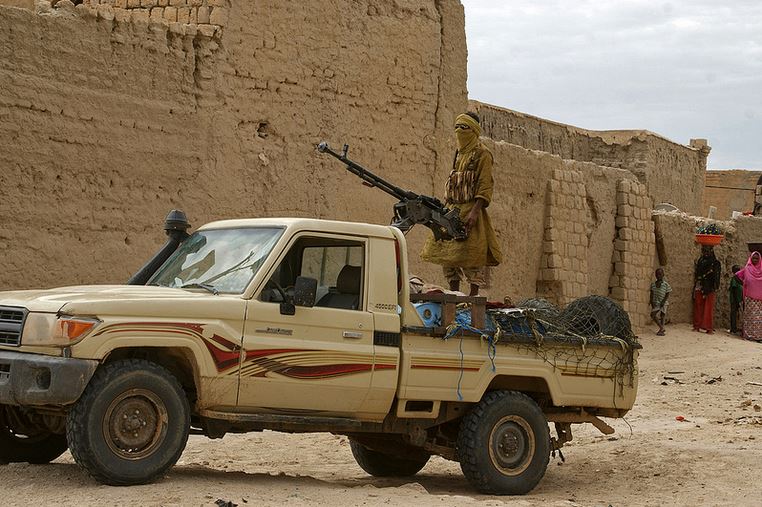
Amid the post-coup power vacuum, MNLA fighters and allied jihadist group Ansar Dine rapidly captured Mali's three main northern cities, effectively ending government control of the north.
Coup topples President Amadou Toumani Toure
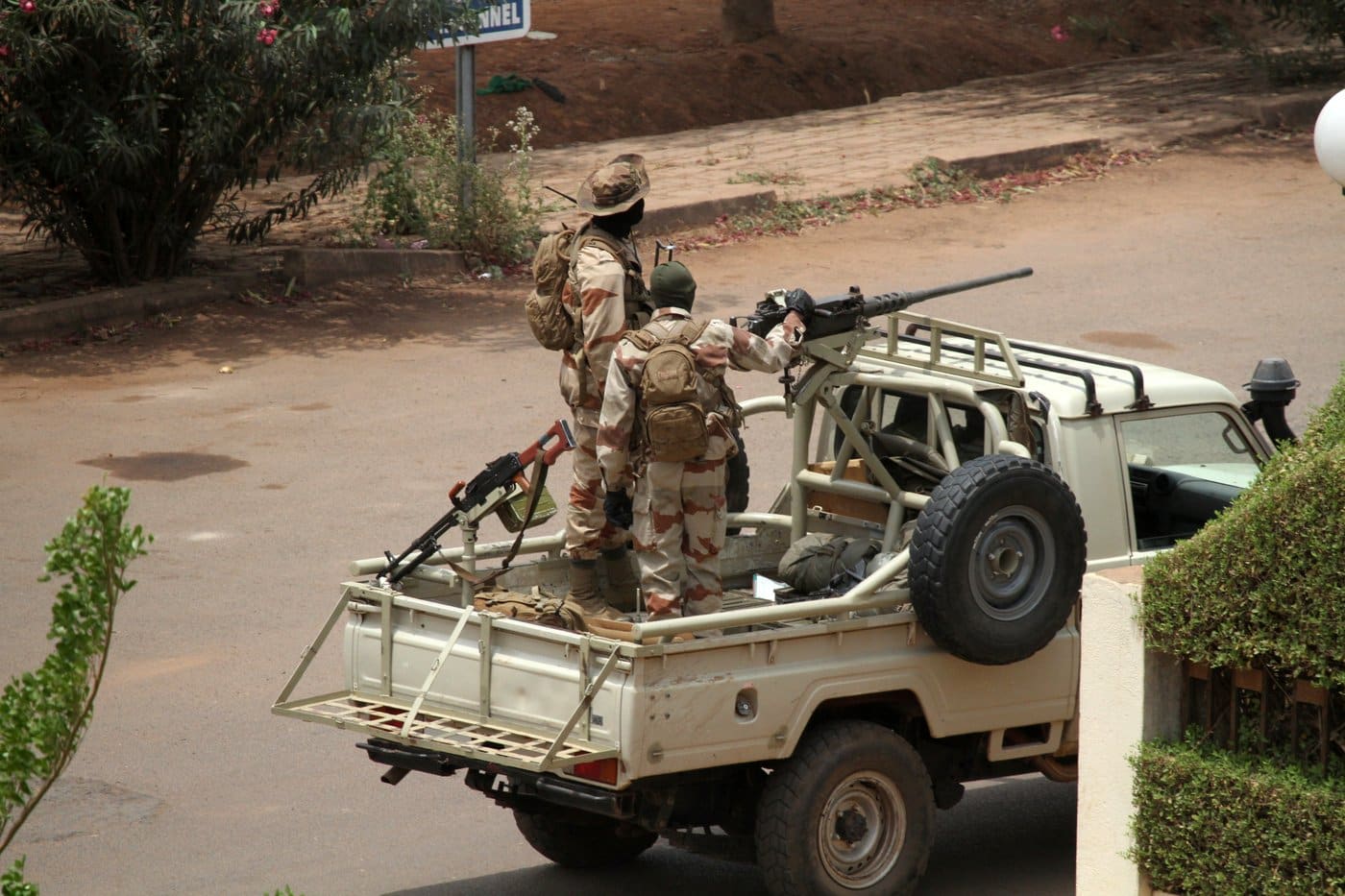
Mutinous soldiers overthrew President Amadou Toumani Toure a month before scheduled elections, citing his government's failure to contain the northern rebellion. The coup deepened the chaos it claimed to be solving.
MNLA launches rebellion in northern Mali
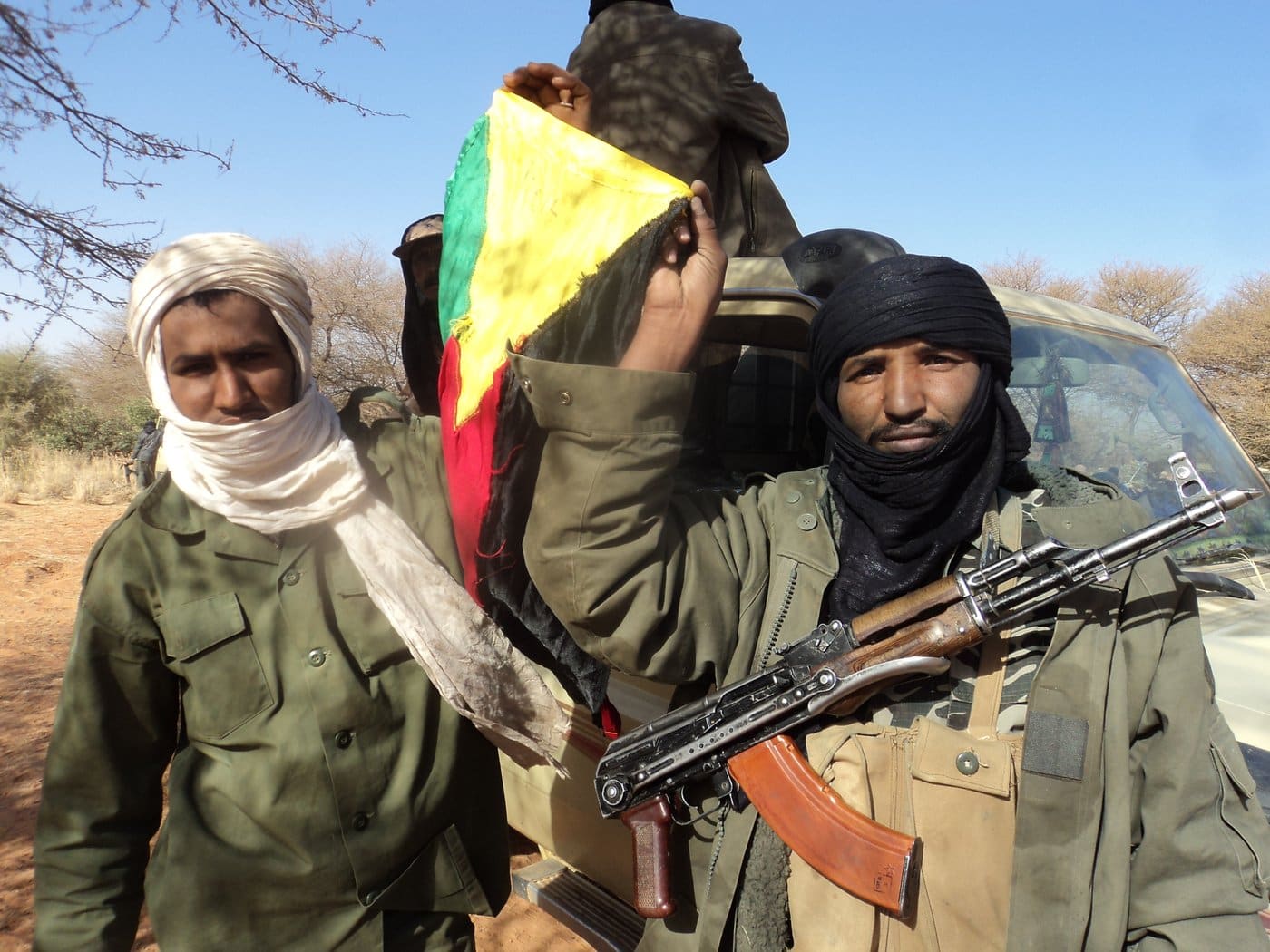
The secular, Tuareg-led National Movement for the Liberation of Azawad (MNLA), built around fighters returning from Libya's collapsed Gaddafi government with heavy weapons, attacked Malian army positions in the north, opening what would become a fourteen-year war.
Frequently Asked Questions
What started the Mali War?
The war began on January 16, 2012, when the secular, Tuareg-led National Movement for the Liberation of Azawad (MNLA) attacked Malian army positions in the north, seeking independence for a territory it called Azawad. Jihadist allies, including Ansar Dine and al-Qaeda in the Islamic Maghreb, quickly overtook the MNLA and dominated the resulting insurgency.
Who is fighting in Mali as of 2026?
The conflict now involves the Malian government, backed by Russia's Africa Corps (Wagner's successor); Tuareg-led separatists, currently organized as the Azawad Liberation Front (FLA); and jihadist groups, principally the al-Qaeda-linked JNIM and the rival Islamic State Sahel Province. Since April 2026, the FLA and JNIM have coordinated militarily against the government despite pursuing different long-term goals.
What happened at Moura, and who documented it?
Malian troops and Wagner Group personnel conducted a five-day operation in the central town of Moura in March 2022. Human Rights Watch documented over 300 killed; a UN Human Rights Office fact-finding report published in May 2023, drawing on MINUSMA's own investigation, found strong indications that more than 500 people were summarily executed and documented sexual violence against 58 women and girls. Mali's government rejected the UN findings.
Why did France withdraw from Mali?
France announced its withdrawal in February 2022 after the ruling junta, which had seized power in two coups, obstructed cooperation, delayed promised elections, and turned to Russia's Wagner Group for security support. Mali's government formally demanded French troops leave in March 2022, and the last French soldiers departed on August 15, 2022, ending a nine-year deployment that began with Operation Serval.
What is the Alliance of Sahel States?
The Alliance of Sahel States (AES) is a confederation of Mali, Burkina Faso, and Niger, all led by military juntas that took power in coups between 2020 and 2023. Formed as a mutual-defense pact in September 2023 and upgraded to a confederation treaty in July 2024, the AES states jointly withdrew from ECOWAS, effective January 2025, and describe an eventual goal of federalizing into a single sovereign state.
Is Bamako at risk of falling in 2026?
As of mid-2026, JNIM has not attempted to seize Bamako outright but has besieged it economically since September 2025, destroying over 300 fuel tankers to choke the capital's fuel supply, while the FLA and JNIM have separately seized territory and killed Mali's defense minister in a coordinated April 2026 offensive. Analysts describe Malian government forces as increasingly confined to secured enclaves rather than facing an imminent capture of the capital.
Sources
- Tuareg rebellion (2012) — Wikipedia
- Mali War — Wikipedia
- Operation Serval — Wikipedia
- Operation Barkhane — Wikipedia
- United Nations Multidimensional Integrated Stabilization Mission in Mali — Wikipedia
- Algiers Accords (2015) — Wikipedia
- Mali: Army, UN Fail to Stop Massacre — Human Rights Watch
- 2020 Malian coup d'etat — Wikipedia
- 2021 Malian coup d'etat — Wikipedia
- Timeline: What led France to withdraw its troops from Mali — Al Jazeera
- Last French troops leave Mali, ending nine-year deployment — Al Jazeera
- Mali: Massacre by Army, Foreign Soldiers — Human Rights Watch
- Independent rights experts call for probe into Wagner Group's alleged crimes — UN News
- Malian troops, foreign military personnel killed over 500 people during military operation in Moura in March 2022, UN human rights report — OHCHR via ReliefWeb
- Security Council Terminates Mandate of MINUSMA, Adopting Resolution 2690 (2023) — UN Security Council
- Mali: New Atrocities by Malian Army, Apparent Wagner Fighters — Human Rights Watch
- Battle of Kidal (2023) — Wikipedia
- UN peacekeeping mission in Mali officially ends after 10 years — Al Jazeera
- Mali's military rulers scrap peace deal with separatist rebels — Al Jazeera
- Alliance of Sahel States — Wikipedia
- Battle of Tinzaouaten (2024) — Wikipedia
- Azawad Liberation Front — Wikipedia
- Mali fuel blockade — Wikipedia
- 2026 Mali offensives — Wikipedia
- Mali leader Goita takes defence post after minister killed — Al Jazeera
- What to know about the renewed coordinated attacks across Mali — Al Jazeera
- Mali's military says it's broken a rebel blockade around a strategic northern base — The Washington Times
- Burkina Faso, Mali and Western Niger, Humanitarian Overview (29 April 2026) — UN OCHA