Insurgency in Burkina Faso: Timeline & Latest Developments
A jihadist insurgency that spilled over from Mali around 2015 has since destabilized Burkina Faso, driving two 2022 coups, a pivot from France to Russia, and a documented pattern of mass civilian killings that Human Rights Watch attributes to both JNIM militants and Burkinabe government forces.
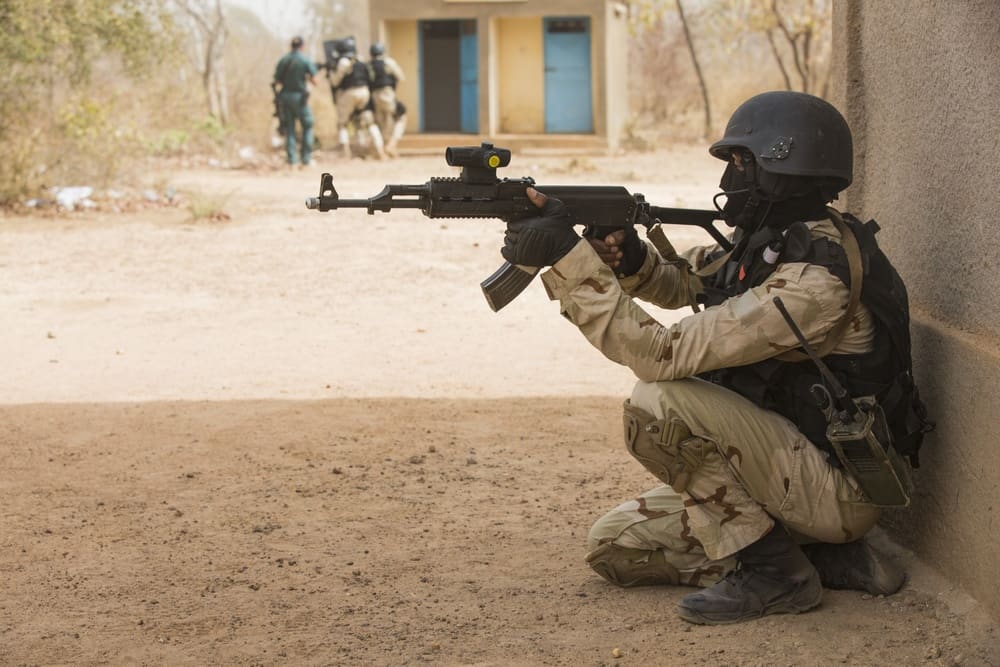
U.S. Army photo by Staff Sgt. Anthony Alcantar, public domain, via DVIDS (VIRIN 190224-A-WY009-0011)
Burkina Faso’s insurgency did not begin on its own soil. It grew directly out of the jihadist current that had already taken root in northern and central Mali earlier in the 2010s, spilling south across a largely unpoliced border into Burkina Faso’s Sahel and Est regions from 2015 onward. The two conflicts remain closely linked today: the same two armed movements, the al-Qaeda-linked JNIM and the Islamic State Sahel Province (formerly known as ISGS), operate across both countries, and both states are now run by military juntas that removed elected or transitional governments citing the same justification, failure to stop the violence. But the two wars are not identical, and this page follows Burkina Faso’s own trajectory specifically; Mali’s parallel and earlier-starting conflict, including its 2012 and 2020-2021 coups and the distinct Tuareg-separatist history behind it, is tracked on this site’s separate Mali war page.
The first years of Burkina Faso’s insurgency, from the August 2015 gendarmerie attack near the Malian border through the emergence of the homegrown Ansarul Islam movement and its later absorption into JNIM, followed a pattern common across the region: rural, cross-border raids gradually pushing toward population centers, culminating in a January 2016 attack on Ouagadougou itself. By 2018, JNIM’s assault on the French Embassy and army headquarters in the capital confirmed the group’s arrival as the country’s dominant jihadist actor, and by 2019 the violence had taken on an additional, harder-to-untangle dimension: communal killings, like the January 2019 Yirgou massacre of Fulani residents by Mossi self-defense fighters, that ran alongside, and were partly provoked by, the jihadist campaign itself. Rather than resolving that dynamic, the state formalized it in January 2020, arming and expanding a civilian auxiliary militia, the VDP, that would go on to feature in some of the conflict’s gravest documented human-rights findings.
By late 2021, mounting military losses, including a November attack on the Inata gendarmerie that killed 53 people amid reports of an unsupplied, hungry garrison, had eroded confidence in the elected government of President Roch Marc Christian Kaboré. Lt. Col. Paul-Henri Sandaogo Damiba removed him in a January 2022 coup, promising a harder line against the insurgency. Eight months later, facing the same complaint from within the ranks, that the counterinsurgency was failing, Capt. Ibrahim Traoré removed Damiba in turn. Traoré, still in power as of this writing, has run Burkina Faso since September 30, 2022 under a “total war” posture that has expanded the VDP militia to tens of thousands of members, pursued closer military ties with Russia, and progressively closed the country’s political space, culminating in the February 2026 dissolution of every political party.
Traoré’s foreign-policy pivot has been as consequential as his domestic one. He ended Burkina Faso’s military accord with France in January 2023, completing the French withdrawal with a February 18 flag-lowering ceremony, and by that July was addressing the Russia-Africa Summit in St. Petersburg with explicitly anti-colonial rhetoric. Russian Africa Corps personnel, the successor to the Wagner Group, began arriving in January 2024, and Burkina Faso joined Mali and Niger first in a mutual-defense pact and then, from July 2024, in the full Alliance of Sahel States confederation, formally leaving the West African regional bloc ECOWAS in January 2025. Independent researchers have not found this realignment to have improved the underlying security picture; if anything, the period since has included some of the war’s deadliest single incidents, including the August 2024 Barsalogho massacre, the deadliest attack in Burkinabe history by every credible estimate.
What distinguishes this insurgency from a simple government-versus-jihadist narrative is the documentation now attached to abuses on both sides. Human Rights Watch’s most comprehensive accounting, a 316-page report published in April 2026 covering January 2023 through August 2025, documented at least 1,800 civilian deaths and found Burkinabe government forces and allied VDP militia responsible for more than twice as many, at least 1,255 across 33 incidents, as JNIM, tied to at least 582 deaths across 24 incidents. That finding does not erase the scale of jihadist violence: HRW has separately documented JNIM and Islamic State Sahel Province massacres, abductions and the group’s own siege of towns like Djibo, blockaded since February 2022. It does mean that any account treating the Burkinabe state purely as a victim, or the insurgents as the war’s only perpetrators of mass civilian harm, is incomplete. Both the government’s own casualty claims and the more independently corroborated HRW findings appear in the timeline below, flagged accordingly, because that gap between claim and verification is itself a defining feature of how this war is fought and reported.
Both figures are HRW's documented floor, not a final count; the group calls the true toll a likely undercount given restricted access to conflict areas, but even this partial accounting shows state-aligned forces responsible for more than twice the documented civilian deaths of the insurgency's dominant armed group over the same 32-month window.
As of mid-2026, roughly 2.1 million people remain internally displaced inside Burkina Faso, JNIM continues to hold territory across large stretches of the country’s north, west and east, and neither side shows signs of a negotiated end to the fighting. Traoré’s government, now backed by Russia and folded into the Alliance of Sahel States rather than ECOWAS or its former Western partners, has staked its legitimacy on eventually winning the war it took power promising to win; more than three and a half years later, that outcome remains open.
Full Timeline (most recent first)
Russia pledges continued support for Alliance of Sahel States militaries
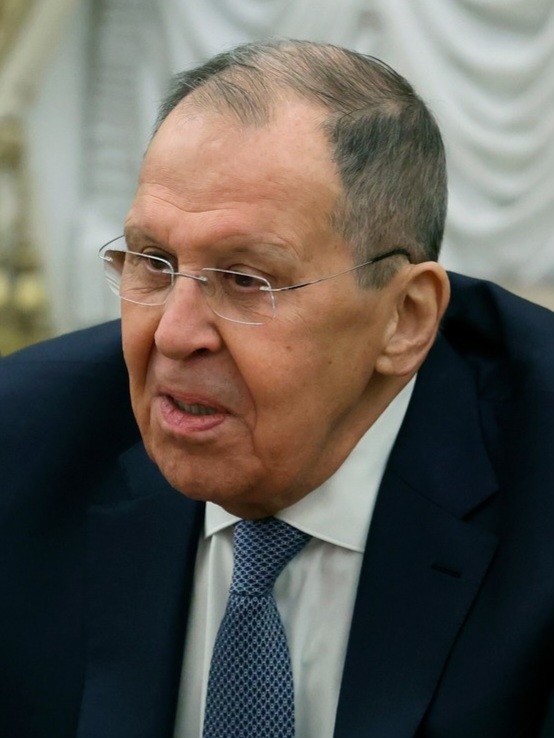
During a visit to Niger, Russian Foreign Minister Sergei Lavrov said Moscow would continue supporting the operational capacities of Alliance of Sahel States armed forces, reaffirming the security relationship underpinning Burkina Faso's junta three and a half years after it ended military cooperation with France. Independent researchers have found the shift produced no clear improvement in the underlying security situation, noting Russian-linked forces in the region have been implicated in the same pattern of civilian harm documented among Burkinabe units more broadly.
JNIM hits three army positions; junta claims 400-plus militants killed
JNIM claimed attacks against Burkinabe army positions at Di, Solhan and Seguenega over the weekend, killing at least 22 soldiers and civilian army volunteers according to a police source. The junta said it subsequently killed more than 400 'terrorists' in a complex, coordinated response across the Sirba and Sebba regions, a strike-count claim from the government side that has not been independently verified and stands well above the scale typically confirmed in comparable engagements.
HRW report: state forces implicated in more deaths than JNIM
Human Rights Watch's 316-page report 'None Can Run Away,' based on 57 documented incidents and interviews with more than 450 witnesses, found at least 1,800 civilians killed between January 2023 and August 2025, attributing at least 1,255 of those deaths across 33 incidents to Burkinabe government forces and allied VDP militia and at least 582 across 24 incidents to JNIM, meaning state-aligned forces were responsible for more than twice as many documented civilian deaths as the insurgents during the period studied. HRW called the true toll a likely undercount given restricted access to conflict areas, and said crimes by all sides may amount to war crimes and crimes against humanity.
Junta dissolves all political parties
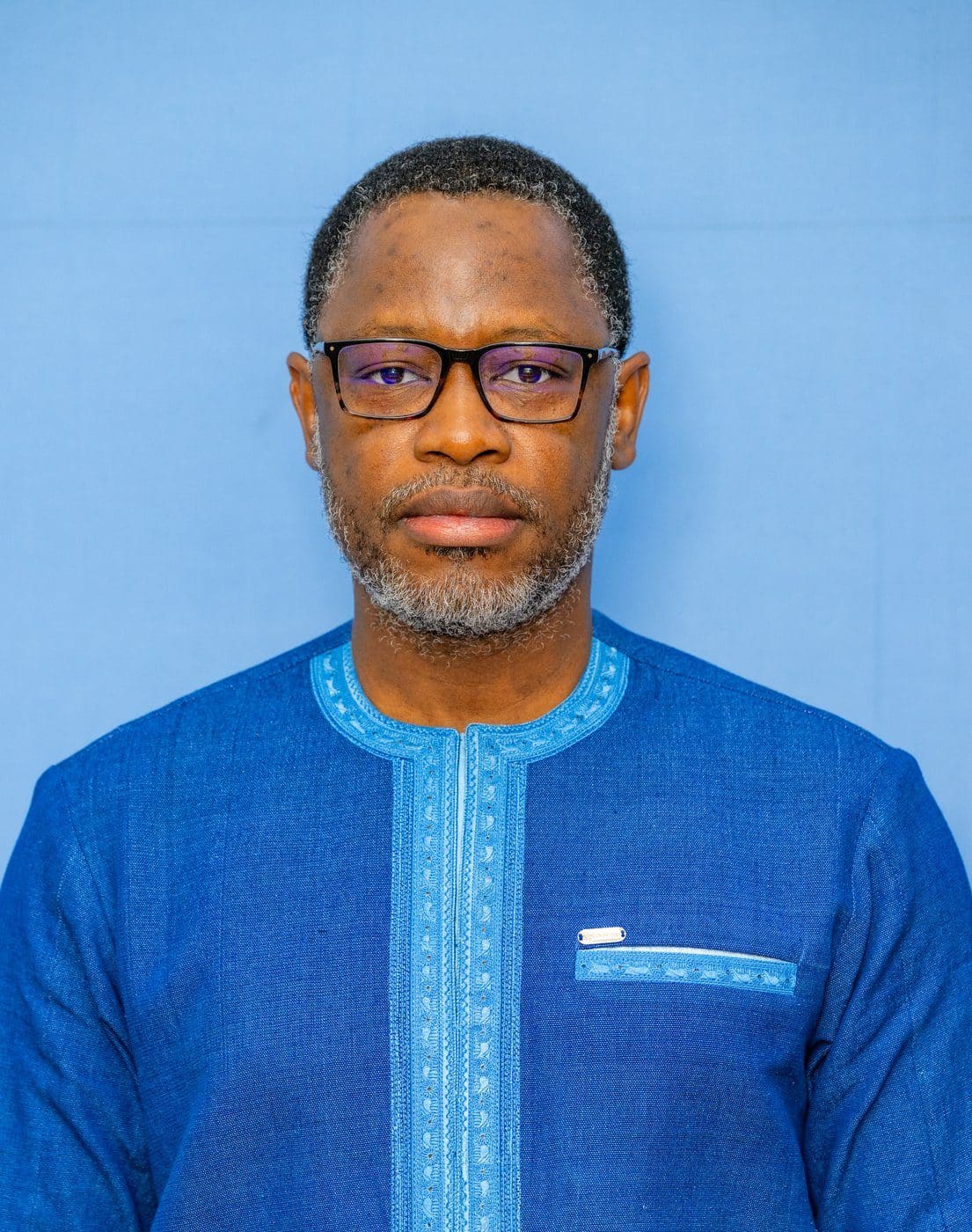
Burkina Faso's Transitional Legislative Assembly adopted a law dissolving every political party and political grouping in the country, formalizing a Council of Ministers decree from January 29. Interior Minister Emile Zerbo said the move was meant to end divisions caused by multiparty politics; Human Rights Watch called it a further closing of civic space four years into military rule that has repeatedly postponed a return to elected government.
Military says it killed 57 JNIM fighters, including a senior commander
Burkinabe forces said they killed 57 JNIM fighters in an operation that included a militant identified as emir Karim Torodo, a claimed battlefield result from the government side that, consistent with the junta's broader practice of no longer publishing independently verifiable operational data, has not been confirmed by any outside party.
Government says it foiled a plot to assassinate Traoré
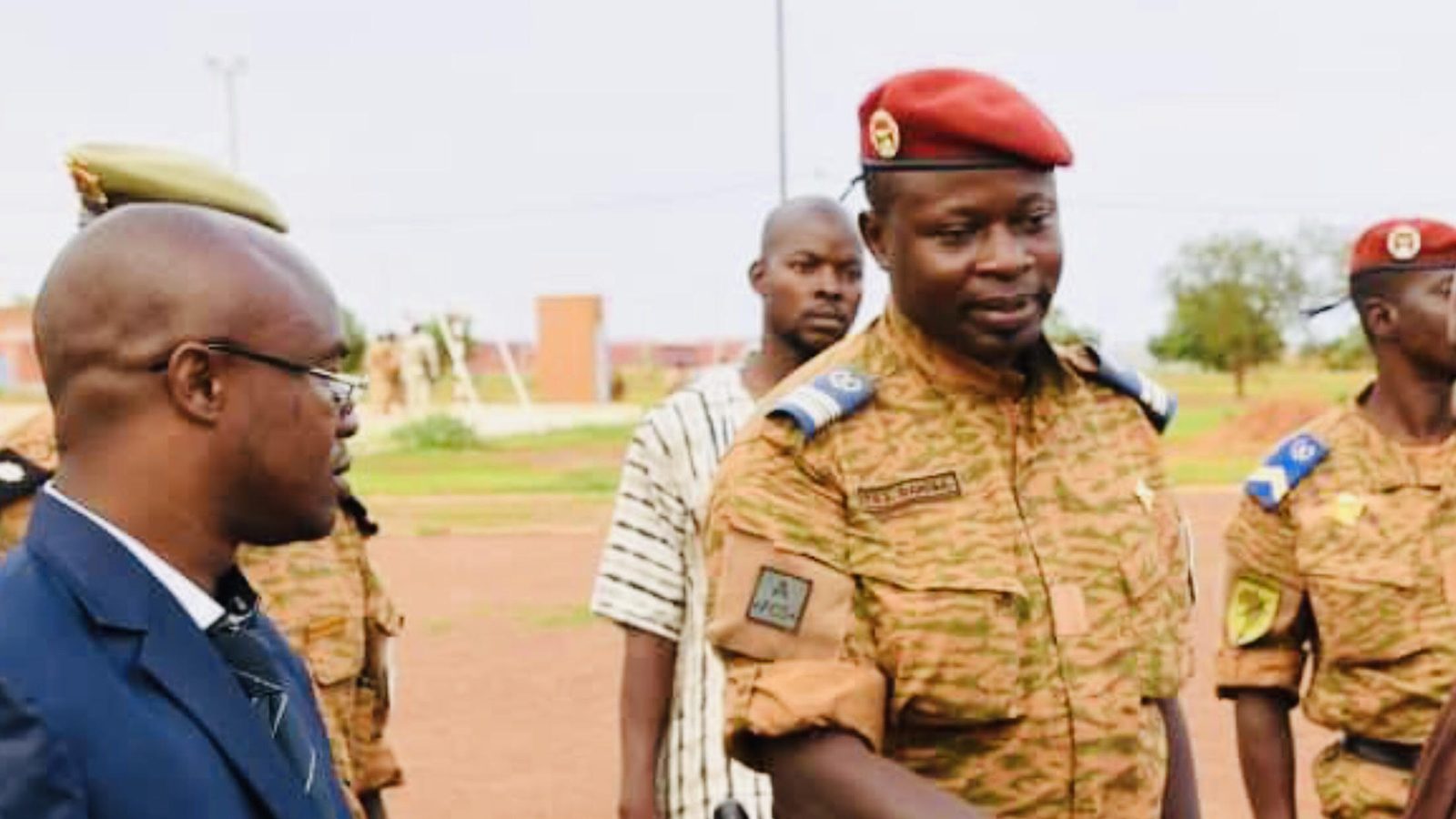
Security Minister Mahamadou Sana said authorities had foiled a plot, uncovered late on January 3, to kill Traoré and disable a drone base ahead of a planned external military intervention, naming exiled former leader Paul-Henri Damiba as the alleged mastermind from Togo. Damiba has not publicly responded to the accusation, and the plot's details rest entirely on the government's own account, which has not been independently corroborated.
HRW documents JNIM and ISSP massacres of civilians
In a companion report focused on the jihadist side of the conflict, Human Rights Watch documented mass killings, abductions and property destruction by JNIM and the Islamic State Sahel Province, naming JNIM leaders Iyad Ag Ghaly, Amadou Kouffa and Jafar Dicko among those responsible for a pattern of atrocities against civilians accused of siding with the state or with rival ethnic and religious communities.
HRW: army 'directs' ethnic massacres of Fulani civilians
Human Rights Watch published a report documenting more than 130 Fulani civilians killed in the Solenzo-area operation and describing a broader pattern in which Burkinabe military units led, rather than merely tolerated, VDP violence against Fulani communities. HRW named Traoré and top military commanders as accountable for the chain of command behind the documented killings.
JNIM overruns Djibo in its largest assault on the town
Hundreds of JNIM fighters stormed Djibo, occupying parts of the town from roughly 5 a.m. to 2 p.m., longer than the November 2023 assault. Fighters overran a military base, executed civilians they accused of ties to the VDP, mostly from Fulani subgroups, and burned shops and health facilities. Crisis Group's sources put the combined toll of civilians, soldiers and paramilitary personnel above 100, with some reports citing up to 200 killed.
Operation Green Whirlwind 2 and the Solenzo massacre
During a weeks-long counterinsurgency sweep through Banwa and Sourou provinces, Burkinabe special forces battalions and VDP militia killed more than 130 ethnic Fulani civilians in and around Solenzo over March 10 and 11, according to Human Rights Watch, which reviewed video evidence showing VDP fighters issuing explicit calls to exterminate Fulani residents. JNIM subsequently carried out reprisal attacks in Sourou province against villages it accused of aiding the military, killing at least 100 more civilians, a cycle Human Rights Watch said amounted to war crimes by both sides.
Burkina Faso, Mali and Niger formally exit ECOWAS
The withdrawal announced a year earlier took formal effect, with all three Alliance of Sahel States members ceasing to be ECOWAS members. The move completed the bloc's most significant fracture since its founding and left the three juntas dependent on their own confederation and on Russian security backing rather than the regional West African security architecture.
Barsalogho massacre becomes the deadliest attack in Burkinabe history
JNIM fighters attacked hundreds of civilians digging defensive trenches around a military base in Barsalogho, firing on them indiscriminately for hours. Human Rights Watch confirmed at least 133 deaths, including dozens of children, through video analysis and witness accounts and called it an evident war crime; a French government security assessment cited by CNN put the toll as high as 600, while a local victims' collective estimated 400. No death toll from any source has been independently verified as final, but every account describes it as the single deadliest attack of the insurgency.
Alliance of Sahel States becomes a formal confederation
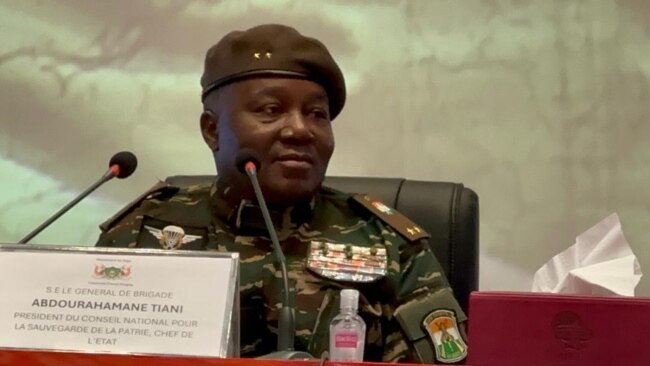
Traoré, Mali's Assimi Goita and Niger's Abdourahamane Tiani signed the Confederation Treaty at a summit in Niamey, upgrading their September 2023 mutual-defense pact, the Charter of Liptako-Gourma, into a full confederation with a 25-point program covering joint defense, a planned common currency and free movement between the three states. The treaty's Article VI commits each member to treat an attack on one as an attack on all.
Burkina Faso, Mali and Niger announce ECOWAS exit
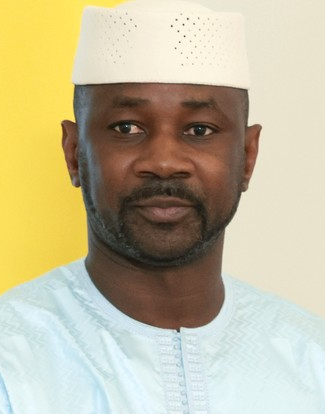
The three junta-led states jointly announced their intention to leave the Economic Community of West African States, accusing the bloc of falling under foreign influence, betraying its founding principles and failing to support their fight against jihadist groups while imposing sanctions after their respective coups. This is a parallel diplomatic track shared with Mali's own war, covered on this site's separate [Mali war page](/wars/mali-war/); this page tracks how it played out for Burkina Faso specifically.
Russia's Africa Corps arrives in Burkina Faso
Around 100 Russian Africa Corps personnel arrived in Burkina Faso to help protect Traoré and train Burkinabe forces, with another 200 expected to follow, establishing a base at Loumbila northeast of Ouagadougou. Africa Corps is the Russian defense ministry's successor to the Wagner Group in Africa, deepening a security relationship that had been building since France's exit less than a year earlier.
Operation Tchefari 2 kills 400-plus civilians near Djibo
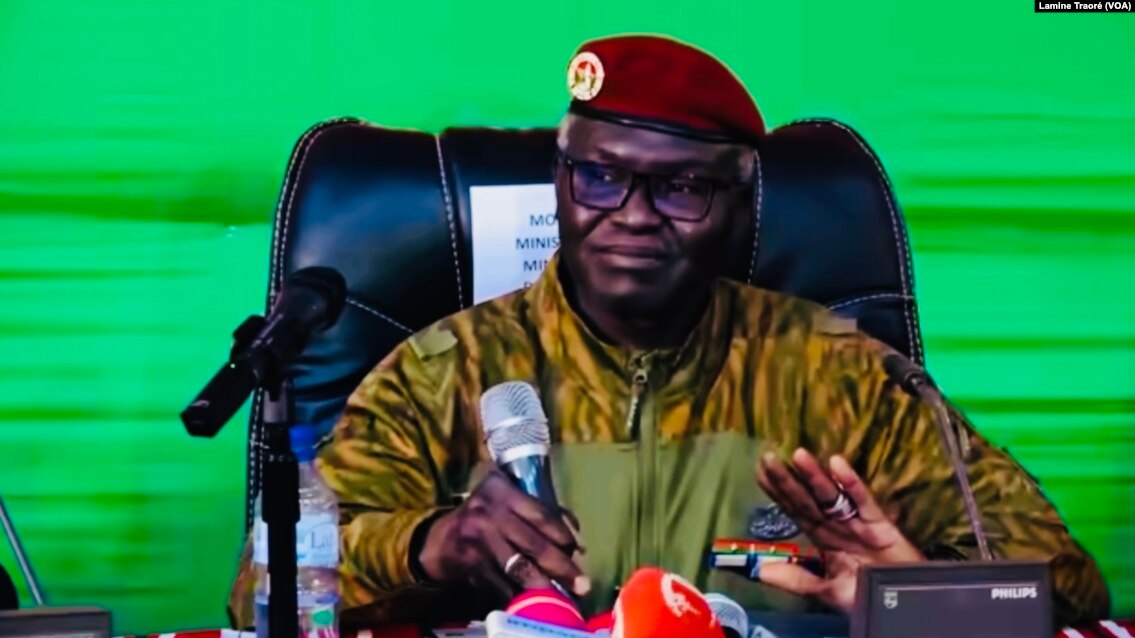
In an operation Human Rights Watch documented as an apparent reprisal for the November 26 Djibo attack, Burkinabe army units, Rapid Intervention Battalions and VDP militia swept through 16 villages and hamlets north of Djibo, killing more than 400 civilians. HRW separately documented a related November 2023 killing of 13 Fulani civilians, including six women and four children, by VDP fighters near Basse village in the country's west. Human Rights Watch identified Operation Tchefari 2 as one of the gravest state-attributed massacres of the entire conflict.
JNIM assaults Djibo again, killing 40-plus civilians
JNIM fighters launched a major assault on Djibo, still under blockade since February 2022, killing more than 40 civilians and 42 more wounded in the town. Burkinabe forces said they killed several hundred attackers in the fighting, a battlefield claim from the military side that has not been independently verified.
Traoré returns from the Russia-Africa Summit
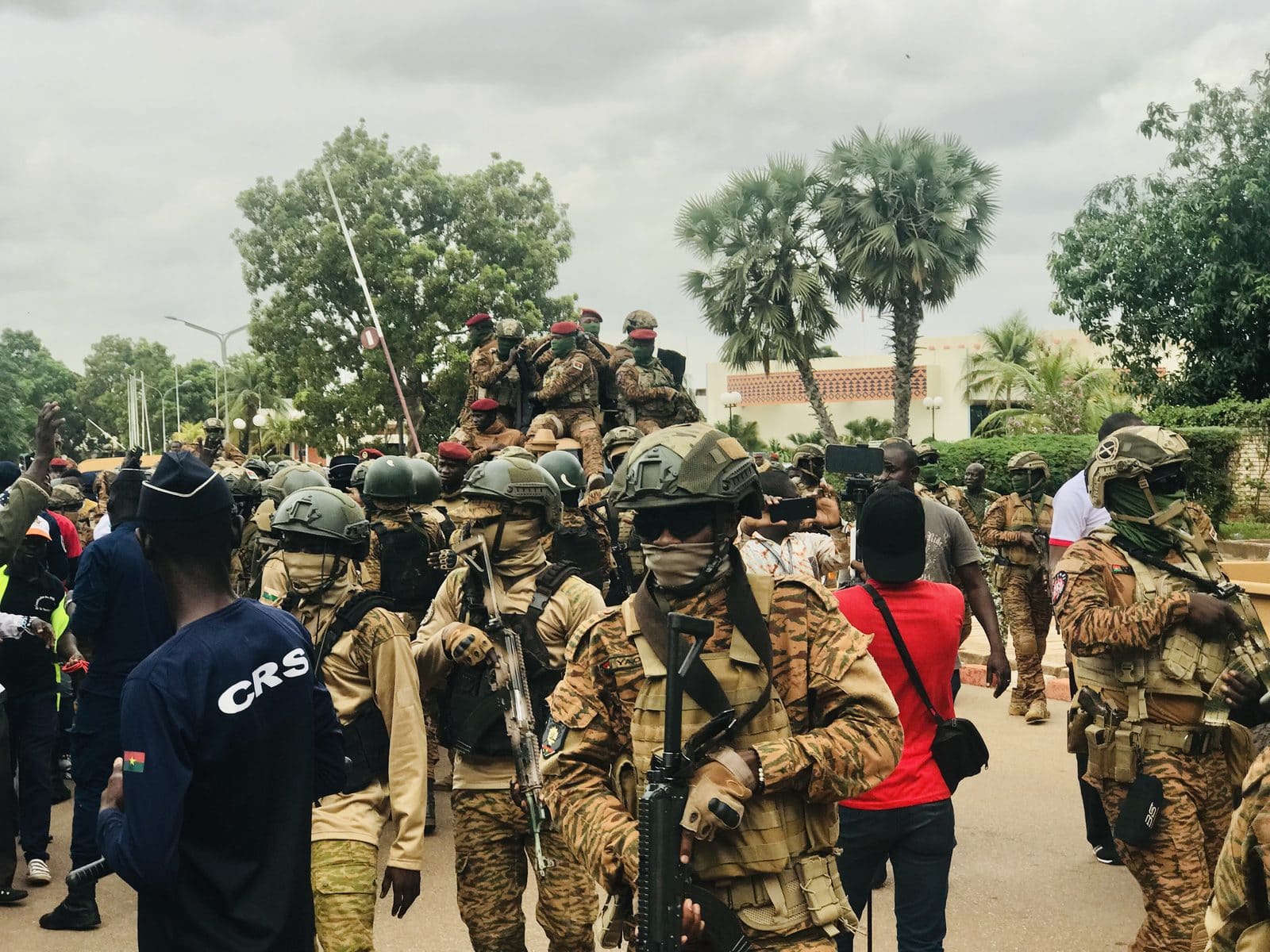
Traoré addressed the second Russia-Africa Summit in St. Petersburg on July 27-28, telling delegates 'Russia is part of the family for Africa' and closing with the revolutionary slogans 'homeland or death, we will prevail.' He was welcomed home at Ouagadougou airport days later, a visible marker of the junta's deepening alignment with Moscow as its relationship with Paris and Washington cooled.
Burkina Faso ends its military accord with France
The Traoré government formally terminated the accord allowing French troops to operate against jihadists on Burkinabe soil, giving roughly 400 French special-forces personnel one month to withdraw. The decision followed protests calling for France's departure and an October 2022 attack on the French cultural center in Ouagadougou. The withdrawal concluded with a flag-lowering ceremony at Kamboincin base on February 18, 2023, ending decades of French military presence in the country.
Nouna massacre: VDP militia blamed for 28 deaths
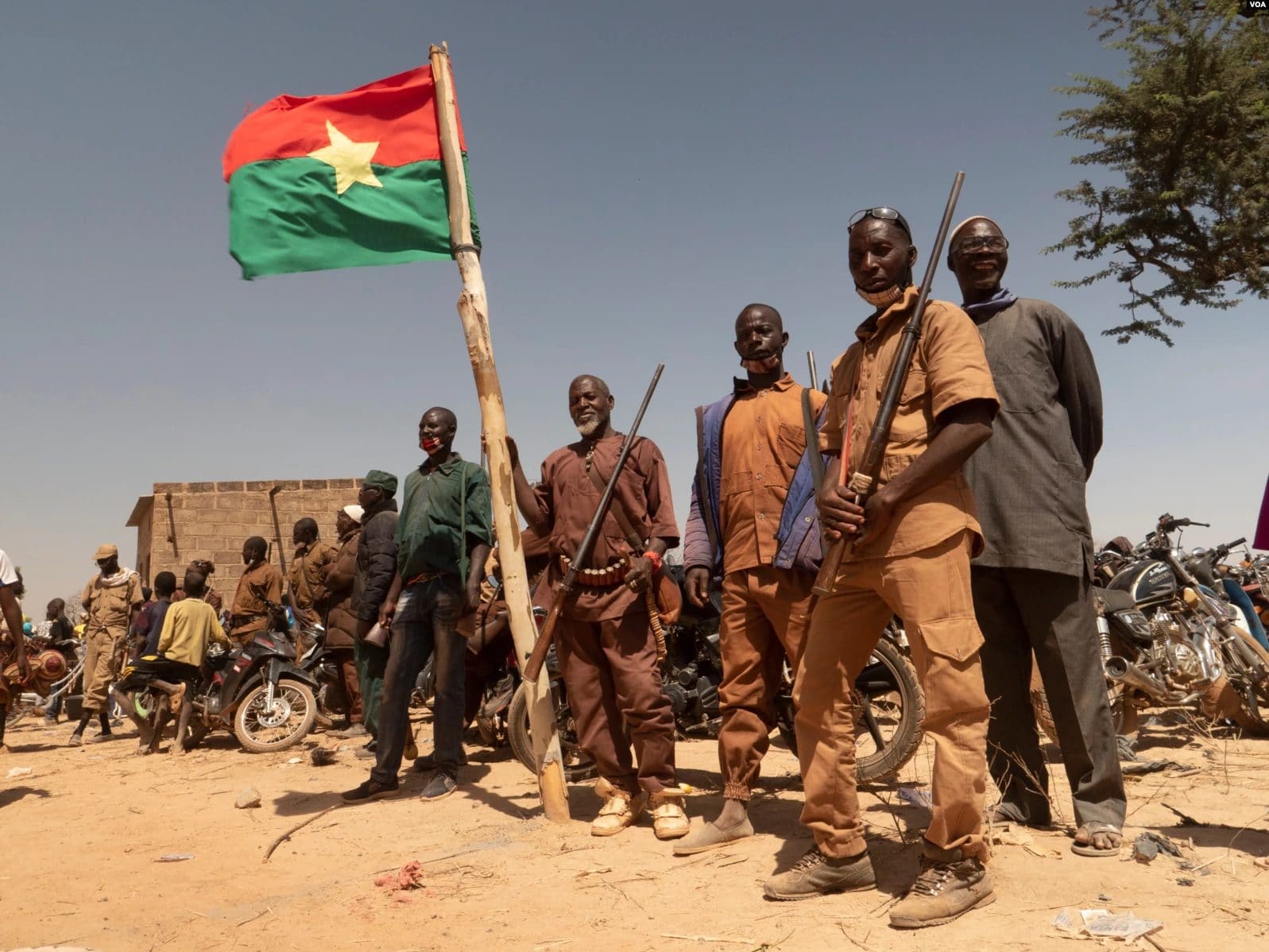
VDP fighters were blamed for killing 28 ethnic Fula men in and around Nouna over December 30 and 31, in a reprisal reportedly linked to a jihadist attack earlier the same month. The killings were among the clearest early cases tying the state-armed VDP militia, created in 2020 to fight jihadists, to ethnically targeted violence against civilians rather than combatants.
Army artillery strike kills dozens of Fulani civilians
Burkina Faso's 14th Inter-Arms Regiment fired artillery into the villages of Holdé, Yaté, Ména and Dabere-Pogowel, killing more than 50 people, mostly ethnic Fulani civilians, according to Human Rights Watch's documentation of the incident. It was among the earliest instances in the Traoré era of a mass civilian-casualty event directly attributed to regular army units rather than to VDP militia or jihadist groups.
Capt. Traoré ousts Damiba in a second coup
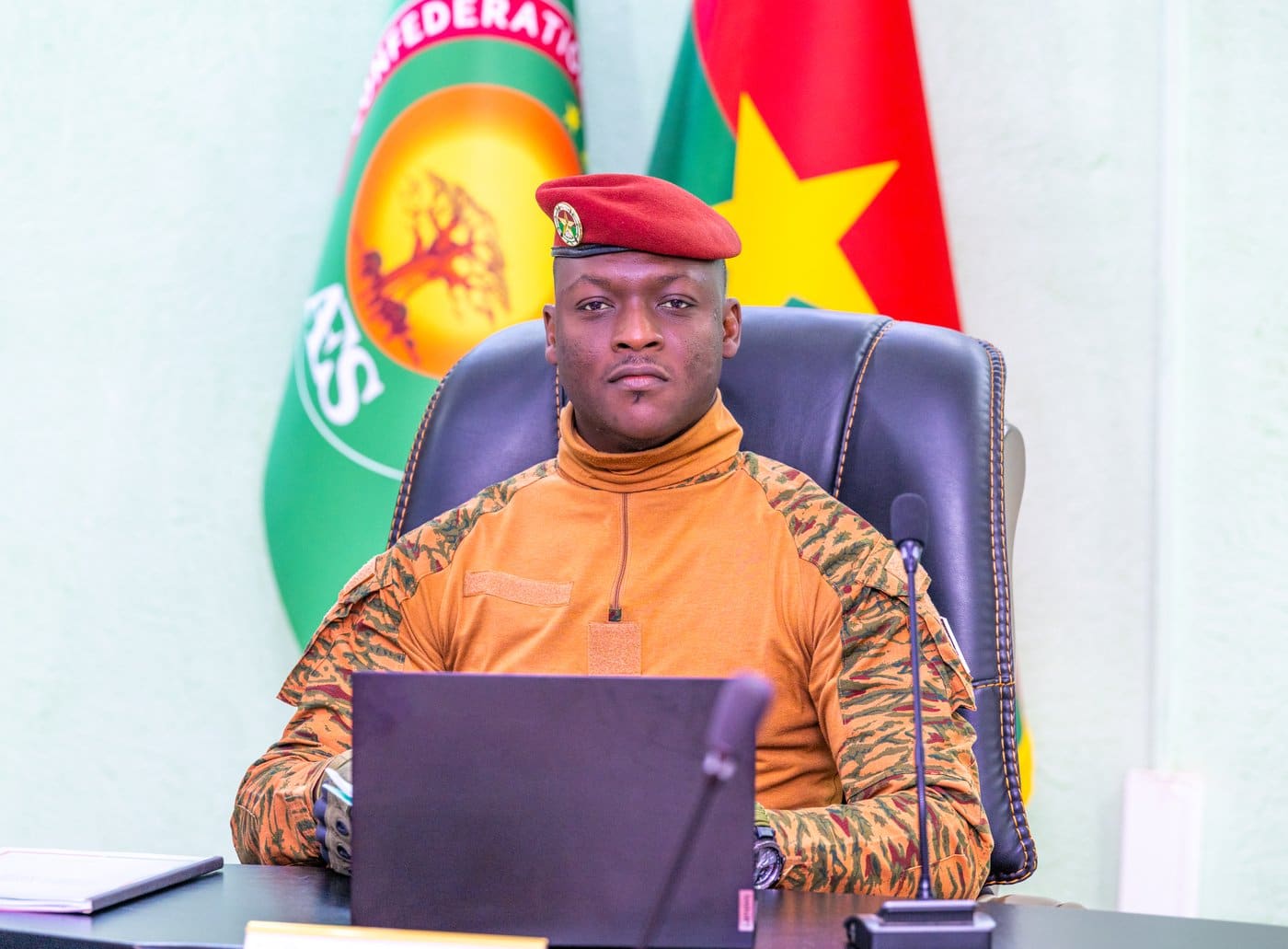
Capt. Ibrahim Traoré, an artillery officer who had led an anti-jihadist unit, removed Damiba in Burkina Faso's second coup of the year, with Traoré and fellow officers saying Damiba had failed to focus on defeating the insurgency and had instead pursued his own political goals. After religious and community leaders mediated, Damiba resigned on October 2 and went into exile in Togo.
WFP airlifts food into besieged Djibo
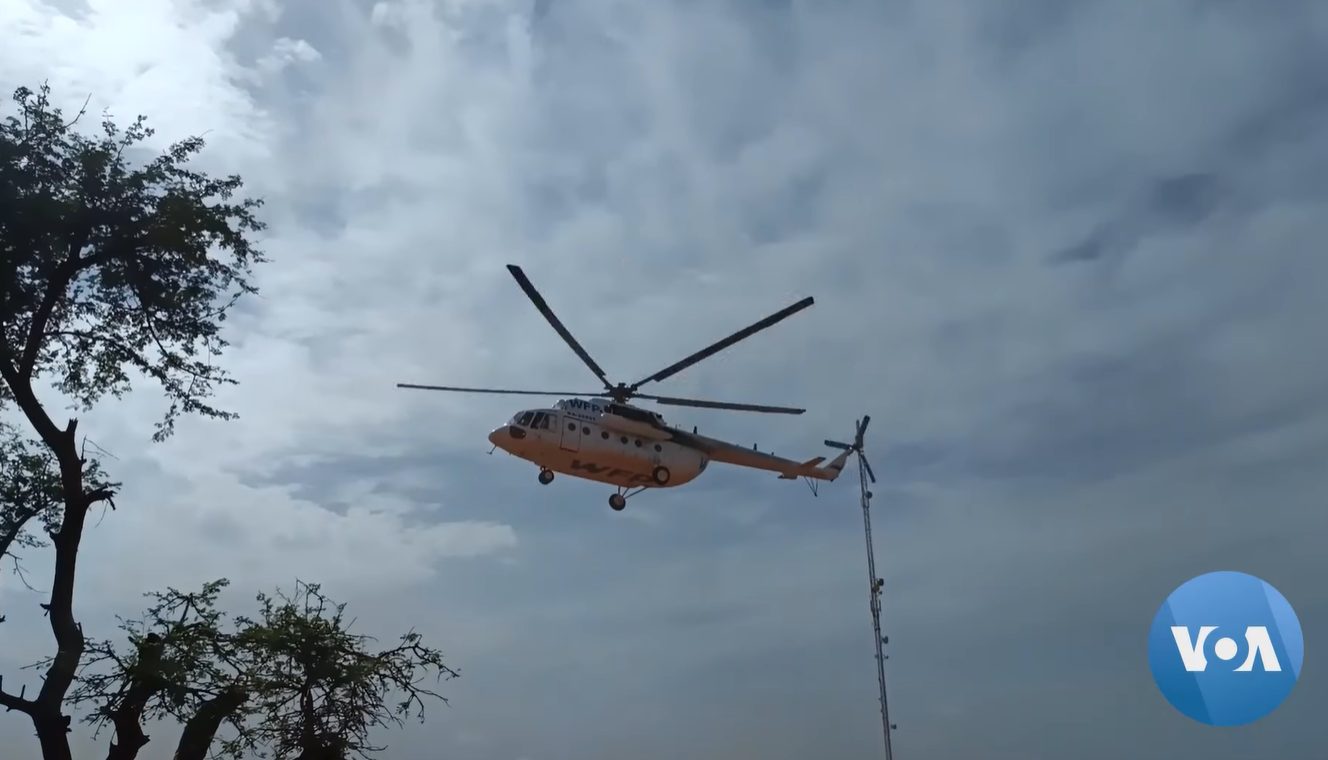
JNIM had blockaded the northern town of Djibo since mid-February 2022, cutting road access and trapping tens of thousands of residents. The World Food Programme began flying emergency food into the town by helicopter, part of airlift operations that would deliver roughly 240 metric tons of assistance to Djibo by November as the siege dragged on with no ground routes reliably open.
Lt. Col. Damiba ousts President Kaboré
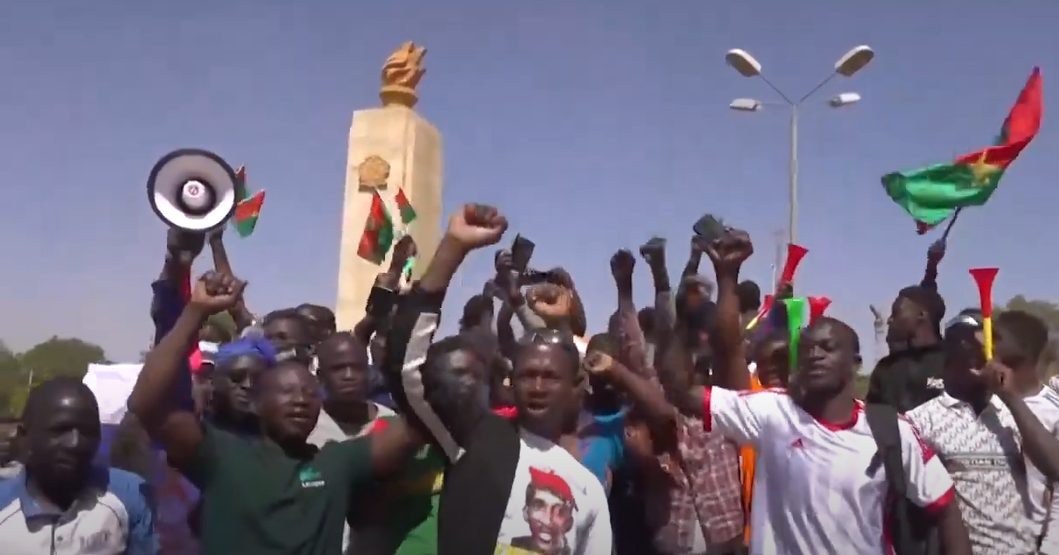
Mutinous soldiers detained President Roch Marc Christian Kaboré after gunfire erupted near the presidential residence and military barracks in Ouagadougou. A week later, on January 31, the officers restored the constitution and installed Lt. Col. Paul-Henri Sandaogo Damiba as interim president, with officer Sidsoré Kader Ouedraogo stating the takeover was driven by the deteriorating security situation and the president's inability to manage the insurgency.
Inata attack inflicts the army's worst single loss to date
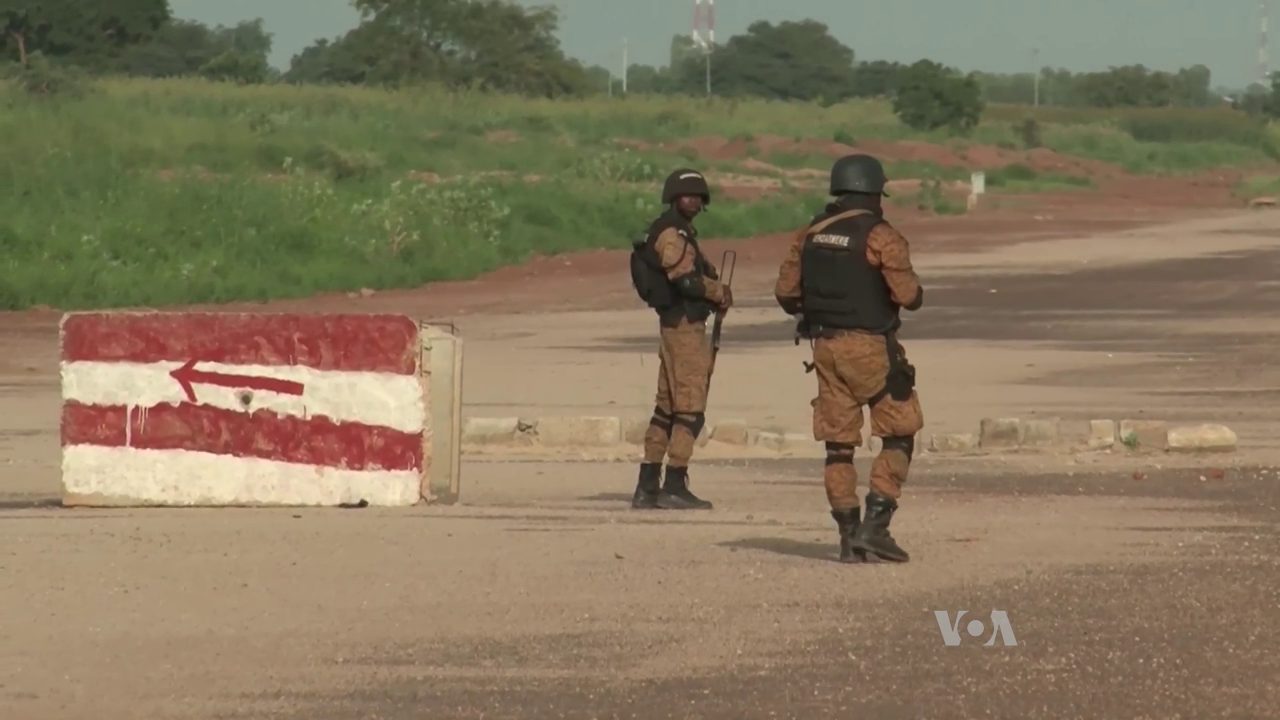
JNIM fighters overran a gendarmerie post in Inata, killing 53 people, mostly gendarmes, in what was then the greatest single loss suffered by Burkinabe security forces during the insurgency. Reports that the garrison had gone without resupply and had reportedly resorted to hunting for food fueled public anger over the government's handling of the war, anger that fed directly into the coup two months later.
Solhan massacre becomes the deadliest attack to that point
Gunmen attacked Solhan village and a nearby gold-panning site, killing more than 160 civilians in an overnight assault, the deadliest single attack of the insurgency up to that date. No group claimed responsibility, though analysts attributed it to Islamic State-linked fighters active in the area.
Parliament creates the VDP civilian auxiliary militia
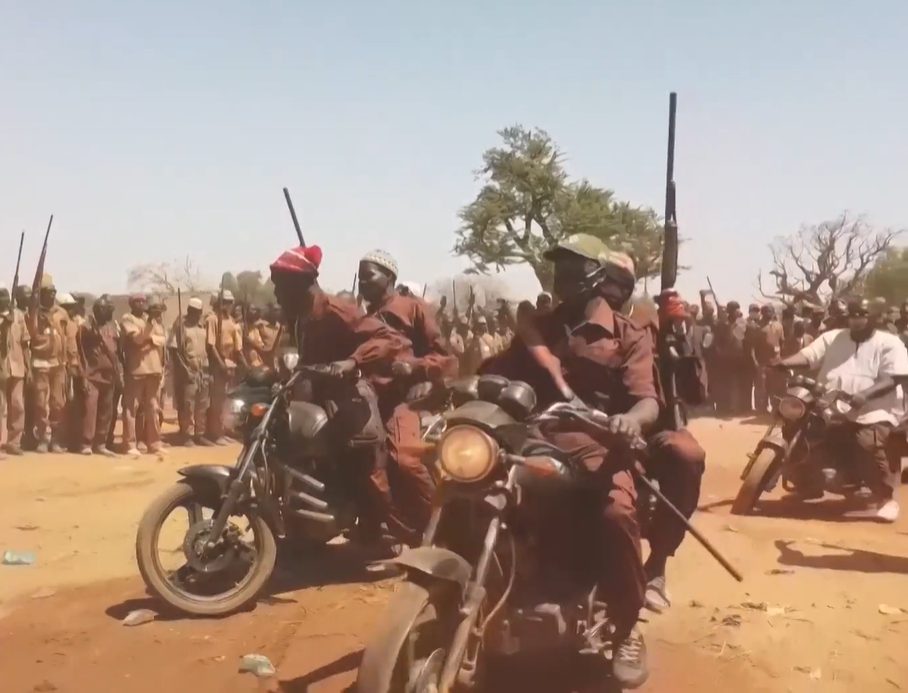
Burkina Faso's parliament passed a law establishing the Volunteers for the Defense of the Homeland (VDP), a state-armed civilian militia intended to support the regular army against jihadist groups. The force would later expand dramatically under the Traoré government and become central to Human Rights Watch's documentation of abuses against civilians, particularly ethnic Fulani communities accused of supporting militants.
Arbinda massacre targets a Christian community
Gunmen killed 19 civilians in Arbinda in one of a wave of 2019 attacks that specifically targeted churchgoers and Christian communities in Burkina Faso's Sahel region, part of a broader pattern that year of jihadist groups attempting to enforce sectarian control over rural areas.
Yirgou massacre kills 72 Fulani civilians
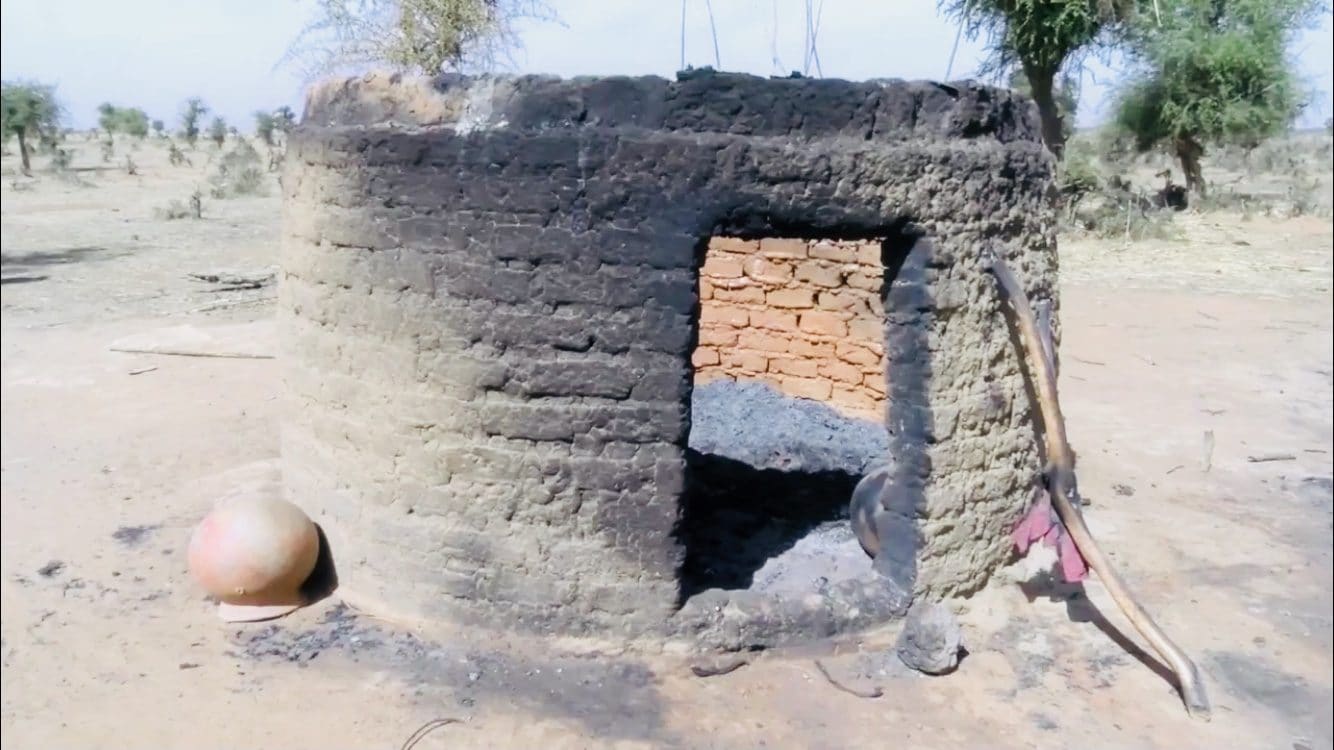
After a jihadist attack killed a local Mossi leader, armed Mossi residents and self-defense fighters killed 72 people, mostly ethnic Fulani, in and around Yirgou village and displaced more than 6,000. The killings became an early, widely documented example of communal self-defense violence escalating alongside the jihadist insurgency itself, a dynamic the state would later try to formalize and control through the VDP militia law.
JNIM attacks the French Embassy and army headquarters
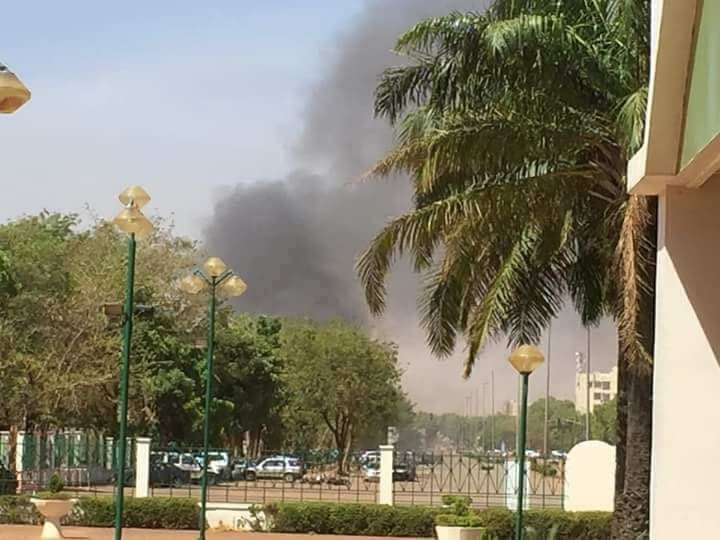
Jama'at Nasr al-Islam wal-Muslimin, the newly formed al-Qaeda-linked coalition known as JNIM, attacked the French Embassy and Burkina Faso's army general staff headquarters in Ouagadougou in a coordinated assault. Security forces killed all the attackers, but more than 85 people were wounded, and the attack marked JNIM's arrival as the insurgency's dominant armed group.
First major attack reaches the capital, Ouagadougou
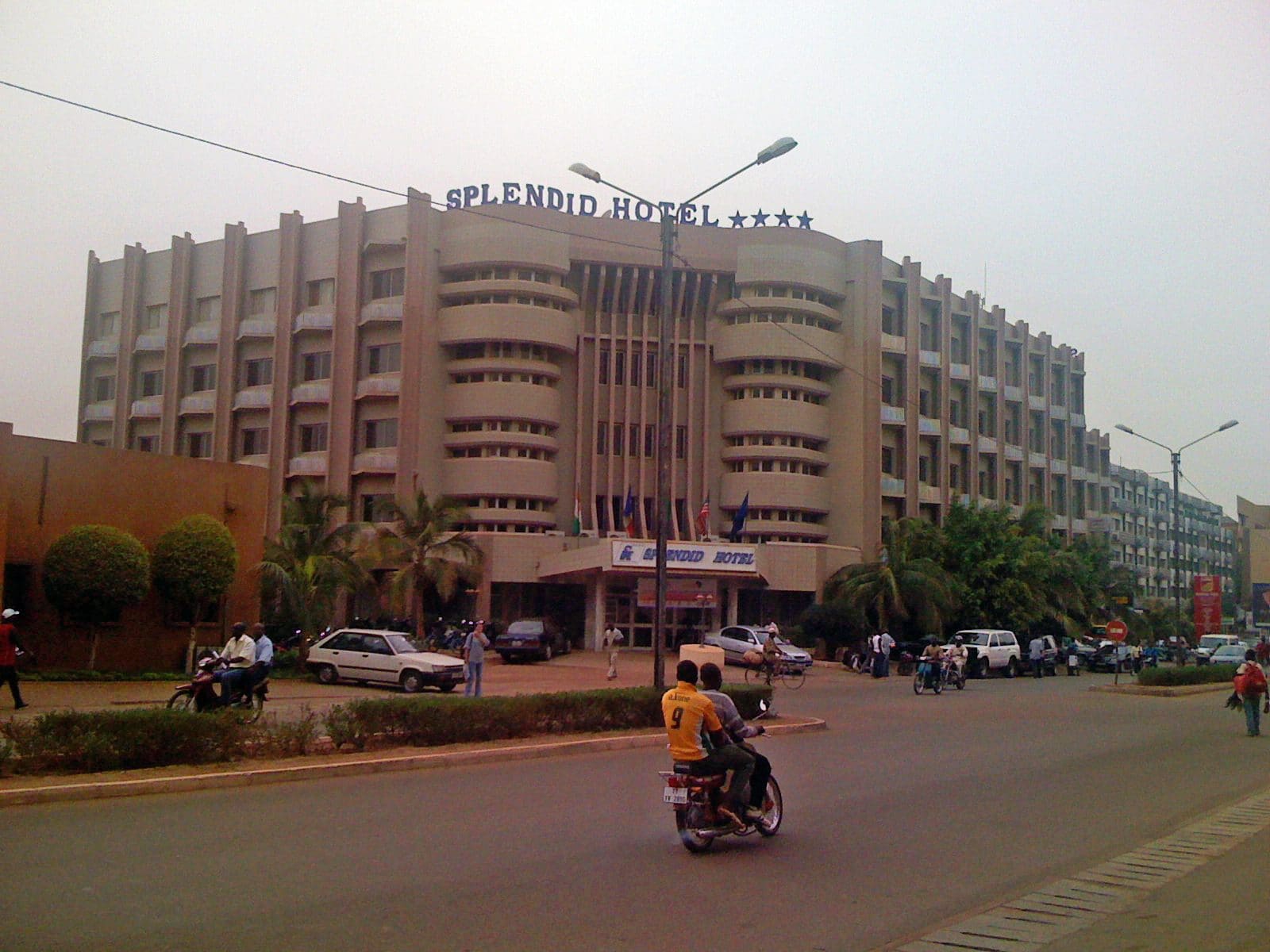
Gunmen linked to Al-Qaeda in the Islamic Maghreb and Al-Mourabitoun attacked hotels and a cafe in central Ouagadougou, killing about 30 people. It was the insurgency's first strike on the capital and confirmed that violence originating along the Mali border could reach the seat of government directly.
First attack of the insurgency hits a border gendarmerie
Gunmen attacked a gendarmerie post in northern Burkina Faso near the Malian border, the opening incident of what is now tracked as the Islamist insurgency in Burkina Faso. Seven similar posts were hit over the following fourteen months, part of the same jihadist current already active across the border in Mali.
Frequently Asked Questions
How did Burkina Faso's insurgency start, and how does it relate to the war in Mali?
Burkina Faso's insurgency began August 23, 2015 with an attack on a gendarmerie post near the Malian border, spilling over from a jihadist current already active in Mali since the early 2010s. The two conflicts share the same core armed groups (JNIM and the Islamic State Sahel Province both operate across the border) and are widely treated as one Sahel-wide jihadist crisis, but each country has its own government, armed forces and national trajectory. Mali's own war, including its 2012 and 2020-2021 coups and separate Tuareg-separatist dimension, is tracked on this site's [Mali war page](/wars/mali-war/); this page covers what happened specifically inside Burkina Faso.
What is the difference between JNIM and ISGS/ISSP?
JNIM (Jama'at Nasr al-Islam wal-Muslimin) is an al-Qaeda-linked coalition formed in 2017 and is the dominant jihadist actor in Burkina Faso. ISGS, the Islamic State in the Greater Sahara, became a formal Islamic State province in 2022 and is now officially named ISSP (Islamic State Sahel Province); it is confined mostly to northern Burkina Faso, western Niger and parts of Mali. The two groups mostly avoided each other despite the global al-Qaeda/Islamic State split until 2020, when a still-ongoing and separately tracked JNIM-ISSP war broke out between them across the tri-border region.
Why did Burkina Faso have two coups in the same year, 2022?
Lt. Col. Paul-Henri Sandaogo Damiba ousted President Roch Marc Christian Kaboré on January 24, 2022, citing the government's failure to contain the insurgency. Eight months later, on September 30, 2022, Capt. Ibrahim Traoré removed Damiba in turn, with Traoré's faction making the identical accusation, that Damiba had not focused enough on defeating the insurgency. Damiba resigned and went into exile in Togo. Traoré has led the country since, and Togo-based Damiba has since been accused by the junta of plotting to retake power by force.
Who is responsible for civilian deaths in the conflict, the government or the jihadists?
Human Rights Watch's most comprehensive accounting, an April 2026 report covering January 2023 through August 2025, documented at least 1,800 civilian deaths and attributed more than twice as many, at least 1,255 across 33 incidents, to Burkinabe government forces and allied VDP militia than to JNIM, which HRW tied to at least 582 deaths across 24 incidents. HRW has separately published detailed reports on massacres attributed specifically to each side, including army-directed killings of Fulani civilians and JNIM massacres such as Barsalogho. Both categories of documented killing include incidents HRW and other investigators describe as likely war crimes.
Why did Burkina Faso's junta turn to Russia instead of France?
The junta ended its military accord with France in January 2023, completing a full French withdrawal by February 18, 2023, following public anger over the government's inability to stop insurgent advances and an October 2022 attack on the French cultural center in Ouagadougou. Traoré subsequently courted Moscow, addressing the July 2023 Russia-Africa Summit with explicitly anti-Western, anti-colonial rhetoric, and Russia's Africa Corps began deploying personnel to Burkina Faso in January 2024. Independent researchers have found no clear security improvement resulting from the shift, and note Russian-linked forces have themselves been implicated in civilian-harm patterns similar to those documented among Burkinabe units.
Sources
- Islamist insurgency in Burkina Faso — Wikipedia
- January 2022 Burkina Faso coup d'etat — Wikipedia
- September 2022 Burkina Faso coup d'etat — Wikipedia
- Alliance of Sahel States — Wikipedia
- Siege of Djibo — Wikipedia
- Yirgou massacre — Wikipedia
- 'None Can Run Away': War Crimes and Crimes Against Humanity in Burkina Faso by All Sides — Human Rights Watch
- Burkina Faso: Crimes Against Humanity by All Sides — Human Rights Watch
- Burkina Faso: Army Directs Ethnic Massacres — Human Rights Watch
- Burkina Faso: Islamist Armed Groups Massacre Civilians — Human Rights Watch
- Burkina Faso: Massacre Shows Need to Protect Civilians — Human Rights Watch
- Burkina Faso's Junta Pulls the Plug on Political Life — Human Rights Watch
- Burkina Faso, Mali, and Niger Quit Regional Bloc — Human Rights Watch
- Burkina Faso confirms it has ended French military accord — Al Jazeera
- The Wagner forces under a new flag: Russia's Africa Corps in Burkina Faso — OSW Centre for Eastern Studies
- Burkina Faso authorities say new coup plot foiled, arrests underway — Africanews
- Suspected jihadists kill at least 22 soldiers, militia in Burkina Faso — Punch Nigeria
- Russia and Sahel States Pledge Stronger Military Ties Amid Insurgent Attacks — The Moscow Times
- Burkina Faso, Mali and Western Niger - Humanitarian Overview — UN OCHA