Ukraine Claims Wide Strike on Russian Airbase, Air Defenses
Ukraine's drone force says it hit two Russian fighters, a strike drone, and three air-defense systems across three regions overnight, a claim Russia has not addressed.

ArmyInform, Wikimedia Commons, CC BY 4.0
Ukraine’s Unmanned Systems Forces say a night of drone strikes hit two Russian combat aircraft, a strike drone, and air-defense systems spanning three regions of southern Russia and occupied Crimea. Neither Russia’s Defense Ministry nor any outlet outside Ukraine has confirmed the claim as of this writing, and this account treats it as an unverified military statement, not an established fact.
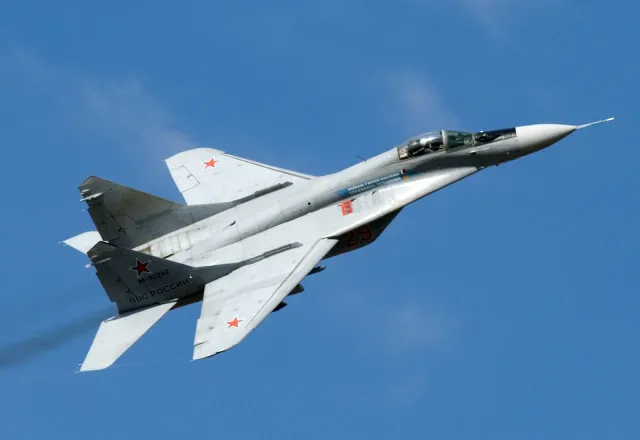
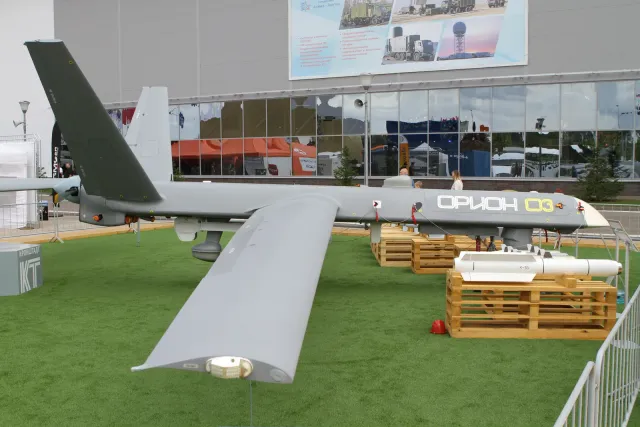
Robert “Magyar” Brovdi, commander of the Unmanned Systems Forces’ 1st Center, said the primary target was Vityazevo airfield in Krasnodar Krai, where drones struck a twin-seat fighter and a MiG-29 on the ground, along with a Russian Orion strike and reconnaissance drone, a type roughly comparable in role to the U.S. MQ-9 Reaper. Brovdi’s unit initially identified the twin-seat jet as a Su-33, but migflug’s aviation analysis assessed the aircraft in released footage as a Su-30SM instead, pointing to the distinctive cockpit hump visible on the twin-seat variant, a detail the Su-33 does not share. Neither Kyiv Independent nor Ukrinform’s reporting resolved the identification either way, so the aircraft type remains disputed even within Ukraine’s own coverage of the strike.
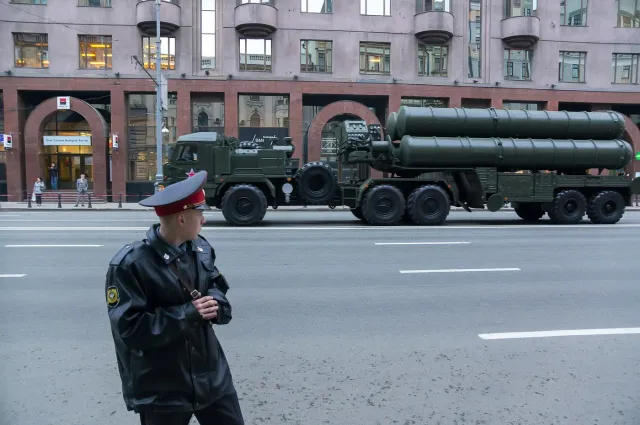
Brovdi said further strikes that night hit S-400, Pantsir and Tor air-defense systems, plus eight radar installations, across Krasnodar Krai, Rostov Oblast and Russian-occupied Crimea. Ukrinform’s account, drawing on the same unit’s statement, matches that count of targets and adds that an S-400 battalion position was specifically named among them. No satellite imagery, independent battle-damage assessment, or acknowledgment from Russian officials has surfaced to support any part of the claim, and every detail in this account traces back to Brovdi’s own statement and the video he released alongside it, not to a source outside Ukraine’s military.
The claim fits a documented pattern rather than standing as an isolated event. Ukraine’s Unmanned Systems Forces, established February 6, 2024, as the first standalone drone branch of any military, has run a sustained 2026 campaign aimed at Russian airbases, radar sites and surface-to-air missile batteries well behind the front line, a strategy aimed at thinning out the air-defense coverage protecting targets deeper inside Russia rather than at any single dramatic hit. Ukraine’s own Orion-analogous strike-drone systems coverage on WeaponSpecs tracks the Russian platform named in this claim; the site carries no verified record of Sunday’s specific losses because none has been independently confirmed.
That gap matters for how the claim should be read. Brovdi is a named, identifiable military commander speaking on the record, which sets this apart from an anonymous leak, but a named source is still one side of an unconfirmed engagement, and Ukrainian outlets reporting a friendly unit’s own account of its results are not a substitute for outside verification. If Russian officials or independent imagery eventually confirm or dispute specific losses, those details will differ from what stands here, and this account will need to be revisited rather than treated as settled.
The mix of targets Brovdi named points to a deliberate layering, not a single lucky hit. Aircraft parked on a runway are a one-time opportunity, but air-defense radars and interceptor batteries are the systems that make every subsequent strike in that region harder to pull off. An S-400 battalion is Russia’s longest-reaching layered air-defense system, rated to engage targets well beyond 200 kilometers; a Pantsir battery handles the shorter-range, close-in gap that a large system like the S-400 leaves open; and a Tor unit covers low-altitude threats such as small drones and cruise missiles that slip under both. Knocking out radar coverage and interceptor batteries in the same night as the aircraft strike, if the claim holds up, would degrade the very network Russia would need to intercept the next wave of Ukrainian drones headed toward the same region.
Vityazevo sits roughly 300 kilometers from the front line, well inside the zone Ukraine has targeted repeatedly through 2026 as part of a campaign to push Russian air operations further from occupied territory and the Black Sea coast. The airfield has hosted Russian fighter and drone operations supporting both the war in Ukraine and Black Sea maritime patrols, which is consistent with why Ukraine’s drone units have returned to strike targets in Krasnodar Krai multiple times this year rather than treating any single raid as a one-off.
None of that context confirms Sunday’s specific claim. It explains why, if the strike happened roughly as Brovdi described it, Ukraine would have chosen exactly this combination of targets, an aircraft, a strike drone, and the air-defense network protecting the region around them, rather than validating the details of what was actually destroyed.
Sources
- Ukraine strikes 2 Russian fighters, air defense assets in Krasnodar Krai, drone commander says — Kyiv Independent, Aug 23, 2026
- Ukrainian drones strike two Russian aircraft, eight radar systems and S-400 battalion position — Ukrinform, Aug 23, 2026
- Ukraine Strikes Su-33, MiG-29 at Vityazevo — migflug, Aug 24, 2026
Systems mentioned
Every system named in this story, with its photo and, where available, a video. Tap a card to open the full spec sheet.
Compare these side by side →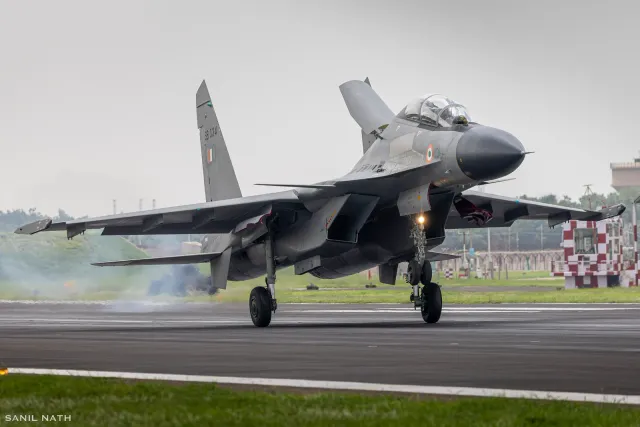
Air defense system
S-400 Triumf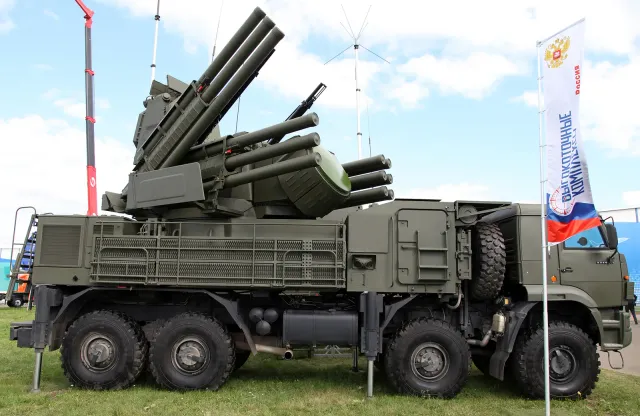
Air defense system
Pantsir-S1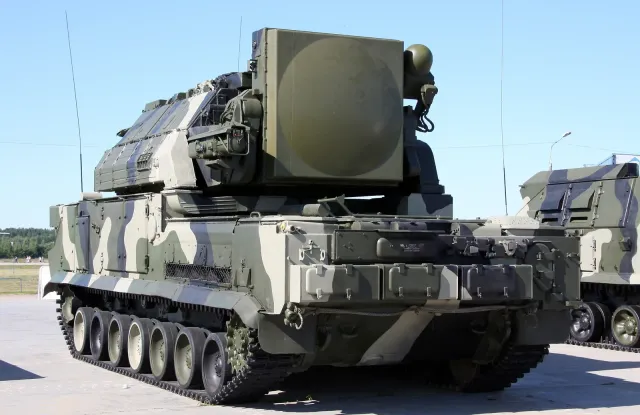
UAV / drone
Orion (Inokhodets)More news


