Pentagon Locks In $58.6B Patriot Deal as Stockpiles Thin
The Army converted a one-year Patriot contract into a 7-year, $58.6B plan Wednesday, the largest Patriot deal ever, as Iran and Ukraine drain stockpiles.

U.S. Army photo by Capt. Frank Spatt, DVIDS, public domain
The U.S. Army awarded Lockheed Martin up to $58.6 billion Wednesday to convert a one-year Patriot interceptor contract into a seven-year multiyear procurement plan, the largest Patriot missile deal in the program’s history. Hours later, the Navy separately announced $76.6 billion in submarine contracts, putting more than $135 billion of new Pentagon commitments on the books in a single day.
From a one-year stopgap to a seven-year plan
The award, announced July 29, 2026, restructures an April 2026 undefinitized contract action worth $4.7 billion, a stopgap the Army had used to keep Lockheed’s PAC-3 MSE production line running while the two sides negotiated something more durable. That stopgap is now a multiyear procurement plan covering fiscal years 2026 through 2032, with a ceiling of $58.6 billion. A multiyear procurement contract is a specific Pentagon acquisition tool: it lets a service buy multiple years’ worth of a weapon system under one negotiated agreement instead of re-competing or re-negotiating annually, which gives the manufacturer enough demand certainty to invest in expanded tooling, hire and train workers, and lock in supplier contracts at lower unit prices than year-by-year buying would produce.
That certainty is the actual point of Wednesday’s announcement, more than the headline dollar figure. Lockheed says the deal funds a tripling of PAC-3 MSE production capacity by the end of 2030, with a target output rate of 2,000 interceptors a year, and workforce growth at its Camden, Arkansas missile plant from roughly 1,200 to about 1,850 employees, a 50% increase. The company is also committing $8 billion to $9 billion of its own capital investment through 2030 across more than 20 facilities tied to the Patriot supply chain, spending that only makes financial sense against a seven-year order book, not a one-year stopgap that could vanish at the next budget cycle.
“This is a once-in-a-generation moment, and we are moving with wartime urgency to deliver the Arsenal of Freedom,” said Jim Taiclet, chairman, president and CEO of Lockheed Martin (The Epoch Times, July 29, 2026).
Why the urgency: stockpiles reportedly under 1,000 rounds
The PAC-3 MSE is the current-generation interceptor for the Patriot air-defense system, a hit-to-kill missile designed to destroy ballistic missiles, cruise missiles and aircraft by direct impact rather than a proximity-fused warhead. Reporting around the announcement puts U.S. Patriot interceptor stocks at fewer than 1,000 rounds and THAAD interceptor stocks at fewer than 250, figures that are not an official Pentagon-published inventory count but are consistent enough across multiple outlets to explain the deal’s framing as urgent rather than routine restocking. Two overlapping drains account for most of the depletion: the 12-day war with Iran in June 2026, during which U.S. and allied batteries expended interceptors defending against a sustained Iranian missile campaign, and more than two years of transferring Patriot systems and munitions to Ukraine, which has relied on Patriot batteries as its primary defense against Russian ballistic-missile strikes since 2023. A production line sized for peacetime replenishment was never built to absorb both draws at once, which is the gap this contract is explicitly trying to close.
Same day, a separate $76.6 billion for submarines
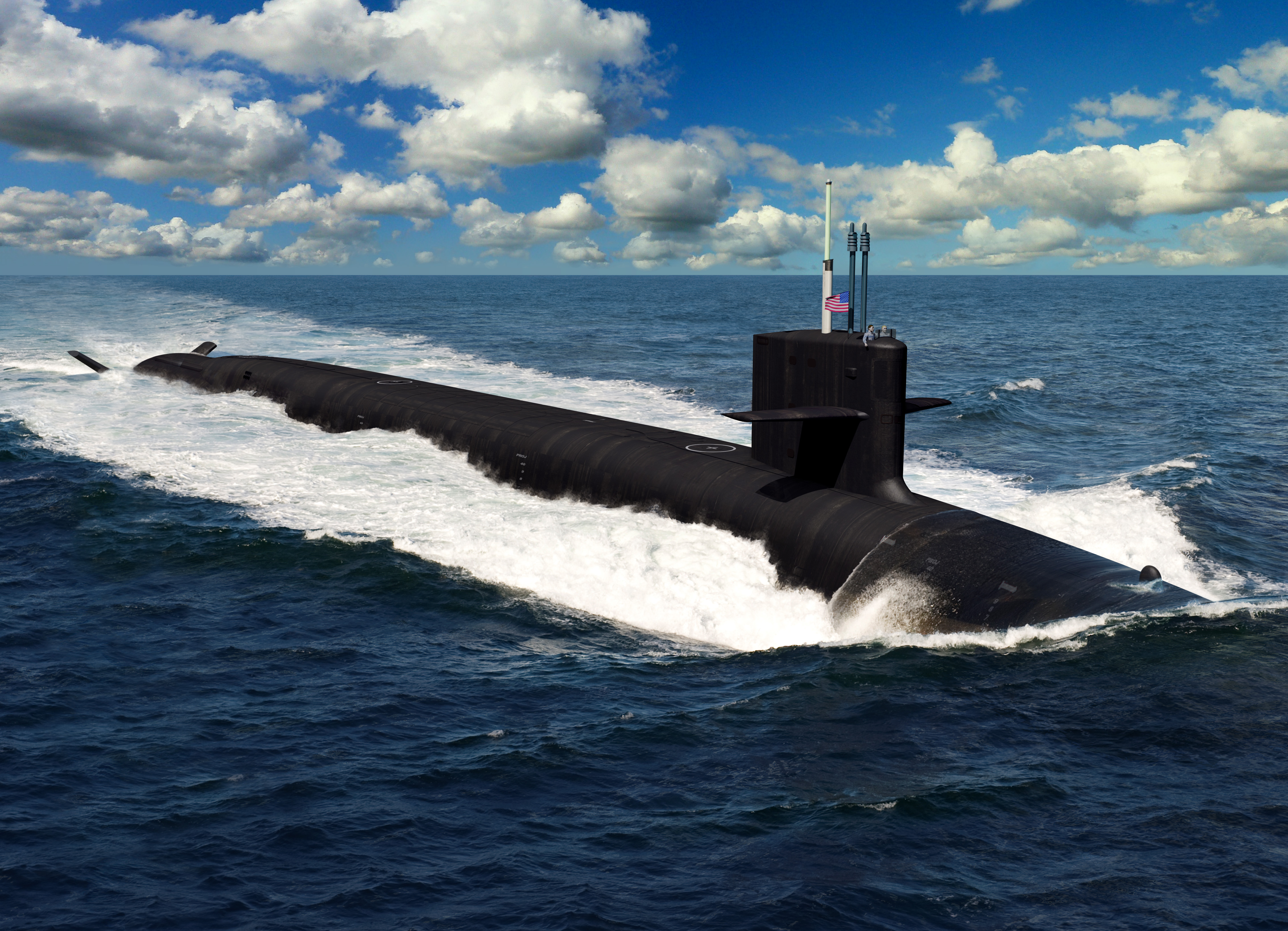
Within hours of the Patriot announcement, the Navy disclosed $76.6 billion in its own contracts, split between $42.1 billion for nine Virginia-class attack submarines, plus long-lead material for a tenth, and $29.5 billion for five Columbia-class Build II ballistic-missile submarines. Both programs are built jointly by General Dynamics Electric Boat and HII Newport News Shipbuilding, and the Navy is separately committing $5 billion toward shipyard-enhancement funding meant to expand the physical capacity to build both classes faster. That capacity is the real bottleneck: Virginia-class production is currently running at roughly one submarine a year against a stated target of two, and Block V deliveries are running about three years behind schedule, a shortfall the Navy has acknowledged for several years without fully closing it.
“This historic investment underscores the Department’s continued commitment to undersea superiority,” said Vice Adm. Robert Gaucher, the Navy’s submarine program lead (Breaking Defense, July 29, 2026).
The submarine contracts are legally and administratively separate from the Patriot deal, different services, different budget lines, different contractors, but the same-day timing is not incidental. Both awards are part of a broader pattern in which the Pentagon has spent 2026 moving to expand munitions and shipbuilding capacity that years of steady peacetime-rate contracting left too small for a period of active conflict and sustained ally support, a pattern also visible in a separate Raytheon Tomahawk cruise-missile production-ramp deal earlier this year that scaled output from roughly 60 missiles a year toward a target of 1,000.
Newport News Shipbuilding president Kari Wilkinson and Electric Boat president Mark Rayha both spoke to the scale of the awards, while Rep. Joe Courtney, D-Conn., ranking member of the House Seapower subcommittee, backed the funding as necessary to close the gap between current output and the Navy’s targets.
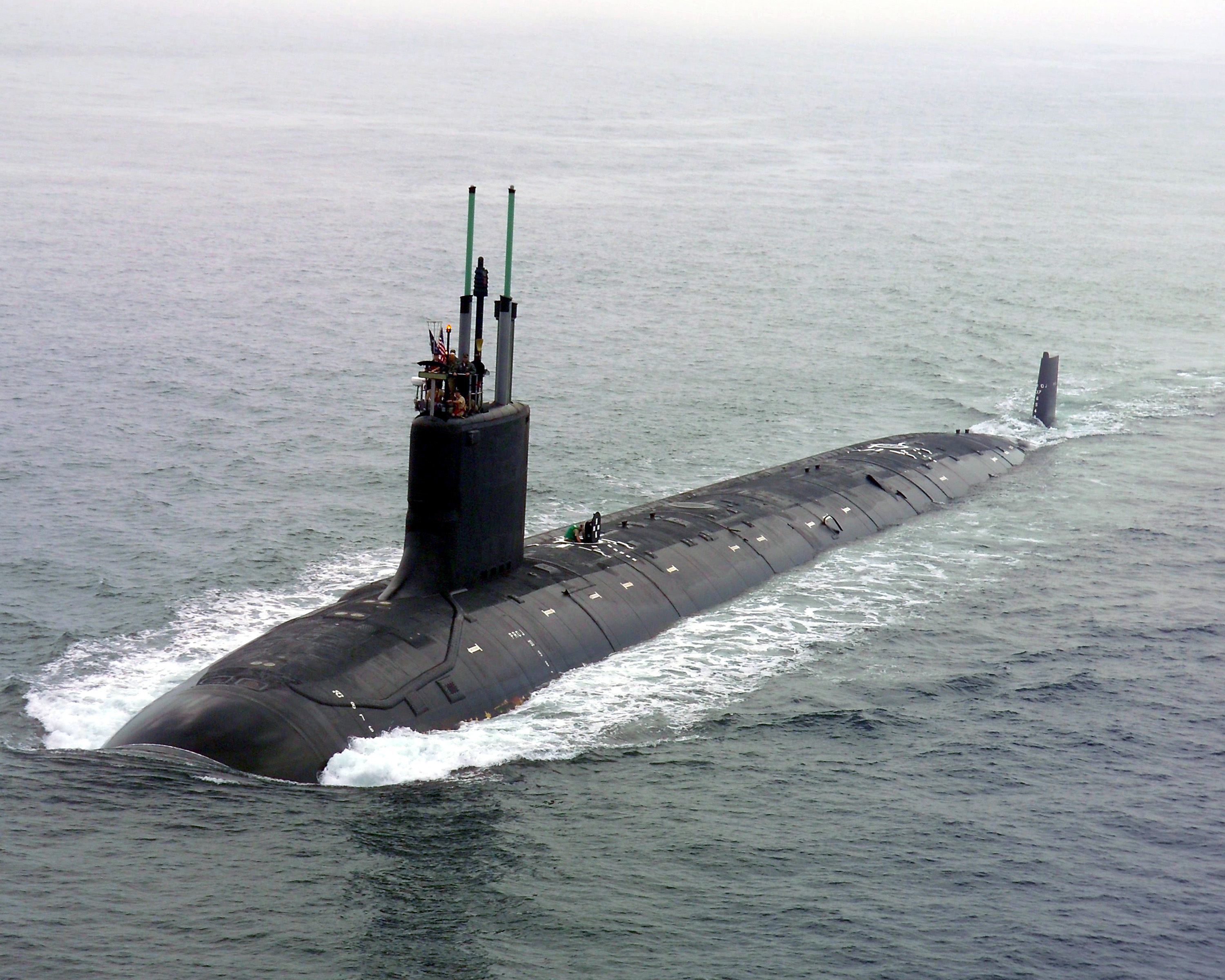
The Patriot award alone is larger than the two submarine contracts combined, reflecting how acutely interceptor stockpiles, not shipbuilding, were the more immediate shortage the Pentagon moved to fix.
Sources
- US awards Lockheed Martin $58.6 billion in largest-ever Patriot missile deal — KFGO (Reuters wire), Jul 29, 2026
- Navy awards $76.6B in contracts for new Virginia, Columbia-class subs — Breaking Defense, Jul 29, 2026
- Army awards Lockheed Martin $58.6 billion in largest-ever PAC-3 Patriot missile deal — Union Leader (AP wire), Jul 30, 2026
- US awards Lockheed Martin $58.6 billion Patriot missile contract — The Epoch Times, Jul 29, 2026
Systems mentioned
Every system named in this story, with its photo and, where available, a video. Tap a card to open the full spec sheet.
Compare these side by side →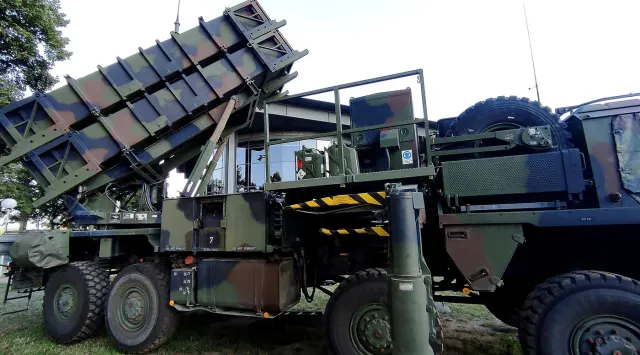
Air defense system
Patriot PAC-3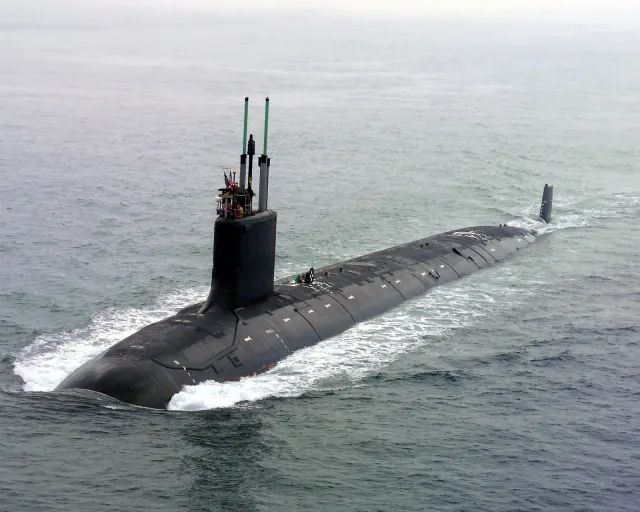
Submarine
Virginia-class Submarine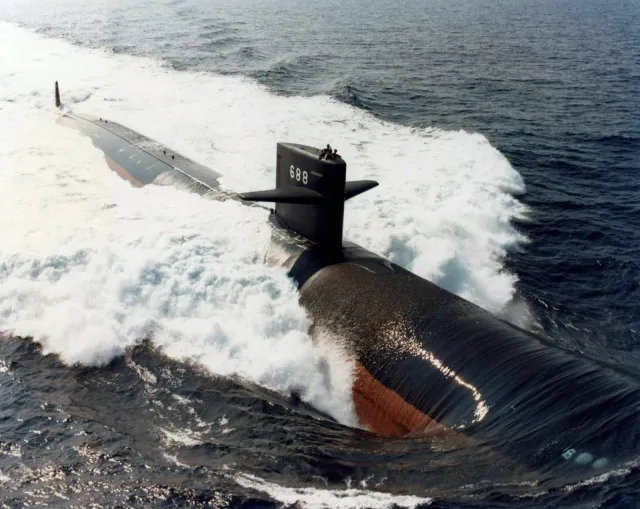
Submarine
Columbia-class SubmarineFrequently asked questions
Why did the Patriot contract jump from $4.7 billion to $58.6 billion? +
The $4.7 billion was a one-year stopgap the Army signed in April 2026 to keep production running while a bigger deal was negotiated. Wednesday's award converts that stopgap into a seven-year (fiscal 2026-2032) multiyear procurement plan, the mechanism the Army uses to guarantee a supplier steady, predictable demand in exchange for lower unit costs and expanded production capacity.
Is this new money, or just a rebudgeting of the same program? +
It is new multiyear contract authority, not a repackaging. It funds an actual tripling of PAC-3 MSE production capacity by the end of 2030 and a roughly 50% increase in the Camden, Arkansas workforce that builds the interceptors, both of which require new money committed years in advance, not just moving existing funds around.
Why are submarine contracts part of the same story? +
Because the Navy announced its own $76.6 billion round of Virginia-class and Columbia-class submarine contracts the same day, July 29, 2026, as part of the same broader Pentagon push to rebuild stockpiles and shipbuilding capacity strained by the Iran war and support for Ukraine. They are separate programs and separate contracts, not two pieces of one deal, but the same-day timing signals a coordinated push across services rather than a coincidence.
How depleted are U.S. Patriot stocks, really? +
Reporting around the announcement puts U.S. holdings at fewer than 1,000 Patriot interceptors and fewer than 250 THAAD interceptors, though neither figure is an official Pentagon-published count. Treat those numbers as informed estimates that explain the urgency behind the deal, not confirmed inventory data.
More news


