12 NATO Allies Pledge $50.66B for Deep Strike Missiles
A UK-led coalition of 12 NATO members is spending $50.66 billion over a decade on missiles reaching 300 to over 2,000 kilometers, a bet Europe needs its own deep-strike arsenal.

RAF/MoD, via Wikimedia Commons, Open Government Licence v1.0
Twelve NATO members signed a joint statement in Ankara on July 8 committing $50.66 billion over the next decade to Deep Precision Strike capabilities, a UK-led push for long-range missiles that reach a minimum of 300 kilometers and, in some designs, beyond 2,000, well past the range of most weapons currently fielded by European militaries. The commitment is separate from, and considerably more specific than, the broader “$50 billion in new procurements” language NATO’s own summit declaration used to describe a wider basket of spending; this is a dedicated missile-development pledge with named sub-programs, named signatories and a UK government press release spelling out exact figures, confirmed independently by NATO’s own text, the UK Ministry of Defence and five trade-press outlets reviewed for this story.
An initiative with a name, a leader and four moving parts
The signatories are Denmark, Estonia, Finland, France, Germany, the Netherlands, Norway, Romania, Spain, Sweden, Turkey and the United Kingdom, according to the UK government’s own July 8 release, which frames Britain as the initiative’s lead nation. That release breaks the $50 billion figure into a UK-specific commitment of £3 billion (roughly $4 billion) by 2030, spread across at least two named sub-programs.
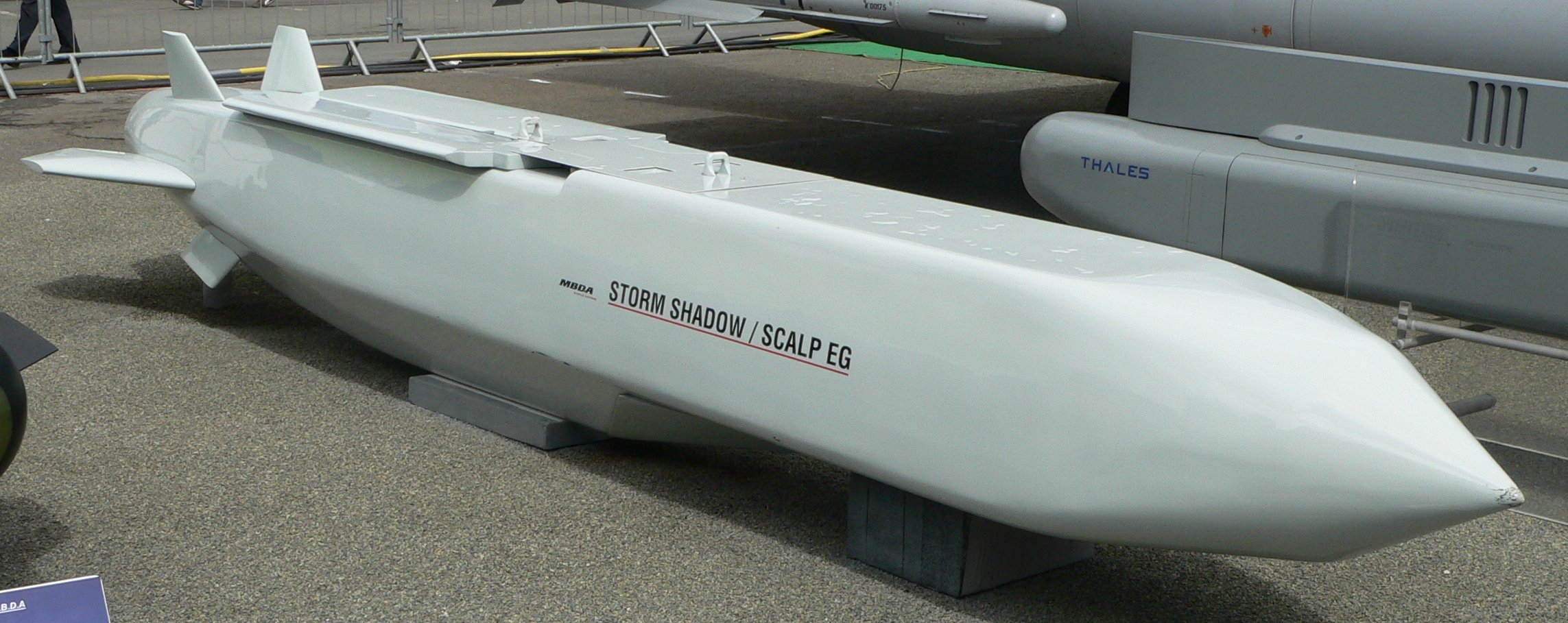
The first is Trinity House, a bilateral UK-Germany program targeting a deep-strike weapon with a range beyond 2,000 kilometers, aimed at fielding in the 2030s, backed by £770 million over four years. The second is Stratus, a trilateral UK-France-Italy successor to the Storm Shadow and SCALP cruise missiles already in European inventories, backed by £1.4 billion over the same window. AeroTime reported that Stratus splits into two variants, a subsonic low-observable design meant to penetrate dense air defenses and a supersonic variant reported to fly between Mach 3 and Mach 5, covering deep strike, anti-ship and suppression-of-enemy-air-defense missions. More than 750 engineers at manufacturer MBDA’s UK sites are already on the program, which completed its assessment phase in 2025.
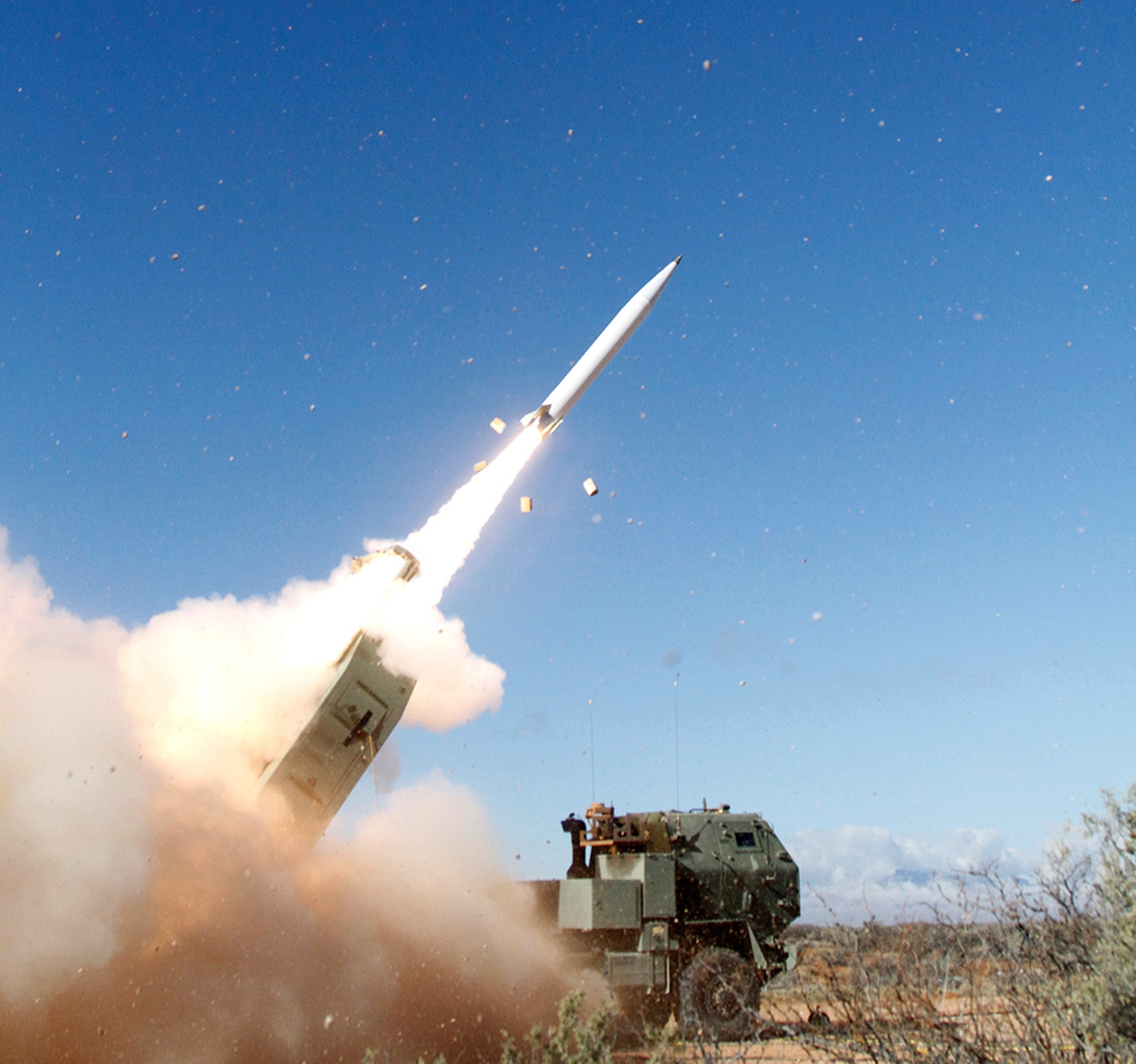
A third piece sits alongside the UK-led effort: a separate Ground-Based Precision Strike Capabilities High Visibility Project, launched by six of the same allies, Denmark, France, Italy, Norway, Turkey and the UK, per NATO’s own July 7 announcement, exploring multinational development of new ground-launched deep-strike systems. A fourth line, the Precision Strike Missile (PrSM) program the US, Australia and UK already share, gives the coalition a fielded, 500-kilometer system to buy into now while Trinity House and Stratus mature through the 2030s.
Why a decade-long missile pledge, and why now
UK officials tied the initiative explicitly to changes in how the United States is postured in Europe. The Ministry of Defence’s own language, per gov.uk, describes the goal as fielding “the most advanced weapons NATO will have at its disposal in the future,” while Nordic Defence Sector reported the coalition’s joint statement frames the buildup as a response to “recent changes in US force dispositions.” That framing fits a pattern visible across this summit’s announcements: European and allied states hedging against dependence on US-controlled weapons, supply chains and decision-making about when allied forces can strike at range.
“We are building the weapons of the future to keep the UK and NATO secure for decades to come,” said Dan Jarvis, UK Secretary of State for Defence (UK Government / gov.uk, July 8, 2026).
The 300-to-2,000-plus-kilometer range band this initiative targets is the practical answer to that dependence. Most European strike missiles in service today, including Storm Shadow and SCALP, top out well short of 2,000 kilometers, so a strike deep into an adversary’s territory beyond that reach has historically leaned on US long-range systems or on air superiority that lets aircraft fly closer to the target first. A fielded 2,000-kilometer-plus missile changes that calculus: it lets a launching nation hold targets at risk from well inside its own or an ally’s territory, without contesting airspace closer to the target or relying on an outside power’s launch systems.
Figures per the UK Government's July 8, 2026 gov.uk release. Trinity House and Stratus are named UK sub-programs within the broader $50.66 billion, 12-nation Deep Precision Strike initiative; the £3 billion figure is the UK's own total commitment across all its Deep Precision Strike lines by 2030, not the coalition-wide total.
What buying in doesn’t solve
None of this arrives fielded. Trinity House and Stratus are both targeting deployment in the 2030s, meaning the range gap this initiative is meant to close will persist through the remainder of this decade regardless of how firmly the money is committed today. The Ground-Based Precision Strike High Visibility Project is explicitly framed by NATO as exploratory, a forum for multinational development rather than a program with a fielded end date. PrSM is the one piece already in service, but its 500-kilometer range is a fraction of what Trinity House is meant to eventually deliver, meaning the coalition’s only near-term capability gain is the smallest piece of the plan.
There is also the question of what “committed” means at this stage. The $50.66 billion figure is a ten-year pledge across twelve treasuries, not appropriated, contracted funding. Trade press has not yet reported a signed contract for either Trinity House or Stratus beyond the UK’s own four-year funding lines; both remain program commitments rather than delivered capability.
Sources
- The Ankara Summit Declaration — NATO, Jul 8, 2026
- $50bn boost for European deep precision strike capabilities as UK leads new initiative — UK Government (gov.uk), Jul 8, 2026
- Allies meet strike capability requirements with multinational initiatives — NATO, Jul 7, 2026
- UK commits £1.4 billion to Stratus missile as part of European deep strike push — AeroTime, Jul 8, 2026
- UK to Lead $50 Billion European Effort for Deep Precision Strike Missile — The Aviationist, Jul 10, 2026
- European coalition pledges $50 billion to modernize deep precision strike capabilities — Breaking Defense, Jul 9, 2026
- Twelve NATO Countries Announce Investment in Long-Range Precision Strike — Nordic Defence Sector, Jul 9, 2026
Systems mentioned
Every system named in this story, with its photo and, where available, a video. Tap a card to open the full spec sheet.
Compare these side by side →
Missile
Storm Shadow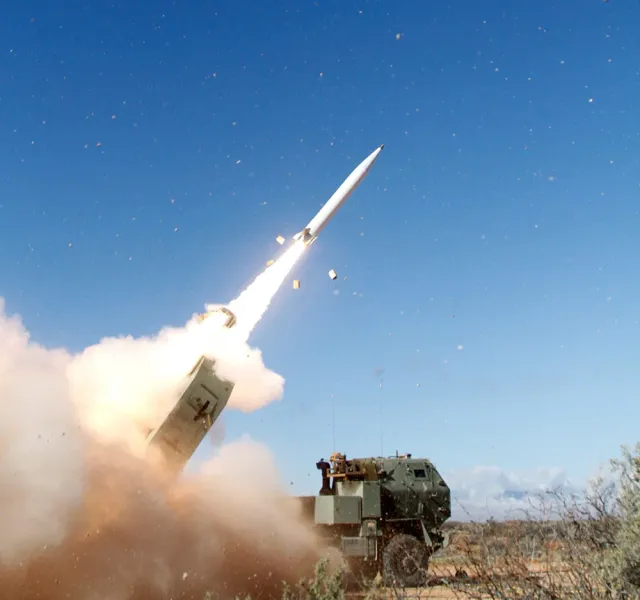
Frequently asked questions
Is the $50.66 billion Deep Precision Strike figure separate from NATO's broader Ankara summit announcements? +
Yes. NATO's own Ankara Summit Declaration cites 'more than $50 billion in new procurements' across a wider basket that includes deep precision strike, integrated air and missile defense, uncrewed systems and intelligence capabilities combined, without naming individual countries or dollar amounts. The $50.66 billion Deep Precision Strike figure comes from a separate joint statement 12 European allies signed the same day, July 8, 2026, specifically committing to deep-strike missile capability over the next decade, confirmed by the UK government's own gov.uk release and multiple trade-press outlets.
How is this different from the UK's earlier £190 million PrSM procurement or the Belgium air-defense deal from the same summit? +
PrSM is one narrow piece inside this larger initiative, a single missile program the UK joined alongside the US and Australia. The Deep Precision Strike initiative is the umbrella framework funding PrSM plus at least three other lines: the Trinity House program, the Stratus missile family, and a separate Ground-Based Precision Strike High Visibility Project. Belgium's NASAMS and Skyranger air-defense rebuild, also announced at Ankara, is a defensive, short-to-medium-range system unrelated to the offensive long-range strike missiles this initiative funds.
What are Stratus and Trinity House? +
Stratus is a trilateral UK-France-Italy cruise-missile program, the intended successor to the Storm Shadow/SCALP missile, with two variants: a subsonic, low-observable version and a supersonic version reported to fly between Mach 3 and Mach 5. Trinity House is a bilateral UK-Germany program aimed at a deep-strike weapon with a range beyond 2,000 kilometers, targeting deployment in the 2030s. The UK has committed £1.4 billion to Stratus and £770 million to Trinity House, both over four years.
Why is this framed as a response to the United States? +
UK officials and multiple trade-press accounts tie the initiative directly to recent shifts in US force posture and the broader European push to build deep-strike capability that does not depend on American systems or approval. It follows a pattern visible across several of this summit's announcements, including Ukraine's push to license domestic Patriot production, of European and allied states hedging against reduced reliance on US-controlled weapons and supply chains.
More news


