B-21, F-47 Ahead of Schedule as B-52 Upgrade Runs $3B Over
A four-star Air Force acquisition chief says the B-21 and F-47 are beating their timelines, even as a GAO report finds the B-52's engine overhaul $3 billion over budget.

U.S. Air Force photo by Giancarlo Casem, 412th Test Wing, via DVIDS, public domain (B-21 Raider flight testing, Edwards Air Force Base, April 4, 2024)
The Air Force is telling two very different stories about its bomber fleet at the same moment. Its newest bomber, the B-21 Raider, and its next fighter, the F-47, are both running ahead of schedule, according to the four-star general now in charge of overseeing the Pentagon’s most critical weapons programs. Its oldest bomber, the B-52, just got a formal government finding that its engine-replacement upgrade is roughly $3 billion over budget.
A four-star’s job is to watch programs like these
Gen. Dale R. White made the ahead-of-schedule claim on July 29, 2026 at Life Cycle Industry Days in Dayton, Ohio, speaking in his role as Director of Critical Major Weapon Systems, a four-star Pentagon acquisition-oversight position he moved into around December 2025, reporting directly to Deputy Defense Secretary Steve Feinberg. The position itself is a tell about how seriously the Pentagon now treats program schedule risk: it exists specifically to keep a small number of the department’s highest-stakes weapons programs under direct four-star scrutiny, rather than letting schedule slip get buried in routine program-office reporting until it becomes a crisis.
What “ahead of schedule” means for each aircraft
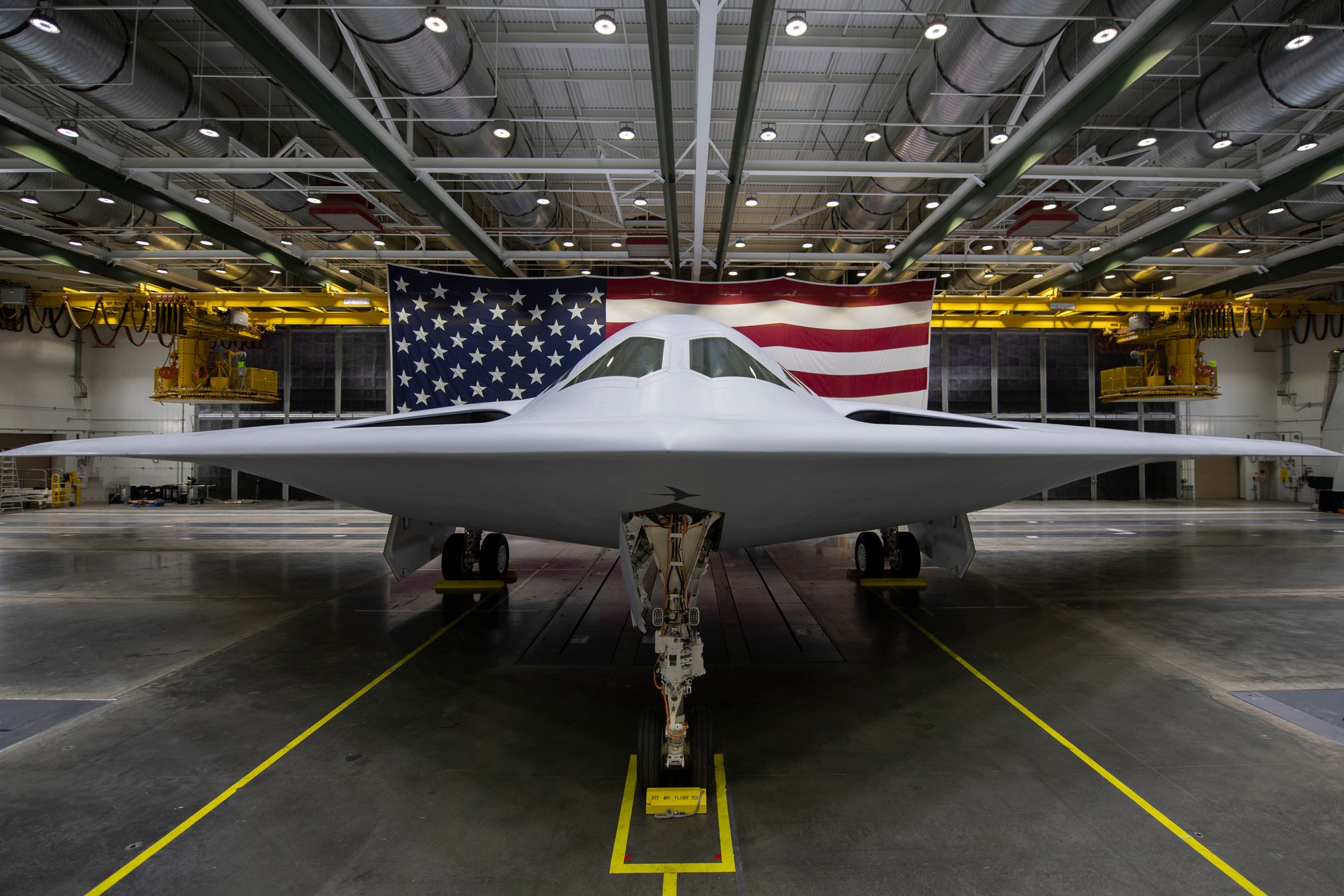
For the B-21 Raider, it means a first operational aircraft on the ramp at Ellsworth Air Force Base, South Dakota in 2027, four years after the bomber’s first flight in November 2023 and roughly a year and a half after its second prototype flew in September 2025. A $4.5 billion one-time infusion from the 2025 reconciliation bill let Northrop Grumman boost production capacity by roughly 25%, and the company is now targeting seven to 10 aircraft a year, ramping toward as many as 12. The Air Force has already ordered more than 100 B-21s, though the Mitchell Institute, an independent think tank, has separately recommended a fleet of at least 225 aircraft to credibly cover simultaneous China and Russia contingencies, a target the Air Force has not itself committed to.
For the F-47, Boeing’s answer to the Next Generation Air Dominance program, ahead of schedule means a first flight targeted for 2028. “The F-47 will fly in this administration,” White said, according to multiple outlets covering his Dayton remarks. The Air Force’s plan calls for 185 F-47s to eventually replace the F-22, each with a combat radius exceeding 1,000 nautical miles, roughly double the F-22’s, paired with Collaborative Combat Aircraft drones flying alongside them. Early Air Force planning envisions two to five CCA drones per F-47; a separate Lockheed Martin demonstration has already shown a single control platform managing up to eight drones at once, a preview of how much of the F-47’s combat mass may eventually come from uncrewed wingmen rather than the crewed jet itself. The Air Force’s own YFQ-42A and YFQ-44A are the actual Increment 1 CCA aircraft slated to fly with it. FY2027 budget requests for the two headline programs total $6.1 billion for the B-21 and $5.03 billion for the F-47.
The B-52’s very different problem
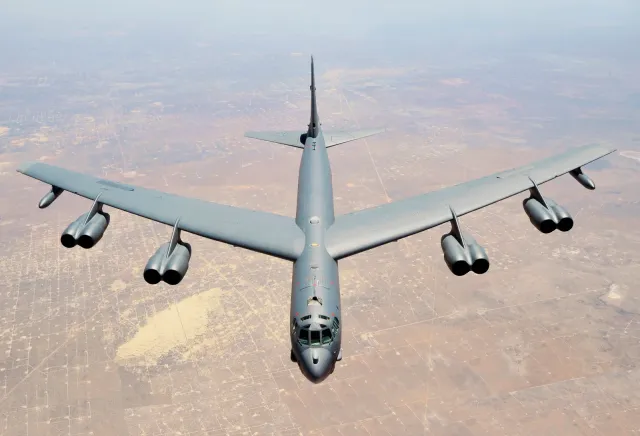
The B-52 is not competing for the same kind of attention as two brand-new aircraft, and that may be part of its problem. A Government Accountability Office report, GAO-26-109272, released July 31, 2026, examined the Air Force’s 76-aircraft, roughly $21 billion, 13-capability modernization effort meant to keep the 1950s-designed bomber flying into the 2050s. GAO found 10 of those 13 planned capabilities facing cost, schedule, or performance problems.
The specific $3 billion overrun belongs to one piece of that program: the Commercial Engine Replacement Program, which swaps each B-52’s eight aging Pratt & Whitney TF33 engines for eight new Rolls-Royce F130s. CERP alone is now projected to cost $15.4 billion, about 74% of the entire modernization effort’s total price tag, up more than 38% since 2018. GAO’s more pointed warning is about sequencing, not just cost: the report says the Air Force plans to begin engine production with little to no developmental flight testing completed, the same kind of schedule compression that has driven cost growth on other Air Force programs when problems surface only after production has already started. This is a separate B-52 sub-program from the bomber’s Radar Modernization Program, which had its own Nunn-McCurdy cost breach disclosed in 2025, roughly $2.9 billion and more than 30% growth, and a schedule slip pushing initial operational capability to fiscal year 2030; the two overruns are distinct problems within the same overall modernization push, not the same $3 billion counted twice.
The two new-aircraft figures are single-year FY2027 budget requests, while the B-52 CERP figure is a total lifetime program cost projection, not an annual spend; they are shown together to illustrate scale, not as a like-for-like annual comparison. CERP alone, an engine swap on an existing airframe, now costs more than either the B-21 or F-47's entire FY2027 request, and represents about 74% of the B-52 modernization effort's overall $21 billion budget.
Two different acquisition stories, same Air Force
The contrast is not really about which aircraft is better managed. New programs like the B-21 and F-47 get fresh funding lines, direct four-star attention, and, in the B-21’s case, a one-time cash infusion specifically because Congress and the Pentagon have decided they cannot afford to let stealth-bomber and sixth-generation-fighter schedules slip. A 1950s airframe getting new engines competes for money and oversight attention against those higher-profile programs, even though keeping roughly three-quarters of the Air Force’s global-strike bomber fleet flying for another two to three decades is no less consequential to actual military capability than either new jet.
Sources
- B-21 bomber, F-47 next-generation fighter ahead of schedule, top Air Force general says — Stars and Stripes, Aug 3, 2026
- Air Force says two advanced stealthy aircraft ahead of schedule, first delivery set 2027 — Fox News, Aug 3, 2026
- B-52 modernization faces delays, cost increases, watchdog says — Military Times, Jul 31, 2026
- BREAKING: B-52 Modernization Program $3 Billion Over Budget — National Defense Magazine, Jul 31, 2026
Systems mentioned
Every system named in this story, with its photo and, where available, a video. Tap a card to open the full spec sheet.
Compare these side by side →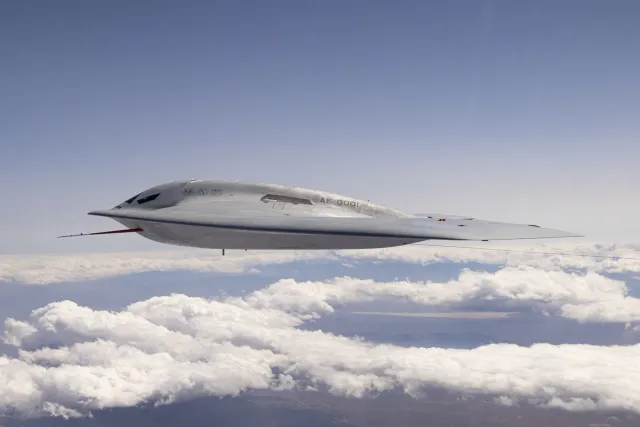
Bomber
B-21 Raider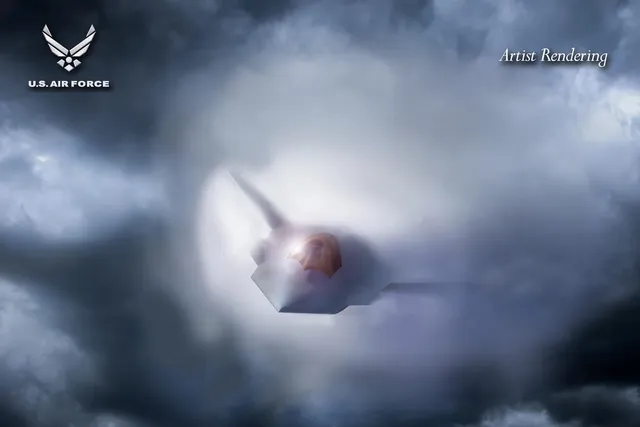
Bomber
B-52H Stratofortress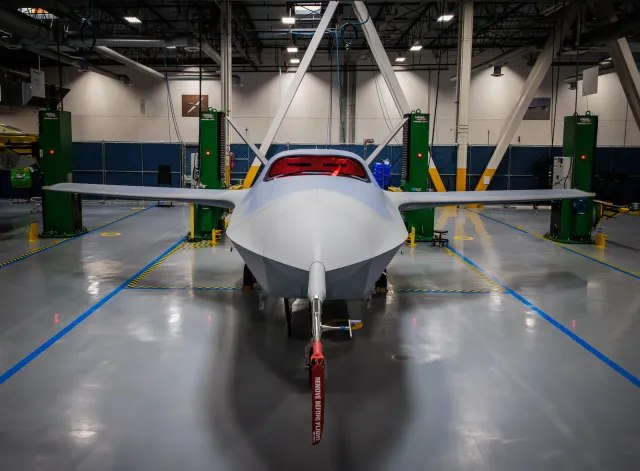
UAV / drone
YFQ-42A (Dark Merlin)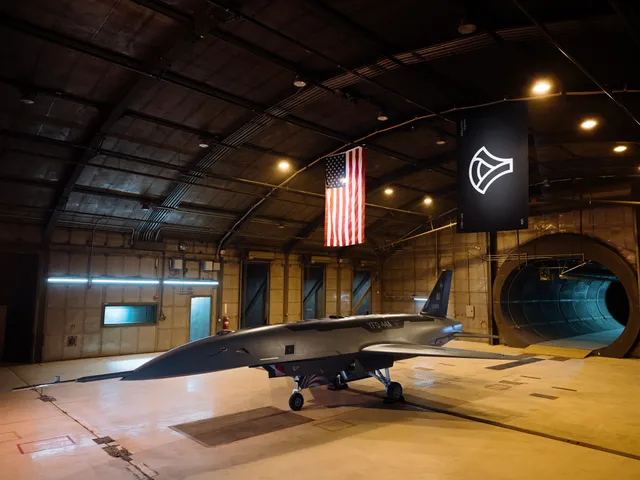
UAV / drone
Fury (YFQ-44A)Frequently asked questions
What did the Air Force actually announce? +
Gen. Dale White, the Pentagon's Director of Critical Major Weapon Systems, said on July 29, 2026 that both the B-21 Raider bomber and F-47 fighter programs are running ahead of schedule, with the first operational B-21 due at Ellsworth Air Force Base in 2027 and F-47 first flight targeted for 2028.
What sped up the B-21 program? +
A one-time $4.5 billion infusion from the 2025 reconciliation bill let Northrop Grumman boost production roughly 25%, moving the company toward building as many as 12 aircraft a year.
Is everything in the Air Force's bomber fleet on track? +
No. A separate July 31, 2026 Government Accountability Office report found the B-52's modernization effort, including its engine-replacement program, running roughly $3 billion over budget, with 10 of 13 planned upgrade components facing cost, schedule, or performance problems.
What is a Collaborative Combat Aircraft and how does it relate to the F-47? +
CCA are AI-enabled 'loyal wingman' drones meant to fly alongside crewed fighters. Early Air Force planning envisions two to five per F-47, and a separate Lockheed Martin demonstration has already shown one control platform managing up to eight drones at once.
More news


