The Tomahawk's Promised 17x Production Jump
The Navy's $22.9B Tomahawk deal promises a jump from 60 to 1,000+ missiles a year, but the industrial base has never sustained that pace before.

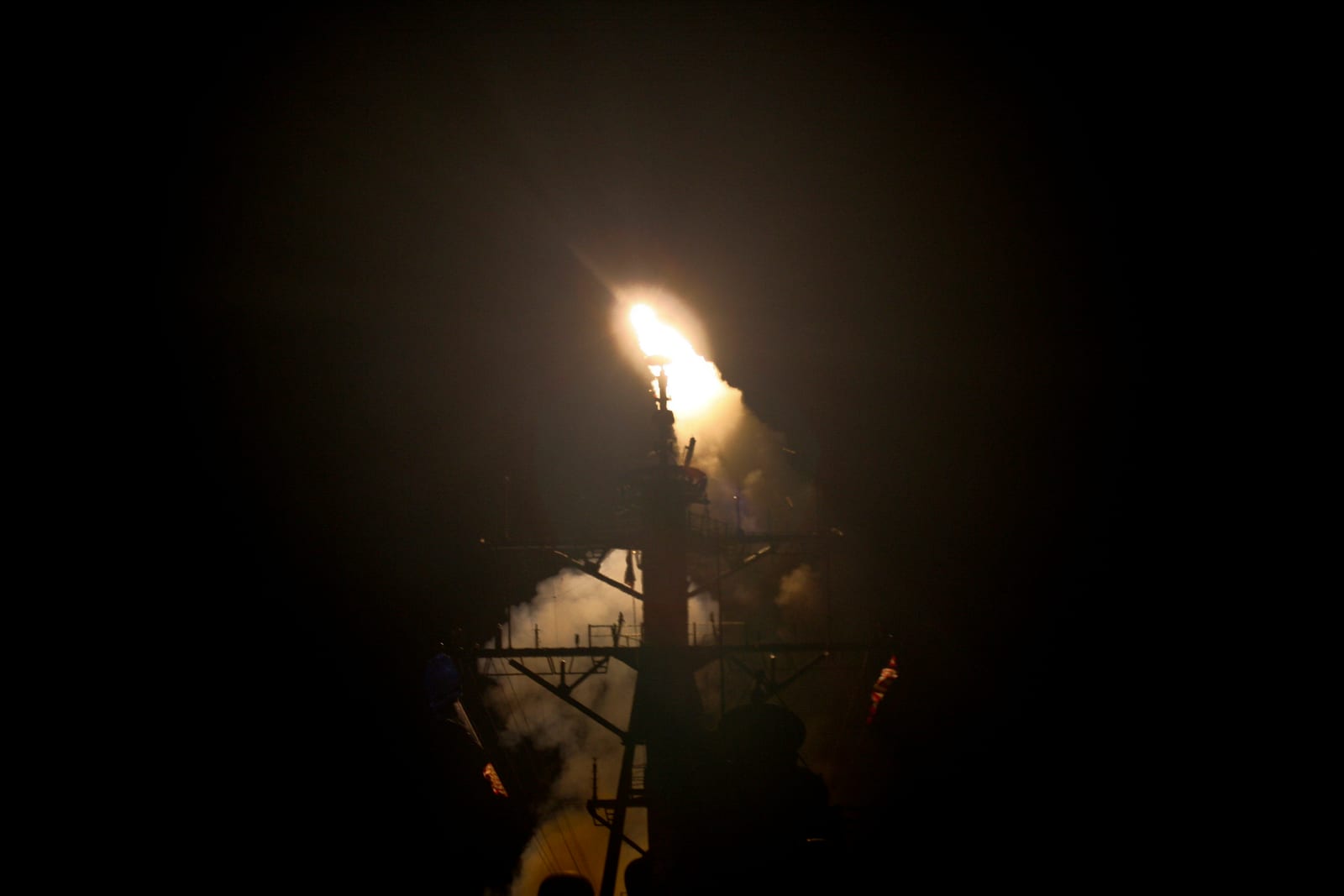
U.S. Navy photo by Mass Communication Specialist 1st Class Leah Stiles, public domain, via Wikimedia Commons (shown for identification)
The U.S. Navy has awarded Raytheon a $22.9 billion, seven-year contract to expand Tomahawk cruise missile production from roughly 60 missiles a year to more than 1,000, a claimed seventeen-fold jump. Most of that money does not buy missiles. It buys the workforce, tooling and supply chain needed to build them, and Tomahawk has never sustained anywhere near that rate before.
What does the $22.9 billion actually buy?
The contract, announced August 17, 2026, is not a purchase order for a fixed number of missiles at a fixed price. It is an industrial-base investment spread across seven years, meant to rebuild a production line that has been running well under capacity.
Raytheon President Phil Jasper framed it that way when the award was announced: “We are making significant investments in our workforce, technology, supply chain and facilities to dramatically boost production capacity and meet surging demand.” That is a description of a factory expansion, not a parts order. New hires need to be trained, tooling needs to be built and qualified, and second- and third-tier suppliers, the companies that make the seeker components, the warhead hardware and the engine, need their own capacity increased before final assembly can scale.
Michael Duffey, the Pentagon’s top acquisition official, put the strategic logic in blunter terms: “The Department called upon industry to expand munitions production, and RTX has answered that call. This Tomahawk award increases our ability to equip the Joint Force, ensuring our Warfighters never face a fair fight.” The framing from both sides of the deal is the same: this is about rebuilding capacity that atrophied, not locking in a bulk discount on missiles.
How big is the claimed jump, and has Tomahawk ever produced at this rate before?
Never, at least not in the last decade. CSIS’s Mark Cancian and Chris Park calculated the historical average annual production from FY2015 through FY2026 at roughly 86 missiles a year, and the rate reported at the moment this contract was signed, 60 a year, sat even below that average. The FY2027 budget request asks for 785 Tomahawks, a meaningful step up but still short of the 1,000-plus target the contract is chasing.
The seven-year target is more than sixteen times the rate at signing, and the contract's own dollars mostly buy the capacity to get there: workforce, tooling and supply chain, not a stockpile of missiles.
Skepticism about the pace is not fringe commentary. It comes from the same analysis that produced the historical average:
“While Raytheon’s goal is to have the capacity to make more than 1,000 Tomahawks per year, the recent annual production rate is less than 200 because of small past orders,” wrote Mark F. Cancian, senior adviser in CSIS’s Defense and Security Department (CSIS, May 27, 2026).
Lead time compounds the gap between announcement and delivery. Stars and Stripes cites 18 to 24 months from order to delivery for current-generation Tomahawk work. CSIS’s own analysis implies a longer figure, roughly 34 months, feeding into a projected delivery ramp that only begins in earnest around March 2030. Those are two different snapshots measuring different parts of the pipeline, not a contradiction, but both point the same direction: a contract signed in August 2026 will not visibly change what is on the missile deck for years.
Does $22.9 billion work out to a price per missile?
Divide the full contract value by the full seven-year target rate, seven years times 1,000-plus missiles a year, and the naive math implies roughly $3.3 million per missile. That is well above the approximate $2 million unit-procurement cost WeaponSpecs tracks for the current Tomahawk Block V.
The gap is not padding. It reflects when the money gets spent and what it buys. Early contract years fund the plant expansion, hiring and supply chain work described above, spending that happens before a single additional missile rolls off the line at the new rate. Later years, once the capacity exists, should see a per-unit cost closer to the roughly 2,000,000 figure already reflected in Block V procurement. Treat the $3.3 million naive average as a blended number that front-loads capital spending, not as what the Navy expects to pay for the thousandth missile off a mature line.
Tomahawk’s 1,600 km published range and subsonic 1 Mach cruise speed are unchanged by this contract; the deal is about how many missiles get built, not a new variant. WeaponSpecs has covered why cruise missiles like this one still fly subsonic despite decades of hypersonic headlines elsewhere in the missile world.
Where does Tomahawk sit against other missiles by published unit cost?
Few missile programs publish a real unit cost at all, which makes any direct comparison useful. Sorted by unit cost, here is how Tomahawk sits against four other long-range strike missiles in the WeaponSpecs database:
| Missile | Country | Unit cost | Max range | Total units built |
|---|---|---|---|---|
| Storm Shadow | UK | 3,000,000 USD | 560 km | 3,000 |
| BrahMos | India (Indo-Russian joint development) | 2,700,000 USD | 450 km | 1,000 |
| Tomahawk Block V | US | 2,000,000 USD | 1,600 km | 4,500 |
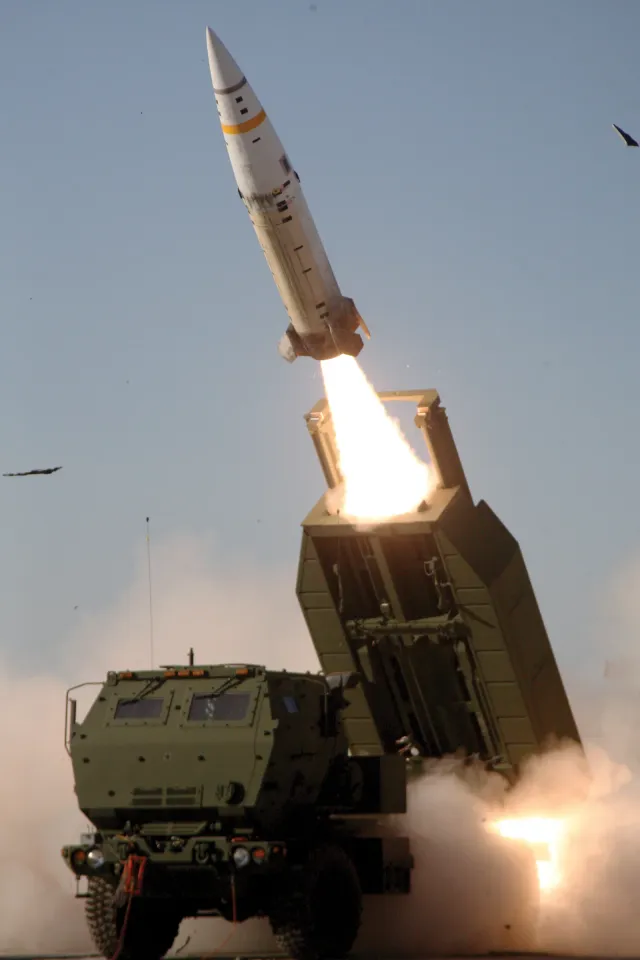
| ATACMS | US | 1,500,000 USD | 300 km | 4,000 |
| JASSM-ER | US | 1,400,000 USD | 925 km | not published |
Tomahawk lands in the middle of the pack on price, cheaper than Storm Shadow and BrahMos, more expensive than ATACMS and JASSM-ER, while publishing the longest range of the five by a wide margin. That combination, mid-tier cost with the longest reach, is a large part of why the Navy is buying more of it rather than switching platforms.
What would hitting the target actually mean, scaled to something concrete?
The WeaponSpecs database’s own tracked total for Tomahawk Block V is 4,500 units built to date, an open-source-sourced historical figure, not an audited government count. Hold that number next to the production target: if the contract’s 1,000-plus-a-year goal were hit even once, that single year would produce close to a quarter of every Tomahawk built under this program, in twelve months, after a decade of running at less than a fifth of that pace.
That is the real weight behind the “17x” headline. It is not just a percentage on a chart. It is a claim that a single year of output could rival years of accumulated production, resting on a workforce and supply chain that, by CSIS’s own account, does not exist yet at the scale required.
Compare Tomahawk directly against a system it competes with for strike missions in the ATACMS vs Tomahawk comparison tool, or run your own priorities through the Advisor to see how unit cost, range and production reliability weigh against each other for a given mission set.
Sources
Systems in this comparison
Every system covered above, with its photo and, where available, a video. Tap a card to open the full spec sheet.
Compare these side by side →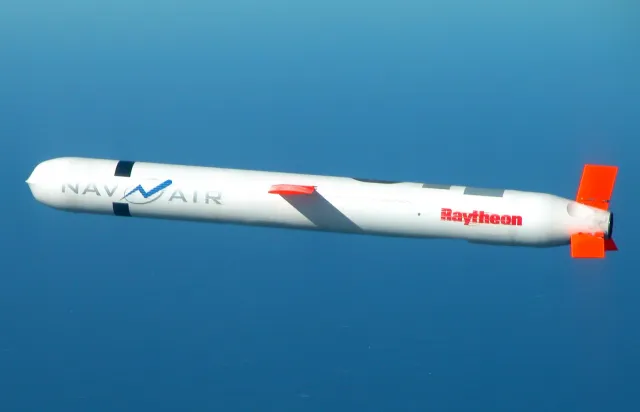
Missile
Tomahawk Block V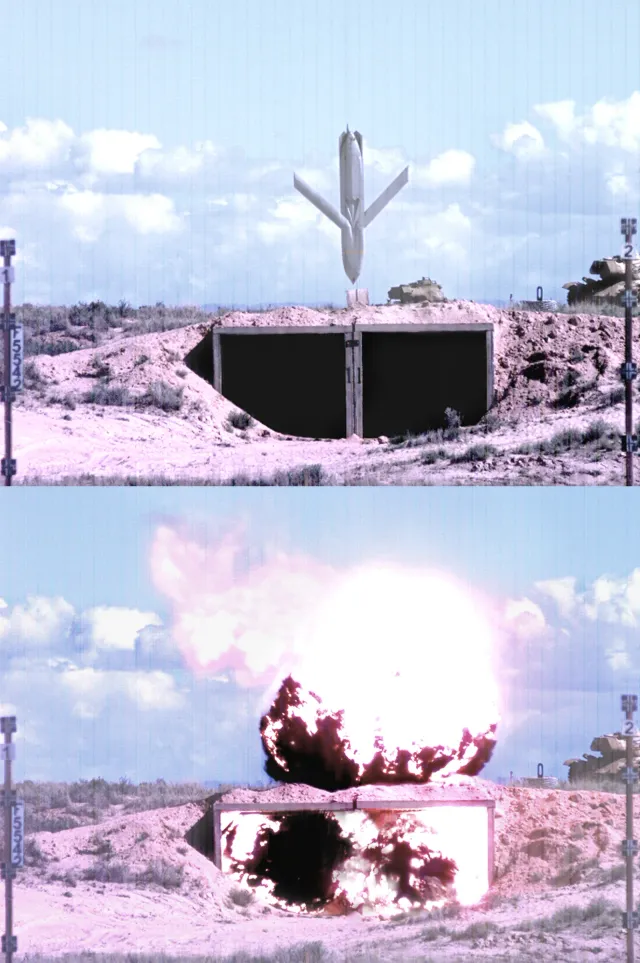
Missile
AGM-158B JASSM-ER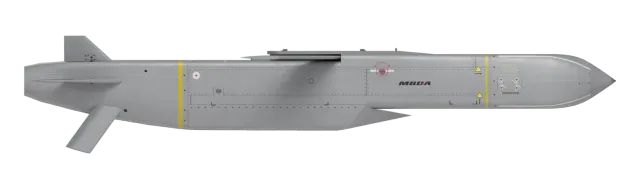
Missile
Storm Shadow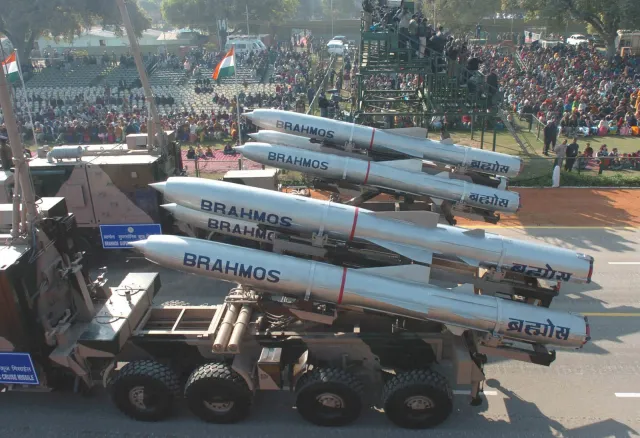
Missile
MGM-140 ATACMSFrequently asked questions
How much is the Navy's Tomahawk production contract worth, and what does it fund? +
The U.S. Navy awarded Raytheon (RTX) a $22.9 billion, seven-year contract on August 17, 2026. The bulk of that money funds capacity rather than finished missiles: workforce hiring and training, new tooling, supply chain expansion and facility upgrades needed to raise output from roughly 60 missiles a year to a target of more than 1,000 a year.
Why was Tomahawk production running so far below its historical average? +
CSIS's own analysis puts the historical average annual production from FY2015 through FY2026 at about 86 missiles a year, and the rate at the time this contract was signed was reported at 60 a year, well below even that average. Analysts attribute the slowdown to small annual orders in recent budget cycles, which gave Raytheon little incentive to keep production lines running at scale.
Does the $22.9 billion translate into a fixed price per missile? +
Not directly. Dividing the full contract value by the full seven-year target rate implies roughly $3.3 million per missile, well above the approximate $2 million unit-procurement figure WeaponSpecs tracks for the current Tomahawk Block V. The gap reflects the reality that early contract years fund plant expansion, hiring and supply chain work rather than a stockpile of rounds, so the naive per-missile math overstates what an individual missile will actually cost once the ramp is complete.
How does Tomahawk's cost compare to other cruise and strike missiles WeaponSpecs tracks? +
Among long-range strike missiles that publish a real unit cost, Storm Shadow tops the list at roughly $3 million, followed by BrahMos at about $2.7 million and Tomahawk Block V at about $2 million. ATACMS and JASSM-ER come in lower still. Tomahawk sits in the middle of that field on price while offering the longest published range of the group.
When would the higher production rate actually start showing up in deliveries? +
Not soon. Stars and Stripes cites an 18 to 24 month lead time from order to delivery, and CSIS's separate analysis implies a longer lead time of roughly 34 months feeding into deliveries that would only begin ramping around March 2030. The FY2027 budget request of 785 missiles, still short of the 1,000-plus target, is further evidence the ramp is gradual rather than immediate.
Related reading


