Sudanese Civil War: Timeline & Latest Developments
Sudan's army and the paramilitary Rapid Support Forces went to war in Khartoum on April 15, 2023, and more than three years on the fighting has produced the world's largest displacement crisis, a US genocide determination against the RSF in Darfur, and no durable ceasefire between the two sides.
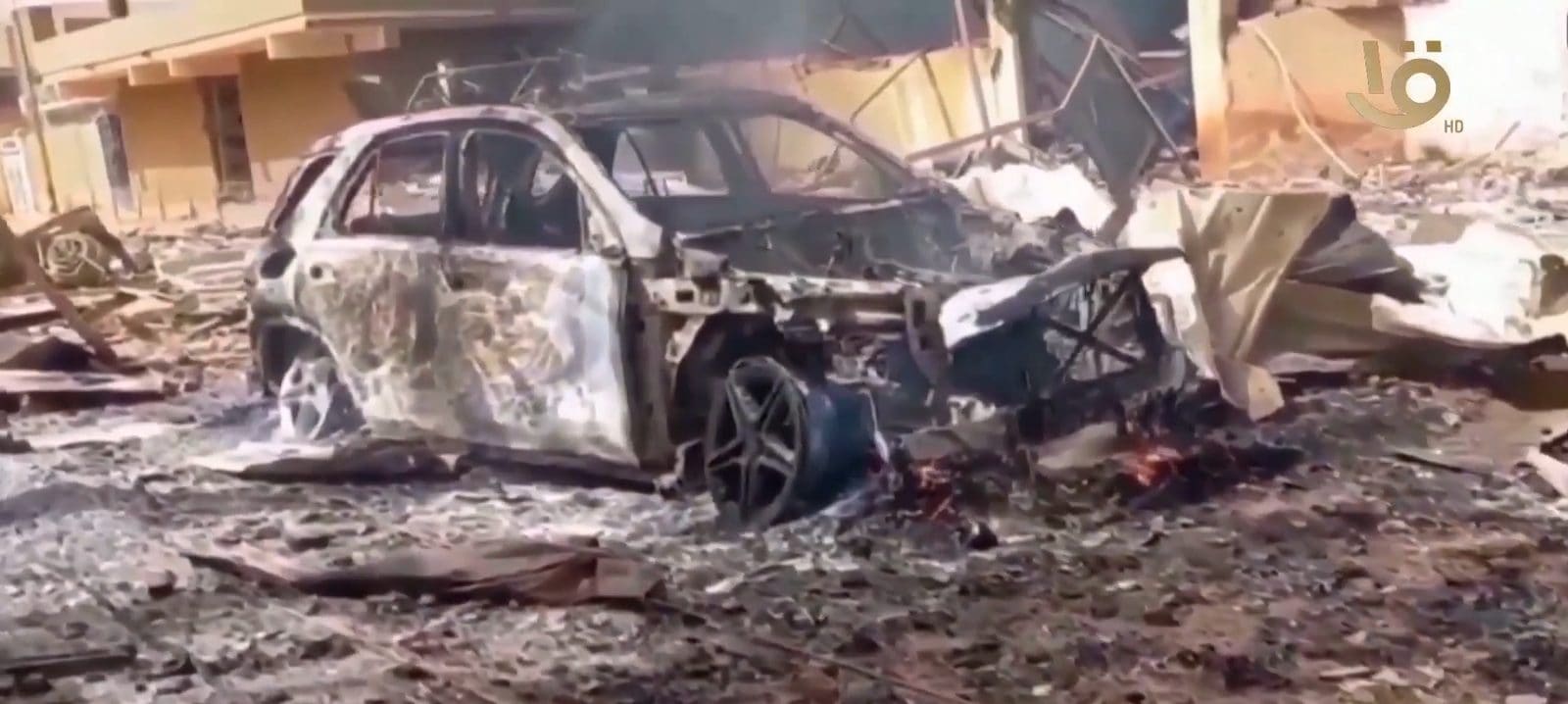
Channel 1 Egypt, CC BY 3.0, via Wikimedia Commons. Depicts a destroyed vehicle in El Fasher, North Darfur, during the RSF's siege of the city.
Sudan’s civil war began on April 15, 2023, when years of unresolved tension between two men who had jointly ruled the country boiled over into open warfare in Khartoum. General Abdel Fattah al-Burhan, commander of the Sudanese Armed Forces (SAF), and Mohamed Hamdan “Hemedti” Dagalo, commander of the paramilitary Rapid Support Forces (RSF), had led Sudan’s transitional government together since a joint 2021 coup, but could not agree on a timeline for folding the RSF, a force that grew out of the Janjaweed militias active in Darfur two decades earlier, into the regular army. When the dispute turned violent, RSF units attacked SAF bases and the capital’s airport in a single morning, and both forces have fought for control of the country since. Neither side has offered a credible account of who fired first, and both have spent the war blaming the other for its toll.
The war’s first year fell into a grim pattern that has largely held since: a devastating urban battle for Khartoum alongside a campaign of ethnically targeted violence in Darfur. RSF and allied Arab militias killed an estimated 10,000 to 15,000 people, per a UN panel of experts, when they overran the Masalit-majority city of El Geneina in West Darfur in June 2023, one of the deadliest single episodes of the war. Mediators convened talks in Jeddah that May, producing a Declaration of Commitment to Protect Civilians that both sides signed and largely ignored; the ceasefire tied to it collapsed within weeks, a pattern of failed truces repeated through 2024 and 2025 without one holding for long. By June 2023, a third armed faction, the Sudan People’s Liberation Movement-North under Abdel Aziz al-Hilu, had entered the fighting in South Kordofan and Blue Nile, complicating any simple two-party framing of the war from its first months.
The RSF spent 2023 and much of 2024 expanding its territorial reach, capturing Wad Madani, Sudan’s agriculturally vital second city, in December 2023, and tightening a siege around El Fasher, the last SAF-held city in Darfur, starting in May 2024. That siege produced the war’s defining humanitarian catastrophe: the UN’s Integrated Food Security Phase Classification confirmed famine in El Fasher’s Zamzam camp that August, its first famine determination anywhere in seven years, later expanded to more camps and to besieged Kadugli in South Kordofan through 2024 and 2025. Sudan’s civilians have borne the brunt of both sides’ tactics: a September 2025 UN Fact-Finding Mission report concluded SAF and RSF forces alike were deliberately targeting civilians in ways that may amount to crimes against humanity, citing SAF airstrikes such as an October 2024 strike on El Koma market that killed at least 65 people, alongside RSF’s pattern of atrocities in Darfur.
SAF mounted a slow but steady counteroffensive through late 2024 and early 2025, retaking Wad Madani in January and then, on March 26, 2025, announcing full recapture of Khartoum after RSF withdrew from the presidential palace and airport it had held for nearly two years, a major turning point that nonetheless left RSF in firm control of Darfur. The recapture came with its own documented abuses: UN human rights officials reported summary executions tripled in the capital between February and April 2025, largely reprisal killings by SAF-aligned forces against people suspected of RSF collaboration. Two months earlier, on January 7, 2025, the US State Department had formally determined RSF forces committed genocide in Darfur, citing systematic ethnic killings and sexual violence, and sanctioned Hemedti; Sudan separately took a case to the ICJ alleging the UAE armed the RSF, which the court dismissed that May on jurisdictional grounds without ruling on the underlying allegations, which the UAE has repeatedly denied.
Having lost Khartoum, the RSF consolidated a political project in western Sudan instead. In July 2025, the RSF-led Sudan Founding Alliance, in coalition with al-Hilu’s SPLM-N faction, declared a parallel government in Nyala, drawing condemnation from the African Union and no recognition from Port Sudan. Three months later, on October 26, 2025, RSF forces broke El Fasher’s defenses after an 18-month siege, taking all five of Darfur’s regional capitals. What followed was, per humanitarian researchers and a later UN-backed investigation that found “hallmarks of genocide,” one of the war’s worst episodes: more than 460 people were reportedly killed at the city’s last functioning hospital within days, and researchers estimated a quarter of a million remaining civilians had been killed, displaced, or forced into hiding.
The war has not spared its diplomacy from foreign entanglement. A four-nation Quad of the US, Saudi Arabia, Egypt, and the UAE proposed a humanitarian-truce roadmap in September 2025 that SAF has resisted, wary of locking in RSF’s battlefield gains, and both sides continue to draw on outside backers whose roles remain contested: Sudan and rights groups have alleged UAE arms transfers to the RSF, which Abu Dhabi denies, while RSF officials have accused Egypt of arming and flying missions for SAF, allegations a February 2026 investigation linked to a covert Egyptian drone base, which Cairo also denies. By mid-2026, with front lines shifted from Khartoum to Kordofan, where RSF was pressing toward El Obeid and its half a million residents, Sudan’s overlapping wars had displaced more people than any other conflict on earth, some 9.1 million within the country and more than 4.3 million abroad, while roughly 21 million people faced acute food insecurity and neither side showed signs of ceding the fight.
Displacement fell by 2.4 million after SAF's 2025 recapture of Khartoum and Gezira let roughly 2.2 million people go home, but that improvement is concentrated in the center: Darfur alone still held 62% of the remaining 9.1 million displaced at the end of 2025, and the RSF's push into Kordofan risks reversing the national trend again.
Full Timeline (most recent first)
EU bans Sudanese gold imports to cut off a key war-financing stream
The European Union banned the purchase, import, and transfer of gold originating in Sudan, along with exports of mercury and cyanide used in gold mining, saying the trade had become a major source of financing for the war. EU officials and UN experts say the RSF smuggles large volumes of Darfur gold to the UAE and elsewhere to fund arms purchases and mercenaries, an allegation the UAE has repeatedly denied.
WHO warns of a new cholera outbreak with an 'extremely high' death rate
The World Health Organization reported 1,330 confirmed cholera cases and 114 deaths across Sudan, mainly in Darfur and Kordofan, a 13.7 percent case-fatality rate it called extremely high. WHO officials said ongoing fighting, drone attacks, and blockades had overwhelmed fragile health facilities and warned the approaching rainy season could accelerate the outbreak's spread among the displaced.
UN Fact-Finding Mission formally concludes RSF committed genocide in El Fasher
The UN's Independent International Fact-Finding Mission for the Sudan formally concluded that the RSF's mass killings, gang rapes, and deliberate starvation of civilians during and after El Fasher's October 2025 fall amounted to genocide, an intended policy rather than incidental battlefield violence, building on the mission's earlier finding of genocide 'hallmarks' in February 2026. The mission's chair said the findings carried urgent warnings for El Obeid, where RSF forces had by that point encircled the city.
SAF and RSF submit rival responses to a US-brokered peace roadmap
Sudan's army-led Security and Defence Council conditioned any acceptance of a US-brokered peace roadmap, presented by senior adviser Massad Boulos, on the RSF's full withdrawal from cities it has captured since 2023, while the RSF said it would accept a 90-day humanitarian truce but rejected withdrawing from Darfur and Kordofan territory it holds. The gap between the two positions, one demanding full withdrawal and the other refusing any, left the roadmap's central sticking point unresolved.
'Relentless' drone strikes kill dozens of civilians in El Obeid
The UN documented 15 drone strikes on El Obeid and surrounding areas in a three-week span, killing at least 45 civilians and hitting hospitals, markets, schools, and residential areas. UN officials warned of an impending humanitarian catastrophe if El Obeid becomes the site of major ground clashes, as El Fasher was in 2025.
UN warns up to 500,000 civilians at risk as RSF threatens El Obeid
The UN warned that up to half a million civilians were trapped or at risk in El Obeid, the capital of North Kordofan and a key logistics hub linking central Sudan to Darfur, as the RSF pressed toward the city following its capture of El Fasher. More than 11,000 people, including over 5,500 children, fled fighting around the city in the preceding two weeks.
IDMC: Sudan's displaced population falls to 9.1 million as fighting shifts west
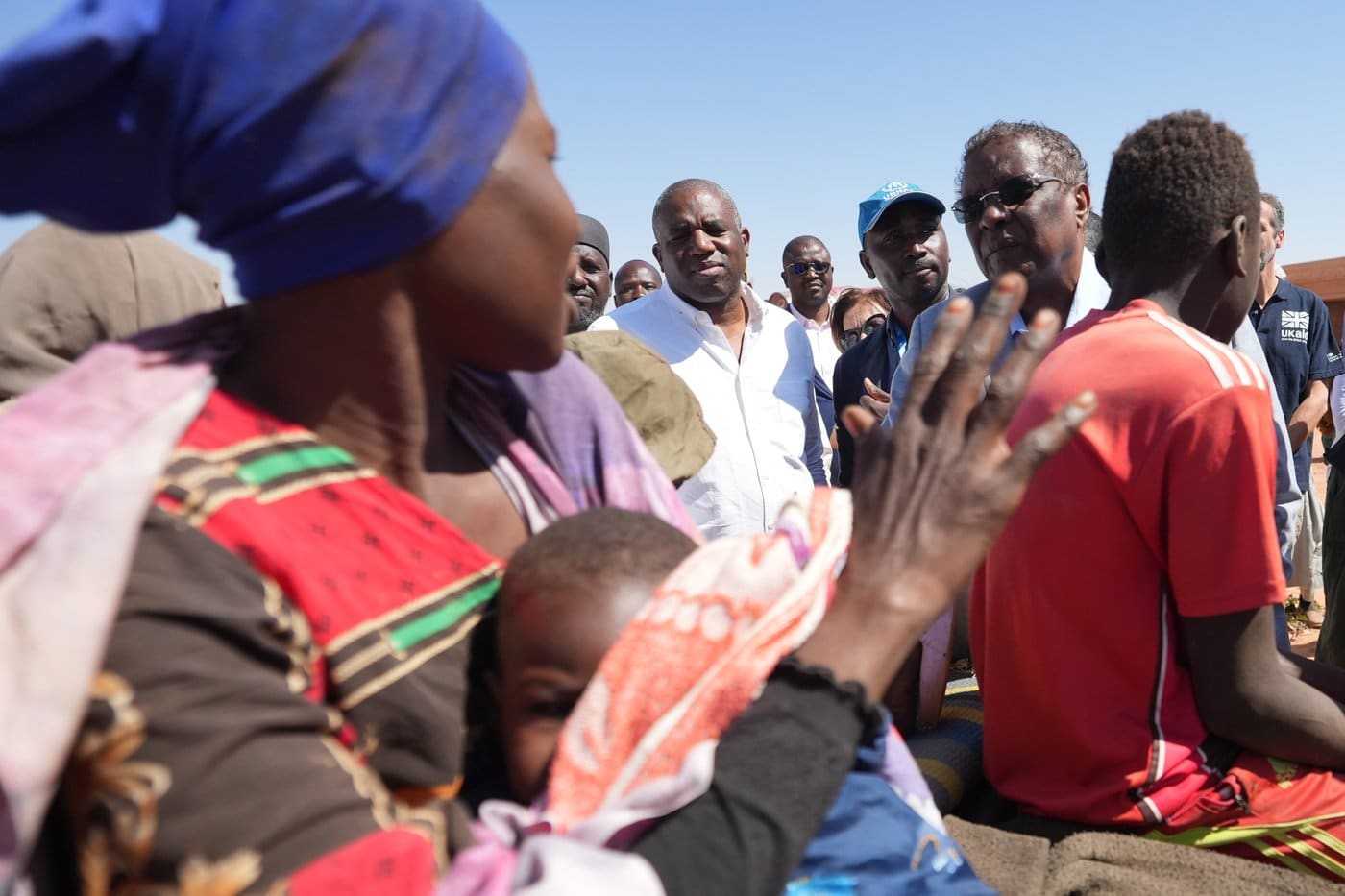
The Internal Displacement Monitoring Centre's annual Global Report on Internal Displacement recorded 9.1 million people living in displacement in Sudan at the end of 2025, a 2.4 million decrease from 2024's peak of 11.6 million as roughly 2.2 million people returned to Khartoum and Gezira following SAF's recapture of those areas, even as displacement in Darfur and Kordofan continued to rise. Sudan still hosted the largest displaced population of any country for the third consecutive year.
UN warns hunger crisis deepening as 21 million face acute food insecurity
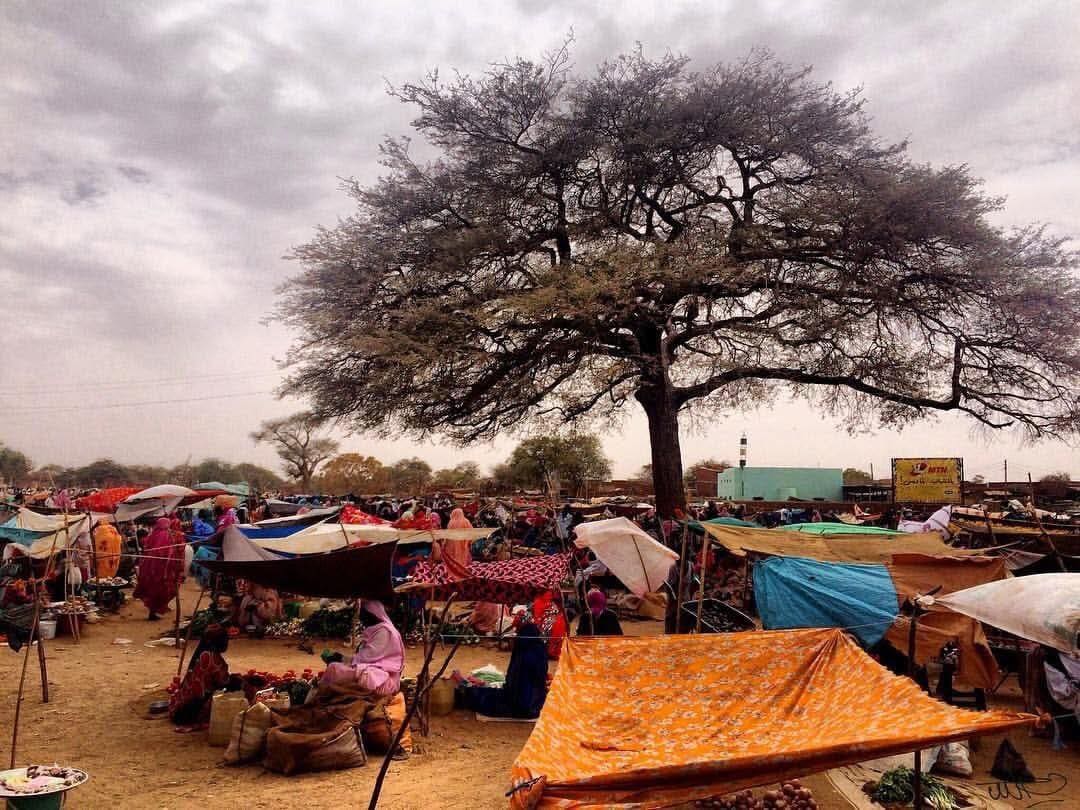
The United Nations warned that 21 million people across Sudan faced acute food insecurity, with global acute malnutrition exceeding 15 percent in several areas and topping 30 percent in parts of Darfur and Kordofan, well past the famine threshold, as fighting continued to block sustained humanitarian access.
Army and RSF locked in a three-year military impasse
Three years into the war, SAF held the capital and most of northern, central, and eastern Sudan including the Red Sea corridor, while the RSF controlled Darfur and large parts of the three Kordofan states and had opened a new front in Blue Nile along the Ethiopian border. Neither side held a clear path to a decisive military victory.
UN report finds 'hallmarks of genocide' in the El Fasher takeover
A UN-backed investigation into the fall of El Fasher found the RSF's conduct during and after the takeover bore the hallmarks of genocide, citing the scale and ethnic targeting of the killings, and called for accountability measures against RSF commanders alongside continued documentation of the massacre.
Report describes a covert Egyptian drone base backing SAF
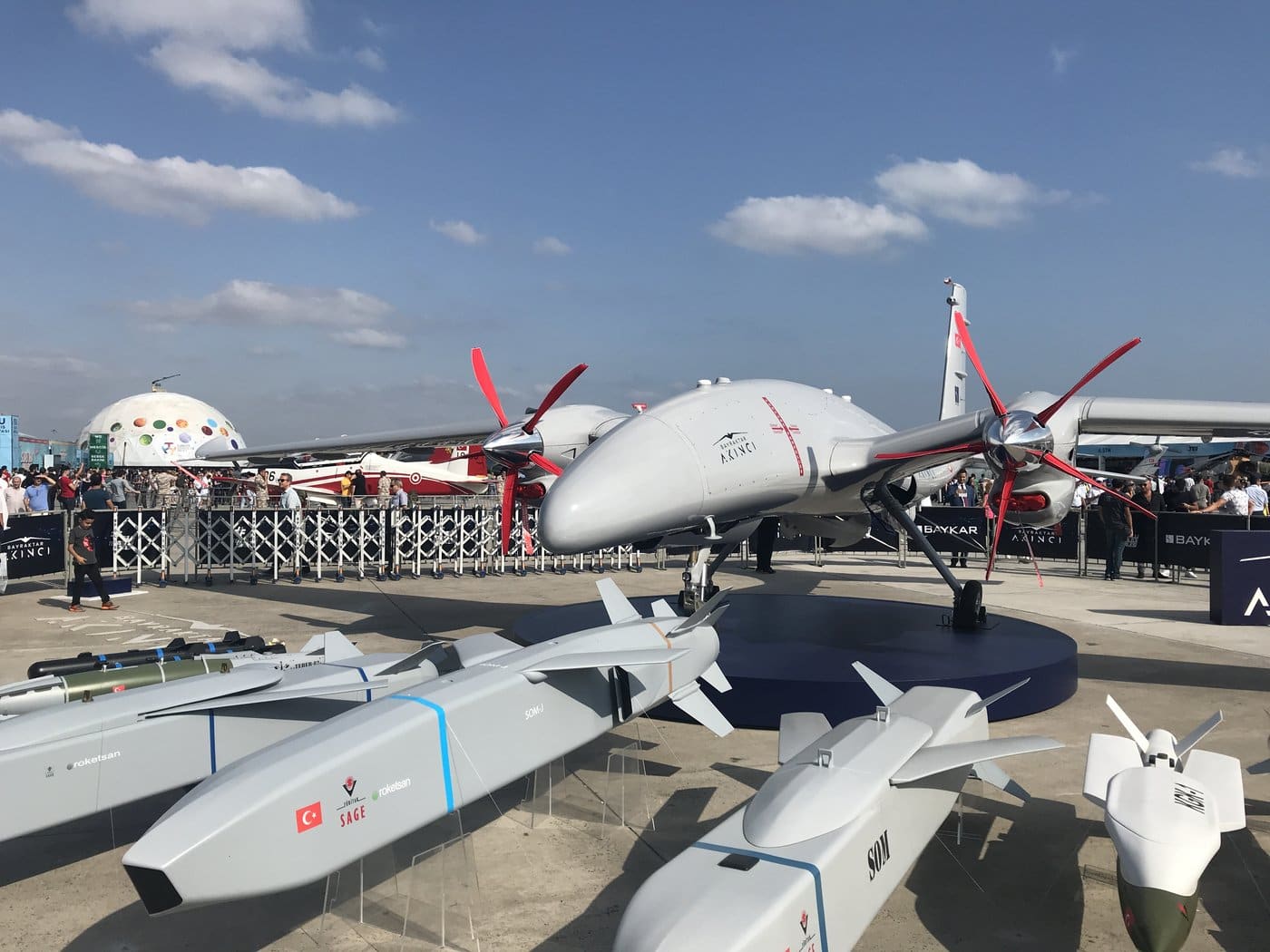
The New York Times reported that Egypt has been secretly hosting a military drone base at East Oweinat in its Western Desert, from which Turkish-made Bayraktar Akinci drones have struck RSF-held targets in Sudan, based on satellite imagery, flight data, and video reviewed alongside interviews with American, European, and Arab officials. Egypt has repeatedly denied supplying arms directly, while RSF officials have separately alleged Egyptian pilots flew missions against RSF-held territory, claims Cairo also denies; Turkey's defense ministry denied any Turkish armed forces role.
SAF forces reach Habila, breaking the siege of Dilling
Sudanese Armed Forces troops reached the town of Habila in South Kordofan ahead of lifting a nearly two-year RSF siege of Dilling, part of a renewed SAF push to retake ground in Kordofan and Darfur that had stalled through much of 2025 while the RSF focused on El Fasher.
UN aid chief calls El Fasher 'a crime scene'
The United Nations' top aid official described El Fasher as a crime scene after the RSF takeover, citing continued reports of killings, sexual violence, and looting weeks after the city fell, and said the international community had failed to prevent atrocities it had warned about for months.
Reports describe mass ethnic killings across El Fasher
Survivor and satellite-imagery accounts described systematic killings of men and boys from non-Arab ethnic groups across El Fasher in the days after the city fell, with researchers comparing the intensity of the violence in its immediate aftermath to the opening hours of the Rwandan genocide. Independent researchers estimated the 250,000 remaining civilians in the city had by that point been killed, displaced, or were in hiding.
Hundreds killed in attack on El Fasher's Saudi Maternity Hospital
More than 460 patients and companions were reportedly shot dead at the Saudi Maternity Hospital, El Fasher's last functioning hospital, and six health workers were abducted, in what UN officials and humanitarian agencies called one of the largest massacres ever recorded at a medical facility. The World Health Organization condemned the killing of patients and civilians amid the city's fall.
RSF seizes full control of El Fasher after an 18-month siege
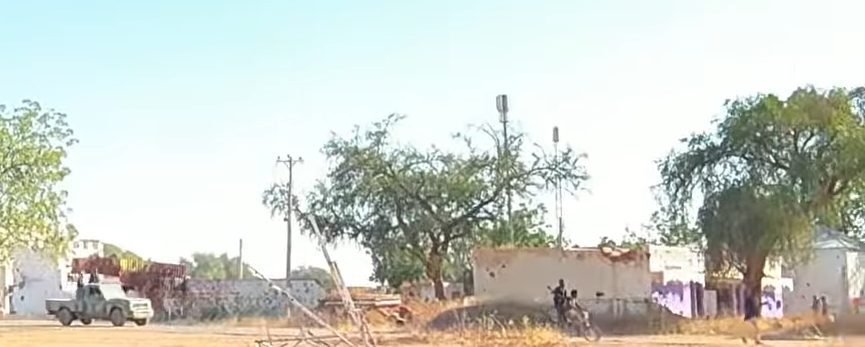
RSF forces took full control of El Fasher district after SAF's 6th Infantry Division retreated, ending an 18-month siege and giving the RSF control of all five Darfur regional capitals. It was the SAF's biggest single setback since losing Khartoum, and rights groups documented mass killings of civilians beginning within hours of the takeover.
Four-nation Quad proposes a humanitarian-truce roadmap
The United States, Saudi Arabia, Egypt, and the UAE, the so-called Quad mediators, agreed on a peace roadmap starting with a humanitarian truce before moving to a permanent ceasefire and talks on Sudan's political future. SAF resisted the proposal, wary that a truce would lock in RSF's territorial gains, and fighting continued to intensify on the ground rather than subside.
Famine confirmed in El Fasher and Kadugli
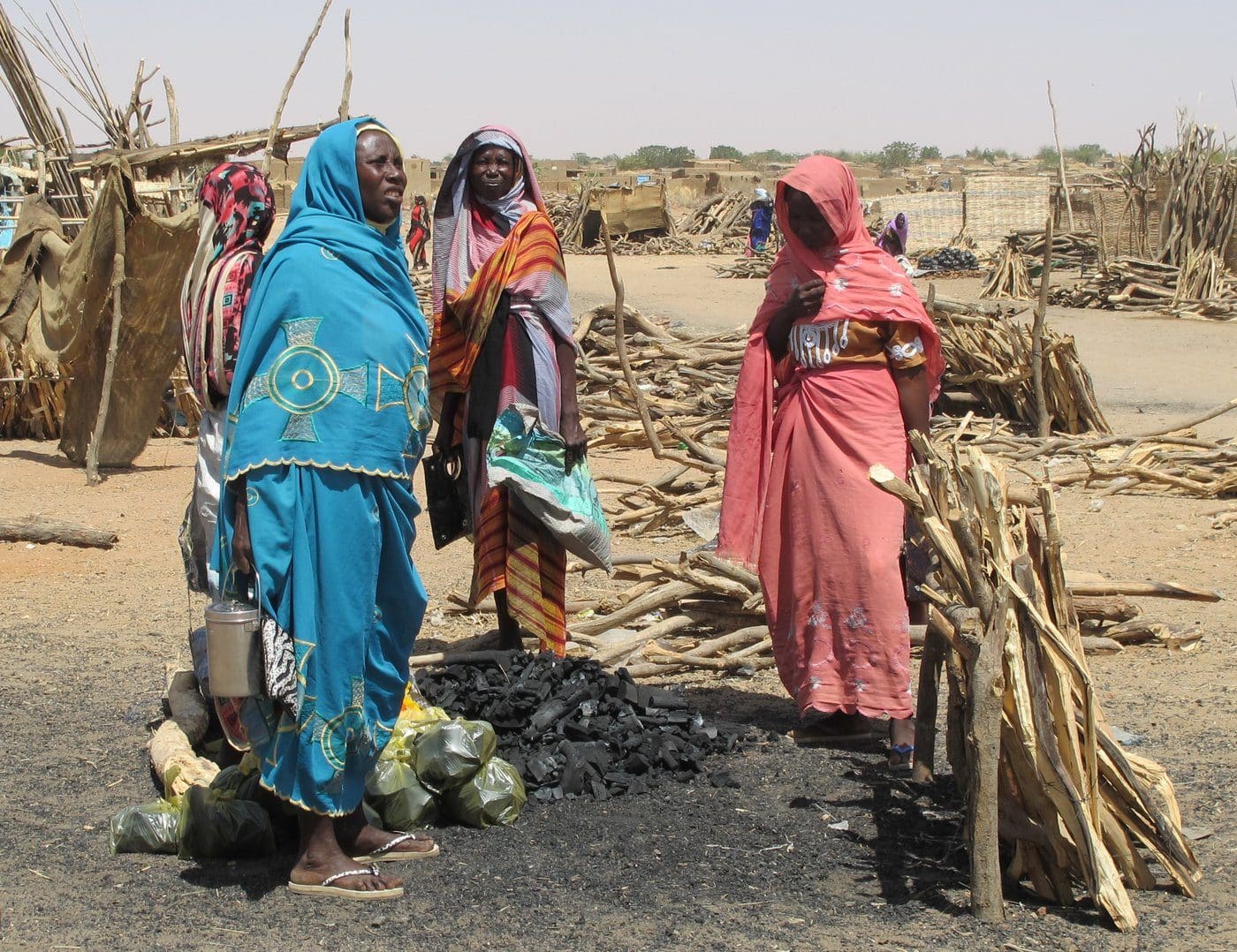
The IPC confirmed famine, with reasonable evidence, in El Fasher town and the besieged town of Kadugli in South Kordofan, conditions expected to persist through at least January 2026 as fighting kept humanitarian corridors closed.
UN Fact-Finding Mission: both SAF and RSF are committing atrocities
The Independent International Fact-Finding Mission for the Sudan reported to the UN Human Rights Council that both the Sudanese Armed Forces and the Rapid Support Forces are deliberately targeting civilians, with some acts amounting to crimes against humanity, and that Sudan's civilian population is paying the highest price of the war on a large scale.
RSF-led Tasis coalition declares a parallel government
The Sudan Founding Alliance, a coalition led by the RSF and including the SPLM-N al-Hilu faction and more than 40 signatory groups, declared a parallel "transitional peace" government based in Nyala, South Darfur, with Hemedti heading a 15-member presidential council and al-Hilu as his deputy. The African Union's Peace and Security Council condemned the move and rejected any attempt to fragment the country; Sudan's SAF-backed government in Port Sudan does not recognize it.
UAE denies Amnesty International's Chinese-arms allegations
Amnesty International said it had identified Chinese-made GB50A guided bombs and AH-4 howitzers in footage of RSF attacks on Khartoum and Darfur; the UAE is the only country known to have imported that howitzer from China. The UAE's assistant minister for security and military affairs called the allegations baseless, and Sudan's SAF-aligned government announced it would cut diplomatic relations with Abu Dhabi over the accusations.
ICJ dismisses Sudan's genocide case against the UAE
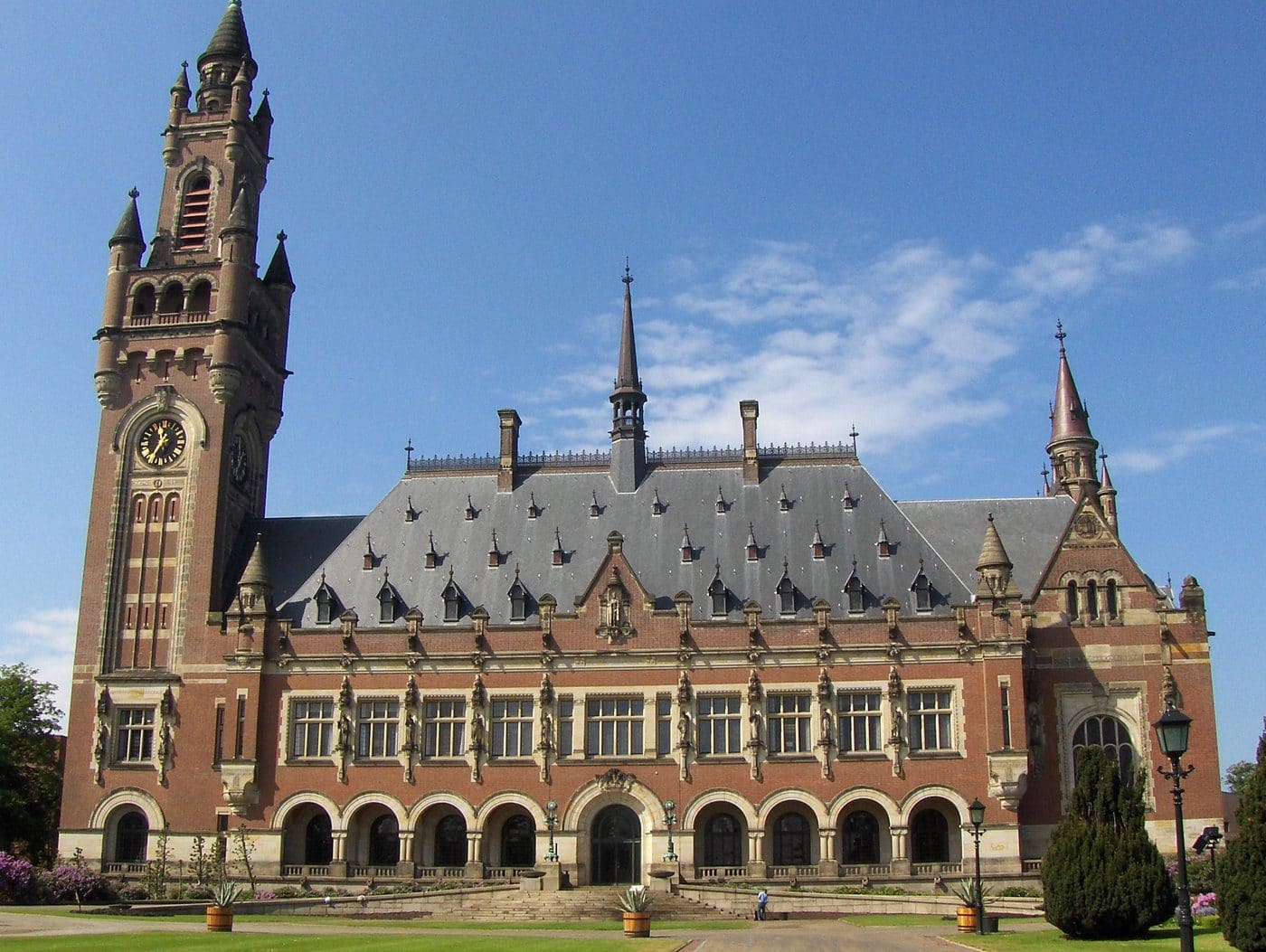
The International Court of Justice ruled it manifestly lacked jurisdiction to hear Sudan's case accusing the United Arab Emirates of breaching the Genocide Convention by arming and funding the RSF, because the UAE holds a reservation exempting it from that part of the treaty's dispute mechanism. The dismissal was procedural and did not rule on the truth of Sudan's underlying allegations, which the UAE has repeatedly and categorically denied.
RSF takes control of famine-hit Zamzam camp
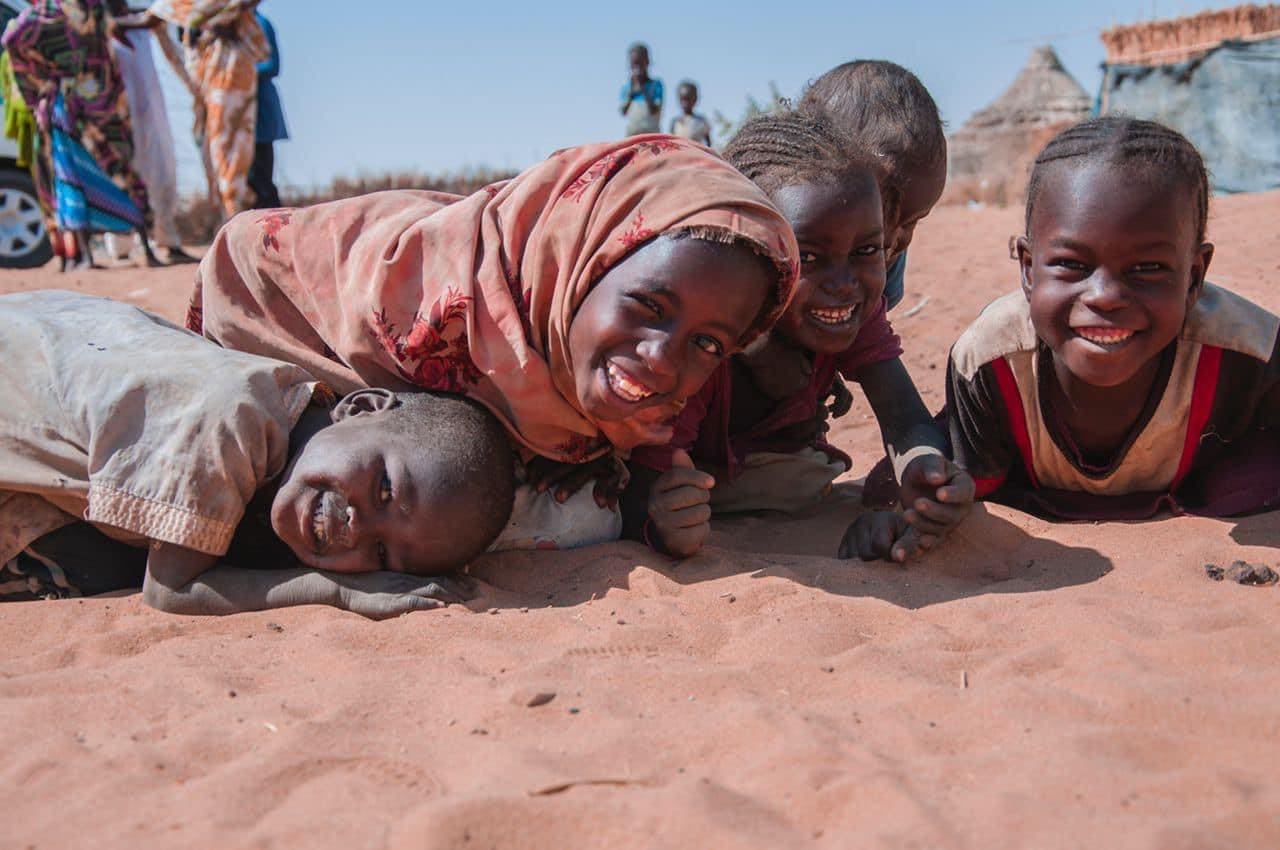
RSF forces took control of Zamzam displacement camp near El Fasher, the site of the war's first confirmed famine, forcing large numbers of the camp's remaining residents to flee further into an already besieged El Fasher or toward Tawila.
UN reports widespread extrajudicial killings by SAF forces in recaptured Khartoum
UN High Commissioner for Human Rights Volker Turk said his office was appalled by widespread extrajudicial killings of civilians in Khartoum following its recapture, with summary executions tripling between February and April largely due to reprisal killings by SAF and allied militias against people suspected of collaborating with the RSF. In one southern Khartoum neighborhood, at least 20 civilians were reportedly killed by SAF and affiliated fighters.
SAF announces full control of Khartoum
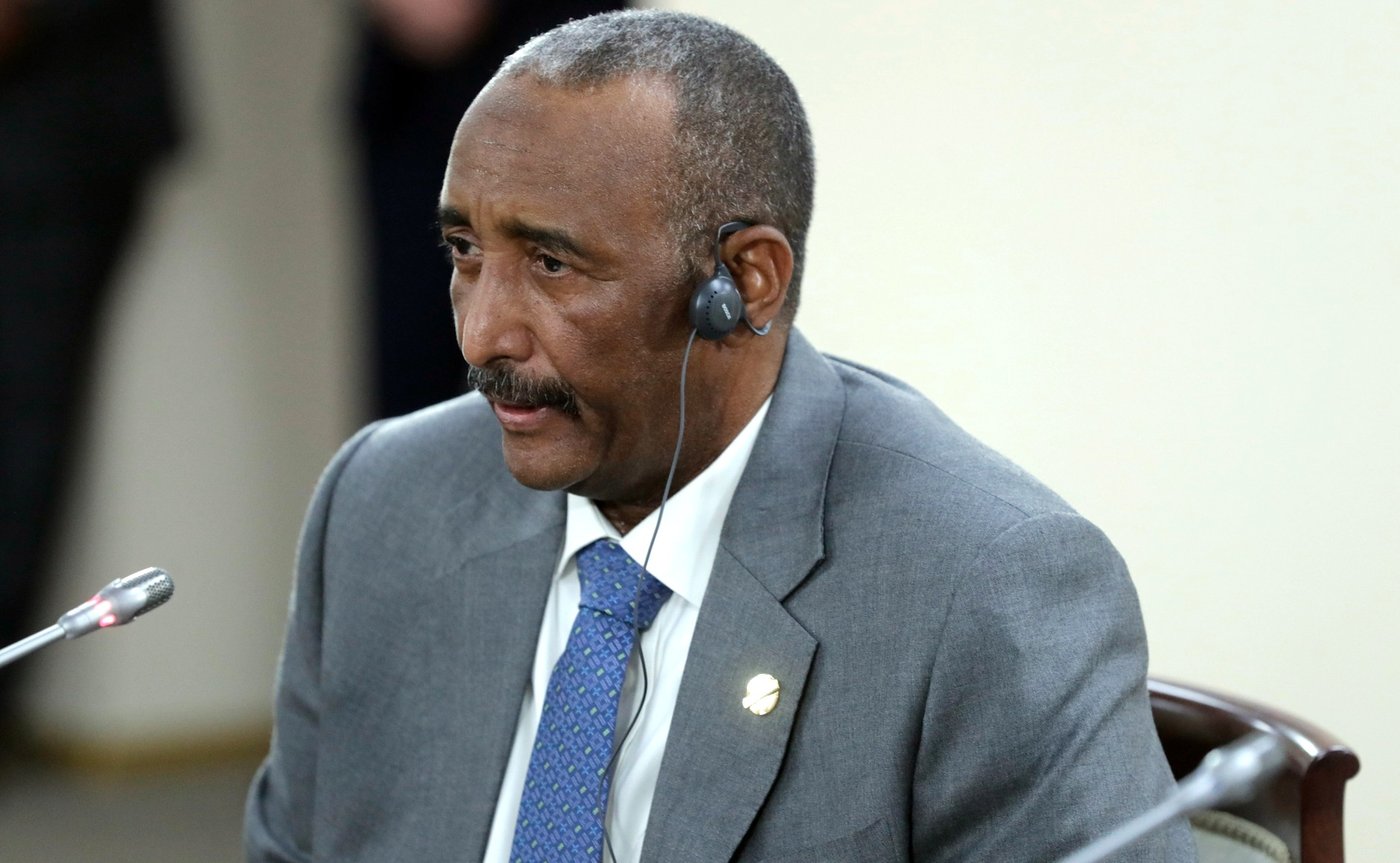
After RSF forces withdrew from the presidential palace, airport, and central ministries, the Sudanese Armed Forces announced it had retaken full control of the capital, a major symbolic and strategic turning point after nearly two years of RSF occupation of most of Khartoum. RSF forces retained control of nearly all of Darfur.
RSF convenes Nairobi conference to draft a founding charter
The RSF, together with the SPLM-N al-Hilu faction and dozens of smaller armed and political groups, convened a conference in Nairobi, Kenya, to draft a Sudan Founding Charter, the basis for a rival transitional government the coalition would formally declare five months later.
SAF recaptures Wad Madani
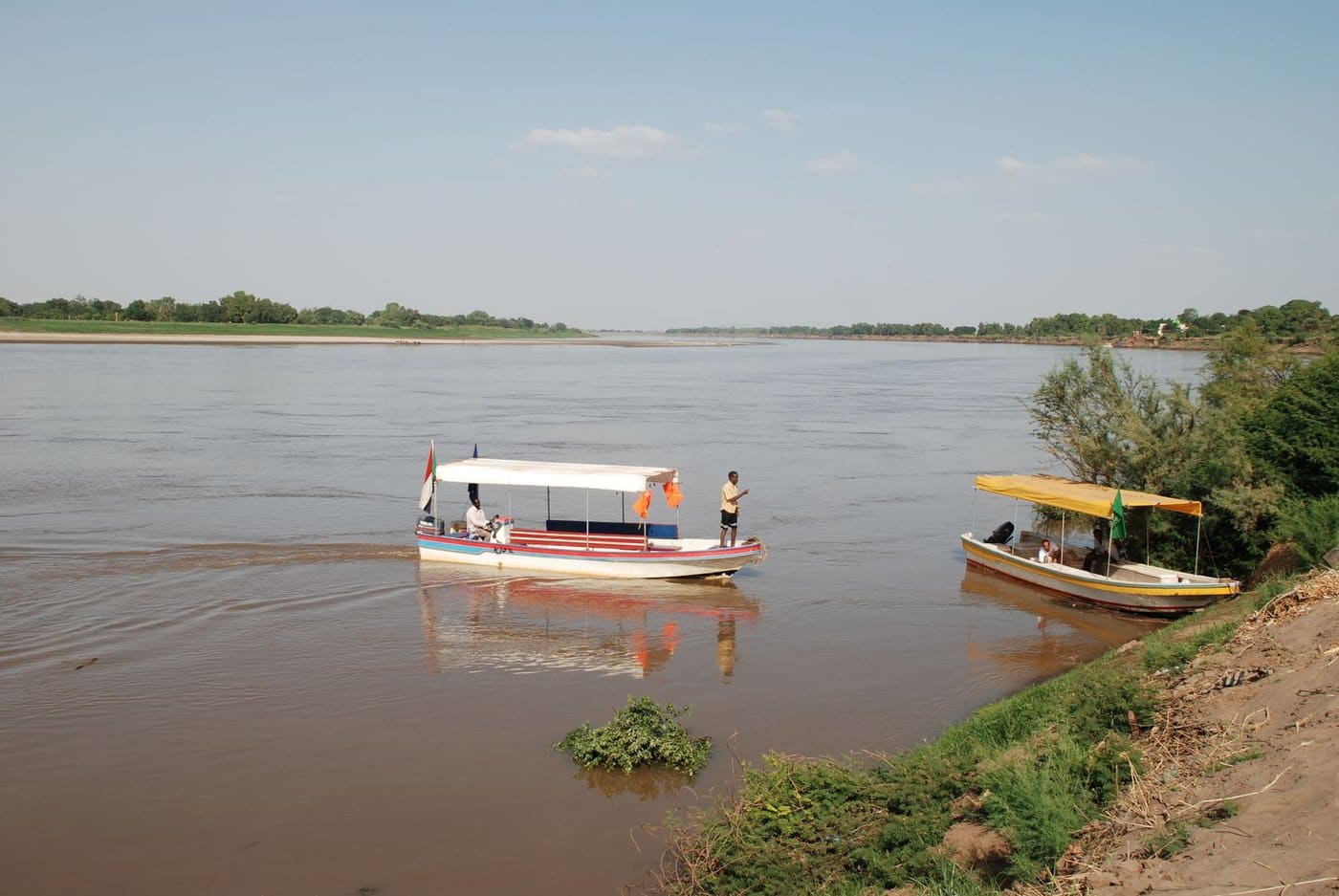
Sudanese Armed Forces retook Wad Madani, severing RSF supply lines between Khartoum and central Sudan and clearing the SAF's own route back toward the capital, thirteen months after the RSF had first captured the city.
US determines RSF committed genocide in Darfur, sanctions Hemedti
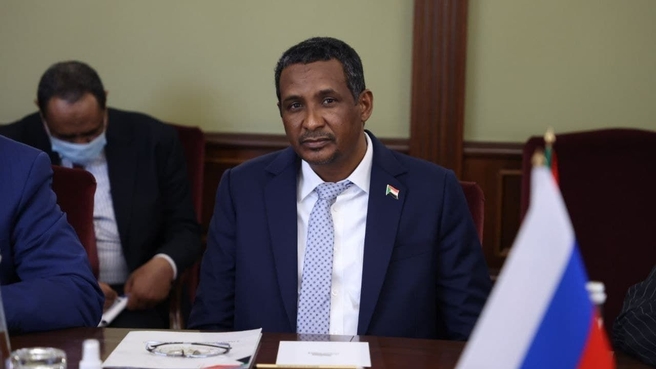
The US State Department formally determined that RSF forces and allied militias committed genocide in Darfur, citing systematic ethnic killings of men and boys and the targeted use of rape and sexual violence against women and girls from certain ethnic groups. Washington sanctioned Hemedti under human-rights authority, along with seven RSF-linked companies, and separately continued to cite SAF-side abuses documented elsewhere in its reporting.
IPC declares famine in more North Darfur camps and the Nuba Mountains
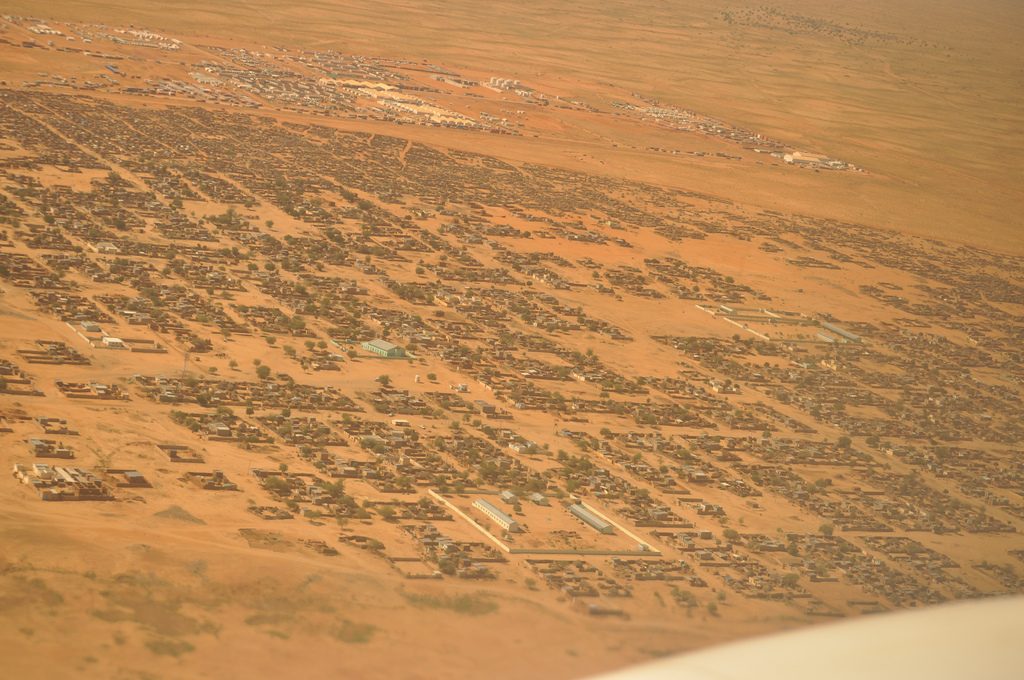
The Integrated Food Security Phase Classification declared famine conditions in the Abu Shouk and El Salam displacement camps in North Darfur and parts of the Nuba Mountains, expanding the list of famine-hit areas beyond Zamzam as fighting continued to block aid corridors into besieged parts of Darfur and South Kordofan.
SAF recaptures Jebal Moya from the RSF
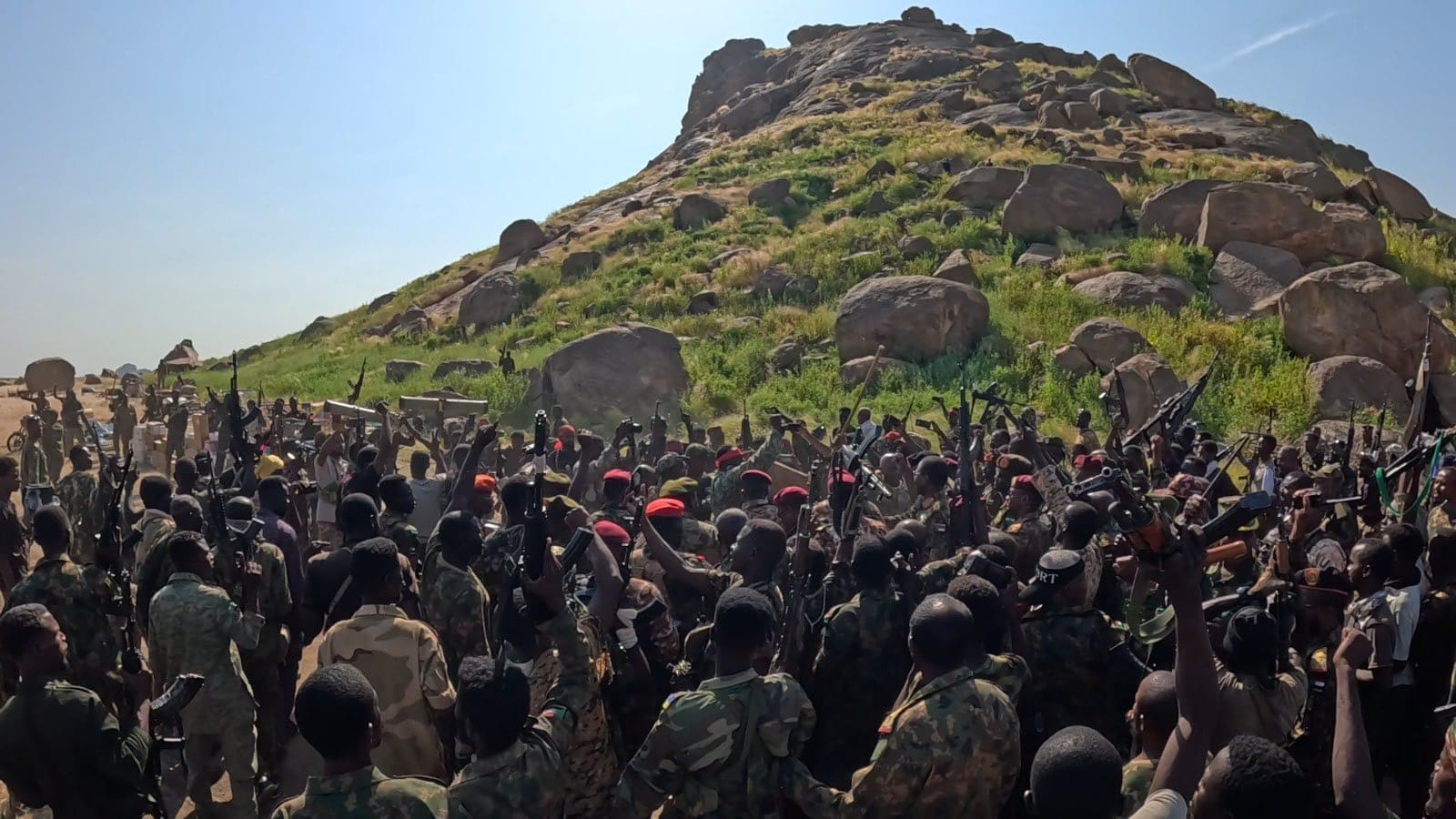
Sudanese Armed Forces troops retook the town of Jebal Moya as part of a broader push through central Sudan, part of a slow SAF counteroffensive that would culminate in the recapture of Wad Madani three months later and Khartoum itself the following spring.
SAF airstrike on El Koma market kills at least 65 civilians
A Sudanese Armed Forces airstrike struck the town market of El Koma in North Darfur, killing at least 65 people, including 13 children, and injuring more than 200 others. The strike was among a documented pattern of SAF and RSF air and drone attacks on markets, hospitals, and displacement camps that rights monitors say has spread terror well beyond active front lines.
Famine confirmed in Zamzam displacement camp
The IPC's Famine Review Committee confirmed famine conditions in Zamzam camp near El Fasher, its first famine determination anywhere in more than seven years. Aid groups reported a child was dying roughly every two hours in the camp from acute malnutrition amid access constraints that blocked sustained humanitarian delivery.
RSF begins its siege of El Fasher, North Darfur
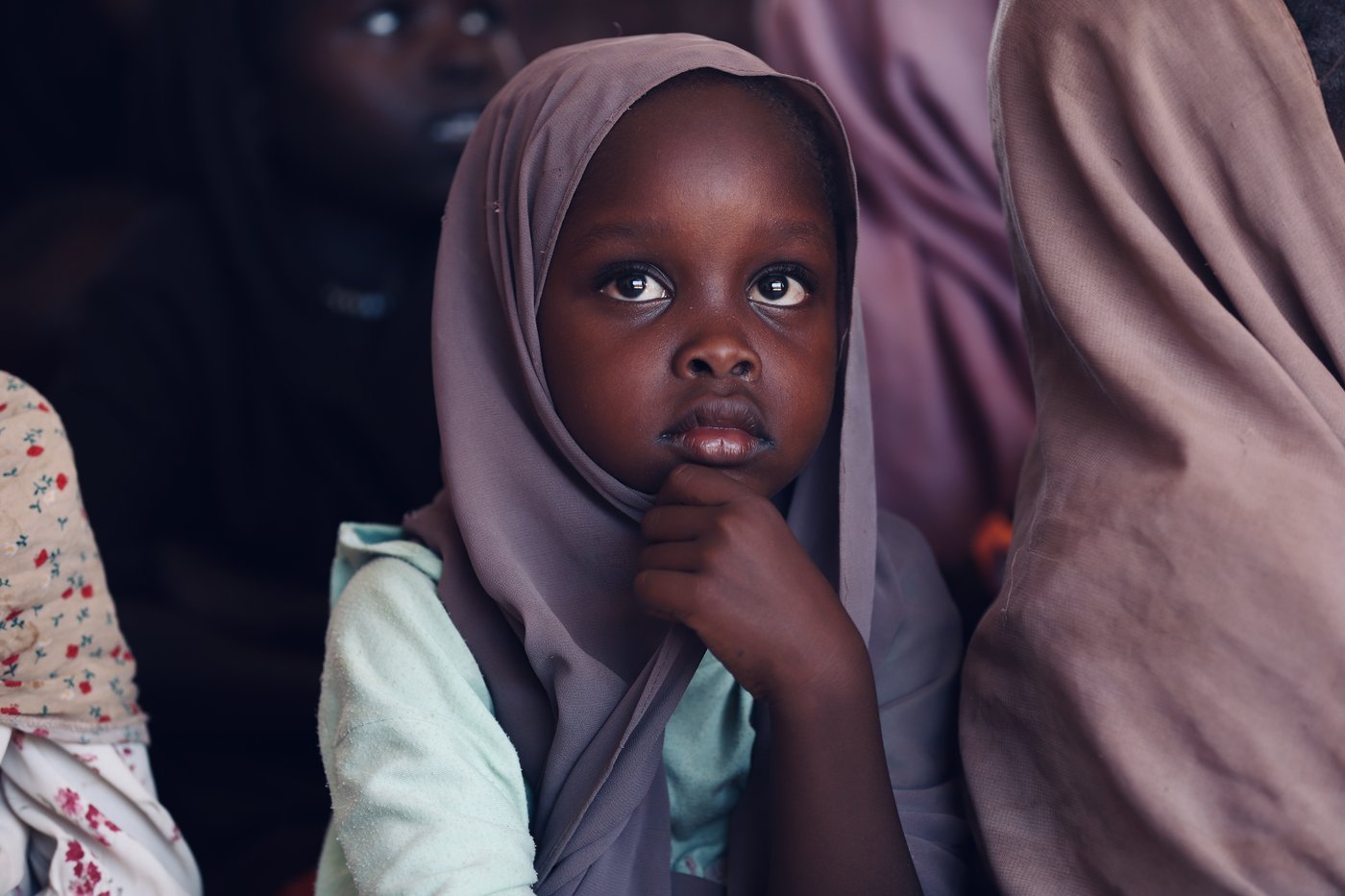
RSF forces blockaded El Fasher, the last major city in Darfur still held by SAF and allied Joint Force militias, cutting off roughly 260,000 residents, including 130,000 children, from reliable food, medical care, and aid deliveries. The siege would last 18 months before the city fell.
RSF captures Wad Madani, Gezira's state capital
RSF forces seized Wad Madani, Sudan's second city and the capital of the agriculturally vital Gezira state, giving the RSF a logistics hub to supply its fighters in Khartoum and push toward Sennar, Blue Nile, and White Nile states. The city changed hands amid widespread looting and civilian displacement.
Fires engulf landmark towers in central Khartoum
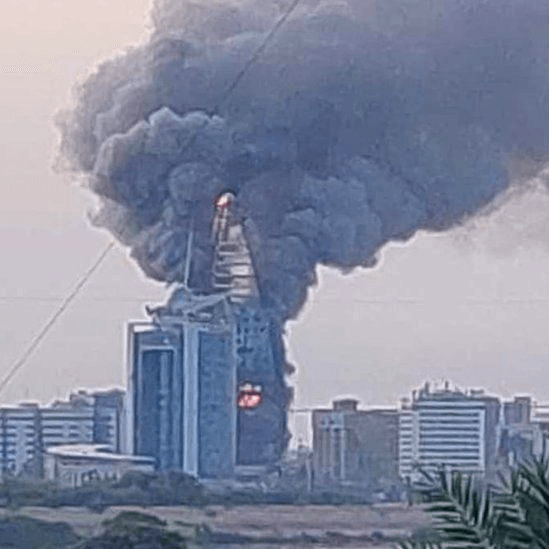
Black smoke billowed from high-rise buildings in central Khartoum, including towers housing government ministries, as fighting between SAF and RSF continued to devastate the capital five months into the war. Urban combat, artillery, and drone strikes progressively gutted much of Khartoum's downtown core through 2023 and 2024.
RSF and allied militias kill thousands of Masalit civilians in El Geneina
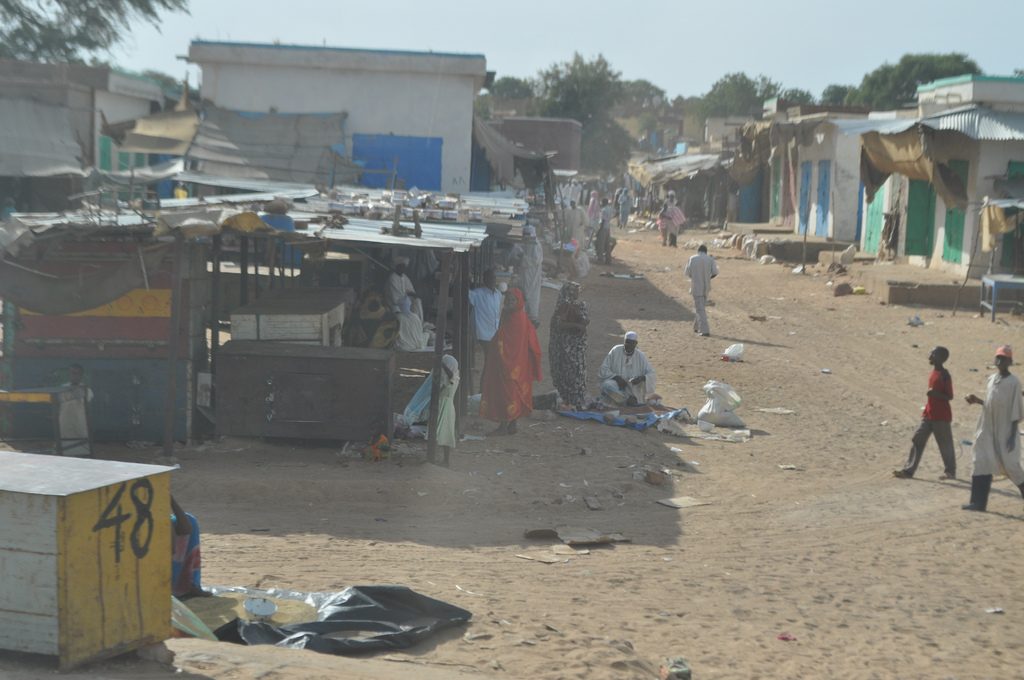
Following the killing of West Darfur's governor, RSF and allied Arab militias overran the remaining Masalit-majority neighborhoods of El Geneina and killed civilians on an ethnic basis between June 14 and June 22. Sudanese Red Crescent staff counted roughly 2,000 bodies in the streets on June 13 alone before they stopped counting; a UN panel of experts later estimated 10,000 to 15,000 people were killed in the city.
SPLM-N (al-Hilu) attacks SAF garrisons in South Kordofan
The Sudan People's Liberation Movement-North, the faction led by Abdel Aziz al-Hilu, broke a long-standing ceasefire with SAF and attacked army positions in Kadugli, Kurmuk, and Dalang, opening a third front in South Kordofan and Blue Nile states distinct from the core SAF-RSF war. Al-Hilu's forces would go on to besiege the South Kordofan capital, Kadugli, and later align with the RSF in the 2025 Tasis coalition.
Jeddah ceasefire collapses within days
A short-term ceasefire tied to the Jeddah talks expired amid a fresh surge of clashes, one of the first in a string of ceasefires through the war that mediators announced and combatants then ignored. Not a single ceasefire has fully held since the war began.
SAF and RSF sign the Jeddah Declaration
Meeting in Jeddah under US and Saudi facilitation, SAF and RSF representatives signed a Declaration of Commitment to Protect the Civilians of Sudan, pledging to respect international humanitarian law, allow safe passage for civilians, and permit unimpeded humanitarian aid. Neither side would substantially honor it.
War erupts between SAF and RSF in Khartoum
Explosions and heavy gunfire broke out across Khartoum as the Rapid Support Forces (RSF) attacked Sudanese Armed Forces (SAF) bases, including the capital's airport. Both sides accused the other of firing first. RSF commander Mohamed Hamdan "Hemedti" Dagalo ordered his forces to capture or kill SAF chief Abdel Fattah al-Burhan, and RSF units fought pitched battles with the SAF Republican Guard around the presidential palace.
Frequently Asked Questions
What triggered Sudan's civil war?
The war began on April 15, 2023, when long-simmering tension over integrating the paramilitary Rapid Support Forces (RSF) into the Sudanese Armed Forces (SAF) boiled over into open fighting in Khartoum. SAF chief Abdel Fattah al-Burhan and RSF commander Mohamed Hamdan "Hemedti" Dagalo had jointly led Sudan's post-2019 transition and jointly staged a 2021 coup together, but they missed deadlines to agree on the RSF's chain of command and timeline for integration, and the dispute turned violent when RSF units attacked SAF bases across the country.
Who is fighting whom in Sudan?
The core combatants are the Sudanese Armed Forces (SAF), led by Gen. Abdel Fattah al-Burhan and internationally recognized as Sudan's government, and the Rapid Support Forces (RSF), a paramilitary led by Mohamed Hamdan "Hemedti" Dagalo that grew out of the Janjaweed militias active in Darfur in the 2000s. The Sudan People's Liberation Movement-North (SPLM-N), led by Abdel Aziz al-Hilu, opened a third front against SAF in South Kordofan and Blue Nile in June 2023 and later allied with the RSF in the 2025 Tasis coalition. Various other armed and allied militia groups, including the SAF-aligned Joint Force, also operate on both sides.
What is the humanitarian situation in Sudan?
The UN describes Sudan as the world's largest displacement crisis. The Internal Displacement Monitoring Centre recorded 9.1 million people internally displaced at the end of 2025, down from an 11.6 million peak in 2024 as some people returned to Khartoum and Gezira, while OCHA estimates a further 4.3 million-plus have fled to neighboring countries, for roughly 13.6 million people uprooted in total. As of 2026, the UN estimates 21 million people face acute food insecurity and up to 825,000 children are projected to suffer severe acute malnutrition, with famine conditions confirmed in multiple areas of North Darfur and South Kordofan since August 2024.
Has the RSF been accused of genocide?
Yes. On January 7, 2025, the US State Department formally determined that RSF forces and allied militias committed genocide in Darfur, citing systematic ethnic killings and the targeted use of sexual violence against specific ethnic groups, and sanctioned Hemedti and several RSF-linked companies. A UN-backed investigation reached a similar finding in February 2026 regarding the RSF's October 2025 takeover of El Fasher. The RSF has denied targeting civilians on an ethnic basis. Separately, UN human rights officials and a September 2025 UN Fact-Finding Mission report have also documented SAF-side abuses, including a wave of extrajudicial killings by SAF-aligned forces in recaptured Khartoum in early 2025, and found that both parties have committed acts that may amount to crimes against humanity.
Is there a peace process for Sudan?
Multiple mediation efforts have failed to produce a lasting ceasefire. Saudi Arabia and the US convened the Jeddah talks starting in May 2023, which produced a declaration of principles but no durable truce; further rounds in Manama, Geneva, and elsewhere through 2024 also collapsed. In September 2025 the US, Saudi Arabia, Egypt, and the UAE, known as the Quad, proposed a roadmap starting with a humanitarian truce, but SAF has resisted it, wary that a truce would lock in the RSF's territorial gains in Darfur and Kordofan, and no ceasefire has held as of mid-2026.
What outside countries are involved in Sudan's war?
Several regional powers have been accused of backing one side, allegations each government has denied. Sudan brought an ICJ case accusing the UAE of arming the RSF, which the court dismissed in May 2025 on jurisdictional grounds without ruling on the underlying allegations; the UAE has repeatedly denied supplying weapons, including Amnesty International's May 2025 allegation of Chinese-made arms transfers. RSF officials have accused Egypt of supplying weapons, aircraft, and drone support to SAF, allegations Cairo denies, and a February 2026 New York Times investigation reported a covert Egyptian drone base near the Sudanese border used to strike RSF positions with Turkish-made drones. None of these foreign-support allegations have been independently adjudicated.
Sources
- Sudanese civil war (2023–present) — Wikipedia
- Jeddah Declaration of Commitment to Protect the Civilians of Sudan — U.S. Department of State
- The Failure of the Jeddah and IGAD Mediation Efforts for Sudan — Arab Center Washington DC
- Sudan Situation Update: August 2023 — ACLED
- "The Massalit Will Not Come Home": Ethnic Cleansing and Crimes Against Humanity in El Geneina, West Darfur, Sudan — Human Rights Watch
- Sudan conflict: Landmark buildings ablaze in Khartoum as fighting erupts — CNN
- Battle of Wad Madani (2023) — Wikipedia
- Siege of El Fasher — Wikipedia
- Famine confirmed in Sudan's North Darfur, confirming UN agencies' worst fears — World Food Programme
- 2.2.2. Conflict dynamics and tactics — European Union Agency for Asylum
- Famine in Sudan (2024–present) — Wikipedia
- US: State Department Determines Genocide in Sudan — Human Rights Watch
- Joy as Sudan army reclaims Wad Madani, Hemedti vows 'counterattack' — Dabanga Radio TV Online
- Sudan Founding Alliance — Wikipedia
- Sudan's army has captured the capital Khartoum. Is it a turning point in the devastating conflict? — CNN
- Sudan crisis: Turk condemns extrajudicial killings in Khartoum — UN News
- Sudan's RSF claims control of famine-hit Zamzam camp in Darfur — Al Jazeera
- ICJ dismisses Sudan's genocide case alleging UAE backing of RSF rebels — Al Jazeera
- UAE denies supplying Sudan paramilitaries with Chinese arms — Al Jazeera
- Why Sudan's RSF chose this parallel government ahead of peace talks — Al Jazeera
- RSF paramilitary-led coalition forms parallel government in war-torn Sudan — Al Jazeera
- 'A war of atrocities': Sudan civilians deliberately targeted, UN Fact-Finding Mission reports international crimes on large-scale — UN News
- IPC report on starvation in Sudan: Famine persists amidst ongoing atrocities in El Fasher — CARE
- Joint Statement on Restoring Peace and Security in Sudan — U.S. Department of State
- 'Blood on the sand. Blood on the hands': UN decries world's failure as Sudan's El Fasher falls — UN News
- Reported massacre at hospital in Sudan's El Fasher leaves 460 dead — UN News
- Sudanese militia kills hundreds at el-Fasher's last hospital — NPR
- Sudan's el-Fasher 'a crime scene' after RSF takeover: UN aid chief — Al Jazeera
- Sudan army says nearly two-year RSF siege of key town broken — Al Jazeera
- Egypt's secret drone base hidden in the Sahara attacking Sudan's RSF — Martin Plaut, citing The New York Times
- Sudan: RSF atrocities in El Fasher 'a stain on the conscience of humanity', new report — Amnesty International
- After three years of war, Sudan army and RSF locked in military impasse — Al Jazeera
- Sudan hunger crisis deepens as UN warns millions face acute food shortages — UN News
- Conflict and violence become the leading driver of internal displacements — Norwegian Refugee Council
- El-Obeid under siege by RSF: Could this be Sudan's next el-Fasher? — Al Jazeera
- Sudan's people subject to 'relentless' drone strikes in El Obeid — UN News
- Sudan Humanitarian Needs and Response Plan 2026 — OCHA