Somali Civil War: Timeline & Latest Developments
Al-Shabaab, the Al-Qaeda-linked insurgency that emerged from Somalia's collapsed Islamic Courts Union in December 2006, once controlled roughly 80 percent of the country; nearly two decades, an African Union peacekeeping mission, and a 2022-2023 government offensive later, it still contests territory with Somalia's federal government while US and Turkish airstrikes continue on both sides of 2026.
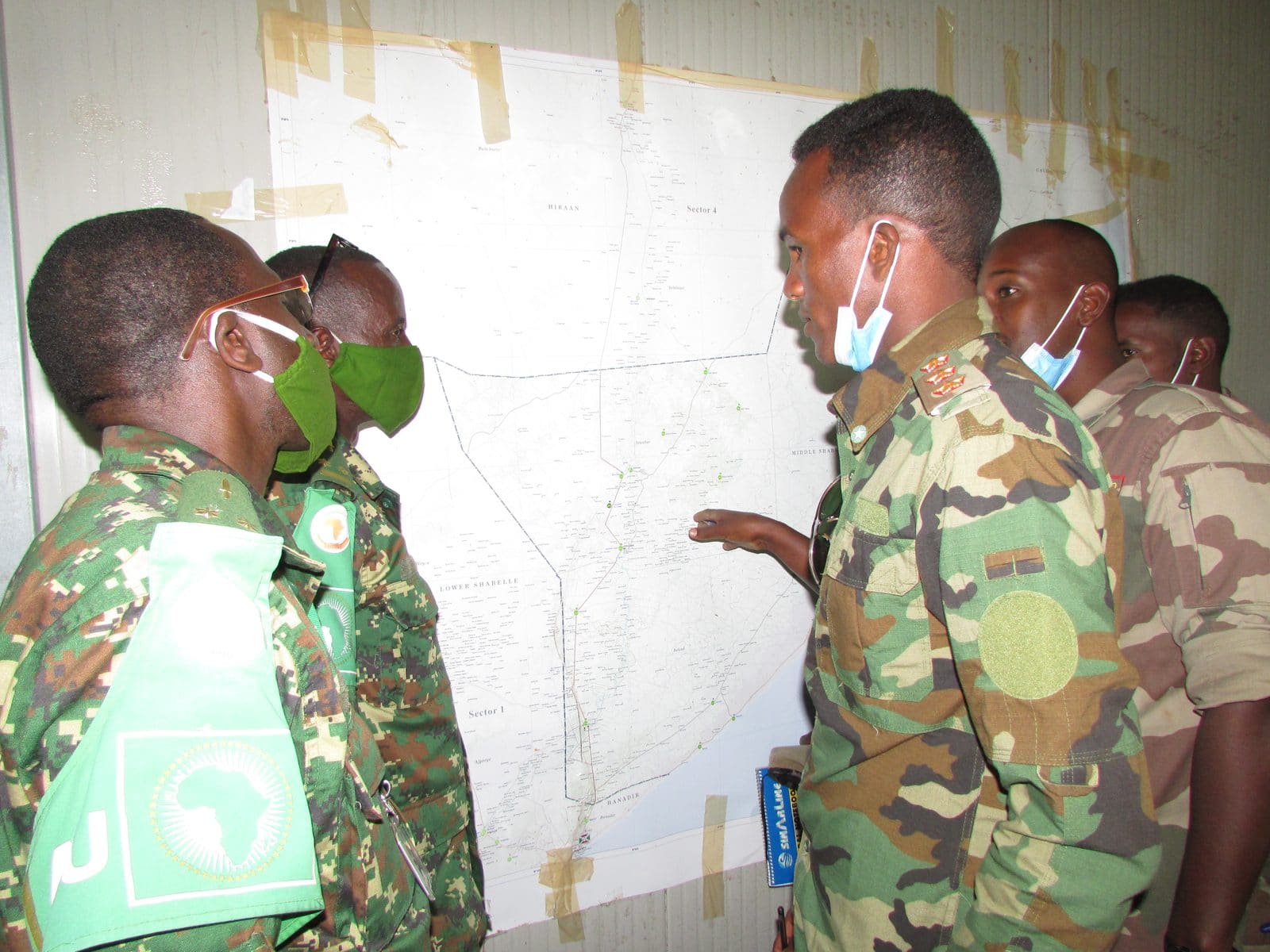
AMISOM Public Information, CC0 1.0, via Wikimedia Commons. Shown for identification; depicts an African Union and Somali forces offensive-planning meeting in Jowhar, not tied to a specific event on this page.
Somalia’s civil war has run in one form or another since January 1991, when President Siad Barre’s government collapsed under a coalition of clan-based militias and the country fragmented into competing fiefdoms with no functioning central authority. The 1990s brought famine, the failed US-UN intervention remembered in the United States as the “Black Hawk Down” battle of Mogadishu, and a succession of weak transitional governments that controlled little beyond parts of the capital. A more stable Islamist administration, the Islamic Courts Union, briefly unified much of southern Somalia in 2006 by promising order after 15 years of chaos, before Ethiopia invaded that December to remove it, fearing an Islamist government on its border. That invasion is the hinge point this page treats as the start of the conflict it tracks in detail, because the Islamic Courts Union’s armed youth wing did not disappear with it. It regrouped as Al-Shabaab, and has been Somalia’s central security threat ever since.
Al-Shabaab spent its first years, 2007 through 2011, expanding rapidly against a threadbare Transitional Federal Government and the newly arrived African Union Mission in Somalia, AMISOM, whose first Ugandan peacekeepers landed in Mogadishu in March 2007. By 2011, Al-Shabaab controlled an estimated 80 percent of the country, including large parts of Mogadishu and the port city of Kismayo, and had begun exporting violence beyond Somalia’s borders, claiming the July 2010 Kampala bombings that killed 76 World Cup viewers in Uganda. That same year, a UN-declared famine in Bakool and Lower Shabelle, worsened by Al-Shabaab’s restrictions on aid access in areas it controlled, killed an estimated quarter-million people, a humanitarian catastrophe inseparable from the military conflict raging around it. AMISOM and government forces pushed Al-Shabaab out of central Mogadishu that August, and Kenya’s October 2011 invasion, Operation Linda Nchi, opened a second front that culminated in the September 2012 fall of Kismayo, Al-Shabaab’s last major port stronghold.
Losing territory did not end Al-Shabaab’s capacity for violence; it shifted the group’s strategy toward high-casualty attacks and formal international alignment. Al-Shabaab pledged allegiance to al-Qaeda in February 2012, then carried out some of its deadliest single attacks over the following years: the September 2013 Westgate Mall siege in Nairobi, the April 2015 Garissa University massacre that killed 148 people, and the October 2017 twin truck bombings in Mogadishu that killed at least 587 people, the deadliest attack in Somali history. The United States responded with an escalating campaign of airstrikes that has run, with interruptions, since 2007, and Al-Shabaab kept striking American and allied forces directly, including a January 2020 raid on the Manda Bay airfield in Kenya that killed three Americans. President Trump ordered most US troops repositioned out of Somalia that December, though American airstrikes never fully stopped and would later resume at a far larger scale.
The 2025 total of 111 strikes, tallied by New America, nearly doubles the previous single-year record of 63 set in 2019, and the partial 2026 count, 64 strikes through May alone, has already passed that old full-year record five months in.
Mohamud’s return to the presidency in May 2022 reset the government’s approach. He declared “total war” on Al-Shabaab that August, pairing Somali National Army units and Danab commandos, trained by US special operations forces, with local clan militias called Ma’awisley, and leaning on Turkish Bayraktar TB2 drones, whose deployment Somalia confirmed that September. The offensive’s first phase cleared significant ground in central Somalia’s Hirshabelle and Galmudug regions by early 2023; a second phase, launched that August, turned toward Al-Shabaab’s southern strongholds. The United Nations rewarded the momentum by fully lifting Somalia’s 30-year arms embargo in December 2023, while keeping a narrower embargo on Al-Shabaab itself. But 2022 also became Somalia’s deadliest conflict year since at least 2018, and a severe drought pushed the UN to warn that September that famine was “at the door” in Bay region, underscoring how closely the military and humanitarian crises remained entangled even as the government held the battlefield initiative.
That initiative did not hold. AMISOM’s successor, ATMIS, drew down faster than Somali forces could absorb the security responsibilities it was shedding, and Al-Shabaab exploited the resulting gaps. A February 2025 counteroffensive, which Al-Shabaab called Operation Ramadan, rolled back most of the government’s Middle Shabelle gains within three months, including the April recapture of Adan Yabaal, a former Al-Shabaab regional hub. The group also targeted Somalia’s political leadership directly, detonating an IED near President Mohamud’s convoy in March 2025, the first such attack on a sitting president since 2014, and killed 21 people in a May 2025 suicide bombing of an army recruiting line in Mogadishu. AUSSOM, a further AU mission reboot authorized for up to 11,911 personnel, replaced ATMIS on January 1, 2025, but troop-contributing countries were soon arguing that ceiling was already inadequate. Turkish drone strikes carried their own controversy: a March 2024 strike on a Lower Shabelle farm killed 23 civilians, including 14 children, an incident Amnesty International said may amount to a war crime. US airstrikes, meanwhile, surged dramatically once the Trump administration eased Biden-era approval requirements, hitting a record 111 strikes in 2025 and drawing fresh civilian-harm allegations, including a November 2025 operation in Lower Jubba that a Drop Site News investigation said killed 11 civilians, seven of them children.
By mid-2026, independent analysts describe the military conflict as a “managed” or “prolonged” stalemate: neither Al-Shabaab nor the federal government can hold decisive new ground, even as both sides keep fighting. Somalia’s own political crisis has added a further complication. A disputed one-year extension of Mohamud’s mandate triggered days of clashes between government and opposition-aligned forces in Mogadishu in June 2026 that killed 13 people and displaced roughly 12,500 households, diverting attention and security resources from the counter-insurgency fight even as US and Turkish strikes against Al-Shabaab continued through the summer. Some analysts argue that pattern, elite Somali political rivalries consuming resources that might otherwise confront the insurgency, has structurally benefited Al-Shabaab for years, regardless of which side is winning on any given battlefield.
Full Timeline (most recent first)
AFRICOM strikes al-Shabaab northwest of Kismayo
US Africa Command conducted another airstrike targeting Al-Shabaab, this time roughly 90 kilometers northwest of Kismayo, continuing a 2026 operational tempo on pace to approach or exceed the prior year's record strike count.
Turkish F-16 strikes said to kill 35 Al-Shabaab fighters
Somalia's Defense Ministry said Turkish F-16 jets, operating alongside Somali National Armed Forces, struck weapons caches and hideouts in the Godey area of Lower Shabelle, killing about 35 militants and wounding more than 20. There has been no independent confirmation of the government's casualty claim.
Analysts say Somalia's political dysfunction still benefits Al-Shabaab
Horn of Africa analyst Matthew de Waal argued in African Arguments that Somalia's recurring elite power struggles, not just battlefield setbacks, structurally favor Al-Shabaab, since foreign-trained troops and donor-funded security forces are routinely turned toward domestic political rivals rather than the insurgency controlling much of the country's rural south.
AFRICOM strikes al-Shabaab near Welmaro, north of Kismayo
US Africa Command, coordinating with Somalia's federal government, conducted an airstrike targeting Al-Shabaab near Welmaro, roughly 103 kilometers north of Kismayo, part of a pace of US strikes in 2026 that was already running well above 2024's total.
Political crisis triggers days of clashes in Mogadishu
Fighting broke out between forces loyal to President Mohamud and opposition-aligned militias after Mohamud extended his own mandate by a year via disputed constitutional amendments. The clashes killed 13 people, wounded 189, and displaced roughly 12,500 households before a fragile truce took hold, the worst security crisis in the capital in more than a decade.
US-Somali operation in Lower Jubba kills at least 11 civilians, monitor says
Drop Site News reported that a joint US-Somali operation in the Lower Jubba region on November 15 killed at least 11 civilians, including seven children. AFRICOM confirmed conducting strikes in the area but did not respond to requests for comment on the civilian-casualty allegation.
Suicide bombing on a Mogadishu recruiting line kills 21
A suicide bomber in military uniform detonated among young men lined up to enlist in the Somali National Army at Damaanyo base, killing 21 people, including 15 recruits, and wounding 15 others. Al-Shabaab claimed responsibility and said it had killed 'a hundred soldiers,' a figure Somali officials did not confirm and this page treats as unverified.
Al-Shabaab retakes most of Middle Shabelle lost since 2022
Analysts assessed that Al-Shabaab's counteroffensive, including the April recapture of Adan Yabaal, a former regional operations hub, had erased most of the Somali government's 2022-2023 territorial gains in Middle Shabelle, resetting the front line close to where it stood before the offensive began.
Mortars hit near Mogadishu's airport and the Halane AU compound
At least six mortar rounds struck near the Halane compound, home to Western embassies and the AUSSOM mission, with additional rounds landing in nearby residential neighborhoods and wounding two civilians. No group claimed responsibility, though Al-Shabaab was suspected.
IED targets President Mohamud's convoy in Mogadishu
An improvised explosive device targeted President Mohamud's motorcade in Mogadishu, the first attack to directly target a sitting Somali president since 2014. Mohamud was unharmed.
Al-Shabaab launches 'Operation Ramadan' counteroffensive
Al-Shabaab opened a major counteroffensive concentrated on Middle Shabelle, exploiting security gaps left as ATMIS drew down faster than Somali forces could fill them, and by May had retaken most of the territory the government had captured there since 2022.
AUSSOM formally replaces ATMIS
The African Union Support and Stabilization Mission in Somalia, AUSSOM, took over from ATMIS with a UN-authorized strength of up to 11,911 personnel, though troop-contributing countries would soon say that ceiling was already too low for the deteriorating security situation.
Turkey brokers the Ankara Declaration between Ethiopia and Somalia
Turkish-mediated talks produced the Ankara Declaration, in which Ethiopia and Somalia agreed to restore relations and negotiate commercial sea-access arrangements, easing, though not fully resolving, the dispute over the Somaliland MOU.
Turkish drone strike kills 23 civilians, including 14 children
A Turkish drone strike hit a farm settlement in the Jaffey area of Lower Shabelle, killing 23 civilians, including 14 children. Amnesty International investigated the strike and said it may amount to a war crime, an allegation Turkey has not confirmed or acknowledged responsibility for.
Somali Danab train alongside international partners at Justified Accord
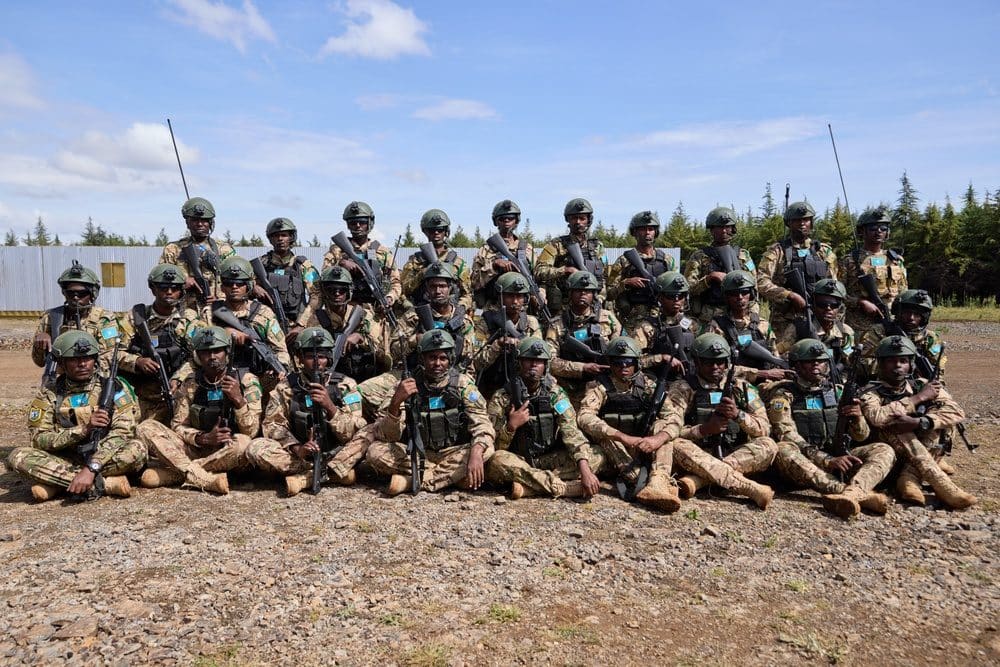
Somali Danab soldiers conducted urban operations training with US and partner forces at Justified Accord 2024 in Kenya, part of continued international investment in Somali counter-terrorism capacity even as AU funding grew uncertain.
Ethiopia-Somaliland port deal strains the AU mission
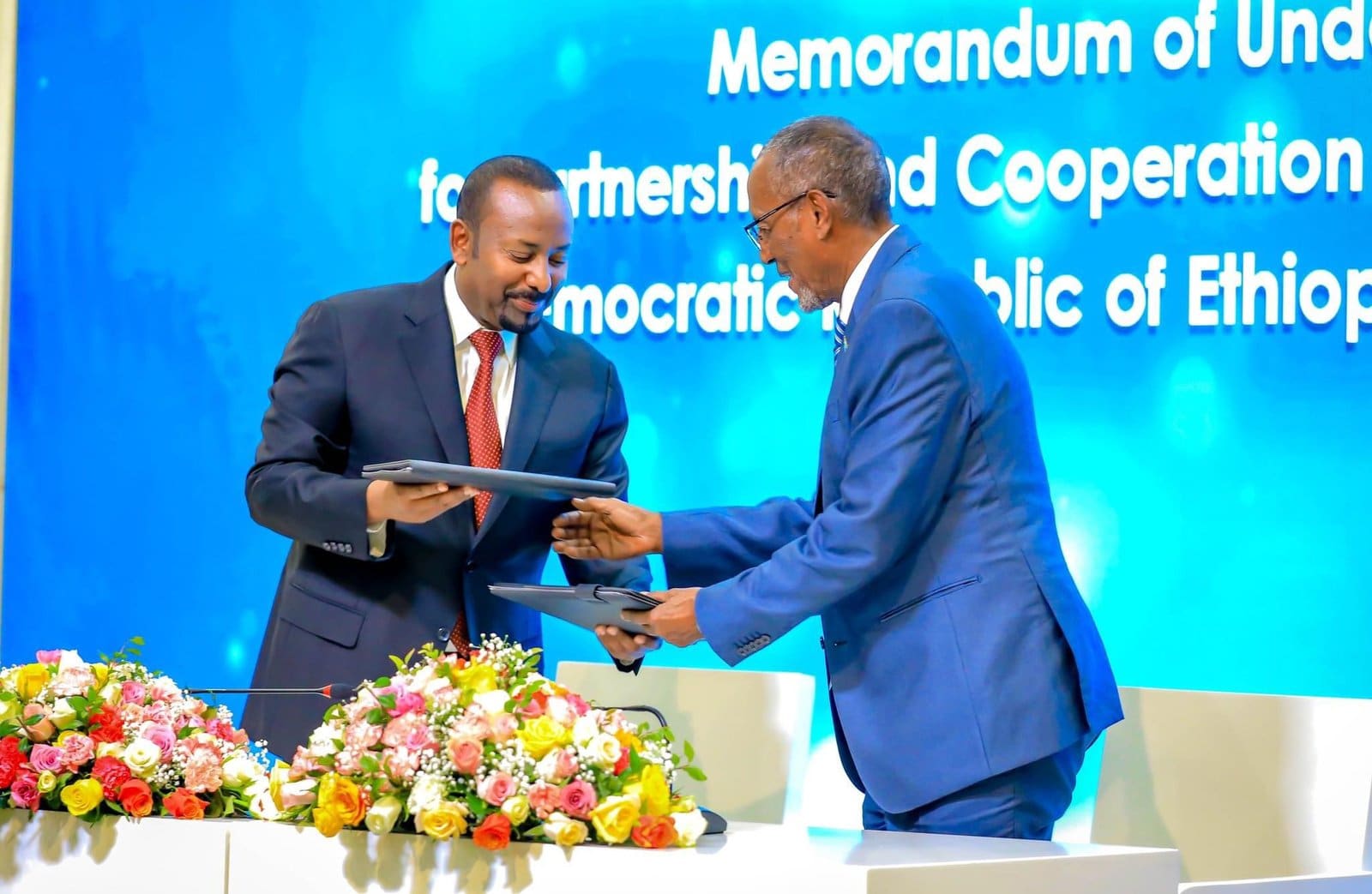
Ethiopia signed a memorandum of understanding with the breakaway region of Somaliland for Red Sea port access, reportedly including a future path to recognition. Somalia called it a violation of its sovereignty, straining relations with Ethiopia, a major AU troop contributor, until a Turkish-mediated reconciliation nearly a year later.
UN Security Council fully lifts Somalia's 30-year arms embargo
The Security Council unanimously lifted the arms embargo it had imposed on Somalia in 1992, while separately reimposing an embargo specifically targeting Al-Shabaab, aiming to let the federal government arm its forces without restriction.
Somali forces launch the offensive's second phase in the south
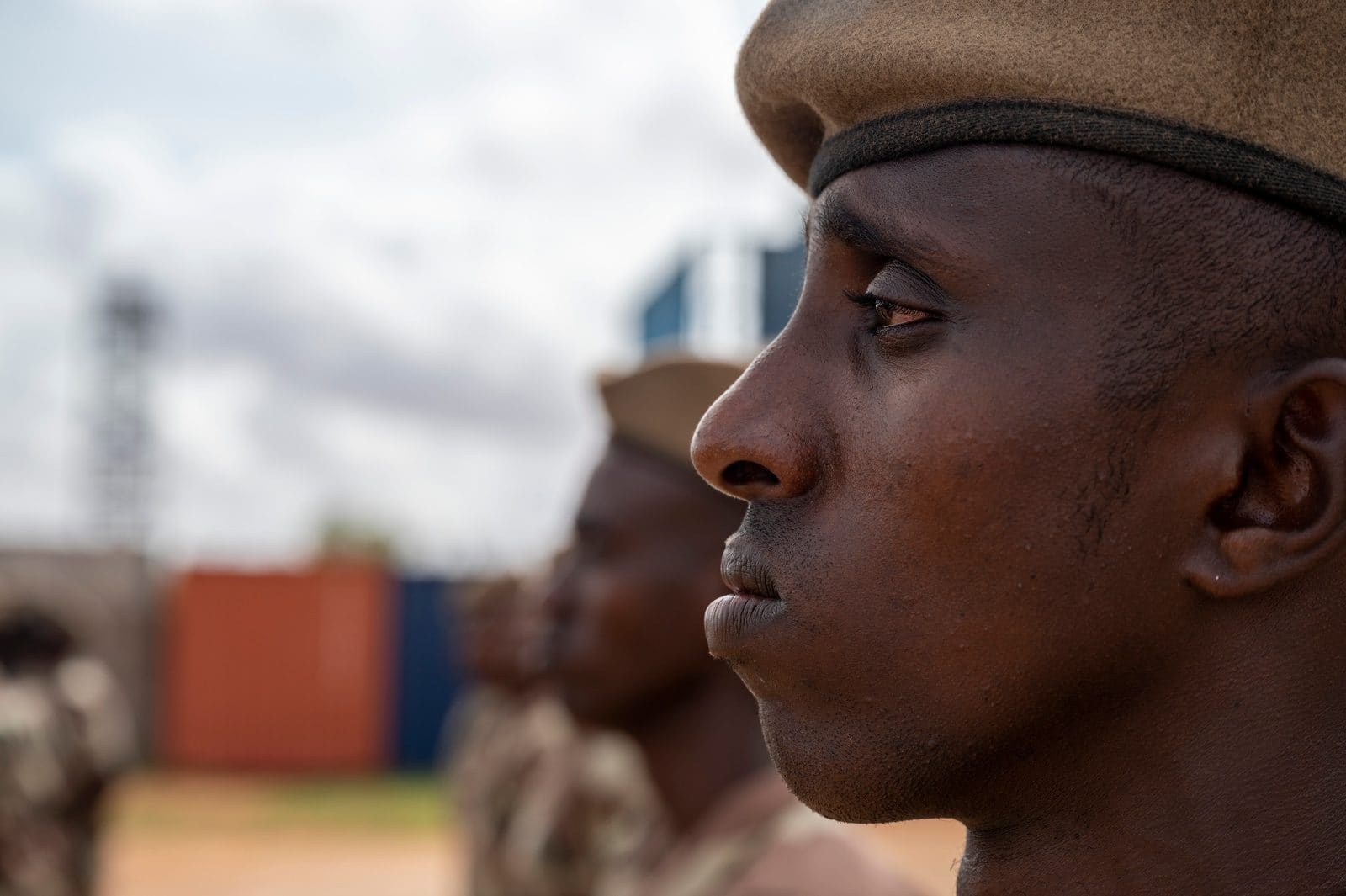
One year after declaring total war, Somali forces announced the offensive's second phase, shifting focus from central Somalia's Hirshabelle and Galmudug regions to Al-Shabaab's remaining southern strongholds.
10th Danab commando cohort graduates basic training
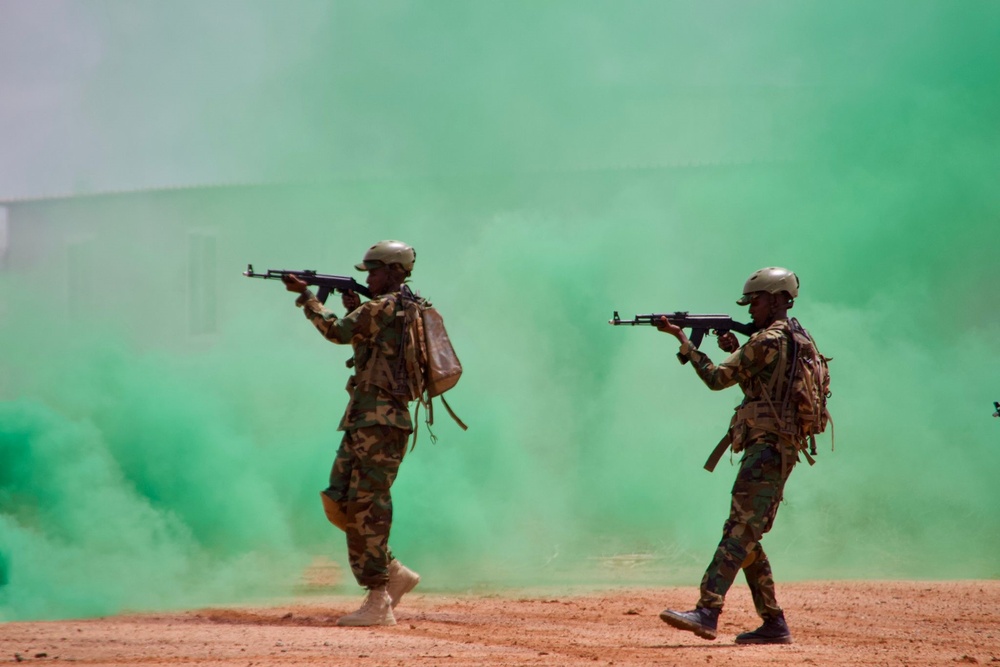
A new cohort of the Somali National Army's US-trained Danab Advanced Infantry Brigade completed basic training at Baledogle Military Airfield, part of the sustained US-Somali training pipeline underpinning the government's offensive.
Turkey confirms Bayraktar TB2 drones deployed against Al-Shabaab
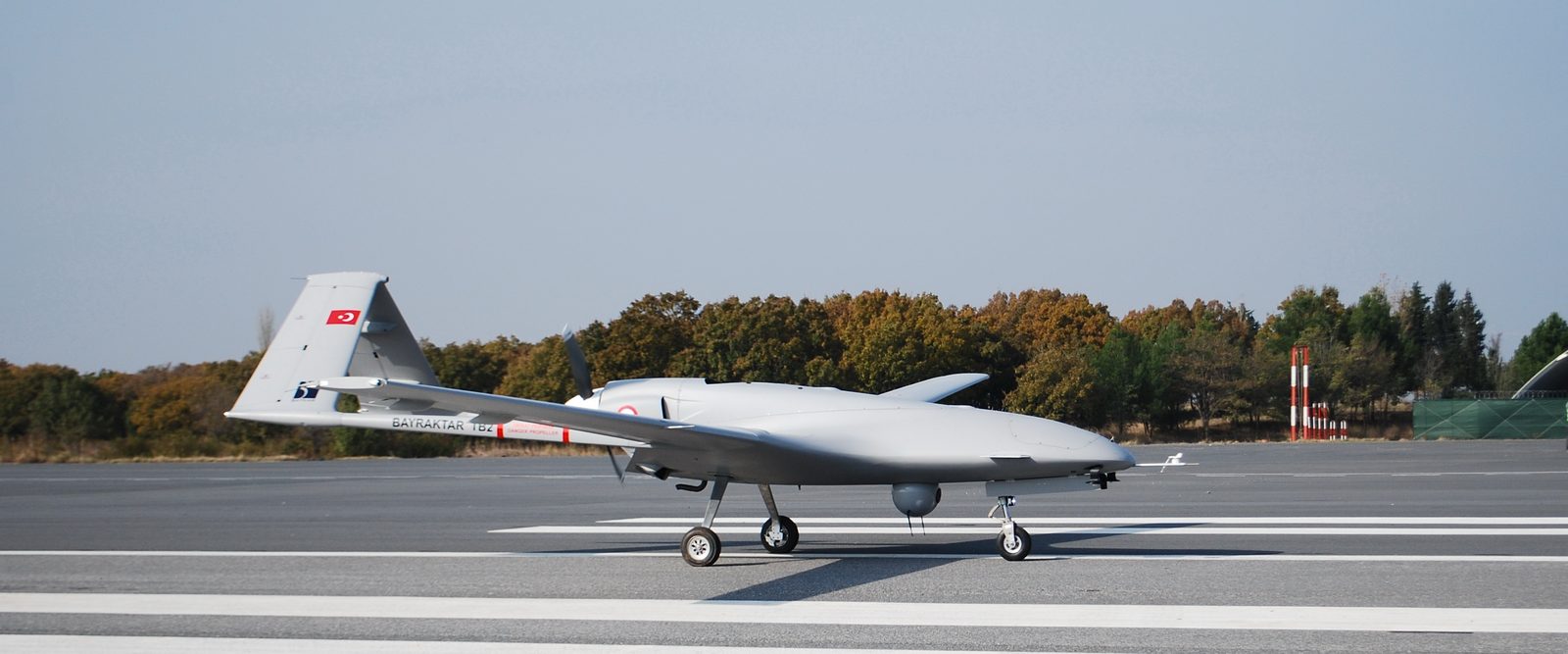
Somalia's interior minister confirmed Turkish-made Bayraktar TB2 drones, first delivered to Somalia in December 2021, were now being used in strikes supporting the government offensive, formalizing a Turkish military role that would expand through 2026.
UN warns famine is 'at the door' in Bay region
The UN said catastrophic hunger levels put roughly 500,000 Somali children at risk of dying and that famine conditions were imminent in parts of Bay region, driven by drought and compounded by conflict-related displacement, though a formal famine declaration was ultimately avoided through a scaled-up aid response.
Mohamud declares 'total war' on Al-Shabaab
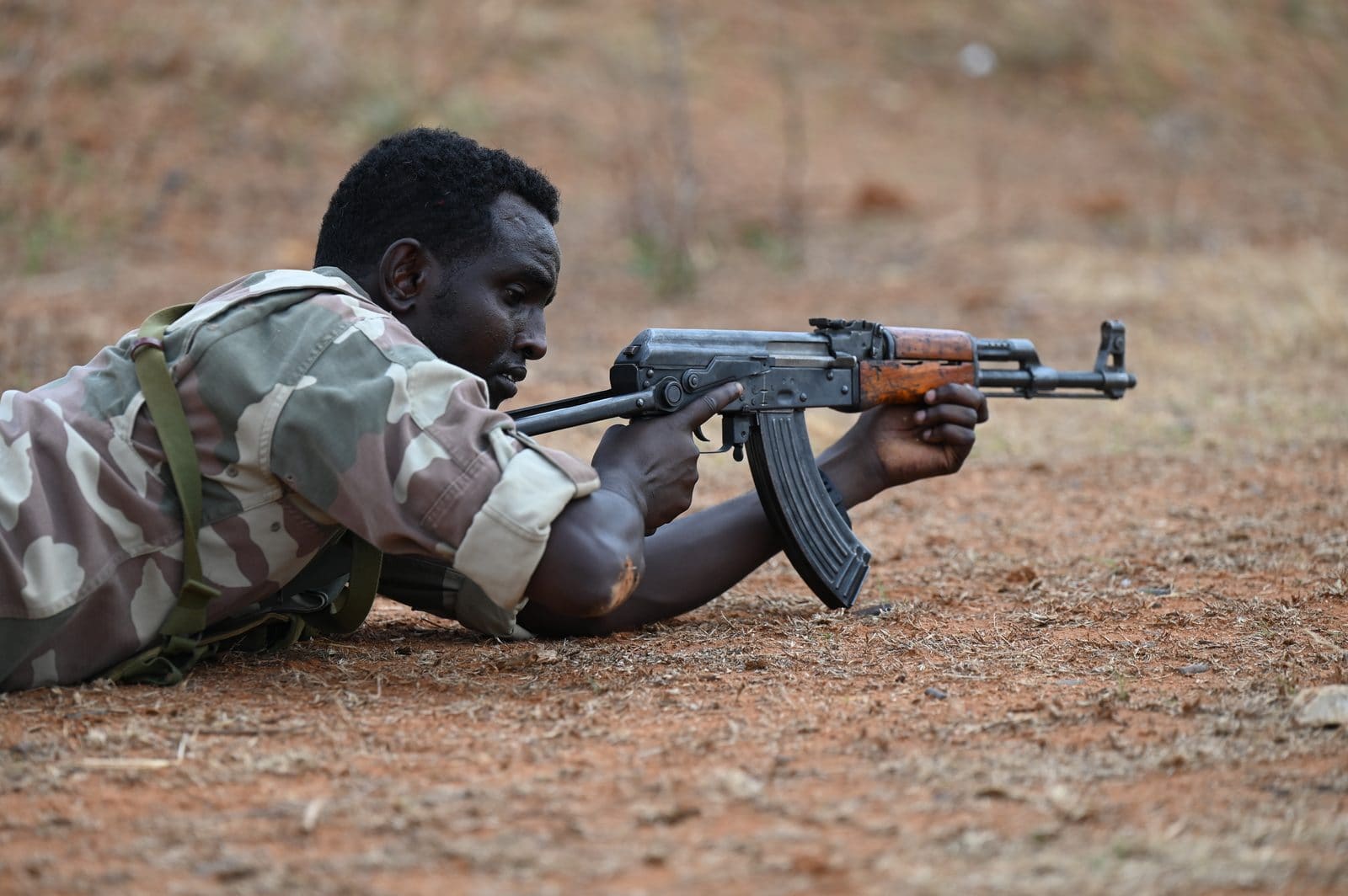
President Mohamud declared an all-out offensive against Al-Shabaab, pairing Somali National Army units and US-trained Danab commandos with local clan militias known as Ma'awisley, and drawing on US and Turkish drone support.
Hassan Sheikh Mohamud elected president
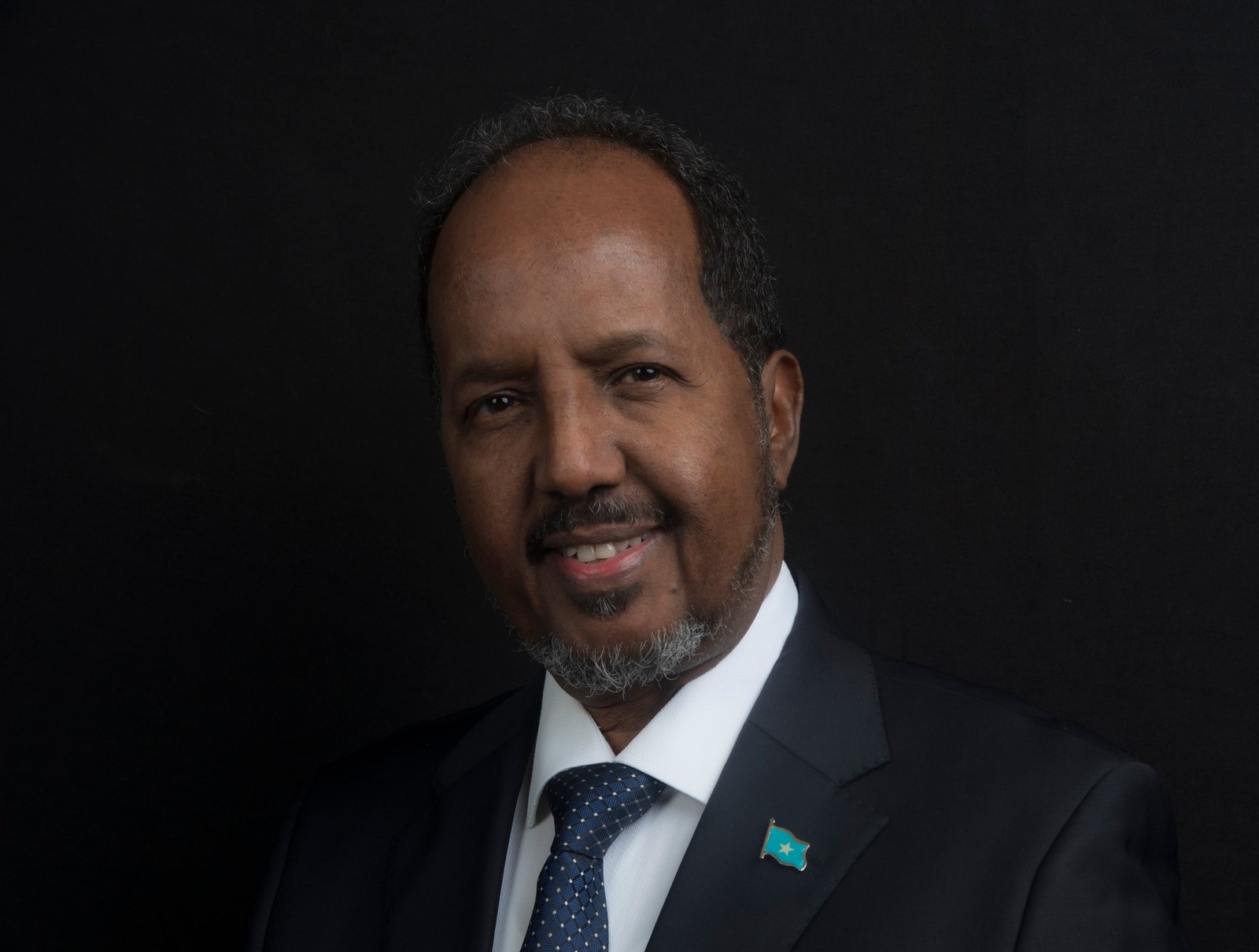
Somalia's parliament elected Hassan Sheikh Mohamud president, defeating incumbent Mohamed Abdullahi Mohamed. Mohamud had previously served as president from 2012 to 2017 and would soon launch the government's most sustained offensive against Al-Shabaab in years.
AMISOM transitions into ATMIS
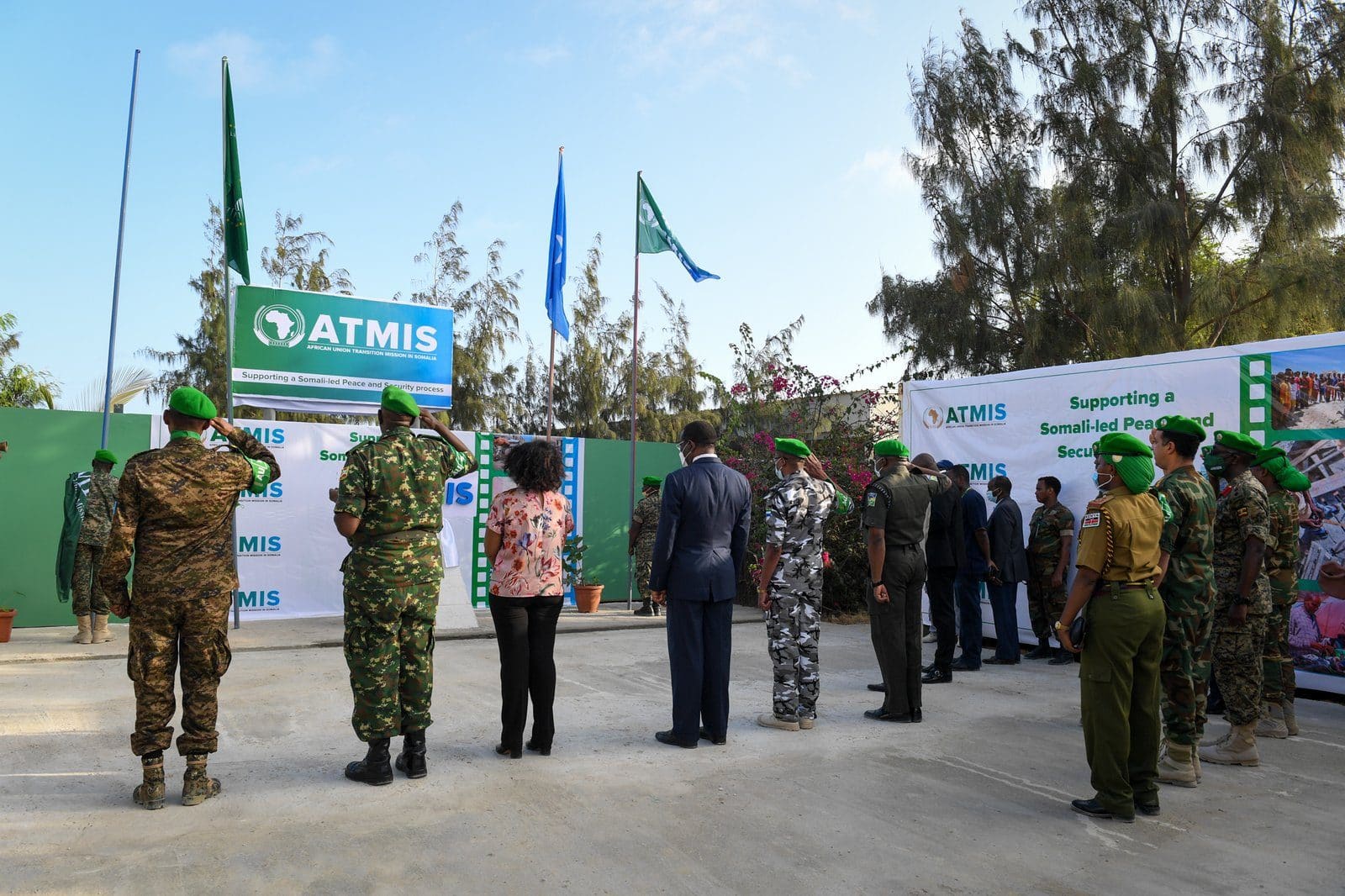
AMISOM's mandate ended after more than 15 years and was replaced by the African Union Transition Mission in Somalia, ATMIS, framed as a step toward eventually handing full security responsibility to Somali forces.
Trump orders withdrawal of most US troops from Somalia
The Pentagon said President Trump had ordered the repositioning of most of the roughly 700 US troops stationed in Somalia to neighboring countries by early 2021, ending a continuous American ground presence built up since 2007.
Al-Shabaab raid on Camp Simba, Manda Bay, kills three Americans
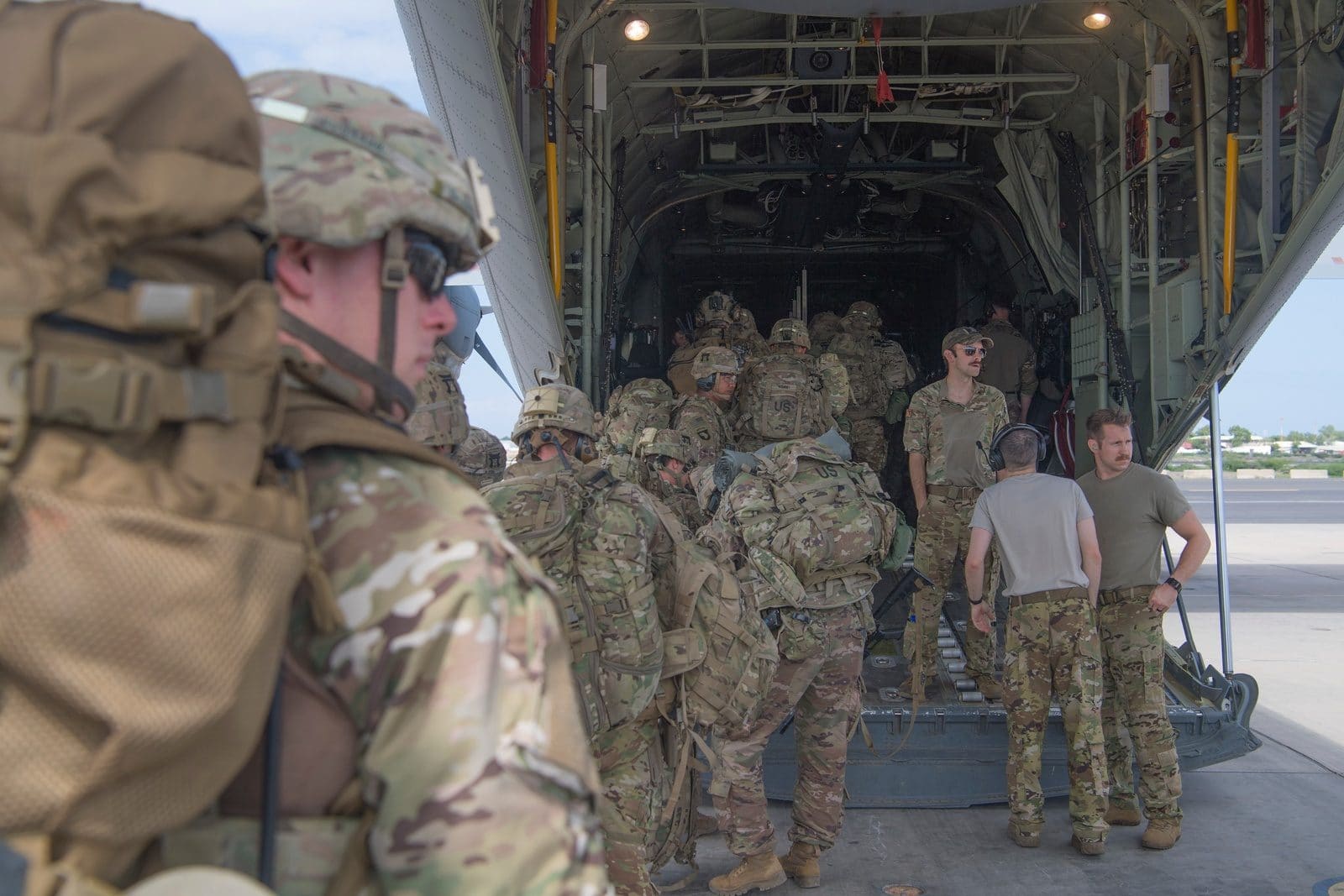
Around 30 to 40 Al-Shabaab fighters raided the Manda Bay airfield in Lamu County, Kenya, used by US and Kenyan troops, destroying six aircraft and killing a US Army soldier and two US contractors.
US airstrike near Jilib kills 52 in a record year for American strikes
A US strike on Al-Shabaab fighters near Jilib killed 52 militants, AFRICOM said, part of what became a then-record 63 US airstrikes in Somalia for the year. Independent monitors have generally not been able to verify AFRICOM's individual strike-effectiveness claims.
Twin truck bombings kill 587+ in Mogadishu
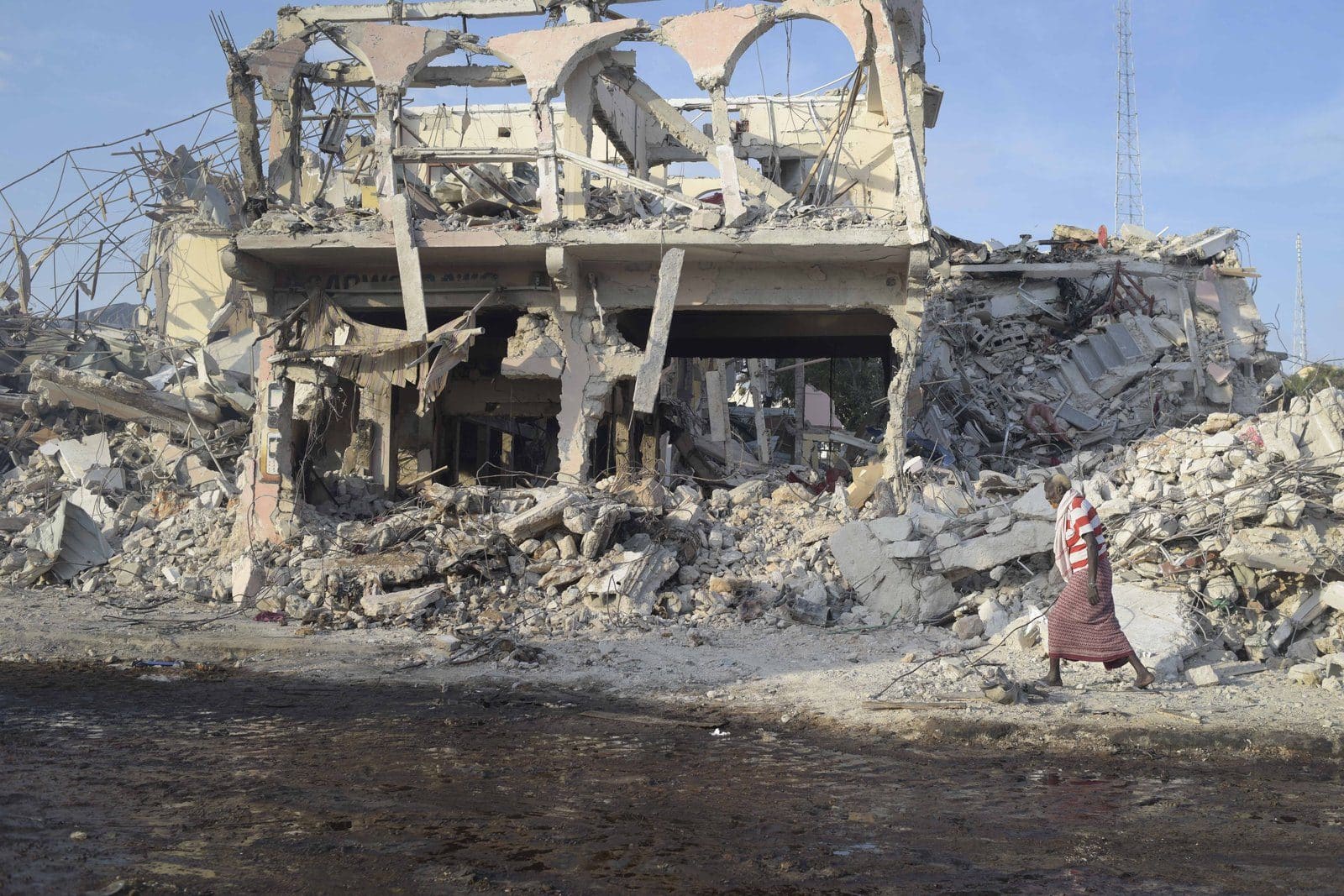
Two truck bombs detonated in Mogadishu's Hodan district, one of them destroying a hotel and surrounding buildings. The attack killed at least 587 people and remains the deadliest bombing in Somali history and one of the deadliest in Africa. No group claimed responsibility, but Somali officials said a captured cell member implicated Al-Shabaab.
Al-Shabaab gunmen attack Garissa University, killing 148
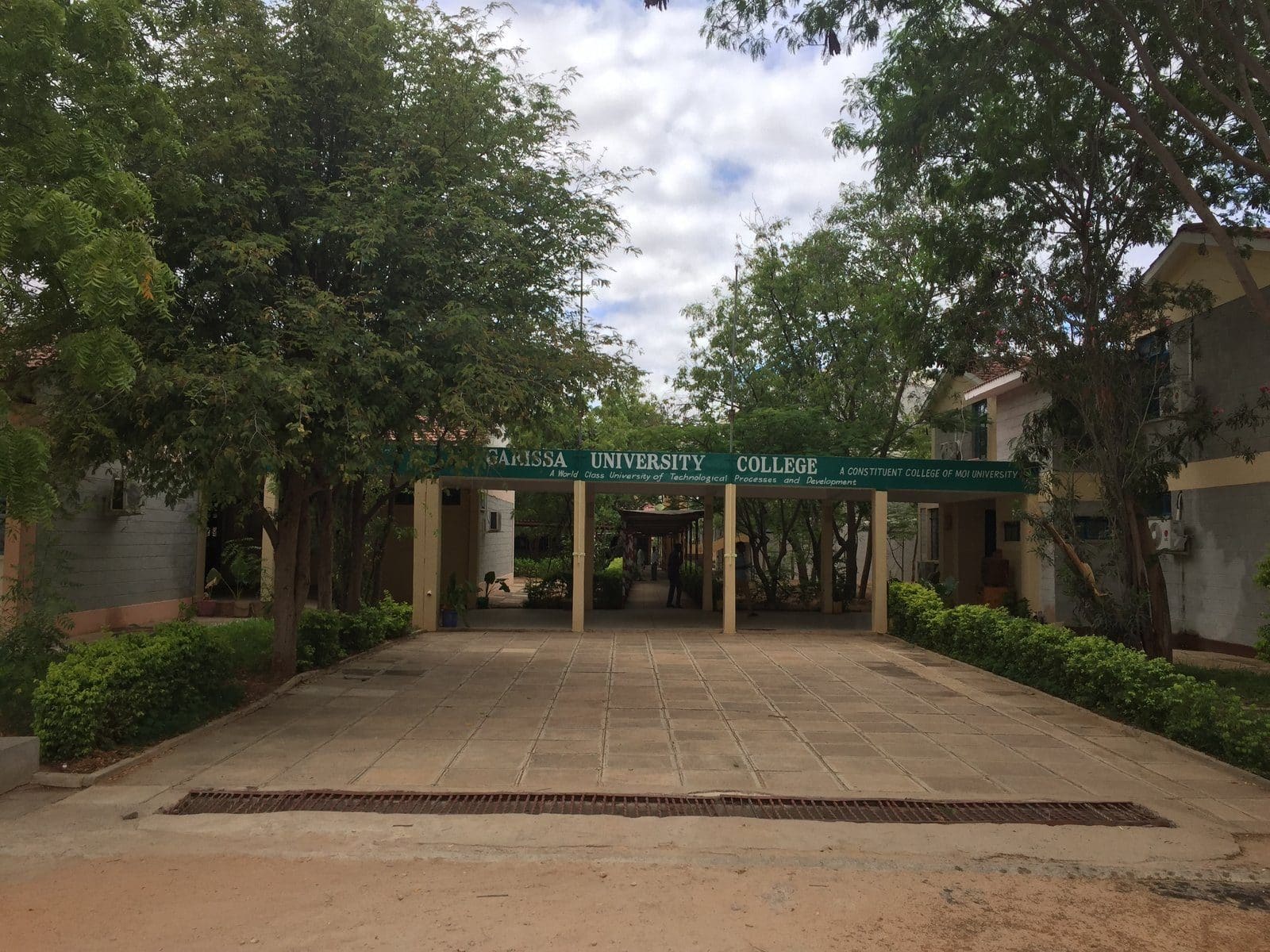
Gunmen stormed Garissa University College in northeastern Kenya, separating Christian from Muslim students before killing 148 people, most of them students, in the deadliest Al-Shabaab attack on Kenyan soil.
Al-Shabaab gunmen attack Nairobi's Westgate Mall, killing 67
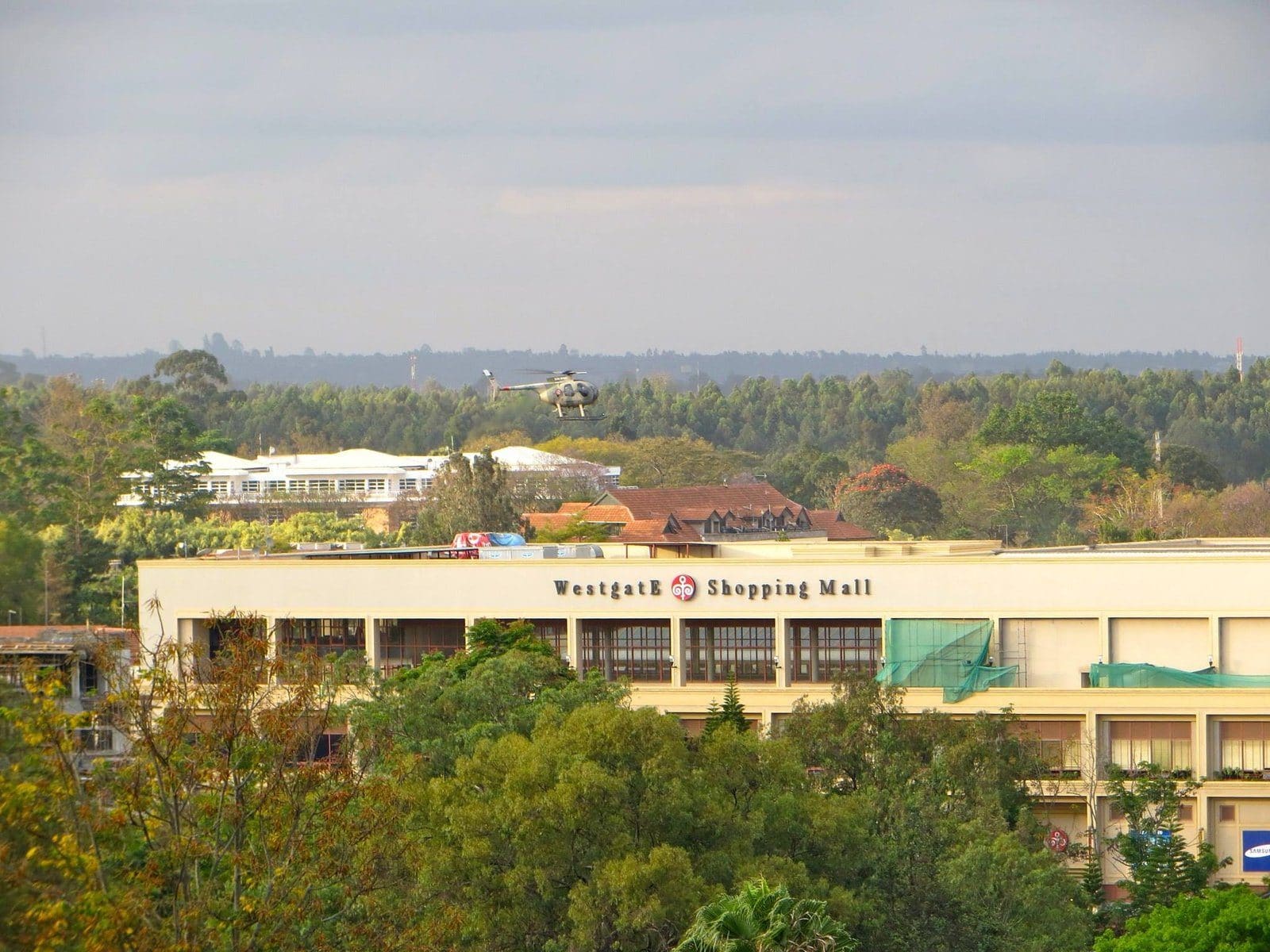
Four Al-Shabaab gunmen seized Nairobi's Westgate shopping mall in a four-day siege that killed 67 people, retaliation the group explicitly tied to Kenya's military role in Somalia.
Kenyan and AMISOM forces storm Kismayo
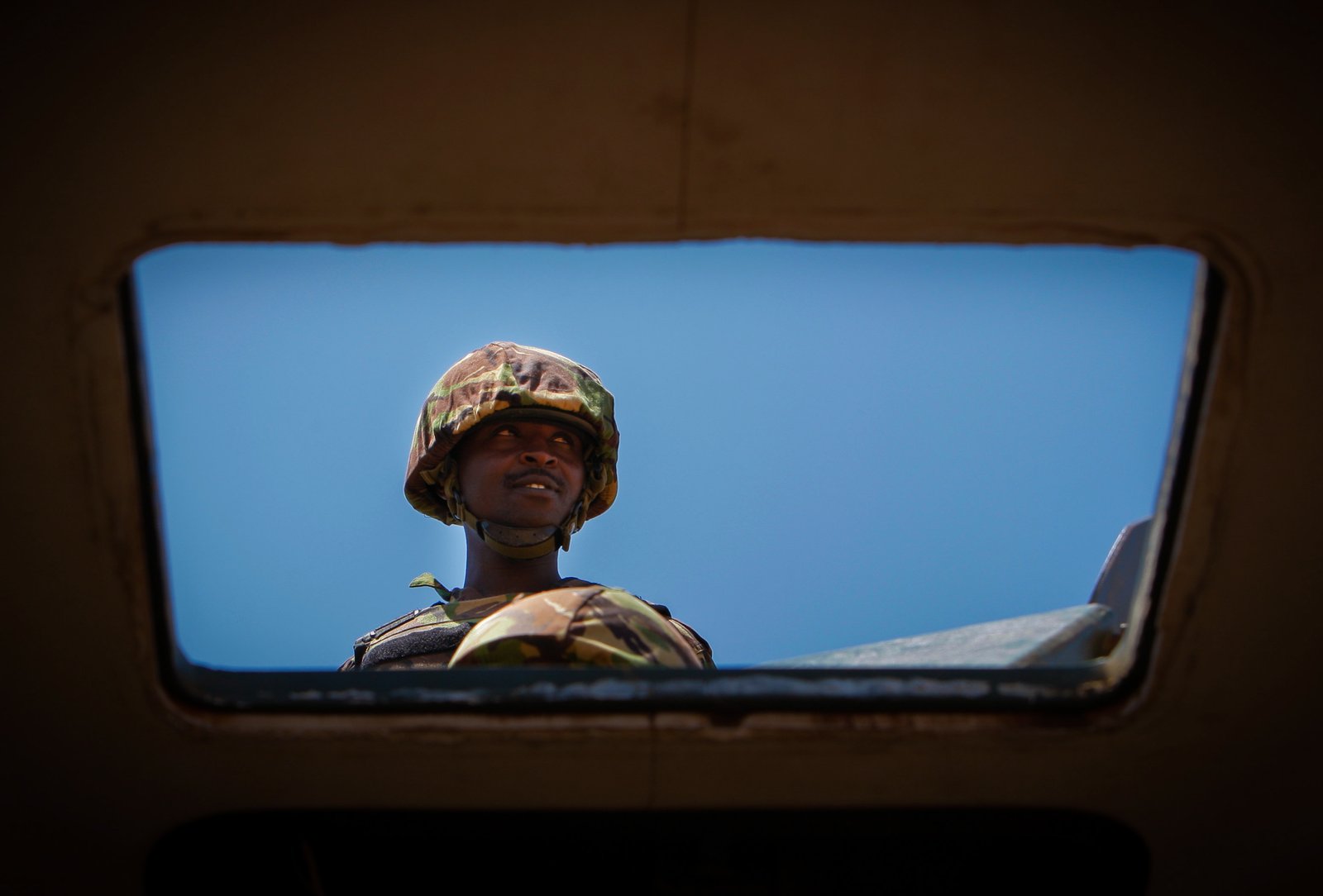
An amphibious assault by Kenyan, Somali, and Ras Kamboni militia forces took Al-Shabaab's last major port stronghold. Al-Shabaab withdrew from the city rather than fight for it, cutting off a key source of the group's revenue from charcoal exports.
Al-Shabaab formally merges with al-Qaeda
Godane announced Al-Shabaab's formal allegiance to al-Qaeda, a move that drew internal opposition from members who favored a purely nationalist insurgency but cemented the group's place in al-Qaeda's global network.
Kenya launches Operation Linda Nchi
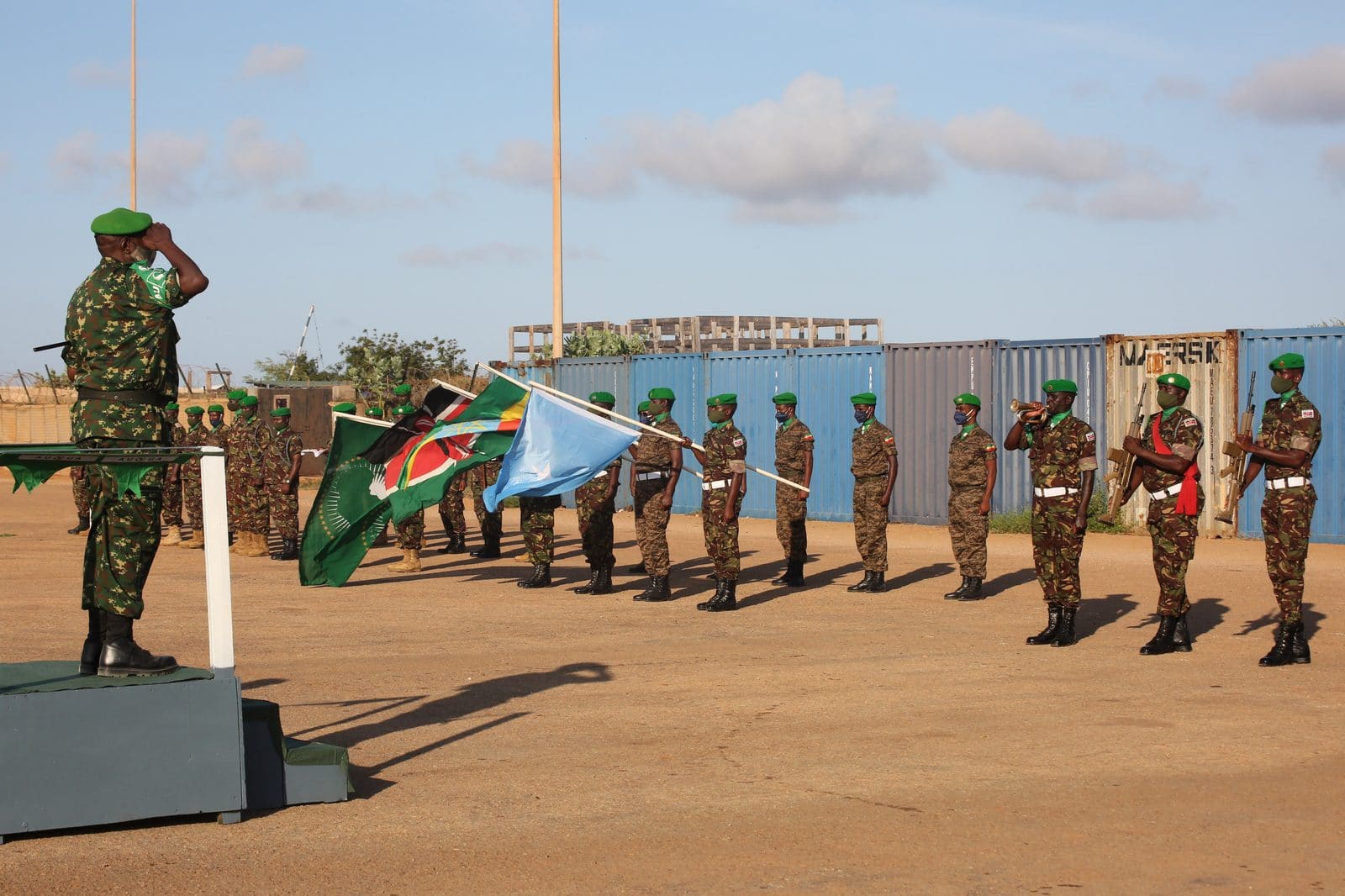
Kenyan forces crossed into southern Somalia in Operation Linda Nchi ('Protect the Country'), aiming to push Al-Shabaab back from the border after cross-border kidnappings and attacks. Kenya later folded its forces into AMISOM.
Al-Shabaab withdraws from Mogadishu
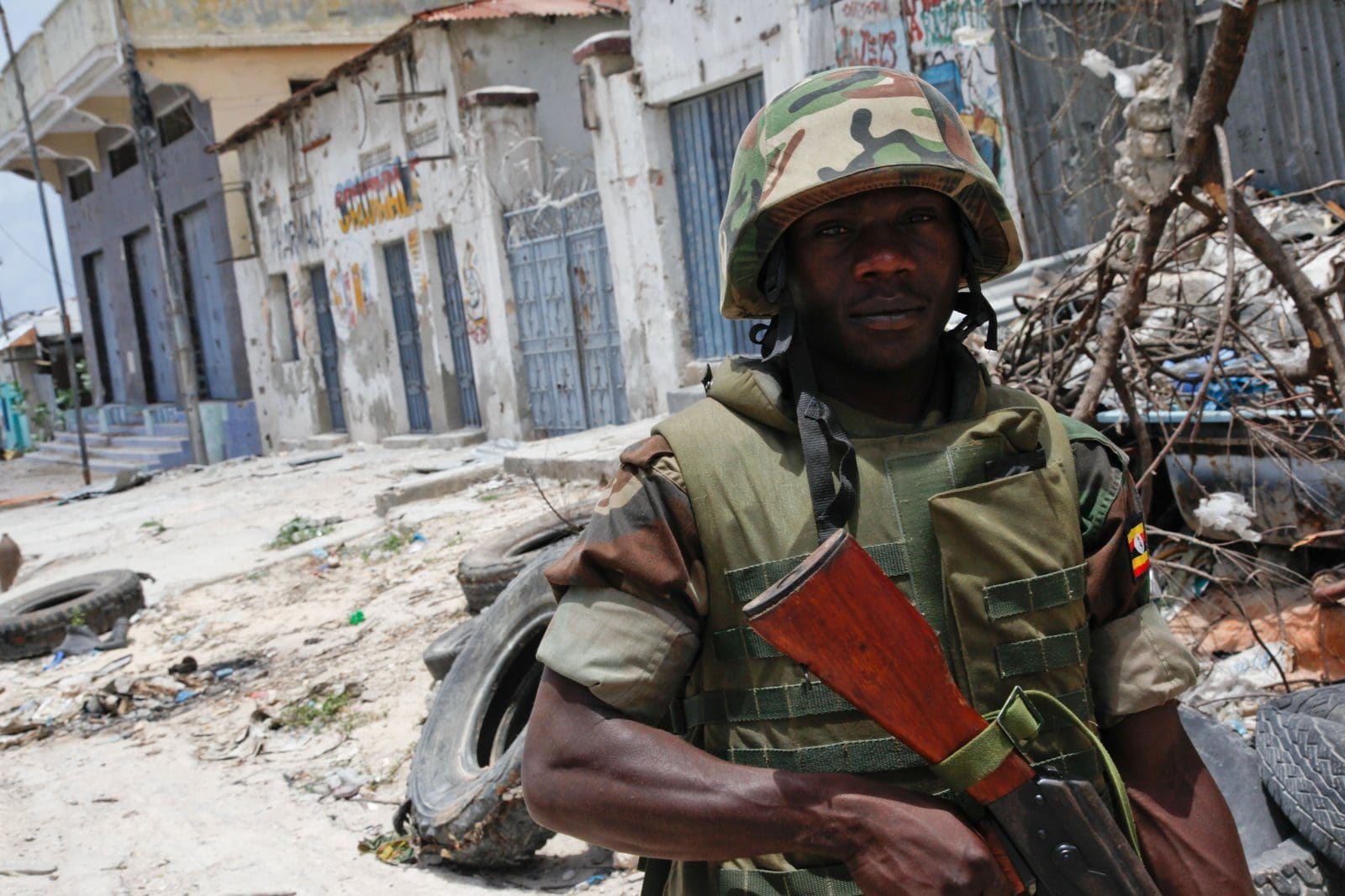
After sustained AMISOM and government pressure, Al-Shabaab announced a 'tactical withdrawal' from its remaining Mogadishu strongholds, ending open urban warfare in the capital even as the group vowed to keep fighting by other means.
UN declares famine in southern Somalia
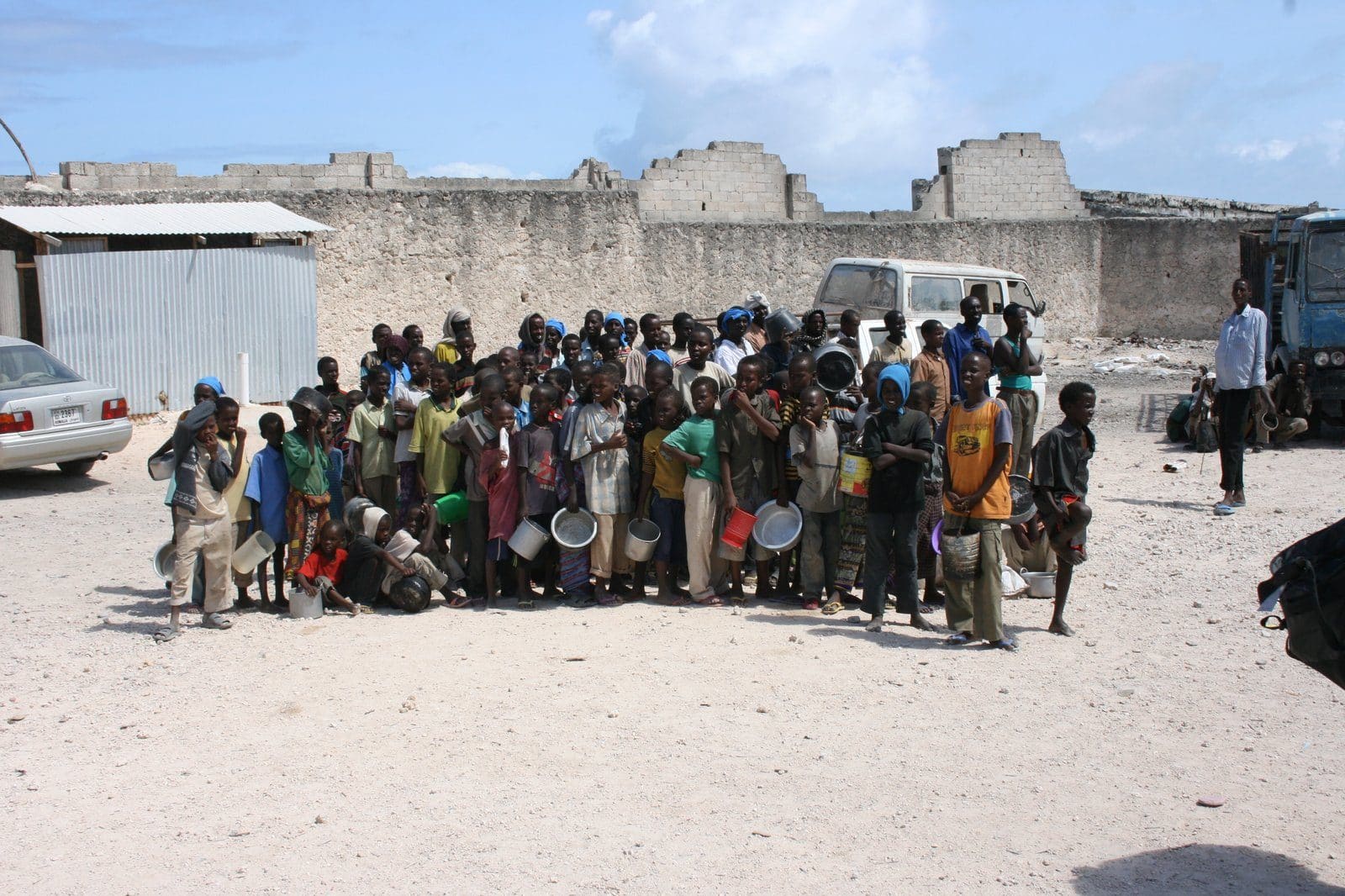
The UN declared famine in Bakool and Lower Shabelle, the first such declaration in the region since 1992. An estimated quarter-million people, roughly half of them children, are believed to have died before the famine ended, worsened by Al-Shabaab's restrictions on aid access in areas it controlled.
Al-Shabaab claims Kampala bombings, killing 76
Suicide bombers struck two venues showing the World Cup final in Kampala, Uganda, killing 76 people. Al-Shabaab claimed responsibility, its first confirmed attack outside Somalia and a direct reprisal for Uganda's role in AMISOM.
Ethiopian troops complete their withdrawal
Ethiopia pulled its forces out of Somalia, leaving AMISOM as the main foreign military presence backing the Transitional Federal Government against an Al-Shabaab insurgency that by then controlled most of central and southern Somalia.
US airstrike kills Al-Shabaab's top military commander
A US cruise-missile strike on a compound in Dhusamareb killed Aden Hashi Ayro, Al-Shabaab's military leader. Ahmed Abdi Godane took over and steered the group toward closer alignment with al-Qaeda.
First AMISOM troops land in Mogadishu
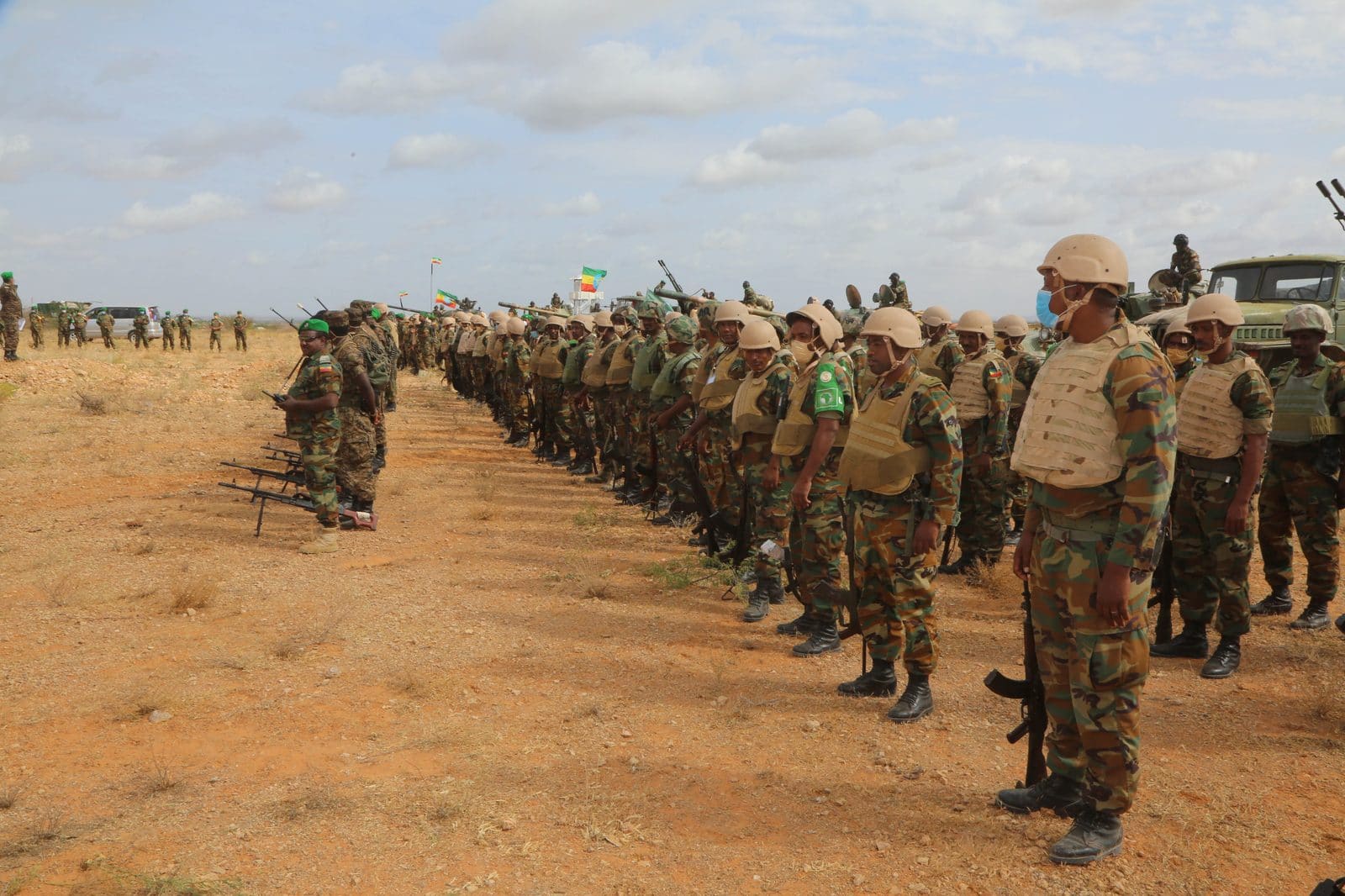
Ugandan soldiers became the first AMISOM contingent to deploy, landing at Mogadishu's airport alongside three military vehicles to begin what would become a peacekeeping mission lasting more than 15 years.
UN Security Council authorizes the African Union Mission in Somalia
The Security Council endorsed AMISOM, a peacekeeping force the African Union's Peace and Security Council had approved a month earlier, to protect the Transitional Federal Government against the growing insurgency.
Ethiopian invasion topples the Islamic Courts Union
Ethiopian troops and Somalia's Transitional Federal Government drove the Islamic Courts Union from Mogadishu. Al-Shabaab, until then the union's armed youth wing, survived the collapse as an independent insurgent group of roughly 600 fighters.
Frequently Asked Questions
When did the Somali Civil War start, and is that the same as the war with Al-Shabaab?
Somalia's civil war began in 1991 when President Siad Barre's government collapsed into competing clan factions, and low-level conflict has continued in various forms ever since. This page tracks the current, dominant phase of that conflict: the insurgency waged by Al-Shabaab, which emerged in December 2006 after Ethiopia's invasion toppled the Islamic Courts Union and has been the country's central security threat for nearly two decades.
What is Al-Shabaab?
Al-Shabaab, formally Harakat al-Shabaab al-Mujahideen, is a Somalia-based Islamist militant group that pledged formal allegiance to al-Qaeda in February 2012. It controlled an estimated 80 percent of Somalia at its 2011 peak and, despite years of AU and government offensives, still holds significant rural territory in central and southern Somalia.
Is Al-Shabaab still active in 2026?
Yes. After losing significant ground during the Somali government's 2022-2023 offensive, Al-Shabaab launched a counteroffensive in early 2025 that recaptured most of that lost territory in Middle Shabelle by mid-2025. Analysts describe the current state of the conflict as a stalemate, with neither side able to secure a decisive, lasting advantage, while the Somali government's own June 2026 political crisis further strained resources devoted to fighting the group.
Who is fighting Al-Shabaab?
The Somali federal government and its National Army, including the US-trained Danab commando brigade, lead the fight, backed by the African Union's AUSSOM peacekeeping mission (authorized for up to 11,911 personnel from Uganda, Ethiopia, Djibouti, Kenya, Egypt, and other contributors), periodic US airstrikes and troop support, and, since 2022, Turkish drone and, more recently, F-16 strikes.
How many people have died in the conflict with Al-Shabaab?
Precise cumulative figures are disputed and hard to verify, but the Armed Conflict Location and Event Data Project recorded roughly 6,224 Al-Shabaab-linked fatalities in the year to mid-2025 alone, more than double 2022's toll, according to the Africa Center for Strategic Studies. Single events have also been extremely deadly: the October 2017 Mogadishu truck bombings killed at least 587 people, and the 2011 famine, worsened by Al-Shabaab's restrictions on aid delivery, is estimated to have killed roughly a quarter-million people.
Are US airstrikes in Somalia killing civilians?
US Africa Command says it takes extensive precautions to avoid civilian harm and typically reports strikes as killing only militants. Independent monitors dispute that record: Amnesty International has said AFRICOM has undercounted civilian deaths and misclassified some Somali civilians as combatants, and Drop Site News reported that a joint US-Somali operation in Lower Jubba on November 15, 2025 killed at least 11 civilians, including seven children. AFRICOM did not respond to requests for comment on that specific allegation.
Sources
- Al-Shabaab (militant group) — Wikipedia
- African Union Mission to Somalia — Wikipedia
- Aden Hashi Farah Ayro — Wikipedia
- 2010 Kampala attacks — Wikipedia
- UN declares famine in two regions of southern Somalia — UN News
- Battle of Mogadishu (2010-11) — Wikipedia
- Operation Linda Nchi — Wikipedia
- Battle of Kismayo (2012) — Wikipedia
- Westgate shopping mall attack — Wikipedia
- Garissa University College attack — Wikipedia
- 14 October 2017 Mogadishu bombings — Wikipedia
- US intervention in Somalia — Wikipedia
- Camp Simba attack — Wikipedia
- Trump Orders The Withdrawal Of Most U.S. Forces From Somalia — NPR
- Conflict With Al-Shabaab in Somalia — Council on Foreign Relations
- Somalia launches military offensive against al-Shabab extremist group — PBS NewsHour
- Catastrophic hunger levels leave 500,000 children at risk of dying in Somalia — UN News
- Somalia confirms Turkish TB2 deployed against Al Shabaab — Hiiraan Online
- 10th Danab Cohort of Somalia Graduate Basic Training — DVIDS
- Security Council Lifts Arms Embargo on Federal Government of Somalia, Unanimously Adopting Resolution 2714 (2023) — UN Press
- 2024 Ethiopia-Somaliland memorandum of understanding — Wikipedia
- Somali Danab soldiers conduct urban operations training at Justified Accord 2024 — DVIDS
- Somalia: Death of 23 civilians in military strikes with Turkish drones may amount to war crimes — Amnesty International
- Ankara Declaration — Wikipedia
- Somalia at a Crossroads: Resurgent Insurgents, Fragmented Politics, and the Uncertain Future of AUSSOM — Combating Terrorism Center at West Point
- 2025 Mogadishu military base bombing — Wikipedia
- US dramatically escalates air strikes on Somalia under Trump this year — Al Jazeera
- US airstrikes surge in Somalia, surpassing 2024 numbers — Task & Purpose
- AFRICOM Confirms 63 Strikes in Somalia in 2026 — New America
- 2026 Mogadishu clashes — Wikipedia
- U.S. Forces Conducts Strike Targeting al-Shabaab — GlobalSecurity.org
- Turkey's F-16 jets kill Al-Shabaab militants in Somalia air strikes, defense ministry says — Somali Guardian
- U.S. Forces Conduct Strike Targeting al-Shabaab — GlobalSecurity.org
- Somalia: A State without Settlement — African Arguments
- Africa Surpasses 150,000 Deaths Linked to Militant Islamist Groups in Past Decade — Africa Center for Strategic Studies