Mexican Drug War: Timeline & Latest Developments
Mexico's conflict between the state and organized-crime cartels, and between rival cartels themselves, has run since December 2006 and is more lethal today than at almost any earlier point: a Sinaloa Cartel civil war triggered by the July 2024 arrest of Ismael 'El Mayo' Zambada and the February 2026 killing of CJNG leader 'El Mencho' have driven some of the decade's deadliest fighting.
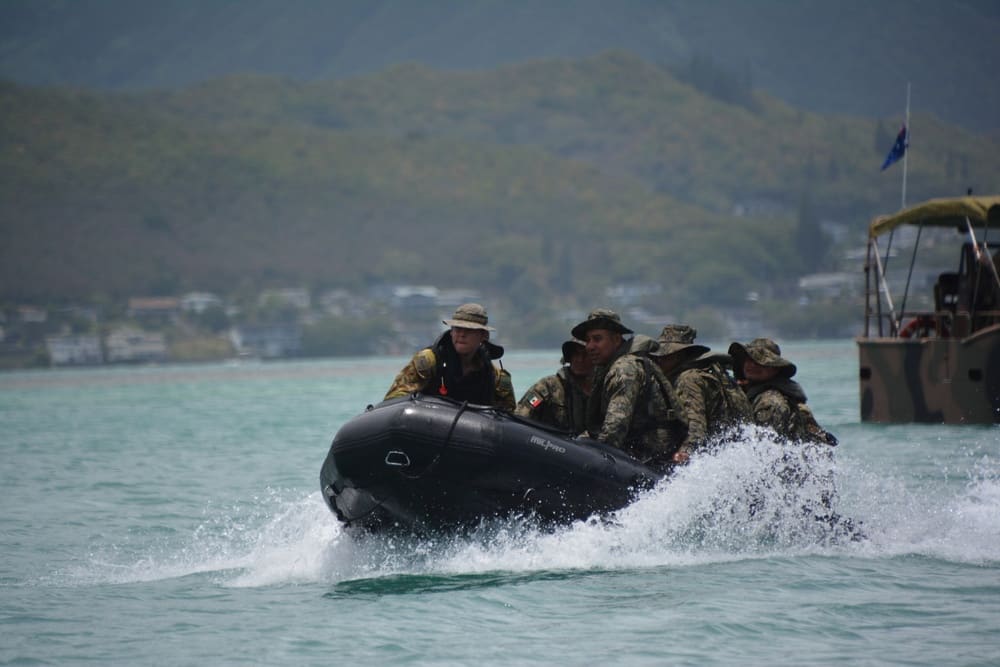
Cpl. Carolina Yatzen Gutiérrez Gutiérrez, Mexican Naval Infantry / DVIDS, public domain. Shown for identification; depicts Mexican Naval Infantry Marines (SEMAR), the branch that has led several major cartel-leader captures and kills in this conflict, during a 2022 joint exercise, not a domestic cartel operation.
Mexico’s drug war is dated from December 11, 2006, when newly inaugurated President Felipe Calderón deployed roughly 6,500 soldiers to his home state of Michoacán against cartel trafficking networks, launching a militarized “decapitation” strategy built around capturing or killing cartel leadership. Mexican and independent trackers estimate the strategy helped drive more than 120,000 homicides during Calderón’s 2006-2012 term alone, and while it removed dozens of top traffickers, including engineering the 2016 recapture of Joaquín “El Chapo” Guzmán after his 2015 prison escape, it also fractured large cartels into smaller, more violent factions competing for territory. Enrique Peña Nieto’s 2012-2018 administration continued heavy military and federal police deployment while trying to de-emphasize kingpin captures, but homicides climbed again after 2015 and reached what was then modern Mexico’s highest annual level by the end of his term. Andrés Manuel López Obrador took office in December 2018 promising “abrazos, no balazos,” hugs, not bullets, a doctrine of addressing organized crime’s socioeconomic roots rather than confronting it militarily, even as his government created a military-led National Guard and continued deploying troops. AMLO’s own government inadvertently illustrated the doctrine’s limits on October 17, 2019, when a botched attempt to arrest Ovidio Guzmán, a son of El Chapo, in Culiacán triggered a cartel siege of the city so severe that authorities released him rather than continue fighting, an episode AMLO later called his most regretted decision as president.
The 2020s opened with that same tension between social-policy rhetoric and continued state-cartel confrontation. Diplomatic friction over the US arrest of former defense minister Salvador Cienfuegos in October 2020 led Mexico to strip visiting foreign agents of legal immunity, and in April 2022 AMLO’s government disbanded a DEA-vetted anti-narcotics unit it said had been infiltrated by organized crime, straining bilateral cooperation even as Mexican forces recaptured wanted trafficker Rafael Caro Quintero that July and, in January 2023, recaptured Ovidio Guzmán in a gun battle that killed 29 people. A US jury’s February 2023 conviction of Genaro García Luna, Mexico’s own former top security official, for taking millions in Sinaloa Cartel bribes underscored that state complicity, not just cartel violence, has been part of this conflict’s story. Mexico’s national homicide count fell for four consecutive years through 2023, but a wave of at least 37 candidate assassinations during the 2024 election season was an early sign that violence was not simply receding.
Culiacán's homicide count roughly tripled within eight weeks of the Sinaloa Cartel's internal war beginning, the clearest single local indicator of how a leadership arrest 1,300 kilometers away in Texas turned into a sustained ground war back home.
The trigger for the decade’s deadliest stretch was the July 25, 2024 arrest of Sinaloa Cartel co-founder Ismael “El Mayo” Zambada and Joaquín Guzmán López, a son of El Chapo, after their plane landed near El Paso, Texas. Zambada said in a letter that Guzmán López had lured him to a fake peace meeting and delivered him to US custody against his will, an account US officials have not confirmed and Guzmán López’s own defense disputes. Six weeks later, on September 9, 2024, gunmen loyal to Zambada’s son formally went to war against Los Chapitos, the faction led by El Chapo’s remaining sons, plunging Culiacán and much of Sinaloa state into sustained urban combat. Culiacán’s homicide count roughly tripled within two months, Mexican forces killed and captured Chapitos and La Mayiza figures on both sides through 2025, CJNG entered the conflict allied with Los Chapitos by mid-2025, and by the time a senior Chapitos security official was assassinated in Mexico City in December 2025, the war had killed or disappeared more than 4,000 people and displaced roughly 1,763 families, according to open-source conflict tracking, with dozens of rural communities abandoned outright.
Washington’s response has layered new pressure onto that internal cartel war. The second Trump administration designated the Sinaloa Cartel, CJNG, and four other Mexican organizations as Foreign Terrorist Organizations in February 2025, unlocking broader legal authorities against them, while separately using fentanyl trafficking as the stated justification for tariffs on Mexican goods that started at 25% in February 2025 and rose to 30% in July of that year. Sheinbaum has generally worked to negotiate around the pressure, agreeing to send 10,000 National Guard troops to the border in exchange for an initial tariff pause and overseeing the largest single extradition of cartel figures in Mexican history, 29 defendants including Caro Quintero, in February 2025, while publicly rejecting a separate Trump proposal to send US troops into Mexico outright. The Trump administration has continued to weigh more direct options, including drone strikes on cartel infrastructure, with officials describing a preference for coordination with Mexico but not ruling out unilateral action. The clearest instance of that quiet cooperation came February 22, 2026, when Mexican special forces, acting on intelligence including support from the United States, killed CJNG founder Nemesio Oseguera Cervantes, “El Mencho,” in Jalisco, triggering a day of cartel retaliation that blocked roads at more than 250 points across 20 states. As of mid-2026, Sheinbaum’s government points to a reported 30% national homicide decline in 2025 as evidence her strategy is working, a claim security researchers and NGOs treat with some skepticism given documented incentives for local prosecutors to reclassify killings as lesser crimes, even as fresh violence, including cartel drone attacks on rural Guerrero communities during World Cup security operations and ongoing clashes in Sinaloa, shows the underlying conflict is far from resolved.
Full Timeline (most recent first)
Cartel drone attacks hit Guerrero as security focuses on World Cup
Drones believed tied to La Nueva Familia Michoacana dropped explosives on rural communities near Guajes de Ayala, Guerrero, after residents said their warnings to authorities went unheeded; analysts linked the gap to security forces being concentrated in World Cup host cities. The same weekend, clashes in northern Sinaloa left a Mexican naval officer and 10 suspected gang members dead.
Analysts question the cost of Mexico's 'kingpin strategy'
Two months after El Mencho's killing, analysts noted CJNG had not collapsed and in some areas had splintered into more, harder-to-track cells, echoing the pattern that followed Calderón-era kingpin takedowns and raising doubts about whether removing top leaders reduces violence rather than redistributing it.
CJNG retaliation blocks roads in 20 states
In the day after El Mencho's death, CJNG members and sympathizers burned vehicles and set up blockades at more than 250 points across 20 Mexican states, with shootouts, fires, and explosions reported in Jalisco and elsewhere as the cartel demonstrated its reach was not confined to a single region.
Mexican forces kill CJNG leader 'El Mencho'
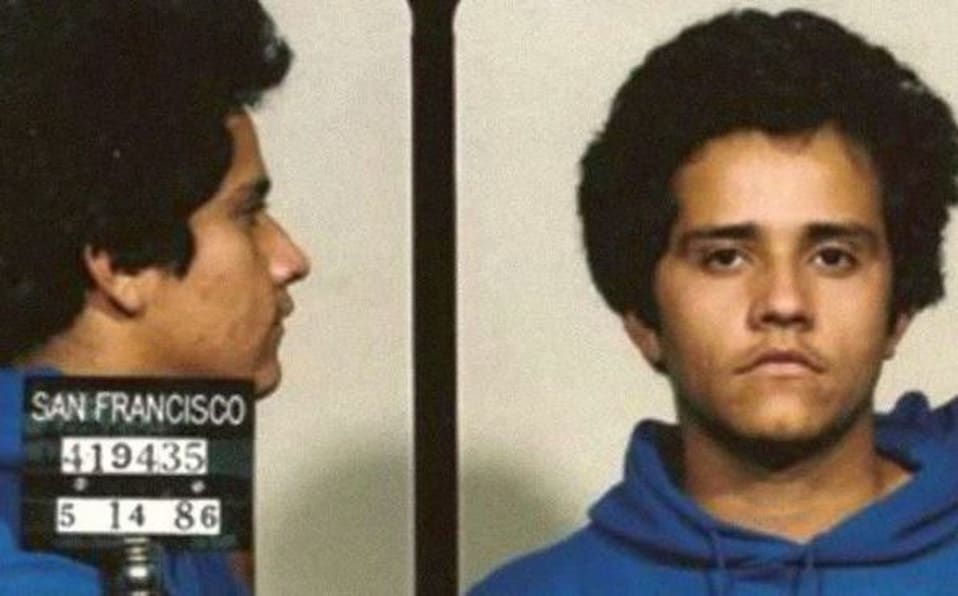
Mexican special forces, backed by the National Guard and military aircraft and acting on intelligence tied to an associate of one of his partners, killed Nemesio Oseguera Cervantes, 'El Mencho,' the founder and longtime leader of the Jalisco New Generation Cartel, along with several bodyguards at a cabin complex in Tapalpa, Jalisco. The operation was supported by US intelligence.
Sheinbaum reports 40% drop in homicides since taking office
Sheinbaum's government said intentional homicides fell 40% between September 2024, the month before she took office, and December 2025, crediting her national security strategy. Security analysts and NGOs such as Causa en Común urged caution, noting some prosecutors have an incentive to reclassify hard-to-prove killings as lesser crimes rather than homicide.
Los Chapitos security chief 'El Panu' assassinated in Mexico City
Óscar Noé Medina González, 'El Panu,' Los Chapitos' head of security, was shot at least twelve times and killed at a restaurant in Mexico City's Zona Rosa district, an assassination that showed the Sinaloa Cartel war's reach well beyond Sinaloa state and into the capital.
Trump raises Mexico tariffs to 30% over fentanyl
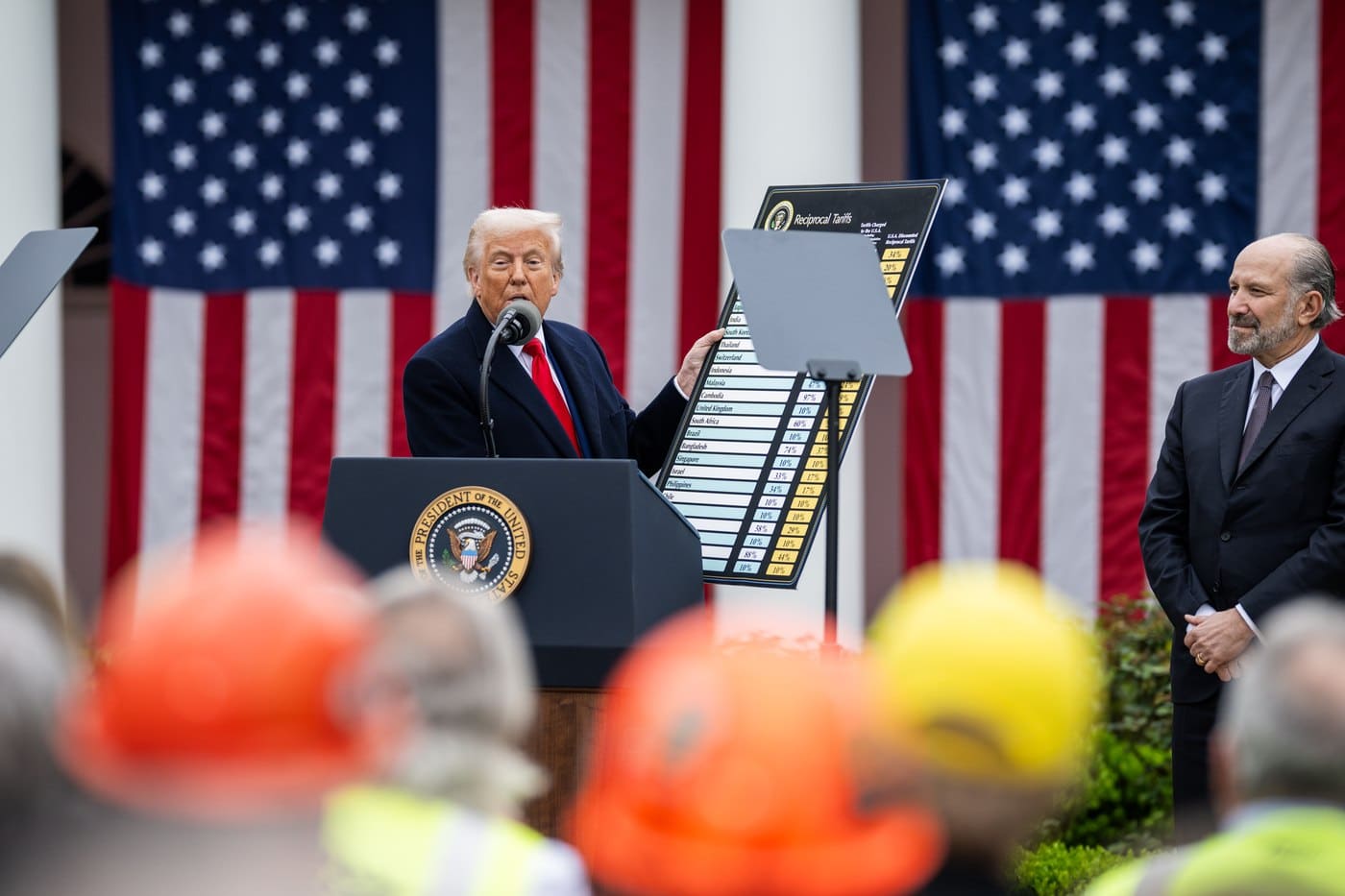
One year after taking office, Trump raised fentanyl-linked tariffs on Mexican goods from 25% to 30%, effective August 1, telling Sheinbaum in a letter that Mexico's actions against cartel trafficking and border security remained 'not enough.'
CJNG and Los Chapitos confirm an alliance
Members of CJNG and Los Chapitos were photographed together at a landmark monument in Cacalótan, Sinaloa, confirming reports that Mexico's two largest criminal organizations had allied against the MZ/La Mayiza faction, a realignment that further complicated the state's efforts to isolate any single dominant group.
Sheinbaum rejects Trump offer to send US troops into Mexico
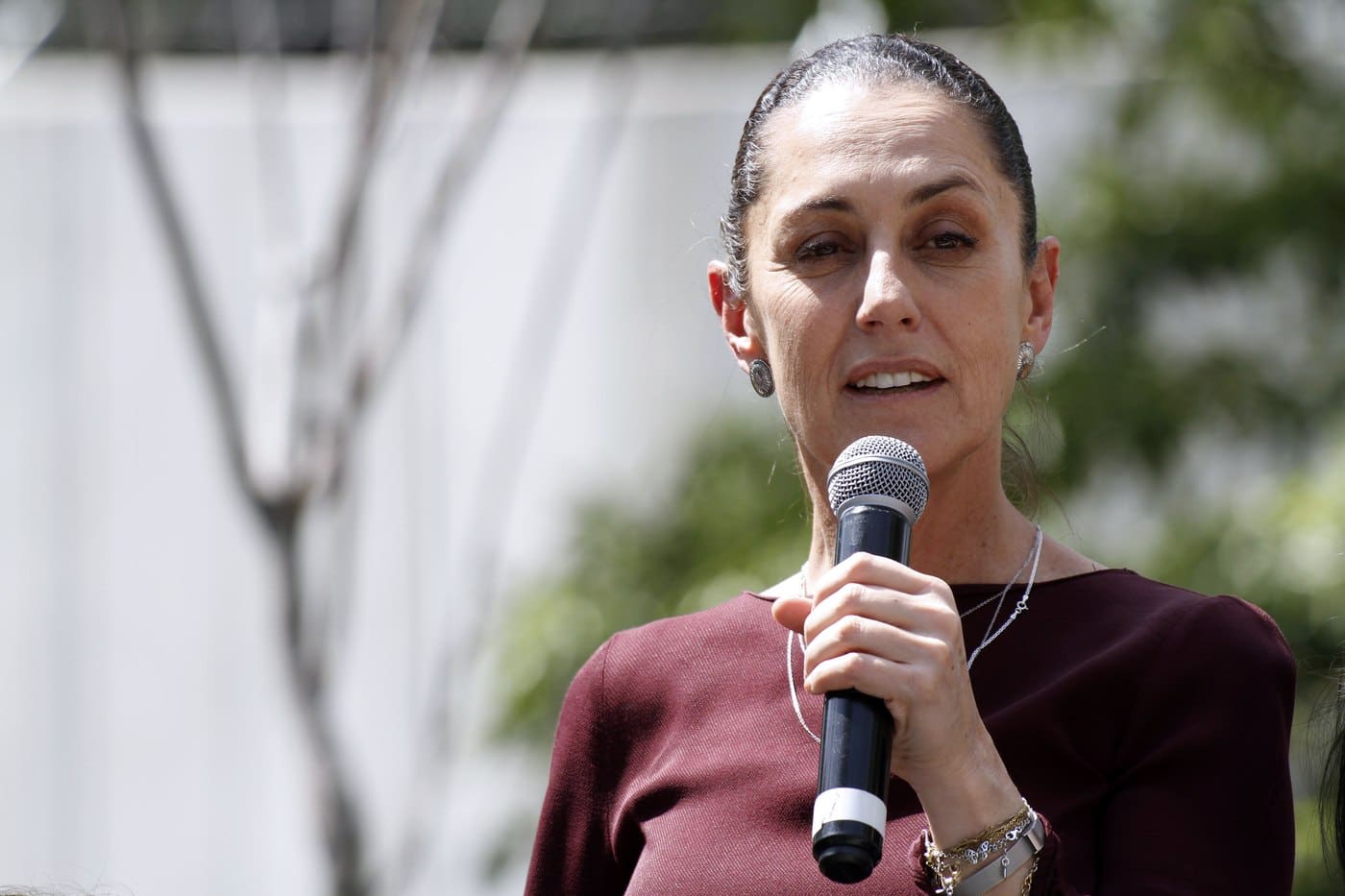
Sheinbaum said Trump had raised the idea of sending US troops into Mexico to fight cartels directly and that she had rejected it, insisting any security cooperation had to respect Mexican sovereignty even as the Trump administration weighed unilateral drone strikes on cartel targets as an option of last resort.
Attack on Culiacán rehabilitation center kills nine
Gunmen attacked a drug rehabilitation center in the Colinas de San Miguel neighborhood of Culiacán, killing nine people and injuring five. Mexican authorities attributed the attack to Los Chapitos, part of a pattern of rehab-center massacres cartels have used against suspected rival recruits and informants.
Mexico extradites 29 cartel figures, including Caro Quintero
Mexico sent 29 organized-crime defendants to the United States in a single coordinated transfer, the largest such handover on record, including Rafael Caro Quintero and leaders tied to the Sinaloa Cartel, CJNG, Cártel del Noreste, and the Gulf Cartel, days before the paused US tariffs were set to take effect.
Senior Chapitos figure 'El Güerito' captured
Mexican forces captured José Ángel Cannobio Inzunza, known as 'El Güerito,' a senior Los Chapitos figure, and flew him out of a military airbase in Culiacán, one of several mid-level Chapitos captures through early 2025 that gradually thinned the faction's leadership.
US designates Sinaloa Cartel, CJNG, and four others as terrorist groups
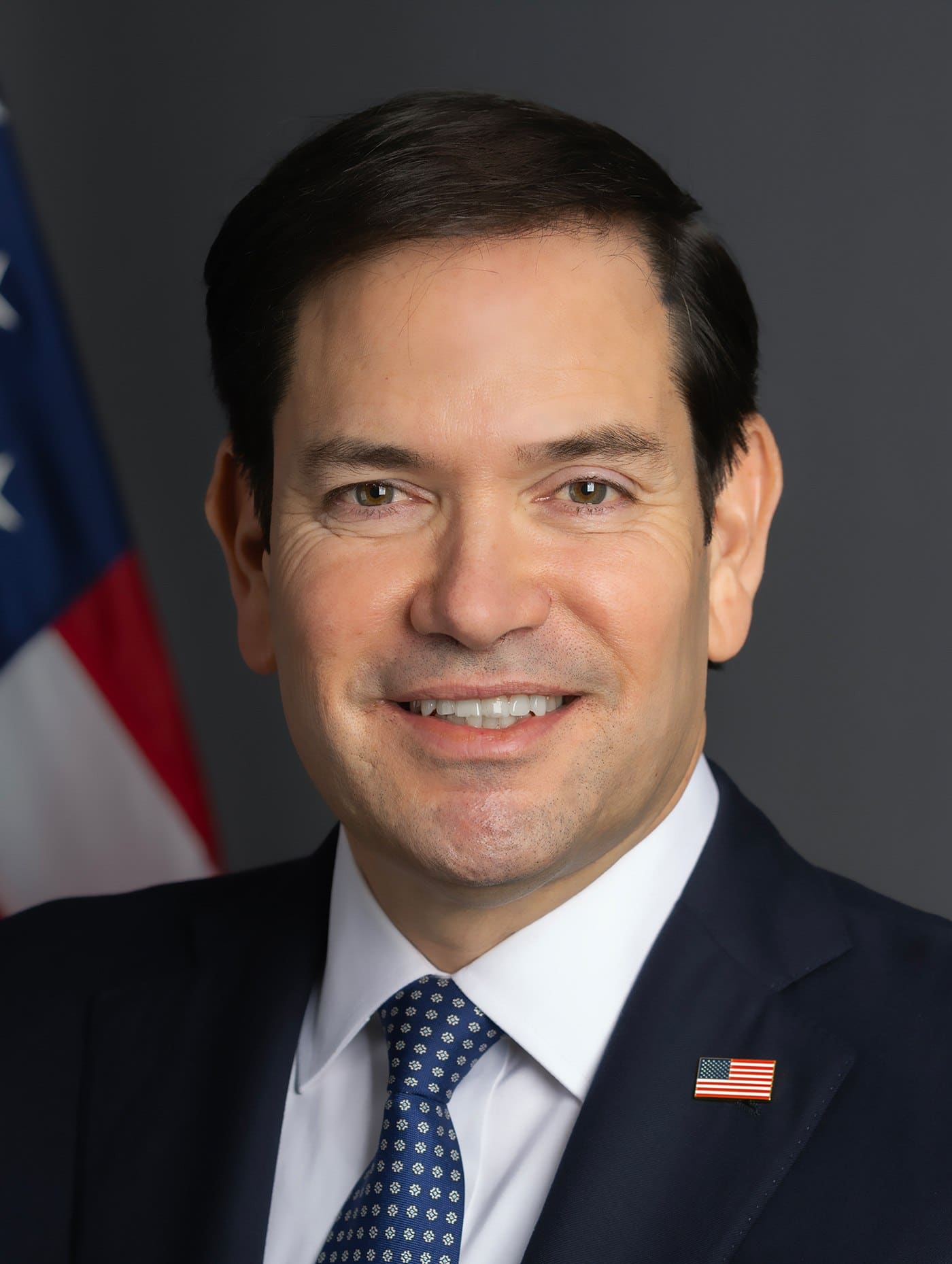
Secretary of State Marco Rubio designated the Sinaloa Cartel, Cártel de Jalisco Nueva Generación, Cártel del Noreste, the Gulf Cartel, La Nueva Familia Michoacana, and Cárteles Unidos as Foreign Terrorist Organizations and Specially Designated Global Terrorists, making material support to them a federal crime.
Sheinbaum and Trump agree to a one-month tariff pause
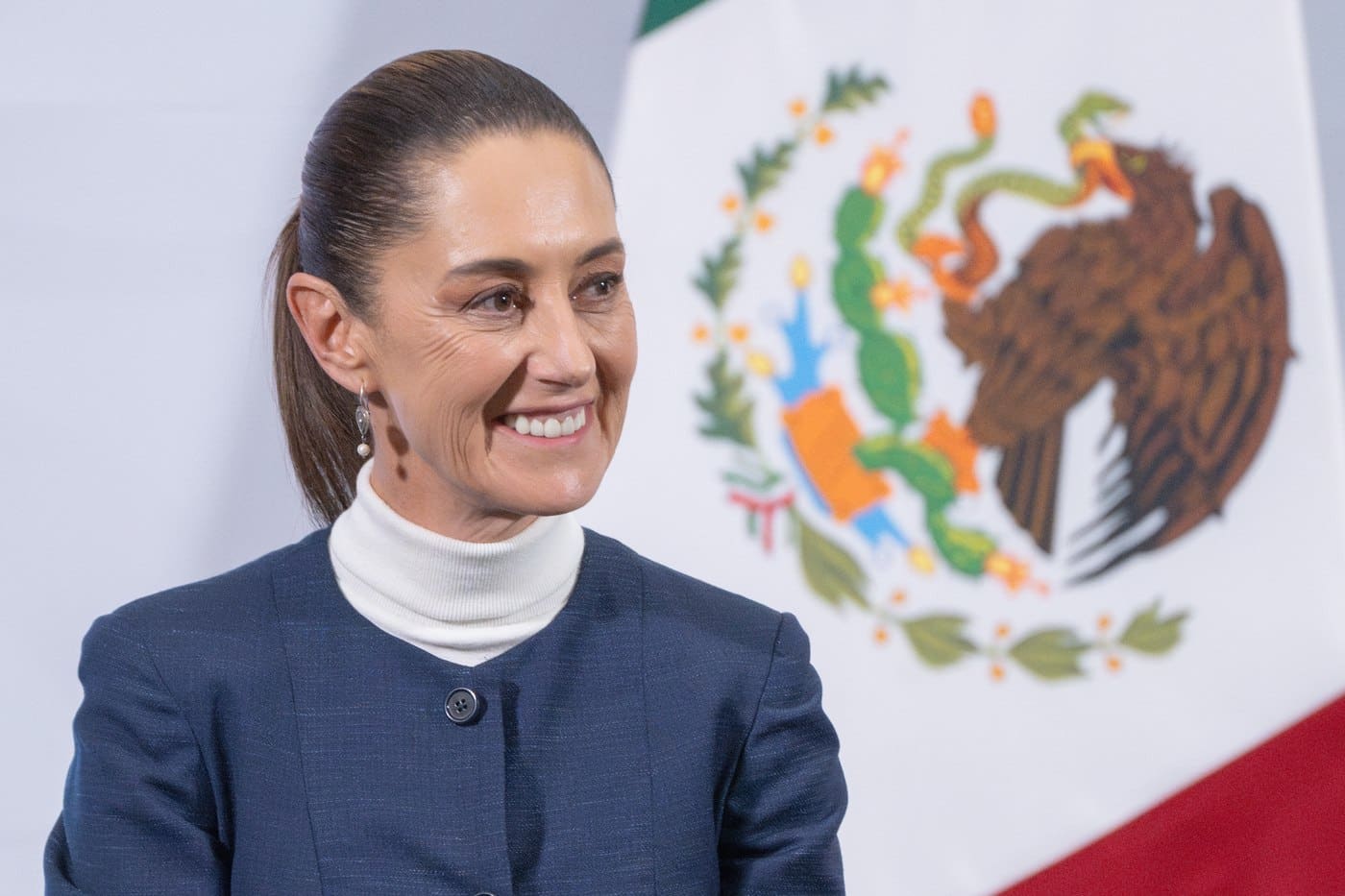
After a 45-minute call, Trump agreed to pause the new tariffs for a month in exchange for Mexico rushing 10,000 National Guard troops to the US border to help interdict fentanyl and migrants, an early test of Sheinbaum's negotiating approach with Washington.
Trump imposes 25% tariffs on Mexican goods over fentanyl
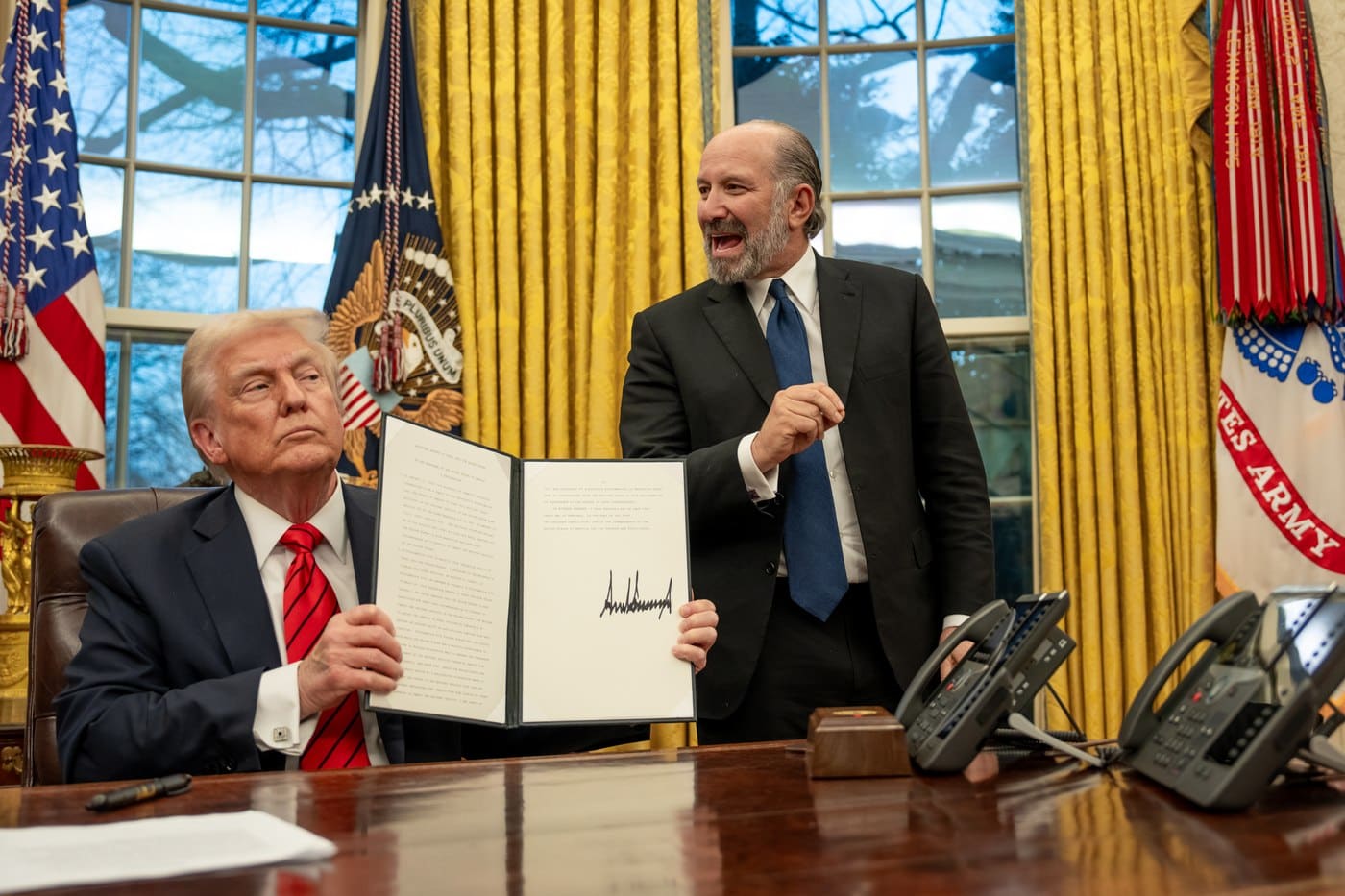
Citing fentanyl trafficking and unauthorized migration, Trump invoked emergency powers to impose 25% tariffs on most Mexican imports, saying they would remain until Mexico did more to stop cartel drug production and border crossings.
Trump orders review of cartels as terrorist organizations
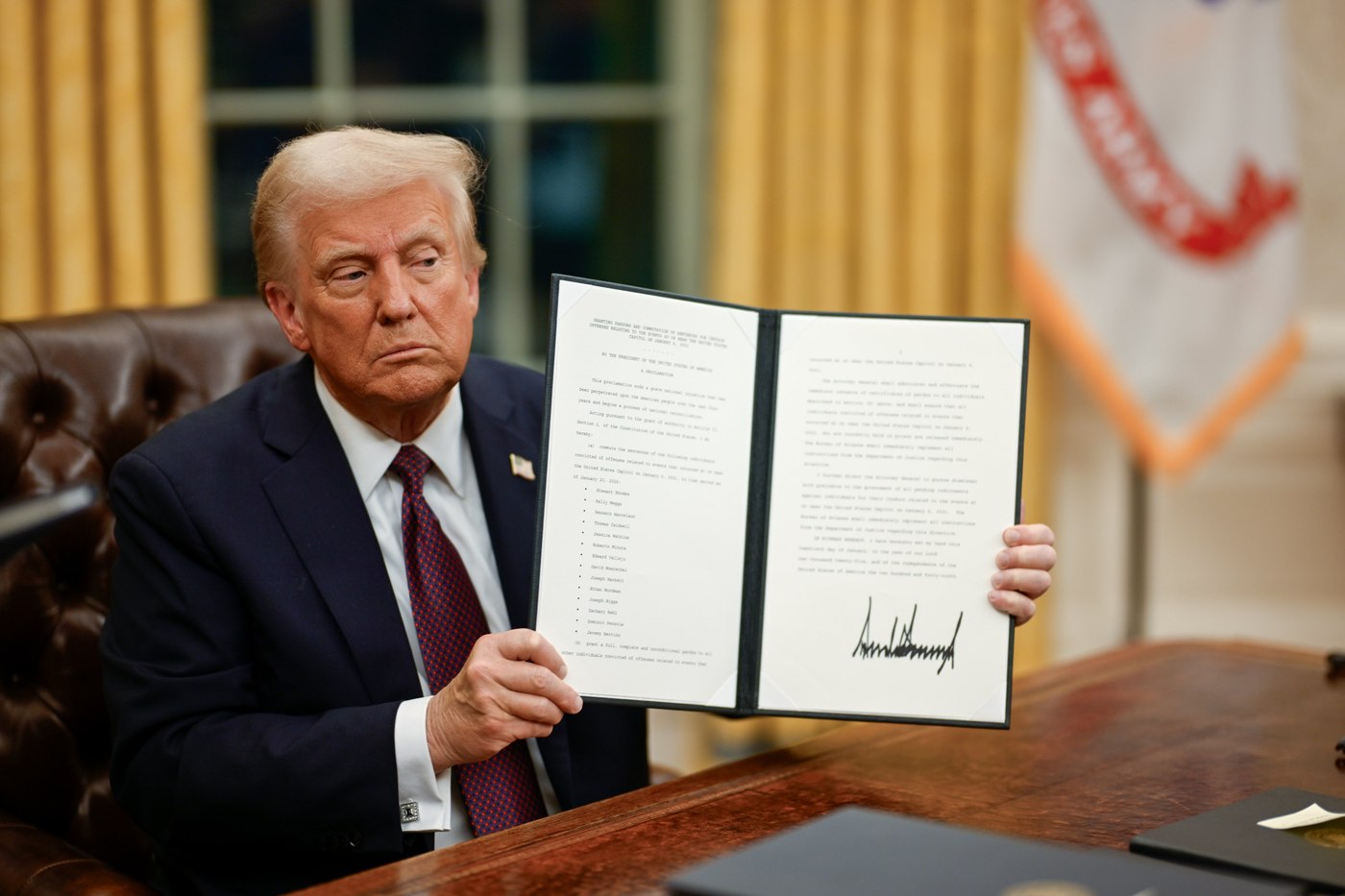
On his first day back in office, President Trump signed an executive order directing the State Department to evaluate designating major drug cartels, including Mexican organizations, as Foreign Terrorist Organizations, a status that unlocks broader US law-enforcement, financial, and military authorities against them.
Mexico closes 2024 with 30,057 recorded homicides
Mexico's national statistics agency reported 30,057 intentional homicides for 2024, an average of 82 a day, a total that includes the surge of Sinaloa Cartel-war killings in Culiacán and Sinaloa state during the year's final four months.
Culiacán homicides triple in three months
Culiacán averaged about 39 homicides a month in the first eight months of 2024. September, the month the cartel war began, saw 73; October saw 116; November saw 115, roughly triple the pre-war monthly average, according to InSight Crime's year-end tally.
Mexican forces kill 19 cartel gunmen, capture 'El Max'
In one of the largest single engagements of the internal war's opening weeks, Mexican security forces killed 19 cartel members and captured a senior La Mayiza figure known as 'El Max' during an operation in Sinaloa.
Death toll reaches 118 in three weeks of fighting
Three weeks into the Culiacán fighting, the confirmed death toll reached 118, with local police pulled from active duty in parts of the city as gunmen from both factions set up roadblocks and searched civilians' phones for rival affiliations.
Open warfare erupts in Culiacán
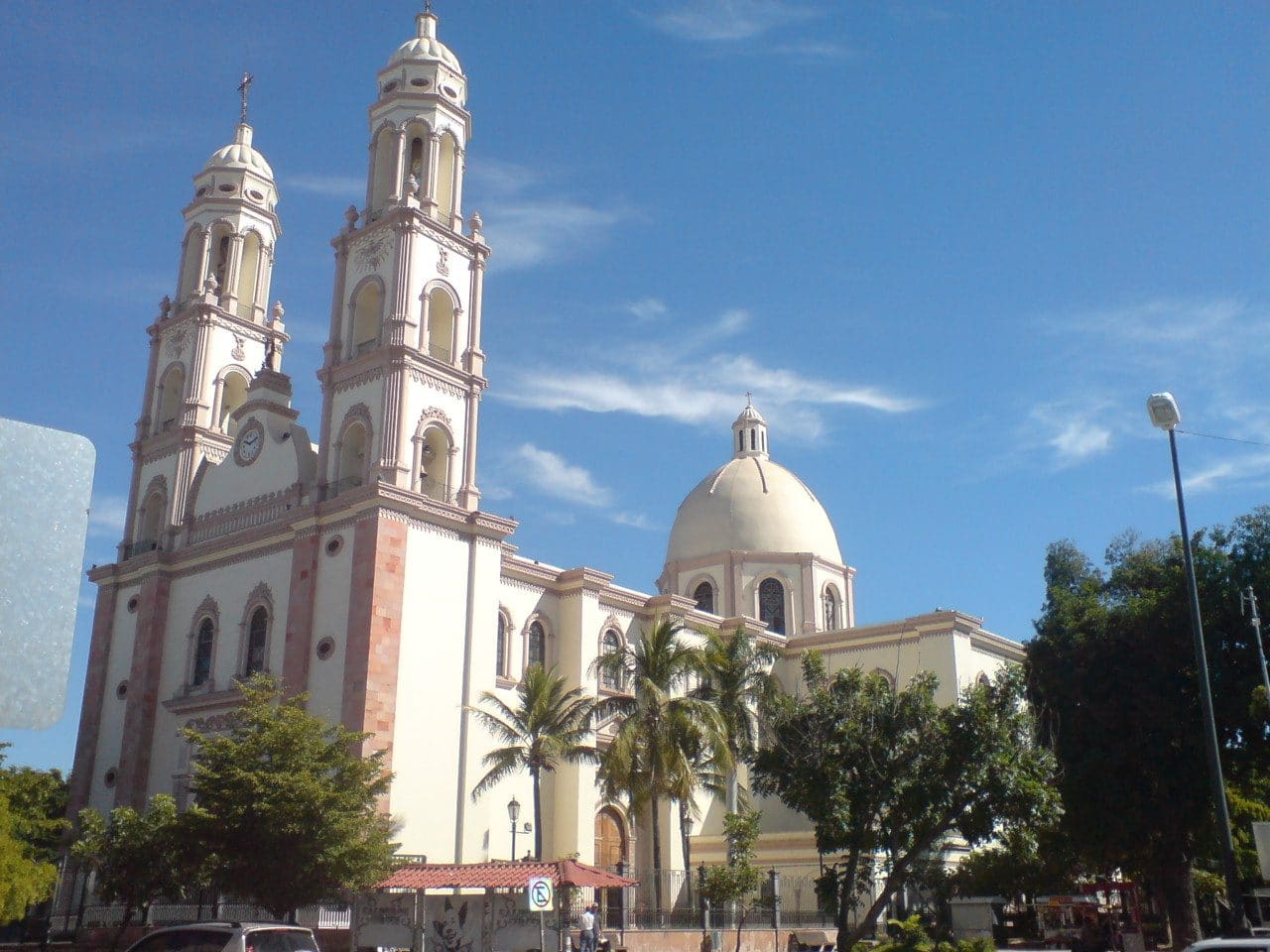
Gunmen loyal to Zambada's son Ismael 'Mayito Flaco' Zambada Sicairos launched coordinated attacks on Los Chapitos targets across Culiacán and surrounding municipalities, formally splitting the Sinaloa Cartel into the MZ/La Mayiza faction and Los Chapitos and igniting the deadliest internal cartel war of the decade.
Zambada claims he was ambushed and kidnapped
In a letter released through his lawyer, Zambada said Guzmán López had lured him to a supposed peace meeting with Sinaloa political figures and then had him beaten, bound, and flown to the United States against his will. US officials have not confirmed this account, and Guzmán López's own defense has offered a different version of events.
El Mayo Zambada and Joaquín Guzmán López arrested in Texas
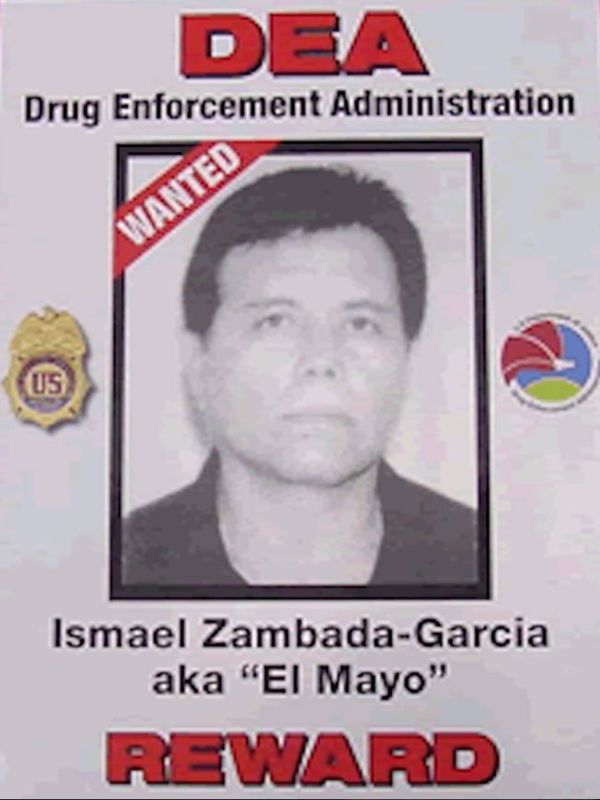
US authorities announced the arrest of Sinaloa Cartel co-founder Ismael 'El Mayo' Zambada and Joaquín Guzmán López, a son of El Chapo, after their small plane landed near El Paso. Mexican officials said they had no advance knowledge of the operation.
Claudia Sheinbaum elected president
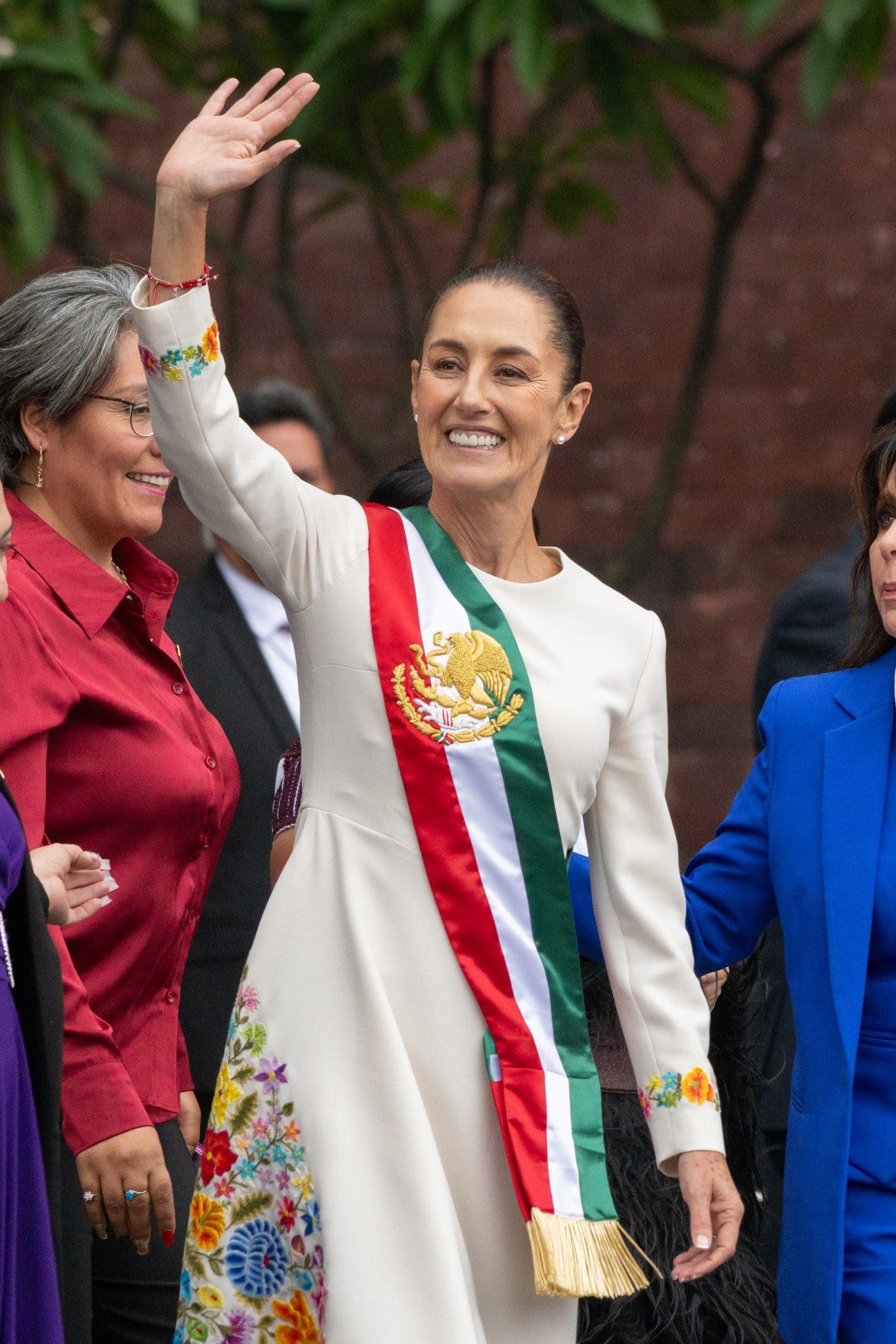
Claudia Sheinbaum won Mexico's presidential election by a wide margin, becoming the country's first woman president. She took office October 1, 2024, pledging to keep the National Guard as the lead security force while shifting toward intelligence-led operations rather than a return to the militarized, kingpin-focused approach of the Calderón years.
Cartel-linked killings mark Mexico's election season
At least 37 candidates or office-seekers were assassinated and more than 800 other attacks recorded in the run-up to Mexico's June 2024 general election, with investigations tying most of the killings to cartels seeking to install compliant local officials, particularly in Guerrero, Michoacán, and Chiapas.
Fentanyl seized at Nogales border crossing
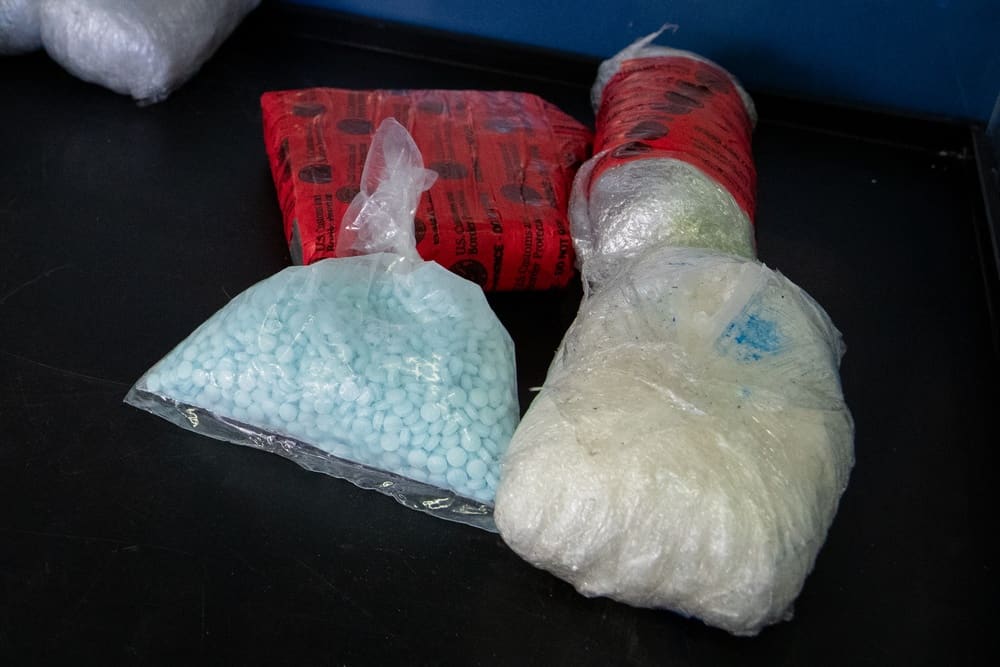
US Customs and Border Protection officers seized fentanyl pills, fentanyl powder, black tar heroin, and methamphetamine concealed in a vehicle's spare tire at the Port of Mariposa in Nogales, Arizona, one routine illustration of the smuggling pipeline that Sinaloa Cartel and CJNG labs feed into the United States and that would soon become the central US grievance driving tariff threats against Mexico.
Ovidio Guzmán extradited to the United States
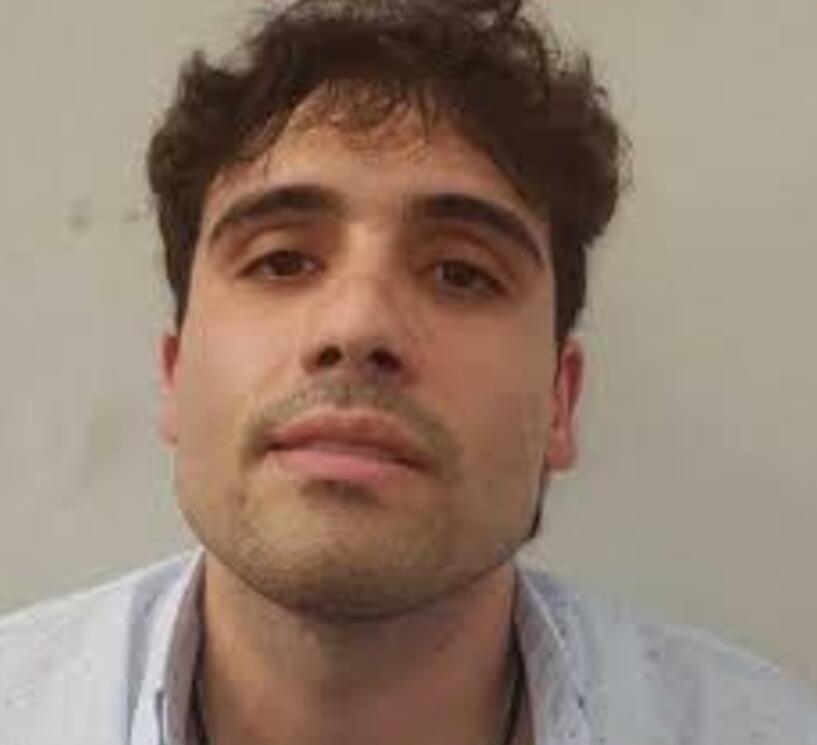
Mexico extradited Ovidio Guzmán López to the United States to face fentanyl-trafficking charges, months after his January recapture, marking a rare instance of a sitting Sinaloa Cartel leader being sent north rather than prosecuted at home.
Genaro García Luna convicted in US of taking Sinaloa Cartel bribes
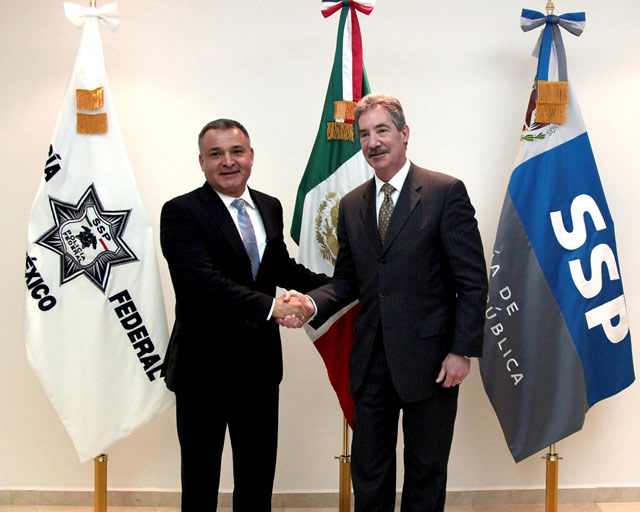
A New York federal jury convicted Genaro García Luna, Mexico's public security secretary from 2006 to 2012 under President Calderón, of running a continuing criminal enterprise and taking millions in bribes from the Sinaloa Cartel while in office, the highest-ranking Mexican official ever tried in a US court. He was sentenced the following year to more than 38 years in prison.
Ovidio Guzmán recaptured; 29 killed in Culiacán gun battle
Mexican troops recaptured Ovidio Guzmán López, a son of Joaquín 'El Chapo' Guzmán, in Culiacán, more than three years after a botched 2019 attempt to arrest him ended in the government releasing him rather than fight through the ensuing cartel siege of the city. The renewed operation touched off gun battles that left at least 29 dead, including 10 soldiers.
Mexican Navy recaptures Rafael Caro Quintero
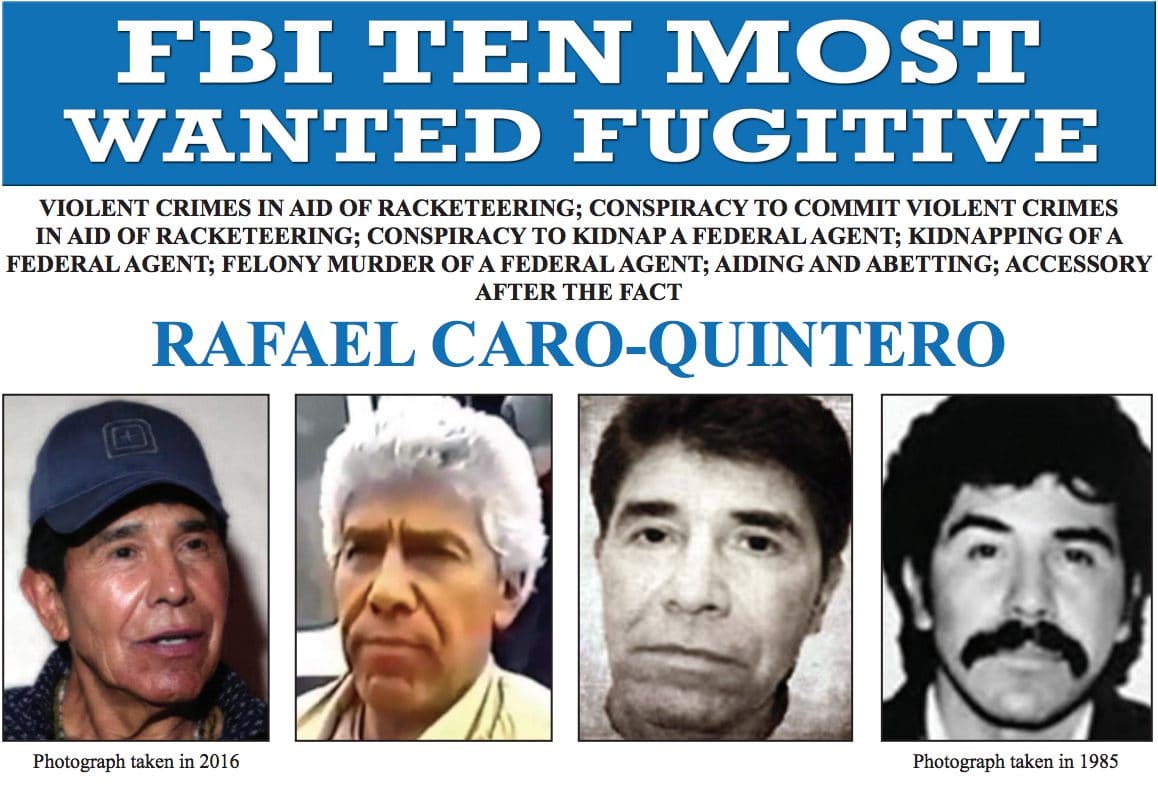
The Mexican Navy captured Rafael Caro Quintero, the former Guadalajara Cartel leader implicated in the 1985 kidnapping, torture, and murder of DEA agent Enrique 'Kiki' Camarena, hiding in brush near San Simón, Sinaloa, after evading capture for decades.
Mexico disbands DEA-vetted anti-narcotics unit
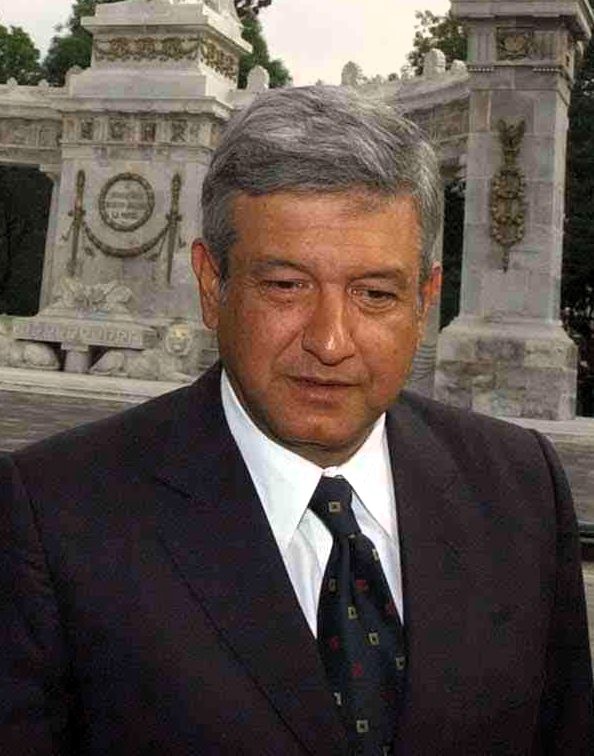
President López Obrador's government formally notified the DEA it had shut down the Sensitive Investigative Unit, a roughly 50-officer team trained and polygraph-vetted by the DEA that had worked major cases including the 2016 capture of Joaquín 'El Chapo' Guzmán. AMLO said the unit had been infiltrated by organized crime.
US arrests former Mexican defense minister Cienfuegos
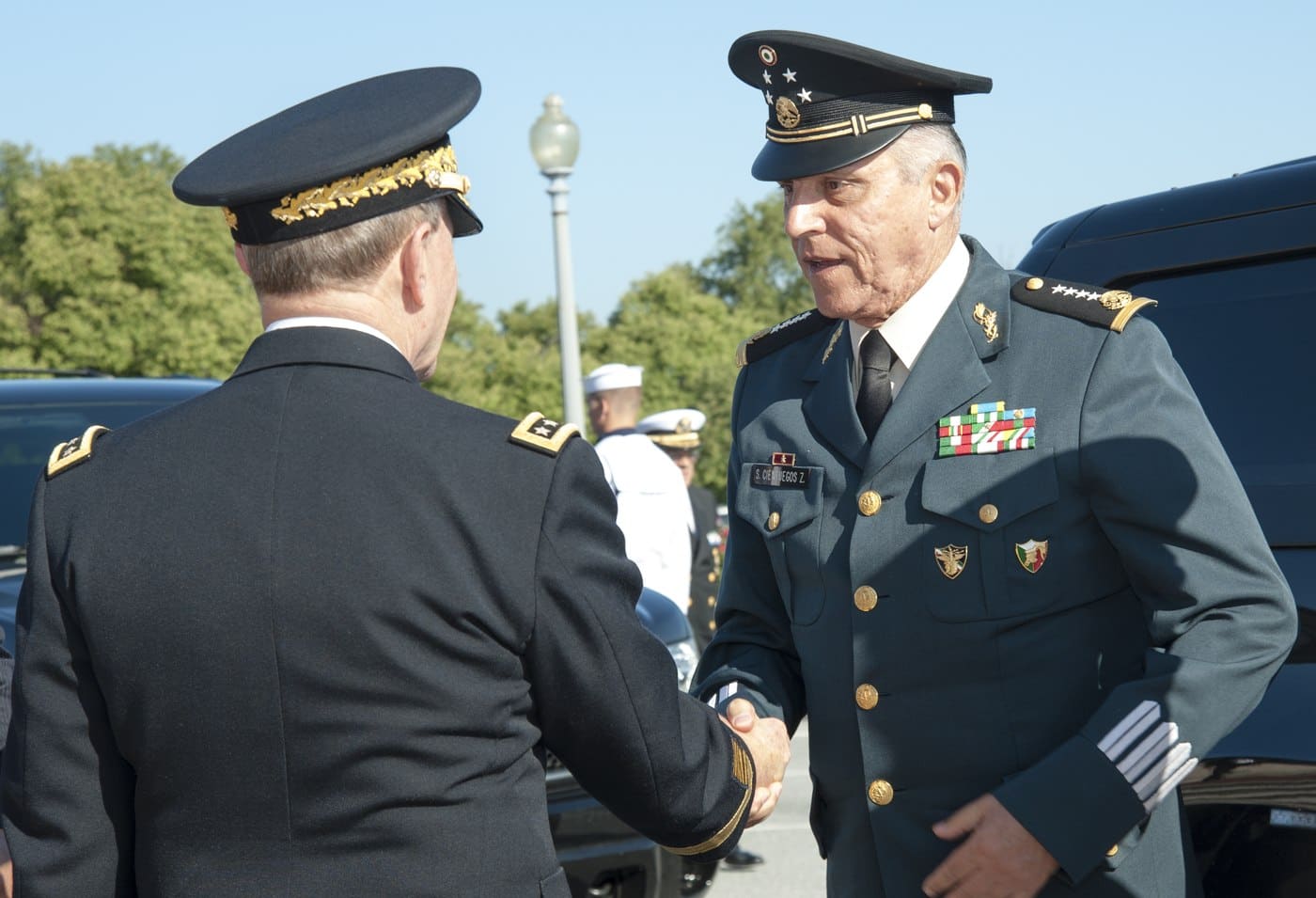
US agents arrested retired General Salvador Cienfuegos, Mexico's defense minister from 2012 to 2018, at Los Angeles International Airport on drug-trafficking charges. Mexico protested the arrest was conducted without warning, and the US later dropped the charges and returned him to Mexico, where prosecutors cleared him.
Frequently Asked Questions
When did the Mexican drug war start?
Mexico's conflict is officially dated to December 11, 2006, when newly inaugurated President Felipe Calderón deployed roughly 6,500 soldiers to Michoacán against cartel trafficking networks, launching a militarized strategy that later administrations have modified but not abandoned. Organized-crime violence in Mexico predates that deployment, but Calderón's move is the conventional start date used by researchers and the Mexican government itself.
How many people have died in Mexico's drug war?
Estimates vary by methodology and what counts as conflict-related, but tracked deaths across the 2020s alone total 82,953. Mexico's national statistics agency recorded 30,057 intentional homicides in 2024 and 23,374 in 2025, a reported 30.2% year-over-year decline that security analysts have urged treating with caution given documented incentives to reclassify some killings as lesser crimes.
What triggered the 2024-2025 Sinaloa Cartel war?
The July 25, 2024 arrest of Sinaloa Cartel co-founder Ismael 'El Mayo' Zambada and Joaquín Guzmán López, a son of El Chapo, in Texas split the cartel into two warring factions. Zambada said Guzmán López had lured and kidnapped him; the Chapitos faction and Zambada loyalists (MZ/La Mayiza) went to open war in Culiacán six weeks later, on September 9, 2024, a conflict that had killed or disappeared more than 4,000 people and displaced over 1,700 families by mid-2026.
Who was 'El Mencho' and why did his death matter?
Nemesio Oseguera Cervantes, 'El Mencho,' founded and led the Jalisco New Generation Cartel (CJNG), which grew into one of Mexico's two dominant criminal organizations alongside the Sinaloa Cartel. Mexican forces killed him in a February 22, 2026 raid in Tapalpa, Jalisco, supported by US intelligence. His death triggered retaliatory cartel violence across 20 states, and analysts have since questioned whether removing him weakened CJNG or simply fragmented it into more, harder-to-track cells.
Has the US military gotten directly involved?
Not through acknowledged unilateral strikes as of mid-2026. The Trump administration designated the Sinaloa Cartel, CJNG, and four other groups as Foreign Terrorist Organizations in February 2025, expanded drone surveillance of suspected fentanyl labs, and has debated drone strikes on cartel targets, reportedly favoring Mexican cooperation but weighing unilateral action as a last resort. President Sheinbaum has publicly rejected a US offer to send troops into Mexico, insisting on sovereignty, and US support to date, including intelligence backing the raid that killed El Mencho, has been described as advisory rather than direct combat involvement.
What is 'hugs, not bullets' and is it still Mexico's policy?
'Abrazos, no balazos' was President López Obrador's 2018-2024 doctrine of addressing organized crime through social programs and reduced military confrontation rather than kingpin captures. His successor, Claudia Sheinbaum, has shifted toward intelligence-led operations and a strengthened National Guard under her October 2024 National Security Strategy, while saying she will not return to the highly militarized, capture-or-kill approach of the Calderón era. In practice, her administration has continued high-profile captures and kills, including the February 2026 operation that killed CJNG leader El Mencho, alongside AMLO-era social-program elements.
Sources
- Mexico's Long War: Drugs, Crime, and the Cartels — Council on Foreign Relations
- Infighting in the Sinaloa Cartel — Wikipedia
- How the Sinaloa Cartel Rift Is Redrawing Mexico's Criminal Map — ACLED
- The Chapitos: Bloodlines and Battlefields in Mexico's Sinaloa Cartel — InSight Crime
- InSight Crime's 2024 Homicide Round-Up — InSight Crime
- The Killing of Mexican Drug Lord El Mencho: How It Unfolded — Al Jazeera
- 2026 Jalisco Operation — Wikipedia
- Decapitating Cartels? Mexico Leans Into 'Kingpin Strategy' but at a Cost — Al Jazeera
- Mexican Drug Kingpin 'El Chapo' Is Sentenced to Life Plus 30 Years in US Prison — NPR
- The Capture and Release of Ovidio Guzmán in Culiacán, Sinaloa — Justice in Mexico
- Mexico Arrests El Chapo's Son Ovidio Guzmán — NBC News
- Son of Joaquin Guzman Loera aka 'El Chapo' Arraigned Following His Extradition — US Department of Justice
- Ex-Mexican Secretary of Public Security Genaro García Luna Sentenced to Over 38 Years — US Department of Justice
- Trial of Mexico's Former Top Cop Neglected US Role in War on Drugs — The Intercept
- Mexico Captures Drug Lord Who Killed a DEA Agent and Was Freed From Prison — NPR
- AMLO Shuts Elite Cartel Investigations Unit, a Blow to US Drugs Cooperation — Mexico Daily Post
- In Mexico's Supersized Election, a Wave of Assassinations Has Put Democracy Itself in the Crosshairs — CNN
- Designating Cartels and Other Organizations as Foreign Terrorist Organizations and Specially Designated Global Terrorists — The White House
- Terrorist Designations of International Cartels — US Department of State
- Fact Sheet: President Trump Imposes Tariffs on Imports From Canada, Mexico and China — The White House
- Trump Pauses Tariffs on Mexico as Sheinbaum Agrees to Send Troops to Border — CNBC
- In Historic Move, Mexico Transfers 29 Top Narcos to the United States — InSight Crime
- Trump Administration Is Planning New Mission in Mexico Against Cartels — NBC News
- Trump Announces New Tariffs of 30% on Mexico and the European Union — CNN
- México Cierra 2024 con 30,057 Homicidios — Infobae
- Disappearances Surge in Mexico During First Half of Year — Small Wars Journal
- A Mexican Village Warned of a Cartel Offensive During the World Cup. Then the Drone Attacks Began — CNN