Israel-Palestine War: Timeline & Latest Developments
Hamas-led militants attacked Israel on October 7, 2023, killing 1,195 and taking 251 hostages, and Israel's subsequent Gaza offensive has killed at least 73,221 Palestinians according to Gaza's Health Ministry; a US-brokered ceasefire has held since October 10, 2025, but it remains fragile, with more than 1,000 Palestinians and several Israeli soldiers killed in the nine months since, and Hamas's disarmament still unresolved.
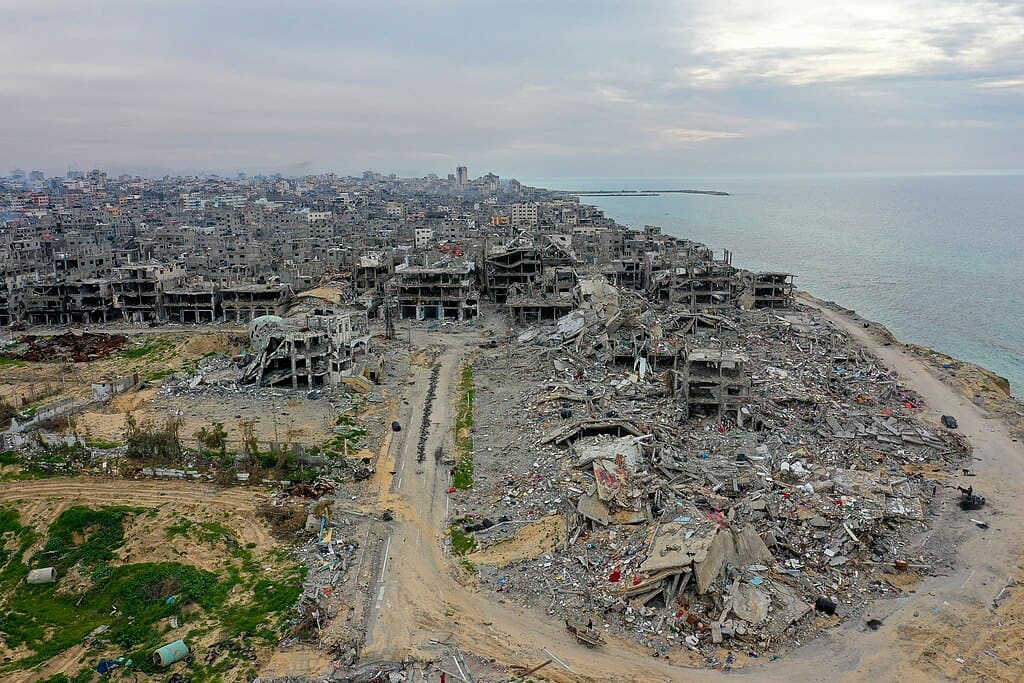
Abedallah Alhaj / UNRWA, CC BY-SA 3.0 IGO, via Wikimedia Commons. Aerial view of destruction in the Beach refugee camp, Gaza City, July 3, 2024. Shown for identification of the war's scale of destruction, not a specific event on this timeline.
The war tracked on this page began on October 7, 2023, when Hamas and allied Palestinian militant factions launched a coordinated assault on southern Israel, killing 1,195 people, 828 of them civilians, and taking 251 people hostage into Gaza. It is the latest and deadliest chapter in a much older Israeli-Palestinian conflict rooted in Israel’s 1948 founding and the displacement of Palestinians that accompanied it, a history this page does not attempt to cover; what follows tracks only the war that began in October 2023, through ceasefires and resumptions, to today. Hamas has said the attack was a response to Israel’s blockade of Gaza, its occupation of Palestinian territory, settler violence in the West Bank, and events at Jerusalem’s Al-Aqsa Mosque compound, a framing that is Hamas’s own and not an independent judgment on this page about whether the attack was justified. Israel responded with an aerial campaign and, from October 27, 2023, a ground invasion of Gaza aimed at dismantling Hamas’s military and governing capacity.
The war’s first fourteen months were the most intense phase of open combat. A four-day pause in late November 2023 produced the first hostage-for-prisoner exchange before collapsing after both sides accused each other of violations. Israeli forces then pushed south through Gaza, including a May 2024 offensive into Rafah that displaced roughly a million people sheltering there. Israel killed a succession of senior Hamas figures in this period: military commander Mohammed Deif in a July 2024 strike Hamas did not confirm for six months, political leader Ismail Haniyeh in a July 2024 assassination in Tehran, and Gaza leader and October 7 planner Yahya Sinwar, killed in a chance encounter with Israeli troops in Rafah that October. International legal bodies moved in parallel: the ICJ ordered Israel in January 2024 to take measures preventing genocide in a case brought by South Africa that remains open and unresolved, then found in a July 2024 advisory opinion that Israel’s occupation of Palestinian territory was unlawful, a finding Israel rejected. In November 2024 the ICC issued arrest warrants for Prime Minister Benjamin Netanyahu and then-Defense Minister Yoav Gallant alleging war crimes including starvation as a method of warfare, and, separately, for Deif, a warrant later cancelled once his death was confirmed; the warrants against the Israeli leaders remain active, and Israel does not recognize the court’s jurisdiction.
A US, Qatari and Egyptian-brokered ceasefire took effect on January 19, 2025: a six-week first phase of hostage-for-prisoner releases, partial Israeli withdrawal from Gaza’s population centers, and expanded aid. It freed 33 hostages and roughly 2,000 Palestinian prisoners before fraying over the Bibas family’s remains, where a body Hamas said was Shiri Bibas turned out on DNA testing to be someone else, and collapsing outright on March 18, 2025, when Israel struck across Gaza, killing more than 400 people in a day. Netanyahu called it “only the beginning.” The following months bore that out: a new Israeli ground offensive in May, a West Bank campaign that had killed more than 1,000 Palestinians and 43 Israeli settlers by July, a confirmed famine in Gaza governorate that August, an unprecedented Israeli strike on Hamas leadership inside Qatar in September that killed six people but no senior Hamas figures, and an expanded ground offensive into Gaza City that same month. That September, a UN-mandated Commission of Inquiry concluded Israel had committed genocidal acts in Gaza, a finding Israel’s government called “distorted and false” and the US State Department dismissed as “the height of hypocrisy,” saying Israel “went to war in self-defense.” That finding, like the still-pending ICJ case, is a consequential legal and political development, not an adjudicated fact, and this page adopts neither position as its own.
Both counts come from official, single-party sources rather than an independent tracker, so treat the exact figures as approximate; even so, the scale of the gap indicates a truce that has sharply reduced but not ended lethal violence, with over a thousand Palestinian deaths attributed to continued Israeli strikes against a much smaller reported toll of Israeli soldiers killed in militant attacks inside Gaza.
The plan that finally produced a more durable truce was announced by President Trump on September 29, 2025: a 20-point framework combining an immediate ceasefire and full hostage-prisoner exchange with a phased Israeli withdrawal, disarmament of Hamas, and a transitional Palestinian technocratic administration under a US-chaired “Board of Peace.” Hamas’s positive response led Israel to halt its Gaza City offensive on October 4; the first phase was signed in Egypt on October 9 and took effect at noon on October 10, 2025. Within days, Hamas released the last 20 living hostages and Israel released roughly 2,000 Palestinian prisoners; across the full war, 168 hostages had been recovered alive and 87 recovered dead, and the remains of the final hostage, Ran Gvili, were recovered on January 26, 2026, the first time since 2014 that Hamas held no Israeli captives. The UN Security Council endorsed the plan that November in Resolution 2803, authorizing a two-year International Stabilization Force under the Board of Peace.
Nine months on, the ceasefire has held in the sense that matters most, no return to full-scale war, but it has not delivered the peace its architects described. Israel carried out its deadliest single day since the truce began on October 29, 2025, killing 104 people including 46 children after accusing Hamas of a violation over the condition of returned hostage remains; Gaza’s Hamas-run Government Media Office says Israel has committed thousands of further violations since, a count Israel has not matched with a public tally of its own but that lines up with independent reporting that Israel still controls roughly half of Gaza’s territory. More than 1,000 Palestinians have been killed by Israeli strikes in Gaza since the ceasefire began, per the Palestinian Health Ministry, while five Israeli soldiers have been killed in militant attacks over the same period, per Israeli figures. Reconstruction has barely started against a joint World Bank-UN-EU cost estimate above $71 billion, and Gaza’s Ministry of Social Development warned in June 2026 of a renewed “silent famine” as aid trucks fell to a fraction of the roughly 600 a day called for in the deal, a shortfall Israel attributes to necessary security screening. The International Stabilization Force meant to backstop all this exists mostly on paper: five countries pledged troops in February 2026, and none had deployed by summer. The deepest fault line remains Hamas’s weapons. On July 6, 2026, Hamas announced it was dissolving the government that had run Gaza for nearly two decades, preparing to hand civilian administration to a technocratic committee, a real concession, but its statement said nothing about disarming, and Hamas’s security forces continued to control the areas outside Israeli military reach. The Board of Peace’s own envoy has said stepping back from governing is not the same as giving up weapons, and as of mid-July 2026, that gap, not a shortage of diplomatic architecture, is what stands between this fragile truce and the war’s actual end.
Full Timeline (most recent first)
Israeli strike on Jabalia police station kills officers amid a widening pattern of strikes on Gaza's civil institutions
An Israeli strike on a police station in Jabalia, northern Gaza, killed the station's director and several officers on July 14, part of what the UN Human Rights Office says has been a systematic pattern of strikes on Gaza police: at least 12 attacks on police since January have killed 35 officers, according to OHCHR. Analysts said the broader pattern, which has also struck medical staff, officials and academics, appears aimed at preventing any functioning administration from taking hold in Gaza; Israel has not issued a specific public justification for the Jabalia strike in reporting reviewed for this update.
Gaza's Government Media Office tallies 3,689 ceasefire violations, 1,122 Palestinians killed in 275 days
Gaza's Hamas-run Government Media Office said Israel had violated the ceasefire 3,689 times over the truce's first 275 days, killing 1,122 Palestinians and wounding 3,599, a running tally Israel has not matched with a count of its own. Humanitarian aid crossing into Gaza remained at roughly 35 percent of the volume called for in the ceasefire agreement, the office said.
Cumulative toll: 73,221 Palestinians, 1,195 Israelis killed in the attack that began the war
Gaza's Health Ministry, which operates under the Hamas-run administration, put the Palestinian death toll in Gaza at 73,221 killed and 173,654 injured since October 7, 2023. The United Nations and independent researchers, including a February 2026 excess-mortality analysis estimating the true figure may be roughly a third higher, have generally found the ministry's identified-fatality data methodologically reliable, while some critics, including the UK-based Henry Jackson Society, have questioned aspects of its counting. On the Israeli side, 1,195 people, 828 of them civilians, were killed in the October 7, 2023 attack itself; Israel's Ministry of Defense separately counts 1,152 total Israeli security-force and military fatalities across the full war, a running total that includes the security personnel killed on October 7 rather than an additional figure on top of it.
UN Security Council: disarmament still the key obstacle to peace plan's next phase

At the Security Council's quarterly Middle East debate, marking eight months since Resolution 2803's adoption, briefers said the decommissioning of Hamas's weapons, deployment of the International Stabilization Force, further Israeli withdrawal, and transfer of authority to a reformed Palestinian Authority all remained stalled. Hamas has said it will not disarm while it considers Israel to be in breach of its own ceasefire obligations, citing continued strikes and aid restrictions.
Hamas dissolves its Gaza governing body, disarmament unaddressed
Hamas announced it would dissolve the government that had administered Gaza for nearly two decades, saying it was ready to transfer civilian governance to a Palestinian technocratic committee envisioned under the ceasefire plan. The announcement made no mention of disarming, the central sticking point of the plan's stalled second phase, and Hamas's armed wing and security forces continued to control the areas of Gaza outside Israeli military control. The same week, more than 1,000 Palestinians had been killed by Israeli strikes since the ceasefire per the Palestinian Health Ministry, while five Israeli soldiers had been killed by militant attacks in Gaza over the same period, according to Israeli military figures.
Gaza officials warn of 'silent famine' as aid deliveries collapse
Gaza's Ministry of Social Development, part of the Hamas-run administration, said the territory faced a 'silent famine' as aid deliveries fell far below the roughly 600 trucks a day called for in the ceasefire agreement, with reported daily truck entries dropping to as low as single digits in early June against a backdrop of continued Israeli access restrictions that Israel has said are necessary for security screening.
Palestinian death toll since the ceasefire passes 1,000
Israeli strikes in Gaza had killed 1,005 Palestinians since the October 2025 ceasefire took effect, according to the Palestinian Health Ministry, underscoring how much lower-intensity violence has continued despite the formal truce.
International Stabilization Force troop pledges stall
Three months after the Board of Peace meeting, none of the five countries that had pledged troops to the International Stabilization Force had delivered meaningful contributions. Indonesia suspended its planned deployment, with its defense minister citing a lack of implementation guidance from Washington.
Board of Peace envoy: Hamas must disarm, not just step back from governing
Nickolay Mladenov, the Board of Peace's high representative to Gaza, said the ceasefire's next phase hinges on Hamas actually disarming rather than merely ceding day-to-day administrative control, framing disarmament as the central unresolved question for the truce's future.
Reconstruction needs assessed at more than $71 billion
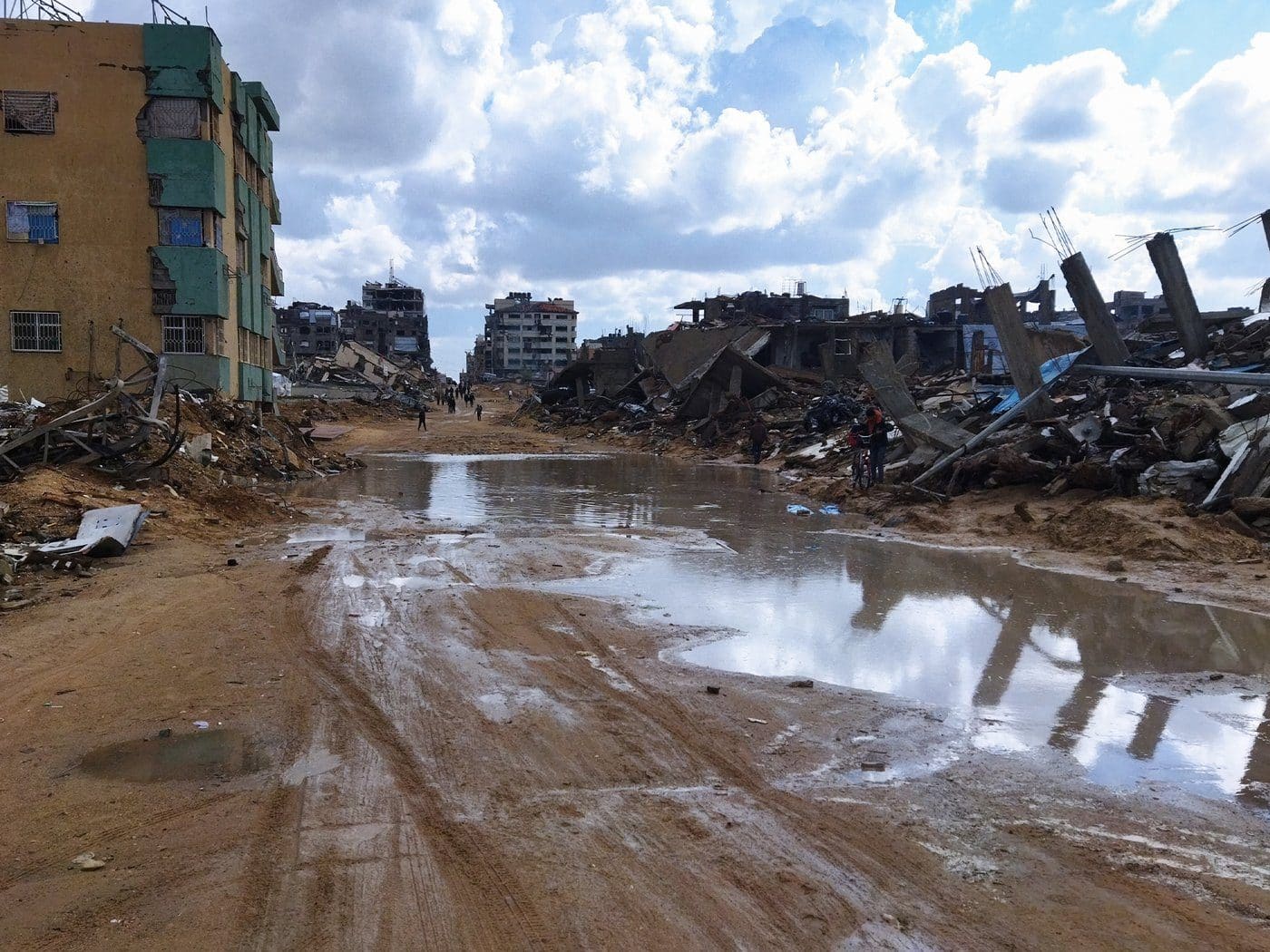
A joint World Bank, UN and European Union report found Gaza needs upwards of $71 billion over the next decade to rebuild, with an estimated 92 percent of housing units destroyed or damaged since the war began and debris exceeding 61 million tonnes, an amount that could take decades to clear.
Six months in: 'neither war nor peace' in Gaza
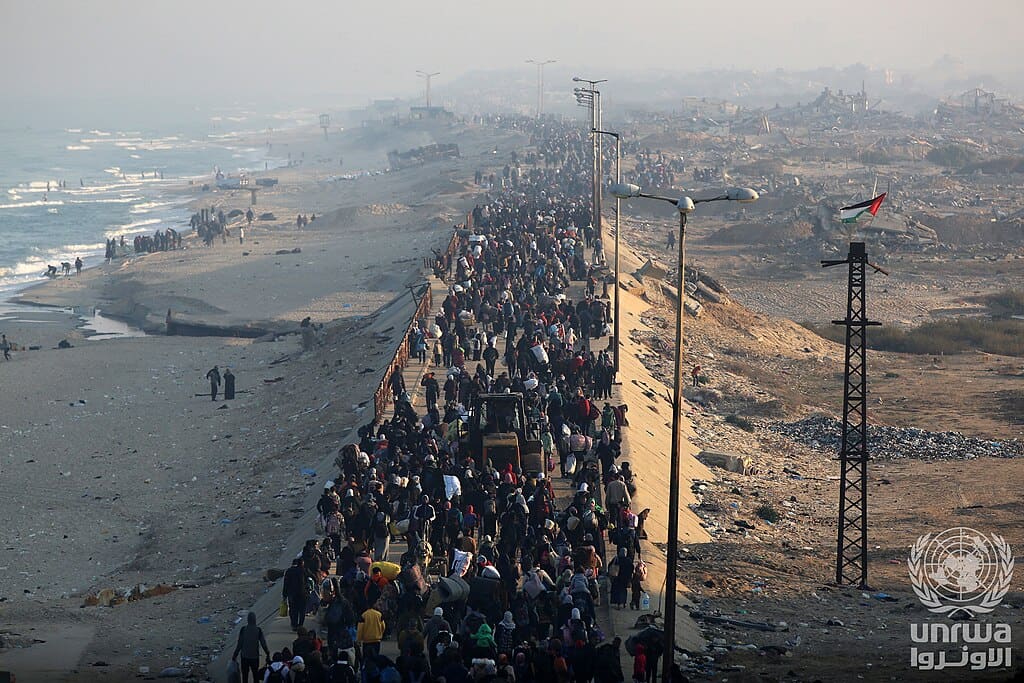
Six months after the ceasefire began, Gaza's Government Media Office had documented more than 2,073 alleged Israeli violations since October, and Israel maintained effective control of roughly 50 to 55 percent of the Strip, including large areas of Rafah, Khan Younis and northern Gaza, meaning the full withdrawal called for in the ceasefire agreement had not occurred. No comprehensive reconstruction had begun.
Board of Peace meeting: $17 billion pledged, five nations commit troops
Representatives of roughly 40 countries attended a Board of Peace meeting and pledged around $17 billion toward Gaza's stabilization and reconstruction. Indonesia, Morocco, Kazakhstan, Kosovo and Albania committed to contributing troops to the International Stabilization Force, though none had deployed forces by the time of the meeting.
Last hostage's remains recovered; zero hostages remain in Gaza
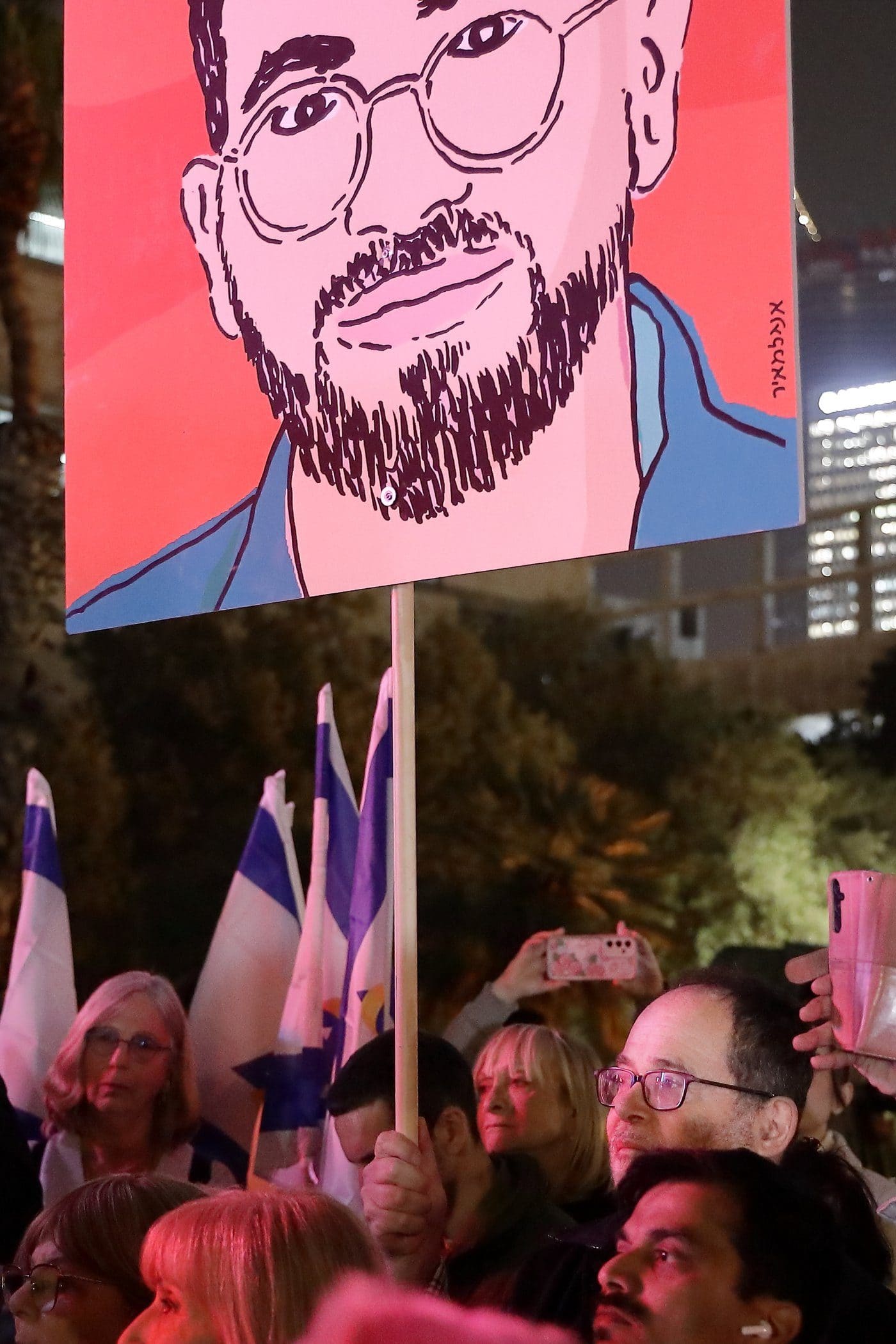
The body of Ran Gvili, the last hostage whose remains had not been returned, was recovered from Gaza, more than three months after the ceasefire's hostage exchange began. It marked the first time since 2014 that no Israeli hostages remained held in the Gaza Strip.
UN Security Council authorizes International Stabilization Force
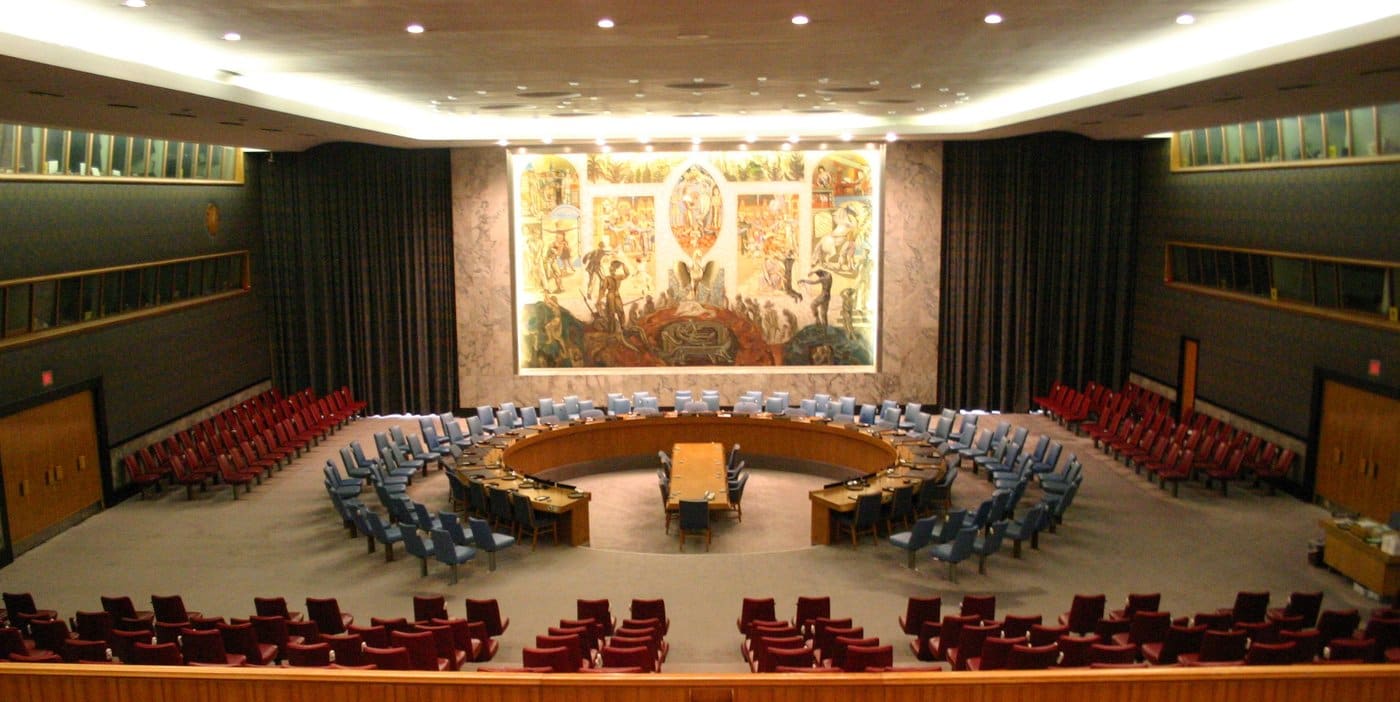
The Security Council adopted Resolution 2803, endorsing the US-brokered 'Comprehensive Plan to End the Gaza Conflict,' authorizing a two-year International Stabilization Force for Gaza under the Board of Peace, and setting out a path toward Hamas disarmament, phased Israeli withdrawal, and eventual transfer of authority to a reformed Palestinian Authority.
Gaza's Hamas-run media office tallies hundreds of ceasefire violations
Gaza's Government Media Office, which operates under the Hamas-run administration in Gaza, said Israel had violated the ceasefire hundreds of times since October 10 through air, artillery and small-arms fire; Israel has not published a comparable tally of its own and says its strikes have targeted militants violating the truce.
Five hostages' remains still unrecovered in Gaza
More than three weeks after the ceasefire's hostage exchange, the remains of five hostages had still not been recovered and returned by Hamas, a slow-moving process Israel said breached the ceasefire's terms and Hamas attributed to difficulty locating remains amid Gaza's destruction.
Deadliest single day since the ceasefire: 104 killed in Israeli strikes
Israel carried out its heaviest wave of strikes since the truce began, killing at least 104 people in Gaza, including 46 children according to local health officials, after Netanyahu accused Hamas of a 'clear violation' for returning what Israel said were partial remains of a hostage recovered earlier in the war rather than intact remains. Hamas denied involvement and called the strikes a 'flagrant violation' of the ceasefire. Israel said the strikes were coordinated with Washington and declared the ceasefire 'restored' afterward.
First major post-ceasefire escalation after two Israeli soldiers killed in Rafah
Israel said two of its soldiers were killed in an attack in Rafah and accused Hamas of violating the ceasefire; Israeli strikes across Gaza in response killed dozens of Palestinians, an early sign of how quickly the truce could fray.
Last 20 living hostages released; roughly 2,000 Palestinian prisoners freed
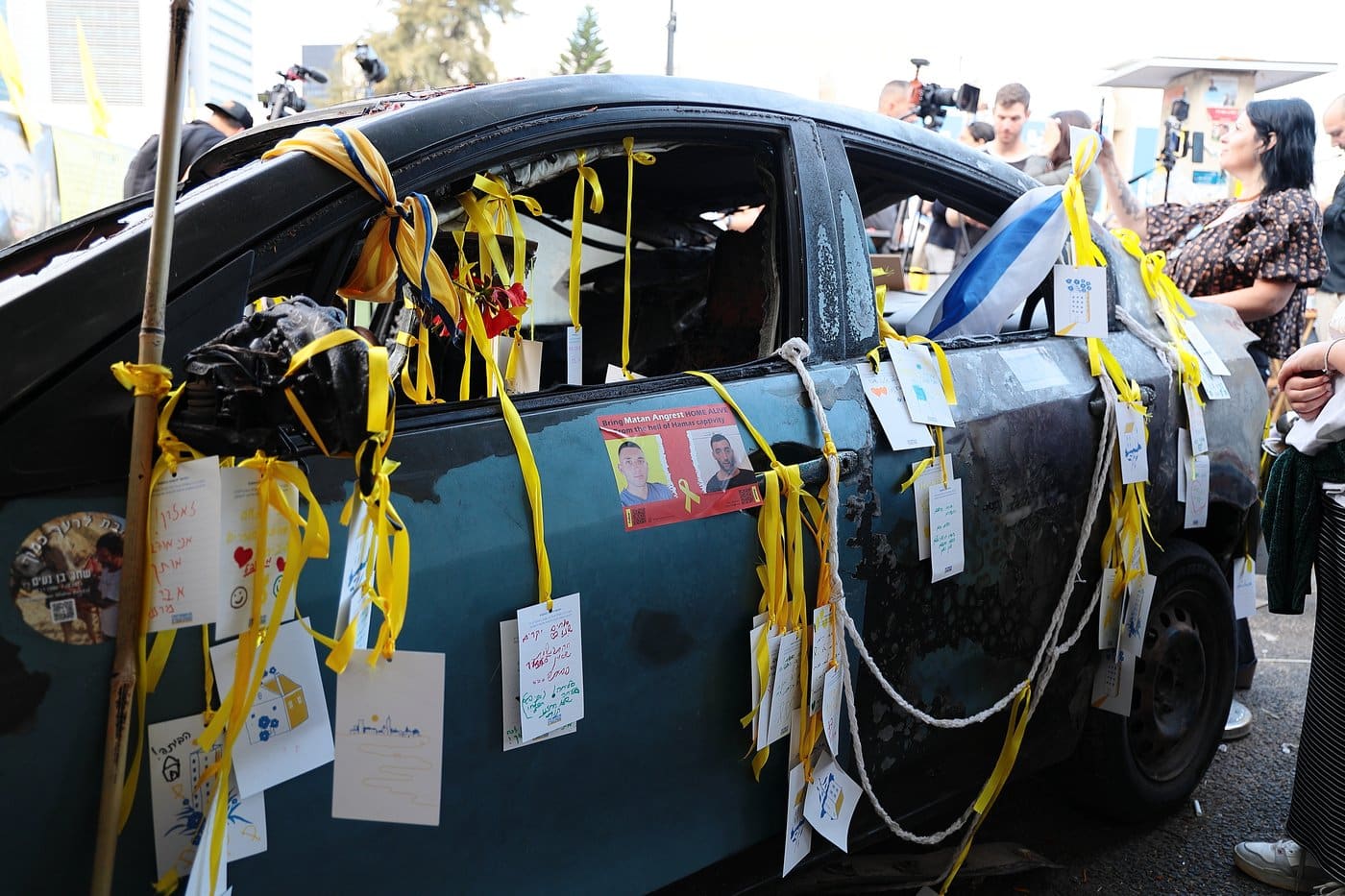
Hamas released the final 20 living Israeli hostages, and Israel released roughly 2,000 Palestinian prisoners in exchange, including 250 serving life sentences. Over the course of the war, 168 hostages had been recovered alive and 87 recovered dead; the remains of five hostages were still held in Gaza pending further recovery efforts.
Ceasefire formally takes effect
The ceasefire took effect at noon local time, halting major combat operations in Gaza for the first time since the March 2025 collapse of the prior truce.
Phase one of ceasefire deal signed in Egypt
Israeli and Hamas negotiators signed the first phase of the ceasefire agreement in Sharm el-Sheikh, Egypt, covering a truce, hostage-prisoner exchange, partial Israeli withdrawal, and a scale-up of humanitarian aid.
IDF halts Gaza City offensive as Hamas responds positively to the plan
After Hamas signaled a positive response to elements of the peace plan and Trump publicly called on Israel to stop its advance, Netanyahu ordered the IDF to halt further military operations in Gaza City ahead of ceasefire talks.
Trump unveils 20-point Gaza peace plan
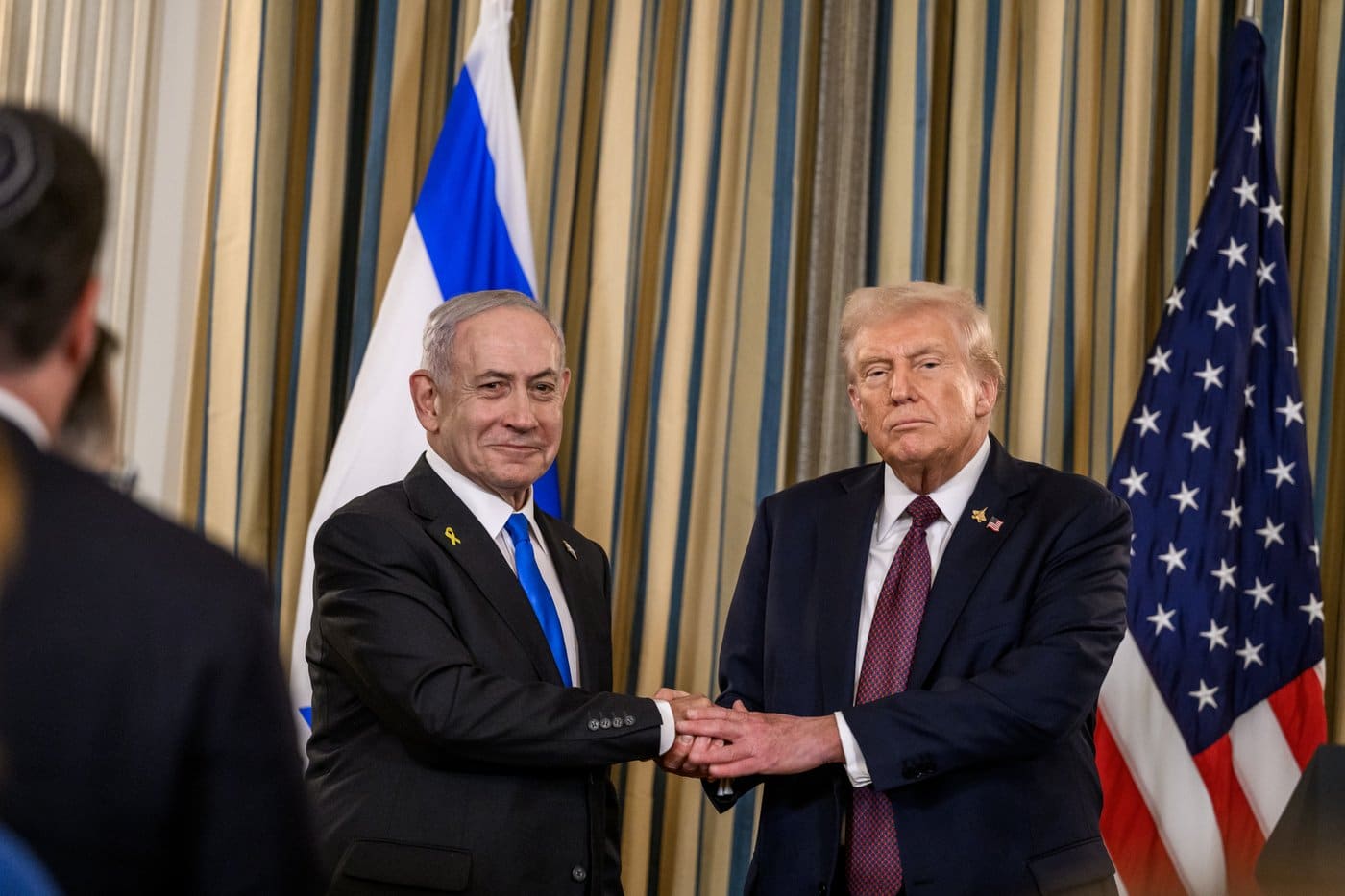
President Trump announced a 20-point plan at the White House alongside Netanyahu, proposing an immediate ceasefire and hostage-prisoner exchange, a phased Israeli withdrawal, disarmament of Hamas, and a transitional Palestinian technocratic administration overseen by a US-chaired 'Board of Peace.'
UN Commission of Inquiry concludes Israel is committing genocide; Israel and US reject finding
The UN-mandated Commission of Inquiry on the Occupied Palestinian Territory concluded that Israeli authorities had committed genocidal acts in Gaza, including killings and conditions calculated to bring about the group's destruction. Israel's Foreign Ministry called the report 'distorted and false' and called for the commission's abolition; the US State Department called the finding 'the height of hypocrisy,' saying Israel 'went to war in self-defense.' The commission's finding has no independent enforcement power and is separate from the still-unresolved ICJ genocide case.
IDF launches expanded ground offensive into Gaza City
Israeli armored and infantry divisions began what the military called an expanded ground operation into Gaza City after calling up 60,000 additional reservists, targeting one of the last major population centers still outside direct Israeli military control.
Israel strikes Hamas leadership in Doha, Qatar
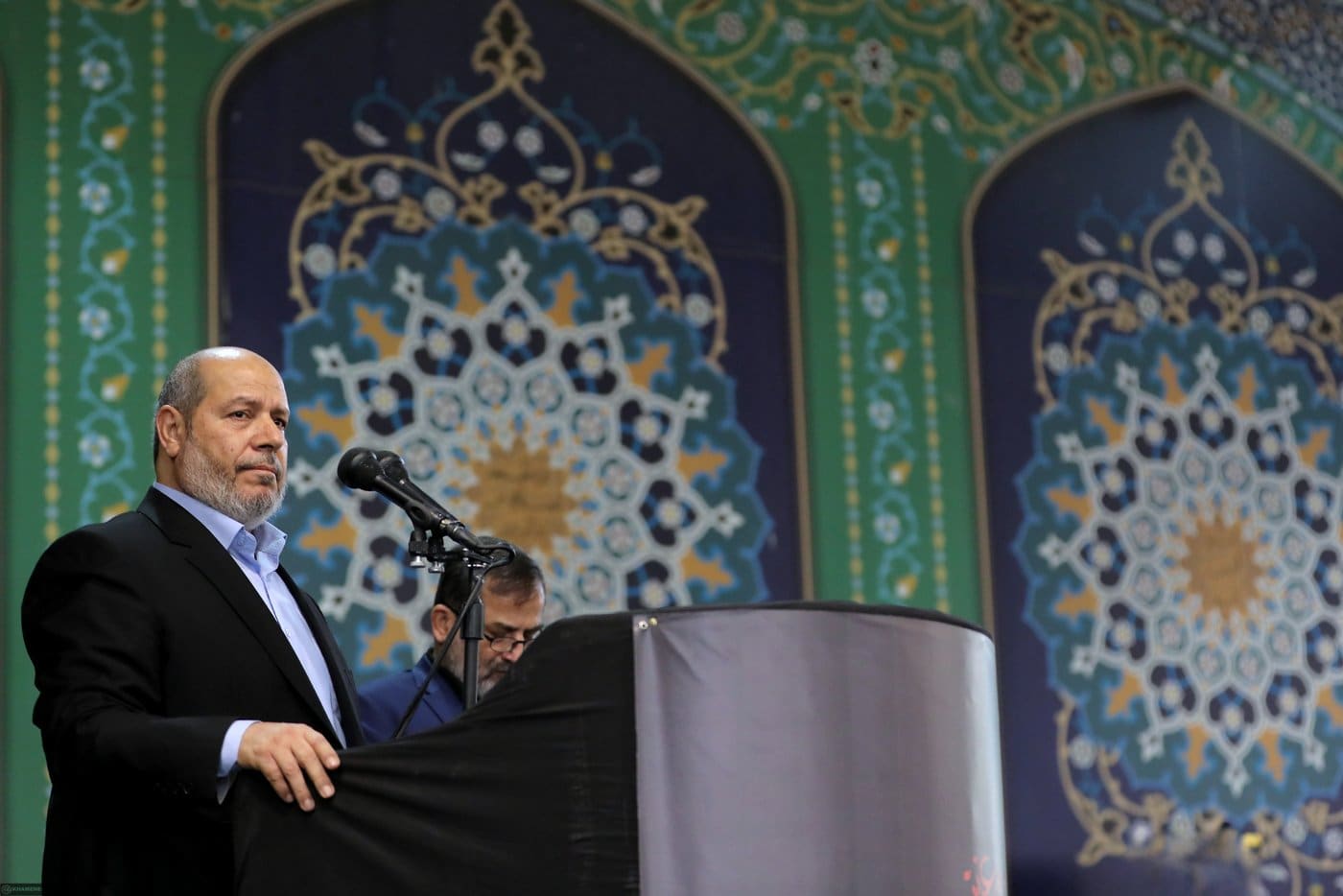
Israeli aircraft struck a residential compound in Doha where senior Hamas figures, including chief negotiator Khalil al-Hayya, were meeting to discuss a US ceasefire proposal. The strike killed six people, including al-Hayya's son, but according to Hamas killed no senior Hamas leaders. It was Israel's first known strike inside a Gulf Cooperation Council state; Qatar's prime minister called it 'state terrorism,' and President Trump said he was 'not thrilled about the whole situation.'
Famine confirmed in Gaza governorate
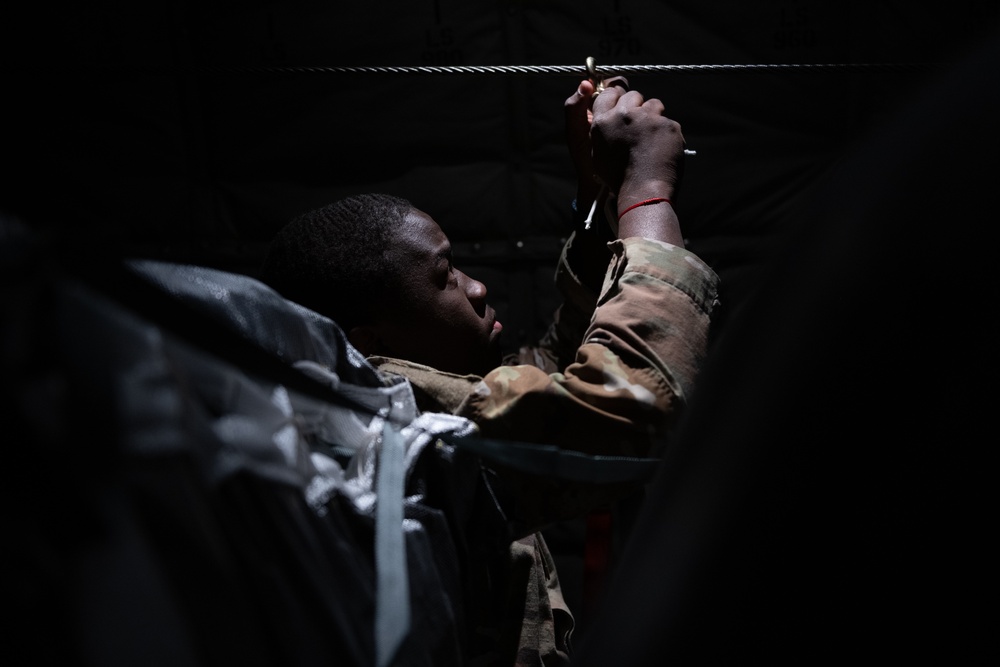
The Integrated Food Security Phase Classification, the internationally recognized famine-monitoring system, confirmed famine conditions in Gaza governorate, the first time the classification's most severe threshold had been reached in the war.
West Bank Palestinian death toll since October 7 passes 1,000
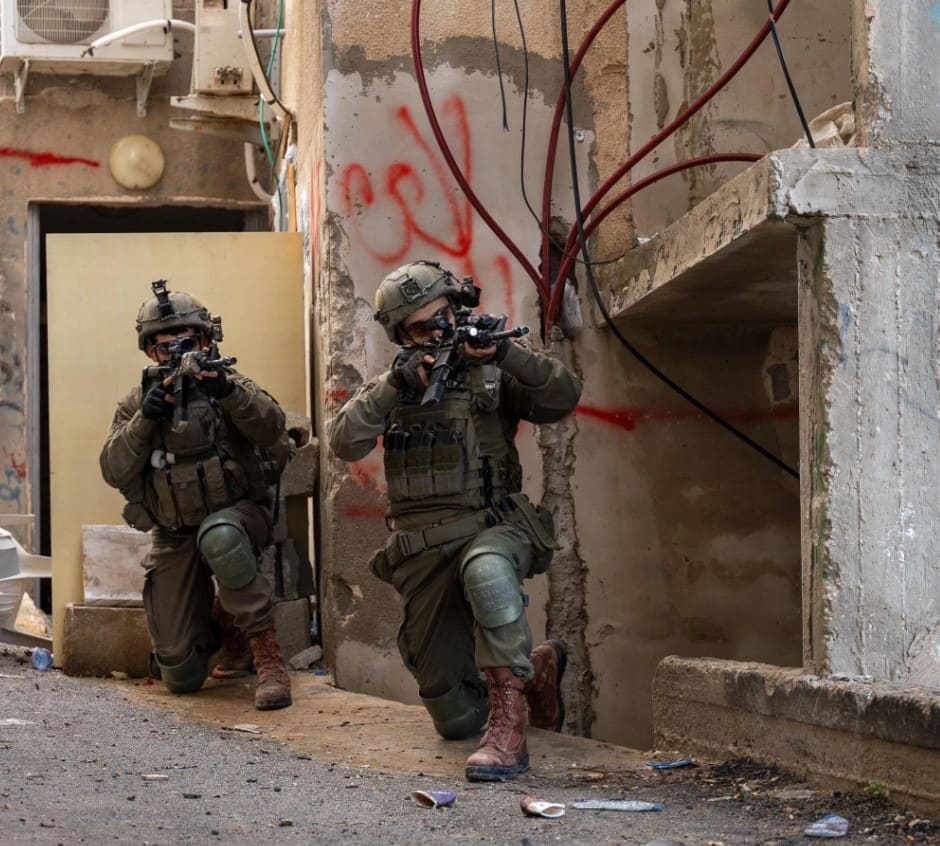
Israeli forces and settlers had killed more than 1,000 Palestinians in the West Bank since October 7, 2023, according to UN monitoring, including 213 children, in a campaign of raids and incursions in cities including Jenin and Tulkarm that ran in parallel with the war in Gaza. Over the same period, Palestinian attackers killed dozens of Israelis, including 43 settlers, in the West Bank.
Israel launches new Gaza ground offensive
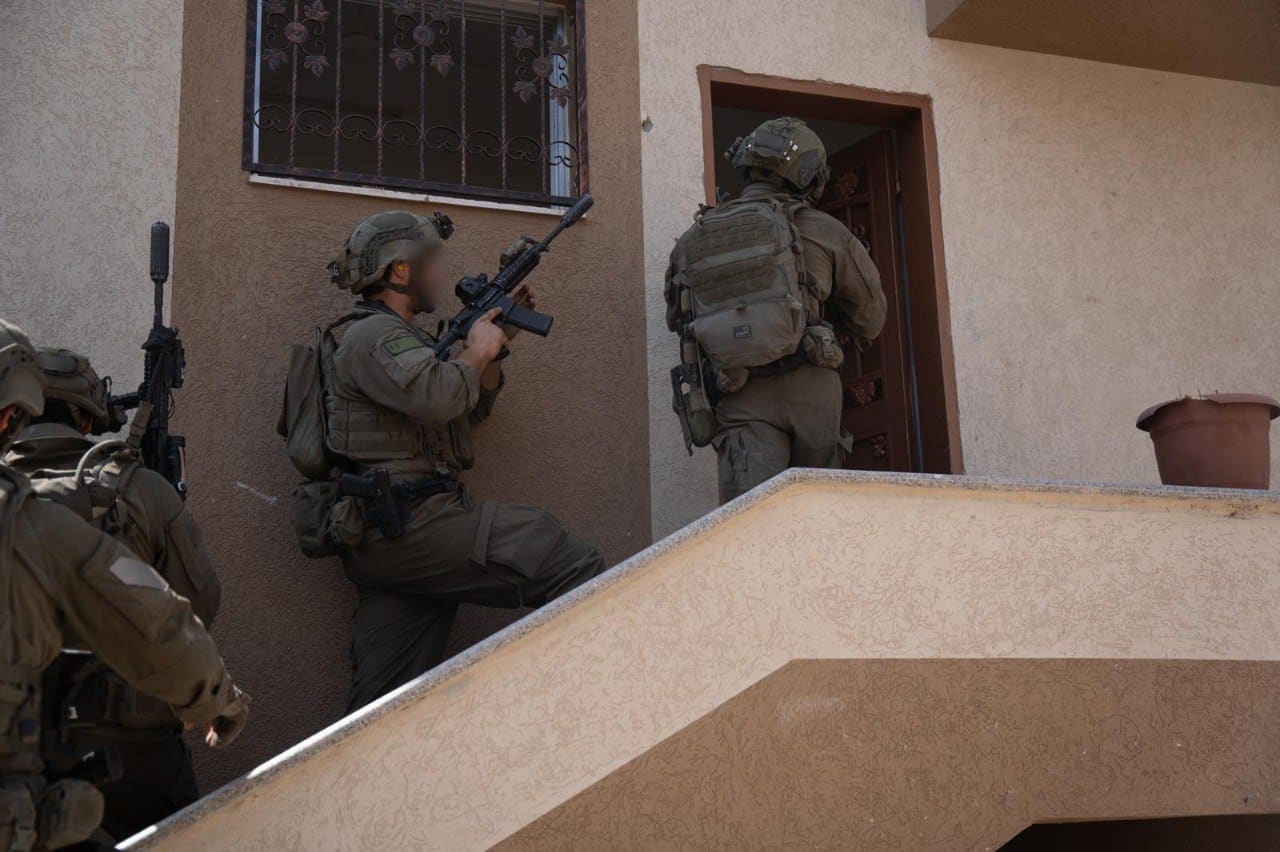
With the ceasefire's collapse, Israeli forces opened a new ground offensive expanding operations across Gaza, part of a broader pattern through the spring and summer of 2025 of intensifying military pressure alongside stalled truce negotiations.
Israel breaks the ceasefire with surprise strikes, killing 400+
Israel launched extensive airstrikes across Gaza during Ramadan, killing more than 400 people and shattering the nearly two-month truce. Netanyahu's office said the strikes responded to Hamas's refusal to release further hostages and its rejection of proposals to extend the ceasefire; Netanyahu said the strikes were 'only the beginning.'
Hamas returns Bibas children's remains; body mismatch triggers dispute
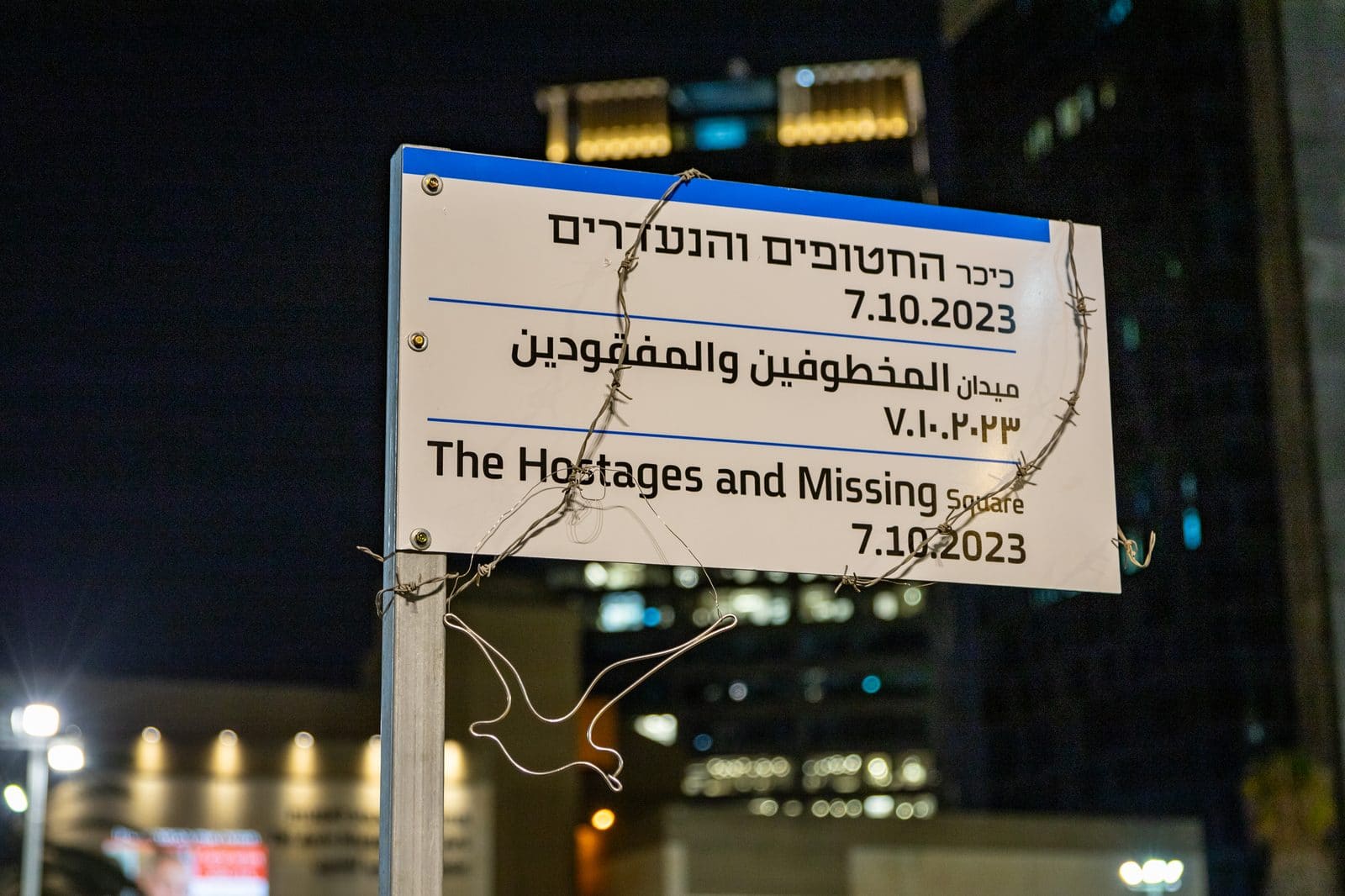
Hamas handed over coffins it said held the remains of Shiri Bibas and her sons. Israeli DNA testing confirmed the children's identities but found the third body did not match Shiri Bibas or any other hostage, which Israel called a ceasefire violation; Hamas handed over a further body the next day that DNA testing confirmed was Shiri Bibas.
Yarden Bibas released after 484 days in captivity
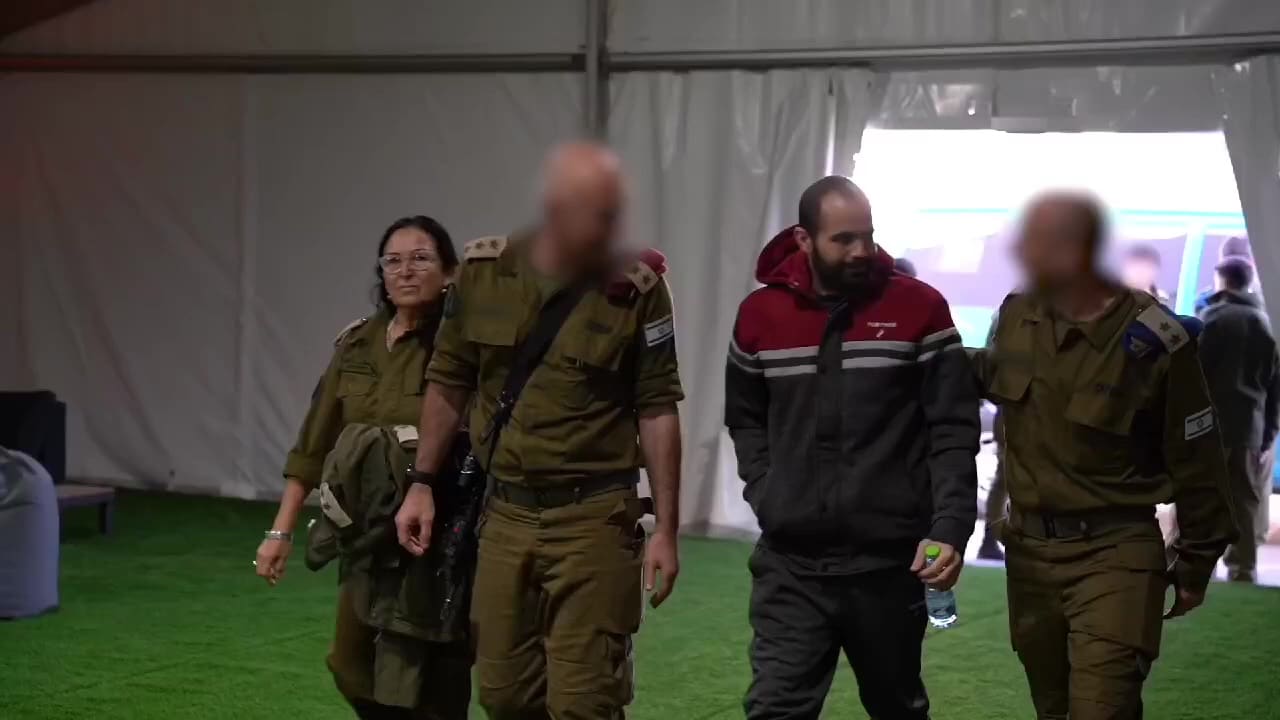
Hamas released Yarden Bibas, whose wife Shiri and young sons Ariel and Kfir had been abducted with him from Kibbutz Nir Oz on October 7. He had spent 484 days in captivity; the fate of his family was not yet confirmed.
First phase of a Gaza ceasefire takes effect
A ceasefire brokered by the US, Qatar and Egypt took effect, with Hamas beginning a phased release of hostages in exchange for Palestinian prisoners, Israel beginning to withdraw from Gaza's population centers, and aid deliveries scaling up. By the end of this six-week first phase, 33 Israeli hostages and roughly 2,000 Palestinian prisoners had been released.
ICC issues arrest warrants for Netanyahu, Gallant, and a Hamas commander
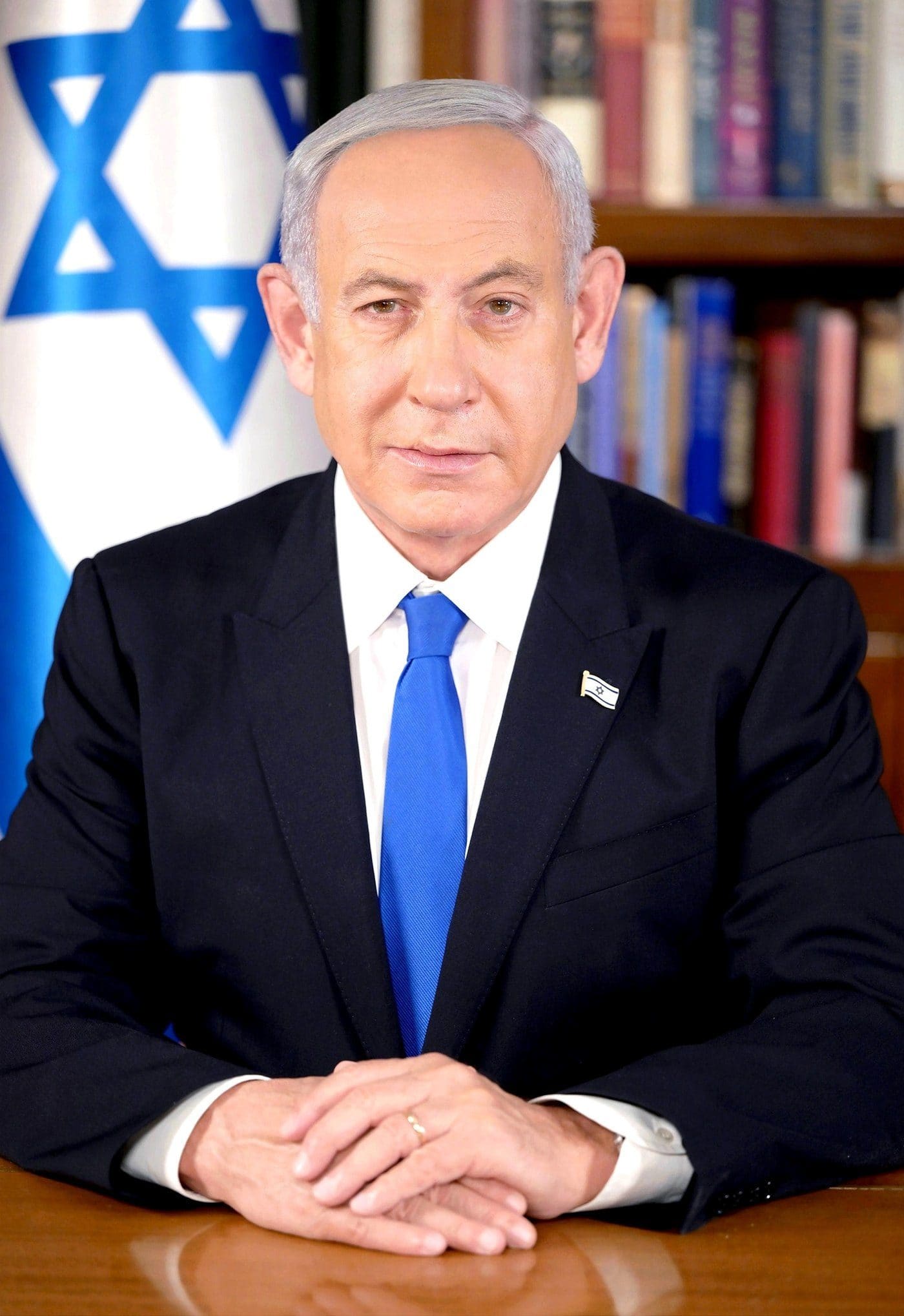
The International Criminal Court issued arrest warrants for Israeli Prime Minister Benjamin Netanyahu and former Defense Minister Yoav Gallant, alleging war crimes including starvation as a method of warfare, and for Hamas commander Mohammed Deif on separate war-crimes and crimes-against-humanity charges. The court later cancelled Deif's warrant after concluding there was reliable information he had died in the July 2024 strike; the warrants against Netanyahu and Gallant remain active, and Israel has rejected the court's jurisdiction.
Knesset passes laws curtailing UNRWA
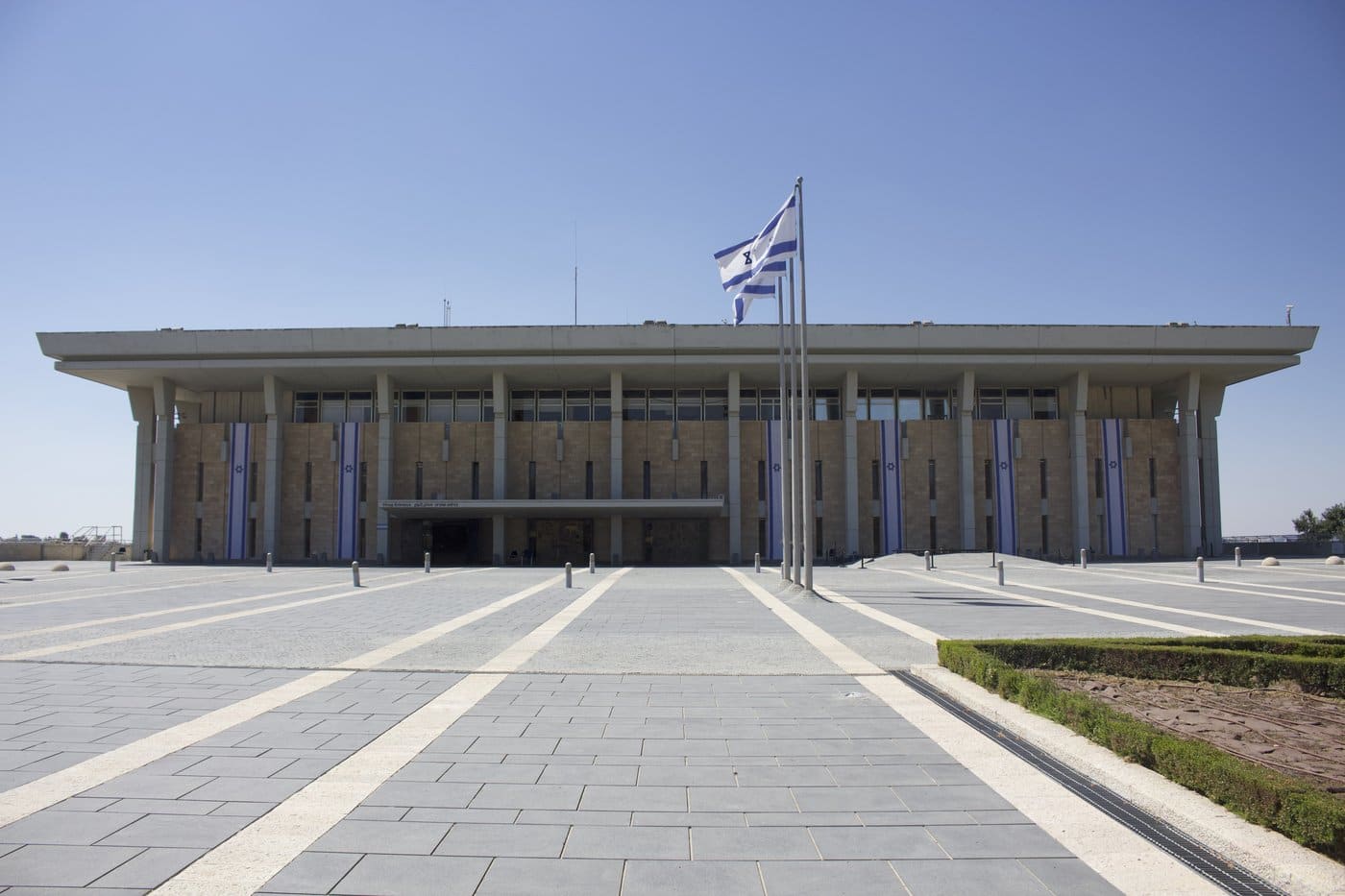
Israel's Knesset voted to bar the UN Palestinian refugee agency, UNRWA, from operating on Israeli territory and to cut Israeli government contact with the agency in Gaza and the West Bank, laws that took effect January 30, 2025. The UN and aid groups warned the move would deepen the humanitarian crisis in Gaza, where UNRWA had been the largest aid provider.
Yahya Sinwar, Hamas's Gaza leader, killed in Rafah
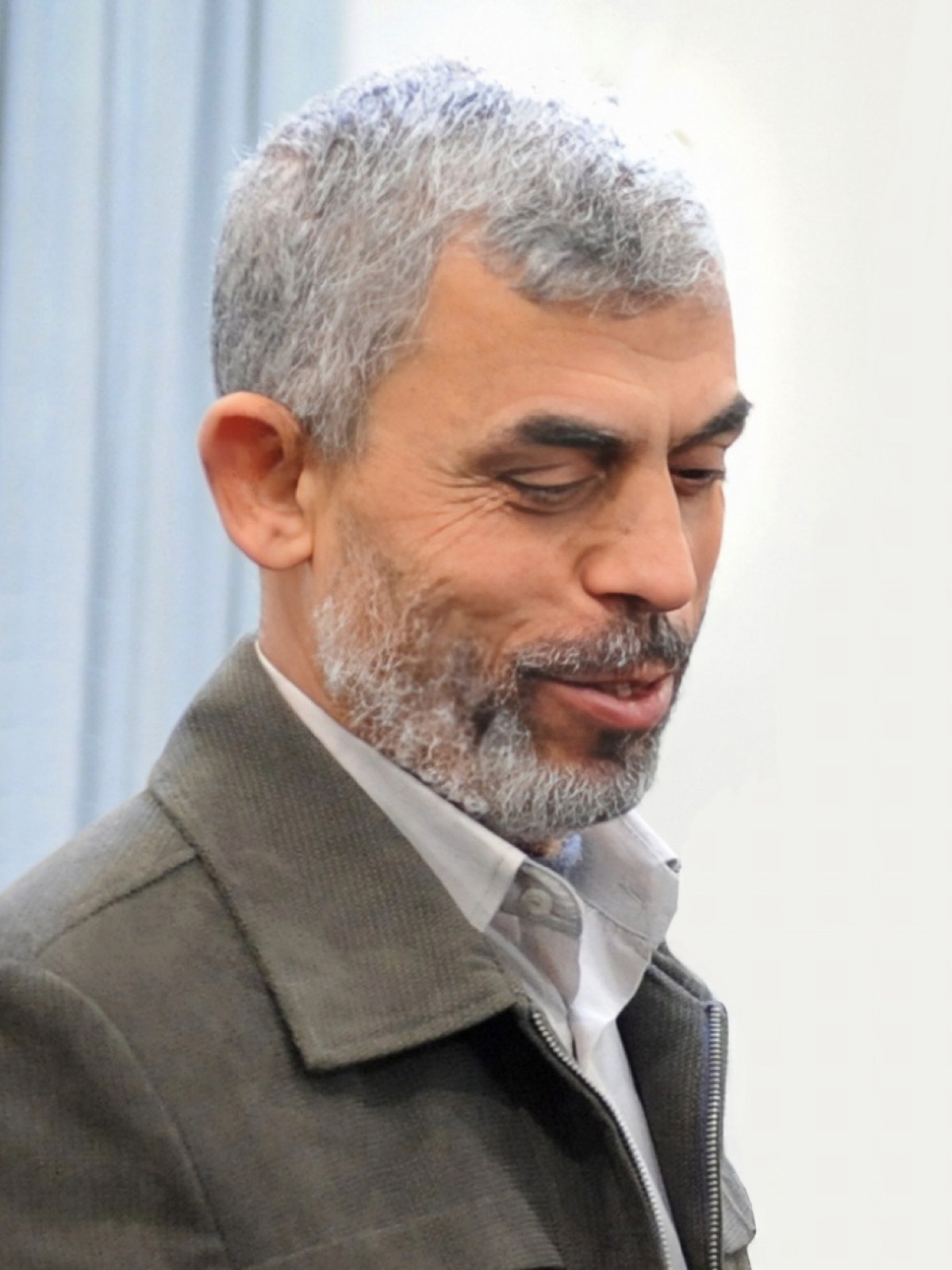
Israeli troops on a routine patrol in Rafah killed Yahya Sinwar, Hamas's top leader in Gaza and one of the principal planners of the October 7 attack, in a chance encounter later confirmed through dental and fingerprint records.
Hamas political leader Ismail Haniyeh assassinated in Tehran
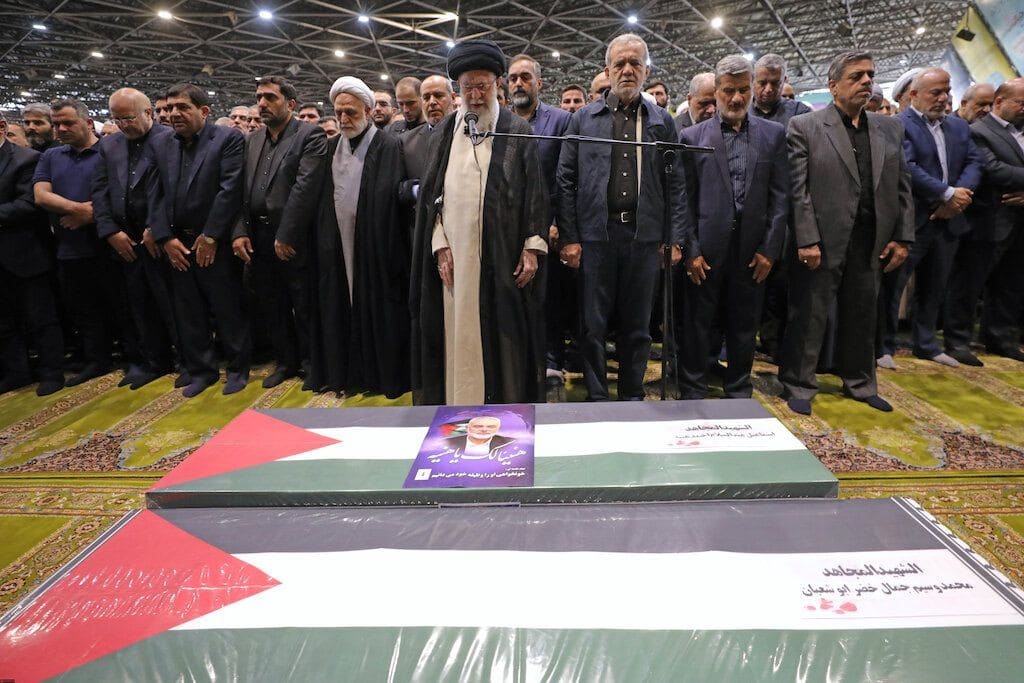
Ismail Haniyeh, Hamas's political bureau chief, was killed at a government guesthouse in Tehran hours after attending the Iranian presidential inauguration. Iran and Hamas blamed Israel, which did not claim responsibility at the time; Israel's defense minister later confirmed in December 2024 that Israel had carried out the assassination.
ICJ advisory opinion finds Israeli occupation unlawful
The International Court of Justice ruled, 11 votes to 4, that Israel's continued presence in the occupied Palestinian territories, including Gaza and the West Bank, is unlawful and must end as rapidly as possible, and by 14 votes to 1 found Israel obligated to halt new settlement activity. The opinion is advisory and non-binding; Israel rejected it, saying the Palestinian-Israeli conflict cannot be resolved through the court.
Israeli strike kills Hamas military chief Mohammed Deif
Israel's military said an airstrike in Khan Younis killed Mohammed Deif, commander of Hamas's Qassam Brigades and one of the architects of the October 7 attack. Hamas did not confirm his death for more than six months, finally acknowledging it on January 30, 2025.
Rafah offensive begins along the Egypt border
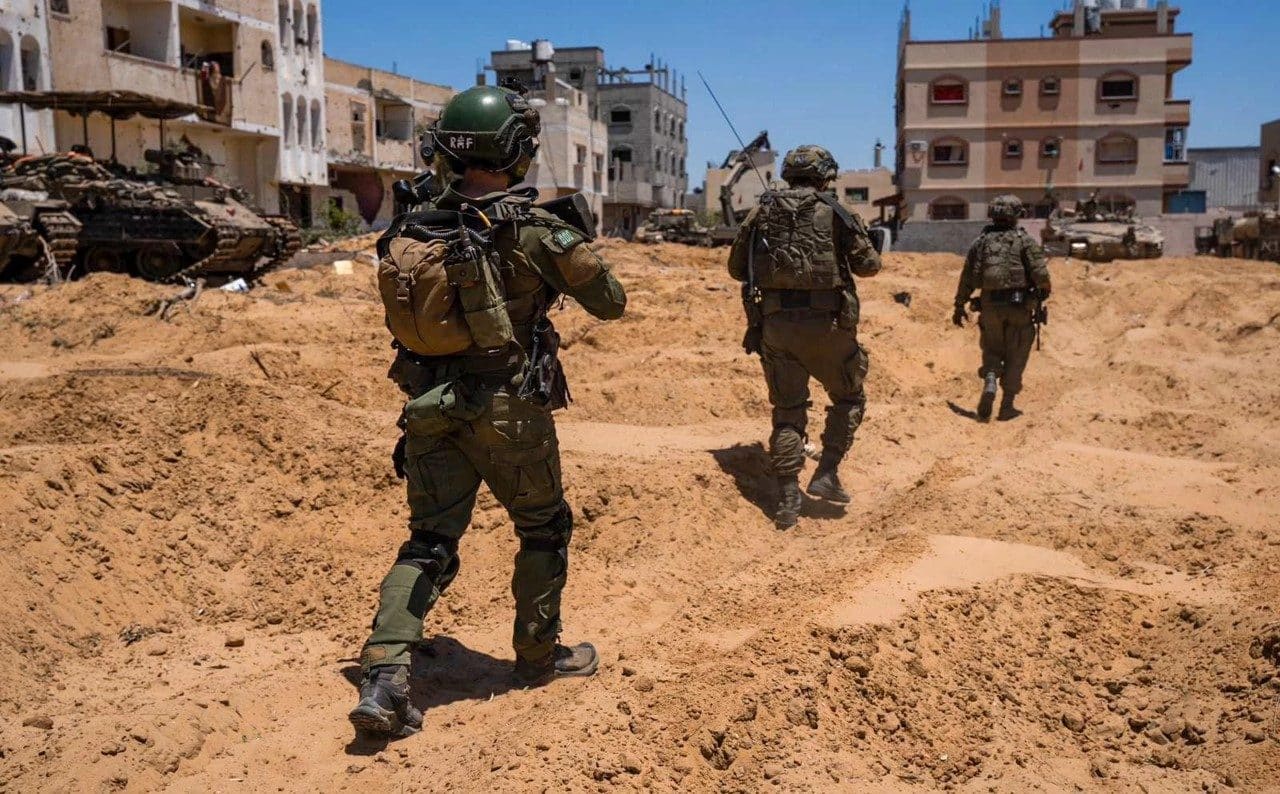
Israeli forces launched a ground offensive in and around Rafah, in southern Gaza, after ceasefire talks broke down, seizing the Rafah crossing with Egypt. The UN said up to 1.4 million people had been sheltering in the Rafah area before the operation; roughly a million fled in the weeks that followed.
ICJ orders Israel to prevent genocide, stops short of ordering a ceasefire
Ruling on South Africa's case alleging Israel was committing genocide in Gaza, the International Court of Justice found South Africa had legal standing and ordered Israel to take all measures within its power to prevent genocidal acts and to report back within a month. The court declined South Africa's request to order an immediate halt to Israel's military campaign. The underlying genocide case remains open and unresolved.
Truce collapses, fighting resumes
The week-long pause ended after Israel and Hamas accused each other of violations, and Israeli forces resumed airstrikes and ground operations across Gaza.
Four-day pause begins with first hostage-prisoner exchange
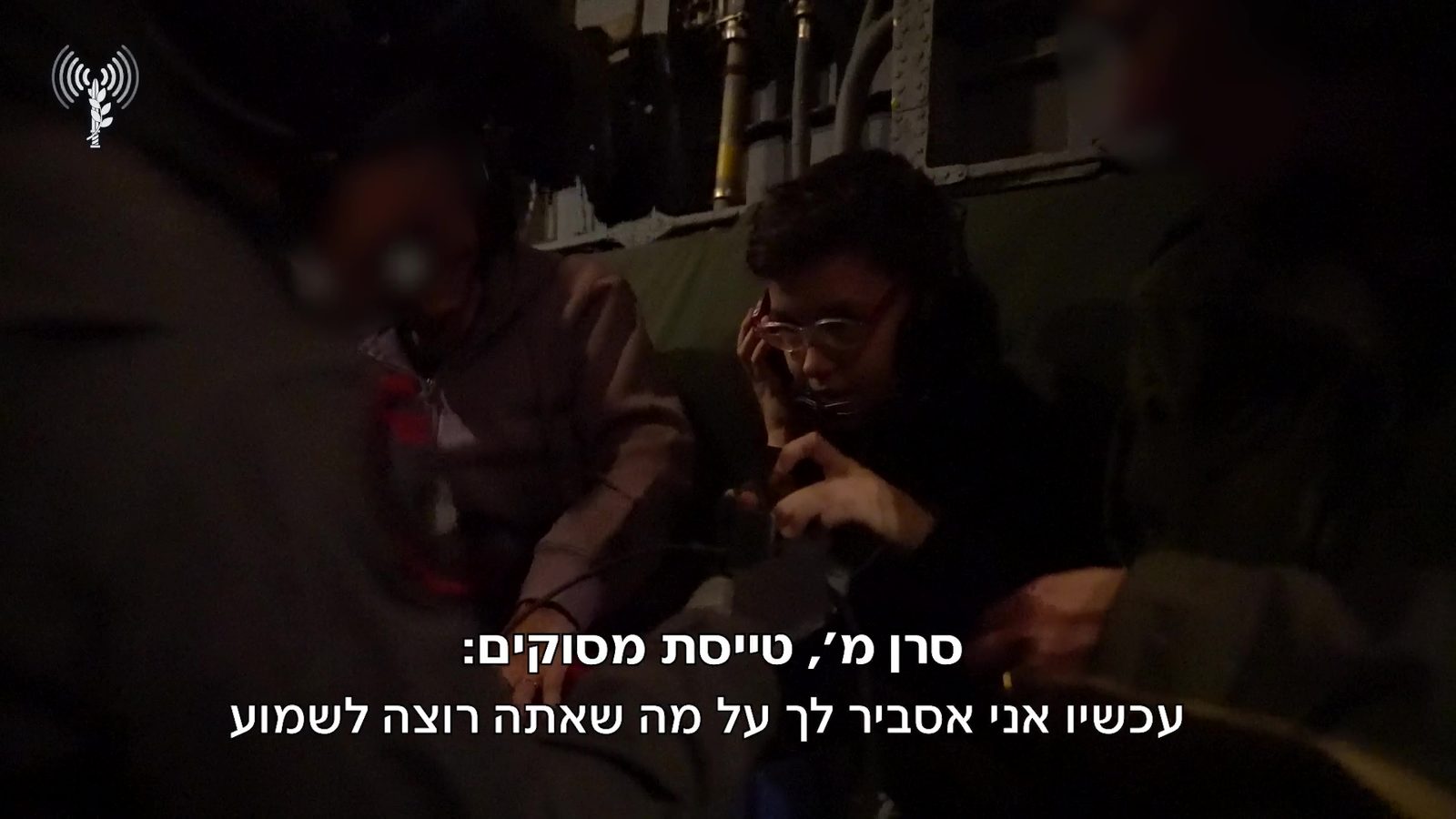
A Qatari-mediated four-day pause took effect, under which Hamas released Israeli hostages, mostly women and children, in exchange for Palestinian prisoners held by Israel, alongside an increase in humanitarian aid entering Gaza. The truce was extended twice as further exchanges continued.
Israeli forces encircle and raid al-Shifa Hospital
Israeli forces encircled Gaza City's al-Shifa Hospital, then Gaza's largest, and later conducted a raid inside it, saying Hamas operated a command center in tunnels beneath the complex, a claim Hamas and hospital administrators denied. The World Health Organization's director-general called the hospital's use as a battleground 'totally unacceptable.'
Israel launches Gaza ground invasion
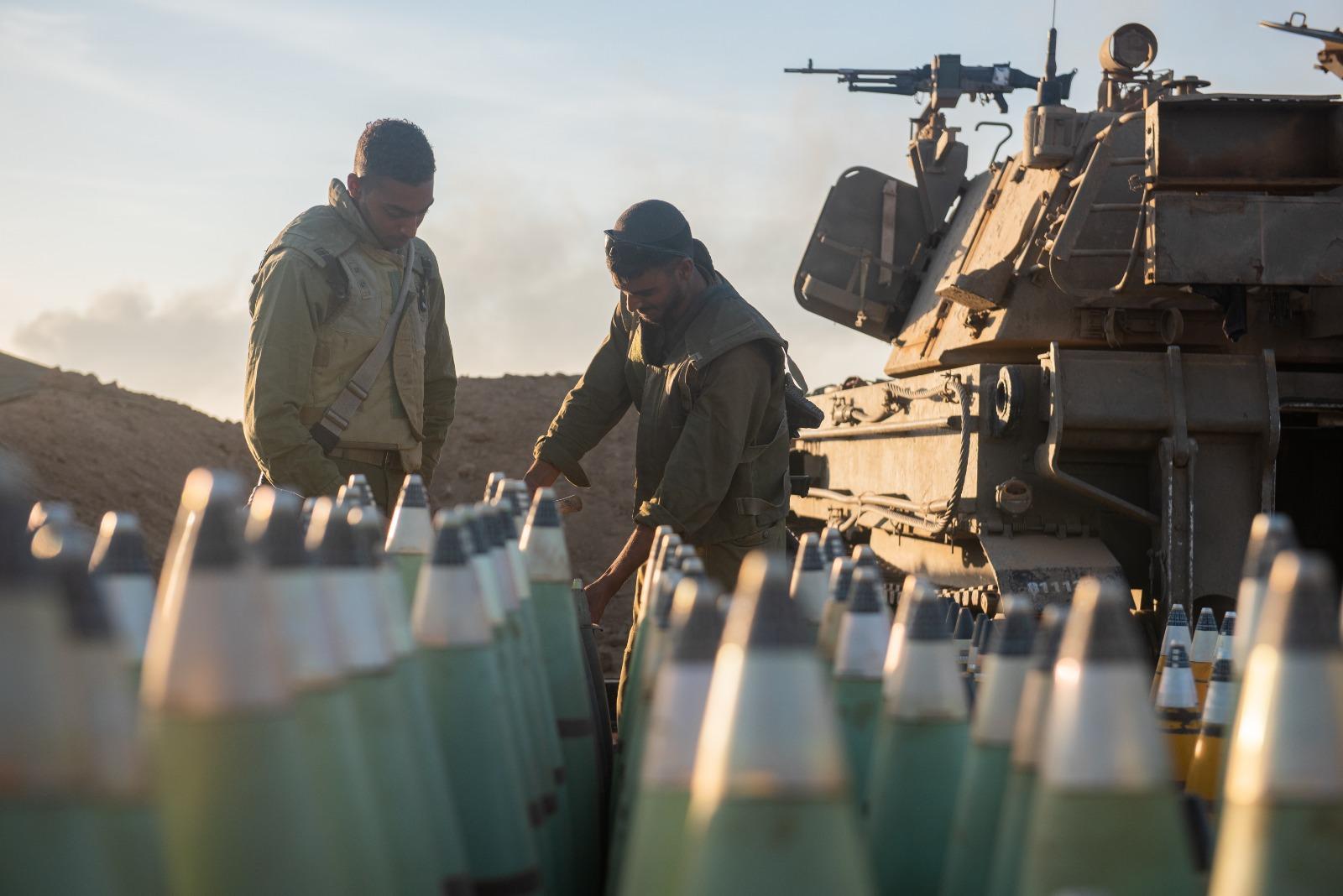
Israel began a ground offensive into the Gaza Strip after three weeks of aerial bombardment and a call-up of roughly 350,000 reservists, opening the campaign it said was aimed at dismantling Hamas's military and governing capabilities.
Hamas-led attack kills 1,195 in Israel, 251 taken hostage
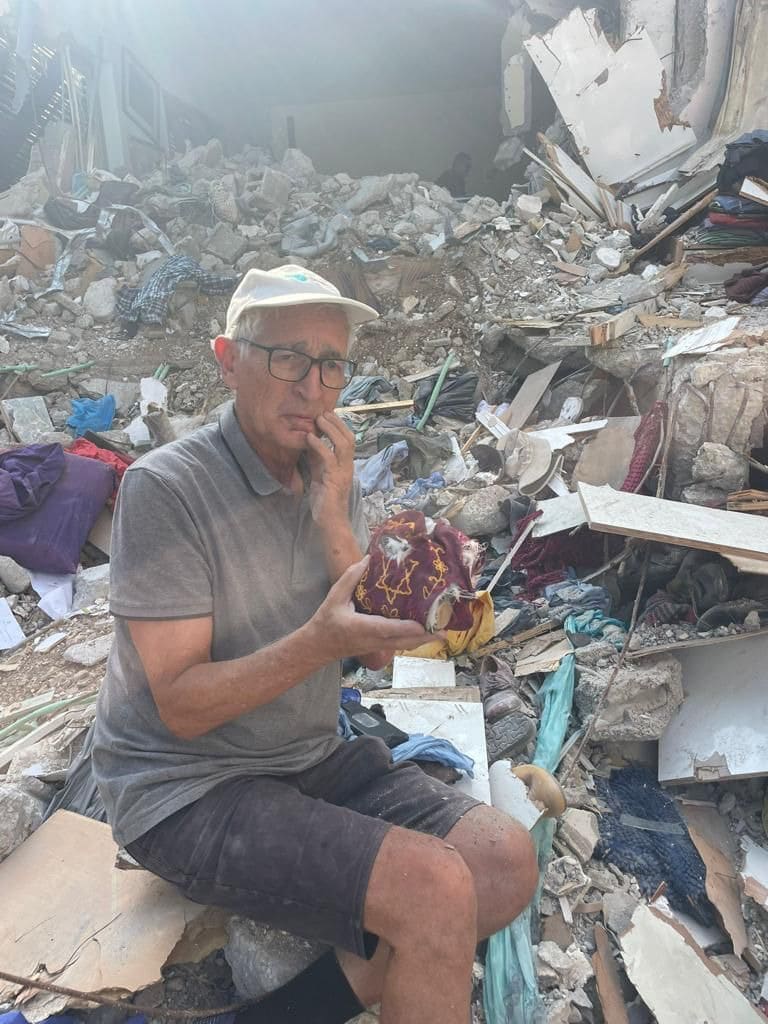
Hamas and allied Palestinian militant factions launched a coordinated assault on southern Israel, firing thousands of rockets and breaching the Gaza-Israel barrier by land, sea and air to attack military bases and 21 civilian communities. The attack killed 1,195 people, 828 of them civilians, and militants took 251 people hostage into Gaza.
Frequently Asked Questions
How did the Israel-Palestine war start?
The current war began on October 7, 2023, when Hamas and allied Palestinian militant factions launched a coordinated attack on southern Israel, killing 1,195 people and taking 251 hostage into Gaza. Israel responded with an aerial and, from October 27, 2023, ground campaign in Gaza that has continued, with pauses and resumptions, ever since. The war sits within a much longer Israeli-Palestinian conflict dating to Israel's 1948 founding and the displacement of Palestinians that accompanied it, but this page tracks only the war that began in October 2023.
Is there a ceasefire in Gaza right now?
A ceasefire has formally been in effect since October 10, 2025, under the first phase of a US-brokered plan, and it has not collapsed the way the January 2025 ceasefire did in March 2025. But it remains fragile: Gaza's Hamas-run Government Media Office has documented thousands of alleged Israeli violations, Israel still controls roughly half of Gaza's territory, more than 1,000 Palestinians have been killed by Israeli strikes since the truce began according to the Palestinian Health Ministry, and five Israeli soldiers have been killed in militant attacks over the same period. The ceasefire's second phase, covering Hamas's disarmament, remains stalled.
How many hostages are still held in Gaza?
None, as of the most recent confirmed accounting. Hamas released the last 20 living hostages on October 13, 2025, and the remains of the final deceased hostage, Ran Gvili, were recovered on January 26, 2026. Of the 251 people taken hostage on October 7, 2023, 168 were recovered alive and 87 were recovered dead over the course of the war, the first time since 2014 that no Israeli hostages have been held in Gaza.
What is the humanitarian situation in Gaza?
Severe and, by mid-2026, worsening again. A famine was confirmed in Gaza governorate in August 2025 under the internationally recognized IPC classification system; conditions improved somewhat after the October 2025 ceasefire but Gaza's Ministry of Social Development, part of the Hamas-run administration, warned in June 2026 of a renewed 'silent famine' as aid truck deliveries fell far below the roughly 600-per-day called for in the ceasefire agreement. An estimated 92 percent of Gaza's housing has been destroyed or damaged, most of the population has been displaced repeatedly, and a joint World Bank-UN-EU assessment put reconstruction costs above $71 billion over the next decade. Israel has said access restrictions are necessary for security screening of aid shipments.
How many people have been killed in the war?
As of mid-July 2026, Gaza's Health Ministry, operating under the Hamas-run administration, has recorded 73,221 Palestinians killed and 173,654 injured since October 7, 2023; the United Nations and most independent researchers regard the ministry's identified-fatality data as broadly reliable, and one independent excess-mortality analysis published in February 2026 estimated the true toll could be roughly a third higher, while some critics have questioned aspects of the ministry's methodology. On the Israeli side, 1,195 people, 828 of them civilians, were killed in the October 7, 2023 attack itself, and Israel's Ministry of Defense puts its running total of Israeli security-force and military fatalities across the whole war, including that day, at 1,152. In the West Bank, more than 1,000 Palestinians and 43 Israeli settlers have been killed since October 7, 2023, according to UN monitoring.
Has any international court ruled on the war?
No final ruling yet on the core legal disputes, though several proceedings are active or have produced interim findings. The International Court of Justice ordered Israel in January 2024 to take measures to prevent genocide in a South African-initiated case that remains open, and separately issued a July 2024 advisory opinion finding Israel's occupation of Palestinian territory unlawful, which Israel rejected. The International Criminal Court issued arrest warrants in November 2024 for Prime Minister Netanyahu and former Defense Minister Gallant, alleging war crimes and crimes against humanity, and separately for Hamas commander Mohammed Deif, a warrant later cancelled after his death was confirmed. A UN-mandated Commission of Inquiry concluded in September 2025 that Israel had committed genocidal acts in Gaza, a finding Israel and the United States both rejected as false.
Sources
- October 7 attacks — Wikipedia
- Israel and Hamas at war: A timeline of major developments — CBS News
- Al-Shifa Hospital siege — Wikipedia
- 2023 Gaza war ceasefire — Wikipedia
- Summary of the Order of 26 January 2024 — International Court of Justice
- Rafah offensive — Wikipedia
- Mohammed Deif — Wikipedia
- Summary of the Advisory Opinion of 19 July 2024 — International Court of Justice
- Assassination of Ismail Haniyeh — Wikipedia
- Killing of Yahya Sinwar — Wikipedia
- Knesset passes bill blocking provision of electricity and water to UNRWA facilities — The Times of Israel
- ICC issues arrest warrants for Netanyahu, Gallant and Hamas commander — UN News
- ICC cancels warrant for Hamas military leader Deif — The Times of Israel
- First Israeli hostages and Palestinian prisoners freed in ceasefire deal with Hamas — NPR
- Kidnapping and killing of the Bibas family — Wikipedia
- Hamas releases hostage bodies, including mother and sons from Bibas family — NPR
- Why did Israel resume the war in Gaza? — NPR
- May 2025 Gaza offensive — Wikipedia
- Israel has killed 1,000 Palestinians in the West Bank since October 7, 2023 — Al Jazeera
- Gaza Strip famine — Wikipedia
- Israeli airstrike on Hamas leadership in Qatar — Wikipedia
- 2025 Gaza City offensive — Wikipedia
- UN commission says Israel is committing genocide in Gaza — CNN
- Gaza peace plan — Wikipedia
- A Guide to the Gaza Peace Deal — Council on Foreign Relations
- Timeline of the Gaza war (3 October 2025 - present) — Wikipedia
- Israel says it's resuming the ceasefire after its strikes in Gaza kill over 100 people — NPR
- What to know about the 5 hostages whose remains are still in Gaza — NPR
- How many times has Israel violated the Gaza ceasefire? Here are the numbers — Al Jazeera
- International Stabilization Force — Wikipedia
- Israeli and Palestinian captives and prisoners: A timeline of key events — Al Jazeera
- Stabilization force and funding pledged for Gaza at Board of Peace meeting — Foundation for Defense of Democracies
- 'Neither war nor peace': What Gaza looks like six months into 'ceasefire' — Al Jazeera
- Report finds Gaza needs more than $71bn in next decade for recovery — Al Jazeera
- Board of Peace's Mladenov says Gaza ceasefire hinges on Hamas disarmament — Al Jazeera
- Plans for Gaza International Stabilisation Force in question as troop pledges stall — Euronews
- Death toll in Gaza since 'ceasefire' with Israel goes past 1,000 — Al Jazeera
- Gaza officials warn of 'silent famine' as aid deliveries fall far below planned levels — Middle East Monitor
- Hamas says it will dissolve Gaza government as US-brokered ceasefire plan stalls — CNN
- The Middle East, including the Palestinian Question, July 2026 Monthly Forecast — Security Council Report
- Gaza death toll rises to 73,221, medical sources say — WAFA (Palestinian Authority news agency)
- Casualties of the Gaza war — Wikipedia