Israel-Iran War: Timeline & Latest Developments
Israel opened the war on February 28, 2026 by striking roughly 500 targets across Iran and killing Supreme Leader Ali Khamenei; four and a half months on, no separate Israel-Iran ceasefire currently holds, direct missile exchanges resumed as recently as June, and Israel is watching signs Iran is rebuilding the nuclear sites it struck.
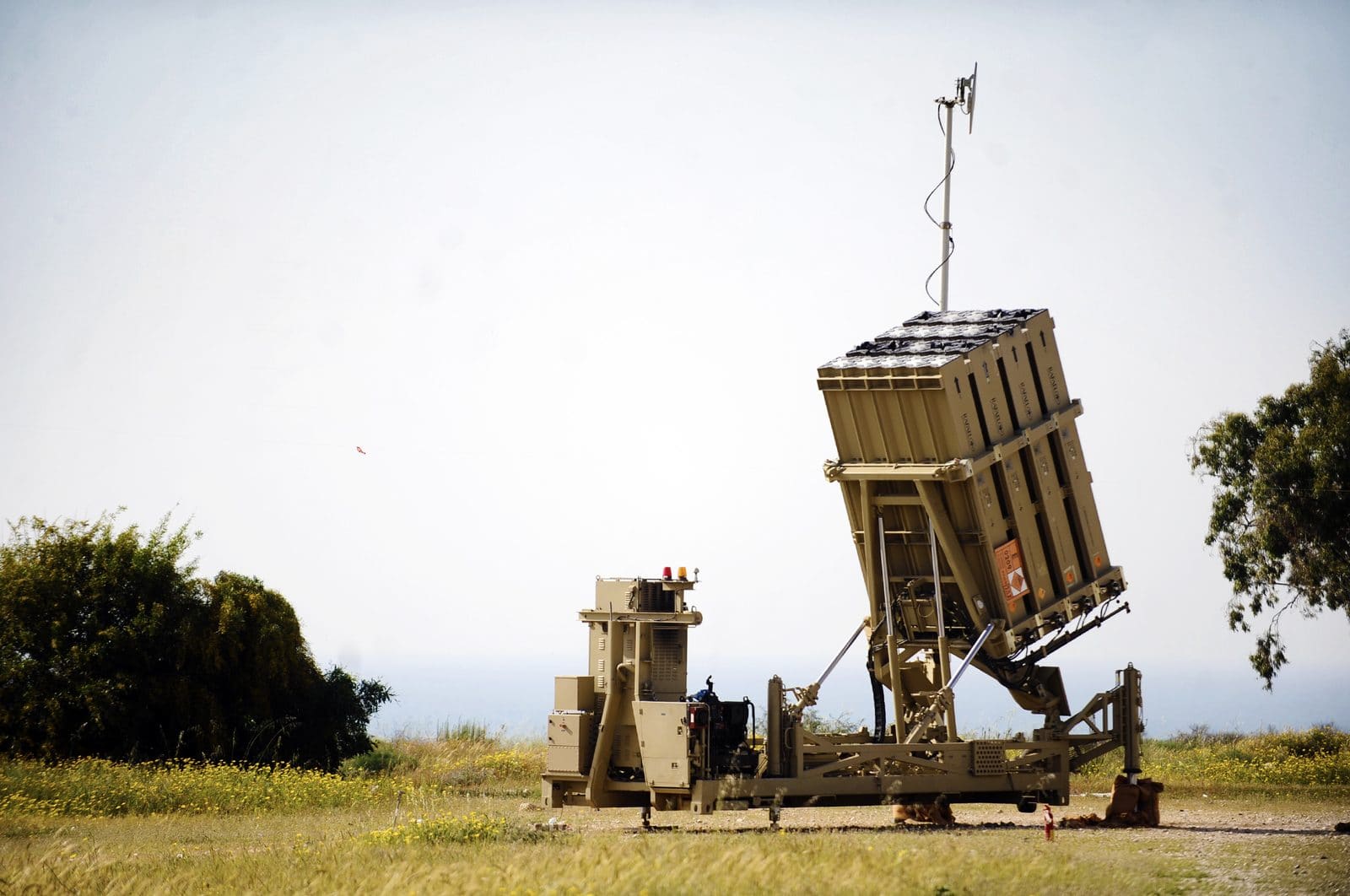
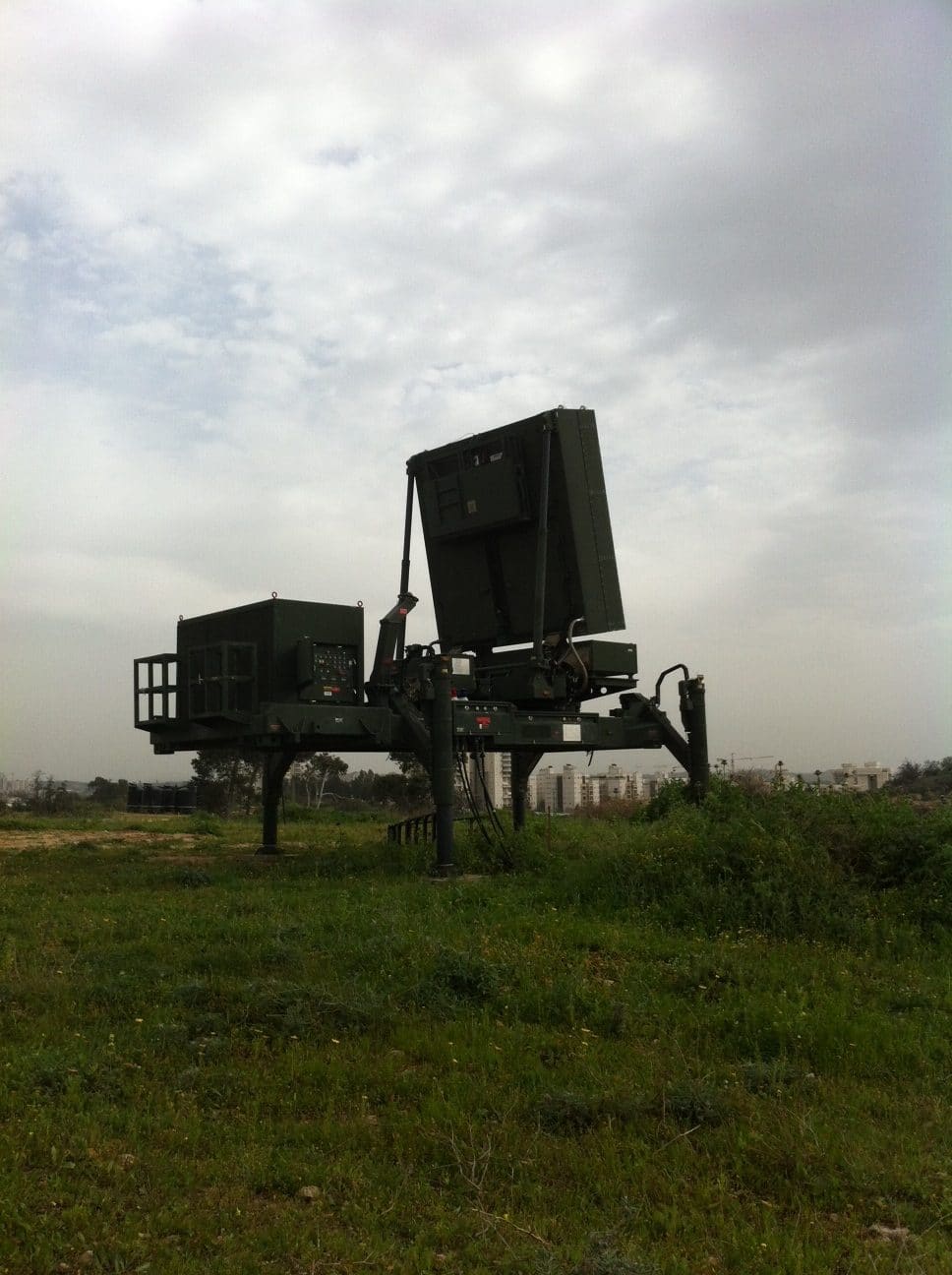
Israel Defense Forces (photographer Michael Shvadron), CC BY 2.0, via Wikimedia Commons. Shown for identification; depicts an Iron Dome battery near Ashkelon, not a strike from this war.
The Israel-Iran war opened on February 28, 2026, when Israeli Air Force jets struck roughly 500 military and nuclear-linked targets across Iran in a single 24-hour campaign, the largest combat sortie in Israeli history. Prime Minister Benjamin Netanyahu had spent the prior day lobbying President Trump for a joint operation aimed squarely at Iran’s leadership, not just its missile and nuclear infrastructure, and Israel’s own strikes, which it codenamed Operation Roaring Lion, ran alongside a broader US-Israeli effort reported in wire coverage as Operation Epic Fury. The opening wave killed Supreme Leader Ali Khamenei along with the IRGC’s top commander, Iran’s defense minister, and several senior intelligence officials, according to Israeli and US officials cited by The Jerusalem Post. Iran confirmed Khamenei’s death the next day, declared 40 days of mourning, and named his son Mojtaba as the new Supreme Leader.
Iran’s response arrived within hours and did not let up for weeks. Ballistic missiles and drones hit Tel Aviv the same day Israel struck, and the following morning a missile tore through a synagogue and homes in Beit Shemesh, killing nine people in the deadliest single strike on Israeli soil in the war’s opening stretch. Iran labeled its broader retaliatory campaign Operation True Promise IV, claiming roughly 500 ballistic missiles and more than 2,000 drones fired at Israel and Gulf states over four days, a figure that comes from Iranian state media and has not been independently confirmed. What is better documented is the pattern that followed through March: near-daily missile salvos on Beersheba, Haifa, and Jerusalem, and a recurring use of cluster munitions in populated areas that killed civilians in Yehud, near Tel Aviv, and eventually in Bnei Brak, where an 11-year-old girl wounded on April 1 died of her injuries three weeks later. Israel’s layered air defenses, Iron Dome, David’s Sling, and the Arrow family, absorbed most of the fire, but not all of it: on March 21, David’s Sling, built for shorter-range threats, failed to stop several longer-range missiles aimed at Dimona and Arad, injuring more than 100 people combined.
Israel’s own campaign inside Iran did not stop after the opening wave, either. An Israeli F-35I reportedly shot down an Iranian jet over Tehran on March 4, though the IDF’s account of that claimed kill has not been independently verified, and on the night of March 16 to 17 an Israeli strike killed Ali Larijani, secretary of Iran’s Supreme National Security Council and by most accounts the country’s most powerful official after Khamenei, along with his son and a separately targeted Basij militia commander. Independent monitors have not been able to cleanly separate Iranian casualties caused by these ongoing Israeli strikes from those caused by the coordinated US campaign: HRANA, an independent Iran-focused human rights group, documented 3,636 deaths and 15,000 to 26,500 wounded inside Iran as of April 7, a toll it attributes to combined “U.S. and Israeli attacks” rather than to either country individually, while Iran’s own Foundation of Martyrs reported a lower confirmed count and US and Israeli estimates ran higher still. That ambiguity is itself informative: the two militaries struck jointly and continuously enough through the war’s first six weeks that even careful trackers on the ground could not, or did not, disaggregate the toll by attacker.
Iran-backed Hezbollah is the one proxy actor genuinely inseparable from this bilateral story, since Israel’s parallel campaign against it in Lebanon repeatedly bled into the Iran ceasefire’s terms and timing. When a two-week US-Israel-Iran truce took effect on April 8 after 40 days of fighting, brokered on a Pakistani-mediated framework that also reopened the Strait of Hormuz, Netanyahu insisted the deal did not cover Israel’s Hezbollah operations, a reading Iran and its mediators rejected. Follow-on talks in Islamabad meant to lock in a durable settlement collapsed within days. Through May, Israel found itself pushing for renewed strikes on Iran even as Washington pursued its own ceasefire diplomacy, and Israeli officials, with limited unilateral options, instead quietly extended Iron Dome coverage to the UAE, sending batteries and crews to help an ally absorb Iranian fire the Gulf state could not intercept on its own.
The truce broke for real in June. An Israeli strike on Hezbollah targets in Beirut on June 7 drew Iran’s first direct missile fire at Israel since April, and Israel struck back inside Iran itself the next morning, hitting a drone-production facility in Isfahan, an aerospace university and Basij positions in Tehran, and a petrochemical plant near Ahvaz; the IRGC said it answered with a further missile wave at Israel’s Tel Nof and Nevatim airbases, an Iranian claim Israel has not confirmed. Iran’s Foreign Ministry described its own June strikes as lawful self-defense under Article 51 of the UN Charter, citing what it called Israel’s “persistent breaches of the April 8 ceasefire” and the Beirut strikes specifically, a characterization that is Iran’s own and not independently adjudicated. A further round of Israeli strikes near Beirut on June 14 nearly triggered another Iranian response before US intervention held it off, clearing the way for Trump and Iranian President Masoud Pezeshkian to sign a memorandum at the Palace of Versailles on June 17 aimed at ending the broader war, with a separate Israel-Hezbollah ceasefire reaffirmed two days later.
That memorandum has not translated into a settled peace on the Israel-Iran track specifically. The active fighting that resumed after a related US-Iran ceasefire collapsed on July 8 has centered on American and Gulf-state targets rather than renewed direct Israeli strikes, but Israel has not stood down. Khamenei’s body was only returned for burial in Qom on July 7, more than four months after his death, and his son and successor has stayed out of public view for weeks, which Iranian officials attribute partly to continuing Israeli threats. Most consequentially, satellite imagery from late June and early July shows apparent reconstruction work at the Taleghan 2 facility inside Iran’s Parchin complex, a site tied to nuclear-weapons-relevant components. If that rebuilding continues, it is the clearest available trigger for Israel to resume the strikes that opened this war in the first place. As of mid-July, roughly 69 people have been killed and more than 9,240 wounded on Israeli soil since February 28, while independent monitors put Iran’s death toll from the joint US-Israeli campaign at 3,636 or more with tens of thousands wounded, a figure Tehran’s own count places somewhat lower and that no tracker, Iranian or otherwise, has broken out by attacking country. No side has declared, or shown, that the underlying dispute between Israel and Iran is actually resolved.
Thirteen of the war's 30 tracked events, nearly half, fall in the six-week March-to-April escalation, and that is exactly the stretch where the casualty record is thinnest on attribution: independent trackers document Iran's overall toll for that period but cannot separate what Israel's own ongoing strikes caused from what the coordinated US campaign caused.
Full Timeline (most recent first)
US reinstates blockade on Iranian shipping, notifies Congress under War Powers Resolution
The United States began a naval blockade of Iranian-flagged ships and their customers on July 14 after the June ceasefire fully collapsed, with President Trump also notifying Congress under the War Powers Resolution of renewed military action against Iran. Trump briefly proposed a 20 percent cargo toll on other nations' vessels transiting the Strait of Hormuz before dropping it a day later in favor of unspecified investment pledges from Gulf states; shipping-data firm Kpler recorded just 22 vessels crossing the strait on July 9, down from 147 the day before the war began in February.
Satellite images show Iran rebuilding at Parchin nuclear complex
Satellite imagery from June 22 and July 7 showed apparent reconstruction activity at Iran's Taleghan 2 facility inside the Parchin military complex, a site experts believe stored explosive components tied to Iran's nuclear program, raising the prospect of renewed Israeli strikes if the rebuilding continues.
Tanker attack widens war: US strikes 140+ Iranian targets, Iran hits five Gulf states
The war widened further on July 11 and 12 after an attack on the Cyprus-flagged container ship GFS Galaxy in the Strait of Hormuz, which Iran's Revolutionary Guard said was a warning shot at an unauthorized vessel while separately claiming the strait was now closed to shipping, a claim not independently verified. US Central Command responded with more than 140 strikes on Iranian military targets, and the IRGC retaliated overnight with missiles and drones against Jordan, Oman, Qatar, the UAE and Bahrain, the broadest single retaliatory wave of the war so far, including an IRGC claim of destroying facilities at Jordan's Prince Hassan Air Base and Oman's Duqm port that has not been independently confirmed.
US sea drones strike Iranian submarine base at Bandar Abbas in a combat first
Three US Navy Saronic Corsair unmanned surface vessels struck Bandar Abbas Naval Base on July 12, hitting a Ghadir-class submarine under maintenance, the first confirmed combat use of American sea drones. US Central Command said the strike was intended to degrade Iran's ability to keep attacking shipping in the Strait of Hormuz; Iran made no public statement confirming or denying damage.
Iran cites 'continuing Israeli threats' as new leader stays out of view
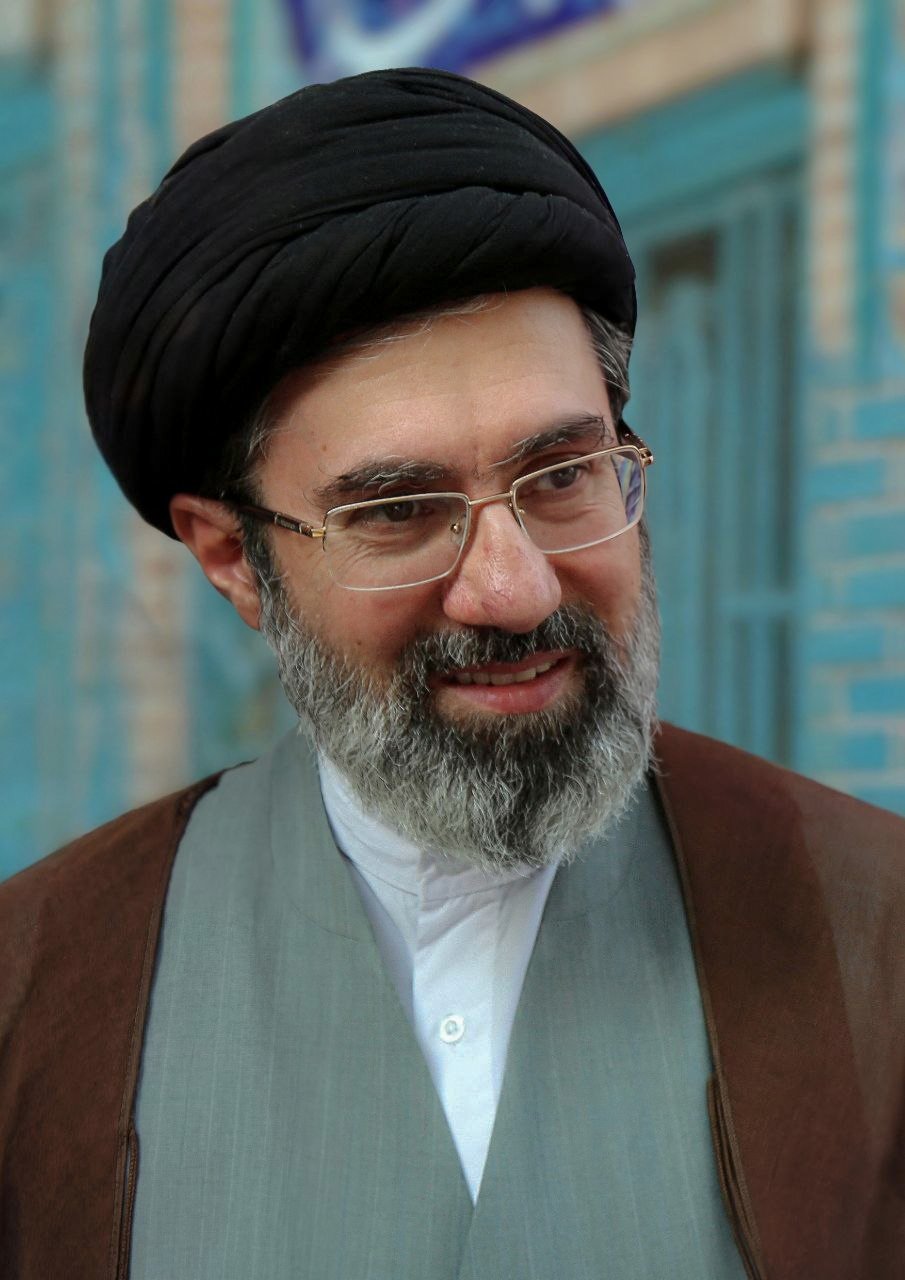
Iranian officials said continuing Israeli threats against Tehran were one reason Mojtaba Khamenei, who succeeded his father as Supreme Leader, had remained out of public view for weeks, even as the active fighting in this stretch of the war centered on US and Gulf-state targets rather than direct Israeli strikes.
Israeli toll since Feb 28 reaches 69 dead, 9,240 wounded
Israeli government and military figures put the war's cumulative toll on Israeli soil at 69 dead, 41 soldiers and contractors and 28 civilians, and more than 9,240 wounded since February 28, making the war's opening weeks, rather than any single later event, its deadliest stretch for Israel.
Versailles ceasefire collapses: US strikes 90 Iranian sites, Iran hits three Gulf states
A roughly month-long ceasefire between the United States and Iran collapsed on July 8 and 9, when US forces struck approximately 90 Iranian military sites, mainly logistics and missile-storage facilities in Bushehr province and at Gulf ports, and Iran's Revolutionary Guard retaliated with ballistic missiles, drones and cruise missiles against US-linked installations in Jordan, Kuwait and Qatar. Iran's Health Ministry claimed 14 people were killed and 78 wounded in the US strikes, a claim from Tehran that has not been independently verified. Neither side's account of who fired first in the 48-hour breakdown has been independently confirmed.
Khamenei's body arrives in Qom for burial
Ali Khamenei's body arrived in the holy city of Qom for burial more than four months after his death in the February 28 strikes, a delay Iran had not publicly explained.
Israel and Hezbollah reaffirm a separate ceasefire
Trump announced a renewed ceasefire specifically between Israel and Hezbollah in Lebanon, addressing the Iranian-backed proxy front that had twice come close to derailing the broader Iran truce that same month.
Versailles memorandum signed to end the war
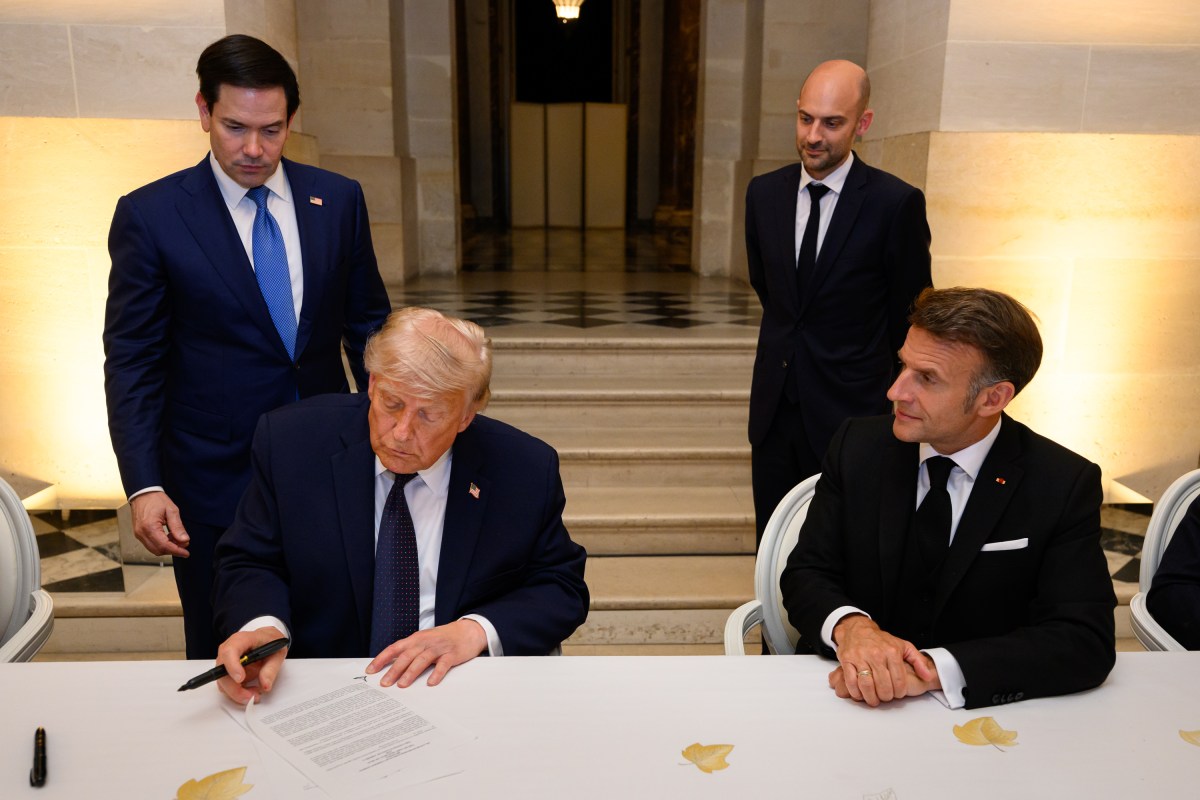
President Trump and Iranian President Masoud Pezeshkian signed a memorandum intended to end the broader war at the Palace of Versailles, days after the Beirut-strikes exchange had nearly derailed the talks.
Renewed Beirut strikes nearly trigger fresh Iranian retaliation
Further Israeli strikes near Beirut nearly prompted another Iranian retaliatory strike on Israel, but US intervention held off the response, clearing the way for the memorandum that ended the broader war's active-combat phase days later.
Israel strikes Iran again; IRGC claims hits on Tel Nof, Nevatim
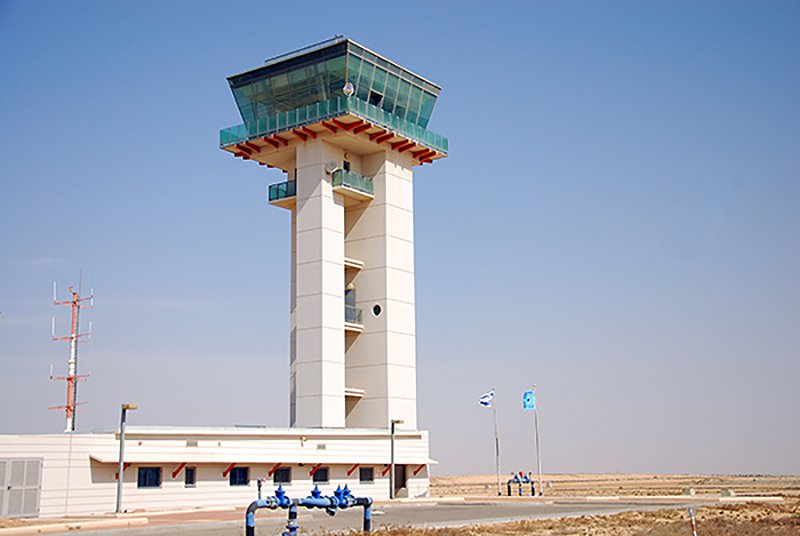
The Israeli Air Force struck military sites across Iran, including an Isfahan drone-production facility, a Tehran aerospace university, Basij positions, and a Karun petrochemical plant near Ahvaz, in retaliation for Iran's missile fire the previous day. The IRGC said it responded with additional missile waves at Israel's Tel Nof and Nevatim airbases; Israel confirmed missile fire toward its territory but did not confirm damage at either base, a claim treated here as unverified.
Israel strikes Beirut; Iran fires first missiles at Israel since April
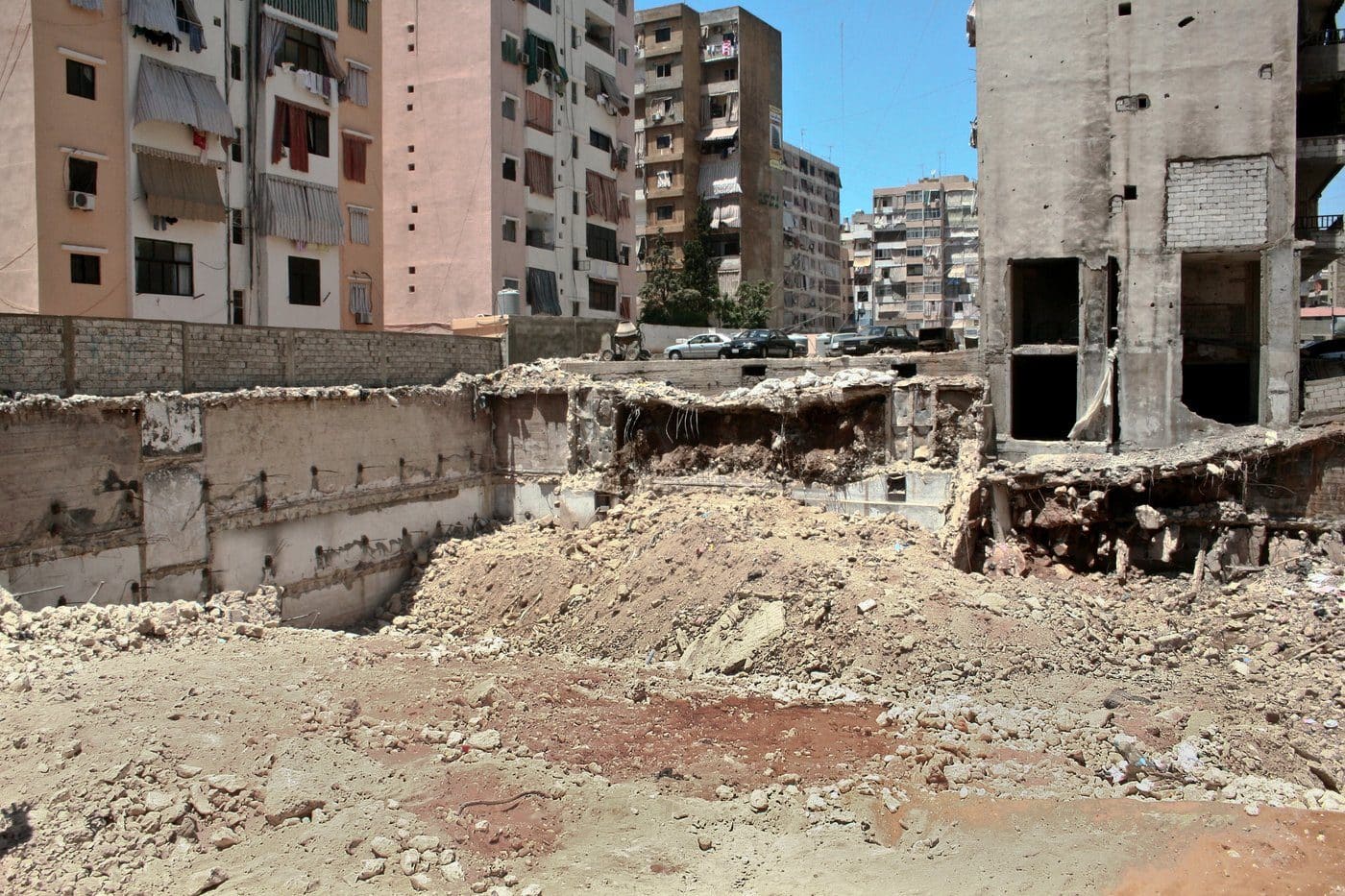
Israel struck Hezbollah targets in Beirut's southern suburbs, and Iran responded with its first direct missile fire at Israel since the April ceasefire, the sharpest Israel-Iran exchange in nearly two months and a moment analysts warned could unravel the wider truce.
Israel pushes for renewed strikes as US pursues ceasefire
As Washington pursued a broader ceasefire framework with Tehran, Israeli officials pushed for renewed military action against Iran, though analysts assessed Israel's unilateral options as limited without continued US backing.
Israel deploys Iron Dome batteries to the UAE
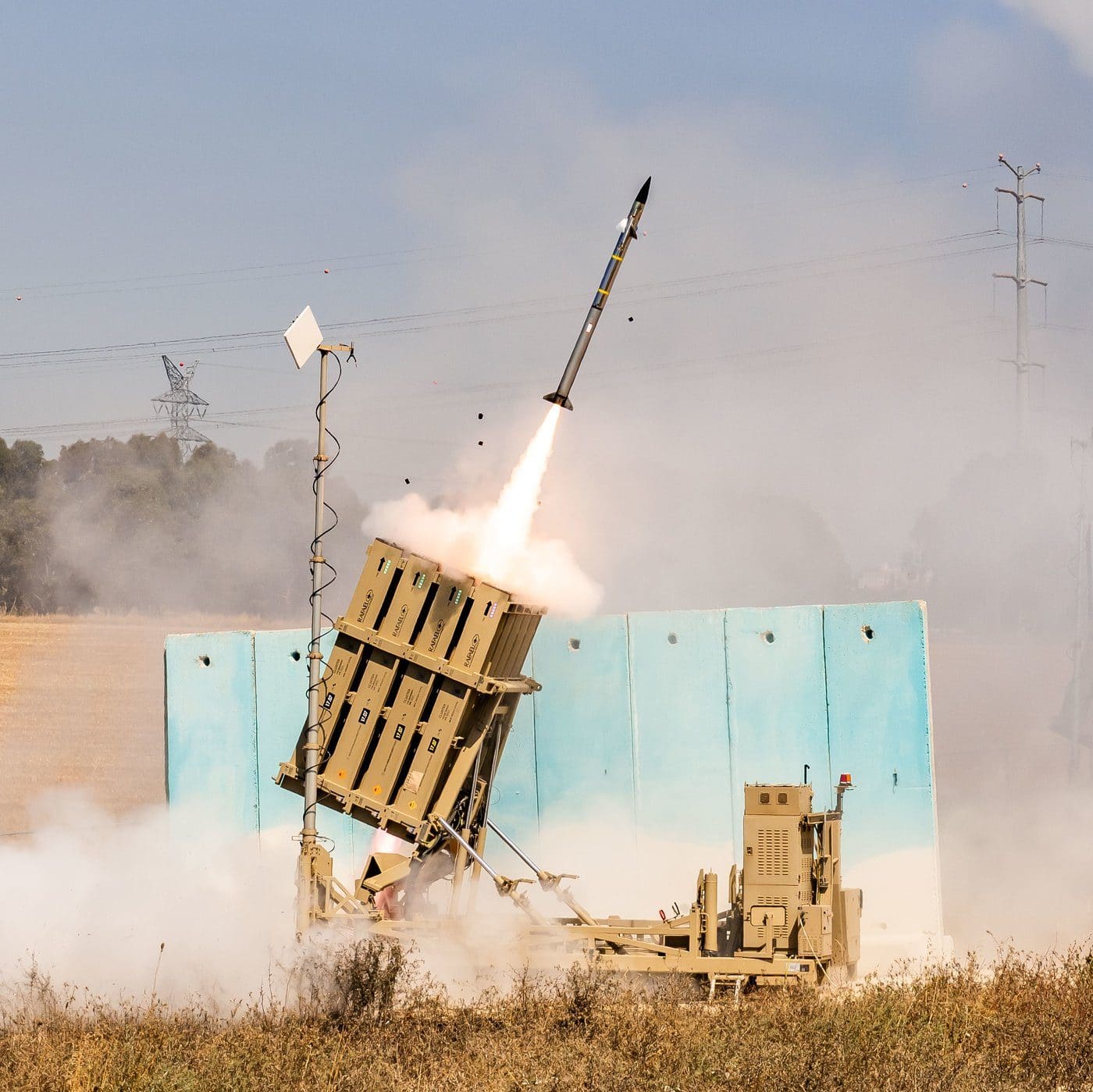
US Ambassador to Israel Mike Huckabee disclosed that Israel had sent Iron Dome batteries and Israeli personnel to operate them to the United Arab Emirates to help defend against Iranian attacks, the first publicly confirmed deployment of Israeli air-defense personnel inside an Arab Gulf state.
Islamabad talks aimed at a durable deal collapse
Follow-on talks hosted in Islamabad, meant to convert the two-week pause into a lasting settlement, collapsed on April 12 and 13, leaving the underlying Israel-Iran dispute unresolved even as the shooting had stopped.
Ceasefire takes effect after 40 days of fighting
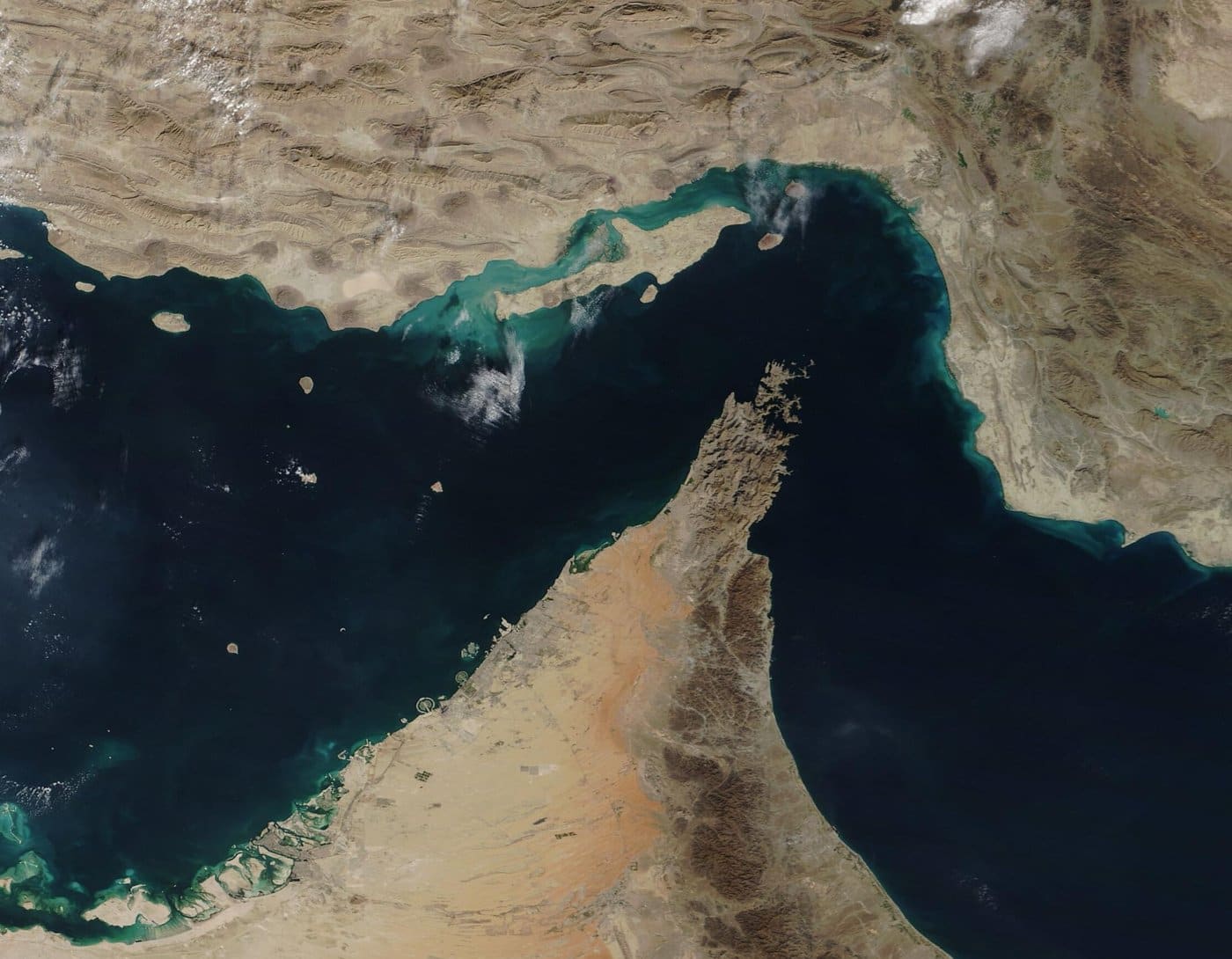
A two-week ceasefire covering the United States, Israel, and Iran took effect after 40 days of combat, under a 10-point Pakistani-mediated framework in which Iran agreed to reopen the Strait of Hormuz. Netanyahu, backed by Trump, said the truce did not extend to Israel's separate campaign against Hezbollah in Lebanon, a reading Iran and Pakistan's mediators disputed.
Direct hit kills four in Haifa apartment stairwell
A missile struck a residential building in Haifa, killing four civilians who were in the stairwell rather than a shelter, one of the last major civilian casualty events before the ceasefire took effect three days later.
Bnei Brak cluster strike; girl later dies of wounds
A cluster munition wounded 14 people in Bnei Brak, including an 11-year-old girl who died of her injuries on April 24, adding to the war's civilian death toll in the final week before the ceasefire.
David's Sling fails to stop Dimona and Arad strikes
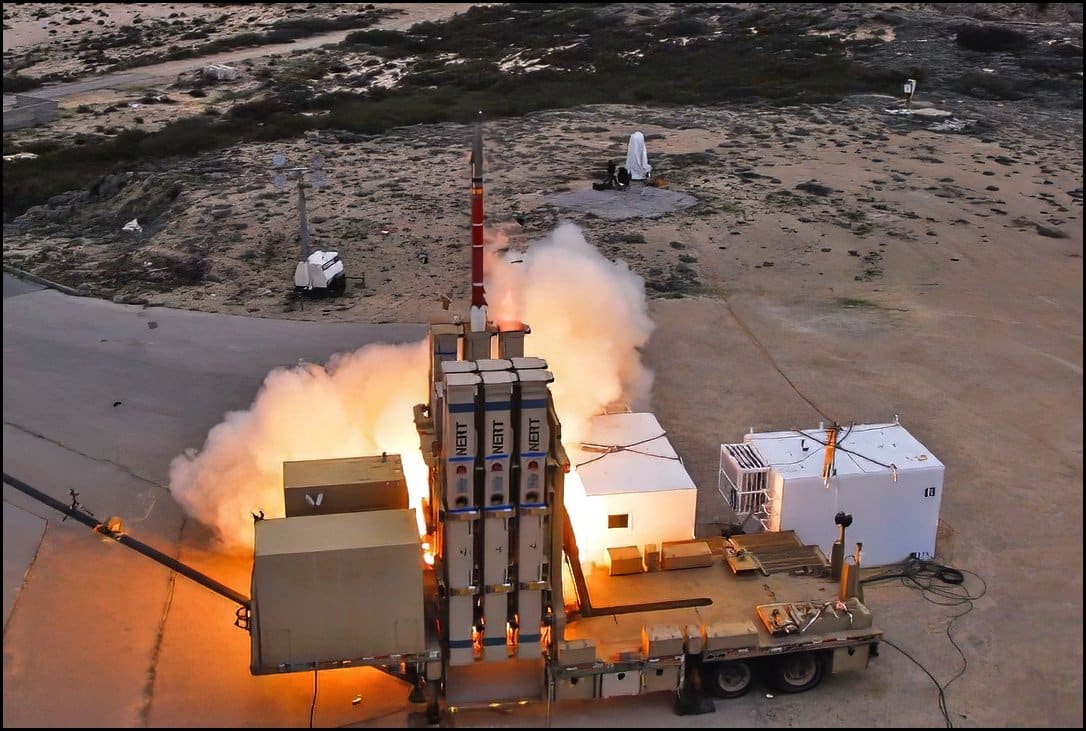
In apparent retaliation for a US strike on Iran's Natanz nuclear site, Iran fired ballistic missiles at Dimona and Arad in southern Israel. David's Sling, built for shorter-range threats, failed to intercept several inbound missiles, and more than 47 people were injured in Dimona and 71 in Arad.
Iran fires 14 salvos in a day, hits Haifa refinery
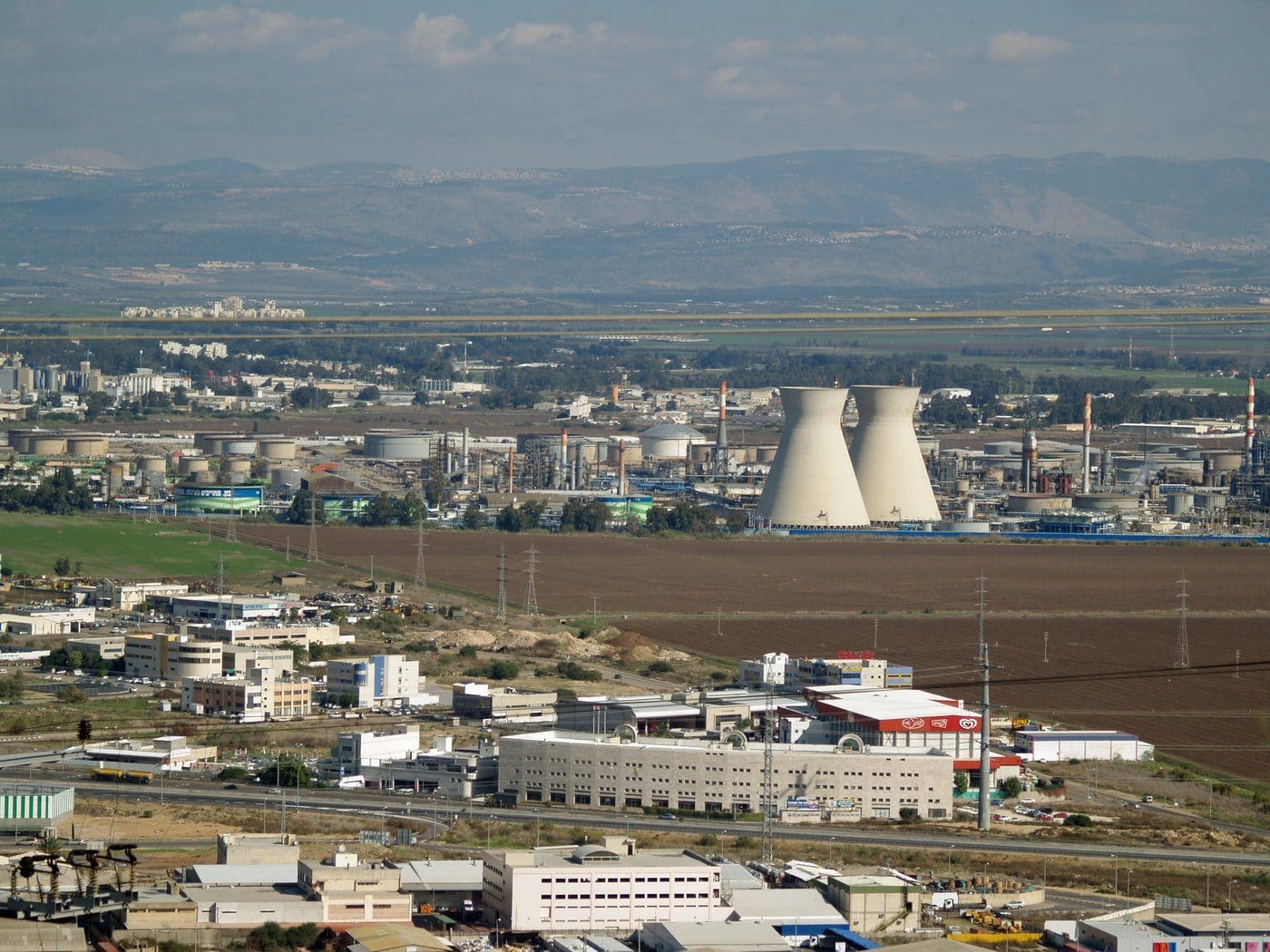
Iran launched 14 separate missile salvos against Israel in a single day, including a strike that damaged Haifa's oil refinery, one of the most intense single days of missile fire against Israel to that point in the war.
Cluster munitions kill two more near Tel Aviv
A cluster-munition strike near Tel Aviv killed two more people, continuing a pattern of civilian-area strikes as Iran mixed cluster warheads into its missile salvos through March.
Israeli strike kills Ali Larijani, Iran's de facto number two
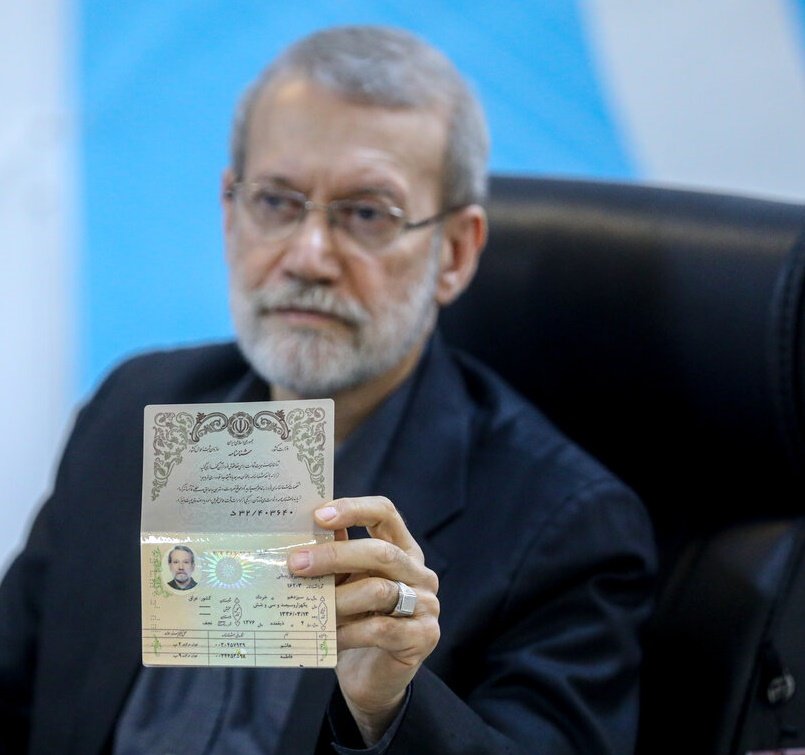
An Israeli airstrike on a Tehran hideout killed Ali Larijani, secretary of Iran's Supreme National Security Council and widely described as the country's most powerful official after Khamenei, along with his son and the head of his office. A separate strike the same night killed Basij commander Gholamreza Soleimani. Israeli Defense Minister Israel Katz confirmed both men had been targeted and killed.
Missile debris damages Jerusalem's Old City
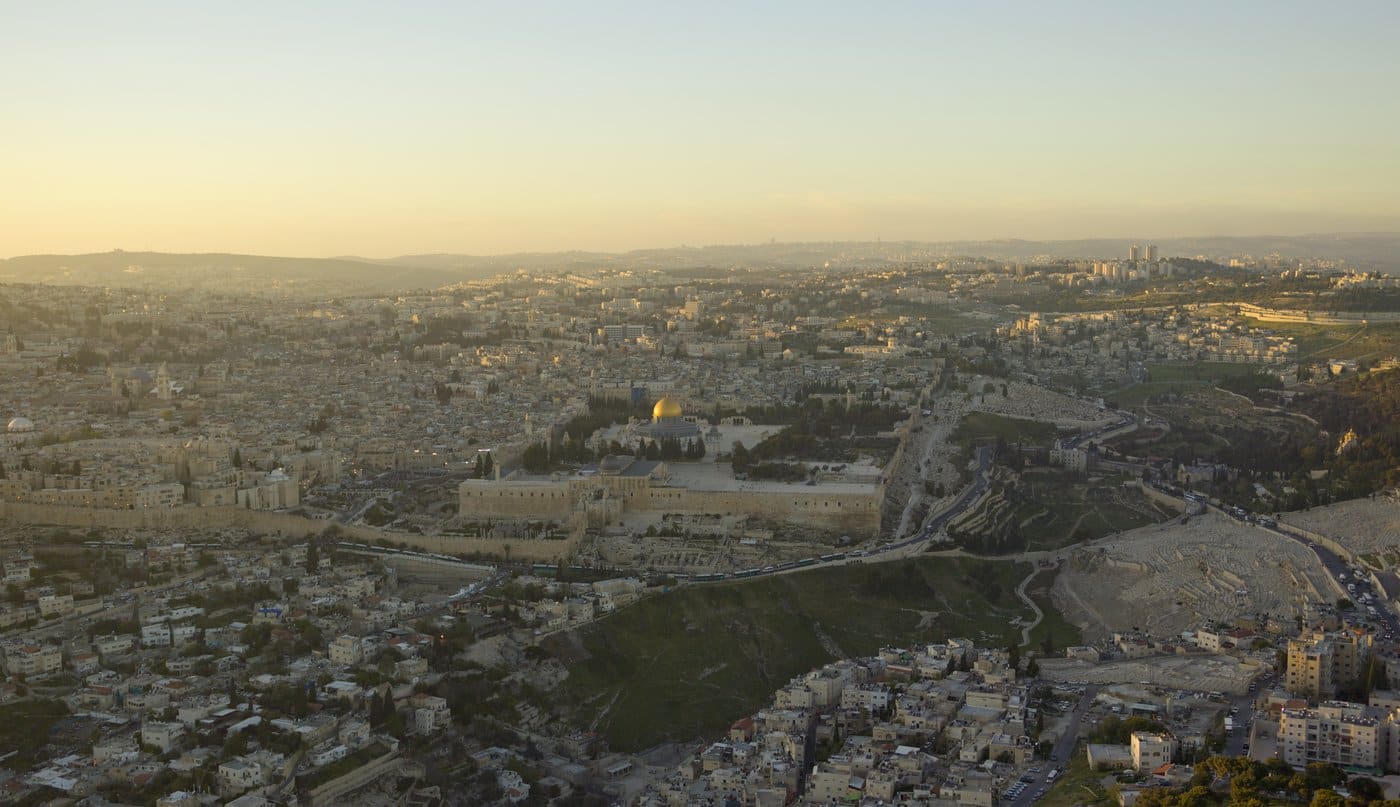
Falling missile debris damaged structures near the Temple Mount, the Church of the Holy Sepulchre, and the Jewish Quarter in Jerusalem's Old City, though no fatalities were reported.
Cluster munitions kill two workers near Tel Aviv
A cluster-munition strike near Yehud, outside Tel Aviv, killed two workers and seriously injured a third, with additional debris impacts reported in Bat Yam, Holon, and Or Yehuda.
Israeli F-35I shoots down Iranian jet over Tehran
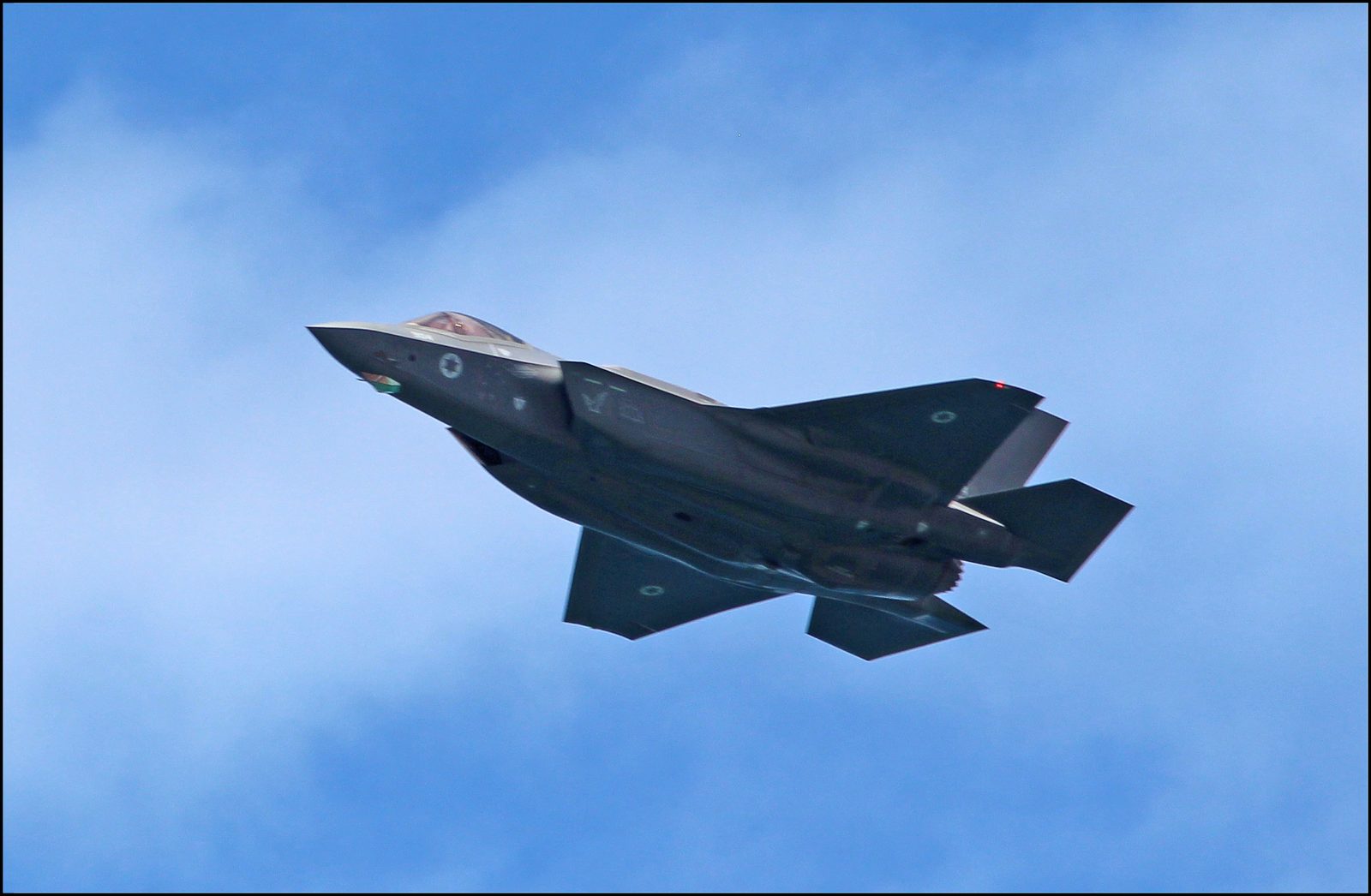
The IDF said an F-35I Adir shot down an Iranian Yak-130 over Tehran and released cockpit-camera video of the engagement, which it called the first air-to-air kill by an F-35 anywhere. The IDF's account has not been independently verified; The Washington Post reported the claim without confirming it.
Beersheba residential strike injures 19
An Iranian missile hit a residential neighborhood in Beersheba, injuring at least 19 people, part of a pattern of near-daily missile fire against southern and central Israeli cities through the war's first two weeks.
Beit Shemesh synagogue strike kills 9
An Iranian ballistic missile struck a synagogue and nearby homes in Beit Shemesh, killing 9 civilians and injuring dozens, the deadliest single strike on Israeli territory in the war's opening days. A separate missile wounded six people in Jerusalem the same day.
Iran confirms Khamenei's death, names successor
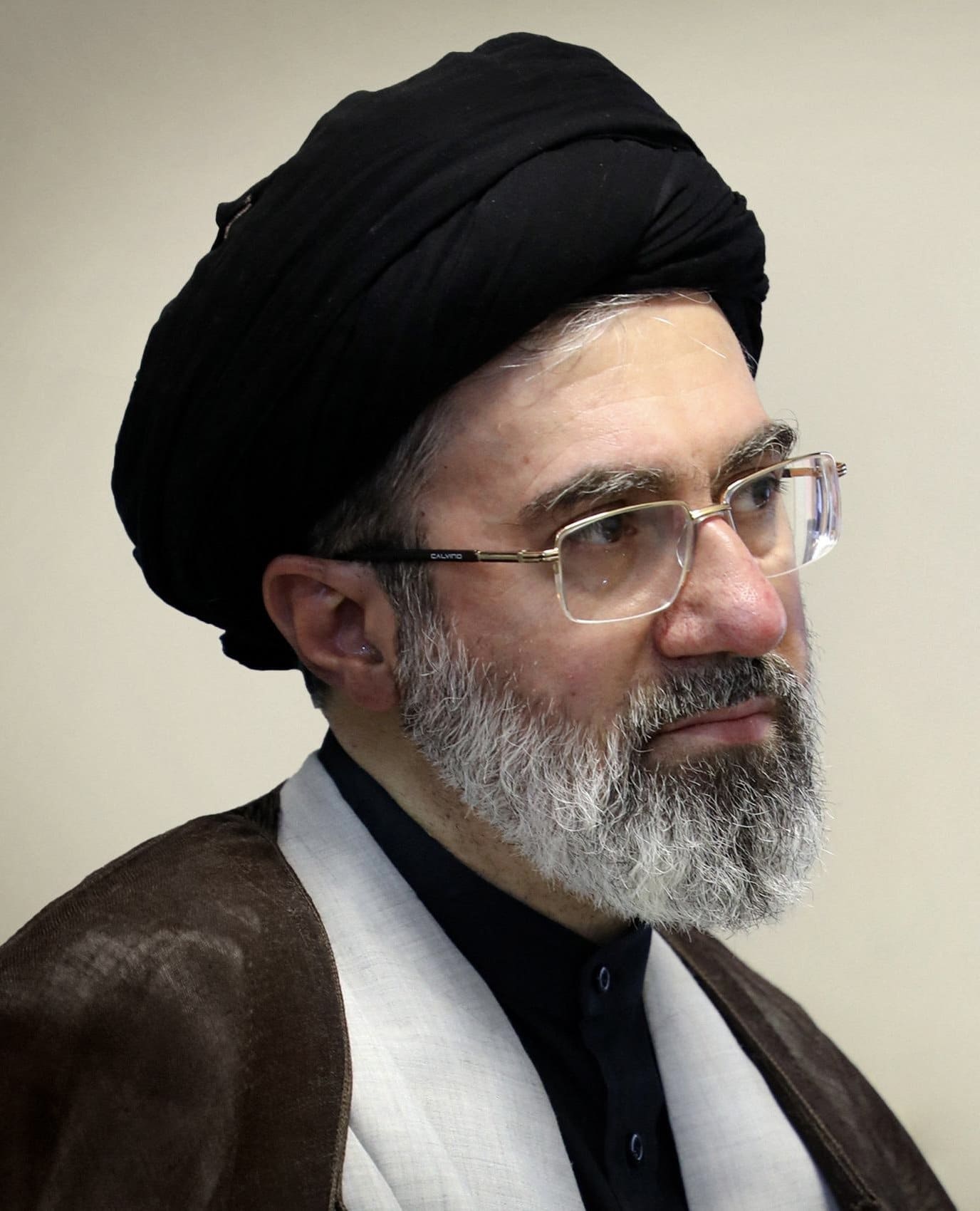
Iran's government confirmed Khamenei had died in the February 28 strikes, declared 40 days of national mourning and a week-long national holiday, and named his son Mojtaba Khamenei as the new Supreme Leader.
Iran launches Operation True Promise IV
Iran launched what it called Operation True Promise IV, a four-day barrage its own state media described as roughly 500 ballistic missiles and more than 2,000 drones aimed at Israel and Gulf states. Israeli and independent trackers have not confirmed that count.
Israel launches Operation Roaring Lion
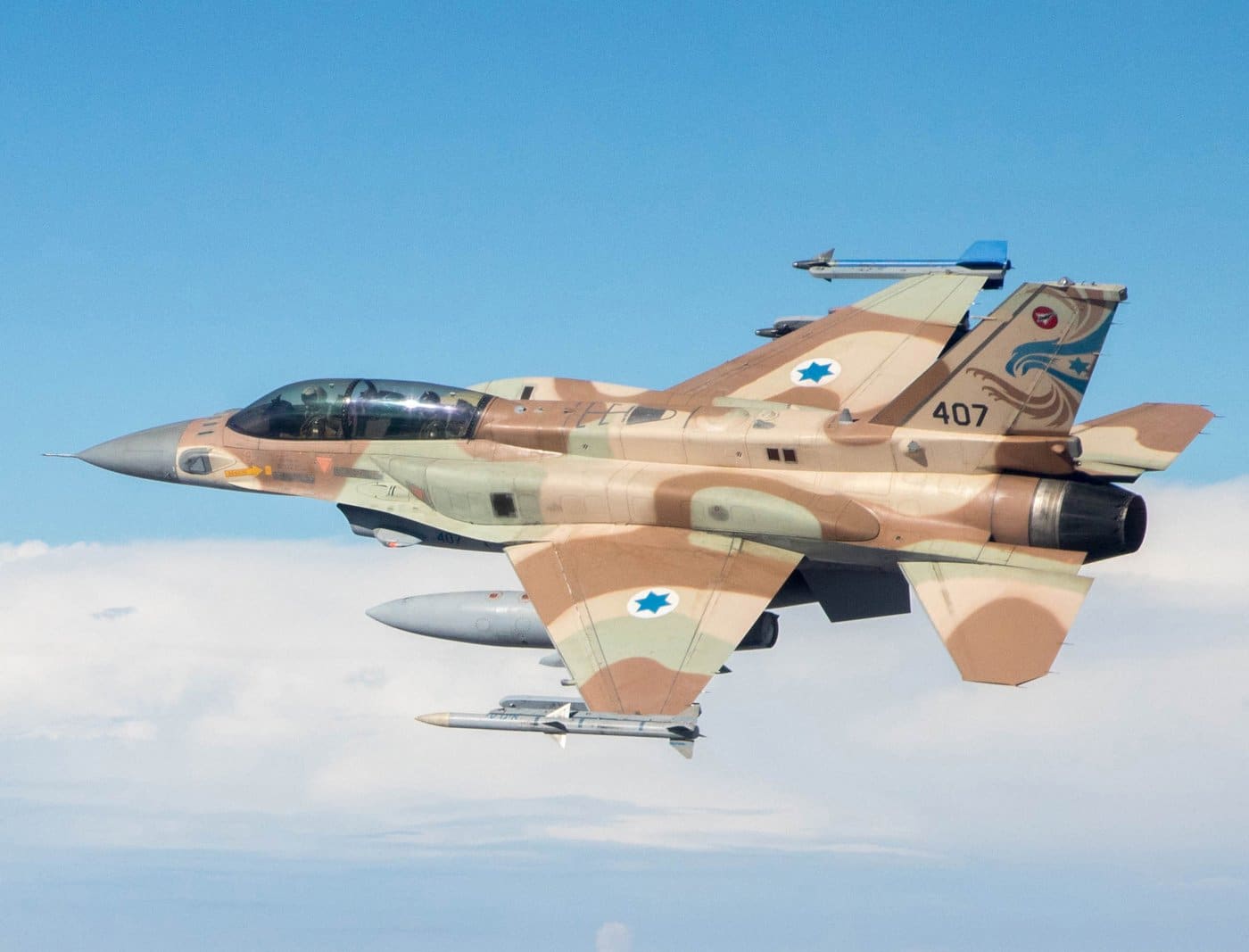
Israeli Air Force jets struck roughly 500 military and nuclear-linked objectives across Iran in the largest single combat sortie in Israeli history, a campaign Israel codenamed Operation Roaring Lion and coordinated with the wider joint US-Israeli effort reported as Operation Epic Fury.
Supreme Leader Khamenei killed in opening strikes
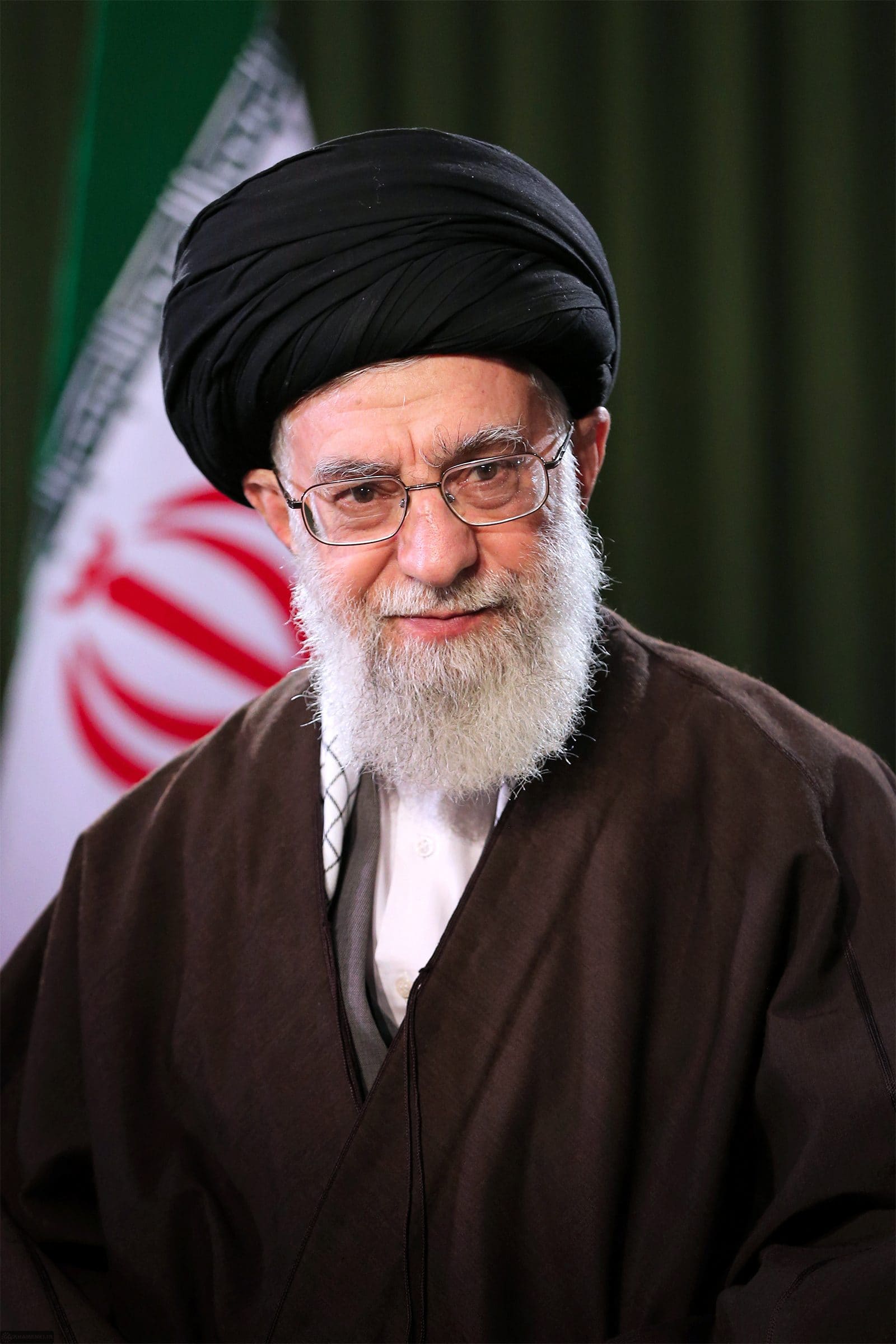
Israeli and US officials said Supreme Leader Ali Khamenei was killed in the first wave of strikes, along with IRGC commander Mohammad Pakpour, Defense Minister Amir Nasirzadeh, and several senior intelligence officials.
Iran retaliates, missile kills one in Tel Aviv
Iran fired ballistic missiles and drones at Israel within hours of the opening strikes. A missile struck a residential building in Tel Aviv, killing one civilian woman and injuring dozens, while sirens sounded across Haifa and central Israel.
Netanyahu secures Trump's approval, Israel mobilizes reservists
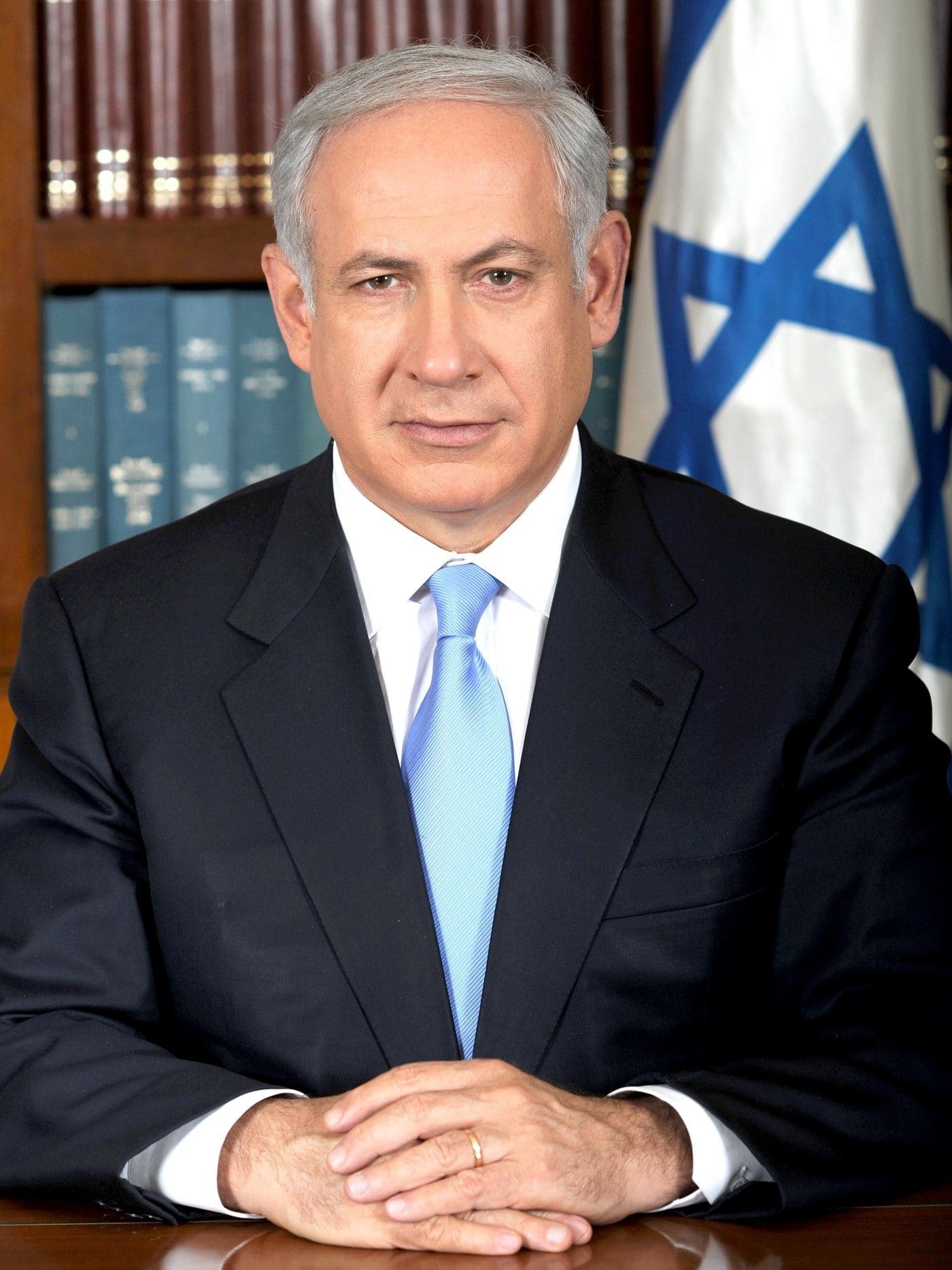
Israeli Prime Minister Benjamin Netanyahu lobbied President Trump to authorize a joint US-Israeli strike campaign against Iranian leadership and nuclear infrastructure. Israel called up 20,000 additional reservists on top of 50,000 already mobilized and declared a state of emergency ahead of the strikes.
Frequently Asked Questions
How did the Israel-Iran war start?
Israel opened the war on February 28, 2026, when Israeli Air Force jets struck roughly 500 military and nuclear-linked targets across Iran in a campaign it codenamed Operation Roaring Lion, coordinated with a wider joint US-Israeli effort reported as Operation Epic Fury. Israel and US officials said the opening strikes killed Supreme Leader Ali Khamenei along with several senior IRGC and intelligence officials. Iran retaliated with ballistic missiles and drones against Israel within hours.
What is Operation Roaring Lion?
Operation Roaring Lion is Israel's own codename for its February 28, 2026 strike campaign against Iranian nuclear, missile, and command targets, distinct from but coordinated with the broader joint US-Israeli operation reported as Operation Epic Fury. Israeli officials described it as the largest combat sortie in the country's history.
Is Iron Dome successfully intercepting Iranian missiles?
Performance has been mixed. Israel has claimed an overall interception accuracy near 90 percent across its multi-layered defenses, but that figure covers the whole war and masks real gaps: David's Sling, built for shorter-range threats, failed to stop several long-range Iranian missiles aimed at Dimona and Arad on March 21, and Iron Dome and Arrow batteries have both let missiles through during the war's largest saturation barrages.
Is Israel currently at war with Iran?
No formal ceasefire specifically between Israel and Iran is currently confirmed to be holding as of mid-July 2026. Direct Israeli-Iranian missile exchanges last occurred on June 7 and 8, triggered by Israeli strikes on Hezbollah in Beirut. The active fighting since a separate US-Iran ceasefire collapsed on July 8 has centered on US and Gulf-state targets rather than direct Israeli strikes, but Israel remains on high alert and is watching Iran's apparent nuclear reconstruction for a possible trigger to resume strikes.
How many people have been killed in Israel during the war?
Israeli government and military figures put the toll at 69 dead, 41 soldiers and contractors and 28 civilians, and more than 9,240 wounded on Israeli soil since the war began February 28, 2026, as of the most recent Israeli accounting in early July.
How many people have been killed in Iran during the war?
Human Rights Activists in Iran (HRANA), an independent monitoring group, documented 3,636 deaths inside Iran as of April 7, including 1,701 civilians, 1,221 military personnel, and 714 unclassified, with 15,000 to 26,500 wounded; Iran's own Foundation of Martyrs put confirmed deaths lower, at 3,468, while US and Israeli estimates ran as high as 6,000 or more. None of these trackers disaggregate deaths caused by Israeli strikes from deaths caused by US strikes, since the two militaries coordinated the opening campaign and struck jointly through much of the war, so a figure specific to Israel's own strikes alone is not available in public reporting.
Sources
- Iran's supreme leader, Ayatollah Ali Khamenei, has been killed — NPR
- Iranian officials, including Khamenei, killed in Israeli strikes, Israeli sources say — The Jerusalem Post
- Liveblog: February 28, 2026 — The Times of Israel
- Live: Israel launches attacks on Iran, multiple explosions heard in Tehran — Al Jazeera
- US-Israel attacks on Iran: Death toll and injuries live tracker — Al Jazeera
- Assassination of Ali Khamenei — Wikipedia
- 2026 Iran war — Wikipedia
- 2026 Iranian strikes on Israel — Wikipedia
- 2026 Iran war ceasefire — Wikipedia
- Casualties of the 2026 Iran war — Wikipedia
- Why did Israel's David's Sling fail to intercept Iranian missiles? — The Jerusalem Post
- Israel sent Iron Dome anti-missile batteries and personnel to UAE: US envoy — Al Jazeera
- Israel pushes for war amid US ceasefire, but its options may be limited — Al Jazeera
- Iran war live: Israel kills Lebanon general, Pakistan urges end to war — Al Jazeera
- June 7, 2026: Ceasefire falters as Israel and Iran trade worst strikes in months — CNN
- Iran war live: Khamenei's body arrives in Qom, Hamas cedes Gaza governance — Al Jazeera
- Iran War 2026, Day 134 Update — GlobalSecurity.org
- Day 39 of U.S. and Israeli Attacks on Iran: Extensive Damage to the Rail Network and Roads — HRANA (Human Rights Activists in Iran)
- Assassination of Ali Larijani — Wikipedia
- Iran describes attacks on Israel as legitimate self-defense under UN Charter — Tasnim News (Iranian state media)