Iran-U.S. War: Timeline & Latest Developments
A bilateral US-Iran war opened February 28, 2026 with a joint US-Israeli strike campaign; two negotiated ceasefires have since collapsed, and as of July 12, 2026, US and Iranian forces remain in active exchanges across the Persian Gulf and Strait of Hormuz.
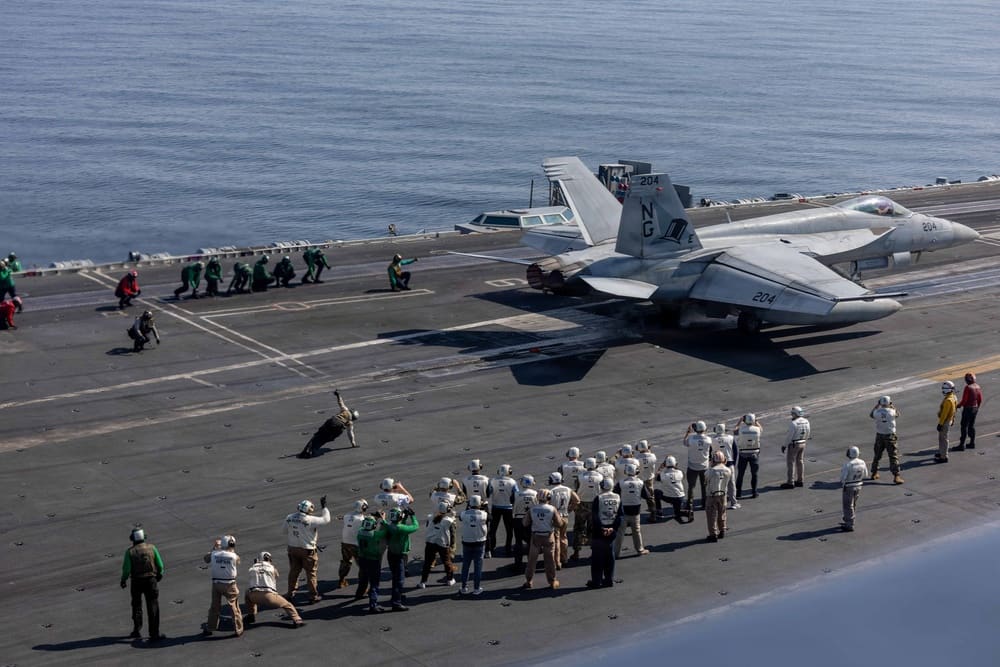
U.S. Navy photo by Mass Communication Specialist Seaman Hannah Tross, public domain, via DVIDS
The US-Iran war traces back to the collapse of a nuclear negotiation process that had run, on and off, since April 2025. Talks in Muscat and Rome that spring stalled over one core disagreement: Washington wanted Iran to dismantle its uranium-enrichment program entirely, while Tehran insisted on retaining some domestic enrichment capacity under inspection. A fresh negotiating track opened in February 2026, mediated by Oman with Qatar, Egypt and Turkey joining as co-mediators, and produced an Iranian offer to dilute its enriched-uranium stockpile in exchange for full sanctions relief. A fourth round scheduled for Vienna never happened. On February 27, President Trump ordered US forces to proceed with a strike campaign later named Operation Epic Fury, and at 06:35 UTC on February 28, 2026, US Central Command announced it had begun airstrikes on Iran alongside Israeli forces, opening what is now tracked as the 2026 Iran war.
Iran has consistently characterized its own role in the war as defensive rather than aggressive. President Masoud Pezeshkian has said Iran’s attacks on US bases are “purely defensive,” aimed at protecting Iranian territory and people rather than expanding the war, and has argued that Iran’s missile arsenal is what prevented the country from suffering “the fate of Gaza.” Tehran’s public conditions for ending the war, stated in March, are guarantees against future attacks, recognition of what it calls Iran’s legitimate rights, and reparations. This is Iran’s own stated position, not an outside assessment of it, and it sits alongside, not in place of, the fact that Iran’s retaliatory strikes have hit targets well beyond the US military bases the war’s opening strikes targeted, including Gulf airports and a diplomatic post.
The opening 12 hours set the pattern for the months that followed: overwhelming US and Israeli firepower, Tomahawk cruise missiles from Navy ships and submarines, HIMARS and long-range standoff weapons from Army units, and B-2, B-1 and B-52 bomber sorties against Iran’s ballistic-missile infrastructure, paired with immediate Iranian retaliation against the wider US regional footprint. Iran struck four bases hosting US personnel within hours: Al Udeid in Qatar, Ali Al Salem in Kuwait, Al Dhafra in the UAE, and the Fifth Fleet’s facility in Bahrain. The war’s US casualty toll began accumulating almost immediately and has continued in waves rather than a single front line: six Army Reserve soldiers killed in a drone strike on a Kuwait port facility on March 1, fifteen troops wounded in an Iranian strike on a Saudi air base on March 27, and a Navy helicopter crew lost in a non-combat accident in the Arabian Sea as late as July 1. US military deaths stand at 18, 17 soldiers and one contractor, with 553 wounded, as of early July.
Iran’s toll is far larger and far less precisely known, a gap that itself reflects the two governments’ different relationships with public casualty data. Iran’s own government puts total deaths, military and civilian combined, at 3,482, with 26,500 injured, according to its Health Ministry. Human Rights Activists in Iran (HRANA), a US-based independent human-rights NGO that has tracked the war since its opening days, documented 3,636 deaths as of April 7, including 1,221 military personnel and 1,701 civilians, and cautioned in its own reporting that military casualties are “believed to be significantly higher” than it can confirm, because its access to Iranian military locations is limited. US and Israeli military intelligence estimates go further still, putting Iranian military deaths at 6,000 or more with roughly 15,000 wounded, figures that are themselves unverified claims from a combatant government about the enemy it is fighting, not an independent count, and should be read with the same caution applied to any other state’s claims about its own military’s results.
Even the most conservative independent count of Iranian military deaths runs roughly 200 times the confirmed US toll, a scale of disparity the war's daily strike-and-casualty headlines rarely put side by side.
This is a page specifically about the bilateral US-Iran dimension of a wider regional war that also runs through Israel, Lebanon, and the Gulf states; the parallel Israel-Iran track, including the killing of Iran’s Supreme Leader Ali Khamenei in the opening strikes and the multi-front missile barrages that followed, is tracked separately. What belongs here is what Washington did, what Tehran did back to US forces and US-linked infrastructure, and the diplomacy between the two governments specifically.
That diplomacy has produced two negotiated ceasefires, and two collapses. The first, brokered by Pakistan on April 8 after Trump threatened to destroy Iranian infrastructure over the closed Strait of Hormuz, held only nominally: the strait stayed effectively closed the very next day, follow-on talks in Islamabad broke down on April 12, Trump extended the pause on April 21 citing a “seriously fractured” Iranian government, and by May the US had shifted to active “Project Freedom” naval patrols that periodically exchanged fire with Iranian boats even as the ceasefire technically remained in force. The second, negotiated through June and formalized June 17 when Trump signed the Islamabad Memorandum during a dinner with French President Macron at the Palace of Versailles, with Iranian President Masoud Pezeshkian signing remotely from Tehran, was the most substantive agreement of the war to date: a 60-day ceasefire, a reopened Strait of Hormuz, phased sanctions relief and the outline of a $300 billion reconstruction fund tied to a permanent treaty still to be negotiated. It lasted three weeks before breaking down in two escalating waves.
On July 6, three commercial tankers were attacked in the Strait of Hormuz. Iran did not claim responsibility, but the US and several Gulf states blamed Tehran, and on July 8 Trump declared the ceasefire over and ordered strikes that US Central Command said eventually hit more than 170 Iranian targets, a US battle-damage claim not independently confirmed. Iran answered with missiles and drones against Jordan, Kuwait and Qatar. Three days later, on July 11, an Iranian attack on the container ship M/V GFS Galaxy in the strait triggered a still-larger round of US strikes, a US-reported 140-plus targets, and Iran’s broadest single retaliatory action of the war: coordinated missile and drone attacks against five Gulf states, Jordan, Oman, Qatar, the UAE and Bahrain, overnight into July 12. As of this writing, President Trump has called the Versailles agreement “a waste of time,” Iran maintains a unilateral, functionally unenforced claim that the Strait of Hormuz is closed, and neither government has announced a third ceasefire attempt.
The throughline across four and a half months is that every US-Iran ceasefire in this war has broken on the same fault line: the Strait of Hormuz, and Iran’s periodic assertion of a right to threaten or close it, against a US posture that treats any disruption to that shipping lane as grounds to resume strikes. Until that specific dispute is resolved, rather than merely paused, the pattern this page documents, ceasefire, strain, tanker incident, collapse, looks likely to repeat.
Full Timeline (most recent first)
US reinstates a naval blockade of Iranian shipping
President Trump announced a renewed US blockade of Iranian-flagged ships and their customers, along with a 20 percent cargo toll on other nations' vessels transiting the Strait of Hormuz; he dropped the toll a day later after Gulf leaders objected, saying Gulf states would instead make unspecified investment pledges. CENTCOM said the blockade itself took effect July 14 at 4pm ET, targeting only Iranian-flagged ships and their customers.
IRGC strikes five Gulf states in a single night
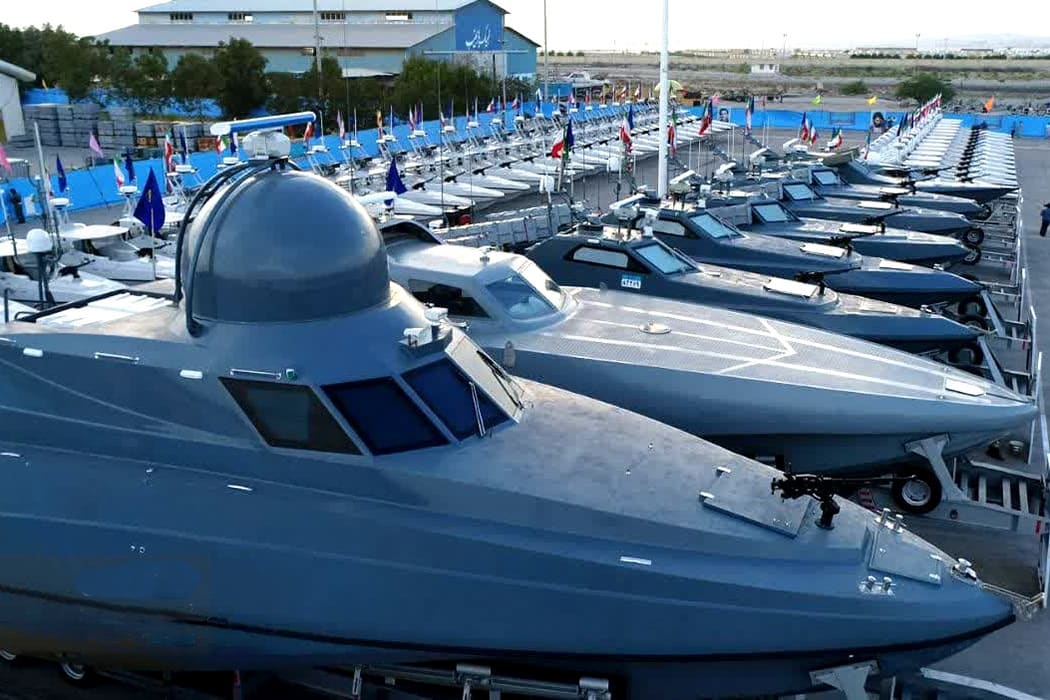
Iran's IRGC Aerospace Force launched coordinated missile and drone attacks against Jordan, Oman, Qatar, the UAE and Bahrain overnight, the widest simultaneous retaliatory footprint of the war to date, while Kuwait separately reported intercepting incoming fire.
Iran claims destruction of US-linked facilities
The IRGC claimed to have destroyed a command center and MQ-9 drone hangars at Jordan's Prince Hassan Air Base and to have hit American naval-support infrastructure at Oman's Duqm port, claims from Iran's military that have not been independently confirmed.
Trump calls the ceasefire 'a waste of time'
President Trump said the Islamabad Memorandum ceasefire was over and a waste of time, the clearest statement yet that Washington does not intend to seek a near-term return to the June truce.
US sea drones strike Bandar Abbas in first combat use of a Navy USV
Three Saronic Corsair unmanned surface vessels struck Iran's Bandar Abbas Naval Base, hitting a Ghadir-class midget submarine under a maintenance gantry, in what US Central Command and independent outlets describe as the first US combat use of an armed sea drone. CENTCOM said the strike was meant to degrade Iran's ability to keep attacking commercial shipping in the Strait of Hormuz; no independently verified damage or casualty figures have been released, and Iran made no public statement on the strike.
IRGC attacks container ship in the Strait of Hormuz
Iran's IRGC fired on the Cyprus-flagged container ship M/V GFS Galaxy in the Strait of Hormuz, setting it on fire and leaving one crew member missing; Iran's navy described the action as a warning shot at a vessel that had gone off its approved route.
Iran claims the Strait of Hormuz is closed
Iran announced the Strait of Hormuz was closed to shipping until further notice and until the end of US operations in the region, a unilateral claim from Tehran that has not stopped the strait's continued function as an international waterway.
US strikes over 140 Iranian targets
US Central Command said it struck more than 140 Iranian military targets, including missile and drone launch sites, anti-ship missile batteries, coastal radar and IRGC fast-attack boat groups, in response to the tanker attack, pushing the week's cumulative US strike count past 300 since fighting resumed July 8; a CENTCOM account of the campaign's scope and results that has not been independently verified.
Trump notifies Congress of 'a new war' with Iran under the War Powers Resolution
President Trump sent Congress a War Powers Resolution notice describing a new war between the US and Iran and his intent to continue military action to protect American interests, a procedural step that starts a 60-day clock for operations without a separate congressional vote. It is not a formal declaration of war, which the Constitution reserves to Congress and which has not occurred.
US strikes 90 more Iranian sites; Iran hits three US-linked bases
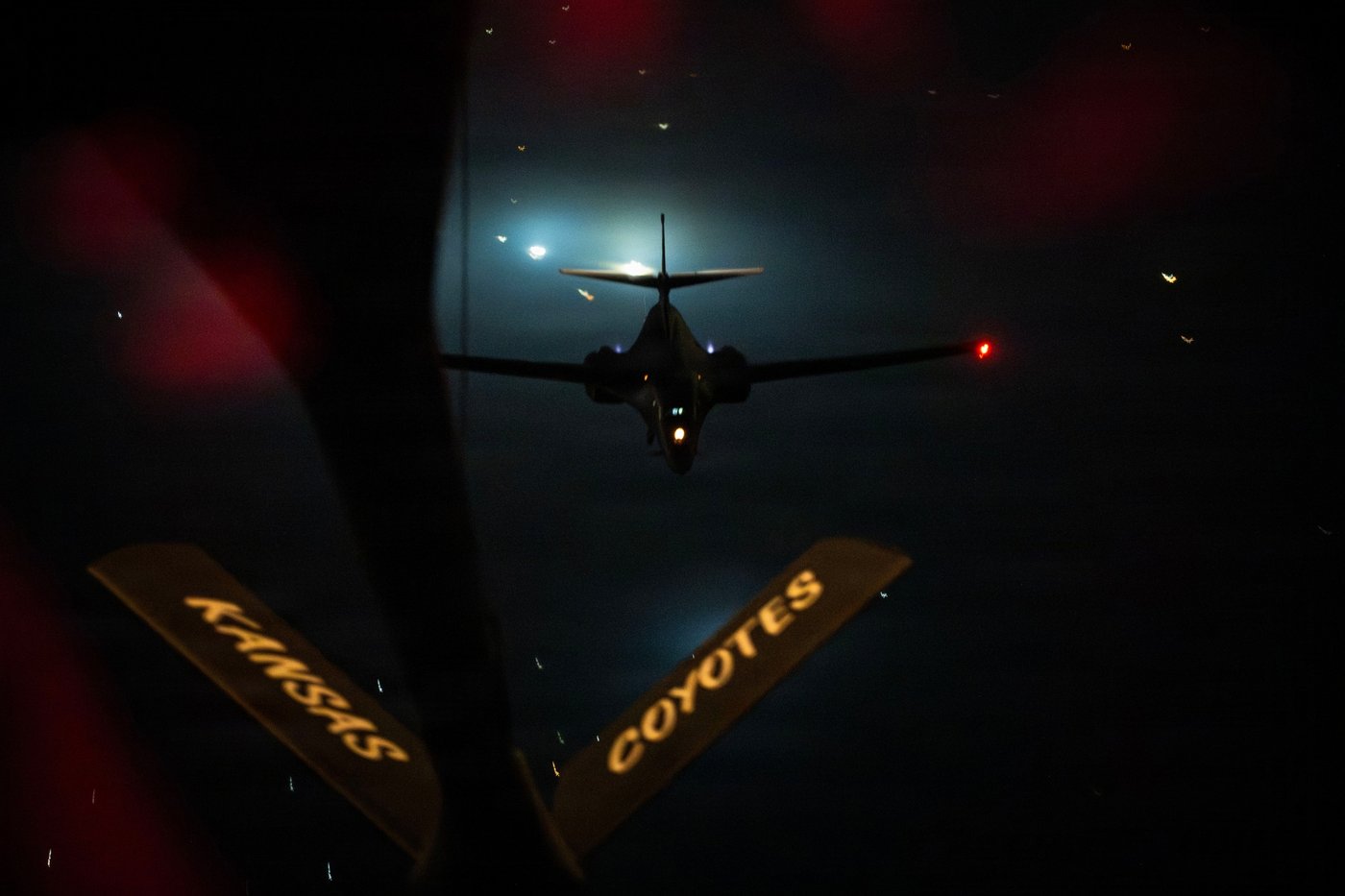
US officials said forces struck approximately 90 additional Iranian military sites over July 8 and 9, a US-reported target count not independently confirmed, and Iran's IRGC responded with ballistic missiles, drones and cruise missiles against US-linked installations in Jordan, Kuwait and Qatar, including 10 missiles fired at Azraq air base in Jordan, of which Jordanian defenses reportedly intercepted eight.
Iran claims 14 killed in US strikes
Iran's Health Ministry said 14 people were killed and 78 wounded in the July 8-9 US strikes on Iranian territory, a figure from Tehran that has not been independently verified by outside observers.
Trump declares ceasefire 'over,' US strikes 170-plus targets
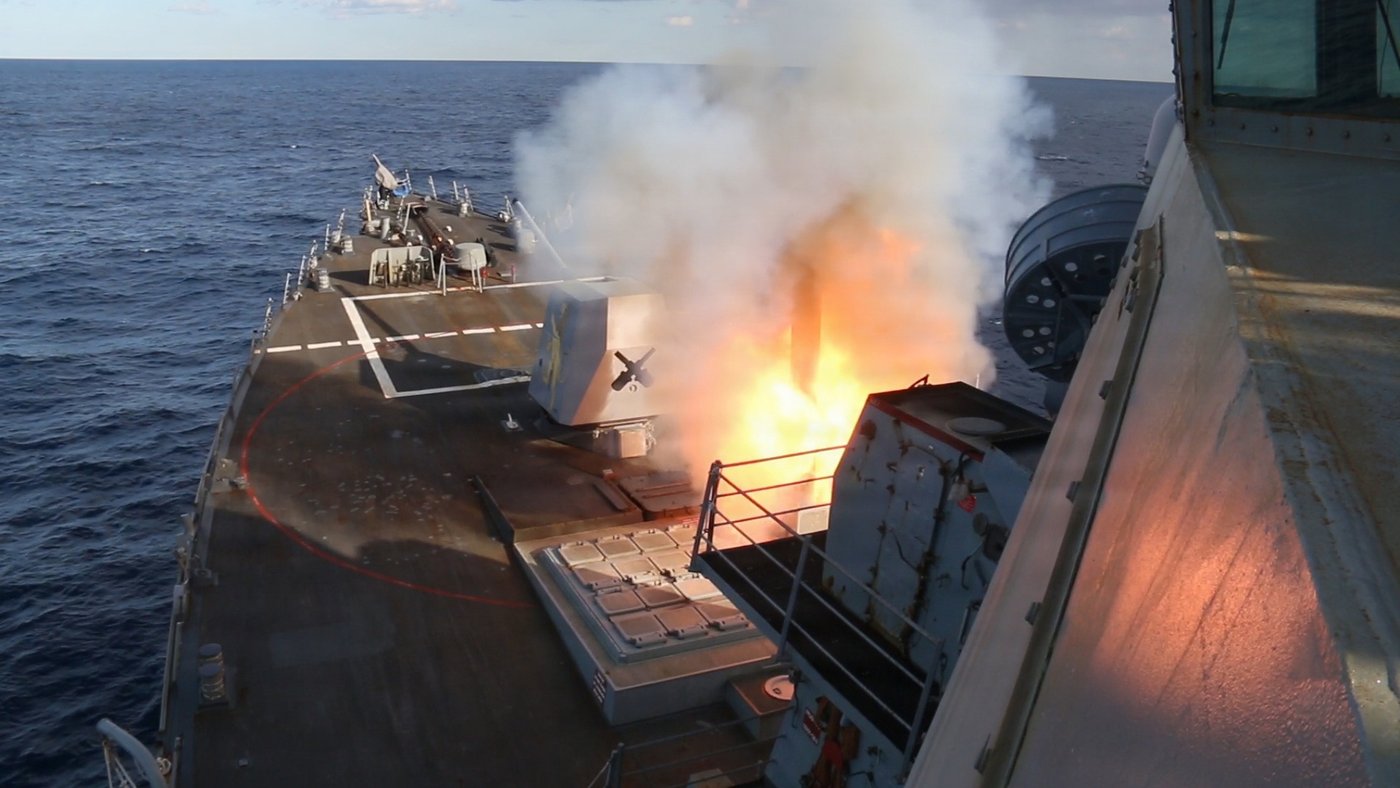
President Trump declared the Islamabad Memorandum ceasefire effectively over after the tanker attacks, and US Central Command launched two rounds of strikes it said hit more than 170 Iranian military targets, including air-defense systems and IRGC vessels, a CENTCOM battle-damage claim not independently verified by outside observers.
Tankers attacked in the Strait of Hormuz
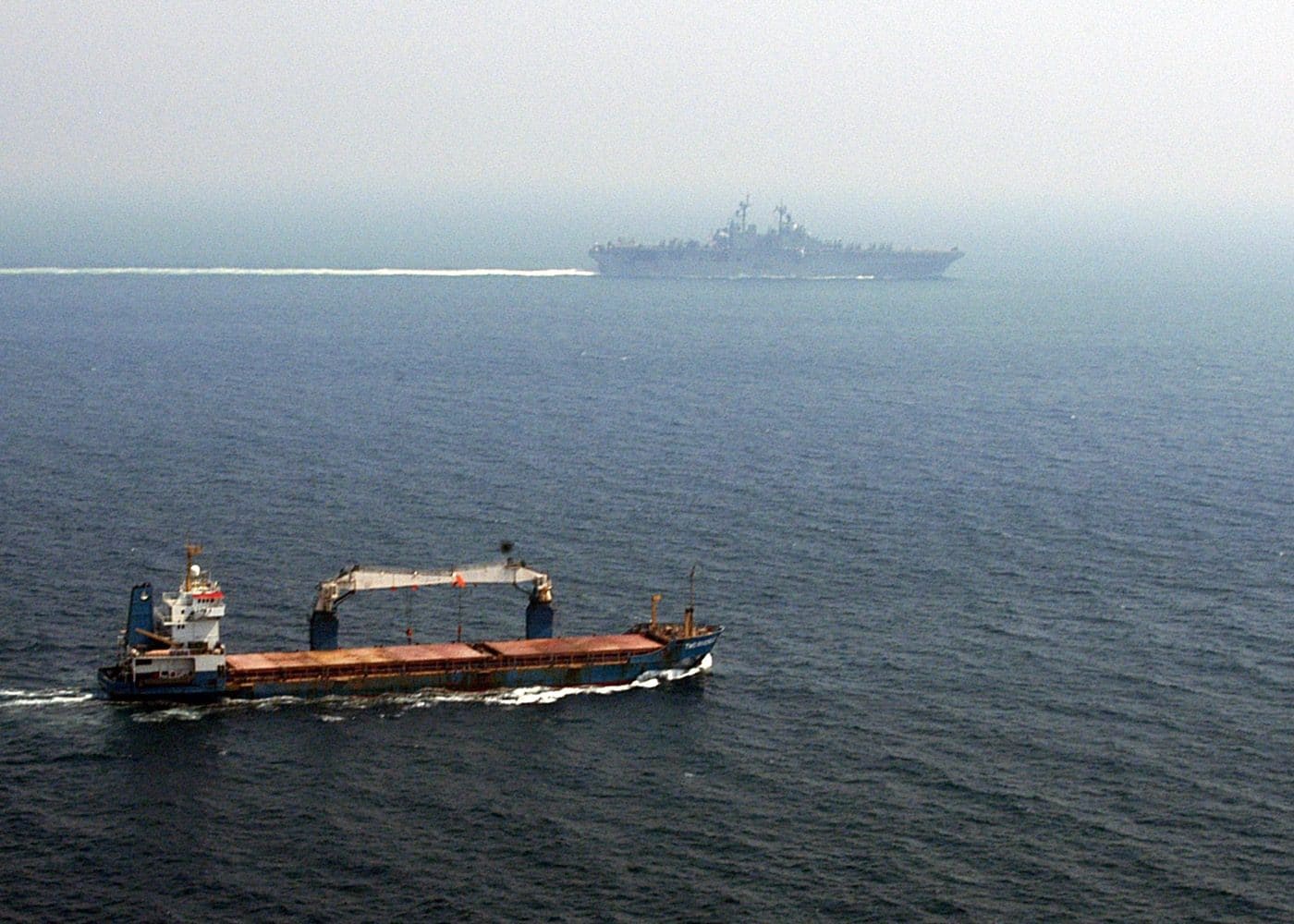
Maritime authorities reported three commercial tankers struck by projectiles while transiting the Strait of Hormuz; Iran did not directly claim responsibility, but the US and several Gulf states blamed Tehran, setting up the ceasefire's collapse two days later.
Navy helicopter crashes in Arabian Sea, sailor missing
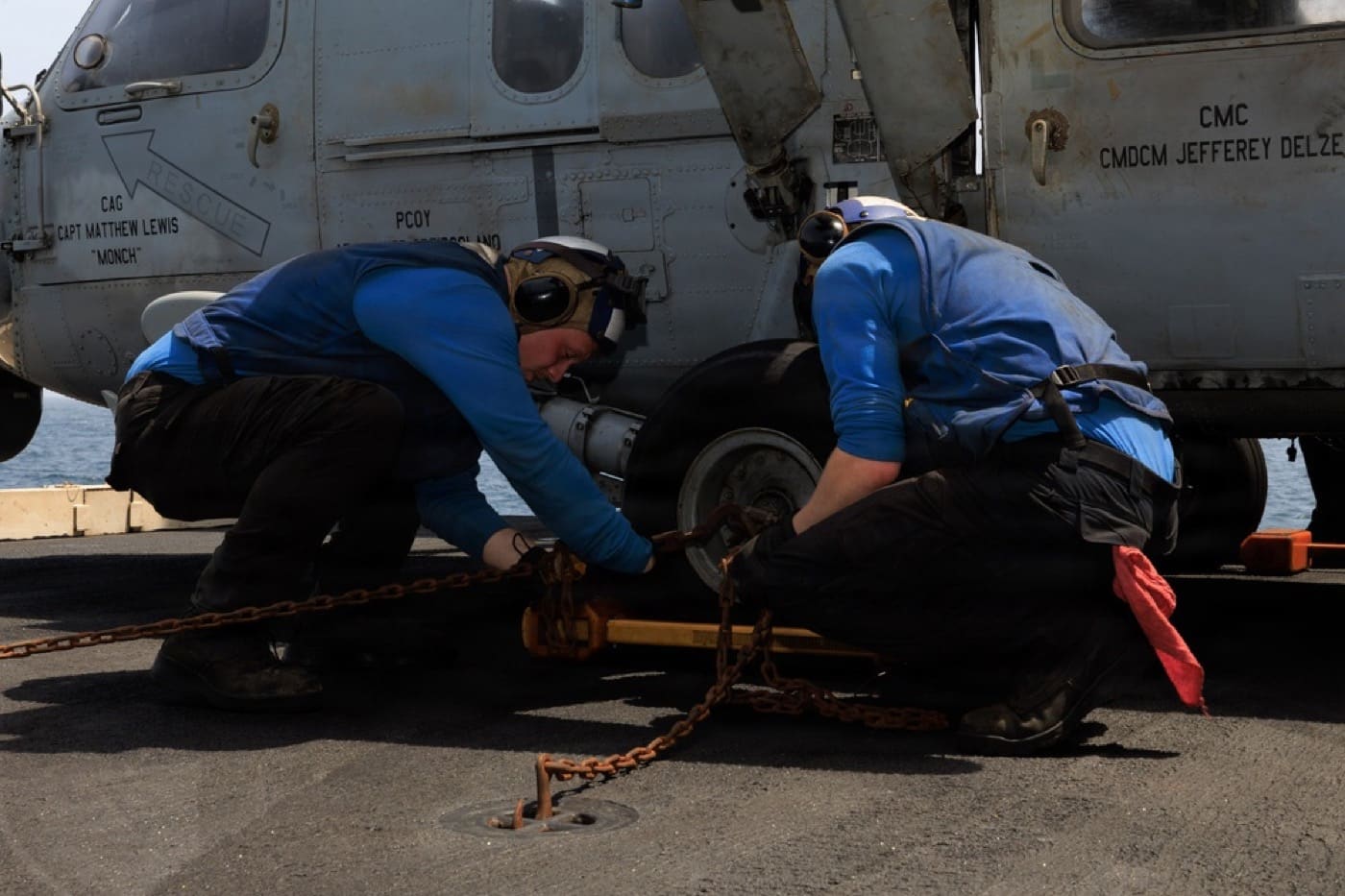
An MH-60S Seahawk helicopter assigned to USS George H.W. Bush made an emergency water landing in the Arabian Sea; three of four crew members were rescued, but the aircraft's commanding officer went missing and was later presumed dead after a 102-hour search. The Navy stated there was no indication enemy fire brought the aircraft down, a preliminary assessment from the service investigating its own incident, not the finding of an independent inquiry.
Pezeshkian states Iran's own rationale for the war
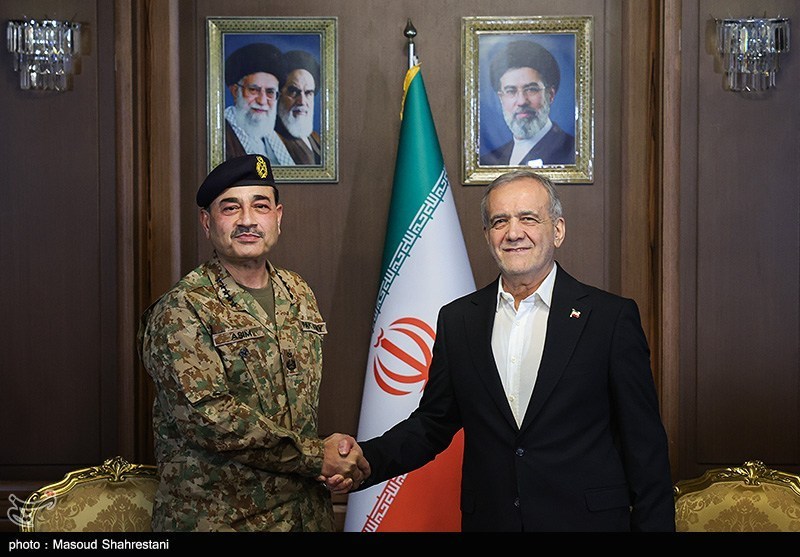
Speaking alongside Pakistani Prime Minister Shehbaz Sharif in Islamabad, Iranian President Masoud Pezeshkian said Tehran would never negotiate over its missile and deterrence capabilities, arguing that Iran's arsenal had prevented the country from suffering the fate of Gaza and framing the war throughout as Iranian self-defense against US-Israeli aggression rather than Iranian aggression; Iran's own stated position, not an outside assessment of it.
Trump and Pezeshkian sign the Islamabad Memorandum at Versailles

Trump signed the Islamabad Memorandum during a dinner with French President Macron at the Palace of Versailles following the G7 summit, and Iranian President Masoud Pezeshkian signed remotely from Tehran; the 14-point plan set a 60-day ceasefire, reopened the Strait of Hormuz, offered phased sanctions relief and outlined a $300 billion reconstruction fund tied to a future permanent treaty.
US and Iran reach outline of a new 60-day truce
US and Iranian negotiators, working through Pakistani and Qatari mediators, reached the outline of an extended 60-day ceasefire framework built around a formal Islamabad Memorandum, setting up a signing ceremony five days later.
Renewed US strikes on Iranian missile sites and boats
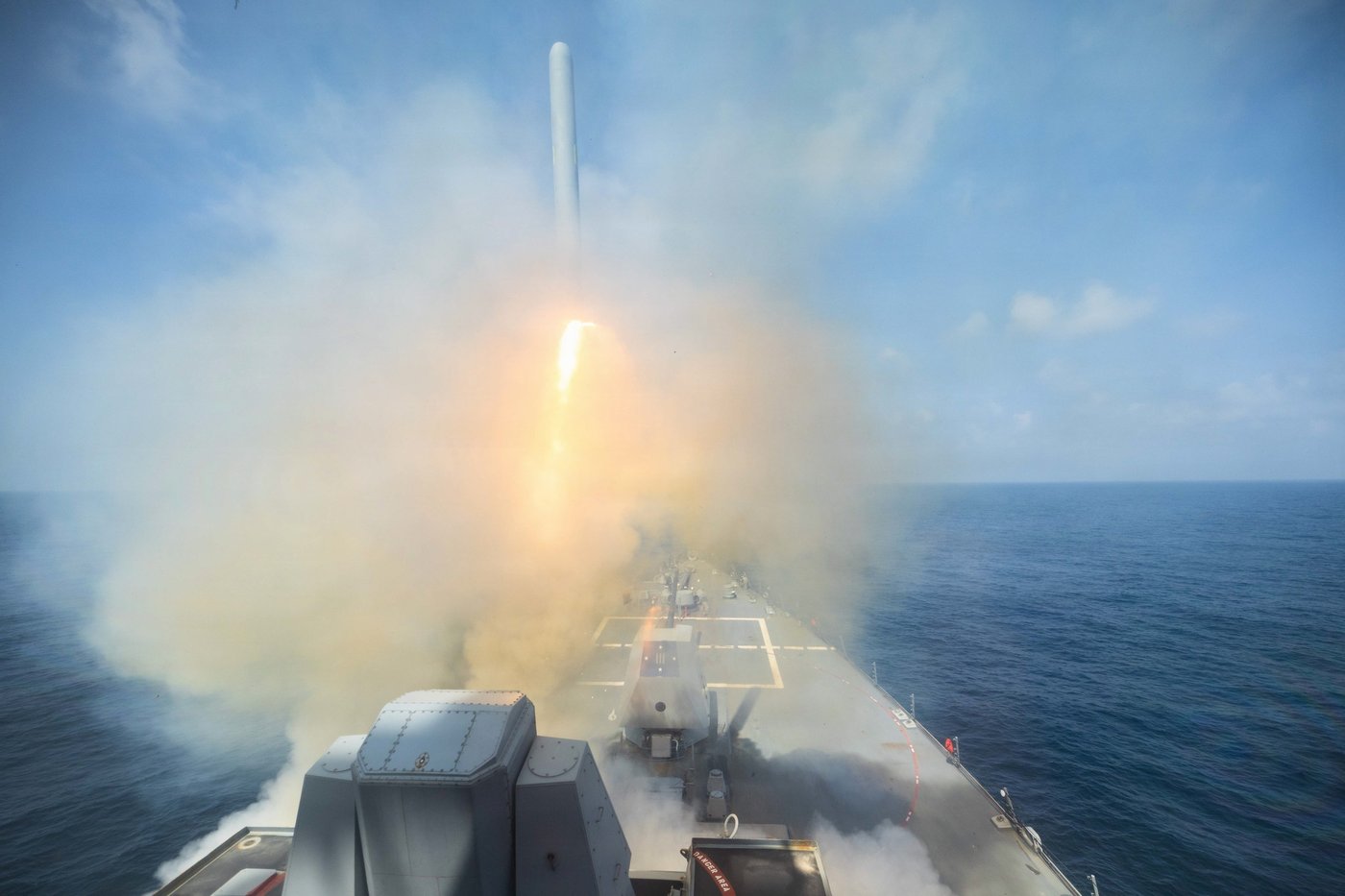
US forces resumed strikes on Iranian missile sites and naval boats on May 25 and 26 in actions Washington again framed as self-defense, ending the brief operational pause and confirming the underlying Strait of Hormuz dispute remained unresolved even under the nominal ceasefire.
US announces brief pause in Gulf operations
US forces announced a pause in Project Freedom operations, citing progress toward a more durable ceasefire framework, a calm that proved short-lived as talks stalled again within weeks.
US 'Project Freedom' patrols engage Iranian boats
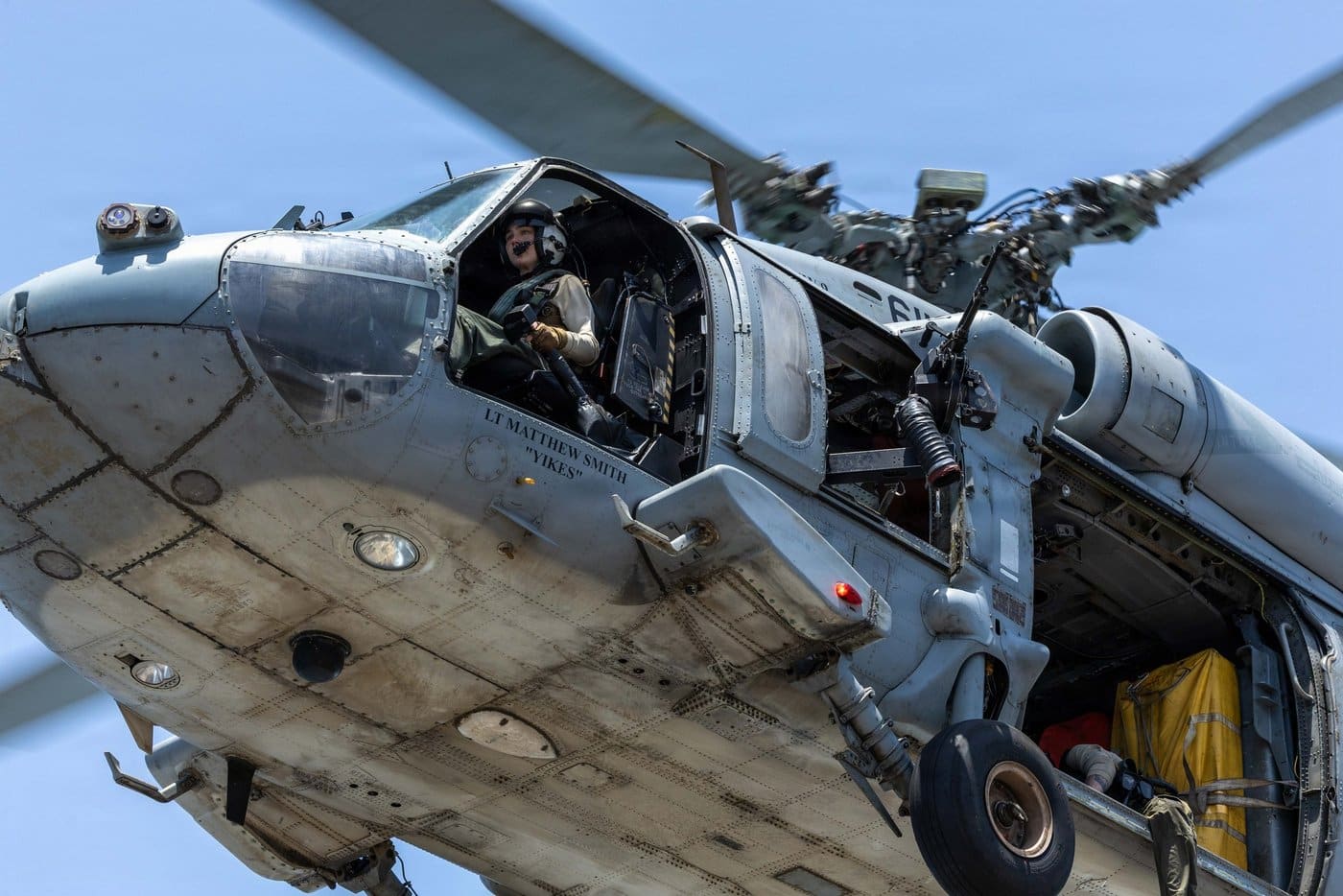
US naval forces conducting Project Freedom operations to keep Gulf shipping lanes open destroyed several small Iranian boats in actions US officials described as self-defense, a US characterization of the engagement that Iran disputes, as disputes over the ceasefire's Strait of Hormuz terms continued despite the ongoing truce.
Trump extends ceasefire, cites fractured Iranian leadership
Trump extended the ceasefire at Pakistan's request, saying Tehran's government was seriously fractured between its civilian negotiating team and IRGC military leadership, and that the pause would hold until Iran submitted a unified proposal to end the war; an assessment of Iran's internal politics from the US side that Tehran has not confirmed.
US shifts to a naval blockade posture
After the Islamabad talks collapsed without agreement, Washington shifted US Navy posture in the Gulf toward an active blockade stance, maintaining military pressure on Iran even while the two-week ceasefire nominally remained in effect.
Islamabad talks end without agreement

US Vice President JD Vance, envoy Steve Witkoff and Jared Kushner met an Iranian delegation led by Abbas Araghchi and Mohammad Bagher Ghalibaf in Islamabad to convert the two-week pause into a durable settlement; Vance left the talks stating no agreement had been reached.
Strait of Hormuz stays effectively closed despite truce
A day after the ceasefire took effect, the Strait of Hormuz remained effectively closed to normal traffic, with Iran charging shipping firms transit tolls above a million dollars per vessel to coordinate safe passage, undercutting the truce's central reopening term almost immediately.
US and Iran agree to a two-week ceasefire
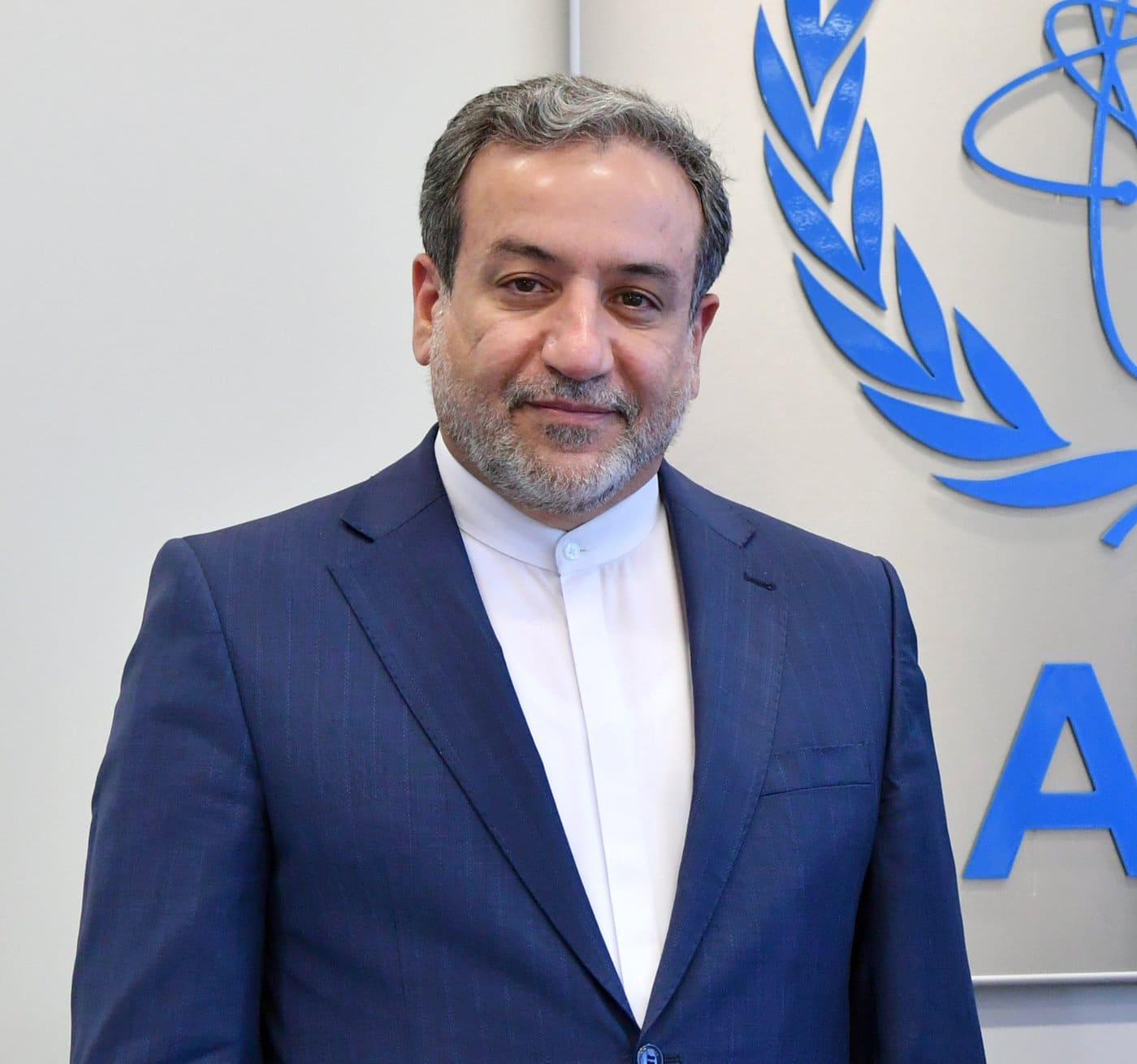
Trump announced a two-week halt to US strikes on Iran, brokered by Pakistan, in exchange for Iran reopening the Strait of Hormuz to commercial shipping; Iranian Foreign Minister Abbas Araghchi said Iran's armed forces would halt defensive operations if the strikes stopped.
Trump threatens to destroy Iranian infrastructure
With the Strait of Hormuz still effectively closed and Iran charging shipping firms transit tolls of more than a million dollars per vessel, Trump publicly threatened to destroy Iranian power plants and bridges if Tehran did not reach an agreement, pressure that led directly to the ceasefire announced the next day.
Iranian strike wounds 15 US troops at Saudi air base

Iran fired ballistic missiles and drones at Prince Sultan Air Base in Saudi Arabia, wounding at least 15 US troops, five of them seriously, and damaging a Boeing E-3 Sentry and a KC-135 Stratotanker on the ground.
US Navy reports sinking Iranian warship and submarine
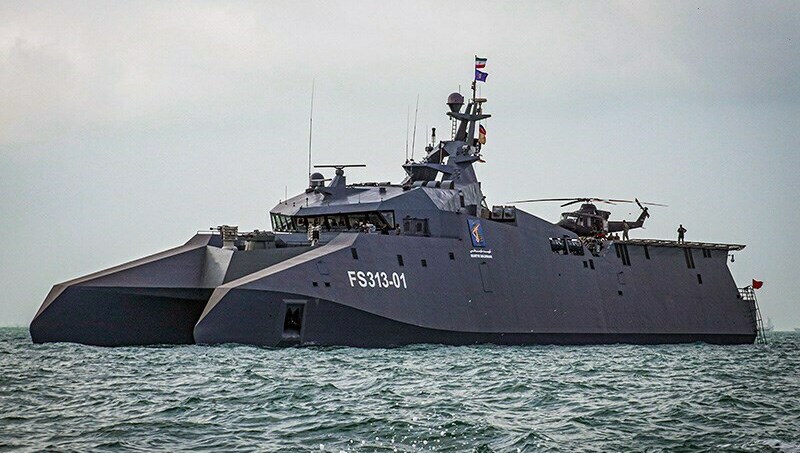
CENTCOM commander Adm. Brad Cooper said US naval forces had destroyed roughly 17 Iranian vessels, including the corvette IRIS Shahid Soleimani and the submarine IRIS Fateh, days after a separate US submarine reportedly sank the frigate IRIS Dena off Sri Lanka, a battle-damage claim from the US side that has not been independently confirmed by Iran or a neutral party.
US closes Kuwait embassy, evacuates Jordan post
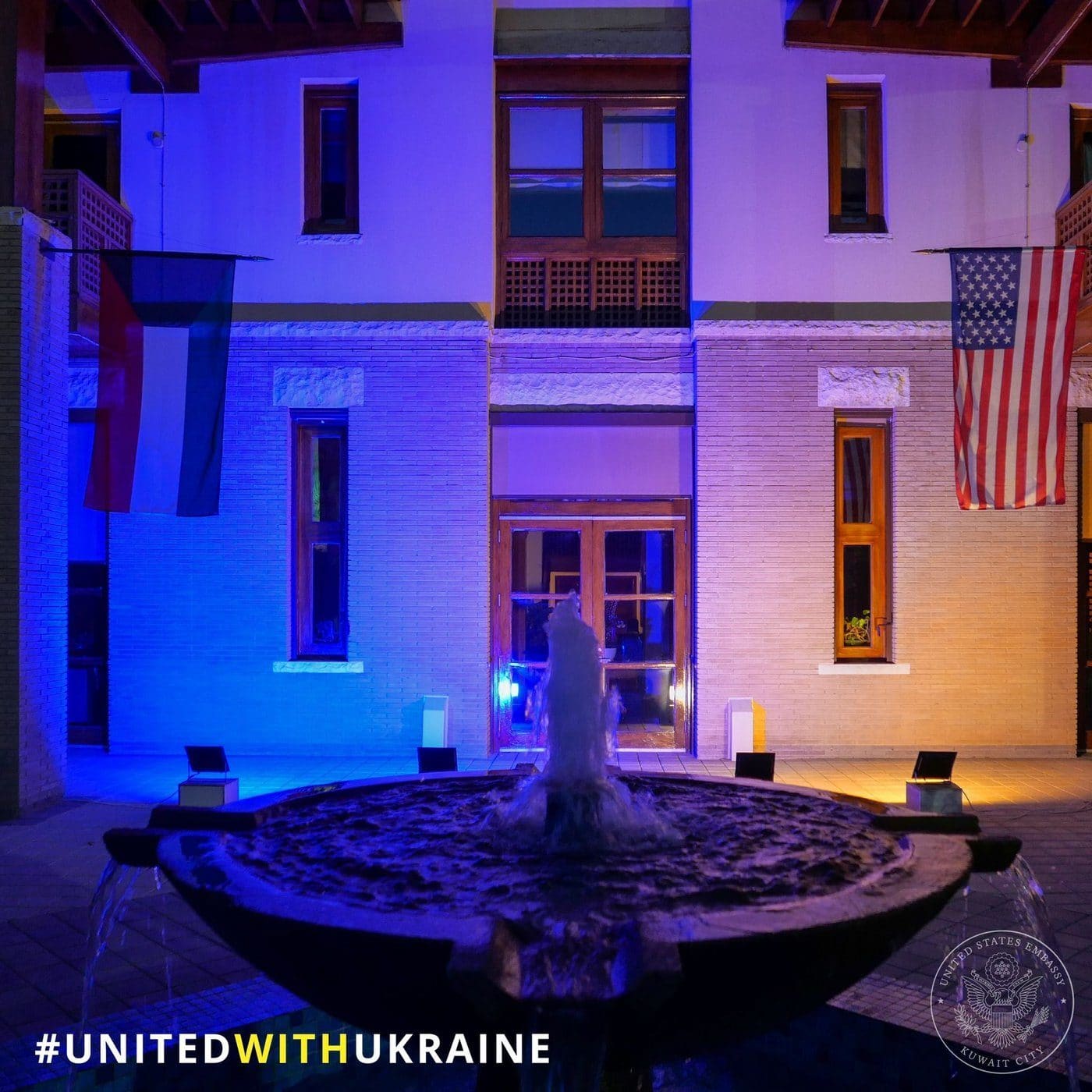
The US closed its embassy in Kuwait indefinitely after it came under attack and evacuated staff from the US-Jordanian embassy as Iranian-aligned Iraqi militias claimed more than two dozen drone and missile attacks on US-linked sites across Iraq and the wider region.
Iran's retaliatory wave hits Gulf capitals and Erbil
Beyond the four bases struck in the opening hours, Iranian missiles and drones hit Kuwait International Airport, targets in Abu Dhabi, Riyadh, and Erbil International Airport and the US Consulate General in Iraqi Kurdistan, a target set that extended past the initial four military bases to include civilian transit infrastructure and a diplomatic post.
Six US Army Reserve soldiers killed in Kuwait drone strike
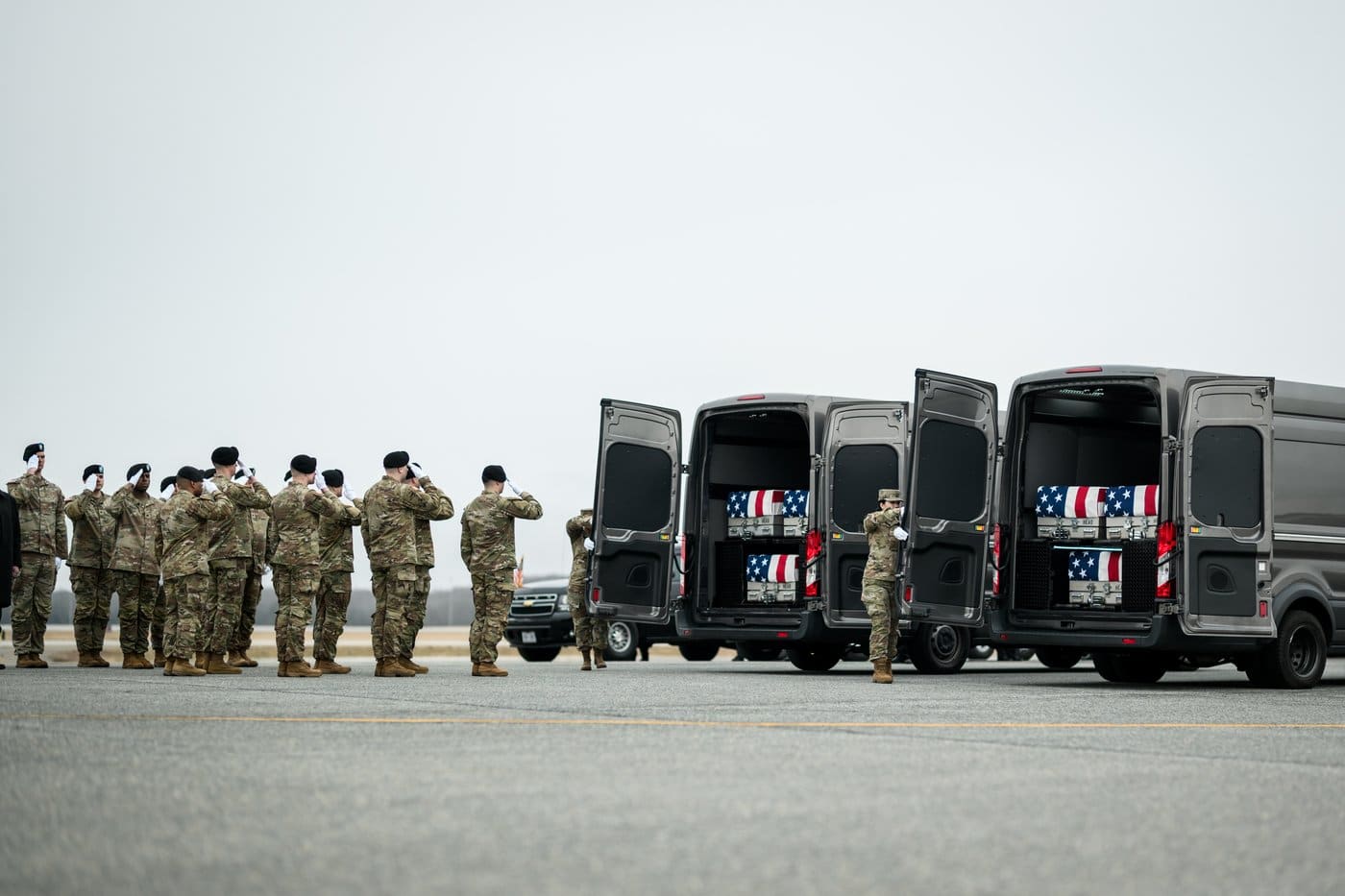
An Iranian one-way attack drone struck a lightly defended US tactical operations center at Port Shuaiba, an industrial port in Kuwait, killing six US Army Reserve soldiers, the war's deadliest single attack on US forces at that point and the first American combat deaths of the conflict.
US and Israel launch Operation Epic Fury
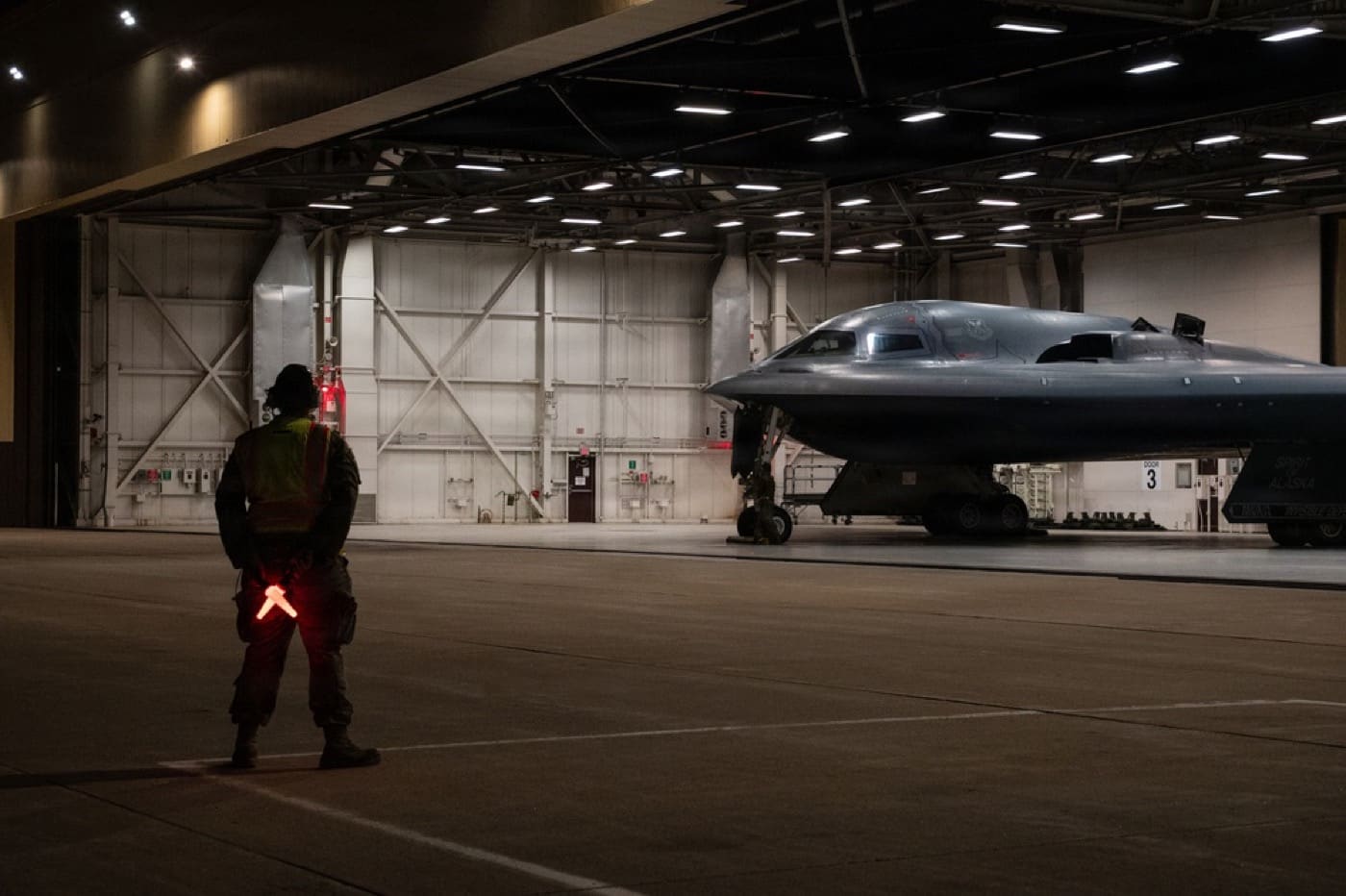
US Navy warships and submarines fired Tomahawk cruise missiles and B-2, B-1 and B-52 bombers struck Iranian ballistic-missile facilities in a coordinated campaign with Israeli forces that opened with roughly 900 combined strikes in a 12-hour window, a US-reported strike count not independently audited target by target.
Iran strikes four bases hosting US forces
Within hours of the opening strikes, Iran fired on four installations hosting US troops: Al Udeid Air Base in Qatar, Ali Al Salem Air Base in Kuwait, Al Dhafra Air Base in the UAE, and the US Navy Fifth Fleet's service facility in Bahrain, immediately putting the wider US regional basing network at risk.
Trump orders Operation Epic Fury

President Trump ordered US forces to proceed with a coordinated strike campaign against Iran after a fourth round of nuclear talks collapsed in Geneva on February 26, with negotiators unable to bridge the gap between US demands to dismantle Iran's enrichment sites and Iran's offer of a verified stockpile cap.
Frequently Asked Questions
How did the US-Iran war start?
The war opened February 28, 2026, when US and Israeli forces launched Operation Epic Fury, a coordinated strike campaign against Iranian nuclear and military sites, after a fourth round of nuclear negotiations collapsed in Geneva two days earlier. Iran retaliated within hours against Israel, Gulf states, and US-linked bases in Qatar, Kuwait, the UAE and Bahrain.
Is there a ceasefire between the US and Iran right now?
No. The most recent ceasefire, the Islamabad Memorandum signed June 17, 2026 at the Palace of Versailles, collapsed twice in the first two weeks of July: first on July 8 after tanker attacks in the Strait of Hormuz, then again on July 11-12 after a further tanker attack triggered the war's largest single week of US strikes and Iran's broadest retaliatory action against five Gulf states.
How many US troops have been killed or wounded in the war?
US military deaths stand at 18 (17 soldiers and 1 contractor) as of early July 2026, with 553 wounded, per the Wikipedia-aggregated casualty tally citing US figures. The deadliest single incident was a March 1 Iranian drone strike on a US operations center in Kuwait that killed six Army Reserve soldiers; a further 15 troops were wounded in a March 27 strike on a Saudi air base.
How many Iranians have been killed in the war?
Estimates vary widely by source. Iran's own government puts total deaths (military and civilian combined) at 3,482, with 26,500 injured, per its Health Ministry. Human Rights Activists in Iran (HRANA), an independent US-based NGO, documented 3,636 deaths as of April 7, 2026, including 1,221 military personnel and 1,701 civilians, while cautioning that military losses are likely undercounted because of restricted access to Iranian military sites. US and Israeli intelligence estimates run far higher, 6,000 or more Iranian military personnel killed and roughly 15,000 wounded, though these are unverified claims from an adversary, not an independent count. No figure here has been confirmed by a neutral international body.
What triggered the July 2026 Gulf escalation?
Iranian forces attacked commercial tankers in the Strait of Hormuz twice in one week, on July 6 and again on July 11 against the container ship M/V GFS Galaxy. Each attack triggered a larger round of US strikes on Iranian military targets and a correspondingly wider Iranian retaliation against Gulf states hosting US forces.
Why does the Strait of Hormuz keep being the flashpoint?
The strait carries roughly one-fifth of global oil and LNG trade, and Iran has repeatedly asserted a right to close or restrict it as leverage, both during negotiations and as retaliation once fighting resumed. Every ceasefire in this war has included Strait of Hormuz reopening terms, and every collapse has followed a new incident there, making it the war's most consistent fault line.
What does Iran say it is fighting for?
Iran characterizes its own role in the war as defensive, not aggressive. President Masoud Pezeshkian has repeatedly said Tehran's actions, including targeting US bases, are aimed at protecting Iranian sovereignty against what he calls unprovoked US-Israeli aggression, and has said Iran's missile arsenal prevented the country from suffering the fate of Gaza. Iran has also set three public conditions for ending the war: guarantees against future attacks, recognition of what it calls its legitimate rights, and reparations. These are Iran's own stated positions, not independently adjudicated claims.
Sources
- 2026 Iran war — Wikipedia
- Timeline of the 2026 Iran war — Wikipedia
- 2026 Iran war ceasefire — Wikipedia
- 2025-2026 Iran-United States negotiations — Wikipedia
- Casualties of the 2026 Iran war — Wikipedia
- Live updates: Israel and Iran attack — CNN
- Live updates: U.S. and Israel attack Iran — PBS NewsHour
- 3 American troops killed, and Trump says more 'likely,' in war against Iran — NPR
- U.S. soldiers were killed in Iranian drone strike on operations center at Kuwait civilian port — MPR News
- At least 15 US troops wounded in Iran strike on Saudi airbase: Reports — Al Jazeera
- US-Iran ceasefire deal: What are the terms, and what's next? — Al Jazeera
- Trump extends U.S. ceasefire with Iran at Pakistan's request — NPR
- Iran war live updates: Strait of Hormuz tensions, Project Freedom — CNN
- Iran war live updates: renewed self-defense strikes — CNN
- 'This was not easy': Trump and Iran sign interim ceasefire deal in France — Middle East Eye
- Navy suspends search for sailor who went missing when helicopter went down in Arabian Sea — Fox News
- U.S.-Iran ceasefire crumbles as fresh strikes rock Middle East — CNN
- U.S., Iran launch more attacks as mediators urge both sides to uphold MoU — Al Jazeera
- U.S. launches new airstrikes on Iran and Tehran fires back at Gulf Arab states — NPR
- U.S. and Iran exchange intense new attacks after Trump says ceasefire is 'over' — NBC News
- Pezeshkian rules out talks on Iran's defense capabilities, says missiles prevented fate of Gaza — Iran Press TV via GlobalSecurity.org
- US attacks Iran over ship being hit in Strait of Hormuz; Tehran lashes out — NPR
- Iran attacks Qatar, Bahrain and UAE after fresh US strikes — Arab News
- IRGC hits Jordan's Prince Hassan Air Base, Qatar 'intercepts missile' — Middle East Eye