Ethiopian Civil Conflict: Timeline & Latest Developments
Ethiopia's 2020s conflict is really three overlapping wars: the 2020-2022 Tigray War, which killed as many as 600,000 people and drew in Eritrean forces, the Amhara region's Fano insurgency, raging since August 2023 and still disrupting national elections in June 2026, and Oromia's OLA insurgency, active since 2018 through partial peace deals and renewed violence.
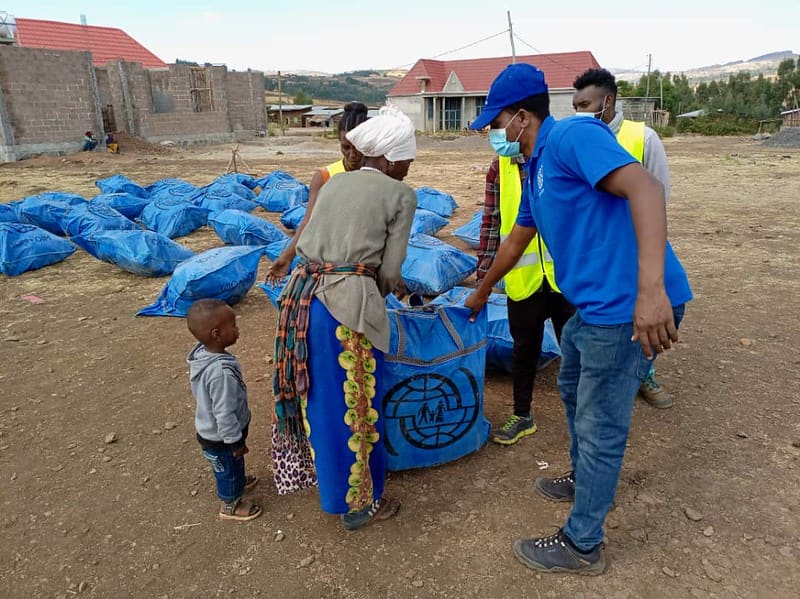
USAID, public domain (U.S. federal government work), via Wikimedia Commons. Depicts a USAID shelter-kit distribution in Tigray in March 2021, not a currently active front.
What gets called the “Ethiopian civil conflict” is not one war but three, fought on different fronts, on different timelines, by different armed groups, with only partial overlap in cause or command. The best-documented is the Tigray War, fought between the federal government and the Tigray People’s Liberation Front from November 2020 to the November 2022 Pretoria Agreement. Running alongside and after it are the Amhara region’s Fano insurgency, which turned into full-scale war against the Ethiopian National Defence Force in August 2023 and remains active today, and Oromia’s OLA insurgency, which has simmered since 2018 through repeated failed peace talks and one partial 2024 ceasefire. They are treated together here because none of the three fronts alone explains why Ethiopia’s combined death toll across the 2020s ranks among the highest of any conflict in the world this decade; it is the sum of three wars, not one, and conflating them risks understating how differently each has unfolded.
The Tigray War began on November 4, 2020, when TPLF forces attacked federal military bases in Tigray after months of dispute over a postponed national election. Federal forces, joined by Eritrean troops and Amhara regional forces, captured the regional capital Mekelle within weeks, but the TDF regrouped and retook most of Tigray by mid-2021, at one point pushing federal-aligned forces back toward Dessie and Kombolcha in neighboring Amhara. Eritrea’s involvement was denied by both Addis Ababa and Asmara for months until Eritrea itself acknowledged to the UN Security Council on April 16, 2021 that its forces were fighting in Tigray. The UN-mandated International Commission of Human Rights Experts on Ethiopia later found Eritrean, Ethiopian federal, and allied regional forces collectively responsible for mass killings, systematic sexual violence, deliberate starvation and mass detention, and found that Tigrayan forces were also culpable for killings, rape and looting; the Axum massacre and the disputed Mai Kadra killings sit among the war’s most documented and most contested atrocities respectively. Death-toll estimates range enormously depending on methodology, from Uppsala’s UCDP battle-death count of over 100,000 in 2022 alone to broader excess-mortality studies putting total deaths, including famine and lost healthcare, at 162,000 to 600,000. The war ended with the Pretoria Agreement on November 2, 2022, though implementation has been uneven: a 2023 Mekelle protest still called for the return of displaced people and resumed aid, and the Commission investigating the war’s crimes had its mandate allowed to lapse weeks after its final report, leaving accountability efforts largely stalled.
Oromia and Tigray carried almost identical displacement caseloads as of this snapshot despite being covered as separate stories; Amhara's lower count likely undercounts the Fano war's true toll, since the region's most intense offensives, and the access problems that come with them, followed this August 2024 assessment.
The Amhara Fano insurgency has a distinct origin: an April 2023 federal plan to dissolve regional special forces and fold them into the ENDF, which set off protests that turned into full-scale war by August 1, 2023. Fano, a network of historically loosely organized militias, has since captured and lost towns including Lalibela, Metemma and parts of Gondar, while the ENDF has relied heavily on drone strikes, which rights groups say killed hundreds of civilians in 2024 alone, including more than 100 people in an April 2025 strike near an East Gojjam school. Government forces have also been linked to alleged reprisal killings, including the Merawi and Birakat incidents, allegations the government has not accepted responsibility for. Fano’s factions unified in stages, first into the Amhara Fano National Force in May 2025, then into the Amhara Fano National Movement in January 2026, and that unified movement sustained an offensive that disrupted Ethiopia’s June 1, 2026 general election, with voting unable to proceed in 30 Amhara constituencies even as the ruling Prosperity Party retained its national majority.
Oromia’s OLA insurgency is the oldest and least resolved of the three, tracing to the OLA’s 2018 split from the Oromo Liberation Front. Both government forces and OLA fighters have been linked to civilian atrocities, including a 2019 Amnesty-documented campaign of mass detentions by security forces and the 2022 Tole massacre, in which Amnesty attributed roughly 400 ethnic Amhara civilian deaths to OLA fighters, a finding the OLA disputes. Peace talks collapsed repeatedly until a major faction signed a deal in December 2024, after which ACLED recorded a 57 percent drop in political violence, though it also found Ethiopian federal forces still responsible for nearly half of remaining civilian-targeting incidents in early 2025, a reminder that responsibility for civilian harm in Oromia has not rested with OLA factions alone. As of mid-2026, tensions between the federal government, Tigray, and Eritrea have also flared again, with brief clashes in western Tigray in January and a documented military buildup along the Ethiopia-Eritrea border by February, underscoring that none of Ethiopia’s 2020s conflicts, Tigray included, can yet be called fully resolved.
Full Timeline (most recent first)
Ruling Prosperity Party retains parliamentary majority
Ethiopia's election board announced the ruling Prosperity Party had won 438 seats in the House of Peoples' Representatives, retaining its majority in an election marred by insecurity in Amhara and Oromia; voters across the entire Tigray region were unable to take part at all, still recovering from the 2020-2022 war.
Fano disrupts Ethiopia's general election
Amhara Fano National Movement fighters, who had sustained an escalating offensive since March and declared the elections illegitimate, clashed with the ENDF across Amhara's administrative zones and enforced a road blockade from May 29 to June 2. Voting did not take place in 30 Amhara constituencies, and at least 143 polling stations nationwide, including in Oromia, were disrupted, according to Ethiopia's election board.
Ethiopia and Eritrea trade accusations amid military buildup
Addis Ababa accused Eritrea of coordinating with a breakaway TPLF faction and of aggression, while both governments reportedly built up forces near their shared border. Analysts at the Atlantic Council and elsewhere warned the risk of a renewed Ethiopia-Eritrea war, four years after the Tigray War's official end, was the highest it had been since the Pretoria Agreement, tied partly to Prime Minister Abiy Ahmed's public statements about Ethiopia's ambitions for Red Sea port access.
AFNM forces briefly enter Debre Tabor
Amhara Fano National Movement fighters entered the town of Debre Tabor as part of a wider offensive across central Amhara, following federal troop redeployments toward Tigray, but withdrew after Ethiopian military drone strikes; AFNM claimed capture of more than a dozen towns during the same push, including Ebenat, Alem Ber and Simada.
Clashes erupt between Tigrayan and federal forces in Tselemti
Fighting broke out between Tigrayan fighters and federal forces, backed by Amhara militias, in Mai Degusha, a contested area of Tselemti district in western Tigray. Tigrayan forces briefly captured Alamata and Korem in southern Tigray after federal forces withdrew, before pulling back from Tselemti on February 1 as TDF commander Tadesse Werede called for dialogue rather than renewed war.
Amhara Fano National Movement formed
The Amhara Fano National Force and the Amhara Fano Popular Organisation, the insurgency's two largest factions, merged into the Amhara Fano National Movement, establishing the first joint Fano command structure since the war began nearly three years earlier.
Government signs disputed peace deal with a Fano representative
The Ethiopian government, with African Union and IGAD mediation, signed a peace agreement with a figure identified as Masresha Setie, representing the Amhara Fano Popular Organisation. The AFPO subsequently denied Setie had the authority to sign on its behalf, and the deal did not hold.
ICRC describes 'devastating' civilian impact in Oromia
The International Committee of the Red Cross said the ongoing conflict in Oromia was having a devastating impact on civilians, citing restricted humanitarian access and continued displacement across the region even as overall violence had eased from its 2024 peak.
OLA attacks local officials near Dembi Dollo
OLA fighters attacked local officials allied with the government near Dembi Dollo, an example of the continued low-intensity violence in areas of western Oromia where the group retained significant influence even after the December 2024 partial peace deal.
Four Fano factions unify into a single command
The Gojjam, Wollo, Gondar Amhara Fano Unity and Shewa Fano factions announced their merger into the Amhara Fano National Force under a 13-member central command, the most significant step yet toward unifying the previously fragmented insurgency.
Drone strike on East Gojjam school kills over 100
More than 100 people were killed in an Ethiopian military drone strike that hit villagers gathered near a primary school in East Gojjam Zone; dozens of bodies were buried in mass graves the same day, according to local accounts, in one of the deadliest single strikes of the Amhara war.
Birakat massacre kills at least 40 civilians
At least 40 civilians, including women and children, were killed in Birakat during house-to-house searches that Human Rights Watch and local reporting attributed to ENDF soldiers, part of a broader pattern of alleged reprisal killings the government has not publicly acknowledged responsibility for.
ACLED: Oromia violence falls 57% after peace deal, ENDF still tied to nearly half of remaining incidents
ACLED reported that political violence in Oromia fell by 57 percent following the December 2024 peace agreement with the Negasa faction, but that of 21 civilian-targeting events recorded between mid-December and the end of January, Ethiopian federal security forces were reportedly responsible for 48 percent, underscoring that government forces remain a significant driver of civilian harm in the region alongside OLA factions that did not sign the deal.
Fano claims killing of ENDF division commander
Fano said its fighters had killed Lieutenant Colonel Teka Mekebo Mohammed, commander of the ENDF's 48th Division, along with a deputy regimental officer. The Ethiopian government did not confirm the claim, which has not been independently verified.
OLA faction signs peace deal, later relocates to camps
A major OLA faction led by Jaal Senay Negasa signed a peace agreement with the Ethiopian government after talks facilitated in Tanzania, and its fighters began relocating to designated camps two days later. The deal covered only one of several OLA factions, and low-level fighting continued elsewhere in Oromia.
Drone strike in North Gojjam kills over 50
An ENDF drone strike in North Gojjam Zone killed more than 50 people, part of a pattern of drone warfare that rights groups say killed more than 300 civilians across Amhara over the course of 2024 as the government leaned on air power to offset Fano's territorial gains.
Fano offensive on Gondar kills at least 9
Fano insurgents launched an offensive into the historic city of Gondar, claiming to have captured parts of it; the fighting killed at least 9 people and injured at least 30 in the opening days, with urban clashes continuing into October.
Fano seizes Metemma border town
Fano fighters captured Metemma, the strategic Ethiopia-Sudan border crossing, reportedly aiming to cut fuel and food supply routes into the region, as insurgent attacks on the ENDF tripled between July and September compared with the same period the year before.
Merawi massacre kills at least 89 civilians
At least 89 civilians were killed in Merawi in what residents and rights monitors attributed to reprisal killings by Ethiopian federal soldiers following a Fano ambush nearby, one of the deadliest single incidents attributed to government forces since the Amhara war began.
UN human rights commission's mandate ends without renewal
The Human Rights Council allowed the Commission's mandate to lapse without a renewal resolution, ending the main independent international investigation into the war's atrocities. Commission expert Radhika Coomaraswamy said the prospects for meaningful domestic accountability were extremely remote, and rights groups warned that victims had been left without an international mechanism to pursue justice.
UN commission documents war crimes by all parties
The International Commission of Human Rights Experts on Ethiopia reported that Ethiopian federal forces, Eritrean forces, and allied regional militias were collectively responsible for mass killings, systematic rape and sexual violence, deliberate starvation, and large-scale arbitrary detention, and that some Tigrayan forces were also culpable for killings, rape and looting. Commission chair Mohamed Chande Othman separately warned of hallmarked risks of further atrocities extending into Oromia and Amhara.
ENDF captures Majete; civilians reportedly killed in house searches
Ethiopian federal forces recaptured the town of Majete, and at least 70 civilians were reportedly killed in extrajudicial executions during subsequent house-to-house searches, according to local and rights-group accounts that the government has disputed.
Six-month state of emergency declared in Amhara
The federal government declared a six-month state of emergency covering the Amhara region at the request of the regional government, with Prime Minister Abiy Ahmed saying it had become difficult to control the escalating violence through ordinary legal channels.
Full-scale war erupts between Fano and the ENDF
Heavy fighting broke out between Fano militia and the ENDF in Debre Tabor, Debre Markos and Kobo, and Fano fighters seized Lalibela's airport the following day, marking the shift from sporadic clashes to open war across the Amhara region.
Mekelle demonstrators demand full implementation of the peace deal
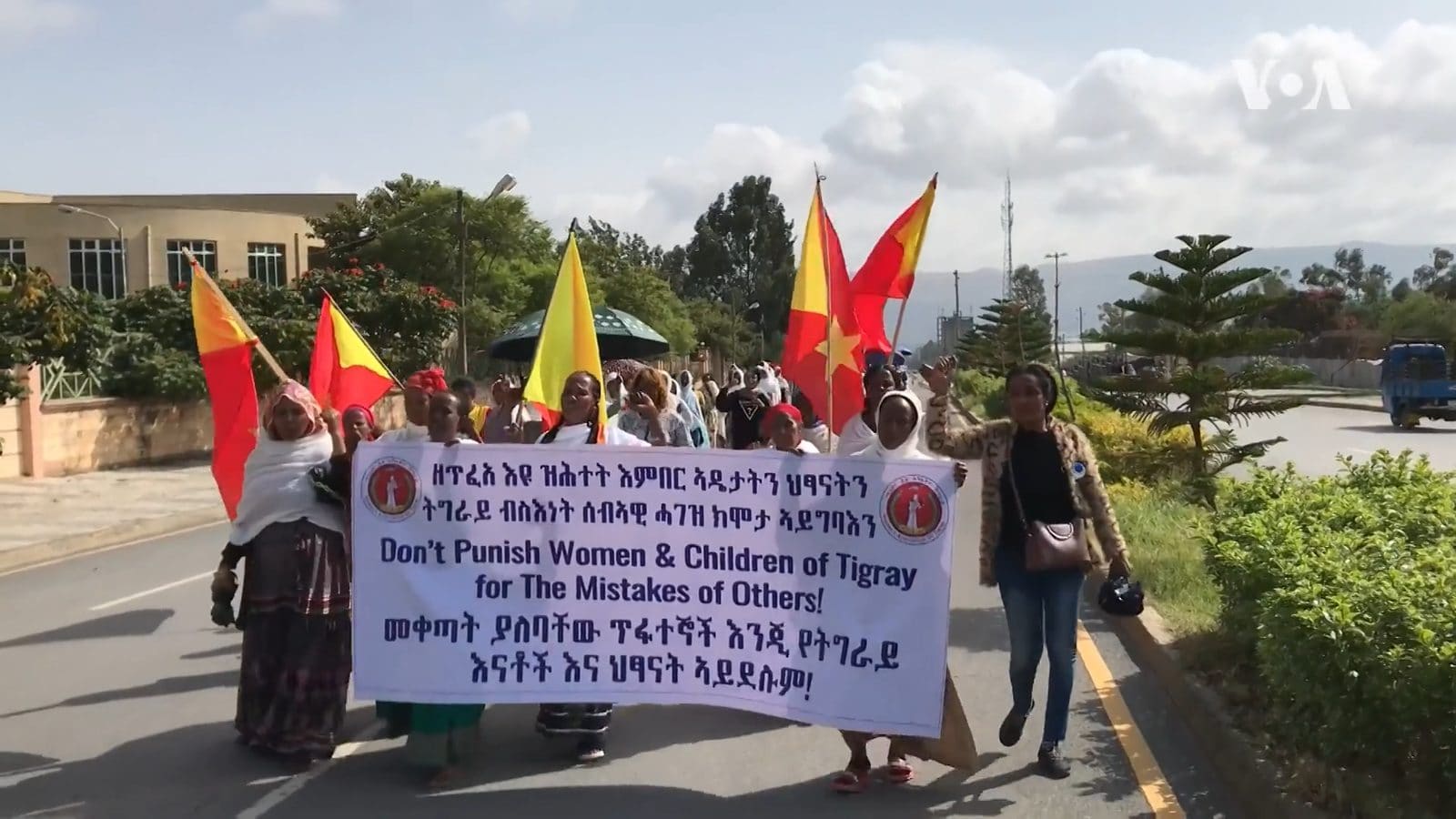
Demonstrators in Mekelle held a peaceful protest calling for full implementation of the Pretoria Agreement, the return of people still displaced from the war, and resumption of humanitarian aid that had been suspended over diversion allegations, a sign that the ceasefire's practical benefits had not yet reached much of the population eight months on.
Government-OLA peace talks open and collapse within weeks
The federal government and OLA representatives opened peace talks, but the negotiations broke down within about three weeks and fighting resumed, the first of several failed rounds of talks between the two sides over the following year and a half.
Protests erupt over plan to dissolve Amhara special forces
Large protests broke out in Gondar, Kobo, Sekota, Woldia and other Amhara towns after the federal government moved to dissolve regional special forces and fold them into the ENDF, part of a nationwide security-recentralization plan that Amhara nationalists saw as leaving the region defenseless.
AU delegation led by Obasanjo arrives in Mekelle
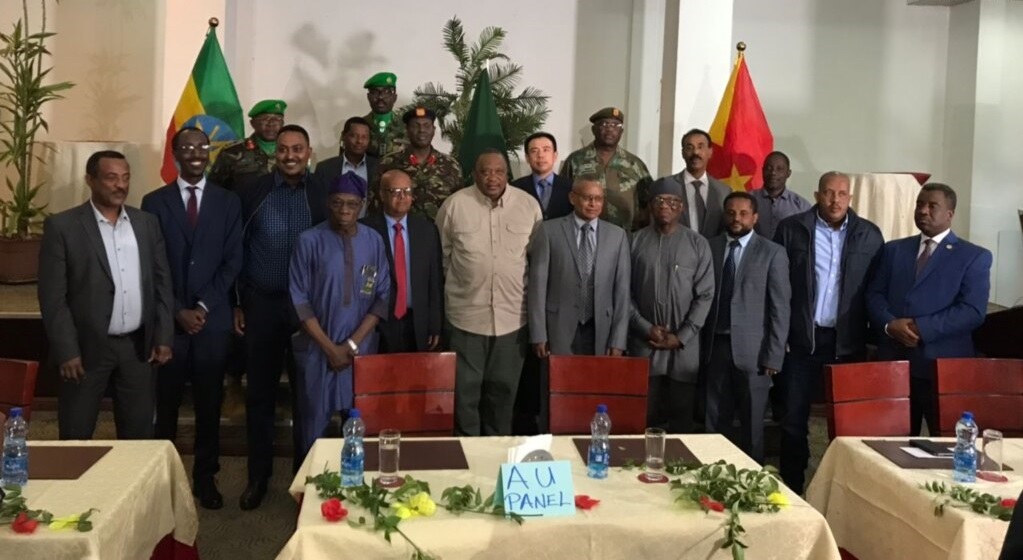
An African Union delegation led by special envoy Olusegun Obasanjo, along with ambassadors from several countries, traveled to Mekelle to monitor early implementation of the Pretoria Agreement, including the return of federal services to the region.
Ethiopia and TPLF sign the Pretoria Agreement
The Ethiopian government and the TPLF signed a permanent cessation-of-hostilities agreement in Pretoria, mediated by the African Union with former Nigerian President Olusegun Obasanjo as lead mediator, formally ending two years of active fighting. A follow-on implementation agreement covering disarmament modalities was signed in Nairobi ten days later.
Pretoria peace talks begin
African Union-mediated delegations from the Ethiopian government and Tigrayan forces began formal peace talks in Pretoria, South Africa, the first direct negotiations between the two sides in nearly two years of war.
Second Adi Dairo airstrike kills up to 65
An airstrike on Adi Dairo killed between an estimated 50 and 65 people, one of several strikes on populated areas during the final month of active fighting before the Pretoria talks began.
Ethiopia and Eritrea launch joint North Tigray offensive
After the March truce collapsed, Ethiopian and Eritrean forces announced a joint offensive into northern Tigray, opening the war's final and one of its most intense phases; Eritrean forces went on to capture Sheraro two weeks later as roughly 210,000 more people were displaced.
Tole massacre kills hundreds of ethnic Amhara civilians
Amnesty International documented the killing of at least 400 ethnic Amhara civilians, mostly women, children and the elderly, in Tole kebele, West Wollega Zone, in an attack it attributed to OLA fighters based on witness accounts and satellite imagery of fires that broke out the same day. The OLA has repeatedly denied responsibility and blamed government-aligned forces instead.
Ethiopia declares indefinite humanitarian truce
The federal government declared an indefinite humanitarian truce intended to allow aid deliveries into Tigray, and both sides agreed to hold talks toward a formal end to the war, though the truce would ultimately collapse five months later.
Airstrike on Dedebit displacement camp kills dozens
An Ethiopian Air Force strike on the Dedebit area, where an IDP camp was located, killed at least 56 people according to reporting at the time, part of a wider bombing campaign that month that killed at least 108 people across multiple strikes.
Federal-allied forces recapture Lalibela, Dessie and Kombolcha
A renewed federal offensive, backed by newly acquired drones, pushed TDF-aligned forces back out of Lalibela, Dessie and Kombolcha in Amhara Region over the following week, reversing the advance that had alarmed the capital weeks earlier.
United Front of Ethiopian Federalist and Confederalist Forces formed
The TPLF, the OLA, and seven smaller armed and political groups formed the United Front of Ethiopian Federalist and Confederalist Forces, a coalition aimed at coordinating opposition to the federal government across multiple regions at once.
Federal government declares nationwide state of emergency
Ethiopia's government declared a six-month nationwide state of emergency granting sweeping powers, including warrantless arrests and detention, as TDF-aligned forces advanced toward Dessie and Kombolcha in Amhara Region, prompting fears in Addis Ababa of an advance on the capital itself.
TDF and OLA announce alliance against the federal government
Tigray Defense Forces and the Oromo Liberation Army announced an alliance aimed at removing Prime Minister Abiy Ahmed's government, formally linking Ethiopia's northern and southern insurgencies for the first time. Around the same period the OLA expanded its own territorial control across western Oromia, including the October capture of Kamisee in the Oromia Zone of Amhara Region.
TDF retakes Mekelle; government declares unilateral ceasefire
Tigray Defense Forces recaptured Mekelle, and the federal government declared a unilateral ceasefire the same day, a move widely read as a face-saving response to a battlefield retreat rather than a negotiated pause. Fighting continued in surrounding areas within days.
Ethiopian military cargo plane shot down over Samre
An Ethiopian military cargo aircraft was shot down over Samre as Tigray Defense Forces momentum grew, a marker of the shift toward the TDF's mid-2021 counteroffensive that would retake most of the region within weeks.
Reporting documents war damage in Axum months after the massacre
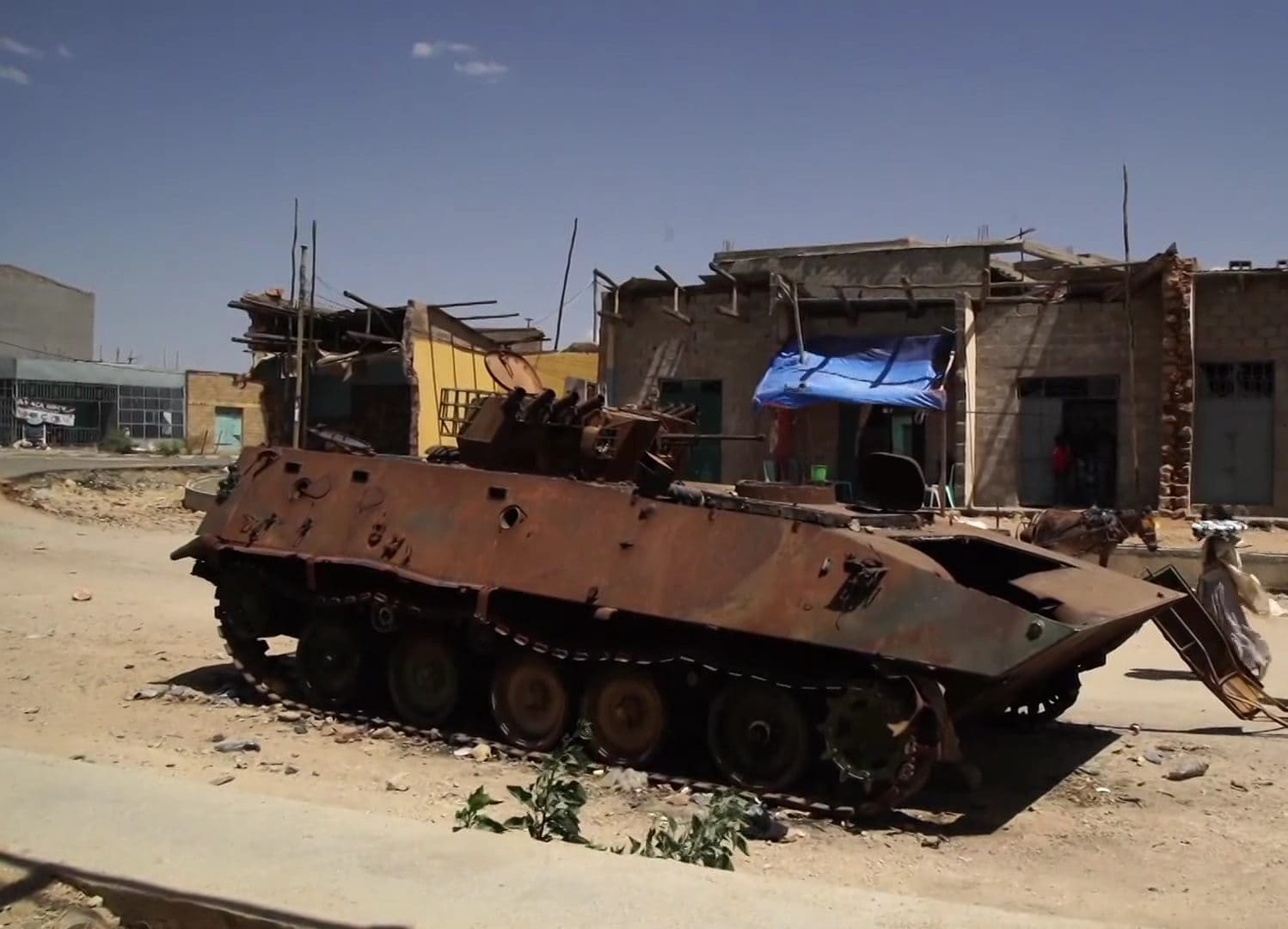
A Voice of America crew reporting from Axum found residents navigating daily life alongside destroyed military vehicles left from the fighting that had swept through the city seven months earlier, part of wider coverage of the toll the war had taken on one of Ethiopia's oldest and most sacred cities.
Humanitarian partners scale up food distribution amid famine warnings
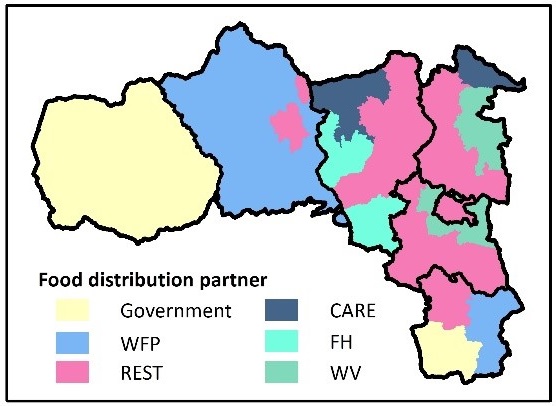
Aid organizations expanded food distribution across Tigray as the UN's food-security classification system reported more than 350,000 people in catastrophic (Phase 5) famine conditions in Tigray and neighboring Amhara and Afar, with an additional 5.5 million people, roughly 61 percent of the population, facing acute food insecurity.
Eritrea acknowledges its forces are fighting in Tigray
Eritrea formally acknowledged to the UN Security Council that its armed forces were party to the conflict in Tigray, months after Ethiopian and Eritrean officials had both denied any Eritrean troop presence despite mounting witness and rights-group reporting to the contrary.
Eritrean forces deploy against the OLA in Oromia
A separate Eritrean Defence Forces division deployed to Oromia to help fight the OLA, extending Eritrea's documented military role in Ethiopia's internal conflicts beyond Tigray. As with Tigray, Addis Ababa and Asmara did not publicly acknowledge the deployment at the time.
UN estimates over 1 million displaced within weeks
The United Nations estimated that more than a million people had been internally displaced by the fighting within the war's first six weeks, an early signal of the mass displacement that would come to define the conflict, on top of tens of thousands who had already crossed into Sudan as refugees.
Axum massacre: Eritrean forces kill hundreds of civilians
Amnesty International documented Eritrean Defence Forces killing an estimated 720 to 800 civilians in Axum over two days, based on witness testimony and refugee accounts gathered after the city fell. Both the Ethiopian and Eritrean governments denied any Eritrean troop presence in Tigray at the time.
Federal forces capture Mekelle; Abiy declares operation over
Ethiopian federal forces, backed by Eritrean and Amhara regional forces, captured the Tigray regional capital Mekelle. Prime Minister Abiy Ahmed declared the military operation complete, but TPLF leadership vowed to keep fighting from rural areas, and the war continued for two more years.
Mai Kadra massacre kills roughly 600 civilians
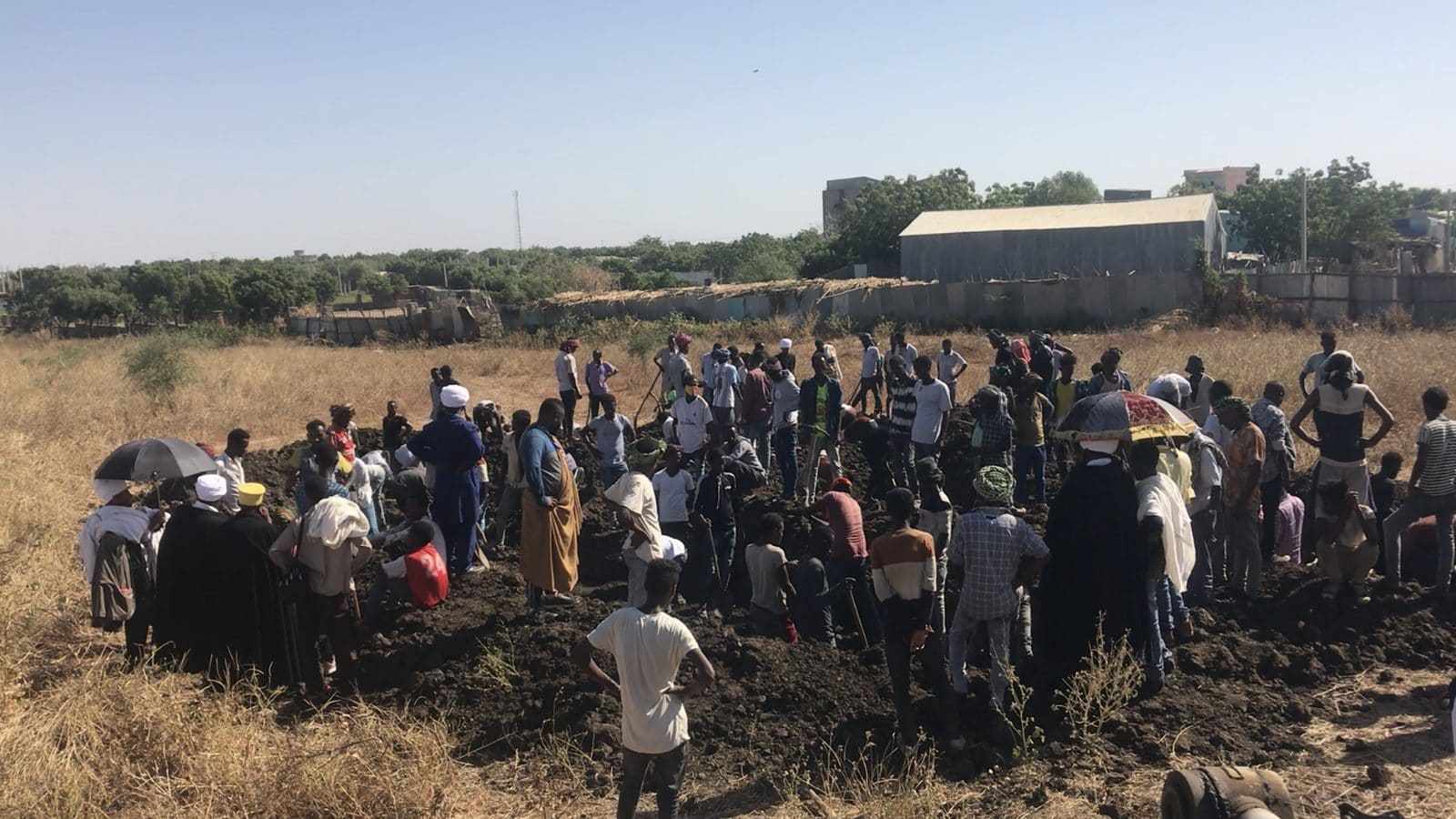
Around 600 civilians were killed in the town of Mai Kadra in a single night of violence. The Ethiopian Human Rights Commission and Amnesty International attributed the killings to local militia and police forces loyal to the TPLF, though other accounts describe Amhara militia involvement in the same period of chaos as federal lines collapsed; the exact perpetrators remain disputed.
TPLF forces attack federal Northern Command bases
Tigray People's Liberation Front forces attacked Ethiopian National Defence Force bases in Tigray, and the federal government responded with a declared state of emergency and a military offensive into the region. The attack followed months of tension between Prime Minister Abiy Ahmed's government and the TPLF over a delayed national election and the party's decision to hold its own regional vote regardless.
Amnesty documents mass detentions in Oromia
Amnesty International reported that Ethiopian security forces had carried out mass detentions and extrajudicial killings in Oromia, with at least 10,000 people detained on suspicion of OLA links between January and September 2019 alone, most subjected to what the group called brutal beatings. The crackdown is widely cited as a driver of continued OLA recruitment in the years that followed.
Oromo Liberation Army splits from the OLF
Kumsa Diriba, known by the nom de guerre Jaal Marroo, split from the Oromo Liberation Front to form the Oromo Liberation Army after the OLF reached a peace settlement with the federal government. Most OLA fighters in Oromia refused to disarm, and the group went on to fight a low-level insurgency against federal forces that continues in parts of western and southern Oromia today.
Frequently Asked Questions
Why does this page cover three separate conflicts under one 'Ethiopian civil conflict' entry?
Ethiopia's fighting in the 2020s runs across three distinct, only loosely connected fronts: the 2020-2022 Tigray War between the federal government and the TPLF/Tigray Defense Forces, the Amhara region's Fano insurgency against the ENDF that has run since August 2023, and Oromia's OLA insurgency that has continued at varying intensity since 2018. They are grouped here because together, not any single front alone, they account for Ethiopia's combined death toll being one of the highest of any conflict in the world during the 2020s, and because the fronts have repeatedly intersected, through a 2021 TDF-OLA alliance, shared federal counterinsurgency tactics, and troop redeployments between regions.
How did the Tigray War start and how did it end?
The Tigray War began on November 4, 2020, when TPLF forces attacked federal Ethiopian National Defence Force bases in Tigray after months of tension over a delayed national election. It ended with the Pretoria Agreement, signed November 2, 2022, after Tigray Defense Forces had briefly retaken most of the region in 2021 before a renewed federal-Eritrean offensive in late 2022 pushed them back and led both sides to accept an African Union-mediated ceasefire.
Was Eritrea confirmed to have fought in the Tigray War?
Yes. Eritrea formally acknowledged to the UN Security Council on April 16, 2021 that its armed forces were party to the conflict, months after both Addis Ababa and Asmara had denied any Eritrean troop presence despite extensive witness and rights-group reporting. The UN-mandated International Commission of Human Rights Experts on Ethiopia later found Eritrean forces responsible for atrocities including the Axum massacre and ongoing sexual violence in Tigray.
Is the Amhara Fano insurgency still active?
Yes, as of mid-2026. Fano militias, now unified under the Amhara Fano National Movement formed in January 2026, sustained an offensive across central Amhara through the spring that disrupted Ethiopia's June 1, 2026 general election, with voting unable to proceed in 30 Amhara constituencies. The war has run since Fano and the ENDF began full-scale fighting on August 1, 2023.
What is the current status of the Oromia OLA insurgency?
It continues at reduced but ongoing intensity. A major OLA faction led by Jaal Senay Negasa signed a peace deal with the Oromia regional government on December 1, 2024, and ACLED recorded a 57 percent drop in political violence afterward, but other OLA factions did not sign, and low-level attacks, arrests and clashes have continued into 2025 and 2026, alongside continued reports of civilian harm from government security operations.
How many people have died across Ethiopia's overlapping conflicts since 2020?
Estimates vary widely by methodology and are contested. Battle-death datasets like Uppsala's UCDP put Tigray War military and combat fatalities above 100,000 in 2022 alone, while broader excess-mortality studies, including work by researchers at Ghent University and the University of London, estimate 162,000 to 600,000 total deaths in Tigray from violence, famine and lost healthcare access between November 2020 and late 2022. Separately, ACLED recorded 5,623 conflict deaths tied to the OLA insurgency between August 2018 and December 2022, and Fano insurgency casualties, combatant and civilian combined, are estimated above 15,000 since August 2023. No single, independently verified figure covers all three fronts.
Sources
- Tigray war — Wikipedia
- Casualties of the Tigray war — Wikipedia
- Fano insurgency — Wikipedia
- OLA insurgency — Wikipedia
- Oromo Liberation Army — Wikipedia
- 2026 Ethiopia-TPLF clashes — Wikipedia
- Amhara Fano National Movement — Wikipedia
- 2026 Ethiopian general election — Wikipedia
- Ethiopia-Tigray peace agreement — Wikipedia
- International Commission of Human Rights Experts on Ethiopia — Wikipedia
- Ethiopia: Mass killings continue, risk of further 'large-scale' atrocities — UN News
- Ethiopia: Victims 'left in limbo' as rights probe mandate ends — UN News
- Fears of 'slow, certain death' stalk Tigray amid rumblings of renewed war — Al Jazeera
- Ethiopia and Eritrea are on the brink of war again — Atlantic Council
- Conflict in Ethiopia — Council on Foreign Relations
- Ethiopia: 'Many pregnant women have died due to lack of medicine and health services' — ICRC
- Ethiopia: Authorities must investigate massacre of ethnic Amhara in Tole — Amnesty International
- Ethiopia situation update (5 February 2025) — ACLED
- Ethiopia: Civilians in Western Oromia Left Unprotected — Human Rights Watch
- More than 3.45 million people displaced in Ethiopia, more than half due to conflict: new IOM report — ReliefWeb / IOM
- Ethiopia's Prosperity Party secures parliamentary majority, paving way for Abiy's new term — Dawan Africa
- File: A destroyed tank in Axum, Tigray - June 2021 — Wikimedia Commons
- File: Delegation from the African Union (AU) and other partners has arrived in Mekelle — Wikimedia Commons
- File: Food distribution partners in Tigray on 31 May 2021 — Wikimedia Commons
- File: Peaceful demonstrations calling for full implementation of the Pretoria Agreement (1) — Wikimedia Commons