Democratic Republic of the Congo Conflict: Timeline & Latest Developments
M23 rebels, which United Nations investigators say operate under Rwandan command and control, a claim Rwanda denies, captured the provincial capitals of Goma and Bukavu in early 2025 and, despite two internationally brokered peace frameworks signed in Washington and Doha, continued fighting into mid-2026 in a war that has displaced more than 8 million people across eastern Congo.
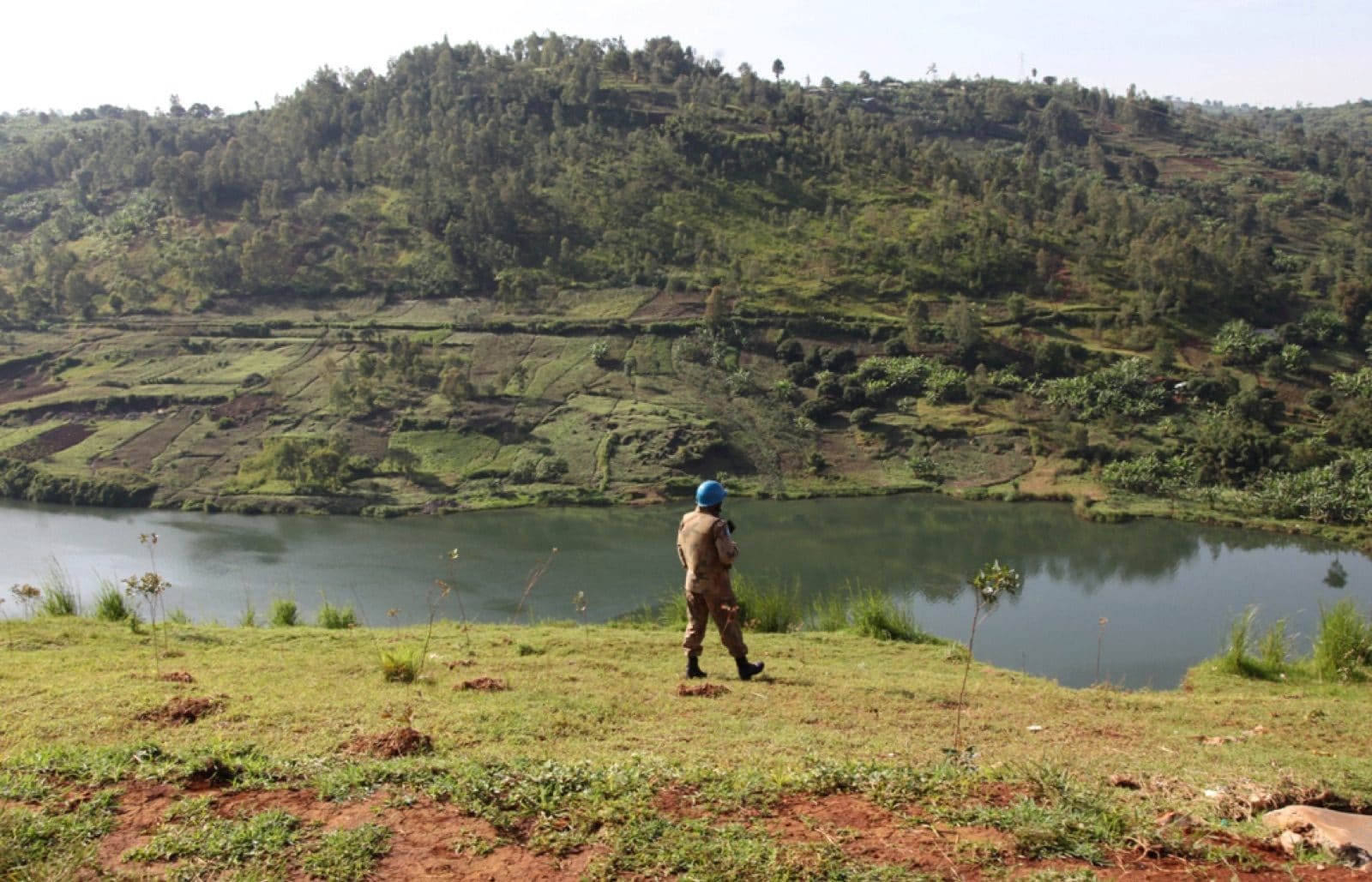
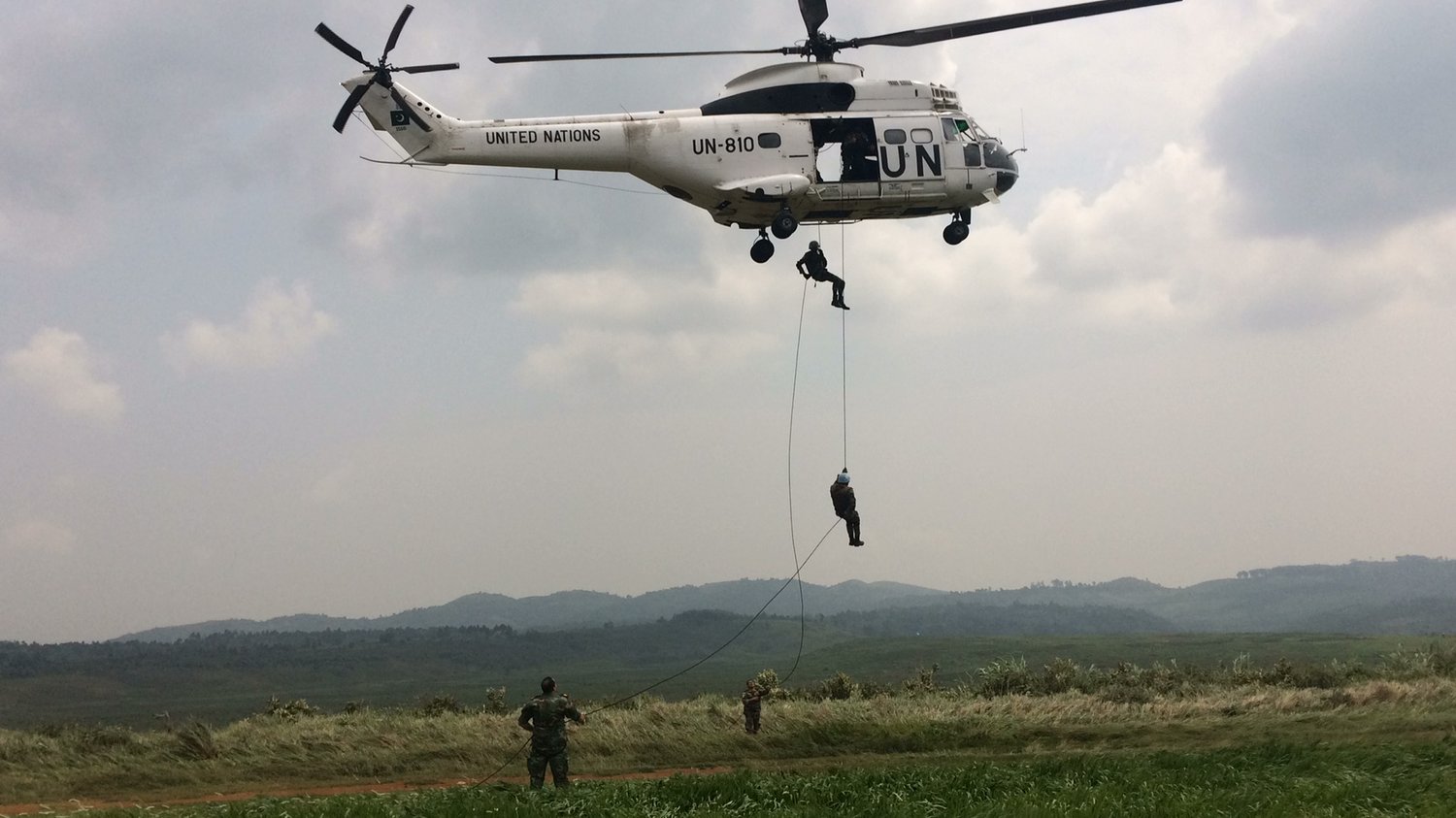
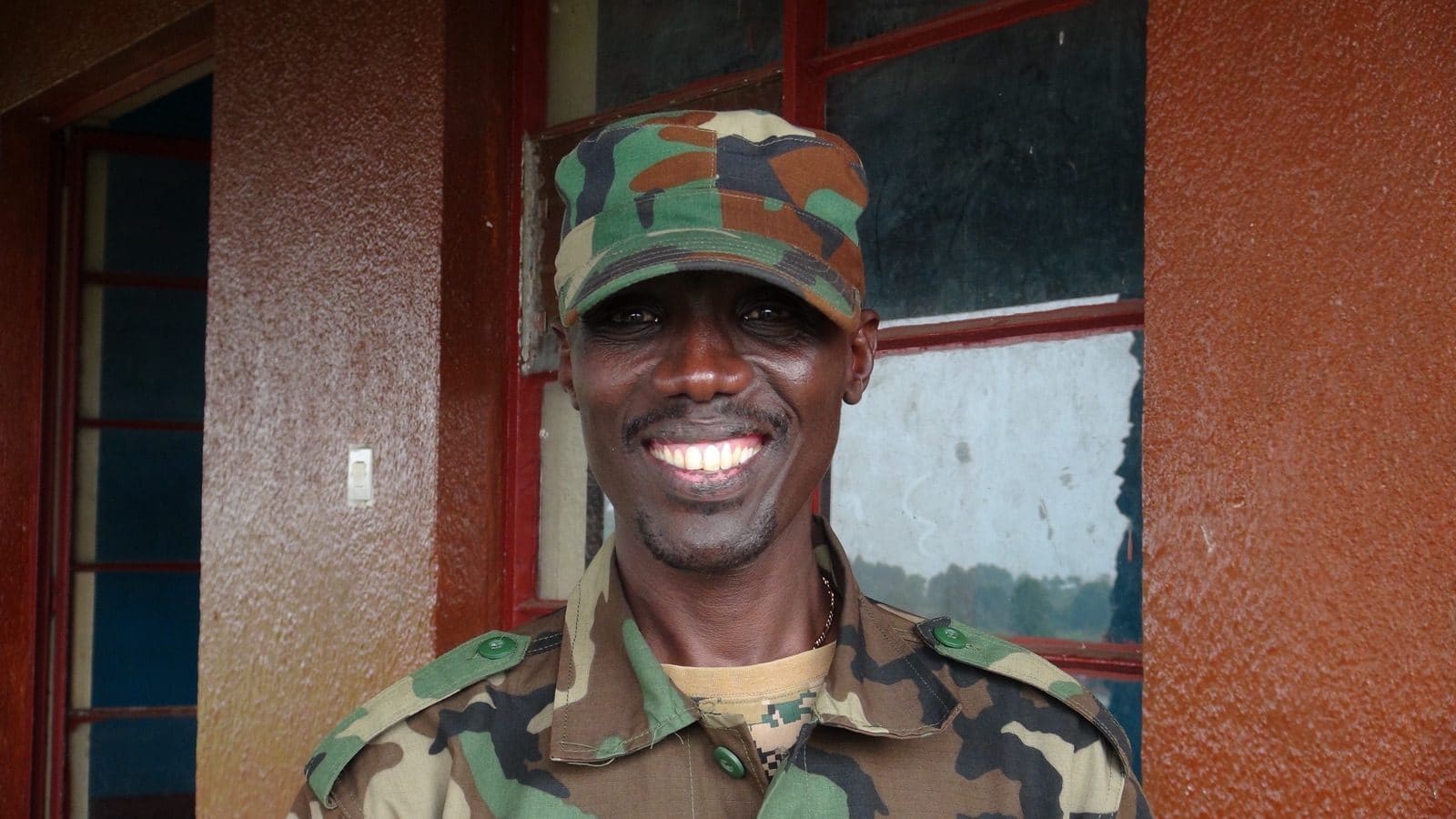
Myriam Asmani / MONUSCO Photos, CC BY-SA 2.0, via Wikimedia Commons. Shown for identification: photographed in 2011, before the 2025-2026 fighting described on this page; MONUSCO has maintained a presence on Lake Kivu in Goma for two decades.
This page tracks the latest and most severe phase of a conflict that has run, with pauses, across eastern Democratic Republic of the Congo since the mid-1990s. It does not attempt to cover that full multi-decade history, the First and Second Congo Wars, the mortality crisis that followed, or the two decades of MONUSCO peacekeeping in between. It tracks the current phase: the resurgence of the March 23 Movement (M23), a mostly Congolese Tutsi rebel group, from November 2021 through mid-2026.
M23 first formed in 2012 from former fighters of the CNDP, another Rwandan-linked rebel group, and was militarily defeated in 2013 after briefly seizing Goma. It stayed largely dormant until November 7, 2021, when its fighters attacked Congolese army (FARDC) positions in North Kivu, killing four people. A fuller offensive followed in March 2022, and by June 2022 M23 had captured the strategic border town of Bunagana. The DRC accused Rwanda of arming and reorganizing the group; Rwanda denied direct involvement, though a subsequent UN Group of Experts report substantiated the arming claim. By November 2022, MONUSCO had documented the killing of at least 171 civilians by M23 fighters in Rutshuru territory, an early sign of the mass-casualty pattern that would recur through the rest of the war.
The conflict escalated sharply in January 2025. M23 captured Sake on January 23, then Goma itself on January 27, a city of roughly two million people. Casualty estimates for the Goma offensive alone range from the UN’s figure of about 900 killed to the Congolese government’s estimate of up to 2,000; DRC’s prime minister separately said roughly 7,000 people had been killed nationwide since the start of the year, an unverified government figure. Twenty peacekeepers died, over 2,000 FARDC soldiers and police surrendered, and thousands of prisoners escaped a burning jail amid reports of atrocities against female inmates. Anger over Goma’s fall triggered riots in Kinshasa, where crowds attacked the French, Rwandan, and Belgian embassies. M23 took Bukavu on February 15 and Walikale, extending into North Kivu’s mining belt, on March 20. SADC’s SAMIDRC peacekeeping force, having lost 20 troops defending Goma, announced its withdrawal in March and completed a phased pullout by mid-2025.
Two parallel diplomatic tracks emerged through 2025. A bilateral DRC-Rwanda process, mediated by the United States, produced a Declaration of Principles in April, then the Washington Accord for Peace and Prosperity in June, addressing Rwandan troop withdrawal and a regional critical-minerals framework. A separate, Qatari-mediated DRC-M23 track produced its own Declaration of Principles in Doha in July and, after missed deadlines and a stalled autumn, an eight-protocol framework agreement in November. Neither track stopped the fighting: a July 2025 UN Group of Experts report found Rwanda’s military in “de facto direction and effective control” of M23 operations, a finding Rwanda has consistently rejected, framing its posture as defensive against the FDLR, a Hutu militia rooted in the 1994 genocide. That same month, Human Rights Watch documented the summary execution of more than 140 civilians, most ethnic Hutu, by M23 fighters near Virunga National Park.
The Washington Accords reached their highest-profile moment on December 4, 2025, when Presidents Tshisekedi and Kagame signed a joint declaration at the US Institute of Peace with President Trump presiding. The peace did not hold: M23, reinforced by Rwandan troops per the US Treasury, captured Uvira six days later, an assault Washington later called a blatant violation of the accords. Human Rights Watch documented the summary execution of more than 53 civilians, the rape of at least 8 women, and the forced disappearance of at least 12 people during the roughly month-long occupation that followed. When M23 announced a unilateral withdrawal in late December, FARDC’s spokesman dismissed it as a “media diversion,” and Congolese forces, backed by Wazalendo militias, did not retake the city until January 2026, reportedly after direct US pressure on M23 to leave. Fighting continued into February around Minembwe, a stronghold of the M23-aligned Twirwaneho militia, with an Angola-brokered ceasefire undercut within days by continued offensive operations and drone strikes affecting Banyamulenge civilians.
By mid-2026, accountability measures had begun catching up with the fighting without ending it. The US Treasury sanctioned the Rwandan military and four senior officers in March, and Human Rights Watch reported in June that M23 and Rwandan forces had operated detention camps involving forced labor, child soldiers, and hundreds of deaths through 2025. The UN’s Special Representative told the Security Council in June that AFC/M23 continued fighting while consolidating its own parallel administration in occupied territory, and noted the Allied Democratic Forces, an unrelated Islamist insurgency, remained active in Ituri, a reminder M23 is not the only armed group operating in eastern Congo. By July 2026, the UN’s rights chief was still describing drone and artillery strikes on populated areas in South Kivu and appealing for a Rwandan withdrawal and a Congolese demobilization of the FDLR, while the broader displacement toll, in a conflict now tracing back nearly five years, had surpassed 8 million people.
The Washington Accords were signed December 4, 2025; six days later M23's capture of Uvira alone displaced over 200,000 people in weeks, a smaller slice of the 1.16 million already driven from North and South Kivu since January but proof the pattern of mass displacement didn't stop when the ink dried.
None of these figures are uncontested. UN, Congolese government, Rwandan, and M23 accounts of casualties, territorial control, and responsibility for specific attacks diverge, sometimes sharply, and are attributed to their sources throughout this page rather than presented as settled fact. What is not contested is the scale of the humanitarian toll and the fact that, as of this writing, no side has ended the fighting despite two separate internationally brokered peace processes bearing its name.
Full Timeline (most recent first)
UN rights chief demands an end to explosive weapons in populated areas
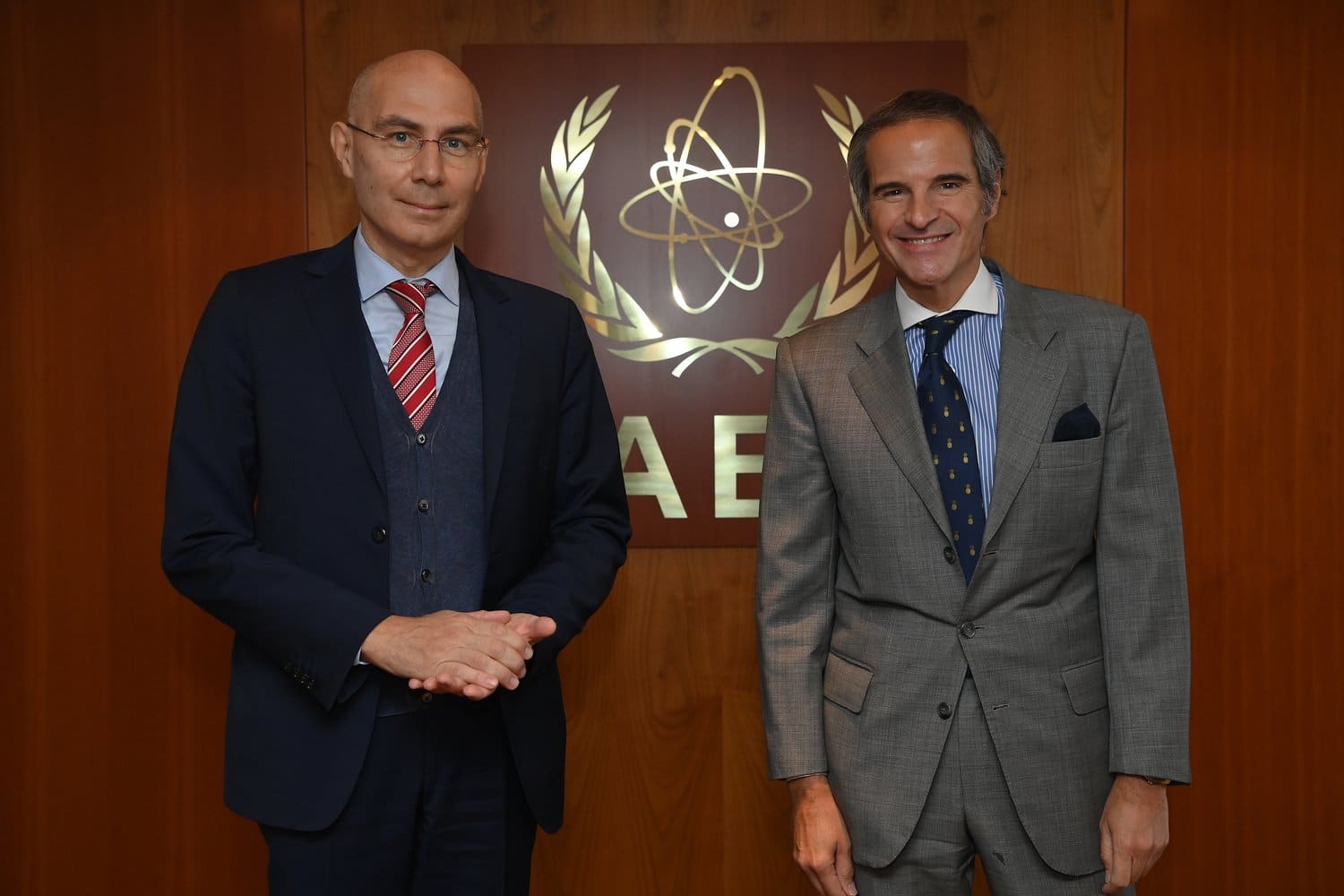
UN High Commissioner for Human Rights Volker Turk said clashes in South Kivu involving armed drones, heavy artillery, and other explosive weapons in civilian-populated areas were killing civilians and livestock and destroying homes, and urged Rwanda to withdraw its support and forces while calling on Congolese authorities to demobilize the FDLR. He said fighting continued unabated despite the December ceasefire, with the broader displacement toll, rooted in a conflict tracing back to the 1994 Rwandan genocide, having surpassed 8 million people.
UN envoy: situation remains "complex, volatile and devastating"
James Swan, the Secretary-General's Special Representative for the DRC and head of MONUSCO, told the Security Council that AFC/M23, backed by Rwandan forces, continued fighting FARDC while consolidating parallel administrative structures in territory it holds, and that the ADF had killed 28 civilians since the prior briefing, a reminder that M23 is not the only armed group active in eastern Congo. Nearly 27 million people were reported food insecure, and the 2026 Humanitarian Response Plan was only 53.3% funded.
HRW: M23 and Rwandan forces ran detention camps with forced labor
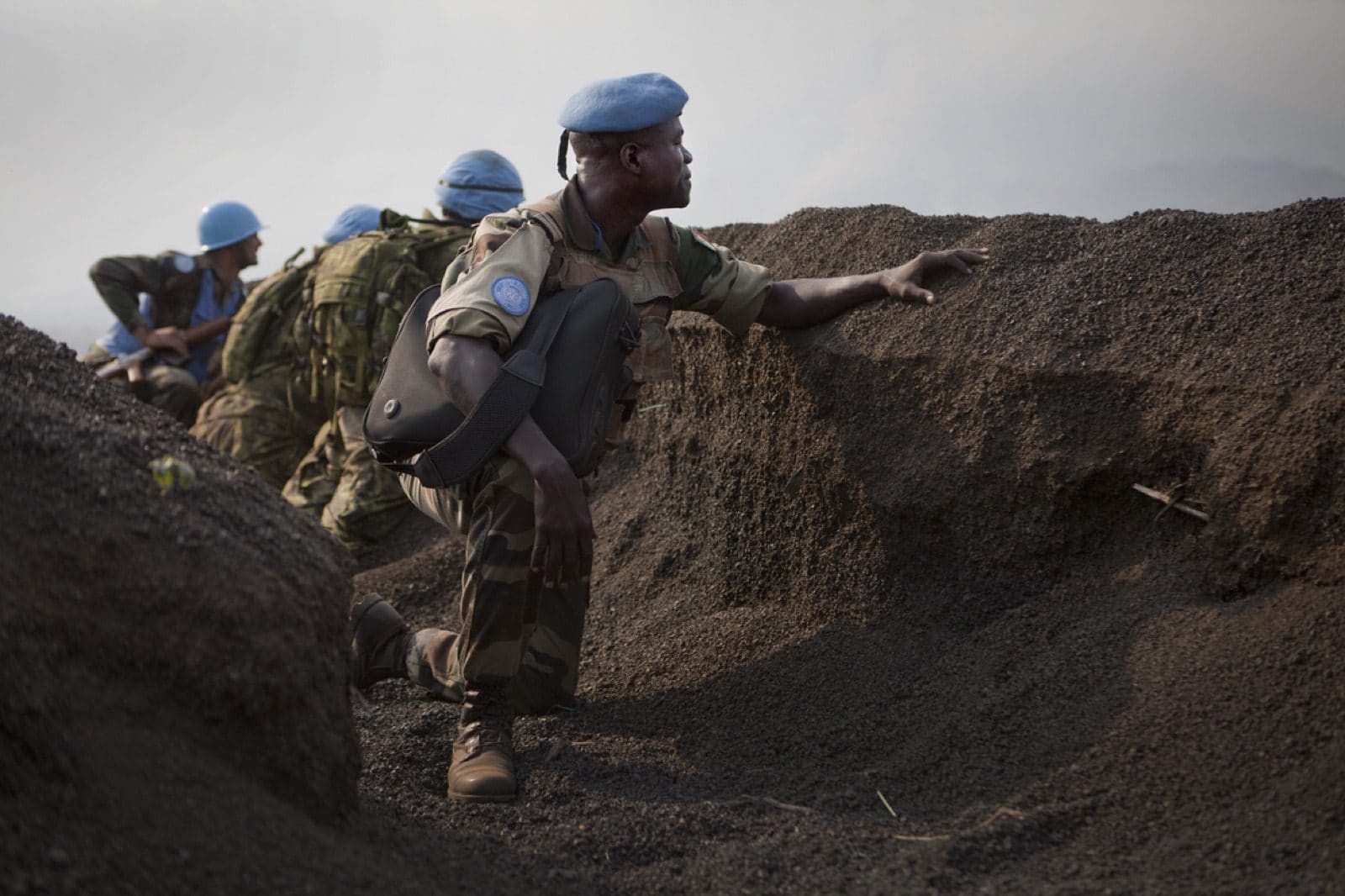
Human Rights Watch reported that M23 fighters backed by Rwandan military personnel operated detention camps involving murder, torture, corporal punishment, forced labor, and child soldiers through 2025, with former detainees describing hundreds of deaths from beatings, harsh conditions, and executions. HRW classified the pattern as war crimes and said Rwandan officials could bear criminal liability given the RDF's effective control of the area.
US Treasury sanctions Rwanda's military and four senior officers
OFAC sanctioned the Rwanda Defence Force and four senior officials, including Army Chief of Staff Vincent Nyakarundi, for actively supporting, training, and fighting alongside M23, citing RDF-supplied GPS jamming systems, air defense equipment, and drones on the eastern DRC battlefield, along with thousands of deployed RDF troops.
Angola brokers a ceasefire; Minembwe offensive continues regardless
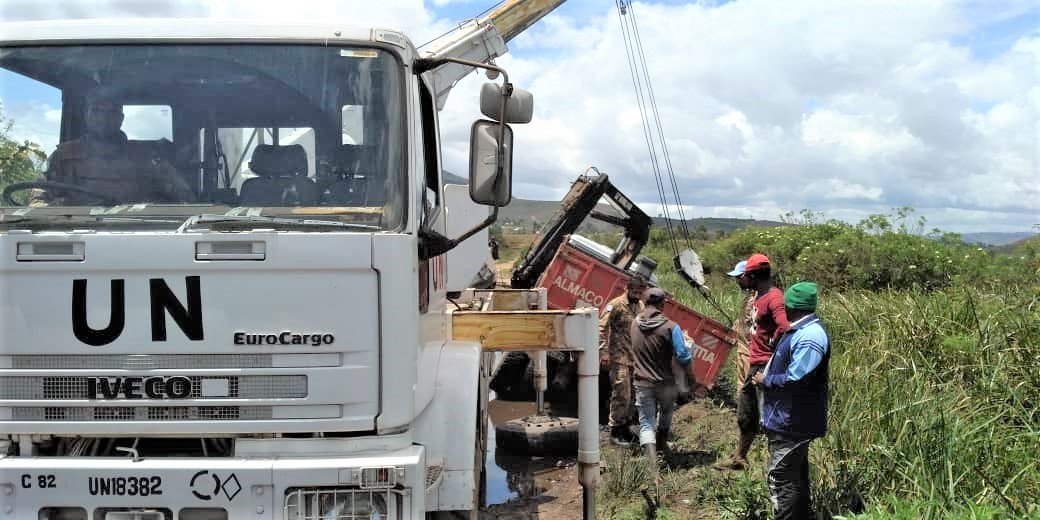
Angolan President Joao Lourenco brokered a ceasefire intended to take effect February 18, but Kinshasa's offensive against Minembwe, a stronghold of the M23-aligned, Banyamulenge-linked Twirwaneho militia, and drone strikes affecting Banyamulenge civilians and property continued without pause, undercutting the deal within days. Both the FARDC-aligned Wazalendo coalition and Twirwaneho have separately been accused of targeting civilians along the Uvira-Minembwe front.
FARDC and Wazalendo retake Uvira after US pressure on M23
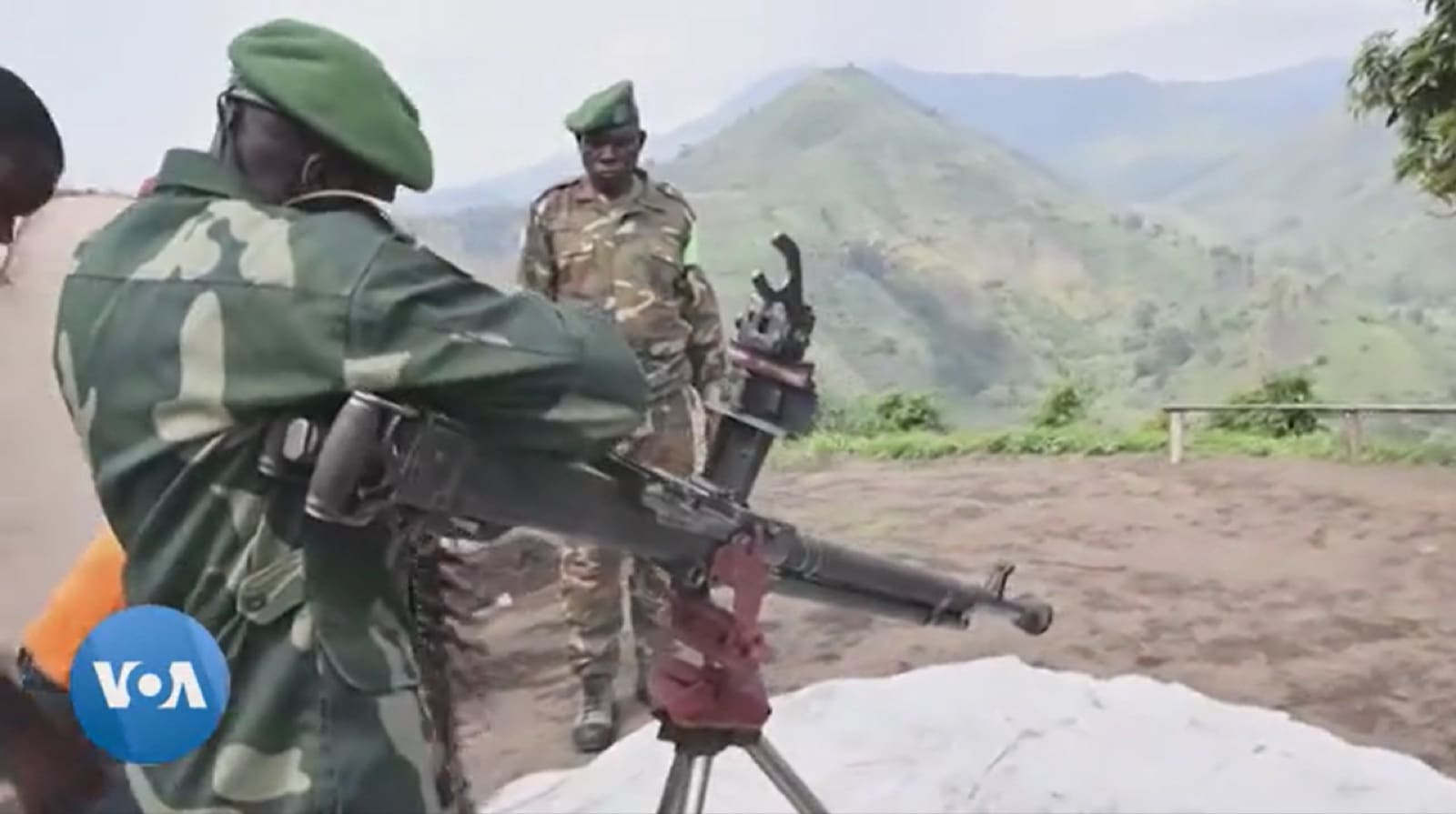
Congolese forces, backed by Wazalendo self-defense militias, reentered and reestablished control of Uvira after M23 withdrew, reportedly in response to a direct US request tied to the ongoing peace process.
HRW: 53+ civilians summarily executed during the Uvira occupation
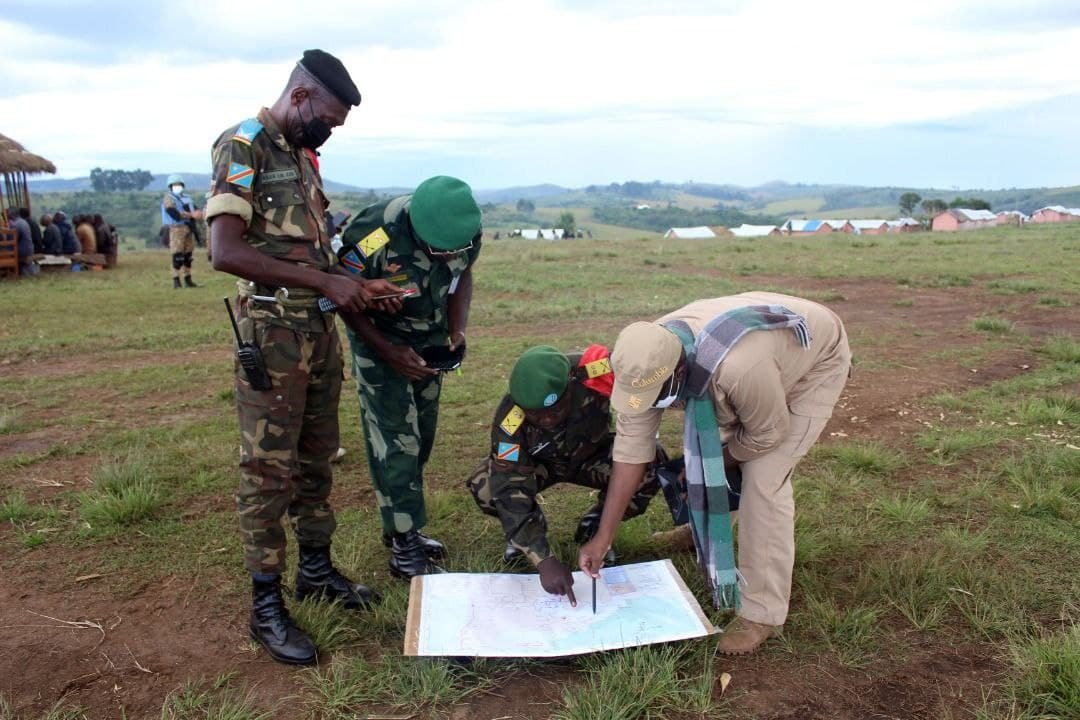
Human Rights Watch documented that M23 fighters and Rwandan forces summarily executed more than 53 civilians, mostly during door-to-door searches, raped at least 8 women, and forcibly disappeared at least 12 people during their roughly month-long occupation of Uvira between December 10, 2025 and January 17, 2026. HRW said the killings targeted people suspected of ties to Wazalendo militias and called the abuses war crimes warranting ICC investigation.
FARDC disputes M23's claimed withdrawal from Uvira
After M23 announced a unilateral withdrawal from Uvira, FARDC spokesman General-Major Sylvain Ekenge called the announcement a "media diversion" made in "flagrant bad faith," citing continued armed deployments, Rwandan personnel in civilian clothes, persistent checkpoints, and no actual handover to Congolese forces.
M23 captures Uvira, six days after the Accords were signed
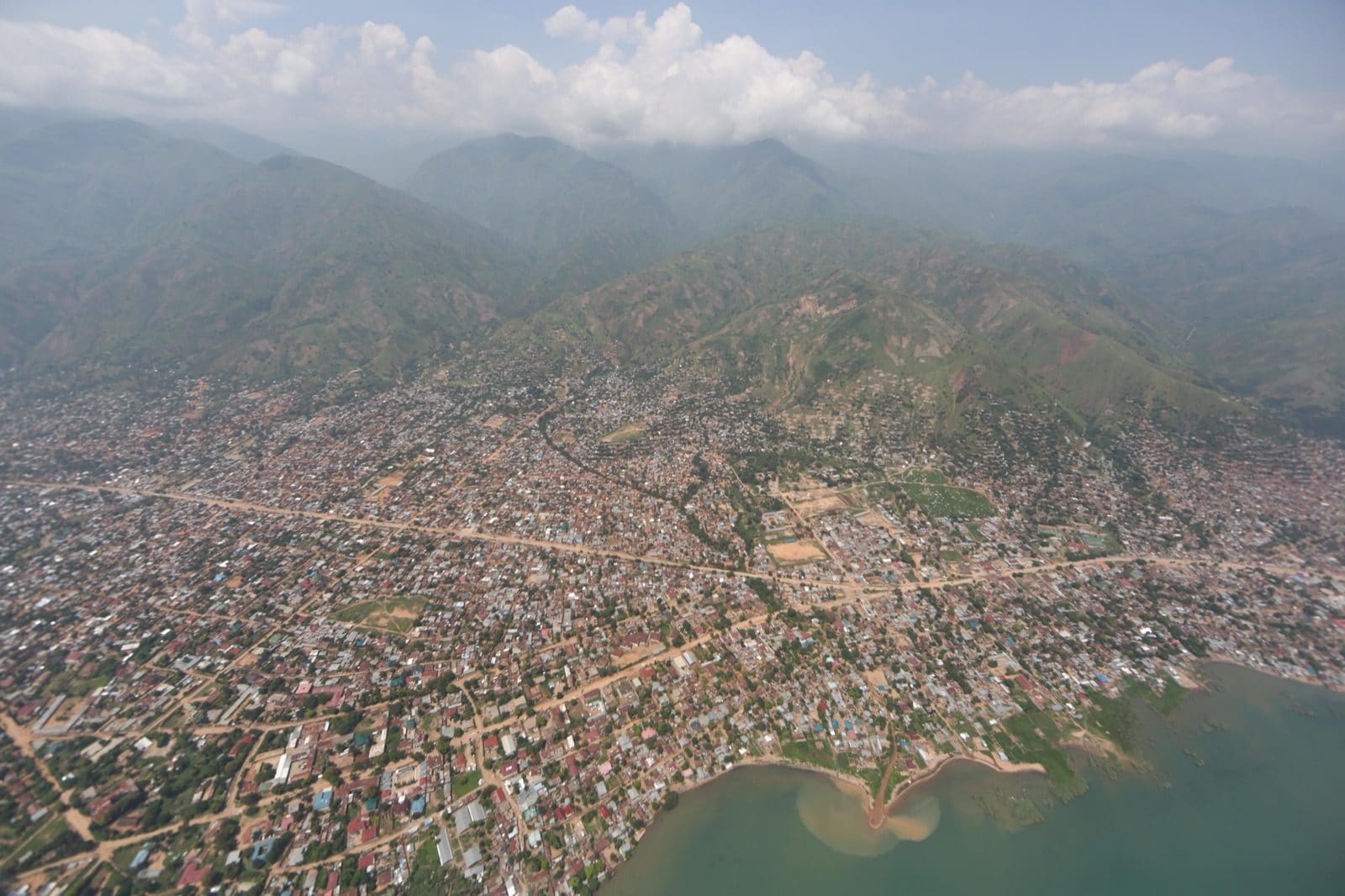
M23, reinforced by Rwandan troops according to the US Treasury, captured Uvira, a strategic city on the DRC-Burundi border, days after the Washington Accords signing. The US Treasury later cited the offensive as a "blatant violation" of the agreement, noting it caused civilian deaths and forced thousands to flee.
Fighting displaces 200,000+ in days as WFP suspends South Kivu operations
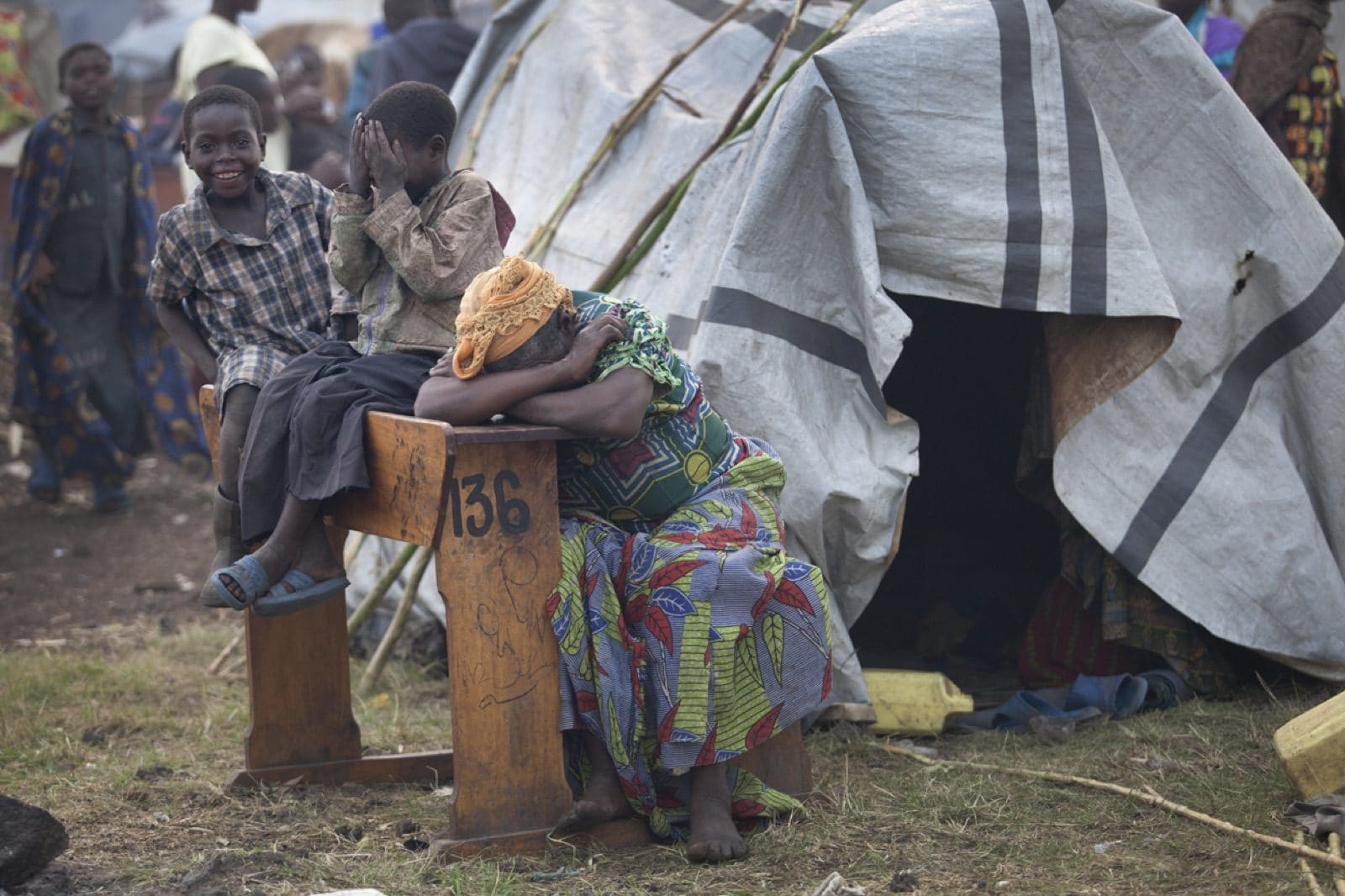
MONUSCO's Radio Okapi reported more than 74 civilians killed and at least 83 wounded in clashes since early December, with over 200,000 people newly displaced. Nearly 25,000 people crossed into Burundi between December 5 and 8. The World Food Programme suspended operations across South Kivu, cutting 25,000 people off from food aid, while 32 WFP-supported schools in Uvira closed, affecting more than 12,000 children.
Trump hosts Kagame and Tshisekedi for the Washington Accords signing
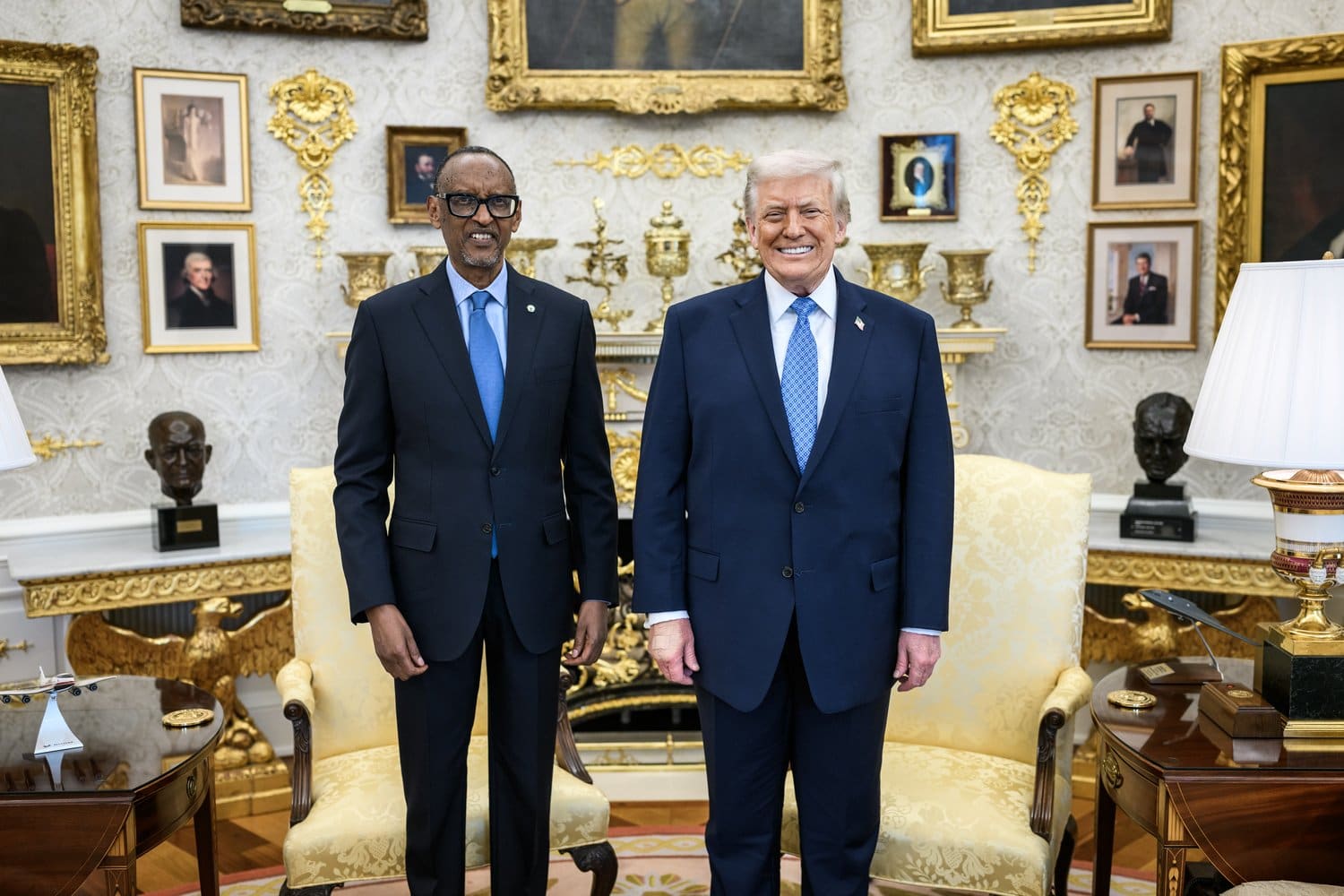
Presidents Felix Tshisekedi and Paul Kagame signed the Joint Declaration on the Washington Accords for Peace and Prosperity at the US Institute of Peace, with President Trump presiding and regional heads of state from Kenya, Angola, Burundi, and Togo in attendance, alongside Qatari and Emirati officials.
DRC and M23 sign an 8-protocol Doha framework agreement
The DRC government and M23 signed a framework agreement in Doha structuring negotiations into eight protocols to be settled individually, each required before a final peace deal, after missing their original August deadline and enduring an October collapse in talks.
HRW documents 140+ civilians executed near Virunga

Human Rights Watch reported that M23 fighters, with the Rwandan military also implicated, summarily executed more than 140 civilians, largely ethnic Hutu, across at least 14 villages near Virunga National Park between July 10 and 30, in what HRW called part of a campaign against the FDLR and other opposing armed groups. Credible reports suggested the Rutshuru-area toll since July could exceed 300.
DRC and M23 sign their own Declaration of Principles in Doha
Under Qatari mediation, the DRC government and M23 signed a separate Declaration of Principles in Doha, committing to prioritize peaceful means, work toward a ceasefire, and finalize a full agreement by August 18, a deadline both sides subsequently missed.
UN experts say Rwanda exercises command and control over M23
A UN Group of Experts report found the Rwanda Defence Force in "de facto direction and effective control" of M23 operations, concluding RDF reinforcements aimed at conquering additional Congolese territory rather than solely countering the FDLR as Rwanda has claimed. Rwanda has consistently denied directing M23 and describes its posture as defensive, citing the FDLR's roots in the 1994 genocide as a continuing security threat.
Foreign ministers sign the Washington Accord for Peace and Prosperity
DRC and Rwandan foreign ministers signed the Washington Accord for Peace and Prosperity, calling for Rwandan troop withdrawal, an end to Congolese support for the FDLR militia, and a regional critical-minerals economic framework involving the United States.
SADC begins physically withdrawing its troops
SADC commenced the phased road withdrawal of SAMIDRC personnel and equipment from Goma and Sake, routing troops through Rwanda to Tanzania before onward transport home, closing out a mission that had failed to stop the M23 advance.
DRC and Rwanda sign a Declaration of Principles in Washington
Foreign ministers of the DRC and Rwanda signed a Declaration of Principles in Washington, the first formal step toward what would become the Washington Accords, committing both governments to territorial integrity and a future economic-integration framework.
M23 captures Walikale, extending its reach west
M23 seized the mining town of Walikale, more than 100km west of Goma, pushing the conflict beyond the two provincial capitals and toward North Kivu's tin, tantalum, and tungsten mining belt.
SADC announces withdrawal of its peacekeeping mission
The Southern African Development Community announced the termination and phased withdrawal of SAMIDRC, its regional force deployed since December 2023, after the mission lost 20 troops in the fall of Goma and could not hold ground against the M23 advance.
DRC prime minister says 7,000 killed since January
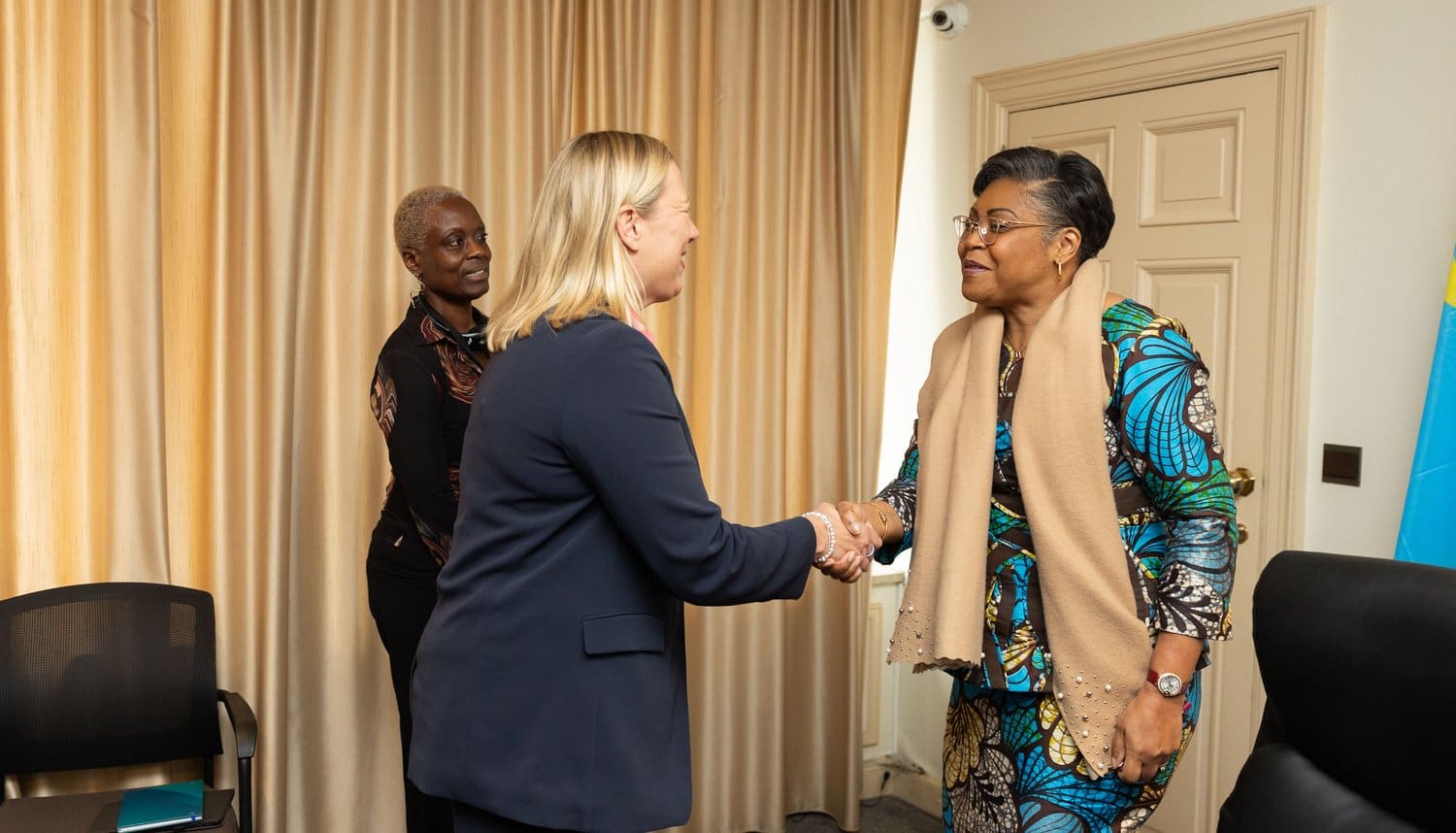
Prime Minister Judith Suminwa told reporters roughly 7,000 people had been killed in eastern DRC fighting since the start of the year, with about 3,000 of the deaths in Goma alone, more than 2,500 buried unidentified and 1,500 more still in morgues. The figure is a Congolese government estimate and has not been independently verified in full.
M23 captures Bukavu, DRC's second eastern provincial capital
M23 forces entered Bukavu through the Bagira and Kazingu districts after taking Kavumu Airport the day before. Widespread looting followed, including of a World Food Programme depot storing 6,800 metric tons of food aid, and residents reported fearing sexual violence amid the disorder.
EAC and SADC leaders call for a ceasefire
Leaders of the East African Community and Southern African Development Community, meeting in an exceptional joint summit in Tanzania, called for an immediate ceasefire. M23's advance toward Bukavu paused briefly before resuming a week later.
Protesters attack foreign embassies in Kinshasa
Anger over the fall of Goma spilled into the capital, where crowds attacked and set fire to sections of the French, Rwandan, and Belgian embassies, and targeted the US, Dutch, Kenyan, and Ugandan missions, demanding stronger international pressure on Rwanda.
M23 captures Goma; casualty estimates range into the thousands
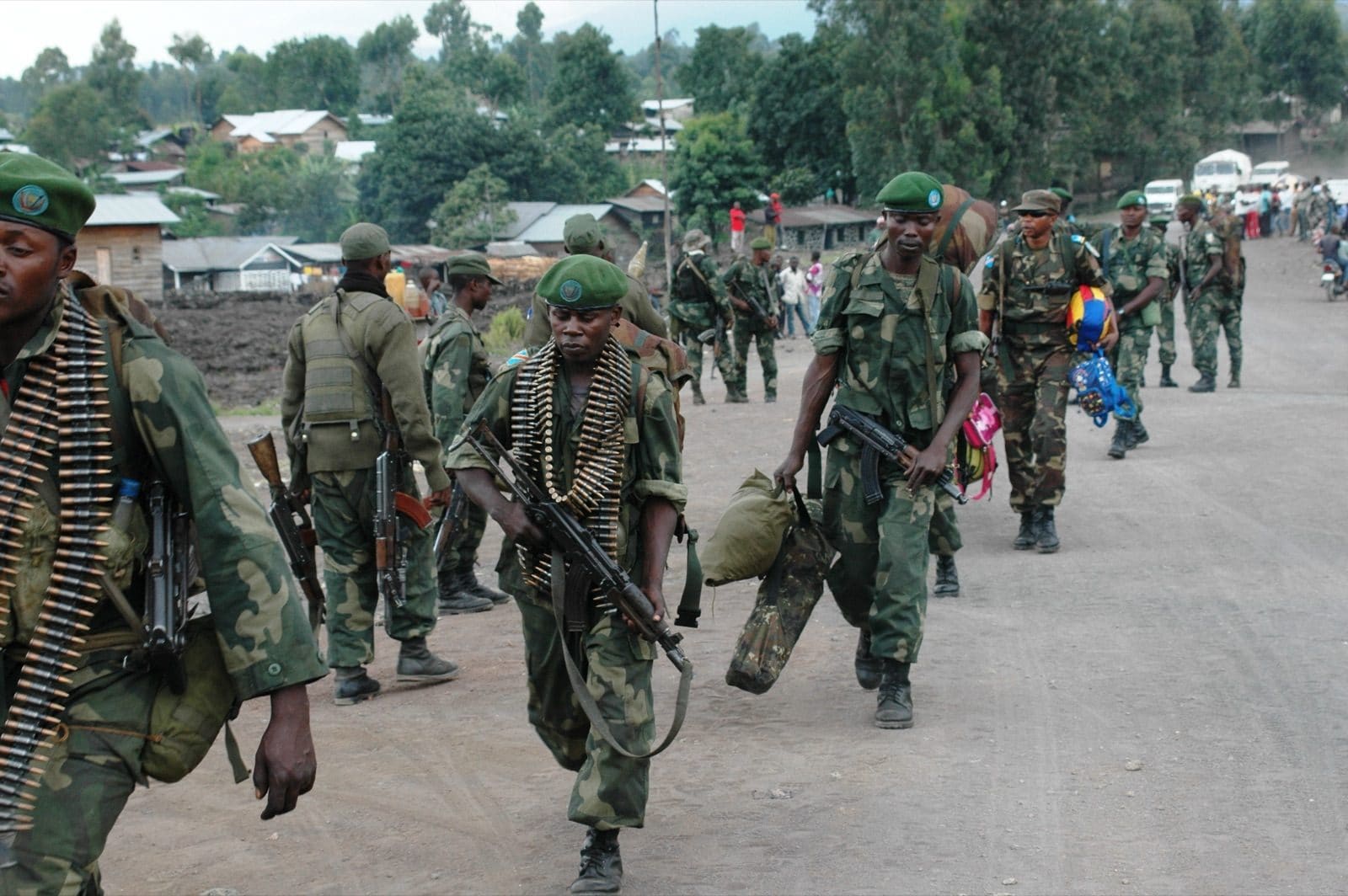
After fighting that began January 25, M23 claimed control of Goma, a city of roughly two million people, on January 27. Twenty peacekeepers were killed and over 2,000 FARDC soldiers and police surrendered. The UN estimated roughly 900 people killed in the offensive; the Congolese government put the figure at up to 2,000. Goma's Muzenze prison was destroyed and thousands of inmates escaped amid reports of women being raped and burned alive inside it.
M23 captures Sake and cuts off Goma
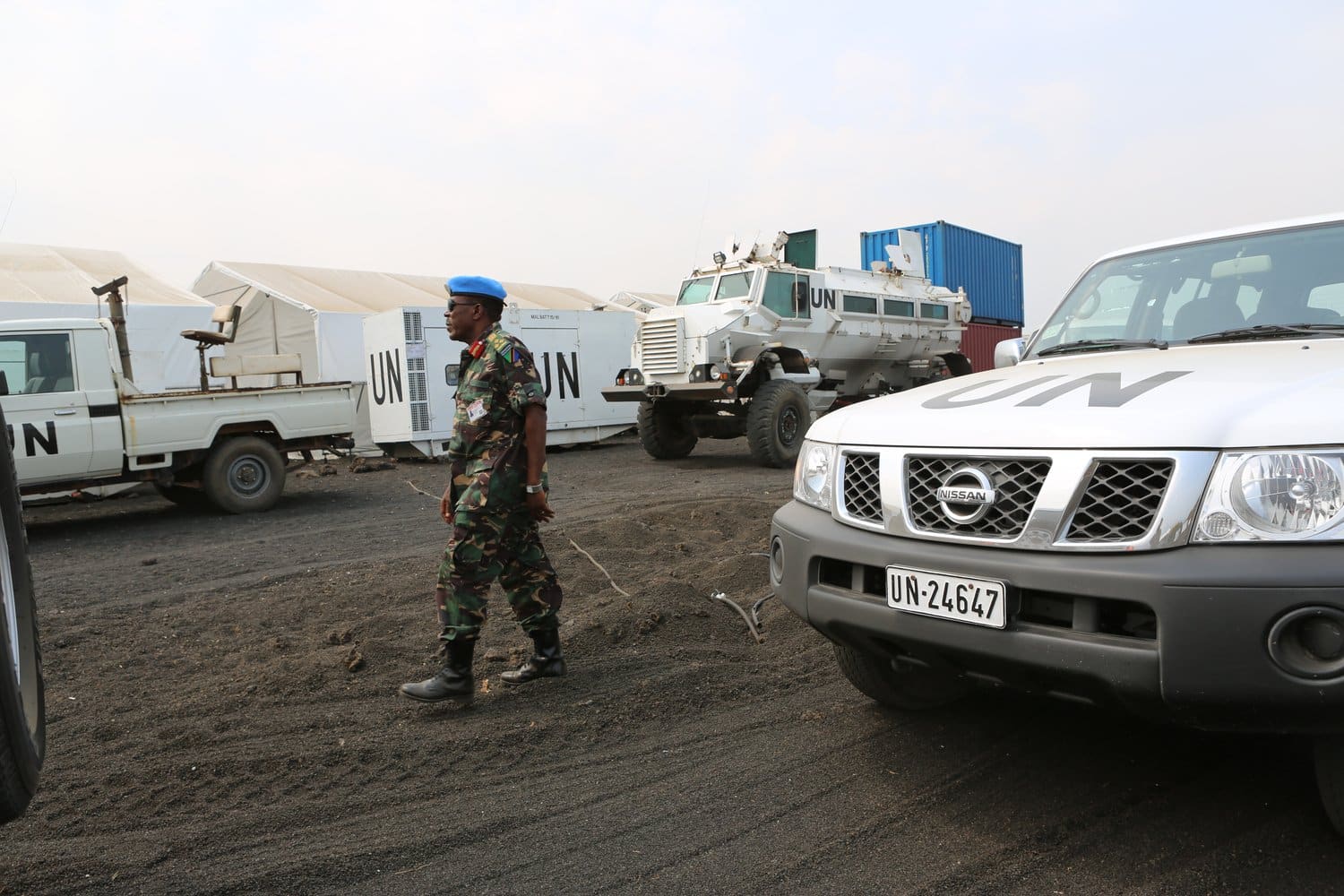
M23 forces took the town of Sake, severing the main roads into Goma and setting up the assault on North Kivu's provincial capital two days later.
MONUSCO documents 171+ civilians killed in Kivu massacres
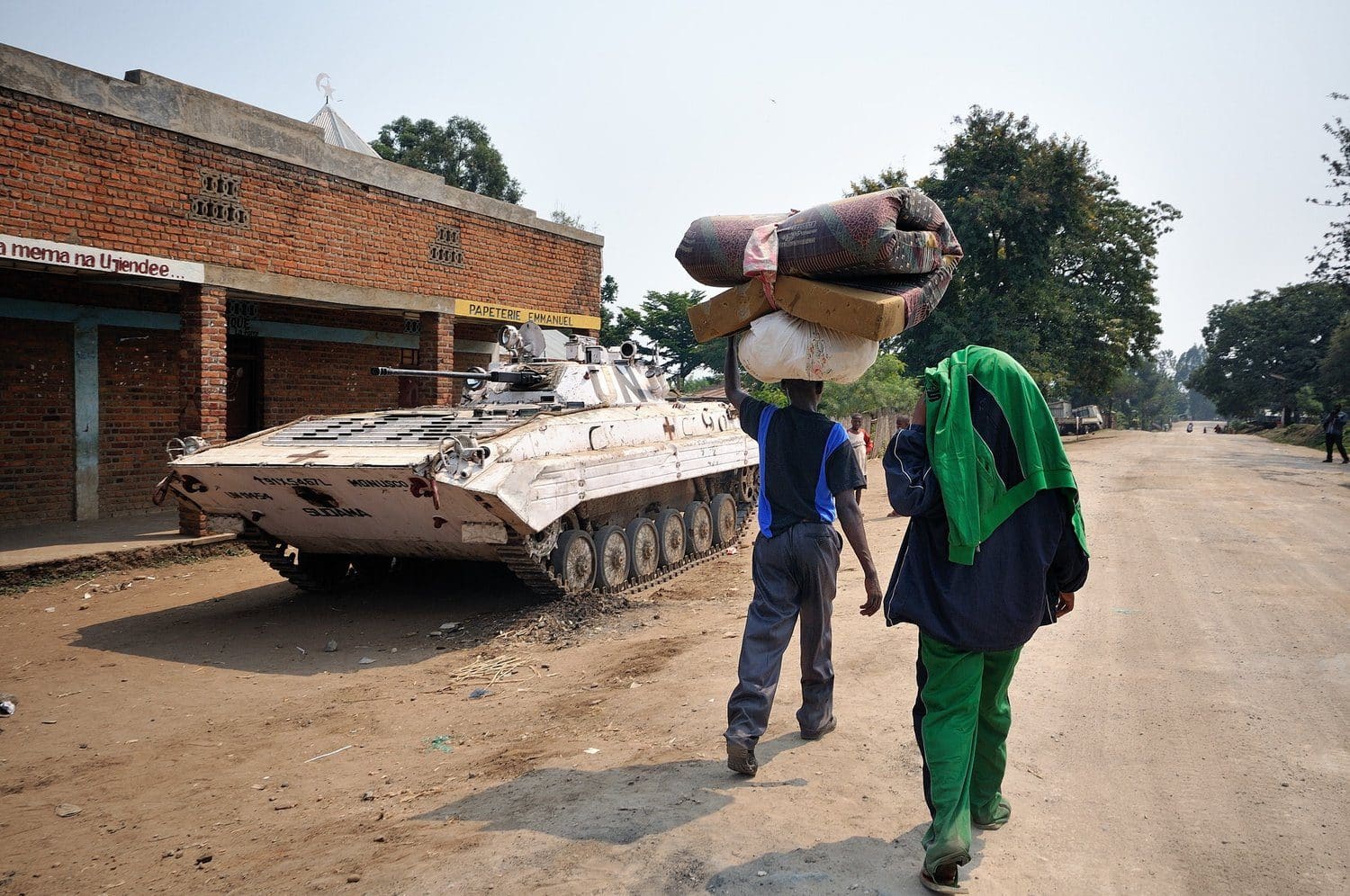
MONUSCO investigators documented the killing of at least 171 civilians by M23 fighters in the Tongo and Bambo groupements of Rutshuru territory, among the worst single episodes of the campaign's early phase and a preview of the mass-casualty pattern that recurred through 2025-2026.
M23 captures the border town of Bunagana
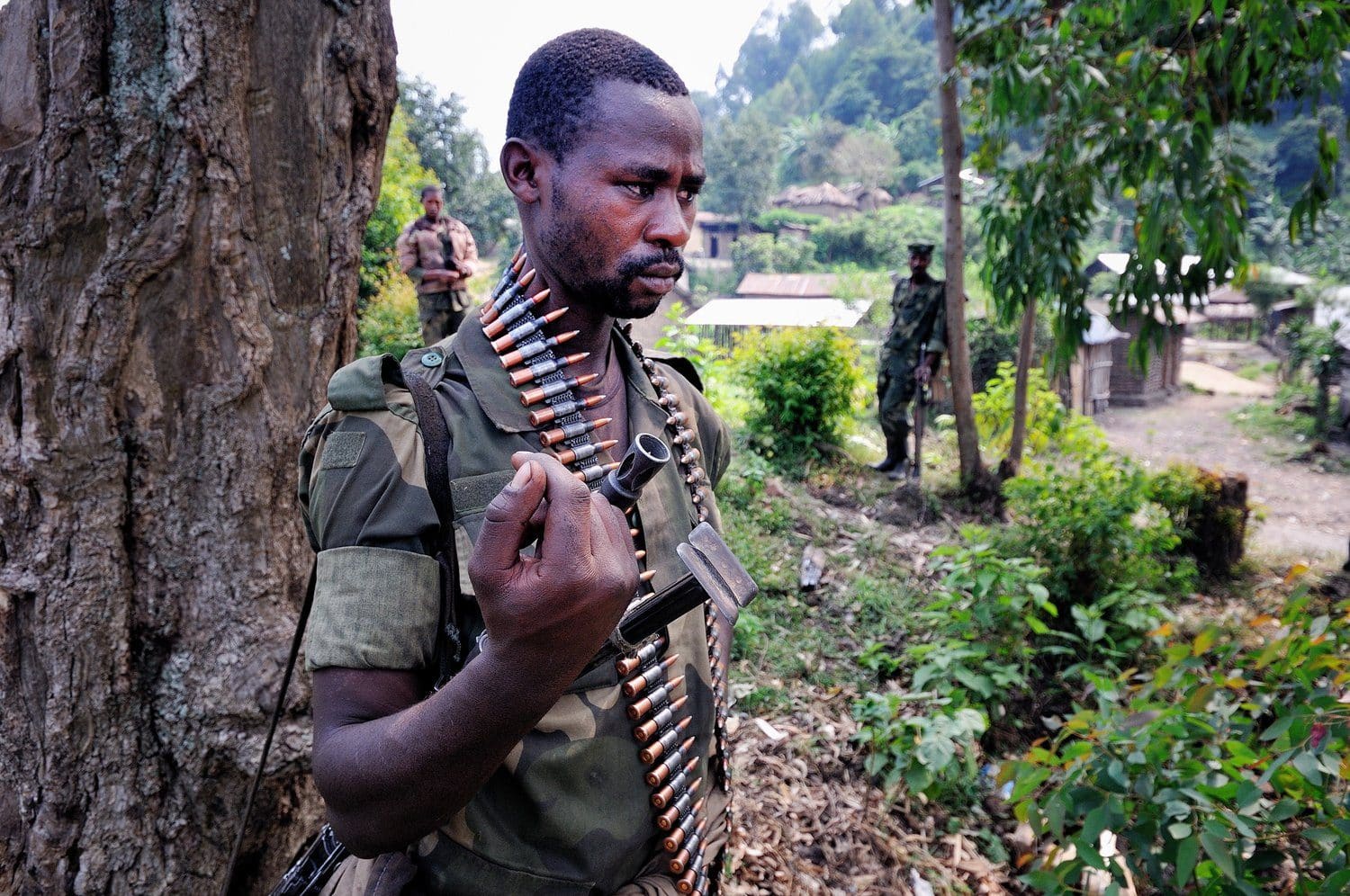
M23 seized the strategic Uganda border crossing at Bunagana, forcing a garrison of 137 FARDC soldiers and 37 police officers to retreat across the border into Uganda. The DRC accused Rwanda of arming and reorganizing the rebels; Rwanda denied direct involvement, though a subsequent UN Group of Experts report substantiated the arming claim.
M23 launches a full offensive in Rutshuru Territory
M23 attacked the villages of Tshanzu and Runyoni overnight and, within two days, had captured Mugingo, Gasiza, Chengerero, Rugamba, Kibote, Baseke, and Kabindi, converting the prior months of skirmishing into a sustained territorial offensive.
M23 breaks a five-year lull and attacks FARDC positions
After years of low-level dormancy following its 2013 military defeat, M23 fighters under commander Sultani Makenga attacked Congolese army (FARDC) positions in the villages of Ndiza, Cyanzu, and Runyoni in North Kivu, killing four people and marking the start of the group's current campaign.
Frequently Asked Questions
What is M23 and who backs it?
M23 (the March 23 Movement) is a mostly Congolese Tutsi rebel group formed in 2012 from former CNDP fighters, defeated in 2013, and revived from November 2021. A UN Group of Experts report concluded the Rwanda Defence Force exercises de facto direction and effective control over M23's operations, arguing Rwanda's conduct meets the threshold for international sanctions and belligerent occupation. Rwanda has consistently denied directing M23, framing its posture as a defensive response to the FDLR, a Hutu militia with roots in the 1994 Rwandan genocide that has operated in eastern DRC for decades.
Did the Washington Accords end the war?
No. Heads of state signed the Washington Accords for Peace and Prosperity on December 4, 2025, but M23 captured the city of Uvira six days later, an offensive the US Treasury later called a blatant violation of the agreement. Fighting, including drone and artillery strikes on populated areas in South Kivu, continued through at least July 2026, and the UN Special Representative described the security situation that June as "complex, volatile and devastating."
How many people have been killed or displaced?
Estimates vary by source and are frequently disputed. The UN put deaths in the January 2025 Goma offensive alone at roughly 900; the Congolese government estimated up to 2,000. DRC's prime minister separately said about 7,000 people had been killed nationwide since January 2025, a government figure not independently verified in full. By mid-2026, UN reporting put the number of people displaced by the broader conflict at more than 8 million, with roughly 1.1 million Congolese refugees having fled the country entirely.
Are armed groups besides M23 and the Congolese army involved?
Yes. Wazalendo, a loose coalition of community self-defense militias, has fought alongside FARDC against M23 but has itself been accused of abuses against Tutsi and Banyamulenge civilians. Twirwaneho, a Banyamulenge-aligned militia in the South Kivu highlands, is allied with M23. The Allied Democratic Forces (ADF), an Islamist insurgency unrelated to the M23-Rwanda dispute, remains active in Ituri province, and the FDLR, the Hutu militia at the center of Rwanda's stated security rationale, continues to operate in the east. This page focuses on the M23-centered conflict and does not attempt to catalog every armed group in the region.
Is this the same war as the 1990s-2000s Congo Wars?
No, though it is a direct descendant of them. The First and Second Congo Wars (1996-2003) and the mortality crisis that followed are estimated to have killed millions, mostly from disease and hunger rather than combat, and left behind the armed groups, refugee populations, and Rwanda-DRC tensions that still shape the conflict today. This page covers the current, M23-centered phase that began in November 2021, not that earlier multi-decade history.
What do the Washington and Doha peace tracks actually cover?
They are two separate but linked processes. The Washington track is a bilateral DRC-Rwanda state agreement, covering Rwandan troop withdrawal, an end to Congolese support for the FDLR, and a US-brokered regional critical-minerals economic framework. The Doha track is a separate DRC-M23 negotiation, mediated by Qatar, structured around eight protocols still being negotiated individually as of the most recent framework agreement in November 2025. M23 was not a party to the Washington agreement.
Sources
- March 23 Movement — Wikipedia
- M23 campaign (2022-present) — Wikipedia
- 2025 Goma offensive — Wikipedia
- 2025 Bukavu offensive — Wikipedia
- 2025 Kinshasa riots — Wikipedia
- 2025 DRC-Rwanda peace agreement — Wikipedia
- 5 things to know about the fighting in the Democratic Republic of Congo — NPR
- Goma capture sparks fears of deeper regional conflict — The New Humanitarian
- Protesters attack French, US, Rwandan embassies in DRC — Al Jazeera
- Fighting in eastern DRC killed about 7,000 people since January, PM says — Al Jazeera
- Southern Africa regional bloc to withdraw troops from DRC amid M23 advance — Al Jazeera
- M23 rebels capture key town of Walikale in eastern DR Congo — Al Jazeera
- SADC commences withdrawal of SAMIDRC from the Eastern DRC — SADC
- UN experts cast blame on Rwanda and Uganda. What are they doing in DRC? — Al Jazeera
- DR Congo: M23 Mass Killings Near Virunga National Park — Human Rights Watch
- Doha agreement brings DR Congo government and M23 rebels a step closer to peace — UN News
- DRC, Rwanda-backed M23 sign framework deal for peace after talks in Qatar — Al Jazeera
- Trump hails 'great day for the world' as DRC, Rwanda finalise peace deal — Al Jazeera
- Eastern DR Congo fighting kills scores, cuts food aid and drives mass displacement — UN News
- Sud-Kivu: 'ce retrait d'Uvira n'est ni reel ni effectif', denoncent les FARDC — Actualite.cd
- Est de la RDC: l'armee congolaise reprend le controle d'Uvira apres le retrait de l'AFC/M23 — Jeune Afrique
- DR Congo: M23 Rebels Commit Atrocities in Eastern City — Human Rights Watch
- Will there be a ceasefire in the DRC, and will it hold? — Pan African Review
- Caught in the middle: Banyamulenge face violence and instrumentalisation in DR Congo's Uvira — The New Humanitarian
- Treasury Sanctions Rwanda Officials, Condemns Blatant Violations of Washington Peace Accords — US Department of the Treasury
- US Sanctions Rwandan Army, Commanders — Human Rights Watch
- Death Was Everywhere: Arbitrary Detention, Killings, and Forced Recruitment by the M23 and the Rwanda Defence Force — Human Rights Watch
- Stay Course towards Durable Peace in Democratic Republic of the Congo, Special Representative Urges — UN Security Council press coverage
- Use of explosive weapons 'must stop' in eastern DR Congo: Turk — UN News
- World Report 2026: Democratic Republic of Congo — Human Rights Watch
- DR Congo: Millions facing destitution as violence forces people to flee multiple times — Norwegian Refugee Council
- Conflict in the Democratic Republic of Congo — Council on Foreign Relations Global Conflict Tracker